
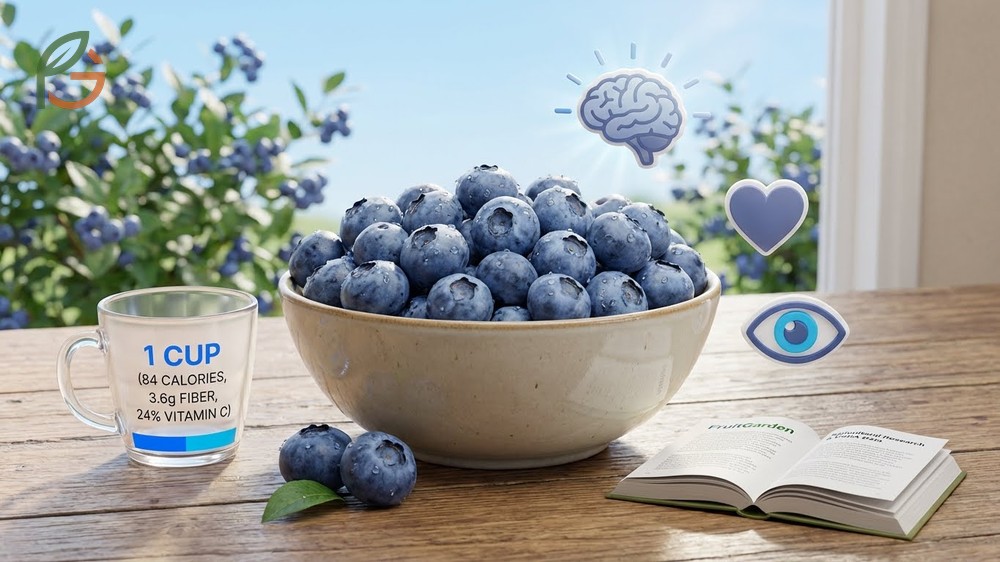
The nutritional value of blueberries is exceptional—one cup delivers 84 calories, 3.6 grams of fiber, and 24% of your daily vitamin C needs.[1] Research shows these berries pack more disease-fighting antioxidants than most fruits, making them a nutritional powerhouse for brain health, heart protection, and eye support. FruitGarden synthesizes current agricultural research and USDA data to help you maximize the health benefits of growing and consuming fresh blueberries.
Quick Answer
Nutritional Value of Blueberries
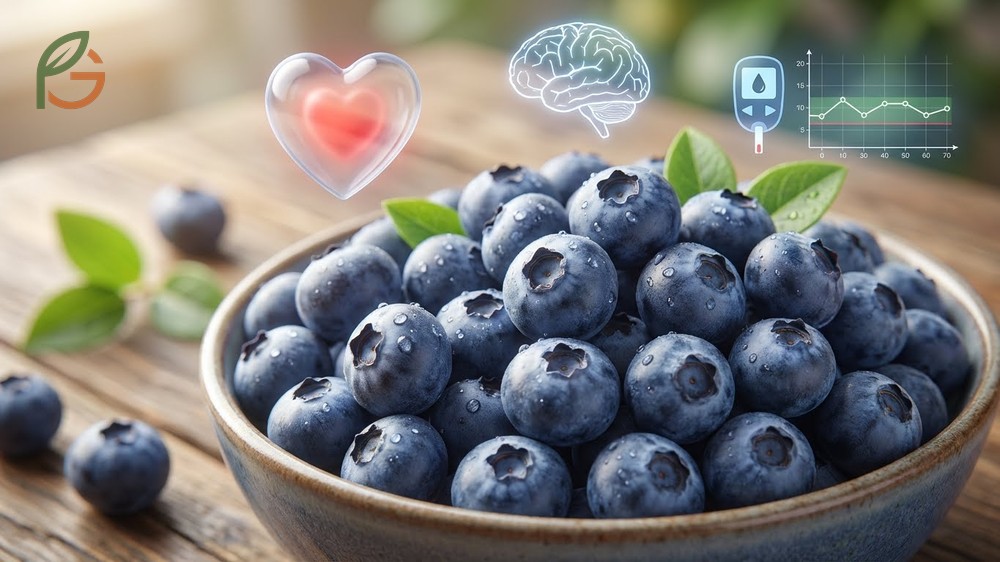
Blueberries rank among North America’s most nutrient-dense native fruits. Studies demonstrate that one cup (148g) of fresh blueberries contains just 84 calories while delivering substantial amounts of fiber, vitamins, and minerals.[1] This makes them ideal for weight management and overall health.
The berry’s deep blue color comes from anthocyanins—powerful flavonoid compounds that provide antioxidant and anti-inflammatory benefits. Research shows wild blueberries contain 33% more of these antioxidants compared to cultivated varieties.[2] This concentration gives wild berries superior health-promoting properties.
Most cultivated blueberries are grown in Michigan, North Carolina, Georgia, and California, while wild varieties thrive in Maine and Eastern Canada. What often gets overlooked is that frozen blueberries retain nearly identical nutritional profiles to fresh ones, making them equally beneficial year-round.
Calories and Macronutrients
A standard one-cup serving delivers balanced macronutrients without excess calories. The 21 grams of carbohydrates include 14.7 grams of natural sugars and 3.6 grams of dietary fiber.[1] This fiber content supports digestive health and helps maintain stable blood sugar levels.
Blueberries contain negligible fat (0.5g per cup) and are completely cholesterol-free. The minimal sodium content (1mg per cup) makes them suitable for low-sodium diets and heart-healthy eating plans.
Important Note: While blueberries are low in calories, they’re not keto-friendly due to their 21g net carb content per cup. People following strict ketogenic diets should limit portions to 1/4 cup or less.
Fresh vs Frozen Blueberries
Frozen blueberries maintain the same nutritional value as fresh berries because they’re flash-frozen at peak ripeness. Current data indicates that freezing doesn’t significantly reduce vitamin C, fiber, or antioxidant content. Many people find frozen berries more convenient and cost-effective for smoothies and baking.
Choose firm, plump, dry blueberries with a dusty blue appearance when buying fresh. Avoid berries that are soft, shriveled, or show any signs of mold to ensure maximum nutritional value and shelf life.
Do Blueberries Have Protein
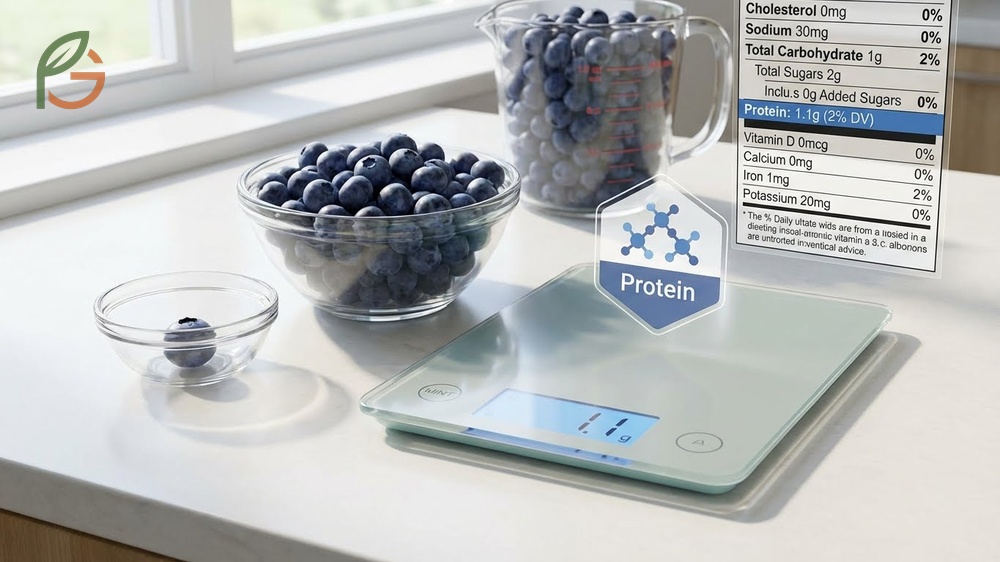
Yes, blueberries contain protein, but in minimal amounts. One cup provides approximately 1.1 grams of protein, which represents about 2% of the recommended daily value.[3] This isn’t enough to meet daily protein needs on its own.
A single blueberry contains roughly 0.007 grams of protein. While this seems insignificant, the protein does include essential amino acids that support various bodily functions. However, you’d need to consume about 50 cups of blueberries to meet the average adult’s daily protein requirement.
Evidence suggests that blueberries work best as part of a balanced diet rather than a primary protein source. Pairing them with Greek yogurt, nuts, or protein-rich breakfast foods creates a more nutritionally complete meal that combines the berry’s antioxidants with adequate protein.
Protein Content per Serving
Different serving sizes deliver varying protein amounts. A half-cup serving contains about 0.55 grams of protein, while a pint (2 cups) provides approximately 2.2 grams. Understanding these measurements helps you plan meals that balance fruit intake with protein requirements.
The protein in blueberries isn’t complete—it lacks sufficient quantities of all nine essential amino acids. This makes them complementary rather than primary protein sources in your diet.
- 1 individual berry: 0.007g protein
- 1/4 cup (37g): 0.28g protein
- 1/2 cup (74g): 0.55g protein
- 1 cup (148g): 1.1g protein
- 1 pint (296g): 2.2g protein
Vitamins in Blueberries
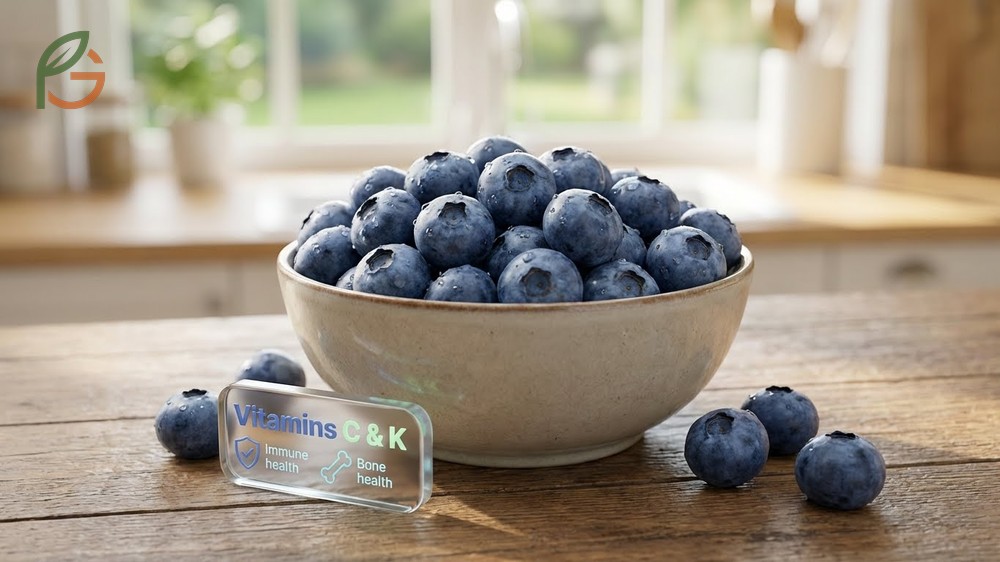
Blueberries are excellent sources of vitamins C and K, plus they provide manganese and moderate amounts of other essential nutrients. Research shows that one cup delivers 24% of your daily vitamin C needs and an impressive 36% of vitamin K requirements.[1] This vitamin density makes them valuable for immune function and bone health.
The berry also contains smaller amounts of vitamin A, vitamin E, and several B-vitamins including folate. While these aren’t present in high concentrations, they contribute to the overall nutritional profile and work synergistically with other nutrients.
Vitamin C Content
One cup of fresh blueberries provides approximately 14.4mg of vitamin C, meeting 24% of the daily recommended intake. This water-soluble antioxidant supports collagen production, immune function, and iron absorption from plant-based foods. Vitamin C also enhances the bioavailability of other antioxidants in blueberries.
Unlike citrus fruits that deliver 50-100% of daily vitamin C in one serving, blueberries offer moderate amounts. However, their vitamin C works alongside anthocyanins to provide enhanced antioxidant protection—a synergy not found in all fruits.
This table compares vitamin C, vitamin K, and manganese content per cup serving across blueberries and three common fruits
| Fruit | Vitamin C (mg) | Vitamin K (mcg) | Manganese (mg) |
|---|---|---|---|
| Blueberries | 14.4[1] | 28.6[1] | 0.50[1] |
| Strawberries | 89.4 | 3.7 | 0.57 |
| Raspberries | 32.2 | 9.6 | 0.82 |
| Blackberries | 30.2 | 28.5 | 0.93 |
Vitamin K and Other Nutrients
Blueberries excel in vitamin K content, providing 28.6 micrograms per cup—that’s 36% of the daily value. This fat-soluble vitamin plays crucial roles in blood clotting and bone metabolism. People taking blood-thinning medications should consult healthcare providers about consistent vitamin K intake.
The berries also deliver 25% of daily manganese needs, a trace mineral essential for bone formation, wound healing, and metabolizing carbohydrates. Additional minerals include potassium (114mg), magnesium (9mg), and small amounts of calcium, iron, and zinc.
- Vitamin C: 14.4mg (24% DV) – supports immunity and collagen synthesis
- Vitamin K: 28.6mcg (36% DV) – essential for blood clotting and bone health
- Manganese: 0.50mg (25% DV) – aids metabolism and antioxidant defenses
- Potassium: 114mg (2% DV) – regulates fluid balance and blood pressure
- Folate: 9mcg (2% DV) – critical for DNA synthesis and cell division
- Vitamin E: 0.84mg (4% DV) – protects cells from oxidative damage
Vitamin D Consideration: Blueberries don’t contain vitamin D. One cup provides 0% of your daily vitamin D needs, so you’ll need other sources like fatty fish, fortified dairy, or sunlight exposure to meet this requirement.
What Is a Serving of Blueberries
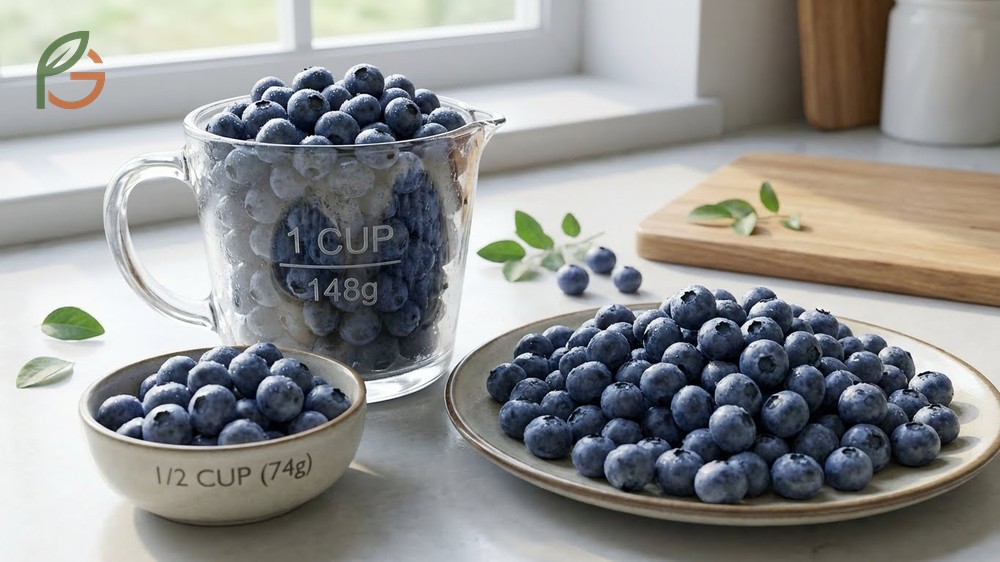
The standard serving size for fresh blueberries is one cup (148 grams), which equals approximately 75-80 individual berries. This portion size aligns with USDA dietary guidelines and provides optimal nutritional benefits without excess sugar intake. Most Americans can easily fit 1-2 servings into their daily fruit requirements.
A half-cup serving (74g) is also common and provides about 42 calories with proportional nutrients. For meal planning purposes, one pint of fresh blueberries equals 2 cups or 2 standard servings. Frozen blueberries typically use a 1/2 cup (78g) serving size on nutrition labels.
Agricultural guidance emphasizes that eating one or more servings of blueberries weekly may help slow cognitive decline by several years, according to research from Harvard Medical School.[1] This finding makes consistent portion sizes important for long-term health benefits.
For therapeutic effects like improved memory or heart health, studies typically use 1-2 cups daily. However, individual needs vary based on overall diet, health status, and caloric requirements. Most people find that 1/2 to 1 cup per day balances benefits with dietary variety.
- 1 cup fresh = 148g = 75-80 berries = 84 calories
- 1/2 cup fresh = 74g = 38-40 berries = 42 calories
- 1 pint fresh = 296g = 2 cups = 168 calories
- 1/2 cup frozen = 78g = approximately 45 calories
- 1/4 cup dried = 40g = approximately 127 calories (concentrated)
When incorporating blueberries into recipes, measurements matter for both flavor and nutrition. A handful equals roughly 1/3 cup, while a standard muffin recipe typically calls for 1-1.5 cups. Smoothies work well with 1/2 to 1 cup per serving to balance sweetness with other ingredients.
Health Benefits of Blueberries
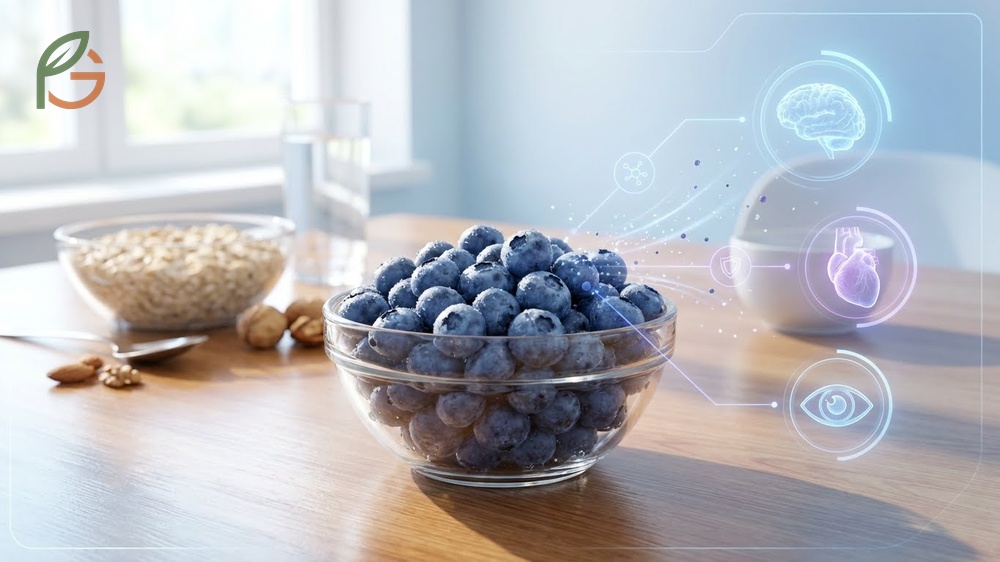
Current research demonstrates that blueberries deliver body-wide health benefits through their unique combination of antioxidants, vitamins, and phytonutrients. Studies show they’re particularly effective for brain function, cardiovascular health, and vision protection.[4] These benefits extend beyond basic nutrition to disease prevention.
The superfood qualities of blueberries stem from their exceptional antioxidant capacity. Evidence indicates one serving provides as many antioxidants as five servings of carrots, apples, broccoli, or squash combined. This concentration makes them among the most potent anti-aging foods available.
Brain Health and Memory
Blueberries are highly beneficial for maintaining memory function and preventing cognitive decline. Research at the University of Cincinnati found that consuming blueberry-supplemented diets improved memory and mood in older adults with early memory decline.[1] The study suggested regular consumption may slow cognitive function loss and decrease depression in elderly populations.
Laboratory studies demonstrate that blueberry-enriched diets improve motor skills and reverse short-term memory loss in animal models. Scientists believe it may be possible to overcome genetic predispositions to Alzheimer’s disease through consistent blueberry consumption, though human trials are ongoing.
The brain-protective effects come primarily from anthocyanins and other flavonoids that cross the blood-brain barrier. These compounds reduce oxidative stress and inflammation in brain tissue—two key factors in age-related cognitive decline.
Eye Health and Vision
Blueberries support eye health through multiple mechanisms. The vitamin A content (54 IU per cup) helps maintain normal vision and protects corneal health. Anthocyanins improve blood flow to tiny capillaries in the retina, enhancing oxygen and nutrient delivery to eye tissues.
Research suggests regular blueberry consumption may reduce the risk of age-related macular degeneration and cataracts. The combination of vitamin C, vitamin E, and zinc in blueberries works synergistically to protect retinal cells from oxidative damage caused by blue light exposure.
Collagen Production Benefit: The vitamin C in blueberries directly supports collagen synthesis throughout your body, including in eye structures like the cornea and sclera. This makes them valuable for maintaining eye integrity as you age.
Heart Health and Antioxidants
A growing body of research points to blueberries’ potential for promoting cardiovascular health. Harvard School of Public Health reported that eating berries like blueberries appears to reduce heart attack risk in women by 33%.[1] This protective effect results from reduced arterial plaque formation and improved cholesterol profiles.
Blueberry-fed animals develop fewer atherosclerotic plaques in the aorta compared to control groups. The berries help regulate blood pressure and decrease blood vessel vulnerability to oxidative stress and inflammation—critical factors in preventing cardiovascular disease.
The potassium content (114mg per cup) supports healthy blood pressure regulation, though it’s not considered a high-potassium food compared to bananas or potatoes. The real cardiovascular benefit comes from the synergy between anthocyanins, fiber, and vitamin K working together.
- Anthocyanins – reduce inflammation and oxidative stress throughout the body
- Quercetin – supports immune function and reduces allergy symptoms
- Myricetin – provides anti-cancer and neuroprotective properties
- Chlorogenic acid – helps regulate blood sugar and supports weight management
- Resveratrol – mimics caloric restriction effects for longevity benefits
Wild blueberries demonstrate higher antioxidant capacity than cultivated varieties due to their increased anthocyanin content. One serving of wild blueberries has more total antioxidant capacity than cranberries, strawberries, or plums.[1] This makes them particularly valuable if you can access fresh or frozen wild berries.
Conclusion
The evidence is clear: the nutritional value of blueberries makes them one of the most beneficial fruits you can include in your daily diet. With just 84 calories per cup, they deliver exceptional amounts of vitamin C, vitamin K, fiber, and powerful antioxidants that support brain health, heart function, and vision protection. Whether you choose fresh, frozen, wild, or cultivated varieties, you’re getting a nutrient-dense food with proven health benefits.
Current agricultural guidance emphasizes incorporating 1-2 servings of blueberries into your weekly routine for optimal cognitive and cardiovascular benefits. FruitGarden provides research-based cultivation methods to help you grow premium blueberries at home, ensuring you have year-round access to this remarkable superfood straight from your garden.
Medical Disclaimer
Important Medical Disclaimer: This content is for informational and educational purposes only. It’s not intended as a substitute for professional medical advice, diagnosis, or treatment. Always consult a qualified healthcare professional before making any changes to your diet, medication, or health routine, especially if you have diabetes, take blood-thinning medications, or have other medical conditions. Individual nutritional needs vary based on age, health status, and activity level.
Frequently Asked Questions
How Much Protein Are in Blueberries?
Blueberries contain approximately 1.1 grams of protein per cup (148g), which equals about 2% of the daily recommended value. A single berry provides roughly 0.007g protein, while a half-cup serving delivers 0.55g. While this protein includes essential amino acids, blueberries aren’t a significant protein source and work best paired with protein-rich foods like Greek yogurt or nuts.
Are Blueberries High in Potassium?
No, blueberries aren’t considered high in potassium. One cup contains about 114mg of potassium, which represents only 2.4% of the recommended daily value of 4,700mg. While they do contribute some potassium to your diet, they’re not a high-potassium food compared to bananas (422mg per medium banana) or potatoes (926mg per medium baked potato).
What Is the Nutritional Content of Fresh Blueberries?
Fresh blueberries deliver 84 calories per cup with 21g carbohydrates, 3.6g fiber, 1.1g protein, and 0.5g fat. They’re excellent sources of vitamin C (24% DV), vitamin K (36% DV), and manganese (25% DV). They also provide moderate amounts of potassium, folate, vitamin E, and powerful antioxidant compounds called anthocyanins that give them their blue color and health-promoting properties.
How Much Vitamin C Is in Blueberries?
One cup of fresh blueberries contains approximately 14.4mg of vitamin C, which meets 24% of the daily recommended intake for adults. This amount is moderate compared to citrus fruits—you’d need about 4 cups of blueberries to equal the vitamin C in one medium orange. However, blueberries’ vitamin C works synergistically with other antioxidants to provide enhanced health benefits.
Are Wild Blueberries More Nutritious Than Cultivated Varieties?
Yes, wild blueberries are more nutritious in terms of antioxidant content. Research shows they contain 33% more anthocyanins—powerful antioxidant compounds—compared to cultivated varieties. They also have higher overall antioxidant capacity than cranberries, strawberries, or plums. However, both wild and cultivated blueberries provide similar amounts of vitamins, minerals, and fiber, making both excellent nutritional choices.
What Are the Benefits of Blueberries for Brain Health?
Blueberries improve memory function and prevent cognitive decline through their high anthocyanin content. Research at the University of Cincinnati found that blueberry-supplemented diets improved memory and mood in older adults with early memory decline. Harvard Medical School studies showed eating one or more servings weekly may slow cognitive degeneration by several years in women. Laboratory studies demonstrate blueberries improve motor skills and reverse short-term memory loss.
Do Blueberries Support Eye Health?
Yes, blueberries support eye health through vitamin A, anthocyanins, and vitamin C. The vitamin A (54 IU per cup) helps maintain normal vision and corneal health, while anthocyanins improve blood flow to retinal capillaries. Research suggests regular consumption may reduce risks of age-related macular degeneration and cataracts. The vitamin C content also supports collagen production in eye structures like the cornea and sclera.





