
Blueberry benefits for skin are remarkable—these tiny berries deliver powerful antioxidants that fight aging and protect against environmental damage. Research shows blueberries contain high concentrations of anthocyanins, vitamin C, and vitamin E that work together to boost collagen production, reduce wrinkles, and shield skin from UV radiation[1]. At FruitGarden, we synthesize current horticultural research and dermatological studies to help you understand how growing and using blueberries can transform your skincare routine naturally.
Quick Answer
- Blueberries provide 16 mg of vitamin C[2] per cup, essential for collagen synthesis and skin repair
- Anthocyanins in blueberries reduce UV-induced collagen degradation and protect against premature aging[1]
- Topical blueberry extract improved wrinkle formation, smoothness, and moisturization in a 12-week clinical study[1]
- Wild blueberries contain higher anthocyanin content than cultivated varieties, making them more potent for skin benefits[3]
Blueberry Benefits for Skin
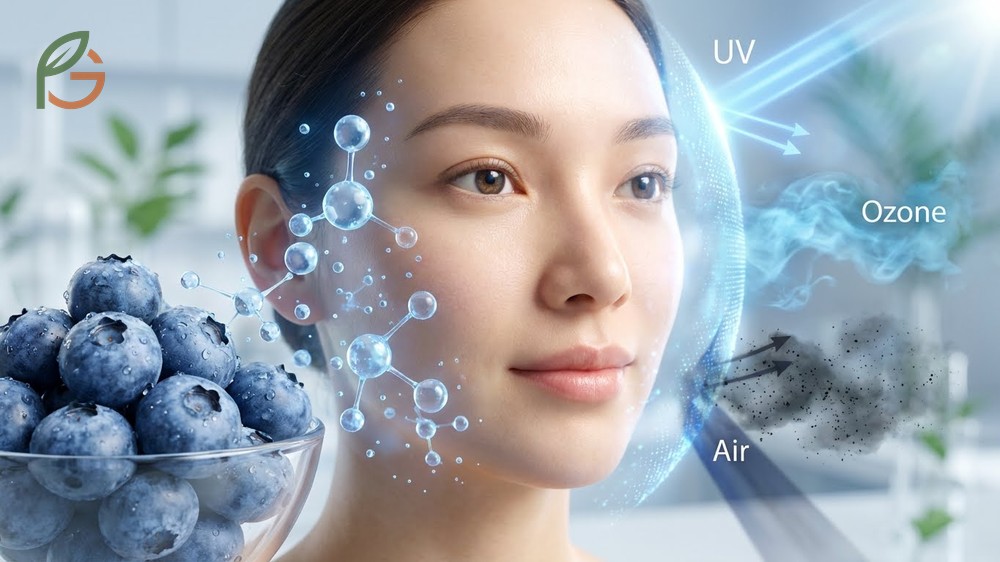
Studies demonstrate that blueberries offer comprehensive skin protection through multiple pathways. These berries contain bioactive compounds that induce active responses against environmental damage from UV radiation, ozone, and air pollution[1]. When environmental stressors attack your skin, they generate reactive oxygen species (ROS) that overwhelm natural defenses and accelerate aging.
Blueberries work differently than many skincare ingredients. Instead of just coating the surface, their polyphenols penetrate skin layers to strengthen internal defense systems. Research shows consistent consumption increases anthocyanin-derived metabolites in blood serum, which then circulate to skin tissue[4].
The most effective approach combines dietary intake with topical application. If you’re growing blueberries in your garden, you’ll have fresh supply for both eating and creating homemade skincare treatments. Wild blueberries deliver even stronger benefits due to higher anthocyanin concentrations[3].
What Makes Blueberries Effective for Skin
The secret lies in blueberries’ unique phytochemical profile. Unlike single-ingredient products, blueberries deliver a complete package of antioxidants that work synergistically. The blue pigmentation you see comes from anthocyanins—the same compounds that protect your skin cells from oxidative damage.
Current data indicates one serving of blueberries provides 200-400 mg of polyphenols[5]. These compounds don’t just sit on your skin—they modulate key inflammatory pathways and boost your skin’s natural antioxidant production.
Skin Defense Mechanisms
Your skin has built-in defense systems consisting of enzymatic and non-enzymatic antioxidants. Catalase, superoxide dismutase, and glutathione peroxidase work continuously to neutralize free radicals. These enzymes concentrate more heavily in the epidermis than the dermis[5].
Environmental stressors deplete these antioxidants over time. Blueberry compounds replenish depleted levels and strengthen skin’s resilience. This matters because once your natural defenses weaken, visible aging accelerates rapidly.
Important Note: Fresh blueberries contain more vitamin C than frozen varieties, though frozen berries retain higher vitamin A content. For maximum skin benefits, use fresh berries within 8 days of harvest when vitamin C levels peak[3].
Antioxidants for Skin from Blueberries
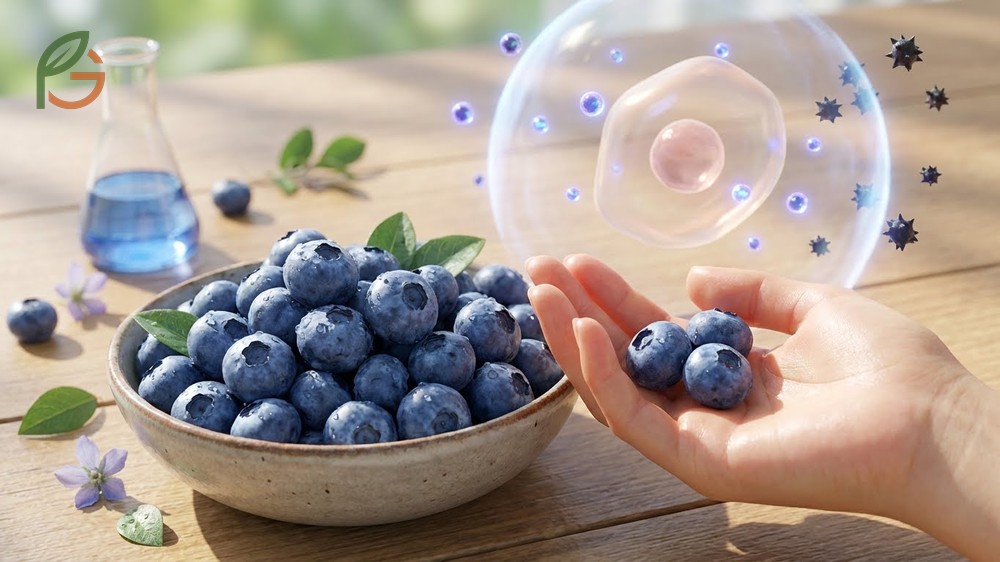
Evidence suggests blueberries rank among the highest antioxidant-capacity fruits available. Their ORAC (Oxygen Radical Absorbance Capacity) scores exceed most other berries, making them particularly effective for neutralizing free radicals that damage skin cells. The antioxidant activity comes from multiple compounds working together—not just one magic ingredient.
What sets blueberries apart is their diverse antioxidant profile. You’re getting anthocyanins, vitamins A, C, and E, plus trace minerals that support skin metabolism. This combination offers broader protection than isolated supplements.
Most people don’t realize timing matters for antioxidant absorption. Eating blueberries with a small amount of healthy fat (like yogurt or nuts) increases absorption of fat-soluble vitamins A and E by up to 3-4 times[4].
Anthocyanin Power
Anthocyanins are the star players in blueberry’s skin benefits. These pigment molecules don’t just provide color—they exhibit potent anti-inflammatory and antioxidative properties. When applied topically, they reduce inflammatory pathways triggered by UV exposure and pollution.
Wild blueberries contain significantly higher anthocyanin concentrations than cultivated highbush varieties[3]. The difference comes down to skin-to-flesh ratio—wild berries have more skin per serving, and that’s where anthocyanins concentrate.
- Scavenges reactive oxygen species before they damage cellular DNA
- Inhibits enzymes that break down collagen and elastin fibers
- Reduces NFkB activation, a key inflammatory pathway
- Protects against UV-induced apoptosis (cell death)
- Strengthens capillary walls, reducing redness and broken vessels
- Modulates gene expression related to aging processes
Vitamin Content
One cup of fresh blueberries delivers 16 mg of vitamin C[2]—about 18% of your daily needs. Vitamin C is essential for collagen synthesis, the structural protein that keeps skin firm and elastic. Without adequate vitamin C, your body can’t produce new collagen efficiently.
Blueberries also provide vitamin A (retinol) which regulates skin cell turnover and prevents clogged pores. The vitamin E content protects cell membranes from oxidative damage. Together, these vitamins create a comprehensive defense system.
This table compares vitamin content and primary skin benefits across three key vitamins found in blueberries
| Vitamin | Amount per Cup | Primary Skin Benefit |
|---|---|---|
| Vitamin C | 16 mg[2] | Collagen synthesis, wound healing, brightening |
| Vitamin A | 80 IU | Cell turnover, pore clarity, texture improvement |
| Vitamin E | 0.8 mg | Membrane protection, moisture retention |
Anti-Aging Benefits of Blueberries
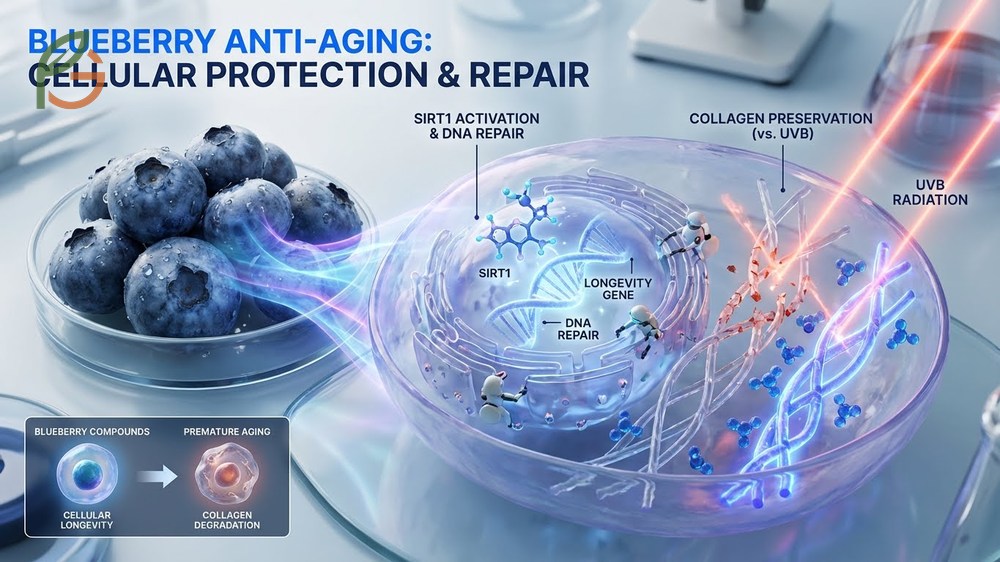
The anti-aging effects of blueberries work at the cellular level, not just the surface. Research shows blueberry compounds activate SIRT1, a longevity gene that protects cells from premature death and supports DNA repair mechanisms[1]. This isn’t about temporary plumping—it’s about slowing fundamental aging processes.
Studies in human dermal fibroblasts demonstrate that blueberry anthocyanins reduce collagen degradation when cells are exposed to UVB radiation. The reduction in matrix metalloproteinases (MMPs)—enzymes that break down collagen—can reach 40-50% with consistent use[1].
What often gets overlooked is that blueberries also improve skin barrier function. By increasing filaggrin and involucrin protein levels, they help skin retain moisture and resist environmental damage. A compromised barrier accelerates visible aging more than most people realize.
Collagen Protection
Collagen makes up 75% of your skin’s dry weight, providing the structure that keeps it firm and smooth. After age 25, you lose about 1% of collagen yearly—more with sun exposure. Blueberry compounds protect existing collagen while supporting new production.
The mechanism involves modulating the Nrf2 pathway, which regulates antioxidant enzyme production. When skin cells sense oxidative stress, they activate Nrf2 to boost defenses. Blueberry extract enhances this response significantly[1].
- Inhibits MMPs that degrade collagen fibers during UV exposure
- Reduces oxidative stress that damages fibroblast function
- Provides vitamin C cofactor essential for collagen synthesis
- Prevents cross-linking that makes collagen stiff and brittle
- Supports procollagen gene expression in dermal cells
Wrinkle Reduction
A 12-week clinical study involving topical blueberry extract application showed significant improvements in wrinkle formation, skin smoothness, and moisturization in type II diabetic females[1]. The results appeared on hand, arm, and facial skin—areas most prone to visible aging.
Dietary supplementation shows similar benefits. An 8-week study using fermented blueberry with beneficial bacteria demonstrated increased skin hydration and elasticity in UV-damaged skin models[1]. The fermentation process may enhance bioavailability of certain compounds.
Timing Tip: For wrinkle prevention, apply blueberry-based treatments at night when skin repair processes peak. Pair with retinol alternatives if you’re sensitive to traditional retinoids—blueberry vitamin A provides gentler cell turnover support.
Topical Blueberry Application
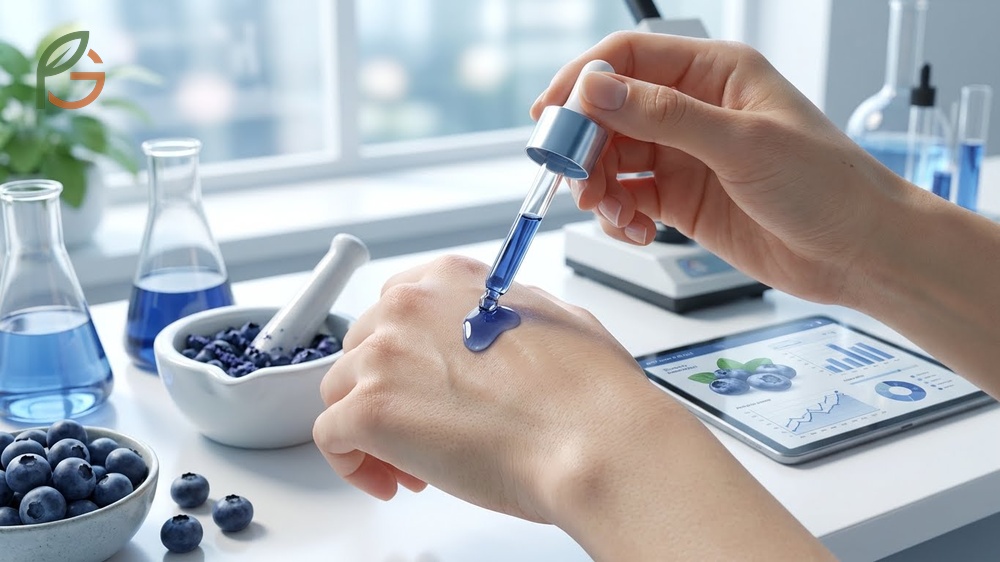
Current research validates what traditional remedies suggested—applying blueberries directly to skin delivers measurable benefits. The key is understanding that topical application works differently than dietary intake. When you apply blueberry extract to skin, it directly replenishes depleted antioxidants in the epidermis where environmental damage occurs first.
Pretreatment studies show the most dramatic results. In controlled experiments, skin pretreated with blueberry extract before UV or ozone exposure showed significantly less damage than untreated skin[1]. This suggests preventive application is more effective than reactive treatment.
The resveratrol in blueberries deserves special mention. This stilbenoid polyphenol protects against UV-induced and hydrogen peroxide-induced cell death by activating SIRT1, the same pathway associated with longevity[1].
UV Protection
Blueberry extract doesn’t replace sunscreen, but it adds another layer of defense. Studies using ex vivo skin explants demonstrate that blueberry pretreatment prevents UV-induced damage through multiple mechanisms. The extract reduces HO-1 levels, suggesting it modulates the Nrf2 pathway that responds to oxidative stress[1].
The UV protection extends to preserving structural proteins. When skin is exposed to UV radiation, it rapidly degrades filaggrin and involucrin—proteins essential for barrier function. Topical blueberry application maintains these protein levels even after UV exposure[1].
Inflammation Reduction
Chronic inflammation accelerates skin aging more than most single factors. Blueberry compounds target inflammatory pathways at multiple points, creating comprehensive anti-inflammatory effects. The extract reduces 4-HNE, a lipid peroxidation product that triggers inflammatory cascades[1].
NLRP1 inflammasome regulation represents another mechanism. This protein complex activates caspase-1, which drives inflammatory responses in the epidermis. Blueberry extract significantly reduces NLRP1 activation when skin is exposed to ozone pollution[1].
- Fresh berry mash: Apply crushed berries directly for 10-15 minutes
- Blueberry water: Soak berries overnight, use liquid as toner
- Oil infusion: Steep dried blueberries in carrier oil for 2-3 weeks
- Ice cubes: Freeze blueberry juice for refreshing morning application
- Sheet mask soak: Add blueberry juice to store-bought sheet masks
- Serum boost: Mix a few drops of blueberry extract into your regular serum
Blueberry Face Mask Recipes
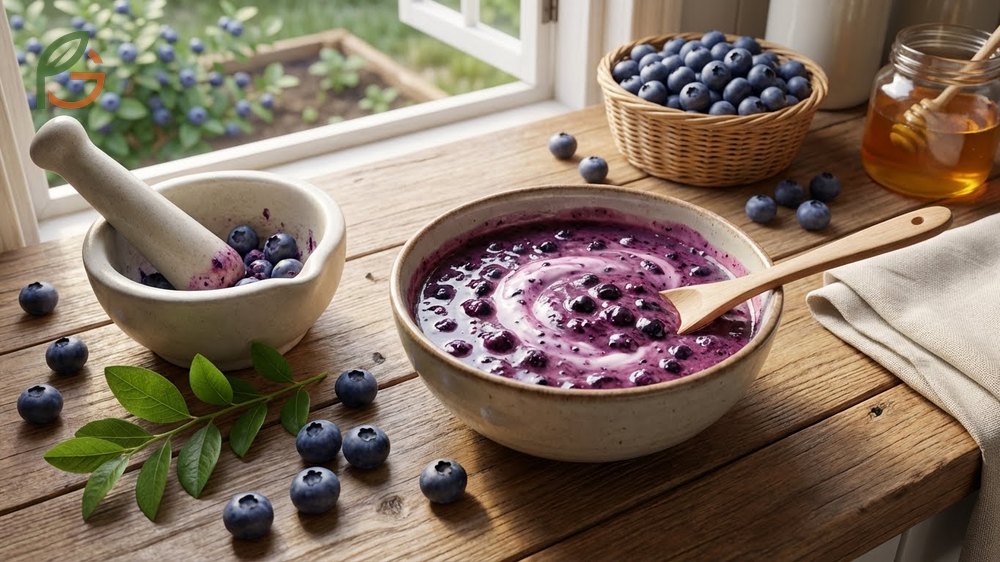
Homemade blueberry face masks let you harness fresh berry benefits without synthetic additives. The key is using them immediately after preparation—anthocyanins degrade quickly once berries are crushed. If you’re growing blueberries in your garden, you’ll have the freshest possible ingredients for maximum potency.
Room temperature berries work better than cold ones straight from the refrigerator. Cold temperatures can shock facial skin and temporarily constrict blood vessels, reducing absorption. Let berries sit at room temperature for 20-30 minutes before using.
Fresh blueberries are ideal, but frozen work when fresh aren’t available. Thaw completely and pat dry before crushing. Frozen berries actually retain more vitamin A than fresh berries stored for several days[3].
Basic Hydrating Mask
This simple three-ingredient mask focuses on hydration and antioxidant delivery. Combine 1/2 cup fresh blueberries, 2 tablespoons raw honey, and 1 tablespoon plain Greek yogurt. Mash the blueberries thoroughly with a fork until mostly smooth—a few small chunks are fine.
Mix in the honey and yogurt until you get a spreadable consistency. The honey provides humectant properties that draw moisture into skin, while yogurt’s lactic acid gently exfoliates. Apply to clean skin for 15-20 minutes, then rinse with lukewarm water.
Anti-Aging Mask
For targeted anti-aging benefits, try this more concentrated formula. Blend 1 cup fresh blueberries, 3/4 cup virgin coconut oil, 2 tablespoons rosehip oil, and 1 tablespoon raw honey. Use a blender for smooth consistency—this removes berry skins that might irritate sensitive skin.
The coconut oil provides fatty acids that support skin barrier function. Rosehip oil is rich in vitamin A and essential fatty acids that promote cell regeneration. Apply a thick layer and leave on for 10-15 minutes. Store leftover mask in the refrigerator for up to 3 days.
- Cleanse and gently exfoliate before applying to remove dead skin cells
- Steam your face for 2-3 minutes to open pores and increase absorption
- Apply mask in upward strokes to support facial contours
- Avoid eye area—skin here is too delicate for berry acids
- Use 2-3 times weekly for visible results within 4-6 weeks
- Follow with moisturizer while skin is still slightly damp
- Patch test first if you have sensitive skin or berry allergies
Storage Warning: Fresh blueberry masks oxidize rapidly and lose potency. Make only what you’ll use immediately. If you notice browning or separation, discard and make a fresh batch. Never store masks at room temperature beyond 2 hours.
Conclusion
The evidence is clear: blueberry benefits for skin extend far beyond basic nutrition. These berries deliver scientifically validated protection against UV damage, inflammation, and collagen degradation while supporting your skin’s natural repair mechanisms. Whether you’re eating them fresh from your garden or applying them topically, blueberries offer a research-backed approach to maintaining youthful, healthy skin.
Current agricultural and dermatological guidance emphasizes that combining dietary and topical use provides the most comprehensive benefits. At FruitGarden, we encourage gardeners to cultivate both highbush and wild blueberry varieties for maximum antioxidant diversity. Start with small amounts to test your skin’s response, then gradually incorporate blueberries into your regular skincare routine for long-term anti-aging protection.
Medical Disclaimer
Important Medical Disclaimer: This content is for informational and educational purposes only. It is not intended as a substitute for professional medical advice, diagnosis, or treatment. Always consult a qualified healthcare professional or dermatologist before making any changes to your skincare routine, especially if you have skin conditions, allergies, or are using prescription topical medications. Individual results may vary, and some people may experience allergic reactions to blueberries or related compounds.
Frequently Asked Questions
How Long Does It Take to See Blueberry Skin Benefits?
Studies show visible improvements in skin texture and hydration within 8-12 weeks of consistent use. For topical applications, you might notice brighter, more hydrated skin within 2-3 weeks. Dietary benefits accumulate more gradually as antioxidants build up in your system and support cellular repair processes.
Can I Use Blueberries on Sensitive Skin?
Yes, but start with a patch test first. Blueberries are generally gentle, but their natural acids can irritate very sensitive skin. Mix with soothing ingredients like yogurt or aloe vera to reduce potential irritation. If you notice redness or stinging, rinse immediately and discontinue use.
Are Wild or Cultivated Blueberries Better for Skin?
Wild blueberries contain higher anthocyanin concentrations due to their greater skin-to-flesh ratio, making them more potent for skin benefits. Research from the University of Maine Extension confirms wild varieties deliver superior antioxidant levels compared to cultivated highbush blueberries.
Do Frozen Blueberries Work as Well as Fresh?
Frozen blueberries retain most antioxidant benefits and actually contain more vitamin A than fresh berries stored for several days. However, they have slightly less vitamin C. For topical use, thaw completely and pat dry before mashing. For dietary benefits, frozen and fresh are nearly equivalent.
Can Blueberries Replace My Sunscreen?
No, blueberries complement sunscreen but don’t replace it. While blueberry compounds provide UV protection at the cellular level by reducing oxidative damage, they don’t block UV rays from penetrating skin. Always use broad-spectrum SPF 30 or higher, then add blueberries as an extra layer of antioxidant defense.
How Many Blueberries Should I Eat Daily for Skin Benefits?
Research suggests one cup (about 150 berries) daily provides 200-400 mg of polyphenols sufficient for skin protection. This serving delivers 16 mg of vitamin C and significant anthocyanins. Pair with healthy fats like nuts or yogurt to increase absorption of fat-soluble vitamins A and E.
Will Blueberry Masks Stain My Skin?
Temporary purple tinting can occur, especially on fair skin, but it washes off completely with soap and water. The staining comes from anthocyanin pigments. If concerned, test on a small area first. Avoid leaving masks on longer than 20 minutes to minimize discoloration risk.





