

How much fiber in blueberries? One cup of fresh blueberries contains approximately 3.6-4 grams of dietary fiber[1], which provides about 14% of your daily recommended intake. Research shows this fiber content supports healthy digestion, feeds beneficial gut bacteria, and helps prevent constipation when you’re eating blueberries regularly. FruitGarden synthesizes current agricultural research and nutritional data to help you understand how these nutrient-dense berries fit into your diet and garden planning.
Quick Answer
How Much Fiber in Blueberries
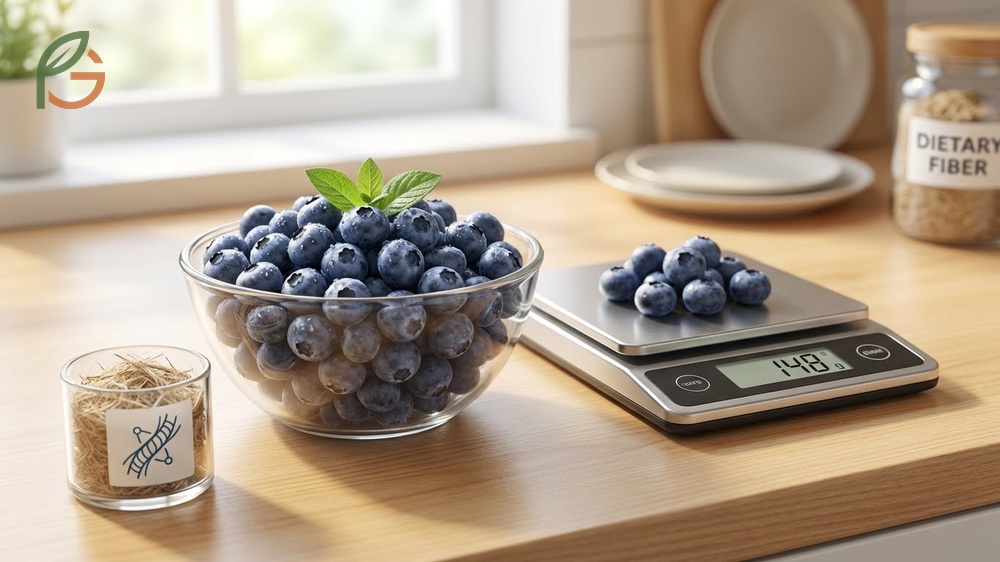
Research shows that a standard one-cup serving of fresh blueberries (approximately 148 grams) delivers 3.6-4 grams of dietary fiber[1]. This amount represents roughly 14% of the recommended daily fiber intake for most adults.
The fiber content translates to about 2.4 grams per 100 grams of fresh blueberries. Studies demonstrate that this concentration, while moderate compared to some high-fiber foods, still contributes meaningfully to your daily fiber goals when you’re incorporating blueberries into meals and snacks.
Current data indicates that blueberries contain both soluble and insoluble fiber types. Most people don’t realize that the tiny seeds and skin contribute significantly to the total fiber content, which is why eating whole blueberries provides more digestive benefits than drinking blueberry juice.
Fresh vs Wild Blueberries
Wild blueberries pack substantially more fiber than cultivated varieties. Evidence suggests that one cup of wild frozen blueberries contains 6.2 grams of fiber[2], which is approximately 55% more than fresh cultivated blueberries.
This difference occurs because wild blueberries are smaller and have a higher skin-to-flesh ratio. The skins contain most of the fiber, so you’re getting more fiber per cup when the berries are tiny.
Serving Size Matters
Understanding portion sizes helps you track fiber intake accurately. A half-cup serving provides about 2 grams of fiber, while increasing to 1.5 cups gives you roughly 6 grams.
Agricultural data shows that frozen blueberries offer similar fiber content to fresh ones. A 3/4 cup serving of frozen blueberries delivers approximately 2 grams of dietary fiber[5] and only 40 calories, making them a nutrient-dense choice.
Do Blueberries Have Fiber
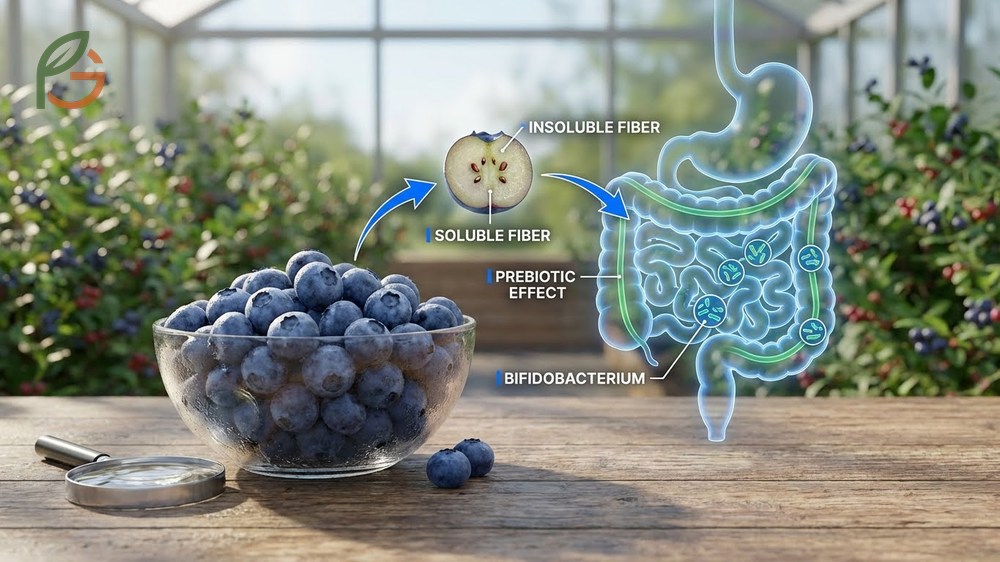
Yes, blueberries definitely contain dietary fiber in meaningful amounts. Research demonstrates that this fiber comes in two forms—soluble and insoluble—each providing distinct digestive benefits.
Studies show that the fiber in blueberries works alongside other compounds like anthocyanins and polyphenols. This combination creates a prebiotic effect that feeds beneficial gut bacteria, particularly Bifidobacterium species.
Most gardeners and fruit enthusiasts find that fresh-picked blueberries from their own plants offer peak fiber content. The reason is simple: fiber content doesn’t degrade quickly after harvest, unlike some vitamins that diminish with storage time.
Soluble Fiber in Blueberries
Soluble fiber dissolves in water to form a gel-like substance in your digestive tract. Current guidance emphasizes that this type of fiber slows digestion, helping you feel fuller longer and moderating blood sugar spikes after meals.
Evidence indicates that blueberries’ soluble fiber content supports cardiovascular health by binding to cholesterol particles. This process helps your body eliminate excess cholesterol before it enters your bloodstream.
Insoluble Fiber Content
Insoluble fiber doesn’t dissolve in water and instead adds bulk to stool. This characteristic makes it particularly effective for preventing constipation and promoting regular bowel movements.
The skins and tiny seeds of blueberries contain most of the insoluble fiber. What often gets overlooked is that this fiber type also speeds up the transit time of food through your digestive system, reducing the risk of digestive discomfort.
Important note: Don’t remove blueberry skins or strain out seeds when making smoothies. You’ll lose most of the fiber benefits and reduce the prebiotic effects that support gut health.
Are Blueberries High in Fiber
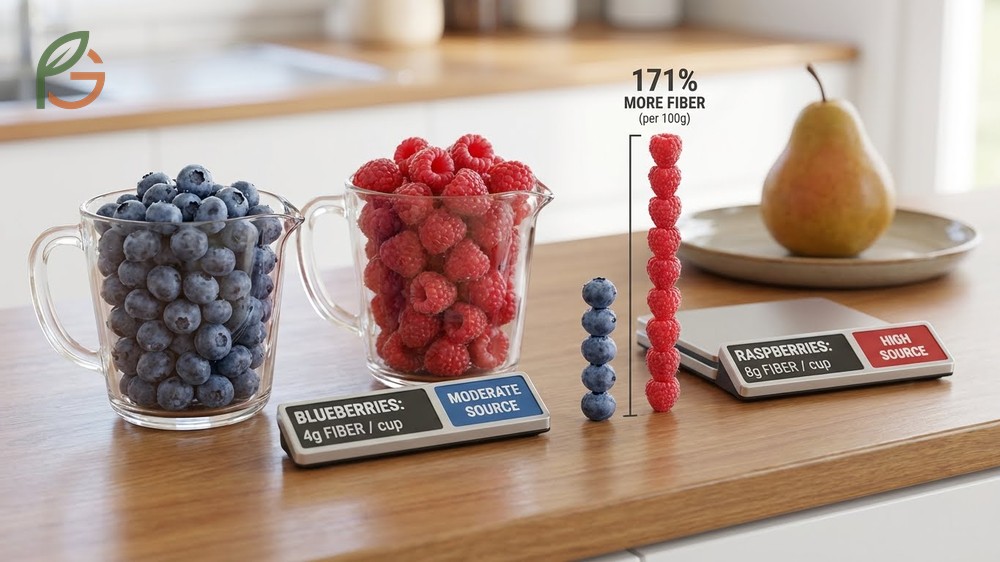
Blueberries rank as a moderate fiber source rather than a high-fiber food. To put this in perspective, one cup of blueberries (4g fiber) provides less fiber than the same serving of raspberries (8g fiber) or a medium pear (5.5g fiber)[2].
Research comparing berries shows that raspberries contain 171% more dietary fiber than blueberries per 100 grams. Specifically, raspberries deliver 6.5g per 100g compared to blueberries’ 2.4g per 100g.
However, blueberries excel in other areas. They’re lower in sugar than many high-fiber fruits, making them suitable for blood sugar management when you’re watching carbohydrate intake.
This table compares fiber content, sugar levels, and calories across four common berries per one-cup serving
| Berry Type | Fiber per Cup | Sugar per Cup | Calories per Cup |
|---|---|---|---|
| Blueberries (fresh) | 4g[1] | 15g | 84 |
| Wild Blueberries | 6.2g[2] | ~14g | 80 |
| Raspberries | 8g[2] | 5g | 64 |
| Strawberries | 3g | 7g | 49 |
The table reveals that blueberries sit comfortably in the middle range for berry fiber content. While they don’t lead the pack, their combination of moderate fiber with high antioxidant content makes them valuable for overall health.
- Lower sugar content than many high-fiber fruits (15g vs pears at 17g per serving)
- More fiber than popular fruits like grapes (1.4g per cup) or watermelon (0.6g per cup)
- Easier to grow in home gardens than blackberries or raspberries for most climates
- Longer shelf life than delicate high-fiber raspberries
- Better taste acceptance for children compared to high-fiber prunes
Blueberries for Digestion

Studies demonstrate that blueberry consumption significantly improves multiple aspects of gut health beyond basic fiber effects. Research on 16 studies across four countries shows that blueberry supplementation improves intestinal morphology, reduces gut permeability, and ameliorates gut inflammation[6].
The prebiotic effects are particularly impressive. When participants consumed wild blueberry drinks for six weeks, their Bifidobacterium populations increased significantly relative to total gut bacteria[4]. These beneficial bacteria play crucial roles in immune function and nutrient absorption.
Most people experience digestive benefits within 2-3 weeks of regular blueberry consumption. The fiber works synergistically with polyphenols to suppress oxidative stress in the gut lining and modulate the composition of intestinal microbes.
- Promotes regular bowel movements by adding bulk to stool
- Feeds beneficial bacteria like Bifidobacterium and Lactobacillus species
- Reduces gut inflammation through combined fiber and anthocyanin action
- Improves intestinal barrier function to prevent “leaky gut”
- Helps eliminate unwanted compounds and xenobiotic materials during digestion
- Supports short-chain fatty acid production through bacterial fermentation
Tip for constipation relief: Pair blueberries with other high-fiber foods like oatmeal or chia seeds for enhanced effects. Drink plenty of water—at least 8 glasses daily—to help the fiber work effectively in your digestive tract.
Current guidance emphasizes gradual increases in fiber intake. If you’re adding blueberries to address constipation, start with 1/2 cup daily and increase to 1-1.5 cups over two weeks to avoid bloating or gas.
Daily Fiber Intake

The American Heart Association and USDA recommend 25-30 grams of fiber daily from food sources[3], not supplements. Current data indicates that most American adults consume only about 15 grams per day—roughly half the recommended amount.
Your specific fiber needs vary based on age and gender. Research shows that women under 50 should aim for 25-28 grams daily, while men in the same age group need 31-34 grams. After age 51, recommendations decrease slightly to 22 grams for women and 28 grams for men.
Understanding how blueberries fit into these targets helps you plan meals effectively. One cup of blueberries (4g fiber) provides approximately 14-16% of your daily goal, making them a solid contributor when combined with other fiber sources.
| Age Group | Women | Men |
|---|---|---|
| Ages 19-50 | 25-28g | 31-34g |
| Ages 51+ | 22g | 28g |
| Teens 14-18 | 25g | 31g |
| Children 9-13 | 22-25g | |
Meeting these targets requires eating a variety of high-fiber foods throughout the day. One cup of blueberries at breakfast, combined with oatmeal (4g fiber) and a tablespoon of ground flaxseed (2g fiber), gives you 10g before mid-morning—a strong start toward your daily goal.
- Whole grain oats: 4g fiber per cooked cup
- Black beans: 15g fiber per cooked cup
- Pears: 5.5g fiber per medium fruit
- Lentils: 15.6g fiber per cooked cup
- Chia seeds: 10g fiber per ounce (2 tablespoons)
- Avocado: 10g fiber per cup
- Whole wheat bread: 3-4g fiber per slice
Conclusion
The evidence is clear: blueberries contain meaningful amounts of fiber—4 grams per cup for fresh varieties and up to 6.2 grams for wild types—making them a valuable addition to a high-fiber diet. While they don’t rank among the highest-fiber foods, their combination of moderate fiber content, low sugar levels, and powerful prebiotic effects supports digestive health and feeds beneficial gut bacteria.
Current agricultural guidance emphasizes incorporating diverse fiber sources into your daily routine. Whether you’re growing blueberries in your garden or buying them fresh from markets, aim for 1-1.5 cups daily as part of your 25-34 gram fiber target. FruitGarden research indicates that pairing blueberries with other high-fiber foods like oats, legumes, and vegetables creates the most effective approach for meeting your nutritional needs and supporting long-term digestive wellness.
Medical Disclaimer
Important Medical Disclaimer: This content is for informational and educational purposes only. It is not intended as a substitute for professional medical advice, diagnosis, or treatment. Always consult a qualified healthcare professional or registered dietitian before making significant changes to your diet, especially if you have digestive disorders, irritable bowel syndrome, diabetes, or other medical conditions. Individual fiber needs vary based on health status and medications.
Frequently Asked Questions
How Much Fiber Is in a Cup of Blueberries?
One cup of fresh blueberries contains approximately 3.6-4 grams of dietary fiber, which represents about 14% of the recommended daily intake for most adults. Wild blueberries offer more—roughly 6.2 grams per cup—due to their smaller size and higher skin-to-flesh ratio.
Does Blueberries Have Fiber?
Yes, blueberries definitely contain dietary fiber in both soluble and insoluble forms. The fiber comes primarily from the skin and tiny seeds, which is why whole blueberries provide significantly more digestive benefits than blueberry juice that has been strained or filtered.
How Much Fiber Do Blueberries Have Compared to Raspberries?
Raspberries contain substantially more fiber than blueberries—about 8 grams per cup compared to blueberries’ 4 grams per cup. This means raspberries deliver 171% more dietary fiber per 100 grams than blueberries, making them one of the highest-fiber berries available.
Are Blueberries High in Fiber?
Blueberries rank as a moderate fiber source rather than a high-fiber food. While they don’t compete with top fiber sources like beans (15g per cup) or raspberries (8g per cup), they still contribute meaningfully to your daily fiber goals and offer additional benefits through their prebiotic effects on gut bacteria.
Can Blueberries Help With Constipation?
Yes, blueberries can help relieve constipation through their combination of soluble and insoluble fiber, which adds bulk to stool and promotes regular bowel movements. Research shows they also support gut health by feeding beneficial bacteria and reducing inflammation. For best results, consume 1-1.5 cups daily with plenty of water.
What Are the Benefits of Fiber in Blueberries?
The fiber in blueberries supports digestive health by promoting regular bowel movements, feeding beneficial gut bacteria like Bifidobacterium, and improving intestinal barrier function. Studies demonstrate that blueberry fiber works synergistically with anthocyanins to reduce gut inflammation, moderate blood sugar responses, and support cardiovascular health through cholesterol management.
How Much Fiber Is in a Blueberries Serving for Weight Loss?
A standard half-cup serving of blueberries contains approximately 2 grams of fiber and only 42 calories, making them an excellent choice for weight management. The fiber helps you feel fuller longer and slows digestion, which reduces hunger between meals. Most nutrition experts recommend 1-1.5 cups daily as part of a balanced high-fiber diet for sustainable weight loss.





