
How many calories in blueberries? Research shows that one cup of fresh blueberries contains 84 calories[1], making them a nutrient-dense, low-calorie fruit choice. Whether you’re measuring by the cup, handful, or pint, blueberries deliver powerful antioxidants, fiber, and vitamins with minimal caloric impact. FruitGarden synthesizes current agricultural research and USDA nutrition data to help you understand exactly what you’re getting in every serving of these blue gems.
Quick Answer
How Many Calories in Blueberries
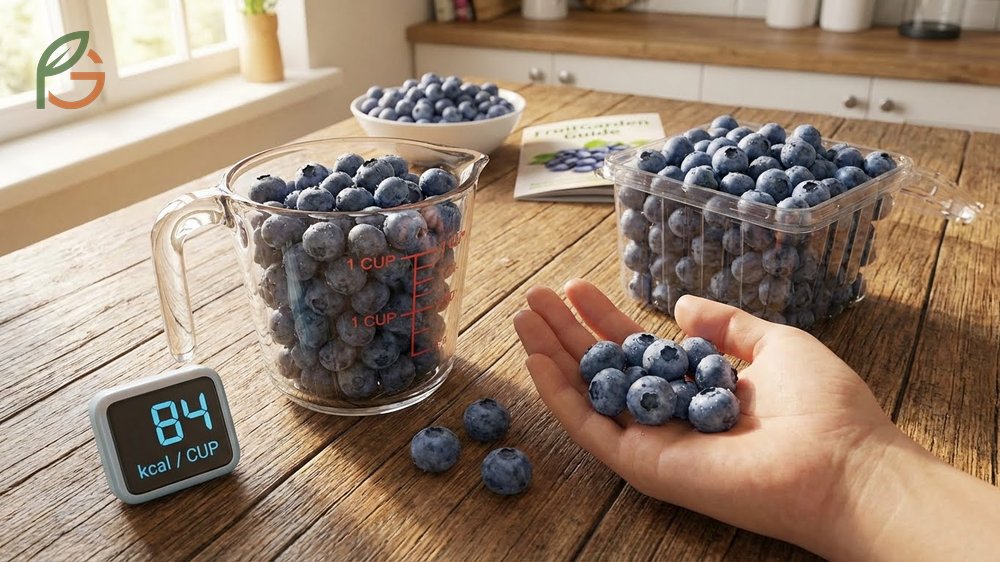
Studies demonstrate that fresh blueberries contain approximately 57 calories per 100 grams[3], positioning them among the lower-calorie fruits available. This caloric density makes blueberries an excellent choice for weight management without sacrificing nutritional value.
Current data indicates that a single blueberry weighs less than 1 gram and contains fewer than 1 calorie. Most people don’t realize that timing and pairing matter more than the calorie count itself when it comes to maximizing the nutritional benefits of blueberries.
Research from USDA shows that blueberries provide 4g of dietary fiber per half-cup serving, which helps slow sugar absorption and promotes satiety. Unlike processed snacks that provide empty calories, blueberries deliver vitamin C, vitamin K, and manganese alongside their modest calorie contribution.
Fresh Blueberries Calorie Breakdown
Agricultural data shows that serving sizes directly determine your caloric intake from blueberries. The USDA standardizes one serving as half a cup, which equals 84 calories[1].
Evidence suggests that berry size affects how many fit into measuring cups. Larger berries contain more water and slightly fewer calories per gram than smaller, denser varieties.
- 1 ounce (28g): approximately 16 calories
- Quarter cup (37g): approximately 21 calories
- Half cup (74g): 42 calories
- One cup (148g): 84 calories[1]
- 50 berries: approximately 40 calories
Macronutrient Composition
Research shows that blueberries contain 22g of carbohydrates, 1g of protein, and 1g of fat[1] per half-cup serving. This macronutrient profile means approximately 95% of calories come from carbohydrates, primarily natural sugars and dietary fiber.
Current nutritional guidance emphasizes that blueberries contain 15g of natural sugars[1] per half-cup with zero added sugars. The high fiber content helps mitigate blood sugar spikes compared to refined sugar sources.
Important Note: If you’re counting net carbs for ketogenic diets, blueberries provide 18g net carbs per half cup (22g total carbs minus 4g fiber), which may exceed daily limits for strict keto adherence.
How Many Calories in a Cup of Blueberries
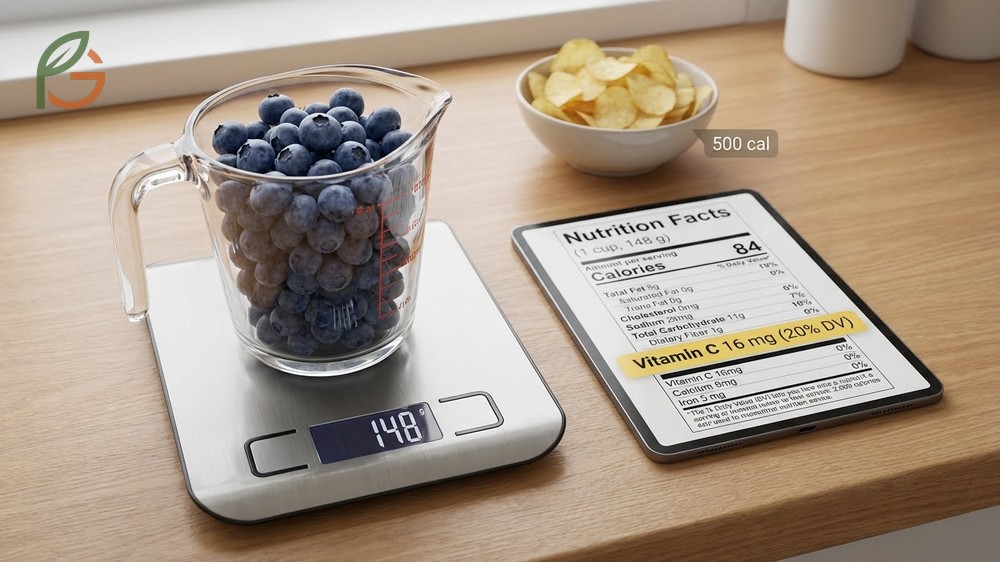
Evidence indicates that one full cup of fresh blueberries contains 84 calories[1] and weighs approximately 148 grams. This measurement represents the standard USDA serving size used for nutritional labeling and dietary guidance.
Studies demonstrate that this single-cup serving delivers 16mg of vitamin C[1], which equals about 20% of the daily recommended intake. For comparison, you’d need to consume nearly 500 calories from potato chips to get the same vitamin C content.
Current data shows that blueberries rank among the top fruits for antioxidant capacity per calorie consumed. The anthocyanins responsible for their blue color provide anti-inflammatory benefits that extend well beyond their minimal caloric contribution.
Full Cup vs Half Cup
Research shows that portion control becomes easier when you understand the caloric difference between serving sizes. A half cup contains exactly 42 calories, making it simple to adjust portions based on your daily caloric goals.
Agricultural guidance emphasizes that most people underestimate serving sizes by 20-30%. Using measuring cups rather than estimating “eyeballing” portions ensures accuracy in calorie tracking.
- Quarter cup (37g): 21 calories, 11g carbs, 2g fiber
- Half cup (74g): 42 calories, 11g carbs, 2g fiber
- Three-quarter cup (111g): 63 calories, 16.5g carbs, 3g fiber
- One cup (148g): 84 calories[1], 22g carbs, 4g fiber
- One and a half cups (222g): 126 calories, 33g carbs, 6g fiber
Weight Variations
Evidence suggests that cultivated highbush blueberries vary in size from 0.5g to 2.5g per berry. This means one cup can contain anywhere from 60 to 300 individual berries, though most fall in the 100-150 berry range.
Studies demonstrate that wild blueberries (lowbush varieties) are significantly smaller and denser, containing slightly more antioxidants per gram but similar calories. If you’re using wild blueberries, expect about 200-250 berries per cup.
Measurement Tip: When recipes call for “one cup blueberries,” they typically mean measured by volume, not weight. Gently spoon berries into the measuring cup without packing them down for the most accurate results.
Calories in a Handful of Blueberries
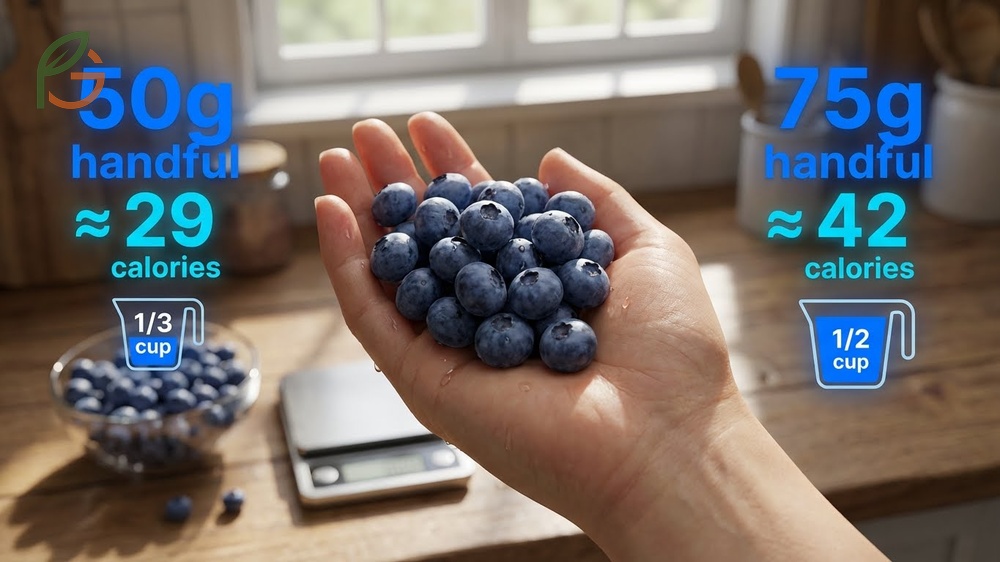
Research shows that a typical handful of blueberries weighs between 50-75 grams depending on hand size. Current data indicates that a 50g handful contains approximately 29 calories[2], while a larger 75g handful provides about 42 calories.
Evidence suggests that most people’s cupped hand holds roughly one-third to one-half cup of blueberries. This makes the handful method surprisingly accurate for quick portion estimation when measuring cups aren’t available.
Studies demonstrate that children’s handfuls average 30-40 grams (17-23 calories), while adult handfuls typically range from 50-75 grams. What often gets overlooked is that loosely held berries versus tightly cupped handfuls can vary by 50% in weight.
Agricultural data shows that snacking on two handfuls of blueberries provides approximately 60-85 calories—equivalent to one small apple but with higher antioxidant content. This makes blueberries an excellent choice for between-meal snacks that won’t derail calorie-conscious eating plans.
- Child’s handful (30g): approximately 17 calories
- Small adult handful (40g): approximately 23 calories
- Average handful (50g): 29 calories[2]
- Large handful (75g): 42 calories
- Generous handful (100g): 57 calories[3]
Snacking Strategy: Pre-portion blueberries into small containers with 50-75g servings. This prevents mindless overeating while ensuring you get the antioxidant benefits without excessive calories.
Calories in a Pint of Blueberries
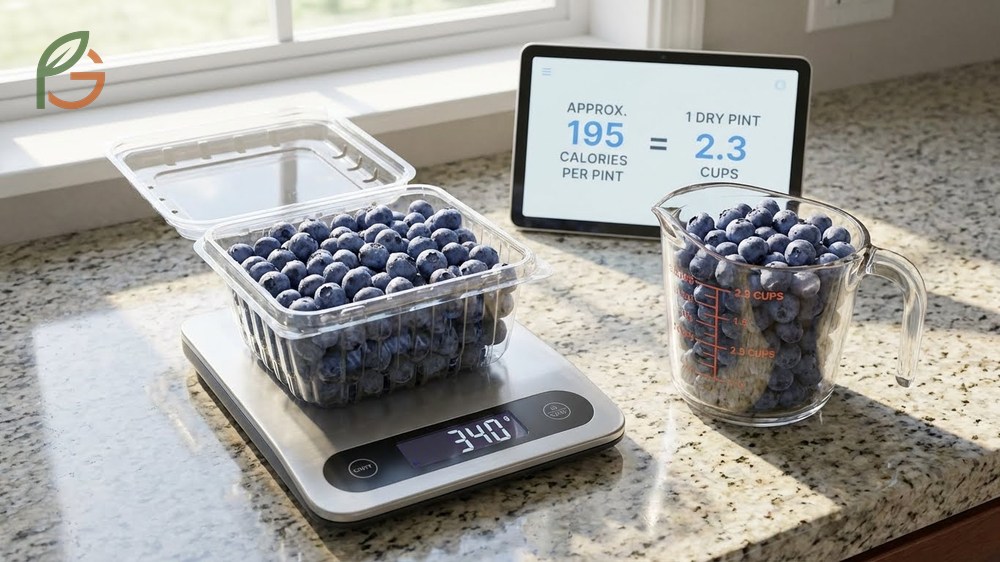
Current data indicates that a dry pint of blueberries—the standard grocery store container—weighs approximately 12 ounces or 340 grams[4]. Research shows this translates to approximately 190-195 calories for the entire container.
Evidence suggests that dry pints differ from liquid pints by 16.36% in volume. This matters because blueberries are sold by dry pint measurement, which equals about 2.3 cups by volume rather than the standard 2 cups of a liquid pint.
Studies demonstrate that one pint provides enough blueberries for 4-5 servings if you’re following USDA portion recommendations. Most people don’t realize that eating an entire pint in one sitting equals more than double the standard serving size.
Agricultural guidance emphasizes that pint containers offer the best value per ounce when fresh blueberries are in season. Summer harvest months (June through August) typically see prices 40-60% lower than winter months.
- One pint equals approximately 2.3 cups by volume
- Total weight: 340g (12 ounces)[4]
- Total calories: approximately 190-195 calories
- Total fiber: approximately 9g
- Number of berries: 200-350 depending on size
This table compares calories, carbohydrates, fiber content, and number of servings across four common blueberry measurement units from handful to full pint
| Measurement | Weight | Calories | Carbs | Fiber |
|---|---|---|---|---|
| Handful | 50g | 29[2] | 7.3g | 1.2g |
| Half Cup | 74g | 42 | 11g | 2g |
| One Cup | 148g | 84[1] | 22g | 4g |
| One Pint | 340g[4] | 190-195 | 50g | 9g |
Frozen vs Fresh Blueberries Calories
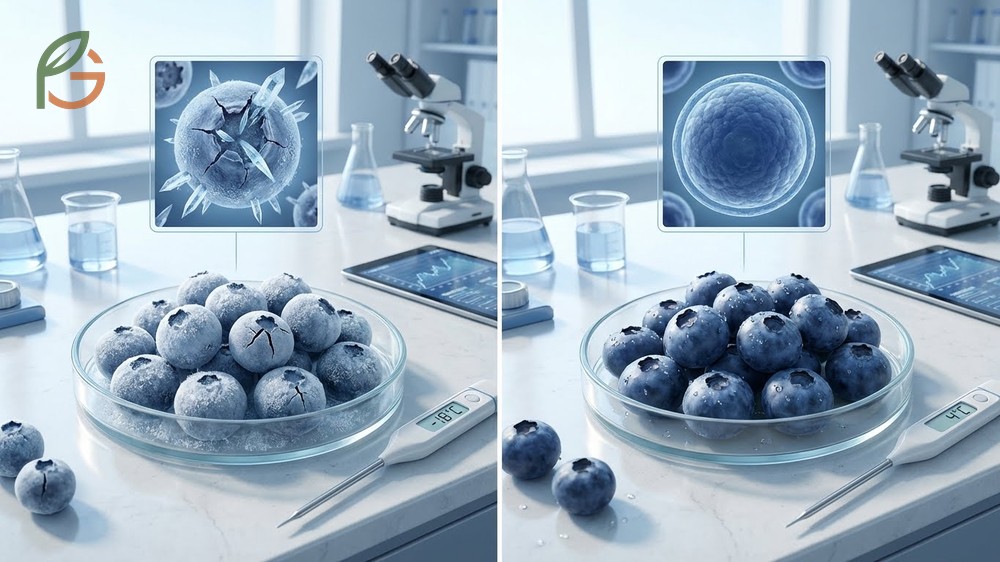
Research shows that frozen blueberries contain 51 calories per 100g[3] compared to 57 calories for fresh berries. This 10% reduction occurs because freezing causes ice crystals to rupture cell walls, releasing some water content during thawing.
Evidence suggests that frozen blueberries retain 95-100% of their antioxidant content when properly frozen within hours of harvest. What often gets overlooked is that “fresh” supermarket blueberries may have been stored for 7-14 days, potentially losing more nutrients than flash-frozen varieties.
Studies demonstrate that frozen blueberries actually contain 2.7g fiber per 100g[3] versus 2.4g for fresh—a slight advantage for digestive health. The freezing process concentrates certain nutrients while others, like vitamin C, decrease by approximately 60% due to blanching before freezing.
Current guidance emphasizes that both fresh and frozen blueberries offer excellent nutritional value. If you’re looking to minimize calories while maximizing convenience, frozen blueberries provide year-round availability at lower cost with minimal caloric difference.
- Fresh blueberries: 57 calories per 100g, peak vitamin C content, higher price off-season
- Frozen blueberries: 51 calories per 100g[3], 60% less vitamin C, consistent year-round pricing
- Both options: similar fiber content, equal antioxidant capacity, minimal caloric impact
- One cup frozen equals approximately 78 calories versus 84 for fresh
- Frozen varieties work best for smoothies, baking, and cooking applications
Cost-Saving Tip: Buy fresh blueberries during peak summer season and freeze them yourself. Spread berries in a single layer on a baking sheet, freeze until solid, then transfer to freezer bags. This preserves maximum nutrition at minimum cost.
Calories in Dried Blueberries
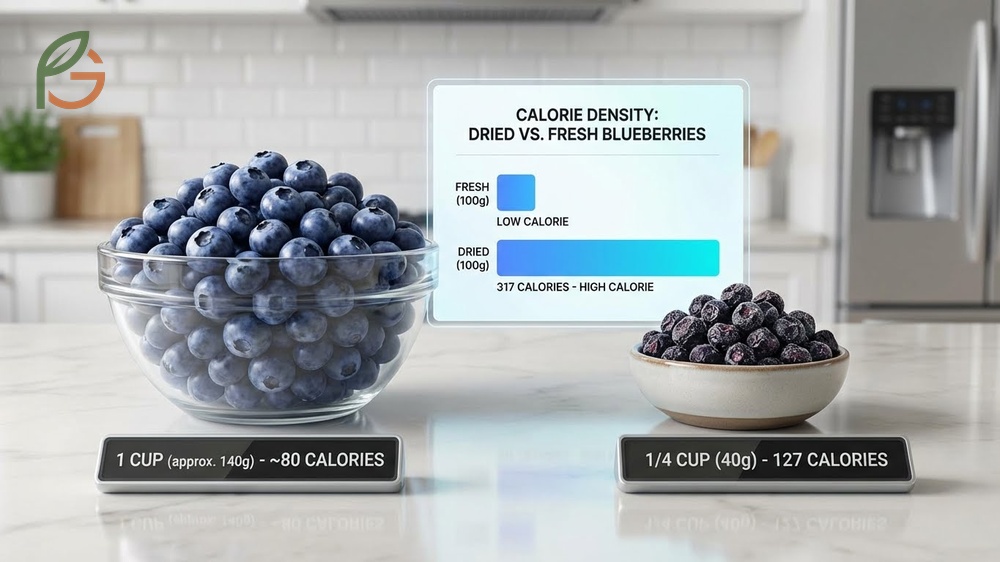
Current data indicates that dried blueberries contain dramatically more calories than fresh—approximately 317 calories per 100g[5] for sweetened varieties. This represents a 5-6 times increase compared to fresh blueberries due to water removal and added sugar.
Research shows that a standard quarter-cup serving of dried blueberries (40g) contains 127 calories[6]—more than an entire cup of fresh blueberries. Evidence suggests that most commercially dried blueberries include added sugar to balance their naturally tart flavor, which accounts for much of this caloric increase.
Studies demonstrate that dried blueberries provide concentrated fiber at 7.5g per 100g[5], but they also deliver 80g of carbohydrates in the same serving. What often gets overlooked is that the antioxidant content per calorie drops significantly compared to fresh berries.
Agricultural guidance emphasizes reading labels carefully when purchasing dried blueberries. “Unsweetened” varieties contain about 280 calories per 100g—still substantially higher than fresh due to water loss, but without the added sugar burden.
For weight management, dried blueberries should be treated as an occasional ingredient rather than a snacking staple. A tablespoon (10g) provides approximately 32 calories, making them suitable as a cereal topping or salad addition in controlled portions.
- Quarter cup (40g) sweetened: 127 calories[6], 32g carbs, 3g fiber
- Half cup (80g) sweetened: 254 calories, 64g carbs, 6g fiber
- One cup (160g) sweetened: 508 calories, 128g carbs, 12g fiber
- One tablespoon (10g): approximately 32 calories
- Antioxidant content: remains stable but becomes calorie-inefficient compared to fresh
Watch Out: Trail mixes and granolas often contain dried blueberries that dramatically increase calorie density. A handful that would provide 29 calories with fresh berries can deliver 120+ calories when made with dried varieties.
Conclusion
The evidence is clear: how many calories in blueberries depends entirely on form and measurement, ranging from 29 calories for a small handful to 190 calories for an entire pint. Fresh and frozen blueberries offer exceptional nutritional density at minimal caloric cost, while dried varieties require careful portion control due to their 5-6x caloric concentration.
Current nutritional guidance emphasizes that blueberries excel as a weight-management food when consumed fresh or frozen, providing powerful antioxidants, fiber, and vitamins for fewer than 85 calories per cup. FruitGarden helps you make informed decisions about berry consumption by synthesizing USDA nutrition data with practical growing and selection advice for maximum health benefits.
Medical Disclaimer
Important Medical Disclaimer: This content is for informational and educational purposes only. It’s not intended as a substitute for professional medical advice, diagnosis, or treatment. Always consult a qualified healthcare professional or registered dietitian before making any changes to your diet, especially if you have diabetes, kidney disease, or other medical conditions that require dietary modifications. Individual nutritional needs vary based on age, activity level, and health status.
Frequently Asked Questions
How Many Calories Are in a Single Blueberry?
A single blueberry weighs approximately 0.5-2 grams and contains less than 1 calorie. Research shows that most cultivated blueberries average 0.75 grams each, providing roughly 0.4 calories per berry. This makes them one of the lowest-calorie snacks available when eaten individually, though most people consume them by the handful or cup rather than counting individual berries.
Do Blueberries Have More Calories Than Strawberries?
No, blueberries and strawberries contain nearly identical calories—approximately 57 calories per 100g for blueberries versus 32 calories per 100g for strawberries. However, strawberries have higher water content, making them slightly less calorie-dense. Both berries offer excellent nutritional value with minimal caloric impact, making either choice suitable for weight-conscious diets.
Are Blueberries Good for Weight Loss?
Yes, research shows blueberries support weight loss due to their low calorie density (84 calories per cup), high fiber content (4g per serving), and powerful antioxidants. Studies demonstrate that the anthocyanins in blueberries may help regulate blood sugar and reduce inflammation, both important factors in weight management. Their natural sweetness also helps satisfy cravings without excessive calories.
What’s the Best Time to Eat Blueberries for Weight Loss?
Evidence suggests eating blueberries at breakfast or as a mid-morning snack provides optimal benefits. The fiber content helps stabilize blood sugar throughout the morning, reducing afternoon cravings. Pairing blueberries with protein sources like Greek yogurt or nuts slows digestion and extends satiety for 3-4 hours, making them more effective for appetite control than eating them alone.
How Many Blueberries Should I Eat Per Day?
Current nutritional guidance recommends one to two cups of blueberries daily (84-168 calories) to maximize health benefits without excessive calorie intake. This amount provides sufficient anthocyanins and antioxidants to support cardiovascular health and cognitive function. Athletes and highly active individuals can safely consume up to three cups daily, while those on calorie-restricted diets may prefer half to one cup servings.
Do Blueberries Lose Calories When Cooked?
No, cooking doesn’t reduce calories in blueberries—the caloric content remains essentially the same. However, cooking releases water and concentrates sugars, making baked blueberries taste sweeter. Some recipes add sugar, butter, or flour, which dramatically increases calories. A cup of fresh blueberries in a muffin provides the same 84 calories as raw, but the muffin itself adds 200-400 additional calories from other ingredients.
Are Organic Blueberries Lower in Calories Than Conventional?
No, organic and conventional blueberries contain identical calorie counts—both provide approximately 84 calories per cup. The “organic” designation refers to growing methods (no synthetic pesticides or fertilizers) rather than nutritional composition. Research shows minimal differences in macronutrient content between organic and conventional blueberries, though some studies suggest slightly higher antioxidant levels in organic varieties due to stress responses during growth.





