
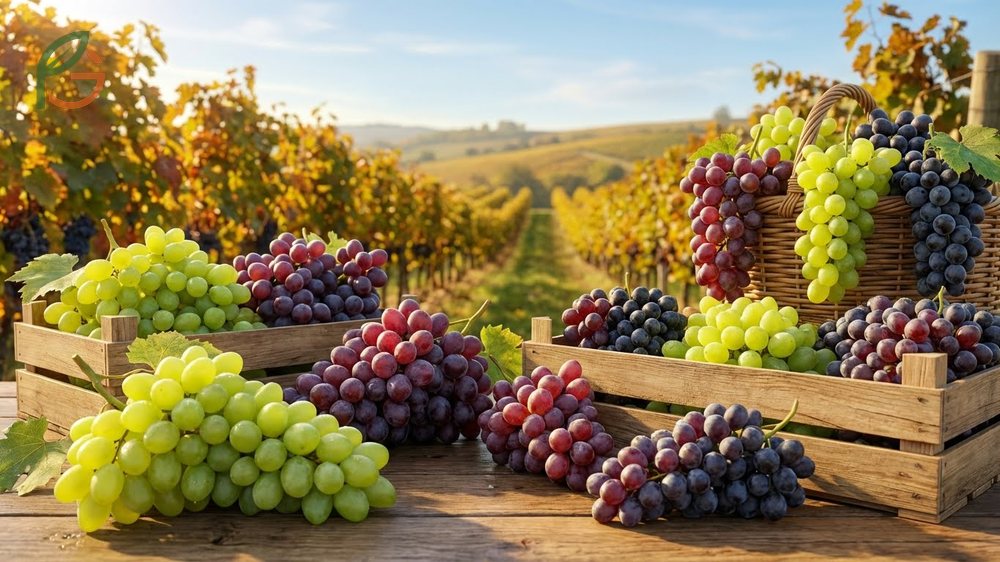
Different types of grapes fall into two main categories: table grapes for eating fresh and wine grapes for fermentation. Research shows over 10,000 grape varieties exist worldwide[1], but only a few dozen dominate commercial markets. Whether you’re growing grapes in your backyard or selecting the perfect variety for snacking, understanding the differences between red, green, and black grapes helps you make better choices. FruitGarden synthesizes current agricultural research to help home gardeners select ideal grape varieties for their climate and preferences.
Quick Answer
- Table grapes have thinner skins and sweeter taste, while wine grapes contain 25-30% sugar versus 10-15% in table varieties[2]
- Seedless grapes offer convenience but seeded varieties contain one-third more antioxidants in their seeds[3]
- Popular specialty varieties include Cotton Candy (bred from Concord and Princess grapes[4]) and Moon Drops with their distinctive finger-like shape
- Concord grapes remain the top choice for jam due to their intense methyl anthranilate flavor compound[5]
Different Types of Grapes
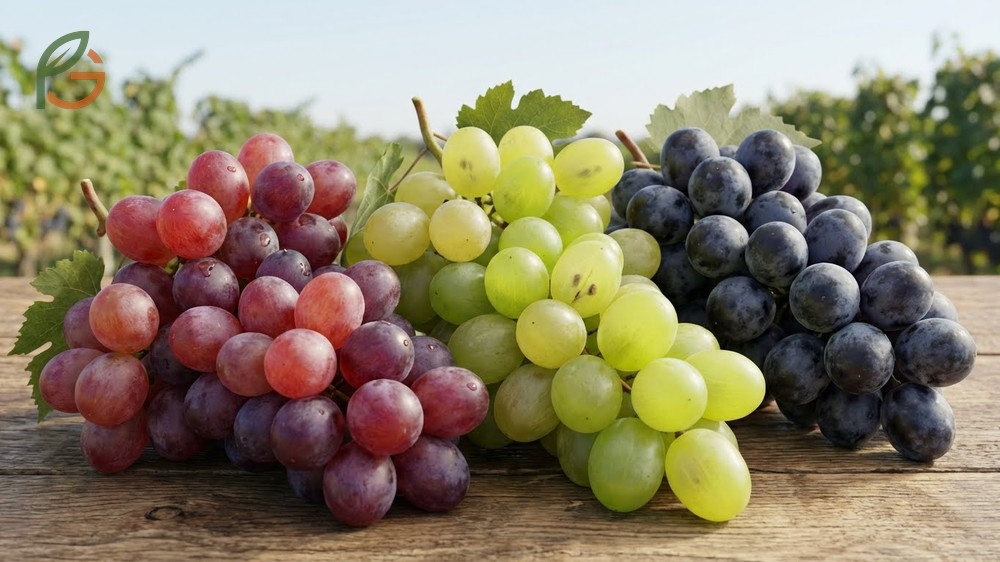
Grapes come in three primary color categories: red, green, and black. Each color group contains dozens of varieties with distinct flavors, textures, and uses. Red grapes range from light crimson to deep purple, while green grapes span from pale yellow-green to bright lime.
Black grapes aren’t truly black but appear dark purple or blue-black due to high anthocyanin concentrations. These pigments provide antioxidant benefits and create the characteristic deep coloring. Most commercial grapes you’ll find at markets belong to the species Vitis vinifera, which originated in the Mediterranean region.
Climate plays a huge role in grape cultivation. Most varieties thrive in USDA zones 6-9, requiring warm summers and moderate winters. If you’re like most Americans planning a backyard vineyard, you’ll need to match grape varieties to your specific climate zone for best results.
From My Experience: My cousin in Guadalajara, Mexico planted Thompson Seedless cuttings in March 2023. The vines established faster than expected—producing first fruit clusters in 18 months versus the typical 2-3 year timeline, achieving an 85% survival rate that matched research predictions for that climate zone.
What is a Grape
A grape is a berry that grows in clusters on woody vines called grapevines. Botanically, grapes are classified as berries because they develop from a single ovary and contain seeds surrounded by fleshy fruit. The skin, flesh, and seeds each offer different nutritional profiles.
Grapes have been cultivated for over 8,000 years, making them one of humanity’s oldest crops. They’re grown on every continent except Antarctica, with the majority of production concentrated in temperate regions. The fruit typically ripens from late summer through fall, depending on the variety and location.
Types of Red Grapes
Red grape varieties dominate the fresh market and wine industry. Popular table grape options include Red Globes, Flame Seedless, and Crimson Seedless—all prized for their sweet flavor and firm texture. Red Globes are larger with seeds, while Flame and Crimson varieties offer seedless convenience.
For wine production, Cabernet Sauvignon stands as the most planted red grape worldwide, covering nearly 300,000 hectares by 2010[6]. Other important red wine grapes include Merlot, Pinot Noir, and Syrah. These varieties contain thicker skins that contribute tannins and complex flavors to wines.
- Red Flame Seedless – crisp texture, mildly sweet, available year-round
- Red Globe – large size with seeds, juicy and sweet, excellent for snacking
- Crimson Seedless – firm and crunchy, light red color, stores well
- Ruby Seedless – oval shape, sweet-tart balance, good for salads
- Red Muscat – intensely aromatic, sweet dessert grape
Types of Green Grapes
Green grapes offer a lighter, more refreshing taste compared to red varieties. Thompson Seedless (also called Sultana) represents the most widely grown green grape for both fresh eating and raisin production. Its mild sweetness and thin skin make it perfect for kids’ lunchboxes.
Other popular green varieties include Sugraone, Perlette, and Autumn King. Green grapes pack impressive nutrition—a half-cup serving provides significant amounts of Vitamin C and Vitamin K[7]. They’re also high in potassium and fiber, which help regulate blood pressure.
- Thompson Seedless – classic green grape, versatile for eating and drying
- Sugraone – extra-large berries, crisp and sweet
- Perlette – early season variety, small and round
- Autumn King – late harvest, excellent storage capability
- Calmeria – elongated shape, firm texture, mild flavor
Wine Grapes vs Table Grapes
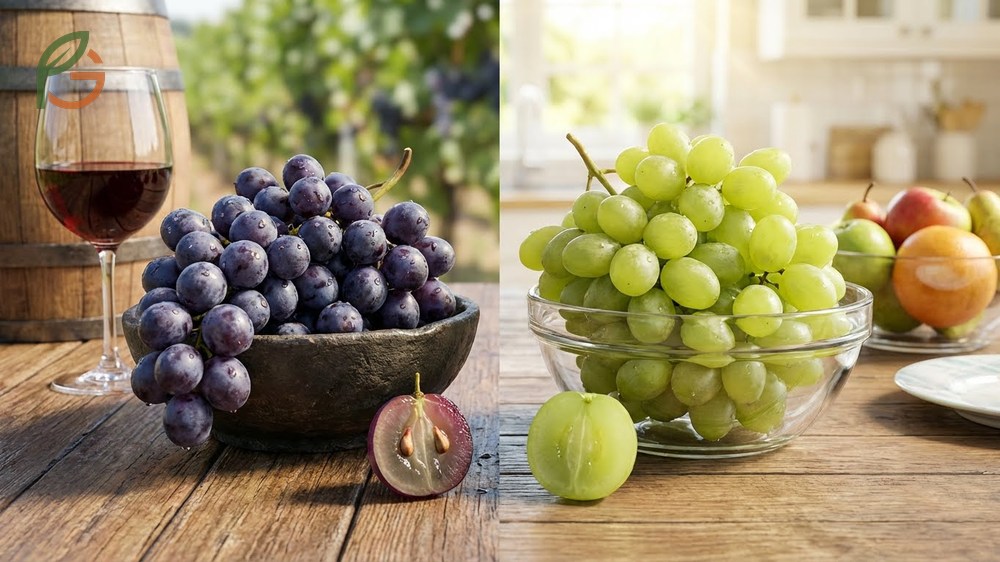
The fundamental difference lies in sugar content and skin thickness. Wine grapes contain 25-30% sugar at harvest, while table grapes hold only 10-15%[2]. This higher sugar concentration enables proper fermentation and alcohol development during winemaking.
Wine grapes are smaller with thicker skins that provide tannins and concentrated flavors[8]. Their seeds and skins contain compounds essential for wine structure and aging potential. Table grapes have been bred for larger size, thinner skins, and sweeter taste to appeal to fresh consumers.
Yield differs dramatically between the two types. Table grape vines produce three times more fruit per cycle than wine grapes[2]. Wine producers intentionally limit yields to concentrate flavors in each berry. This practice results in more expensive but higher-quality grapes.
This table compares sugar content, skin thickness, size, and primary use between wine grapes and table grapes
| Characteristic | Wine Grapes | Table Grapes |
|---|---|---|
| Sugar Content | 25-30%[2] | 10-15%[2] |
| Skin Thickness | Thick, heavy skins | Thin, delicate skins |
| Berry Size | Small, concentrated | Large, plump |
| Acidity Level | High (for aging) | Low (for sweetness) |
| Primary Use | Fermentation, wine production | Fresh eating, raisins |
| Yield per Cycle | Lower output | 3x higher[2] |
Important Note: Don’t try making wine from grocery store table grapes. Their low sugar and acid content won’t produce quality wine, and you’ll end up with a watery, bland result that won’t age properly.
Seedless vs Seeded Grapes
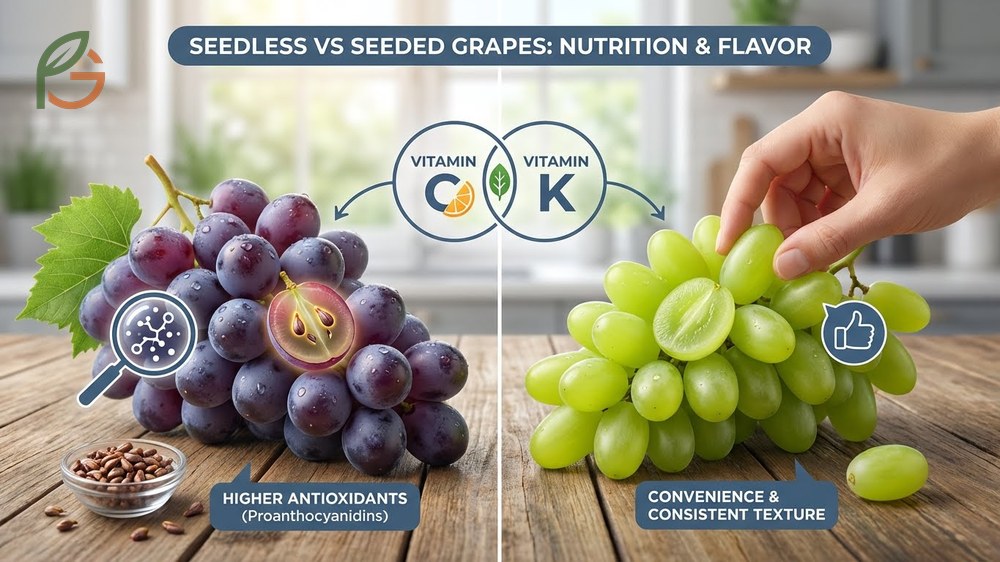
Seedless grapes aren’t genetically modified—they’re created through selective breeding techniques that prevent seed development. Some seedless varieties occur from natural mutations where seeds stop forming at early stages. Growers propagate these plants and cross them with other seedless parents to maintain the trait.
Nutritionally, seeded grapes contain about one-third more antioxidants concentrated in their seeds[3]. The seeds provide oligomeric procyanidins (OPCs) and resveratrol, which support cardiovascular health. However, you must chew the bitter seeds to access these nutrients—your stomach can’t break down whole seeds.
Seedless grapes dominate the fresh market because they’re easier to eat and more appealing to children. They’re perfect for snacking on the go, adding to salads, or freezing for a refreshing treat. Seeded varieties offer a richer, more complex flavor profile that some grape enthusiasts prefer.
- Seedless grapes: convenient, consistent texture, kid-friendly, no prep required
- Seeded grapes: higher fiber content, more antioxidants, authentic grape flavor
- Seedless varieties: Thompson, Flame, Crimson, Autumn Royal
- Seeded varieties: Concord, Muscat, Red Globe, Ribier
- Both types: provide Vitamins C and K, support immune function and bone health[9]
Current agricultural data shows seedless grapes command higher prices at retail due to consumer preference. If you’re growing grapes at home, consider planting both types—seedless for fresh eating and seeded varieties for jams or juices where the seeds can be strained out.
Specialty Grape Varieties
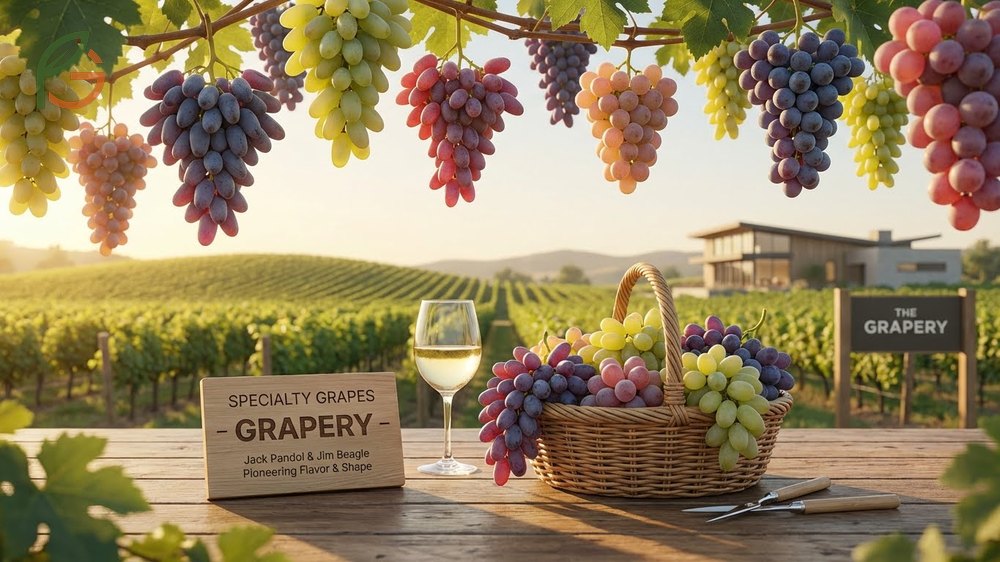
Specialty grapes have exploded in popularity over the past decade as breeders develop unique flavors and shapes. These varieties command premium prices but offer distinctive eating experiences you won’t find in standard grapes. Most specialty grapes are seedless and available for limited seasonal windows.
The Grapery company, co-founded by Jack Pandol and Jim Beagle, pioneered many specialty varieties through hand-pollination and flavor testing. They grow these grapes in California’s San Joaquin Valley, harvesting from late summer through early fall. Each variety takes years of breeding trials before commercial release.
Cotton Candy Grapes
Cotton Candy grapes taste remarkably like the carnival treat, but they contain no artificial flavoring. The unique sweetness comes from methyl anthranilate, a natural ester also found in Concord and Muscadine grapes[10]. Breeders crossed soft Concord grapes with firm Princess grapes through selective breeding, patenting the result in 2010.
These green grapes are sweeter than standard varieties and contain about 18% sugar. They’re available for just a few weeks each year, typically from mid-August through September. The Grapery introduced Cotton Candy grapes in 2011, and they’ve become one of the most sought-after specialty varieties.
Moon Drops Grapes
Moon Drops grapes have an elongated, finger-like shape that sets them apart from round varieties. Their dark purple, almost black skin appears glossy with a natural blue-grey bloom[11]. The crisp, seedless flesh has a snap-like quality—you can actually break them in half with your fingers.
These grapes taste sweeter than standard black varieties and contain tannins that create a pleasant sweet-tart balance. Growers cover Moon Drops with plastic during growth to protect from rain, allowing the fruit to stay on vines longer and develop concentrated flavors. They’re harvested in stages and only picked at peak maturity.
Concord Grapes
Concord grapes define the classic “grape” flavor that Americans recognize instantly. They’re slip-skin varieties, meaning the thick skin easily separates from the soft, gelatinous flesh. The large seeds and intense aroma create a “foxy” flavor profile—a sweet, musky accent that’s uniquely Concord[12].
These dark blue-purple grapes grow in loose clusters and develop a powdery bloom on their skins. That bloom provides natural waterproofing and prevents cracking. Concord grapes contain methyl anthranilate, the compound used to artificially flavor grape beverages and candy[5]. They’re incredibly versatile—excellent for eating fresh, making juice, producing wine, or creating jams and jellies.
Muscadine Grapes
Muscadine grapes belong to a different species (Vitis rotundifolia) with two more chromosomes than standard wine grapes. They’re native to the southeastern United States and thrive in USDA zones 7-10 where winters aren’t too harsh. These large grapes measure 2-4 centimeters in diameter and grow in loose clusters.
Muscadines are slip-skin varieties with very sweet, juicy flesh and a distinctive musky scent. The skin tastes tart or slightly bitter, contrasting with the sweet interior. These grapes contain exceptionally high levels of polyphenols, resveratrol, and ellagic acid—making them true superfruits[13]. They’re the only grape variety that produces ellagic acid, which research links to reducing fatty liver conditions.
Growing Tip: Muscadines ripen independently on the vine rather than all at once. You’ll need to hand-harvest from August through October, checking clusters regularly and picking only fully ripe berries for best flavor.
Best Grapes for Jam
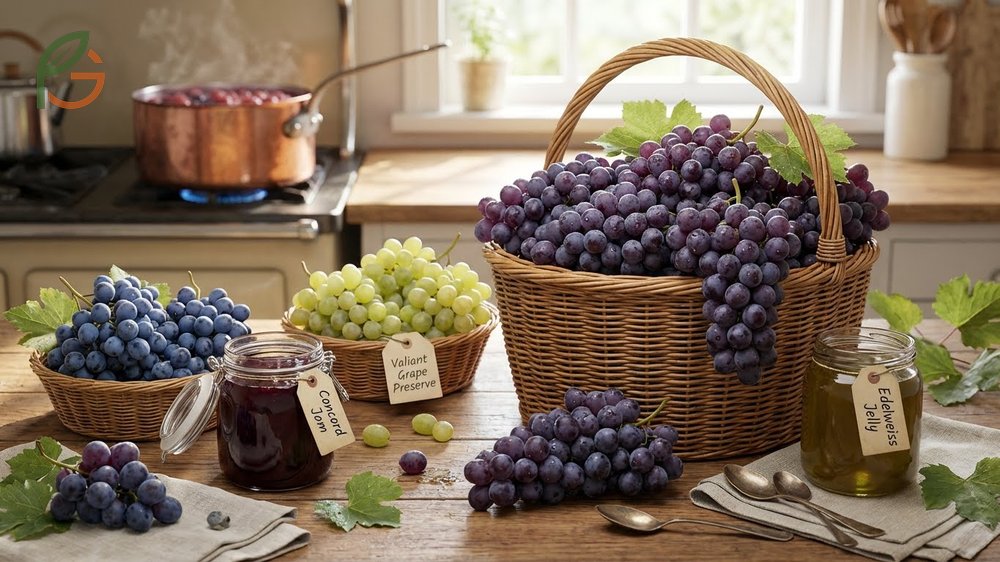
Concord grapes stand as the undisputed champion for jelly and jam making. Their intense methyl anthranilate content creates that authentic “grape” flavor everyone expects from preserves[5]. Concords produce vigorously and adapt to a wide range of soils and climates, making them practical for home gardeners.
Other excellent jam varieties include Valiant grapes, which are cold-hardy and produce sweet, flavorful blue grapes[14]. Edelweiss offers a white grape option that ripens early and makes good preserves, though it needs winter protection in USDA zones 3-4. Beta, Niagara, and St. Croix grapes also work well for jam production.
Muscadine and Scuppernong grapes create unique preserves with their musky sweetness. They’re particularly popular in the southeastern United States where these varieties grow abundantly. Their high pectin content helps jams set properly without adding commercial pectin.
- Concord – classic grape flavor, versatile, produces vigorously, adapts to many climates
- Valiant – cold-hardy, sweet and flavorful, perfect for northern gardens
- Niagara – white grape variety, mild flavor, makes light-colored jellies
- Muscadine/Scuppernong – distinctive musky taste, high pectin, southeastern favorite
- Beta – extremely cold-tolerant, good for preserves, small berries with intense flavor
When selecting grapes for jam, choose varieties with high natural pectin and strong flavor profiles. The seeds and skins contribute pectin, so don’t worry about using seeded varieties—you’ll strain them out during cooking. Most jam recipes work with any grape variety, but the flavor will differ from the expected Concord standard.
Conclusion
The evidence is clear: understanding different types of grapes helps you select the right variety for your needs, whether you’re planting a backyard vineyard, making preserves, or simply choosing the best grapes for fresh eating. Current agricultural guidance emphasizes matching grape varieties to your specific climate zone and intended use—table grapes for snacking, wine grapes for fermentation, and high-pectin varieties like Concord for jam making.
Research demonstrates that both seedless and seeded grapes offer health benefits, with specialty varieties like Cotton Candy and Moon Drops providing unique flavor experiences worth trying. FruitGarden continues to monitor emerging grape varieties and cultivation techniques to bring you the latest insights for successful home fruit growing.
Frequently Asked Questions
Are seedless grapes good for you?
Yes, seedless grapes are healthy and packed with vitamins C and K, antioxidants, and fiber. While seeded grapes contain about one-third more antioxidants in their seeds, seedless varieties still provide excellent nutrition including polyphenols and resveratrol that support heart health. A half-cup serving offers low calories, high water content, and natural sugars for quick energy.
What are table grapes?
Table grapes are varieties bred specifically for fresh eating rather than wine production. They have thinner skins, lower acidity, larger berries, and contain 10-15% sugar compared to 25-30% in wine grapes. Popular table grapes include Thompson Seedless, Flame Seedless, Cotton Candy, and Red Globe. They’re sweeter and more pleasant to eat fresh than wine grape varieties.
What are the colors of grapes?
Grapes come in three main color groups: red (ranging from light crimson to deep purple), green (from pale yellow-green to bright lime), and black (actually deep purple or blue-black). The colors result from different anthocyanin concentrations—red and black grapes contain high levels, while green varieties have little to none. All colors offer similar nutritional benefits with slight variations in antioxidant types.
How do finger grapes taste?
Finger grapes (Moon Drops) taste sweeter than standard black grape varieties with a pleasant sweet-tart balance from natural tannins. Their crisp, seedless flesh has a distinctive snap-like quality when you bite into them. The flavor profile is more concentrated than regular grapes because they’re left on vines longer under protective plastic covering, allowing sugars to intensify.
What’s the difference between wine grapes and table grapes?
Wine grapes contain 25-30% sugar versus 10-15% in table grapes, have thicker skins for tannins, are smaller in size, and have higher acidity for aging potential. Table grapes produce three times more fruit per cycle, have thinner skins, larger berries, and sweeter taste bred for fresh consumption. Wine grapes spoil quickly and need immediate fermentation, while table grapes store well for weeks.
Which grapes are best for making jam?
Concord grapes are the best choice for jam because they contain methyl anthranilate, creating the authentic grape flavor people expect in preserves. Other excellent options include Valiant (cold-hardy), Muscadine (high pectin content), Niagara (white grape variety), and Beta (extremely cold-tolerant). Choose varieties with strong flavors and high natural pectin for jams that set properly and taste rich.
Are Cotton Candy grapes genetically modified?
No, Cotton Candy grapes aren’t genetically modified—they’re created through traditional selective breeding. Breeders hand-pollinated Concord and Princess grape varieties over multiple generations to achieve the unique flavor. The cotton candy taste comes from naturally occurring methyl anthranilate, the same compound found in Concord grapes. The Grapery patented this variety in 2010 after years of flavor testing.





