
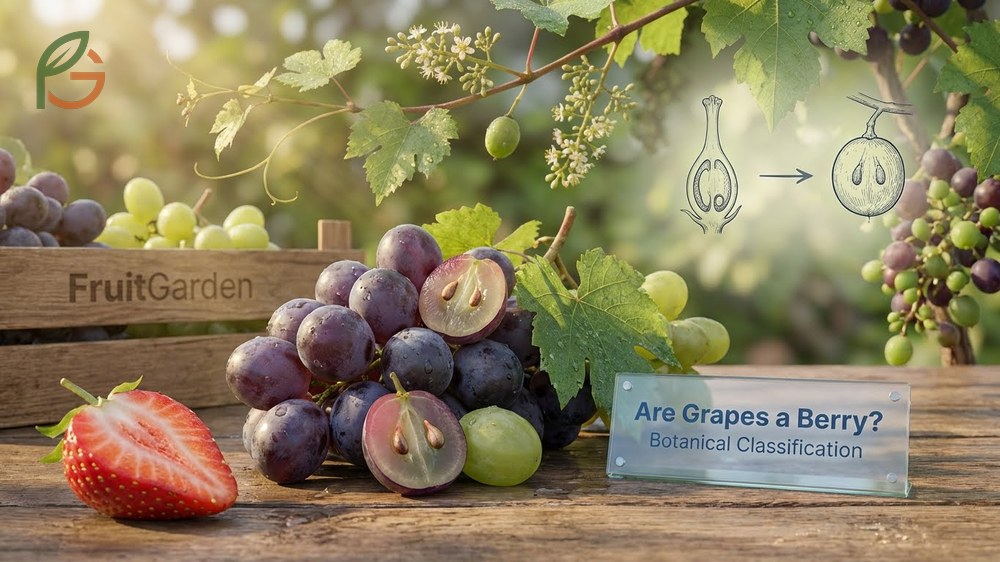
Are grapes a berry? Yes, grapes are true botanical berries. Research shows they meet all criteria for berry classification: they develop from a single flower ovary, contain seeds embedded in fleshy pulp, and have a soft pericarp structure[1]. Understanding this classification helps gardeners and fruit enthusiasts appreciate why grapes behave differently from culinary “berries” like strawberries, which aren’t true berries at all. FruitGarden synthesizes botanical research and nutritional data to help you grow and enjoy the healthiest grapes possible.
Quick Answer
- Grapes are true botanical berries from the genus Vitis, meeting all scientific criteria for berry classification[2]
- A 1/2 cup serving provides 2.4mg vitamin C, 0.7g fiber, and 52 calories[3]
- Grape skins contain vitamin K and B vitamins (B6, thiamine, riboflavin) essential for blood clotting and metabolism[4]
- Unlike strawberries or raspberries, grapes aren’t aggregate fruits—they’re simple berries from woody perennial vines[1]
Are Grapes a Berry
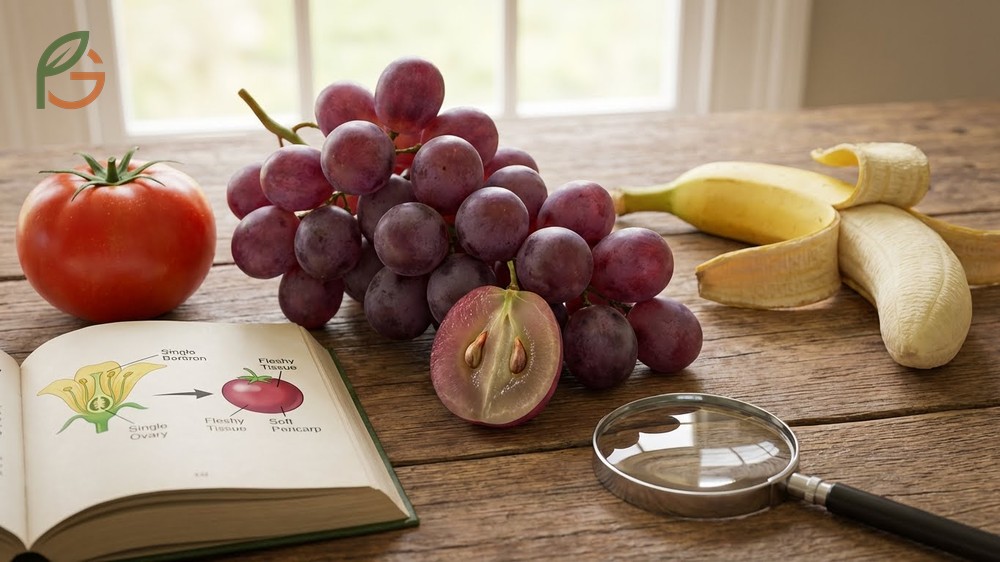
Grapes are true berries according to botanical definitions, not just culinary traditions. Studies demonstrate that grapes meet all three criteria botanists use to classify berries: they develop from a single flower with one ovary, contain multiple seeds embedded in fleshy tissue, and possess a soft pericarp (fruit wall) throughout[1]. This places grapes in the same botanical category as tomatoes, blueberries, and bananas—all true berries that don’t fit common culinary expectations.
What confuses most people is that culinary “berries” like strawberries and blackberries aren’t botanical berries at all. Strawberries are aggregate accessory fruits, while blackberries are aggregate fruits composed of multiple drupelets[1]. Grapes, by contrast, develop from deciduous woody vines of the genus Vitis and qualify as non-climacteric fruits that won’t ripen further after harvest.
Current botanical guidance emphasizes that berry classification depends on ovary structure and seed distribution, not size or culinary use. This matters for gardeners because true berries like grapes require different pruning, harvesting, and storage approaches than aggregate fruits.
Botanical Classification of Grapes
The botanical classification system places grapes in a precise taxonomic hierarchy. Grapes belong to the family Vitaceae, genus Vitis, with common table grapes classified as Vitis vinifera[2]. This classification reveals their relationship to other flowering plants and explains their growth patterns.
Botanists define a true berry (or bacca) as a pericarpium derived from a flower with a superior ovary, containing seeds dispersed throughout the flesh. This definition has evolved since Linnaeus’s original work, but grapes consistently meet modern criteria across all botanical classification systems[1].
- Grapes develop from a single ovary containing multiple ovules
- The entire pericarp (exocarp, mesocarp, and endocarp) remains fleshy and soft at maturity
- Seeds are embedded directly in the pulp without a hard shell or pit
- Fruit grows in clusters on woody perennial vines, not herbaceous plants
- Grapes are indehiscent fruits that don’t split open naturally to release seeds
Important Classification Note: If you’re comparing grapes to other fruits, remember that botanical and culinary classifications often contradict each other. Grapes are berries botanically but won’t behave like raspberries in recipes or garden management.
Grape Anatomy
The anatomical structure of grapes confirms their berry classification through distinct tissue layers. The outer skin (exocarp or epicarp) provides a protective barrier, while the middle layer (mesocarp) and inner tissues (endocarp) merge into the juicy pulp we eat[1]. This three-layer pericarp structure is what botanists look for when identifying true berries.
Research shows that grapevine structure includes specialized vascular systems that transport water, nutrients, and photosynthesis products throughout the plant. The shoot system produces leaves, tendrils, and flower clusters arranged in regular patterns along the woody stem. Each grape berry develops from individual flowers within these clusters, with the pistil (female organ) maturing into the fleshy fruit after pollination.
The root system of Vitis species typically extends within 3 feet (0.9m) of soil surface, with lateral branching patterns that vary by variety. Vitis riparia roots grow more vertically, while Vitis rupestris develops lateral spreading patterns. This affects nutrient uptake and explains why different grape varieties show varying vitamin and mineral concentrations.
What Vitamins Do Grapes Have
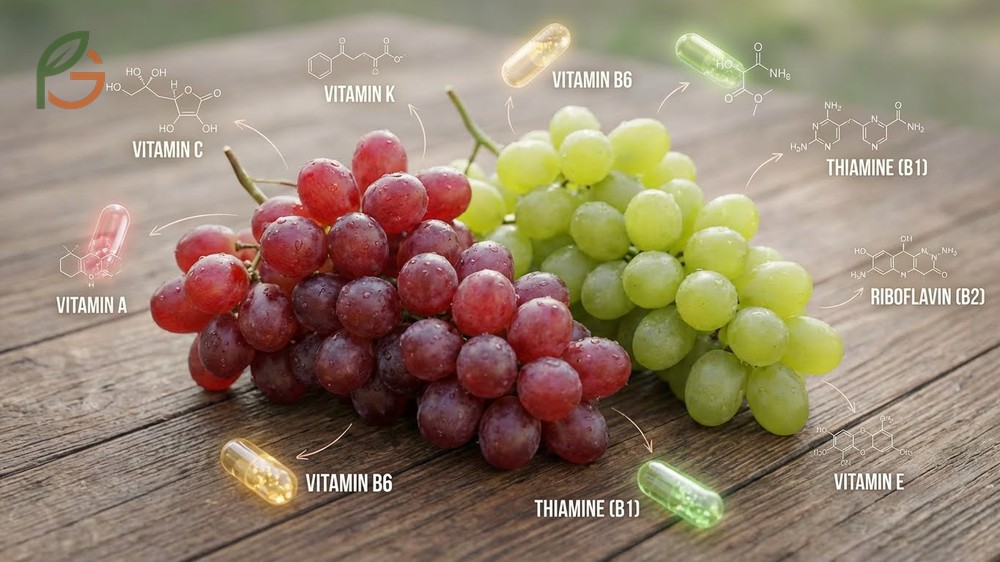
Grapes contain a diverse vitamin profile that supports multiple body functions. A 1/2 cup serving of fresh grapes provides vitamin C, vitamin K, vitamin B6, thiamine (B1), riboflavin (B2), and small amounts of vitamin A and vitamin E[4]. While not exceptionally high in any single vitamin, grapes offer consistent low-level support across multiple nutrient categories.
Current nutritional data shows that vitamin content varies slightly between red and green grape varieties. Both types provide approximately 2.4mg vitamin C per 1/2 cup serving, along with 0.54g protein and 13.67g carbohydrates[3]. Red grapes tend to have higher polyphenol concentrations due to anthocyanin pigments in their skins.
The B vitamin complex in grapes—including thiamine, riboflavin, and B6—supports energy metabolism and protein processing. Research demonstrates that these vitamins work synergistically with minerals like copper and manganese found in grapes to facilitate cellular energy production[4].
This table compares vitamin content per serving between green seedless and red seedless grape varieties with daily value percentages
| Vitamin | Green Grapes | Red Grapes | % Daily Value |
|---|---|---|---|
| Vitamin C | 2.4mg[3] | 2.4mg[3] | 5%[4] |
| Vitamin K | Present | Present (higher) | Varies by serving |
| Vitamin B6 | Present | Present | 8%[4] |
| Thiamine (B1) | Present | Present | 9%[4] |
| Riboflavin (B2) | Present | Present | 8%[4] |
Vitamins in Grape Skin
Grape skins concentrate the highest levels of fat-soluble vitamins and polyphenolic compounds. Studies show that anthocyanins, flavanols, flavonols, and resveratrol are predominantly found in skins rather than flesh, with red grape skins containing substantially more antioxidant capacity than green varieties[5]. This matters for gardeners deciding between red and green cultivars.
Research demonstrates that grape skin composition varies with cultivar, soil composition, climate, geographic origin, and cultivation practices. Fungal exposure can actually increase certain beneficial compounds in skins[5]. The highest antioxidant capacity exists in grape seeds, followed by skins, with flesh displaying the lowest antioxidant levels.
- Vitamin K for blood clotting and bone health
- Anthocyanins (in red grapes) providing purple-red pigmentation and antioxidant properties
- Flavonol glycosides and hydroxycinnamic acids
- Vitamin E (alpha-tocopherol) at 2% daily value per serving
- Resveratrol, studied for cardioprotective and anti-inflammatory effects
Vitamin K in Grapes
Vitamin K in grapes plays a crucial role in blood clotting and bone metabolism. Current data indicates grapes are a rich source of vitamin K, an essential mineral vital for activating proteins that regulate blood coagulation and calcium deposition in bones[4]. This fat-soluble vitamin concentrates primarily in grape skins rather than flesh.
For gardeners and fruit enthusiasts, understanding vitamin K content helps when planning diets or managing anticoagulant medications. While grapes don’t provide exceptionally high vitamin K compared to leafy greens, they contribute consistent amounts when eaten regularly with skins intact.
Vitamin B6 in Grapes
Vitamin B6 (pyridoxine) in grapes supports protein metabolism and neurotransmitter synthesis. A standard serving provides approximately 8% of the daily value for vitamin B6[4]. This water-soluble vitamin is mainly required for breaking down proteins and creating hemoglobin that carries oxygen in red blood cells.
Research shows that B6 works synergistically with other B vitamins in grapes—thiamine and riboflavin—to support growth, development, and energy production. Unlike vitamin K, B6 distributes throughout grape flesh, not just in skins, making it accessible even when peeling grapes for specific recipes.
Vitamin Preservation Tip: Store grapes at 32-34°F (0-1°C) with 90-95% humidity to preserve vitamin content. Don’t wash grapes until immediately before eating, as premature washing accelerates vitamin degradation and promotes mold growth.
Are Grapes a Citrus Fruit
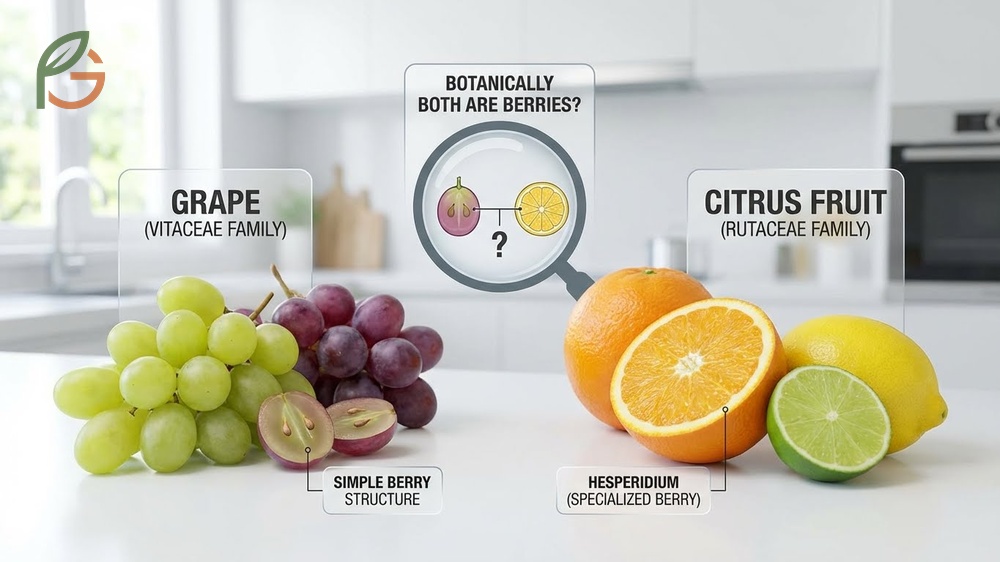
Grapes aren’t citrus fruits—they’re berries from an entirely different plant family. Citrus fruits (oranges, lemons, limes) are classified as hesperidia, a specialized berry type with a leathery rind and segmented pulp filled with juice vesicles[1]. Grapes lack this specialized structure and belong to the Vitaceae family, while citrus fruits come from the Rutaceae family.
What confuses people is that both grapes and citrus fruits are botanically classified as berry types. However, hesperidia have thick, aromatic peels with oil glands that grapes completely lack. Grapes develop from woody perennial vines, while citrus grows on evergreen trees and shrubs in subtropical climates.
Agricultural data shows citrus fruits require different growing conditions than grapes—citrus thrives in zones 9-11 with warm winters, while grapes tolerate colder zones 6-9 depending on variety. This fundamental difference in cultivation requirements reflects their distinct evolutionary paths and fruit structures.
Are Grapes a Stone Fruit
Grapes aren’t stone fruits (drupes) because they lack the hard endocarp surrounding seeds. Stone fruits like peaches, plums, and cherries have a fleshy outer layer surrounding a hardened pit (stone) that encases the seed[1]. Grapes have multiple seeds embedded directly in soft pulp without any hardened layers.
Research shows that drupes develop a distinct three-part structure: exocarp (skin), mesocarp (flesh), and a woody or stony endocarp. Berries like grapes maintain soft tissue throughout all pericarp layers. This structural difference affects harvest timing, storage requirements, and culinary applications.
- Stone fruits have one large pit; grapes have 1-4 small soft seeds per berry
- Citrus fruits have segmented juice vesicles; grapes have uniform pulp texture
- Drupes come from single-seeded ovaries; grapes develop from multi-seeded ovaries
- Citrus peels contain aromatic oils; grape skins have polyphenols and tannins
- Stone fruits are climacteric (continue ripening); grapes are non-climacteric
Nutritional Profile of Grapes
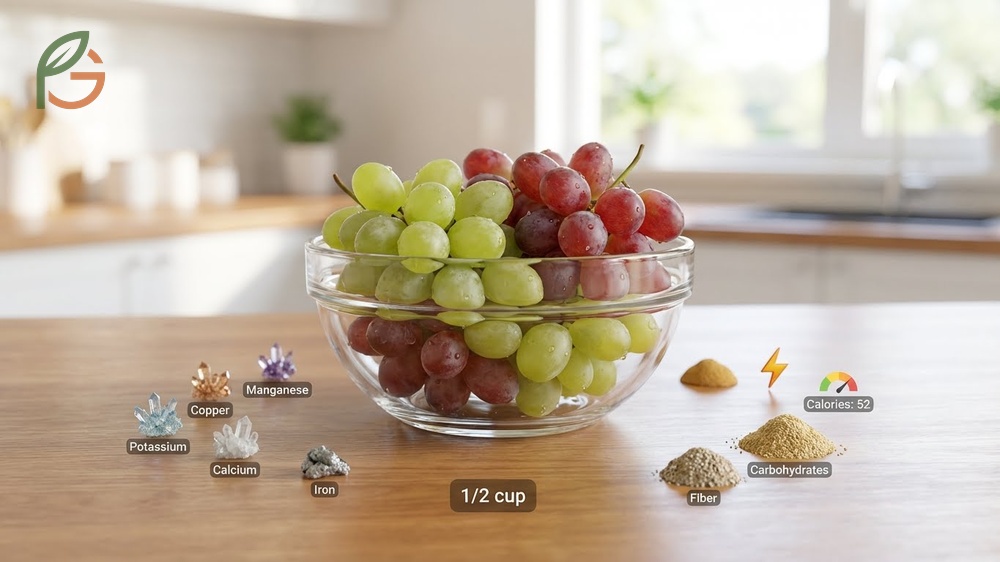
The complete nutritional profile of grapes extends beyond vitamins to include minerals, fiber, and plant compounds. A 1/2 cup serving delivers 52 calories, 13.67g carbohydrates, 0.7g fiber, 0.54g protein, and minimal fat at 0.12g[3]. This macronutrient balance makes grapes a quick energy source with modest fiber content.
Mineral content includes copper, manganese, potassium, calcium, and iron. Research shows copper plays an essential role in energy production, while manganese supports bone formation and nutrient metabolism at 5% daily value per serving[4]. Potassium contributes 6% of daily needs, supporting heart function and blood pressure regulation.
Studies demonstrate that polyphenols in grapes—particularly in seeds and skins—possess antioxidant, cardioprotective, anticancer, anti-inflammatory, and antimicrobial properties. Evidence suggests extracts from grape seeds and skins can inhibit inflammation and edema, with effects comparable to common anti-inflammatory medications[5]. This matters for gardeners deciding whether to grow grapes for health benefits versus pure culinary enjoyment.
California grape crops peak from July through December, with fruit available May through February. Optimal storage at 32-34°F (0-1°C) with 90-95% humidity extends shelf life to three to five days in refrigerators[3]. This short window affects vitamin retention and emphasizes the importance of proper post-harvest handling.
- Copper at high levels supporting energy production and iron metabolism
- Potassium (6% DV) for heart health, muscle function, and blood pressure control
- Dietary fiber (0.7g per serving) aiding digestive health and satiety
- Natural sugars providing quick energy without added sweeteners
- Polyphenolic antioxidants concentrated in seeds and skins
- Low sodium content (2mg per serving) suitable for heart-healthy diets
Selection Tip: Choose grape bunches with plump berries firmly attached to green, pliable stems. Green varieties should show yellow-green coloring, while red varieties should have predominantly red berries across the entire cluster. Avoid bunches with brown stems or loose berries.
Conclusion
The evidence is clear: are grapes a berry—yes, they’re true botanical berries that provide consistent vitamin and mineral support when included in your diet. Their classification as Vitis berries with soft pericarps, multiple seeds, and superior ovary development distinguishes them from stone fruits, citrus, and culinary “berries” like strawberries. Current agricultural guidance emphasizes growing grapes for both their nutritional profile and their reliable berry structure that performs well in diverse climates.
Whether you’re cultivating grapes in your garden or selecting them at markets, understanding their botanical identity and vitamin content helps you maximize their health benefits. FruitGarden provides research-backed insights to help you grow, harvest, and enjoy the freshest grapes with optimal nutrient retention.
Medical Disclaimer
Important Medical Disclaimer: This content is for informational and educational purposes only. It’s not intended as a substitute for professional medical advice, diagnosis, or treatment. Always consult a qualified healthcare professional or registered dietitian before making significant changes to your diet, especially if you have medical conditions, take medications, or have specific nutritional requirements. Vitamin and nutrient content can vary based on grape variety, growing conditions, and storage methods.
Frequently Asked Questions
Do grapes have vitamin C?
Yes, grapes contain vitamin C, with a 1/2 cup serving providing 2.4mg, which equals about 5% of the daily value. While not as high as citrus fruits, grapes offer consistent vitamin C support alongside other antioxidants like polyphenols in their skins.
Are grapes berries or fruit?
Grapes are both—all berries are fruits, but not all fruits are berries. Botanically, grapes are true berries (a specific fruit type) because they develop from a single ovary, contain multiple seeds in fleshy pulp, and have a soft pericarp throughout.
What vitamins are in grapes?
Grapes contain vitamin C, vitamin K, vitamin B6, thiamine (B1), riboflavin (B2), vitamin A, and vitamin E. They’re particularly rich in copper and vitamin K, with B vitamins supporting energy metabolism and protein processing throughout your body.
Are grapes considered berries in botanical classification?
Yes, grapes are considered true berries in botanical classification. They meet all scientific criteria: developing from a flower with a superior ovary, containing seeds embedded in fleshy tissue, and maintaining a soft pericarp structure without hard shells or pits.
What nutrients are in grapes besides vitamins?
Beyond vitamins, grapes provide copper, manganese, potassium (6% DV), calcium, iron, and 0.7g dietary fiber per serving. They also contain polyphenolic compounds like anthocyanins, flavanols, and resveratrol that offer antioxidant and anti-inflammatory properties.
Are grapes citrus food or fruit?
Grapes aren’t citrus fruits—they’re berries from the Vitaceae family, while citrus (oranges, lemons) comes from Rutaceae and is classified as hesperidia. Citrus has segmented pulp and aromatic oil glands that grapes completely lack.
Does grape skin contain more vitamins than grape flesh?
Yes, grape skins concentrate higher levels of fat-soluble vitamins like vitamin K and vitamin E, plus polyphenolic antioxidants like resveratrol and anthocyanins. Research shows skins have substantially more antioxidant capacity than flesh, especially in red grape varieties.





