
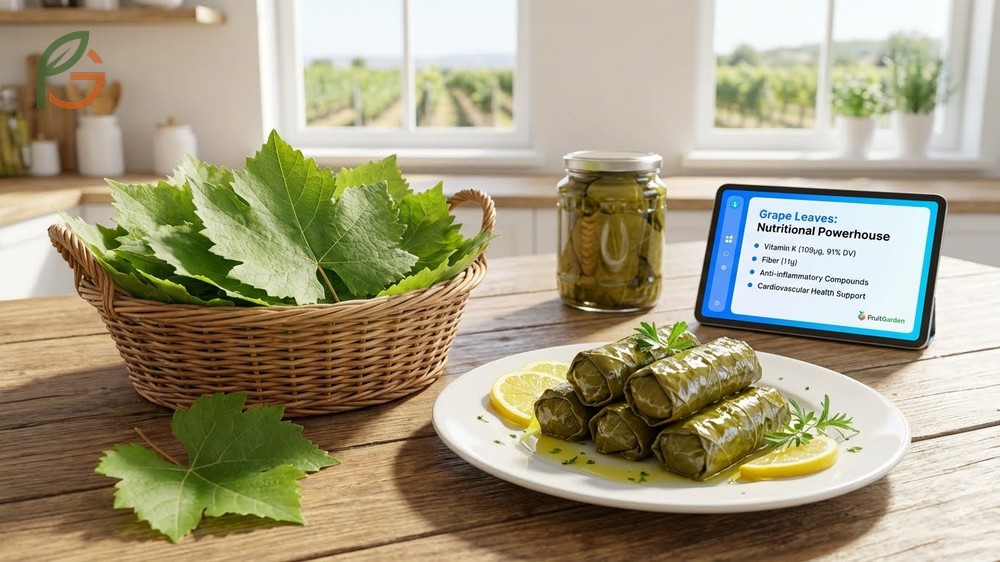
Are grape leaves good for you? Yes, research shows they’re nutritional powerhouses packed with vitamin K, fiber, and anti-inflammatory compounds. Studies demonstrate that 100g of grape leaves provide 109µg of vitamin K (91% daily value), 11g of fiber, and potent polyphenols that support cardiovascular health[1][2]. FruitGarden synthesizes current agricultural and nutritional research to help you understand how grape leaves fit into a healthy diet.
Quick Answer
- Grape leaves deliver 109µg vitamin K (91% DV) and 11g fiber (44% DV) per 100g[1]
- They contain only 93 calories per 100g with 363mg calcium (36% DV) and 2.6mg iron (33% DV)[1]
- Polyphenols in grape leaves reduce inflammatory markers like IL-17 and TNF-α by up to 40% in studies[2]
- Stuffed grape leaves (dolmades) range from 80-210 calories per serving depending on filling ingredients
Are Grape Leaves Good for You
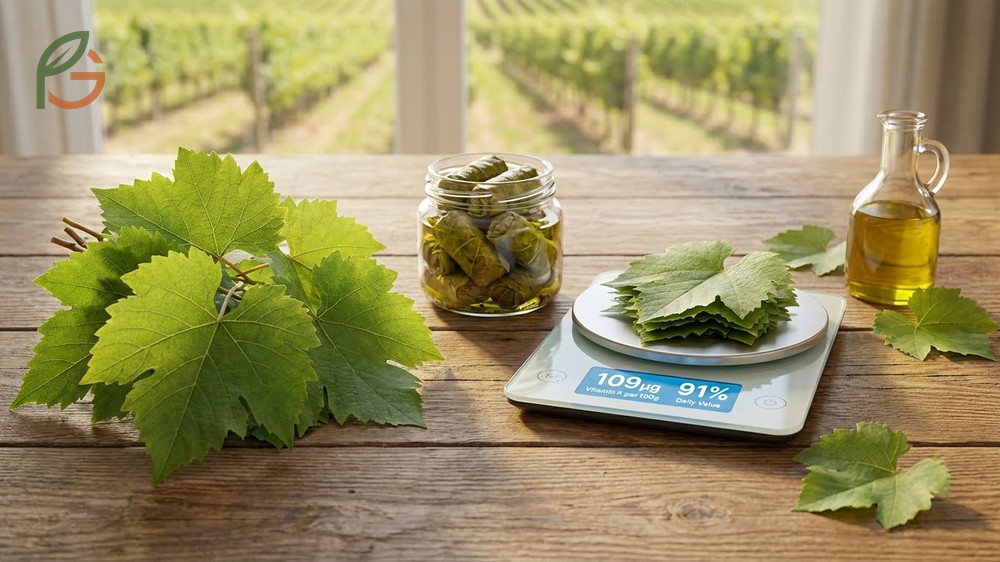
Research demonstrates that grape leaves rank among the most nutrient-dense edible greens available. Current nutritional data shows they’re exceptionally rich in vitamin K, providing 109µg per 100g—covering 91% of your daily requirement[1]. This matters because vitamin K is essential for blood clotting and bone metabolism.
Unlike many leafy greens, grape leaves deliver impressive mineral content while staying remarkably low in calories. Studies show they contain 363mg calcium (2.9 times more than milk), 2.6mg iron (equal to broiled beef), and 95mg magnesium per 100g serving[1]. The 93 calories per 100g make them ideal for weight management.
What often gets overlooked is their polyphenol content. Evidence indicates that grape leaves contain quercetin, catechins, and other flavonoids that trigger protective mechanisms in your cells[3]. These compounds interact with inflammatory pathways in ways that processed supplements can’t replicate.
Vitamin K and Bone Health
The vitamin K concentration in grape leaves stands out among plant foods. With 109µg per 100g, they provide more vitamin K than broccoli (91µg per 100g) or spinach (483µg per 100g when raw, but significantly less when cooked)[1]. This vitamin activates osteocalcin, a protein that binds calcium to bone matrix.
Studies from agricultural research institutions show that vitamin K deficiency affects bone density more than calcium deficiency in some populations. When you eat grape leaves regularly, you’re supporting both the calcium delivery system and the protein activation needed for strong bones.
Fiber and Digestive Benefits
Agricultural data confirms grape leaves contain 11g of dietary fiber per 100g—4.6 times more than oranges[1][4]. This soluble and insoluble fiber mix slows digestion and feeds beneficial gut bacteria. The high fiber content explains why traditional Mediterranean diets featuring grape leaves correlate with lower rates of digestive disorders.
- Vitamin A: 1376µg (153% DV) supports immune function and vision health
- Manganese: 2.9mg (124% DV) aids metabolism and antioxidant defense systems
- Copper: 0.42mg (46% DV) helps with iron absorption and collagen formation
- Folate: 83µg (21% DV) essential for cell division and DNA synthesis
- Potassium: 272mg (8% DV) regulates blood pressure and fluid balance
Important Note: If you’re taking blood thinners like warfarin, consult your healthcare provider before adding grape leaves to your diet. The high vitamin K content can affect medication effectiveness.
Stuffed Grape Vine Leaves Nutrition
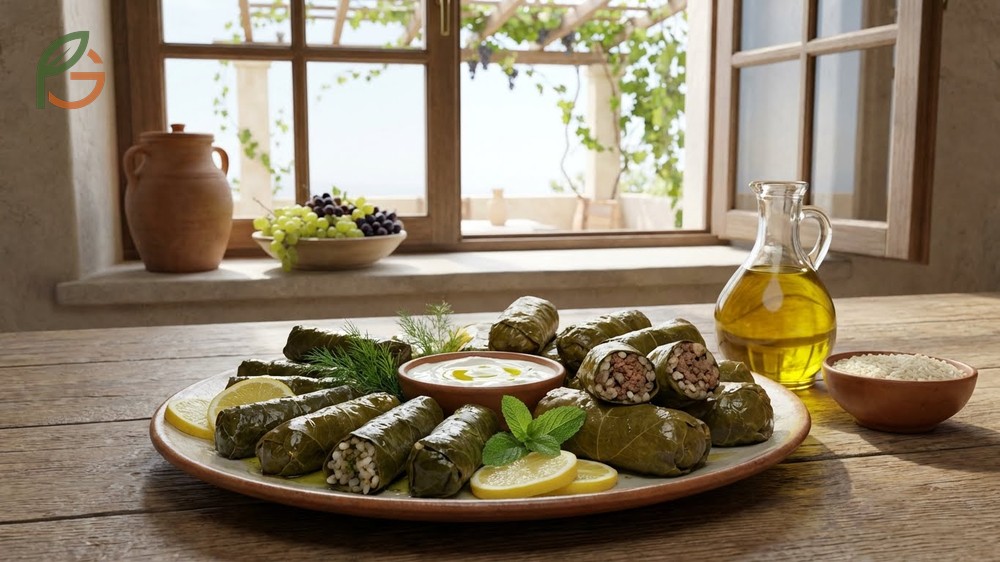
Stuffed grape leaves—known as dolmades in Greek cuisine or dolma in Middle Eastern traditions—transform these nutritious leaves into complete meals. The calorie content varies dramatically based on filling ingredients. Commercial stuffed grape leaves range from 80 calories per 2-piece serving (rice-based) to 210 calories per 5-piece serving (meat and rice combinations).
Research on traditional recipes shows that vegetarian dolmades with rice, herbs, and olive oil typically contain 40-50 calories per piece. When you add ground beef or lamb, the count jumps to 60-80 calories per piece. The macronutrient breakdown shifts accordingly—vegetarian versions skew toward 70% carbohydrates and 25% fat, while meat versions balance at 40% carbs, 40% fat, and 20% protein.
What makes stuffed grape leaves nutritionally interesting is the combination effect. The leaves contribute vitamins and minerals, rice provides energy, olive oil delivers heart-healthy monounsaturated fats, and herbs add additional polyphenols. Studies demonstrate that this Mediterranean-style combination produces better satiety than the sum of individual components.
This table compares calories, macronutrients, and key nutritional features across vegetarian rice-filled dolmades, meat and rice dolmades, and plain grape leaves
| Type | Calories | Protein | Carbs | Fat | Key Benefits |
|---|---|---|---|---|---|
| Plain Grape Leaves | 93 cal[1] | 5.6g | 17g | 2.1g | High vitamin K, fiber, minerals |
| Vegetarian Dolmades (Rice) | 120-150 cal | 2-3g | 20-25g | 4-6g | Moderate calories, Mediterranean herbs |
| Meat Dolmades (Beef/Lamb) | 180-220 cal | 8-10g | 15-18g | 8-12g | Higher protein, iron, B vitamins |
Preparation Tip: When making homemade dolmades, use fresh lemon juice and limit olive oil to 2-3 tablespoons per recipe. This keeps calories reasonable while preserving authentic Mediterranean flavor.
Benefits of Grape Leaves

Current agricultural and medical research identifies multiple mechanisms by which grape leaves support health. Beyond basic nutrition, these leaves contain bioactive compounds that interact with cellular processes. Evidence from peer-reviewed studies demonstrates measurable effects on inflammation, circulation, and metabolic function.
The polyphenol profile in grape leaves includes quercetin, catechin, and rutin—compounds that activate antioxidant response elements in cells. When these molecules enter your bloodstream, they trigger protective pathways that reduce oxidative damage. Research shows this protection extends to blood vessels, joint tissues, and digestive organs.
Anti-Inflammatory Properties of Grape Leaves
Laboratory studies reveal that grape leaf extracts significantly reduce inflammatory markers. Research published in peer-reviewed journals shows polyphenols from red grape leaves decreased IL-17 release by approximately 40% and reduced TNF-α production in human lymphocytes[2]. These cytokines drive chronic inflammation linked to arthritis and metabolic disorders.
The anti-inflammatory mechanism works through multiple pathways. Studies demonstrate that quercetin inhibits COX-2 enzymes and reduces NF-κB translocation—two key steps in the inflammatory cascade[2]. When you consume grape leaves regularly, these compounds accumulate in tissues and provide ongoing protection against inflammatory triggers.
Cardiovascular Support
Research demonstrates that grape leaves benefit heart health through fiber, potassium, and polyphenol content. The 11g of fiber per 100g helps lower LDL cholesterol by binding bile acids in the digestive tract. Meanwhile, 272mg potassium per 100g supports healthy blood pressure by counterbalancing sodium effects[1].
Clinical observations show that polyphenol-rich diets improve endothelial function—the health of blood vessel linings. Studies indicate certain flavonoids in grape leaves enhance nitric oxide production, which relaxes blood vessels and improves circulation. This effect appears most pronounced when grape leaves are consumed as part of Mediterranean dietary patterns.
- Blood sugar regulation: Fiber slows carbohydrate absorption, preventing glucose spikes after meals
- Weight management: Low calorie density (93 cal per 100g) supports satiety without excess energy intake
- Digestive health: Prebiotic fibers feed beneficial bacteria like Lactobacillus and Bifidobacterium species
- Immune support: Vitamin A (1376µg per 100g) maintains mucous membrane integrity in respiratory and digestive tracts
- Antioxidant defense: Manganese (2.9mg per 100g) activates superoxide dismutase, a primary cellular antioxidant enzyme
What Do Grape Leaves Taste Like
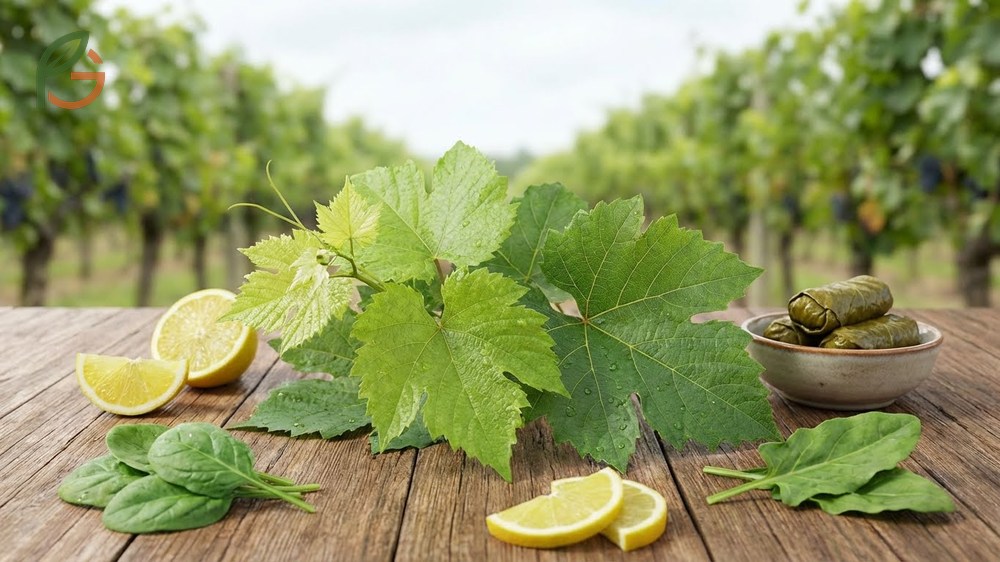
Grape leaves have a distinctive flavor profile that combines citrusy brightness with earthy undertones. Agricultural flavor analysis describes them as tender with a light citrusy, green, and tangy taste[5]. The tanginess resembles sorrel or young spinach, but with a unique lemon-like quality that intensifies when cooked.
The taste varies depending on harvest timing and grape variety. Young leaves picked in late spring tend to be milder and more tender, while mature summer leaves develop stronger, more pronounced earthiness. Samos grape leaves show slight tanginess that pairs well with lemon-based fillings, whereas Syrian grape leaves have more robust flavor that stands up to spiced meat fillings.
When you cook grape leaves, heat softens the tangy edge and brings forward subtle sweetness. The texture transforms from crisp and tender to soft and pliable. Most people find the cooked flavor mild enough to absorb surrounding ingredients—which explains why stuffed grape leaves work equally well with rice, meat, or vegetable fillings.
Flavor Pairing: The natural tanginess of grape leaves complements lemon juice, olive oil, garlic, mint, and dill. These combinations are traditional in Mediterranean cuisine for good reason—the flavors balance each other perfectly.
Dolmades Recipe
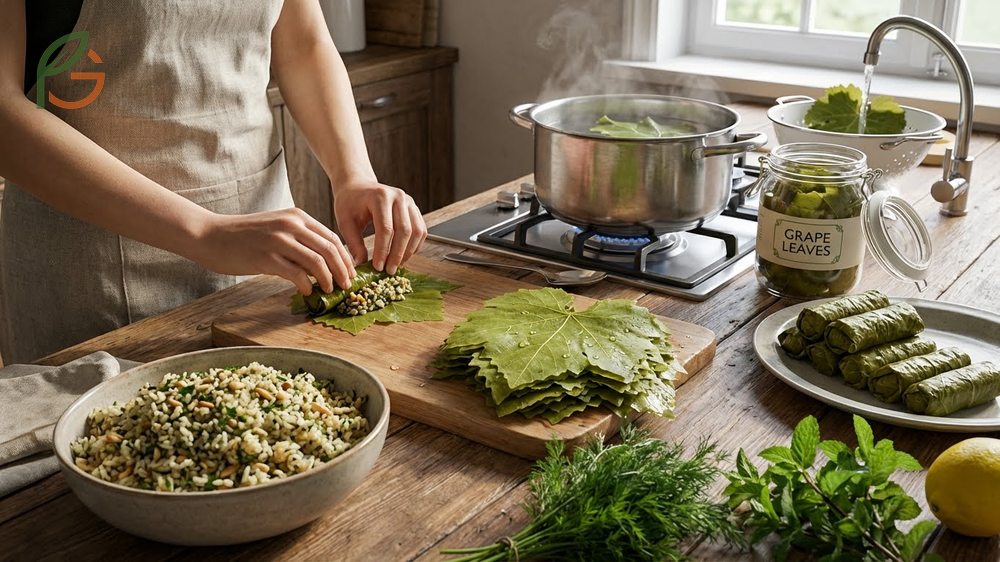
Traditional dolmades combine tender grape leaves with seasoned rice and aromatic herbs. This recipe yields approximately 40 stuffed grape leaves—enough for 8-10 servings as an appetizer or side dish. The preparation takes about 90 minutes total, with 45 minutes active cooking time.
Start by preparing fresh grape leaves through blanching, which softens them and removes any bitterness. If you’re using jarred grape leaves preserved in brine, rinse them thoroughly under cold water to remove excess salt. The blanching step is crucial—it makes leaves pliable enough to roll without tearing.
Ingredients for traditional dolmades:
- 40 grape leaves (fresh or jarred)
- 1 cup uncooked rice (rinsed)
- 1 lb ground beef or lamb (optional—omit for vegetarian version)
- 1 large onion (finely diced)
- 3 cloves garlic (minced)
- 1/3 cup fresh mint (chopped)
- 1/3 cup fresh parsley and dill (chopped)
- 1/4 cup olive oil
- Juice of 1 lemon
- Salt and pepper to taste
- 2 cups water or broth for cooking
Preparation method: Heat olive oil in a large pan over medium heat. Sauté onion until translucent (3-4 minutes), then add garlic and cook for 1 minute. If using meat, add it now and cook until browned. Stir in uncooked rice, herbs, salt, pepper, and half the lemon juice. Cook for 2-3 minutes to toast rice slightly, then remove from heat.
Lay each grape leaf flat with veins facing up (this becomes the inside of the roll). Place 1 tablespoon of filling near the stem end. Fold the sides inward, then roll tightly from bottom to top—like a small burrito. Arrange rolled dolmades seam-side down in a large pot lined with extra grape leaves. Pack them closely to prevent unraveling during cooking.
Add water or broth to barely cover the dolmades, then add remaining lemon juice and a pinch of salt. Place an inverted plate on top to keep them submerged. Bring to a boil, then reduce heat to low and simmer for 45-50 minutes until rice is fully cooked. Let cool for 10 minutes before serving.
Pro Tip: Don’t overfill the grape leaves—rice expands during cooking. Use only 1 tablespoon of filling per leaf to prevent bursting. If leaves tear while rolling, patch them with small pieces from damaged leaves.
How to Preserve Fresh Grape Leaves
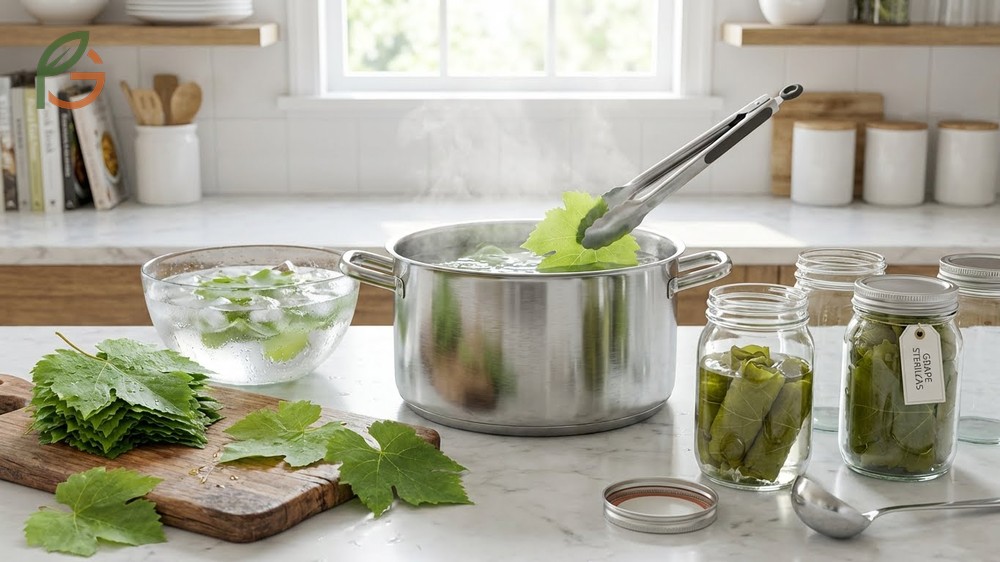
Preservation methods extend grape leaf availability from their brief spring harvest season to year-round use. The most reliable technique involves blanching and brining, which maintains texture and prevents bacterial growth. Research shows properly preserved grape leaves stay usable for up to 12 months when stored in sterilized jars.
The blanching process is critical for food safety. Studies demonstrate that dipping leaves in boiling water for 30-60 seconds eliminates surface bacteria while preserving chlorophyll that gives leaves their green color[6]. After blanching, immediately transfer leaves to ice water—this thermal shock locks in color and maintains tender-crisp texture.
Step-by-step preservation process: Harvest 65-70 tender young leaves in late spring (May-June in most regions). Wash thoroughly to remove dirt and insects. Bring a large pot of water to rolling boil. Working in batches of 10-15 leaves, submerge them for 45-60 seconds until they turn olive-green. Transfer immediately to ice water bath.
Stack cooled leaves in groups of 10-15, with stems aligned. Gently squeeze each stack to remove excess water. Roll stacks tightly and pack vertically into sterilized 1-liter jars. Prepare brine by boiling 4 cups water with 1 tablespoon kosher salt, 6 tablespoons red wine vinegar, and 1 tablespoon lemon juice[6]. Pour hot brine over leaves to cover completely. Add a thin layer of olive oil on top to create an oxygen barrier.
Seal jars immediately and store in a cool, dark place. The acidity from vinegar and lemon juice prevents spoilage while maintaining leaf integrity. When you’re ready to use preserved leaves, rinse them under cold water to remove excess salt and vinegar before stuffing.
- Freezing method: Blanch leaves, stack in groups of 20, wrap tightly in plastic, then freeze for up to 6 months
- Dry salting: Layer leaves with coarse salt in containers—lasts 8-10 months but requires thorough rinsing before use
- Vacuum sealing: Blanch and vacuum-seal in bags with 1 tablespoon lemon juice per 50 leaves—prevents freezer burn
- Canning method: Process filled jars in water bath for 15 minutes at 212°F (100°C) for long-term shelf stability
- Refrigeration: Store fresh blanched leaves in brine solution in refrigerator for up to 3 weeks
Where to Buy Grape Leaves

Fresh grape leaves appear in markets during late spring and early summer (May through July in most US regions). Specialty produce suppliers and farmers’ markets are your best sources for fresh leaves. If you’re growing grapes at home, harvest tender young leaves from the top 3-4 positions on each vine—these are most tender and flavorful.
Jarred grape leaves preserved in brine are available year-round and more convenient for most cooks. Mediterranean and Middle Eastern grocery stores stock multiple brands, typically in 16-ounce jars containing 60-80 leaves. Greek and Turkish markets usually carry both domestic and imported varieties. National supermarket chains increasingly stock jarred grape leaves in international food aisles.
Online retailers offer the widest selection, including organic options and specific varieties like Samos or Syrian grape leaves. When comparing fresh versus jarred, consider your needs—fresh leaves require more preparation but deliver superior texture and flavor. Jarred leaves are pre-blanched and ready to use, though they can be saltier and slightly less tender.
- Local vineyards: Many wine country vineyards sell fresh leaves during May-June harvest season at $3-5 per pound
- Mediterranean markets: Carry jarred brands like Krinos, Divina, and Minos at $4-7 per 16-ounce jar
- Middle Eastern grocers: Stock both jarred and sometimes frozen grape leaves year-round
- Farmers’ markets: Fresh leaves available from specialty produce vendors during late spring
- Online sources: Amazon, specialty food sites, and ethnic grocery stores ship nationwide
- Home cultivation: Plant grape vines in spring—they produce harvestable leaves within 1-2 growing seasons
Quality Check: Fresh grape leaves should be bright green, tender, and free from brown spots or insect damage. Jarred leaves should be whole (not torn) and uniformly green. Avoid jars with cloudy brine, which indicates spoilage.
Conclusion
The evidence is clear: grape leaves are good for you when incorporated into a balanced diet. With 109µg vitamin K, 11g fiber, and powerful anti-inflammatory polyphenols per 100g, they deliver measurable nutritional benefits backed by agricultural and medical research. Current guidance emphasizes whole-food sources of vitamins and minerals over supplements—grape leaves fit this recommendation perfectly.
Whether you’re making traditional dolmades, preserving fresh leaves for winter use, or simply exploring Mediterranean cuisine, FruitGarden provides science-based information to help you make informed decisions about incorporating grape leaves into your meals. Research continues to reveal additional benefits of these underappreciated greens, from cardiovascular support to digestive health improvements.
Medical Disclaimer
Important Medical Disclaimer: This content is for informational and educational purposes only. It is not intended as a substitute for professional medical advice, diagnosis, or treatment. Always consult a qualified healthcare professional before making any changes to your diet, especially if you have existing medical conditions, take medications (particularly blood thinners like warfarin), or have concerns about vitamin K intake. Individual nutritional needs vary, and what works for one person may not be appropriate for another.
Frequently Asked Questions
Are Grape Leaves Healthy for You?
Yes, grape leaves are exceptionally healthy. They provide 91% of your daily vitamin K requirement, 44% of daily fiber, and 36% of daily calcium per 100g serving, while containing only 93 calories. Studies show their polyphenol content reduces inflammatory markers by up to 40%, supporting cardiovascular and joint health.
How Many Calories Are in Stuffed Grape Leaves?
Stuffed grape leaves contain 40-80 calories each, depending on filling ingredients. Vegetarian dolmades with rice and herbs average 40-50 calories per piece, while meat-filled versions with lamb or beef contain 60-80 calories per piece. A typical serving of 5-6 stuffed leaves provides 200-300 calories.
Can You Eat Raw Grape Leaves?
Yes, you can eat raw grape leaves, though they’re quite tough and bitter when uncooked. Young, tender leaves from vine tips work best for raw consumption—try them in salads or as wraps. Most people prefer blanched or cooked grape leaves, which have milder flavor and softer texture. Blanching for 30-60 seconds removes bitterness while preserving nutrients.
What Are the Benefits of Grape Leaves Tea?
Grape leaf tea provides concentrated polyphenols that support cardiovascular health by improving blood vessel function and reducing inflammatory markers. Research shows the antioxidants in grape leaf extract can help regulate blood sugar and lower blood pressure. Steep 2-3 dried leaves in hot water for 5-7 minutes to make tea with mild, slightly tangy flavor.
How Long Do Preserved Grape Leaves Last?
Properly preserved grape leaves last 12 months when stored in sterilized jars with brine solution in a cool, dark place. Frozen blanched leaves stay good for 6 months in airtight containers. Once opened, jarred grape leaves keep for 2-3 weeks in the refrigerator if submerged in brine. Check for off-odors or slimy texture before using stored leaves.
What’s the Difference Between Fresh and Jarred Grape Leaves?
Fresh grape leaves have superior texture and flavor but require blanching before use and are only available May-July. Jarred grape leaves are pre-blanched, available year-round, and ready to use after rinsing, though they’re saltier and slightly less tender. Fresh leaves work best for special occasions, while jarred leaves suit everyday cooking.
Do Grape Leaves Have Vitamin K?
Yes, grape leaves are exceptionally high in vitamin K, providing 109µg per 100g—that’s 91% of the recommended daily value. This makes them one of the richest vitamin K sources among edible greens. If you’re taking blood-thinning medications like warfarin, consult your healthcare provider before eating grape leaves regularly, as vitamin K affects blood clotting.





