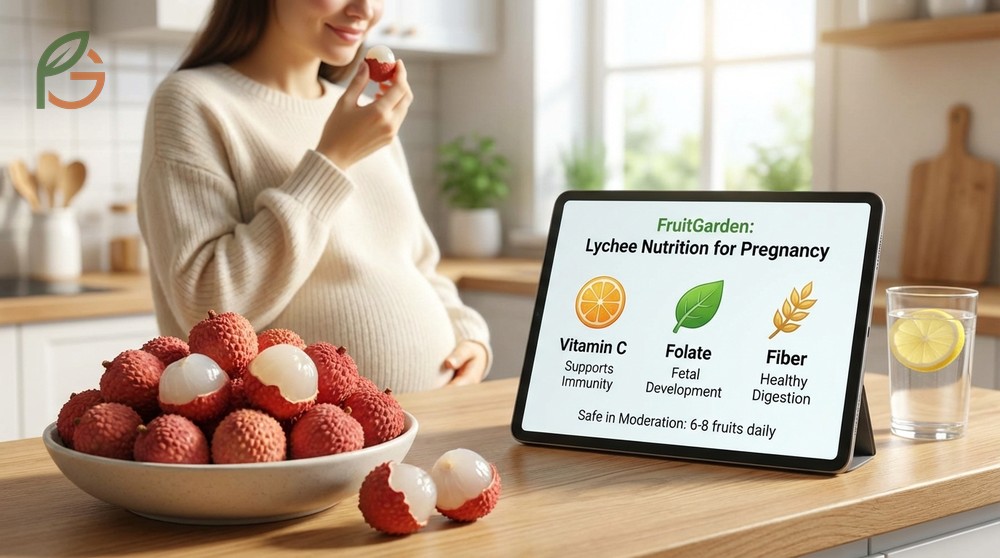
Yes, lychee during pregnancy is safe when you eat it in moderation—typically 6-8 fruits per day. Research shows this tropical fruit delivers essential nutrients like vitamin C, folate, and fiber that support both maternal health and fetal development[1]. At FruitGarden, we synthesize current nutritional research to help you make informed choices about safe fruit consumption throughout your pregnancy journey.
Quick Answer
- Lychee contains 71.5mg vitamin C per 100g—79% of daily value[1]
- Safe serving: 6-8 fresh lychees daily (1-2 servings)[2]
- Provides 14mcg folate per 100g, supporting neural tube development[1]
- Women with gestational diabetes should consult healthcare providers before consuming due to 15g natural sugars per 100g
Lychee During Pregnancy
Studies demonstrate that lychee provides multiple health benefits for pregnant women when consumed as part of a balanced diet. This tropical fruit supports immune function, aids digestion, and helps maintain healthy blood pressure levels during pregnancy[3]. Research shows the fruit’s high water content—approximately 82%—contributes to hydration needs that increase during pregnancy.
Current nutritional data indicates lychee contains beneficial elements including carbohydrates, dietary fiber, and essential minerals like potassium and phosphorus. These nutrients work together to support both maternal health and fetal growth throughout all three trimesters. The fruit’s natural antioxidant properties help combat oxidative stress, which typically increases during pregnancy.
What Makes Lychee Safe for Expectant Mothers
Evidence suggests fresh lychee poses minimal risks when you follow proper food safety practices. Always wash the fruit thoroughly before peeling to remove potential surface contaminants. Unlike canned varieties that may contain added sugars or preservatives, fresh lychee delivers nutrients without unnecessary additives.
Most pregnant women can safely enjoy lychee without complications. The fruit’s low-fat profile and rich vitamin content make it an excellent snack choice. However, moderation remains crucial because excessive consumption may lead to elevated blood sugar levels, particularly in women at risk for gestational diabetes.
Important Note: Always consult your healthcare provider before making significant dietary changes during pregnancy, especially if you have pre-existing conditions like diabetes or food allergies.
Key Nutrients in Lychee
Lychee delivers an impressive nutritional profile that supports pregnancy wellness. The vitamin C content enhances iron absorption, which helps prevent pregnancy-related anemia. This becomes particularly important during the second and third trimesters when blood volume increases by 40-50%.
The folate content, though modest at 14mcg per 100g, contributes to the daily requirement of 600mcg recommended for pregnant women[4]. This B vitamin plays a critical role in preventing neural tube defects during early fetal development. Combining lychee with other folate-rich foods creates a comprehensive approach to meeting nutritional needs.
- Vitamin C: 71.5mg (supports immune function and collagen formation)
- Folate: 14mcg (aids neural tube development)
- Potassium: 171mg (helps regulate blood pressure)
- Copper: 0.15mg (supports red blood cell production)
- Dietary fiber: 1.3g (promotes digestive health)
- Phosphorus: 31mg (contributes to bone health)
Eating Lychee Pregnant
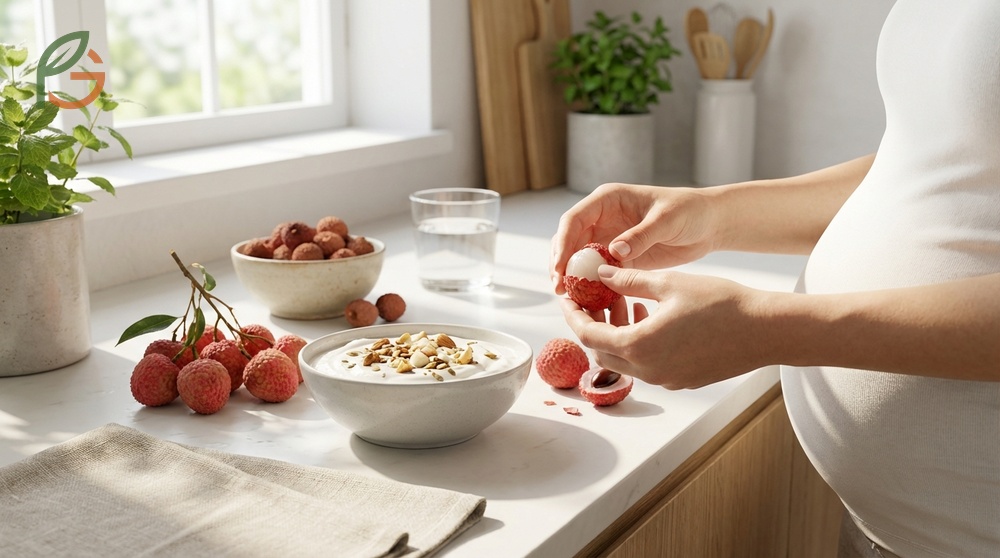
The timing and quantity of lychee consumption significantly impact how your body processes this fruit during pregnancy. Agricultural data shows that consuming lychee with protein-rich foods helps stabilize blood sugar responses. This pairing strategy works particularly well for morning snacks or afternoon energy boosts.
Fresh lychee offers advantages over dried or canned alternatives. Dried lychee concentrates natural sugars, which can affect blood glucose levels more dramatically. Canned versions often contain syrups that add unnecessary calories and sugars to your diet. Stick with fresh, ripe lychees for optimal nutritional benefits.
Recommended Serving Sizes
Current guidance emphasizes portion control when eating lychee during pregnancy. A safe daily intake ranges from 6-8 fresh lychees, equivalent to approximately 100-150 grams[2]. This amount provides beneficial nutrients without excessive sugar intake. The American Pregnancy Association recommends 2-3 servings of fruit daily, with each serving measuring approximately half a cup[4].
Your individual needs may vary based on factors like activity level, body weight, and overall caloric intake. If you’re managing gestational diabetes, stricter limits apply. Healthcare providers typically recommend reducing fruit portions and carefully monitoring blood sugar responses after consumption.
This table compares nutritional content across different lychee serving sizes from small to large portions
| Serving Size | Number of Fruits | Vitamin C (mg) | Calories | Sugar (g) |
|---|---|---|---|---|
| Small (50g) | 3-4 fruits | 35.8mg | 33 kcal | 7.5g |
| Medium (100g) | 6-8 fruits | 71.5mg[1] | 66 kcal | 15g |
| Large (150g) | 10-12 fruits | 107.3mg | 99 kcal | 22.5g |
Best Time to Eat Lychee
Morning and mid-afternoon represent optimal times for consuming lychee during pregnancy. Eating the fruit between breakfast and lunch (around 10-11 AM) provides an energy boost without interfering with main meals. The natural sugars deliver quick energy while the fiber content promotes sustained glucose release.
Avoid eating lychee on an empty stomach, especially if you’re prone to morning sickness. Research from CDC studies shows that consuming lychee while fasting can lead to hypoglycemia in vulnerable populations, particularly malnourished individuals[5]. Pairing lychee with Greek yogurt, nuts, or whole-grain crackers creates a more balanced snack that stabilizes blood sugar.
Timing Tip: If you experience gestational diabetes, consume lychee as part of a balanced meal rather than as a standalone snack. This approach minimizes blood sugar spikes and helps maintain stable glucose levels throughout the day.
Lychee Pregnancy Benefits

The immune-boosting properties of lychee stem primarily from its exceptional vitamin C concentration. One medium serving delivers nearly 80% of the daily recommended value for pregnant women. This antioxidant vitamin supports collagen synthesis, which becomes increasingly important as your body adapts to accommodate fetal growth.
Evidence indicates that the polyphenol compounds in lychee—including rutin, epicatechin, and quercetin—provide anti-inflammatory effects. These plant compounds help reduce oxidative stress that naturally increases during pregnancy. The fruit’s potassium content supports cardiovascular health by helping regulate blood pressure, which requires careful monitoring throughout pregnancy.
Digestive benefits rank among the most appreciated advantages of eating lychee while pregnant. The dietary fiber promotes regular bowel movements, addressing constipation that affects up to 40% of pregnant women. The high water content further aids hydration and digestion, creating a gentle, natural approach to maintaining digestive comfort.
- Strengthens immune defenses against common infections and illnesses
- Supports iron absorption, reducing anemia risk during pregnancy
- Promotes healthy fetal brain development through copper content
- Maintains stable blood pressure levels with natural potassium
- Relieves pregnancy-related constipation through dietary fiber
- Provides quick energy from natural sugars during fatigue
- Supports collagen formation for skin elasticity as body changes
Safe Fruit Pregnancy
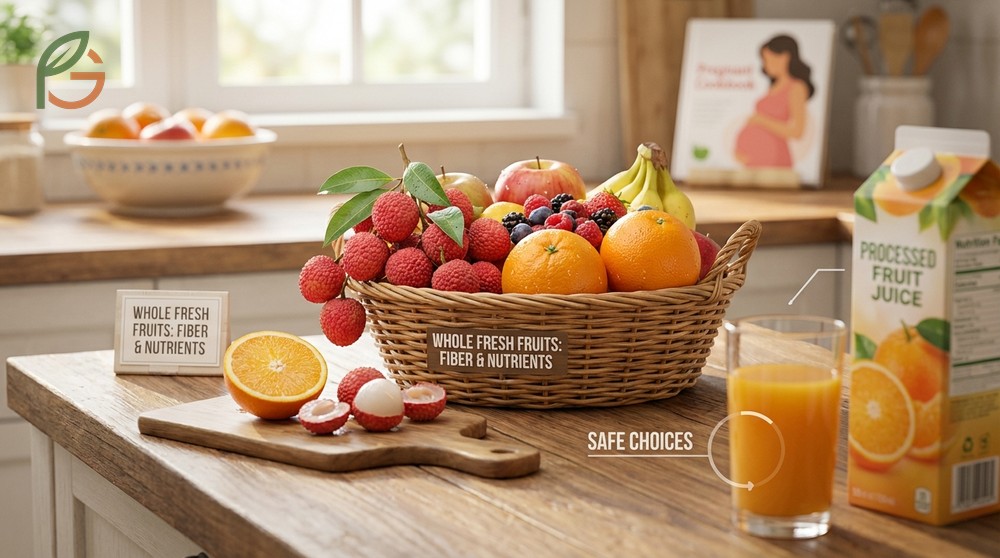
Pregnant women should prioritize whole fresh fruits over juices or processed alternatives. Whole fruits deliver more fiber and create better satiety while providing essential vitamins and minerals. The American Pregnancy Association confirms that fresh fruits contain higher nutritional density compared to frozen or canned varieties[4].
When selecting lychee, choose fruits with bright red skin and no signs of browning or soft spots. Store them in the refrigerator and consume within 3-5 days of purchase. Wash thoroughly under running water before peeling to minimize exposure to any surface contaminants or pesticide residues.
Combining lychee with other pregnancy-safe fruits creates nutritional variety. Citrus fruits like oranges provide additional vitamin C and folate. Berries offer antioxidants and fiber. Bananas deliver potassium and quick energy. This diverse approach ensures you receive a broad spectrum of nutrients essential for maternal and fetal health.
- Choose fresh lychees with firm, brightly colored skin
- Wash fruit thoroughly under running water before peeling
- Store in refrigerator and consume within 3-5 days
- Remove all seeds before eating as they contain trace toxins
- Avoid canned lychee with added syrups or preservatives
- Pair with protein sources to stabilize blood sugar response
Lychee Pregnancy Nutrition

Understanding the complete nutritional profile of lychee helps you make informed dietary decisions during pregnancy. Beyond the well-known vitamin C content, lychee provides trace minerals that support various physiological processes. The copper content aids red blood cell formation, while magnesium supports muscle and nerve function.
The carbohydrate content in lychee consists primarily of simple sugars—fructose and glucose—that provide immediate energy. For pregnant women without blood sugar concerns, this offers a natural alternative to processed snacks. The modest protein and virtually zero fat content make lychee an excellent low-calorie nutrient source.
| Nutrient | Amount | Pregnancy Benefit |
|---|---|---|
| Calories | 66 kcal | Low-calorie energy source |
| Vitamin C | 71.5mg[1] | Immune support, iron absorption |
| Folate | 14mcg[1] | Neural tube development |
| Potassium | 171mg | Blood pressure regulation |
| Fiber | 1.3g | Digestive health, constipation relief |
Integrating lychee into pregnancy meal plans works best when you view it as a complement to—not replacement for—other essential food groups. Don’t rely solely on lychee for vitamin C or folate needs. Instead, combine it with leafy greens, citrus fruits, fortified grains, and lean proteins to create comprehensive nutrition throughout your pregnancy.
Conclusion
The evidence confirms that lychee during pregnancy offers substantial nutritional benefits when consumed responsibly. This tropical fruit delivers essential vitamins, minerals, and antioxidants that support both maternal wellness and fetal development throughout all three trimesters. Stick to the recommended 6-8 fruits daily, prioritize fresh varieties, and pair with protein sources for optimal results.
Current nutritional guidance emphasizes variety and moderation in fruit consumption during pregnancy. FruitGarden remains committed to providing research-based information that helps you navigate food choices confidently during this important life stage. Always consult your healthcare provider about specific dietary recommendations tailored to your individual health needs and pregnancy circumstances.
Medical Disclaimer
Important Medical Disclaimer: This content is for informational and educational purposes only. It is not intended as a substitute for professional medical advice, diagnosis, or treatment. Always consult a qualified healthcare professional before making any changes to your diet, medication, or health routine, especially if you have gestational diabetes, food allergies, or other medical conditions during pregnancy. Individual nutritional needs vary based on health status, trimester, and specific pregnancy circumstances.
Frequently Asked Questions
Can I Eat Lychee in the First Trimester?
Yes, you can safely eat lychee during the first trimester in moderate amounts. The vitamin C and folate content support early fetal development, particularly neural tube formation. Limit consumption to 6-8 fruits daily and always wash thoroughly before eating to minimize any food safety risks during this critical developmental period.
Does Lychee Help with Pregnancy Constipation?
Yes, lychee’s dietary fiber content promotes digestive health and helps relieve constipation common during pregnancy. The fruit’s high water content—approximately 82%—further supports regular bowel movements. For best results, combine lychee consumption with adequate hydration (8-10 glasses of water daily) and other fiber-rich foods like whole grains and vegetables.
Is Canned Lychee Safe During Pregnancy?
Canned lychee is generally safe but less nutritionally beneficial than fresh varieties. Many canned options contain added sugars and syrups that increase calorie and sugar content without providing additional nutrients. If choosing canned lychee, check labels carefully and select varieties packed in water or natural juice rather than heavy syrup.
Can Lychee Cause Gestational Diabetes?
Lychee itself doesn’t cause gestational diabetes, but excessive consumption may affect blood sugar levels in women already at risk. The fruit contains 15g of natural sugars per 100g. Women diagnosed with gestational diabetes should consult their healthcare provider about appropriate serving sizes and timing to maintain stable glucose levels throughout pregnancy.
How Many Lychees Equal One Fruit Serving?
Approximately 6-8 fresh lychees equal one standard fruit serving of half a cup. The American Pregnancy Association recommends 2-3 fruit servings daily during pregnancy, which means lychee can comprise one of these servings. Balance lychee intake with other fruits like berries, citrus, and bananas to ensure diverse nutrient consumption.
Should I Avoid Lychee on an Empty Stomach?
Yes, it’s better to avoid eating lychee on an empty stomach during pregnancy. Research indicates that consuming lychee while fasting may contribute to blood sugar fluctuations in some individuals. Pair lychee with protein sources like Greek yogurt, nuts, or whole-grain crackers to create balanced snacks that stabilize energy levels.
What’s the Best Way to Wash Lychee Before Eating?
Rinse lychee thoroughly under cool running water for 30-60 seconds before peeling, even though you don’t eat the skin. This removes surface contaminants, pesticide residues, and bacteria that could transfer to your hands and the fruit flesh during peeling. Pat dry with a clean towel before removing the outer shell and seed.