
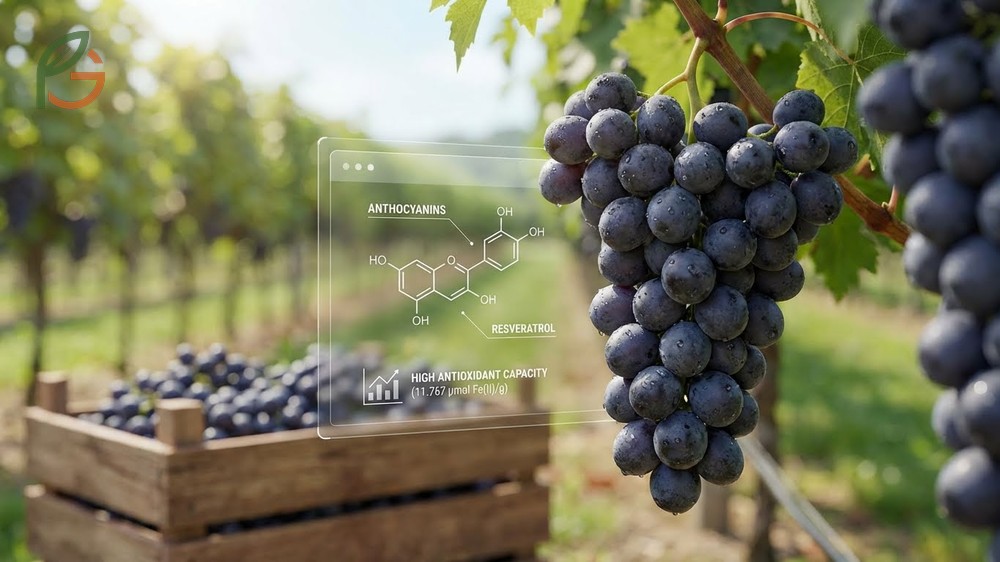
Benefits of black grapes stem from their high concentration of anthocyanins and resveratrol—powerful antioxidants that support heart health, blood sugar regulation, and cellular protection. Research shows Pearl Black Grapes contain up to 11.767 μmol Fe(II)/g of antioxidant capacity, ranking them among the highest-scoring grape varieties tested[1]. FruitGarden synthesizes current agricultural research to help you understand how these dark-skinned grapes can enhance your wellness routine.
Quick Answer
- Black grapes deliver 62 calories per cup with 15g natural sugars and 1g fiber[2]
- Anthocyanins give black grapes their dark color and provide 2-3x higher antioxidant levels than green varieties[1]
- Low glycemic index of 43-53 makes them suitable for moderate consumption by people managing blood sugar[3]
- Resveratrol in grape skins shows cancer-preventive properties in laboratory studies[4]
Benefits of Black Grapes
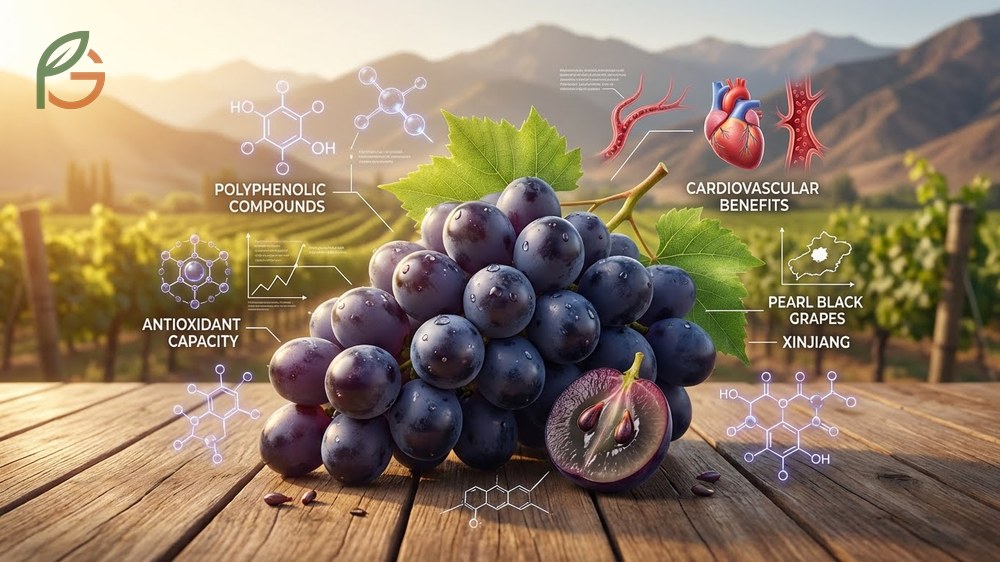
Black grapes contain polyphenolic compounds that distinguish them from lighter-colored varieties. Studies demonstrate that these dark-skinned grapes possess antioxidant capacities ranging from 7.267 to 11.767 μmol Fe(II)/g fresh weight, with Pearl Black varieties from Xinjiang scoring highest among 30 tested cultivars[1]. Most people don’t realize that the pigments creating this dark color are the same compounds providing health protection.
The cardiovascular benefits come from multiple mechanisms. Research shows anthocyanins and resveratrol in black grapes help reduce arterial plaque formation, lower LDL cholesterol oxidation, and improve blood vessel function[4]. Grape powder supplementation (3% of diet) reduced blood pressure and cardiac inflammation in hypertensive rat models within 18 weeks[4].
What often gets overlooked is how timing and pairing affect absorption. Unlike supplements, whole black grapes deliver quercetin alongside resveratrol—quercetin inhibits sulfation enzymes that would otherwise reduce resveratrol bioavailability by up to 70%[4]. This natural synergy explains why whole grape consumption often shows better results than isolated compounds in clinical trials.
Anthocyanins in Black Grapes
Anthocyanins are the primary pigments responsible for black grape coloration. These flavonoid compounds function as plant defense mechanisms against UV radiation, and they provide similar protective effects in human tissues[1]. Concentration varies by cultivar—Pearl Black and Summer Black varieties contain the highest measured levels.
The antioxidant mechanism works through electron donation to free radicals. Laboratory assays show black grapes neutralize ABTS radical cations at rates of 4.1-4.8 μmol Trolox equivalents per gram[1]. This translates to measurable reductions in oxidative stress markers when consumed regularly.
- Reduce inflammation by inhibiting COX-2 enzyme activity associated with chronic disease progression
- Protect blood vessels from atherosclerosis through reduced LDL oxidation rates
- Support cognitive function by crossing the blood-brain barrier and reducing neuronal oxidative damage
- Enhance insulin sensitivity through improved glucose transporter expression in muscle cells
- Provide photoprotection against UV-induced skin damage and premature aging markers
Important Note: Anthocyanin content drops significantly after harvesting. For maximum benefits, consume black grapes within 5-7 days of purchase and store them unwashed in refrigerator crisper drawers at 32-36°F (0-2°C).
Resveratrol and Heart Health
Resveratrol concentrates in grape skins at levels of 50-100 μg/g, with muscadine varieties containing the highest amounts[4]. This polyphenol gained attention in the 1990s when researchers linked it to the French paradox—lower heart disease rates despite high saturated fat intake in France. Clinical evidence now supports multiple cardioprotective pathways.
Studies on humans with metabolic syndrome show measurable improvements. Daily consumption of 46g grape powder for 30 days increased flow-mediated dilation (a marker of blood vessel health), decreased systolic blood pressure, and reduced circulating inflammatory molecules without adverse effects[4].
The anti-aging properties extend beyond the cardiovascular system. Resveratrol activates SIRT1 proteins that regulate cellular stress responses, DNA repair, and metabolic function[4]. While early studies showed life-span extension in yeast and animal models, human trials focus more on healthspan improvements rather than longevity claims.
Nutritional Value of Black Grapes
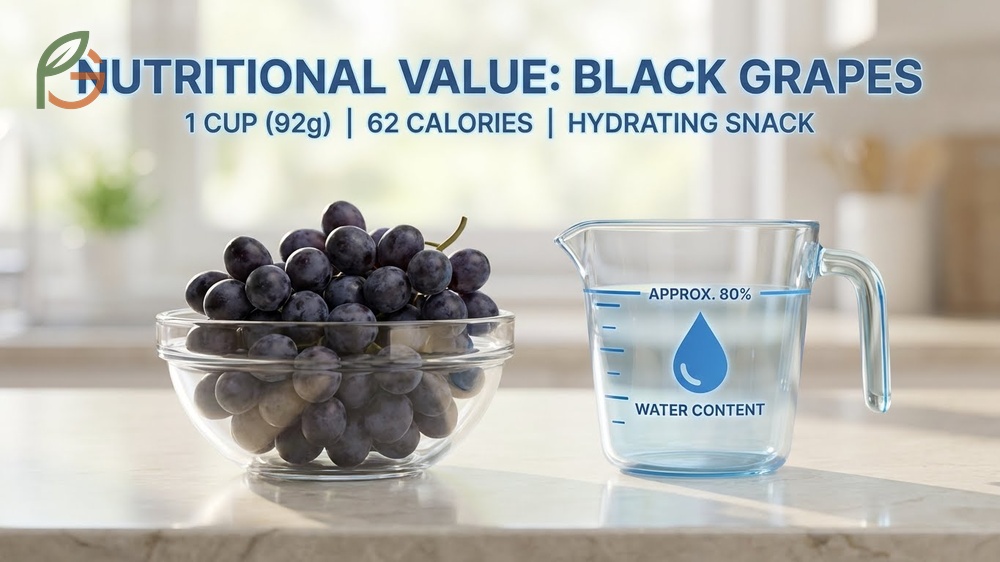
Black grapes provide a nutrient-dense snack with relatively low calorie content. Current USDA data shows one cup (92g) of grapes delivers 62 calories primarily from natural sugars, with minimal fat and modest protein content[2]. The macronutrient profile makes them suitable for most dietary patterns when portion-controlled.
Most people underestimate the water content—grapes are approximately 80% water by weight. This high moisture level contributes to their hydrating properties and helps create satiety with fewer calories. The remaining 20% contains the concentrated phytonutrients that provide health benefits.
Vitamins and Minerals
Black grapes contain vitamin K, vitamin C, and trace amounts of B-complex vitamins. Research shows they provide approximately 18μg of vitamin K per 100g serving—about 15% of the daily value[1]. Vitamin C content reaches 9mg per 80g serving, supporting immune function and collagen synthesis.
The mineral profile emphasizes potassium over sodium. Each cup contains approximately 150-237mg potassium with only 2mg sodium, creating a favorable ratio for blood pressure management[2]. Trace minerals include iron, calcium, and magnesium in amounts that contribute to but don’t meet daily requirements alone.
- Vitamin K supports bone mineralization and proper blood clotting factor synthesis
- Vitamin C enhances iron absorption from plant sources and acts as a water-soluble antioxidant
- Potassium regulates fluid balance and counteracts sodium’s blood pressure effects
- Copper aids in red blood cell formation and maintains nervous system function
- Manganese participates in carbohydrate metabolism and antioxidant enzyme systems
Calorie and Macronutrient Profile
The carbohydrate content in black grapes comes almost entirely from natural sugars—primarily glucose and fructose in roughly equal proportions. A half-cup serving contains approximately 14g total carbohydrates, with 12-13g from sugars and only 1g from fiber[2]. This sugar content raises questions about glycemic impact, addressed in detail later.
Protein and fat contributions are minimal. Each cup provides roughly 1g protein and essentially zero fat (less than 0.5g)[2]. This makes black grapes a carbohydrate-dominant food best consumed alongside protein and healthy fats for balanced blood sugar response.
This table compares nutritional values per serving including calories, macronutrients, fiber, sugars, and key vitamins and minerals in black grapes
| Nutrient | Amount | % Daily Value |
|---|---|---|
| Calories | 62[2] | 3% |
| Total Carbohydrates | 16g[2] | 5% |
| Fiber | 1g[2] | 3% |
| Total Sugars | 15g[2] | — |
| Protein | 1g[2] | 2% |
| Potassium | 176mg[2] | 4% |
| Vitamin K | 13.4μg | 11% |
| Vitamin C | 3.7mg[2] | 4% |
Black Grapes and Diabetes
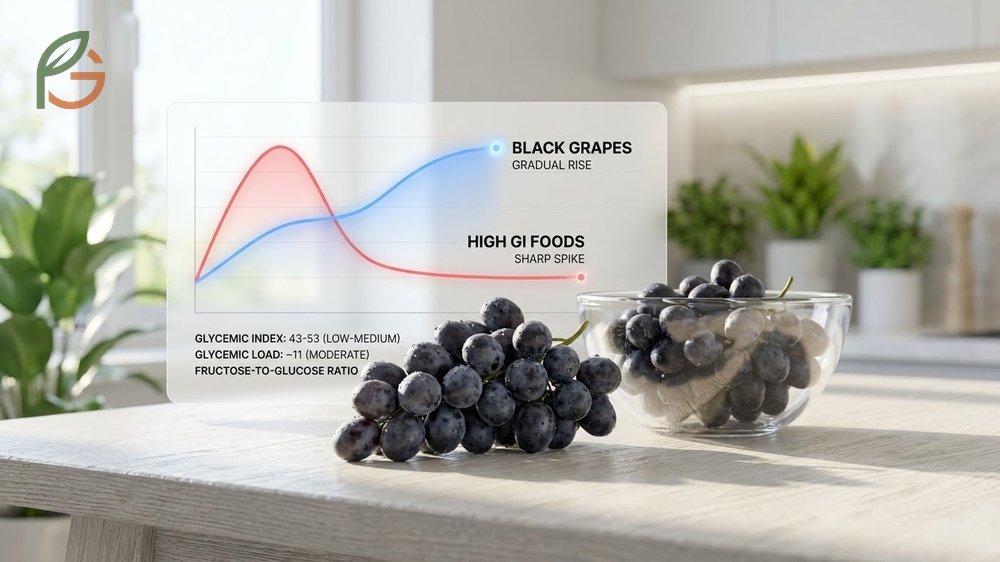
The glycemic index of black grapes ranges from 43 to 53 depending on variety and ripeness—classifying them as low to medium GI foods[3]. This matters because low-GI foods cause gradual blood sugar rises rather than sharp spikes. For a 100g serving with 18.5g carbohydrates, the glycemic load calculates to approximately 11—considered moderate range.
Research shows the fructose-to-glucose ratio affects metabolic response. Unlike table sugar (sucrose), grape sugars absorb more slowly, and the fiber content—though modest—further slows glucose entry into bloodstream[4]. Studies on non-diabetic subjects show grape consumption doesn’t impair glucose tolerance when consumed as part of mixed meals.
Portion control remains critical for people managing diabetes. Evidence suggests limiting servings to 15-20 medium grapes (approximately 100g) prevents blood sugar excursions beyond target ranges for most individuals[3]. Pairing with protein sources like Greek yogurt or nuts reduces the glycemic impact by 25-40% compared to eating grapes alone.
- Eat black grapes as part of mixed meals containing protein and healthy fats, not as standalone snacks
- Choose slightly underripe grapes which have lower sugar content and higher resistant starch levels
- Freeze grapes to slow eating pace and create natural portion control through extended consumption time
- Monitor individual blood glucose response—variation exists based on insulin sensitivity and other medications
- Space grape consumption throughout the day rather than consuming full daily portions at once
Blood Sugar Monitoring: Individual glucose responses vary by 20-30% based on gut microbiome composition, insulin resistance level, and concurrent medications. Test your blood sugar 2 hours after eating black grapes to determine your personal tolerance level.
Black Grapes for Skin Glow

The anthocyanins and resveratrol in black grapes provide photoprotective effects against UV radiation damage. Laboratory studies show these compounds reduce sunburn severity, prevent edema formation, and inhibit hyperpigmentation markers when present in skin tissue[4]. This doesn’t replace sunscreen but offers complementary internal protection.
Vitamin C content supports collagen synthesis pathways essential for skin elasticity. While 3.7mg per serving won’t meet full daily requirements, regular consumption contributes to the 75-90mg adults need daily. The antioxidants also reduce oxidative stress markers associated with premature aging and wrinkle formation.
Skin cancer prevention shows promise in preliminary research. Animal studies using grape powder supplementation demonstrated reduced DMBA-induced skin tumor formation by up to 90%, with decreased epidermal hyperplasia and inflammation markers[4]. Human trials are needed, but the mechanism involves resveratrol’s ability to induce damaged cell death while protecting healthy cells.
For practical skin benefits, dietary intake works better than topical application. The polyphenols need to reach skin tissue through bloodstream circulation to exert protective effects. Consuming 1-2 cups daily for 8-12 weeks allows compound accumulation in dermal layers at concentrations shown effective in studies.
Black Grapes for Hair Health

Copper content in black grapes participates in melanin production—the pigment giving hair its color. While amounts per serving are small, regular consumption contributes to the 900μg daily requirement. Copper also supports keratinization processes that strengthen hair shaft structure and reduce breakage.
The antioxidant mechanisms extend to scalp health. Studies show resveratrol reduces oxidative stress in hair follicles, potentially slowing age-related hair loss progression. This works through activation of growth factor pathways and reduction of DHT-related inflammation—though effects are modest compared to pharmaceutical interventions.
Vitamin C enhances iron absorption by converting ferric iron to the more bioavailable ferrous form. Since iron deficiency commonly causes hair thinning, this synergistic effect matters. Pairing black grapes with iron-rich plant foods like spinach or lentils improves mineral uptake by 3-4 fold.
- Vitamin K supports proper blood clotting in scalp microcirculation, ensuring nutrient delivery to follicles
- Polyphenols reduce scalp inflammation that can impair follicle function and hair growth cycles
- Natural sugars provide quick energy for the metabolically active hair matrix cells during growth phase
- Water content helps maintain scalp hydration and sebum production balance
- Antioxidants protect follicle stem cells from oxidative damage that accelerates aging
Black Grapes vs Green Grapes Nutrition
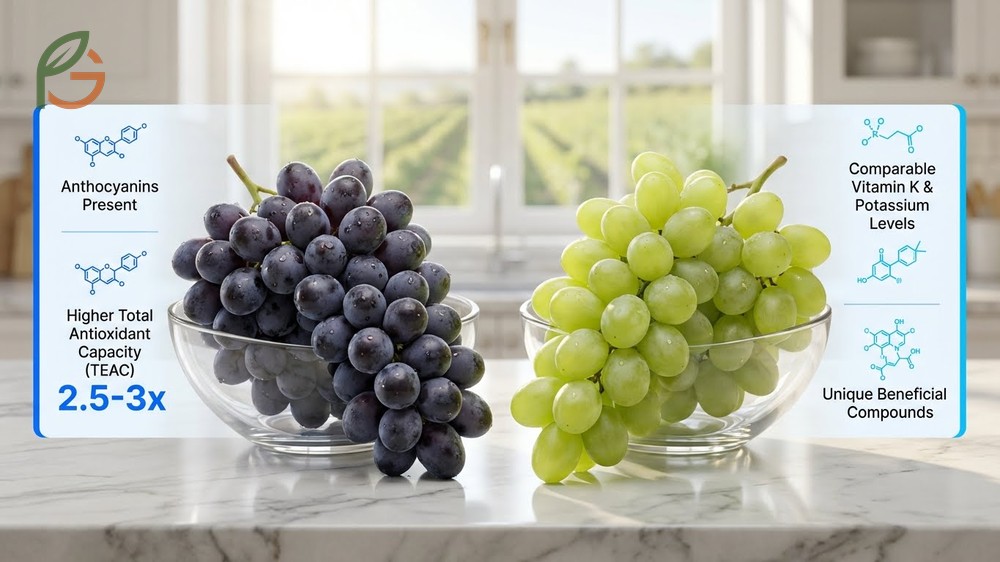
The primary nutritional difference lies in anthocyanin content—black grapes contain these pigments while green grapes don’t. Comparative analysis shows black grapes possess 2.5-3x higher total antioxidant capacity measured by TEAC assay[1]. However, green grapes aren’t nutritionally inferior—they contain different beneficial compounds.
Green grapes deliver comparable vitamin K and potassium levels. Research shows Seedless Green Grapes from Xinjiang scored among the top five varieties for total phenolic content at 1.407mg GAE/g fresh weight—actually exceeding some black varieties[1]. They contain different polyphenols like catechins and flavonols that provide distinct health effects.
| Parameter | Black Grapes | Green Grapes |
|---|---|---|
| Antioxidant Capacity (TEAC) | 4.1-4.8 μmol Trolox/g[1] | 1.8-3.5 μmol Trolox/g[1] |
| Anthocyanins | High (dark pigmentation) | Absent |
| Resveratrol | Higher (concentrated in skins) | Lower |
| Calories (per cup) | 62-67 | 62[2] |
| Sugar Content | Similar (14-15g per cup) | Similar (15g per cup)[2] |
| Best Use | Heart health, anti-aging | General nutrition, hydration |
Taste and texture differences affect consumption patterns. Black grapes tend toward sweeter, more intense flavor profiles, while green varieties offer lighter, sometimes tarter notes. Both contribute beneficially to dietary patterns—alternating between colors maximizes phytonutrient diversity rather than limiting to single varieties.
Conclusion
The evidence supports benefits of black grapes as legitimate dietary additions for cardiovascular health, antioxidant protection, and blood sugar management when consumed in appropriate portions. Research demonstrates measurable antioxidant capacities ranging from 7-12 μmol Fe(II)/g, with clinical studies showing improvements in blood pressure, vascular function, and inflammatory markers[1][4]. The glycemic index of 43-53 makes them suitable for most people managing blood sugar, though individual tolerance varies.
Current guidance emphasizes whole-food grape consumption over isolated supplements. The natural combination of resveratrol, anthocyanins, quercetin, and other polyphenols in FruitGarden black grapes provides synergistic benefits not replicated by single-compound extracts. For optimal results, aim for 1-2 cups daily as part of varied fruit intake, preferably with protein sources to moderate glycemic response.
Medical Disclaimer
Important Medical Disclaimer: This content is for informational and educational purposes only. It’s not intended as a substitute for professional medical advice, diagnosis, or treatment. Always consult a qualified healthcare professional before making any changes to your diet, medication, or health routine, especially if you have diabetes, cardiovascular disease, or other medical conditions. Individual responses to dietary changes vary significantly based on genetics, medication interactions, and underlying health status.
Frequently Asked Questions
Are black grapes good for you daily?
Yes, consuming 1-2 cups of black grapes daily provides beneficial antioxidants, vitamins, and minerals without excessive calories. Research shows regular grape consumption improves cardiovascular markers and provides sustained antioxidant protection[4]. However, balance them with varied fruit intake and consider the 15g natural sugar per cup when planning total daily carbohydrates.
How many black grapes should I eat per day?
Most adults can safely consume 15-30 black grapes daily (approximately 100-200g or 1-2 cups). This provides significant antioxidant benefits while keeping sugar intake moderate. People managing diabetes should start with 15-20 grapes and monitor blood glucose response[3]. Individual needs vary based on activity level, health status, and overall dietary pattern.
When is the best time to eat black grapes?
Morning and post-workout timing works best for most people. The natural sugars provide quick energy without excessive blood sugar spikes when paired with protein-rich breakfast foods. Post-exercise consumption helps replenish glycogen stores while the antioxidants reduce exercise-induced oxidative stress. Avoid large servings within 2 hours of bedtime, as the sugar content may disrupt sleep quality in sensitive individuals.
Do black grapes help with weight loss?
Black grapes can support weight management when used strategically as low-calorie snacks replacing higher-calorie options. At 62 calories per cup with high water content, they create satiety without excessive energy intake[2]. However, they won’t cause weight loss independently—overall calorie balance determines outcomes. Frozen grapes work particularly well for portion control and extended eating time.
Can black grapes improve skin health?
Yes, the anthocyanins and resveratrol in black grapes provide photoprotective effects against UV damage and reduce oxidative stress markers in skin tissue. Studies show these compounds decrease sunburn severity, prevent hyperpigmentation, and may slow premature aging signs[4]. Consistent consumption for 8-12 weeks allows compound accumulation in dermal layers at beneficial concentrations. This complements but doesn’t replace topical sun protection.
What’s the difference between black grapes and red grapes?
Black and red grapes are botanically similar—the difference lies in anthocyanin concentration creating darker pigmentation in black varieties. Both contain resveratrol and beneficial polyphenols, with black grapes typically showing 10-20% higher antioxidant capacity. Nutritionally, they’re nearly identical in calories, sugar, and vitamin content. Choose based on taste preference, as both provide substantial health benefits.
Are black seedless grapes as healthy as seeded varieties?
Yes, seedless black grapes retain the beneficial anthocyanins and resveratrol found in grape flesh and skins. While grape seeds contain additional procyanidins and other compounds, the primary health benefits come from the pulp and skin—both present in seedless varieties[1]. Seedless grapes offer practical advantages for children and convenience while maintaining nutritional value comparable to seeded types.





