
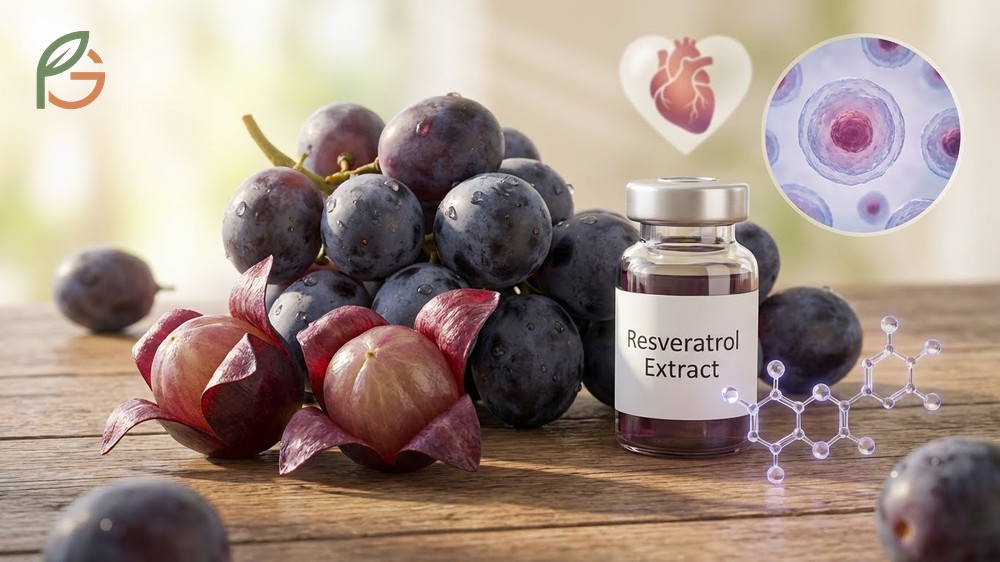
Grape skin benefits are backed by extensive research showing they contain up to 328 times more antioxidants than pulp[1]. Studies demonstrate that grape skins harbor powerful compounds like resveratrol and polyphenols that support cardiovascular health, reduce inflammation, and protect against oxidative stress. FruitGarden synthesizes current nutritional research to help you make the most of every grape you grow or consume.
Quick Answer
- Grape skins contain resveratrol, a potent antioxidant proven to reduce cardiovascular disease risk[2]
- Red grape skins can lower cholesterol by 14-19% and blood pressure by 5-6%[3]
- Polyphenol levels in skins are significantly higher than in pulp, with mature grapes showing increased ORAC values[4]
- Eating whole grapes preserves up to 31% of total fiber found in skins[1]
Grape Skin Benefits
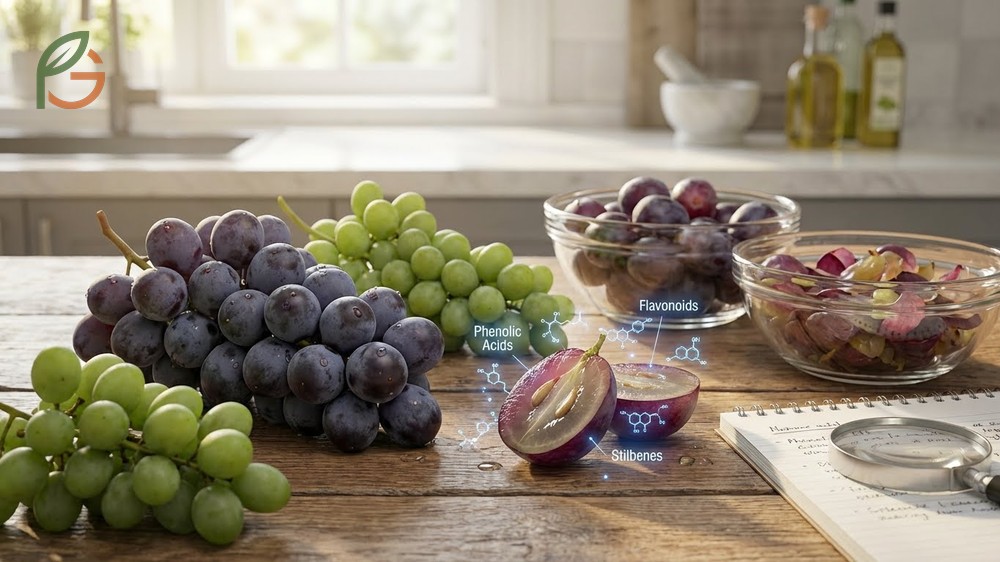
Research shows that grape skins contain a unique mix of phenolic compounds with cardioprotective, anti-inflammatory, anti-carcinogenic, antiviral, and antibacterial properties[5]. The major components include phenolic acids, flavonoids, and stilbenes that contribute to multiple health benefits. Most people don’t realize that timing matters—mature grapes develop higher antioxidant concentrations than unripe ones.
Unlike peeled grapes, whole grapes deliver the full spectrum of nutrients. Studies demonstrate that up to 31% of a vegetable or fruit’s total fiber resides in its skin[1]. This means you’re tossing away valuable nutrients every time you peel a grape.
The color of grape skins greatly influences total phenolic content. Red grape skins contain significantly higher concentrations than white grapes because white varieties have lost the ability to produce anthocyanins[5]. If you’re like most Americans growing grapes at home, choosing red or purple varieties maximizes these benefits.
Nutritional Composition
Grape skins pack impressive nutritional density despite their thin profile. They harbor vitamins K, C, and A alongside minerals like potassium and manganese. What often gets overlooked is that grape ripeness affects nutritional composition—mature grapes show qualitative peculiarities in polyphenolic makeup that enhance health benefits.
Current data indicates that grape skins and pulps have higher total phenolic contents and antioxidant capacities compared to seeds in some studies[6]. The antioxidant activities can range from 12.5% to 60.2% for skins depending on the grape variety. This variation means selecting the right cultivar matters for your garden.
Fiber Content
Evidence suggests that grape skins contribute meaningful amounts of dietary fiber. Whole grapes contain approximately 0.9g of fiber per 100g[7]. Most of this fiber concentrates in the skin rather than the flesh, which is primarily water and sugar.
Research on red grape fiber shows it can reduce blood pressure by 5-6% when consumed regularly as part of a balanced diet[3]. The fiber and antioxidants in grape skins work together synergistically. You can’t get this combined benefit from peeled grapes or grape juice alone.
Important Note: The fiber in grape skins is insoluble, which helps regulate bowel movements and supports digestive health. Don’t expect the same benefits from seedless grape varieties processed into juice.
Grape Skin Antioxidants
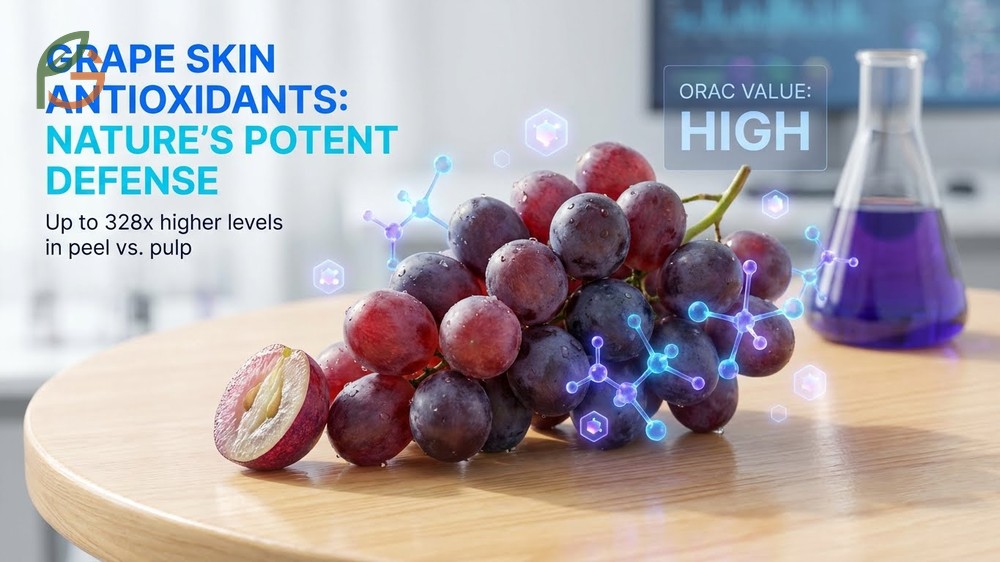
Grape skin antioxidants represent some of the most potent plant compounds available in common fruits. Studies demonstrate that antioxidant levels can reach up to 328 times higher in fruit peels compared to pulp[1]. This dramatic difference explains why eating whole grapes delivers superior health benefits.
The antioxidant capacity of grape skins has been measured using ORAC (Oxygen Radical Absorbance Capacity) assays. Mature grape skin extracts show ORAC values that increase with the ripening process, jumping from around 255 to 294 ORAC units per mL[4]. This matters because higher ORAC values indicate stronger free radical scavenging ability.
Research shows that red grape polyphenols can cross the plasma membrane and exert direct intracellular antioxidant activity[4]. They don’t just work on the surface—these compounds actively protect your cells from oxidative damage. Most people underestimate how quickly these antioxidants get to work after consumption.
Polyphenol Compounds
The major polyphenol compounds in grape skins include flavonoids, anthocyanins, and phenolic acids. These structurally different bioactive molecules work together to deliver health benefits. Current guidance emphasizes consuming whole grapes rather than extracts to get the full polyphenolic profile.
Grape skin extracts contain complex mixtures where individual compounds interact synergistically. Seeds actually have higher concentrations of polyphenols and flavonoids than skins or pulp in some varieties[5]. But you won’t get seed benefits if you’re eating seedless grapes, making the skin even more critical.
- Quercetin – A flavonoid with anti-inflammatory properties that accumulates in red grape skins
- Anthocyanins – Pigment compounds responsible for red and purple colors with antioxidant effects
- Catechins – Flavanol compounds that contribute to cardiovascular protection
- Proanthocyanidins – Complex polyphenols with strong antioxidant capacity
- Phenolic acids – Simple polyphenols including gallic acid and caffeic acid derivatives
- Stilbenes – Including resveratrol, the most studied grape skin compound
ORAC Values
ORAC values measure a food’s antioxidant capacity by quantifying its ability to neutralize free radicals. Grape skin extracts demonstrate significant ORAC activity that increases as grapes ripen. This ripening effect shows up consistently across different measurement methods.
The qualitative changes in polyphenolic composition during ripening get reflected in more effective antioxidant protection[4]. You’ll get better antioxidant benefits from fully ripe grapes compared to underripe ones. This matters when you’re deciding harvest timing for homegrown grapes.
Growing Tip: Wait until grapes reach full color intensity before harvesting. The deepest purple or red hues indicate peak anthocyanin and polyphenol development, maximizing antioxidant content.
Resveratrol Grape Skins
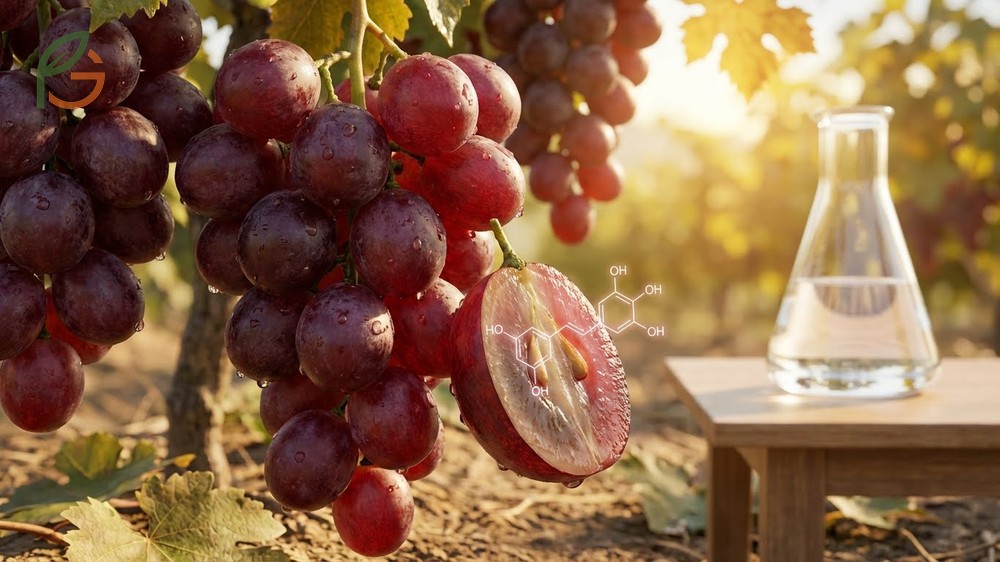
Resveratrol (trans-3,5,4′-trihydroxystilbene) is an antioxidant found in red grapes that’s been shown to promote health in several chronic conditions including aging, heart diseases, and cancers[8]. This compound burst onto the health scene more than a decade ago when research revealed its cardiovascular and cancer-fighting benefits. Most of the resveratrol in grapes concentrates in the skins rather than the flesh.
Studies have shown protective effects of resveratrol against ultraviolet radiation-mediated oxidative stress and cutaneous damages including skin cancer[9]. It’s not just about internal health—resveratrol works on your skin too. This dual action makes grape skins particularly valuable if you’re concerned about sun damage.
The reason resveratrol works so well is that it’s in its natural combination within whole grapes. When you eat whole grapes, you’re getting resveratrol alongside other polyphenols that enhance its bioavailability and effectiveness. Research demonstrates this whole-food approach beats isolated resveratrol supplements.
Cardiovascular Protection
Grape polyphenols help contribute to a healthy heart by promoting the relaxation of blood vessels to maintain healthy blood flow and function. They support healthy blood lipids while providing antioxidant and anti-inflammatory activities. Current data indicates that regular consumption can reduce cardiovascular disease risk factors.
Research on Tempranillo grape fiber showed cholesterol levels dropped by up to 14% in healthy individuals and nearly 19% in those with high cholesterol[3]. Blood pressure also decreased by 5-6% in both groups. These aren’t small effects—they’re clinically meaningful reductions.
What’s particularly interesting is that red wine itself hasn’t shown blood pressure benefits in several studies since alcohol intake normally increases blood pressure[3]. Whole grapes deliver the cardiovascular protection without the alcohol drawback. You’re better off eating fresh grapes than relying on wine for heart health.
- Reduces LDL cholesterol oxidation, preventing arterial plaque formation
- Improves endothelial function for better blood vessel flexibility
- Decreases inflammation markers associated with heart disease
- Supports healthy blood pressure through vasodilation effects
- Reduces triglyceride levels when consumed as part of balanced diet
Anti-inflammatory Effects
The polyphenols in grape skins possess strong anti-inflammatory properties that work through multiple pathways. Evidence suggests these compounds can modulate inflammatory responses at the cellular level. This matters because chronic inflammation underlies many modern diseases.
Resveratrol specifically inhibits inflammatory enzymes and reduces pro-inflammatory cytokine production. It’s been shown to have chemopreventive and therapeutic effects against many diseases and disorders, including those of the skin[9]. Most people don’t connect skin health with grape consumption, but the link is well-established.
Grape polyphenols demonstrate cardioprotective, anti-inflammatory, anti-carcinogenic, antiviral, and antibacterial properties attributed mainly to their antioxidant activity[5]. This broad spectrum of activity explains why grapes have been valued throughout history. You’re getting comprehensive protection from a simple fruit.
Eating Whole Grapes
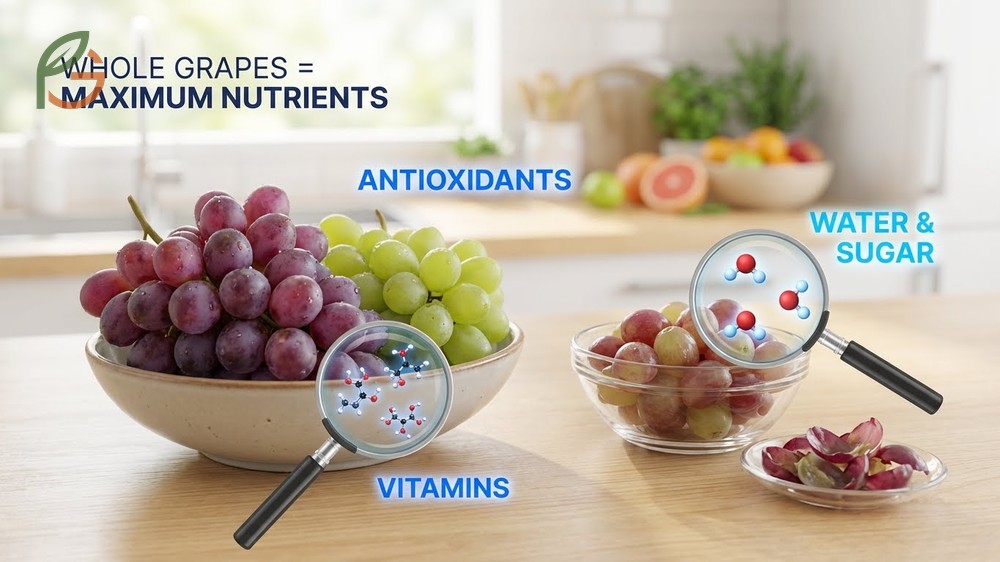
Eating whole grapes with skins intact maximizes nutritional benefits compared to peeling or juicing. Research shows that unpeeled produce contains higher amounts of vitamins, minerals, and beneficial plant compounds than peeled produce[1]. The skins harbor all the healthy nutritional goodness while the flesh is largely water and sugar.
When you peel grapes, you’re stripping away the part with the highest levels of antioxidants and other nutrients. Studies demonstrate that up to 31% of total fiber can be found in fruit and vegetable skins[1]. You can’t recover these nutrients once the skin is removed.
The combination of fiber, resveratrol, and other polyphenols from raw grapes is considered a better dietary supplement than wine or isolated compounds. Whole grapes provide sustained nutrient delivery without the alcohol content that can increase blood pressure. This makes them ideal for daily consumption.
- Rinse grapes thoroughly under running water to remove pesticide residues and dirt
- Choose organic grapes when possible to minimize exposure to agricultural chemicals
- Select red or purple varieties for maximum anthocyanin and resveratrol content
- Eat grapes with meals containing healthy fats to improve polyphenol absorption
- Store grapes unwashed in the refrigerator and wash only before eating to prevent mold
- Consume grapes at peak ripeness when color is deepest for highest antioxidant levels
Safety Reminder: Always wash grapes before eating, even if you plan to eat the skins. This removes surface contaminants without sacrificing the nutritional benefits concentrated in the peel.
Red Grape Benefits
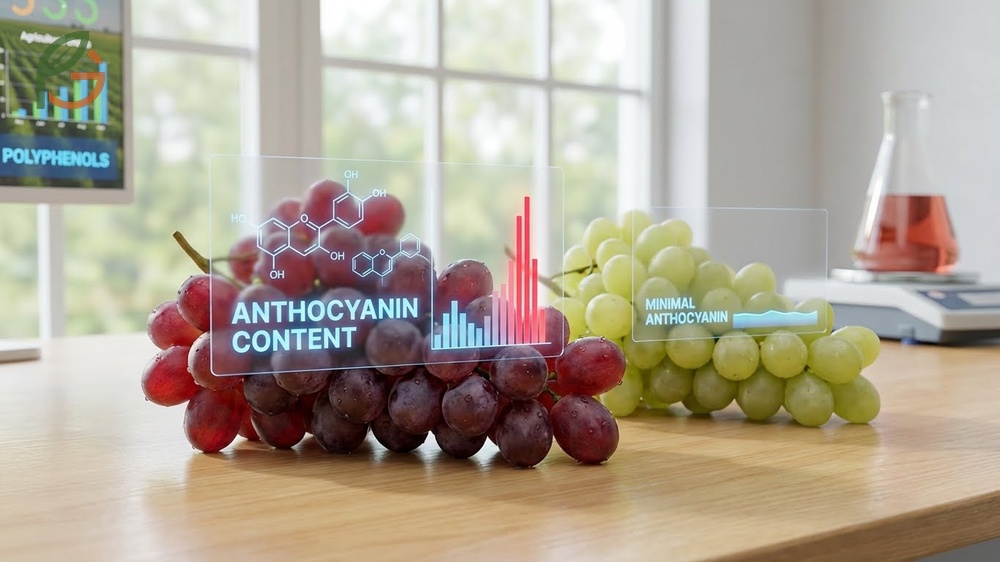
Red grape benefits extend beyond what white or green varieties offer due to their higher anthocyanin content. Agricultural data shows that the color of grape skins greatly influences total phenolic content[5]. Dark purple and red skins contain significantly more polyphenols than white grapes.
The difference comes down to anthocyanin production—white grapes have lost the genetic ability to synthesize these pigment compounds. This means red grapes deliver more comprehensive antioxidant protection. If you’re growing grapes for health benefits, red varieties should be your priority.
Muscadine grapes, a red variety, are particularly rich in resveratrol and dietary fiber according to USDA research[10]. They’re also high in carbohydrates and low in fat and protein, making them excellent for energy. These characteristics make muscadines an alternative crop worth considering for home gardens.
Red grape consumption has been specifically associated with decreased risk of coronary heart disease in multiple studies[2]. The polyphenol profile in red grapes works synergistically to support vascular health. You don’t need wine to get these benefits—fresh red grapes work just as well.
This table compares antioxidant content, key compounds, and primary health benefits between red and white grape varieties
| Characteristic | Red Grapes | White Grapes |
|---|---|---|
| Anthocyanin Content | High (pigment compounds present) | Absent (lost genetic ability to produce) |
| Total Polyphenols | Significantly higher | Lower concentrations |
| Resveratrol Levels | Abundant in skins | Present but lower amounts |
| Primary Health Benefits | Cardiovascular protection, anti-inflammatory | Basic antioxidant activity, fiber |
| Best Growing Zones | USDA zones 6-9 (most varieties) | USDA zones 6-9 (most varieties) |
Conclusion
The evidence is clear: grape skin benefits far exceed what you’ll get from peeled grapes or grape juice alone. Research consistently demonstrates that eating whole grapes with skins delivers up to 328 times more antioxidants, meaningful cardiovascular protection, and powerful anti-inflammatory effects. Don’t throw away these benefits by peeling your grapes.
Current guidance emphasizes choosing red or purple grape varieties and consuming them at peak ripeness for maximum polyphenol content. FruitGarden recommends incorporating whole grapes into your daily diet as a simple, effective way to support heart health and reduce oxidative stress naturally.
Medical Disclaimer
Important Medical Disclaimer: This content is for informational and educational purposes only. It’s not intended as a substitute for professional medical advice, diagnosis, or treatment. Always consult a qualified healthcare professional before making any changes to your diet, medication, or health routine, especially if you have cardiovascular disease, diabetes, or other medical conditions. Don’t use information about grape skin benefits to self-diagnose or delay seeking medical care.
Frequently Asked Questions
What Are the Main Health Benefits of Grape Skins?
Grape skins provide powerful antioxidants including resveratrol and polyphenols that support cardiovascular health, reduce inflammation, and protect against oxidative stress. Research shows they can lower cholesterol by up to 19% and blood pressure by 5-6% when consumed regularly as part of a balanced diet.
How Much Resveratrol Is in Grape Skins?
Resveratrol concentrations vary by grape variety, with red and purple grapes containing the highest levels. Studies show muscadine grapes are particularly rich sources. The exact amount depends on growing conditions, ripeness, and cultivar, but most resveratrol in grapes concentrates in the skins rather than flesh.
Are Red Grape Skins Better Than White Grape Skins?
Yes, red grape skins contain significantly higher polyphenol and anthocyanin levels than white grapes. White grapes have lost the genetic ability to produce anthocyanins, which means they can’t match the antioxidant capacity of red or purple varieties. If you’re maximizing health benefits, choose red grapes.
Should You Eat Grape Skins or Peel Them?
You should eat grape skins because they contain up to 328 times more antioxidants than pulp and up to 31% of the grape’s total fiber. Peeling grapes removes the most nutritious part of the fruit. Just wash grapes thoroughly before eating to remove surface contaminants.
Can Grape Skin Antioxidants Help With Heart Health?
Yes, studies demonstrate that grape skin antioxidants reduce cardiovascular disease risk by improving blood vessel function, lowering cholesterol, and decreasing blood pressure. Research on red grape fiber showed cholesterol reductions of 14-19% and blood pressure decreases of 5-6% in clinical trials.
What Polyphenols Are Found in Grape Skins?
Grape skins contain quercetin, anthocyanins, catechins, proanthocyanidins, phenolic acids, and stilbenes like resveratrol. These polyphenols work synergistically to provide cardioprotective, anti-inflammatory, and antioxidant benefits. The specific polyphenol profile varies by grape variety and ripeness.
Do Grape Skins Have More Nutrients Than Grape Pulp?
Yes, grape skins contain dramatically higher concentrations of antioxidants, polyphenols, and fiber compared to pulp. The flesh is primarily water and sugar, while skins harbor the health-promoting compounds. Research shows antioxidant levels can be up to 328 times higher in peels than pulp.





