White vs Red Dragon Fruit: Taste and Nutrition Differences
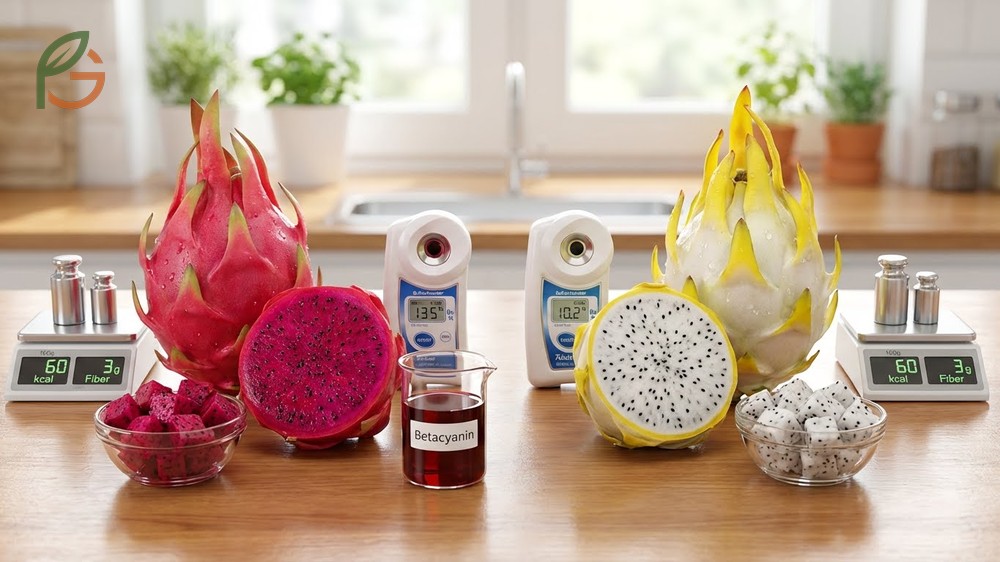
White vs Red Dragon Fruit differ in taste and nutrition. Red contains 30% more antioxidants and sweeter flavor, while white offers higher protein levels.

 Taki Lockman
White vs Red Dragon Fruit differ in taste and nutrition. Red contains 30% more antioxidants and sweeter flavor, while white offers higher protein levels.
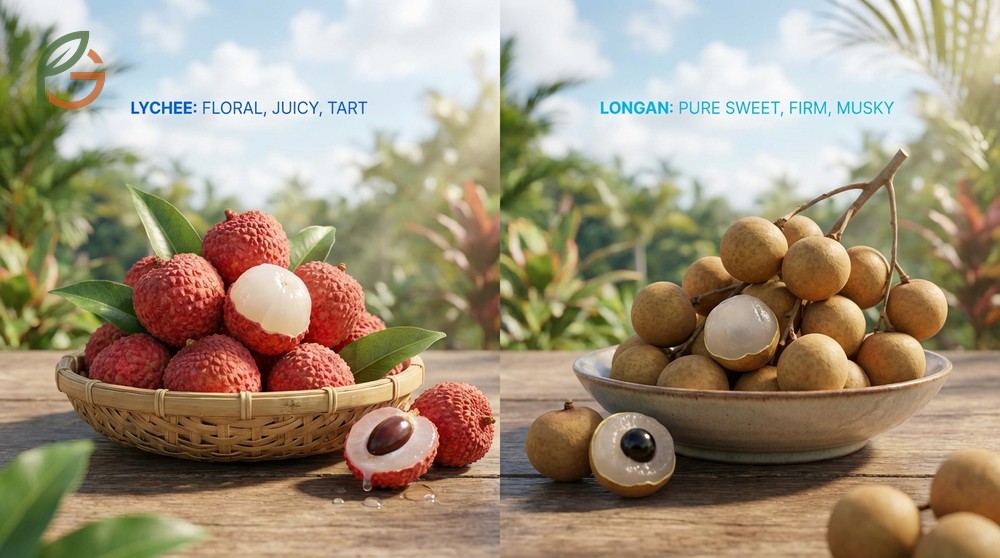
Lychee vs longan comparison reveals key differences in taste, texture, and nutrition. Learn which Asian fruit suits your garden and palate best for tropical growing success.
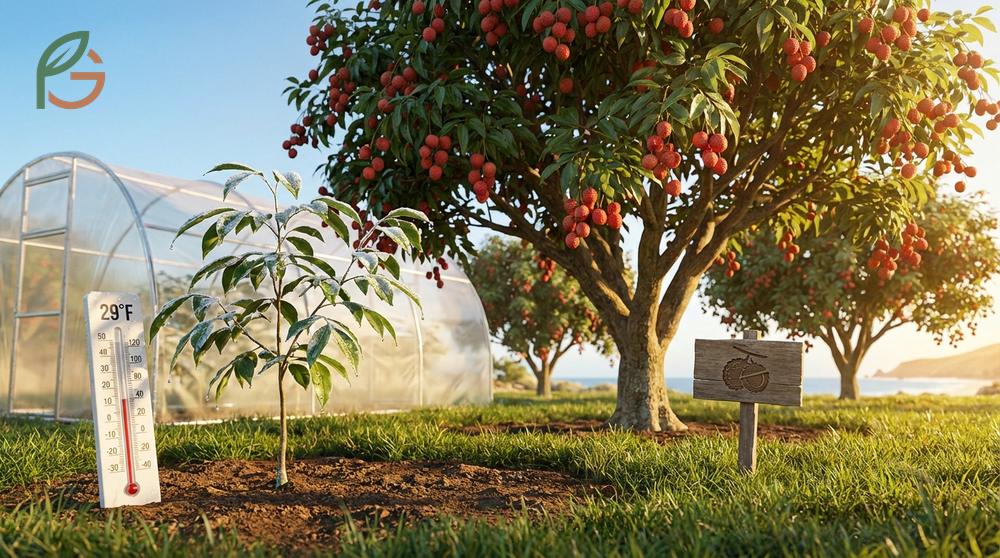
Lychee tree hardiness zone ranges from USDA 10-11. Young trees can’t survive frost, but mature lychees tolerate 26°F (-3°C). Learn optimal zones and protection.
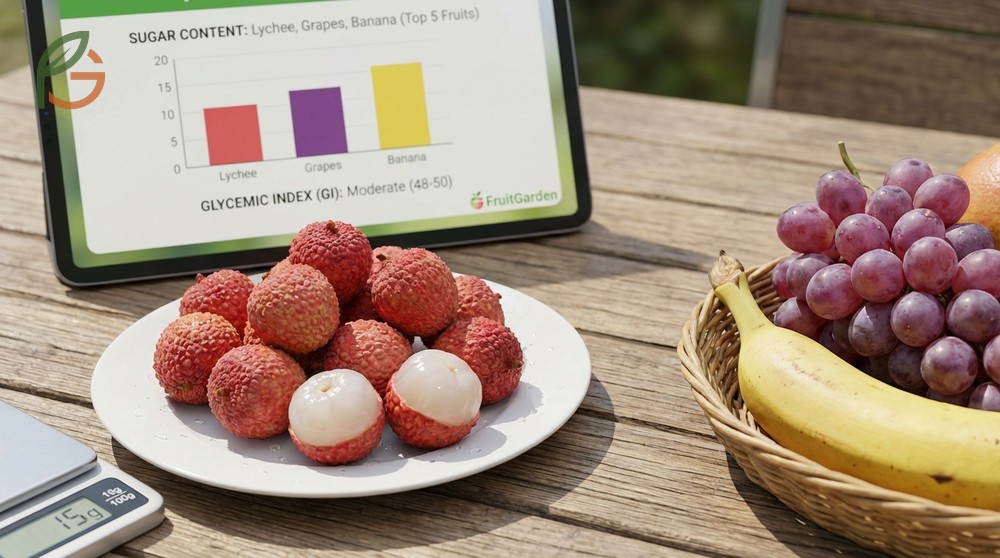
Lychee sugar content reaches 15g per 100g, making it one of the higher-sugar fruits. Learn how its moderate glycemic index affects blood sugar levels.
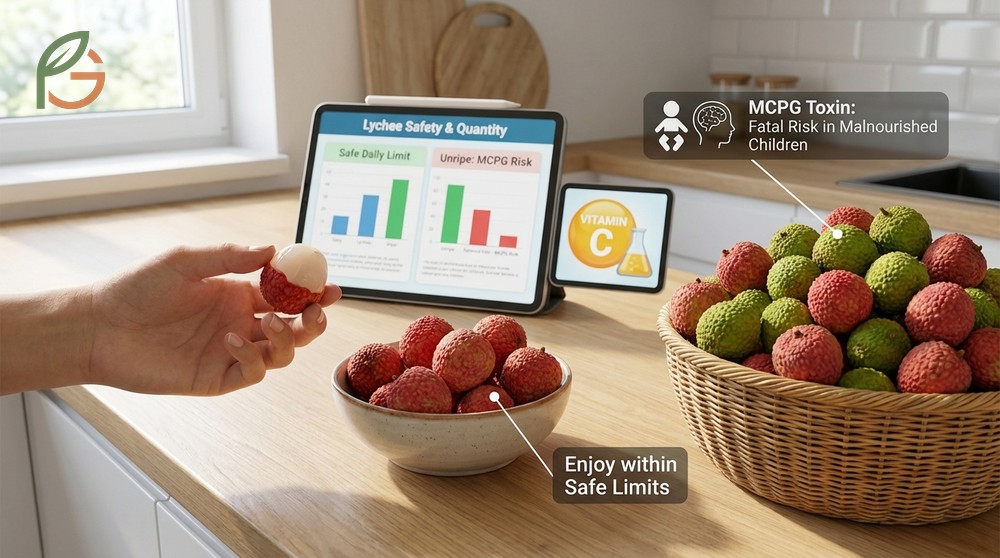
Lychee side effects include hypoglycemia from MCPG toxin in unripe fruit and allergic reactions. Adults can safely eat 30-45 lychees; children need limits.
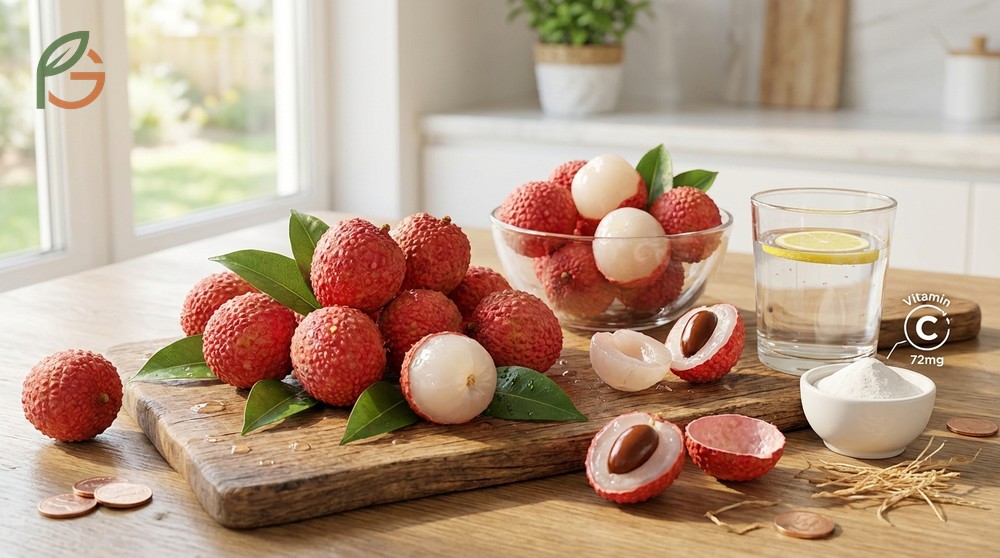
Is lychee good for you? Yes, in moderation. This tropical fruit delivers 72mg vitamin C, antioxidants, and fiber while supporting immune health and skin wellness.
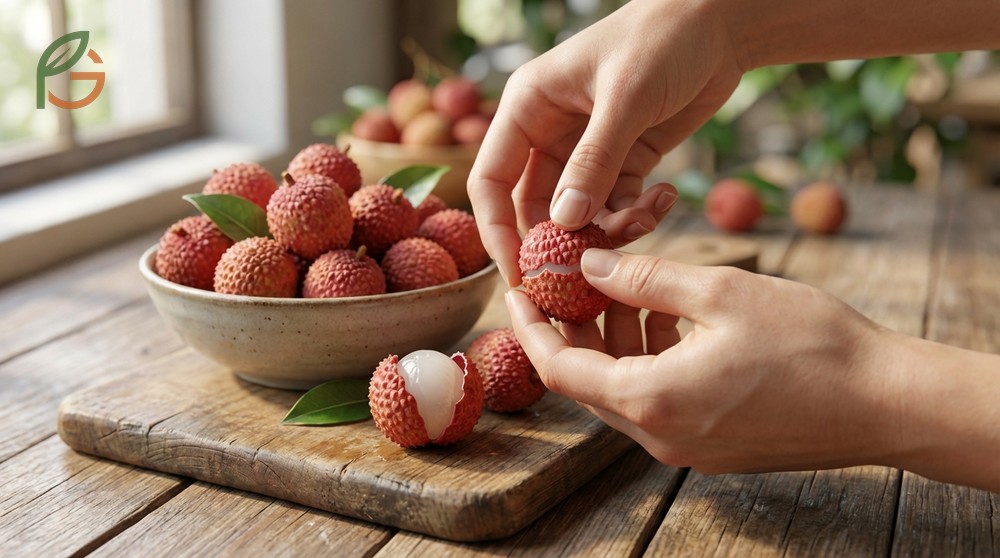
How to peel lychee in seconds using three proven methods. Learn the thumbnail pierce, squeeze technique, and seam method to enjoy fresh lychee fruit easily.
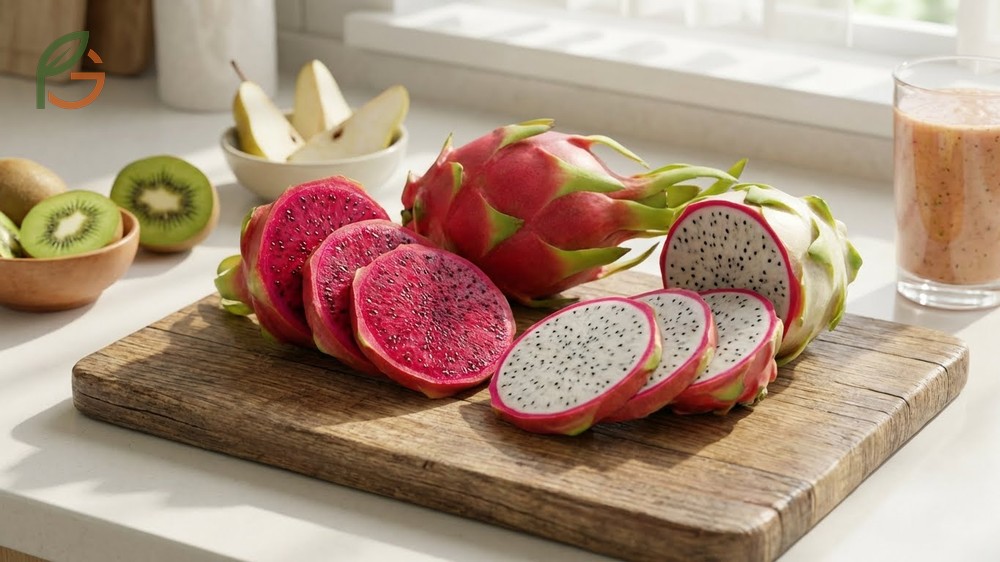
What does dragon fruit taste like? It’s mildly sweet with kiwi-pear notes. Red varieties contain 11.5g sugar vs white’s 7.65g, making red noticeably sweeter with berry hints.
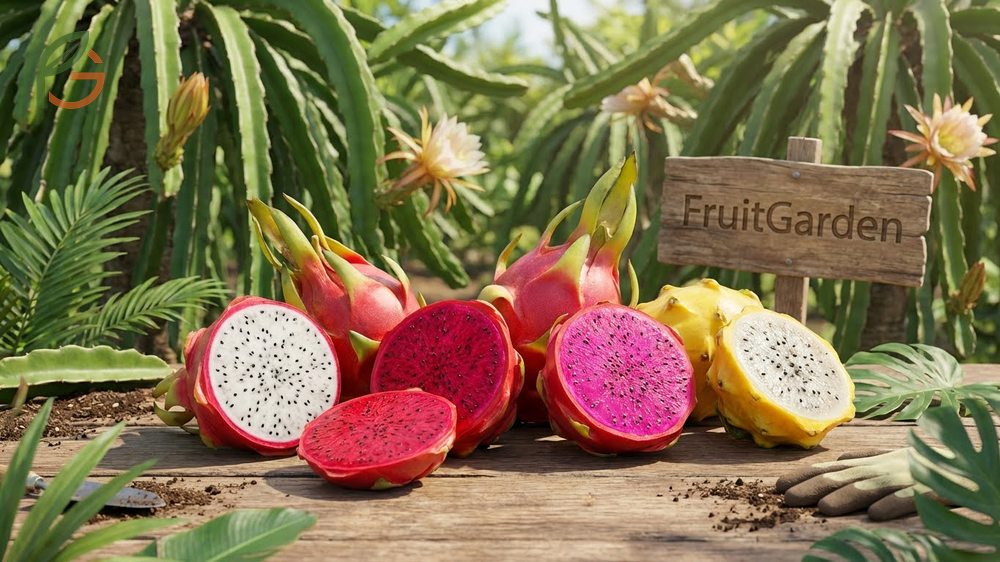
Types of dragon fruit include white, red, pink, and yellow varieties. Each offers unique flavors and characteristics for gardeners and fruit enthusiasts.
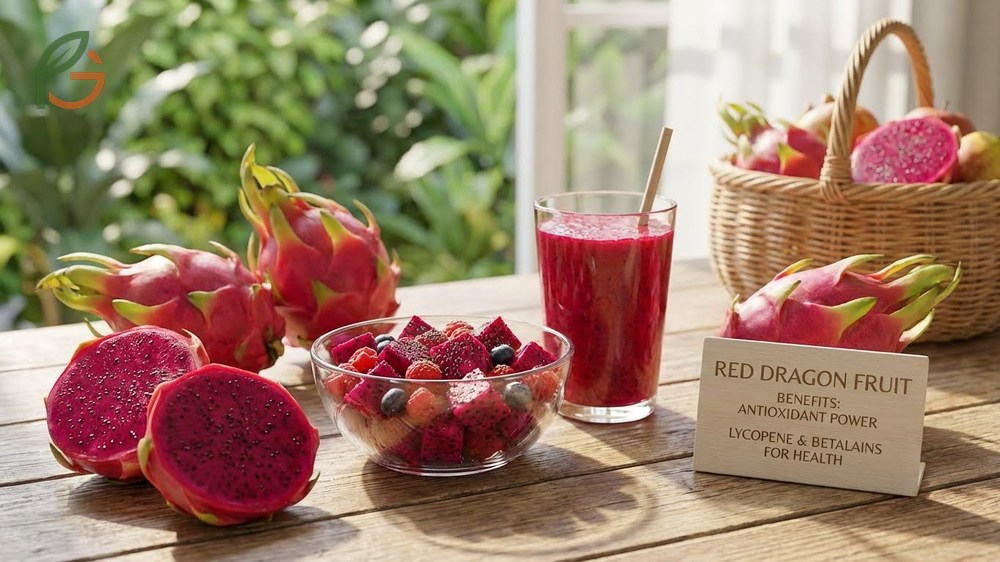
Red dragon fruit benefits include powerful antioxidants like lycopene, 3g fiber per 100g, and natural digestive support. Discover nutrition facts and taste tips.