Purple Dragon Fruit: Varieties and Flavor Profile
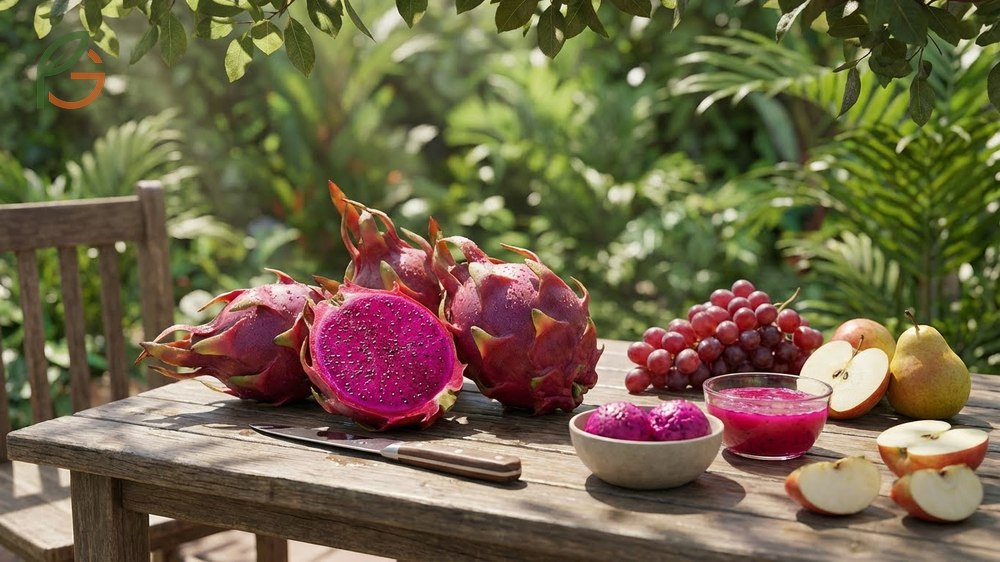
Purple dragon fruit offers grape-like sweetness and vibrant magenta flesh. Discover rare varieties, unique taste profiles, and growing characteristics.

 Taki Lockman
Purple dragon fruit offers grape-like sweetness and vibrant magenta flesh. Discover rare varieties, unique taste profiles, and growing characteristics.
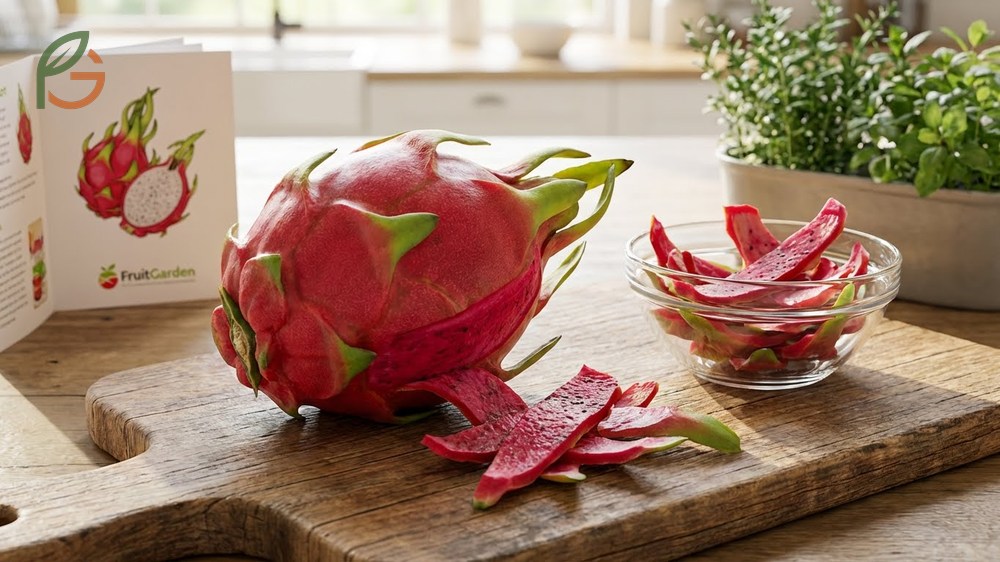
Is dragon fruit skin edible? Yes, dragon fruit peel is safe to eat and contains 57-69% dietary fiber, betacyanins, and antioxidants with proven health benefits.

Is dragon fruit safe for pregnancy? Yes, it’s packed with folate, vitamin C, and fiber. Learn benefits, recommended intake, and precautions for expecting mothers.

Is dragon fruit keto friendly? Not ideally—with 9g net carbs per 100g, it challenges keto limits. Discover carb counts, alternatives, and portion strategies.
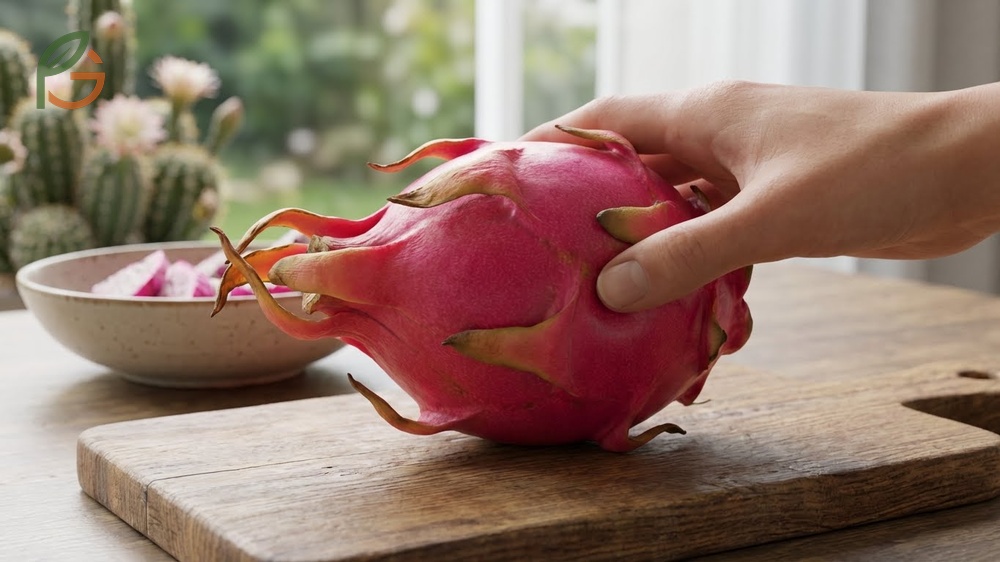
How to tell if dragon fruit is ripe? Check skin color, wing tips, and firmness. Ripe fruit has bright pink skin, brown wings, and yields to gentle pressure.

How to store dragon fruit properly? Keep whole fruit fresh 2 weeks refrigerated or 3 days at room temp. Cut pieces last 2-3 days sealed. Expert storage tips.

How to grow dragon fruit successfully in zones 10-12. Learn propagation from seeds (5-7 years) vs. cuttings (1-2 years), care tips, and best varieties.
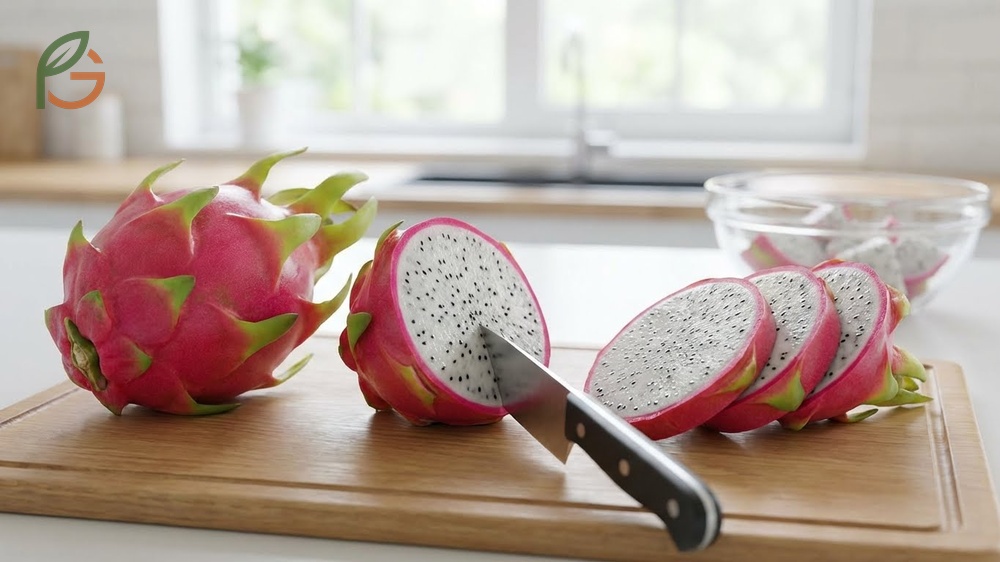
How to cut dragon fruit in 3 simple steps. Learn easy peeling methods, cube cutting techniques, and how to eat this tropical fruit. 60 calories per 100g serving.

Growing dragon fruit in pots requires 25-35 gallon containers, warm temperatures of 65-85°F, and well-draining soil. Learn pot sizes, care tips, and harvest timing.

Dragon fruit trellis ideas for strong support include single-pole systems, concrete posts, and DIY wood designs. Learn height requirements and materials.