

Is dragon fruit keto friendly? Not ideally—research shows this tropical fruit contains 9 grams of net carbs per 100 grams, which can challenge strict keto limits[1]. While you can include small portions if you’re strategic with your daily carb budget, better low-carb alternatives exist for maintaining ketosis. FruitGarden synthesizes current nutritional research and keto guidelines to help you make informed fruit choices that align with your metabolic goals.
Quick Answer
- Dragon fruit contains 9g net carbs per 100g serving (12g total carbs minus 3g fiber)[1]
- A whole 200g dragon fruit delivers 18g net carbs—consuming 36-90% of your daily keto allowance[2]
- It’s classified as low-glycemic with a GI of 48-52, causing gradual blood sugar rises[3]
- Better keto options include raspberries (3.3g net carbs per ½ cup) and strawberries (5-6g per ¾ cup)[4]
Is Dragon Fruit Keto Friendly
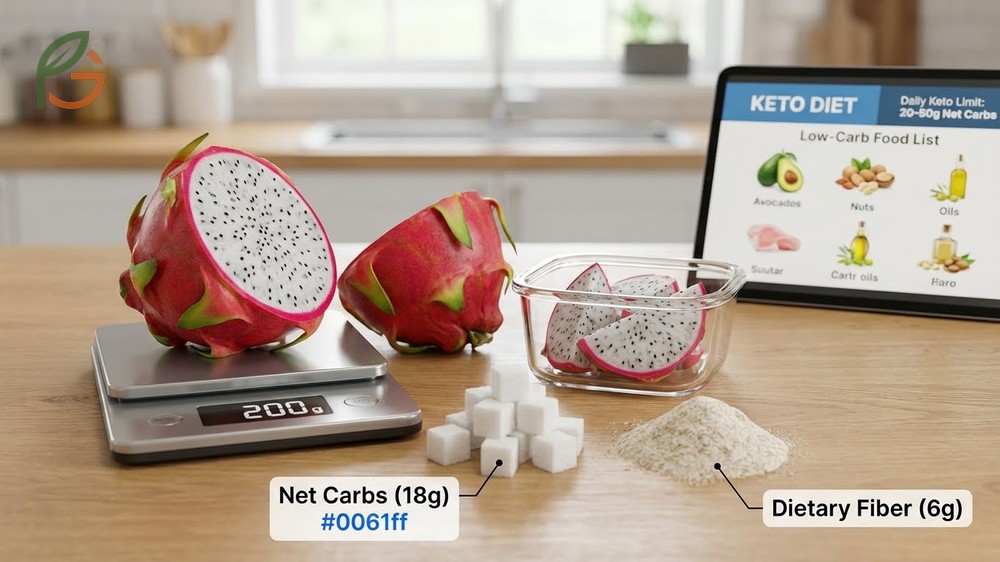
Dragon fruit doesn’t fit the classic keto-friendly profile due to its moderate carbohydrate density. Studies demonstrate that 100 grams delivers 12 grams of total carbohydrates, with 3 grams coming from dietary fiber[5]. This leaves 9 grams of net carbs—the number that actually impacts ketosis.
Most people following strict ketogenic protocols limit net carbs to 20-50 grams daily. A single 200-gram dragon fruit would consume 18 grams of that budget, leaving minimal room for vegetables, nuts, or other nutrient-dense foods[2]. What often gets overlooked is that timing and portion control matter more than complete avoidance—strategic consumption of 50-75 grams can provide antioxidants without disrupting metabolic ketone production.
Current data indicates the fruit’s low glycemic index (48-52) causes slower blood sugar elevation compared to high-GI options like watermelon or pineapple[6]. The 3 grams of fiber per 100 grams slows digestion and moderates glucose absorption, which explains why some flexible keto practitioners incorporate small amounts post-workout when insulin sensitivity peaks.
Understanding Keto Carb Limits
The ketogenic diet operates on precise macronutrient ratios designed to shift metabolism from glucose-burning to fat-burning. Research shows typical protocols restrict total carbohydrates to 20-50 grams daily, with 70-75% of calories from fat and 20-25% from protein. Net carbs—total carbs minus fiber and sugar alcohols—determine whether you’ll maintain ketosis.
Evidence suggests individual carb tolerance varies based on activity level, metabolic health, and adaptation phase. Athletes engaged in high-intensity training often sustain ketosis at 50 grams net carbs, while sedentary individuals may require stricter 20-gram limits[7]. This variation explains why dragon fruit might work for some practitioners but disrupt ketosis for others.
Net Carbs Calculation
Calculating net carbs requires subtracting fiber and certain sugar alcohols from total carbohydrates. Dragon fruit’s straightforward profile makes this calculation simple: 12g total carbs – 3g fiber = 9g net carbs per 100g serving. Unlike processed foods containing multiple sugar alcohols, this tropical fruit offers uncomplicated math.
The formula becomes critical when scaling portions. A typical medium dragon fruit weighs 200-300 grams, translating to 18-27 grams net carbs for the entire fruit. Most keto practitioners find success limiting dragon fruit to 50-gram portions (4.5g net carbs), combined with high-fat foods like coconut cream to buffer glycemic impact.
Important Note: Don’t rely solely on net carb counts—total sugar content matters too. Dragon fruit contains 8-10g natural sugars per 100g, which can trigger cravings or insulin responses in metabolically sensitive individuals, even when fiber offsets the net carb calculation.
Dragon Fruit Carbs

Agricultural data shows dragon fruit’s carbohydrate composition centers around simple sugars and soluble fiber. The 12 grams of total carbs per 100-gram serving breaks down into approximately 9 grams of natural sugars (primarily fructose and glucose) and 3 grams of dietary fiber[5]. This ratio creates challenges for strict keto adherents who monitor both net carbs and sugar intake.
The fruit’s 60 calories per 100 grams come predominantly from carbohydrates, with minimal fat (0.4g) and protein (1.2g)[8]. Unlike avocados or coconuts—two genuinely keto-friendly fruits—dragon fruit doesn’t contribute meaningful fat content to help maintain ketogenic macronutrient ratios. This matters because successful keto eating requires 70-75% of daily calories from fat sources.
Research demonstrates that white-fleshed and red-fleshed varieties show minimal carbohydrate differences, both hovering around the 12-gram mark per 100 grams. However, yellow dragon fruit (Selenicereus megalanthus) contains slightly higher sugar concentrations, pushing net carbs toward 10-11 grams per serving.
Nutritional Breakdown
Beyond carbohydrates, dragon fruit provides modest micronutrient density. Studies indicate 100 grams delivers 5% of the Daily Value for vitamin C, 10% for copper, and 2% for magnesium[9]. The copper content supports energy production and iron absorption, making the fruit valuable for preventing deficiencies during restrictive dieting.
The 88% water content contributes to hydration—a critical consideration for keto practitioners who experience increased water loss during initial adaptation. Current guidance emphasizes balancing electrolytes (sodium, potassium, magnesium) when incorporating water-rich fruits, as the diuretic effect of ketosis amplifies dehydration risk.
- Calories: 60 kcal from primarily carbohydrate sources
- Dietary fiber: 3g supporting digestive health and net carb reduction
- Vitamin C: 3mg providing antioxidant protection and immune support
- Copper: 10% DV essential for cellular energy production
- Magnesium: 32mg per cup supporting muscle function and electrolyte balance
- Iron: 0.7mg contributing to oxygen transport and preventing anemia
- Antioxidants: Betalains and phenolic compounds reducing oxidative stress
Portion Size Impact
Portion control transforms dragon fruit from keto-incompatible to strategically manageable. A 50-gram serving (roughly ¼ of a medium fruit) contains 4.5g net carbs—comparable to ¾ cup of strawberries. This smaller portion fits within most keto frameworks when paired with high-fat foods like macadamia nuts or full-fat Greek yogurt.
Agricultural research shows typical dragon fruits sold in US markets weigh 200-400 grams after removing the inedible peel. The edible portion represents about 60-70% of total weight, meaning a 300-gram whole fruit yields roughly 180-210 grams of flesh—translating to 16-19 grams net carbs for complete consumption.
This table compares net carbohydrate content, total carbs, fiber, and sugar across five different dragon fruit serving sizes from 50 grams to 200 grams
| Portion Size | Net Carbs | Total Carbs | Fiber | Sugar |
|---|---|---|---|---|
| 50g (¼ fruit) | 4.5g[1] | 6g | 1.5g | 4-5g |
| 75g (⅓ fruit) | 6.8g | 9g | 2.2g | 6-7g |
| 100g (½ fruit) | 9g[5] | 12g | 3g | 8-10g |
| 150g (¾ fruit) | 13.5g | 18g | 4.5g | 12-15g |
| 200g (whole fruit) | 18g[2] | 24g | 6g | 16-20g |
Timing Strategy: If you’re going to eat dragon fruit on keto, consume it post-workout when muscle glycogen stores are depleted. This timing allows carbohydrates to replenish glycogen rather than disrupting ketosis, particularly for those doing high-intensity resistance training 3-4 times weekly.
Net Carbs Dragon Fruit
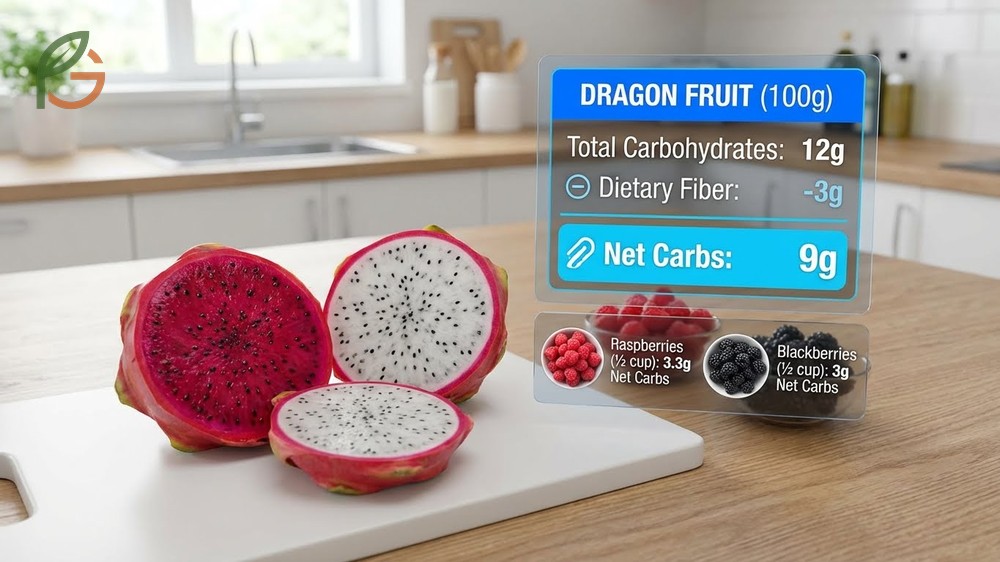
Current nutritional data confirms dragon fruit delivers 9 grams of net carbs per 100-gram serving—the result of subtracting 3 grams of dietary fiber from 12 grams of total carbohydrates[1]. This net carb density positions dragon fruit in the moderate-carb category, significantly higher than keto staples like raspberries (3.3g per ½ cup) or blackberries (3g per ½ cup).
The fiber content, while beneficial for digestive health and blood sugar moderation, doesn’t offset enough carbohydrates to make dragon fruit truly keto-compatible. Evidence indicates that achieving ketosis requires most individuals to maintain net carbs below 30 grams daily during the adaptation phase, then potentially increasing to 40-50 grams once fat-adapted[7]. A single whole dragon fruit would consume 36-60% of this budget.
Research shows the glycemic load—which accounts for both glycemic index and portion size—remains low at 4-6 per 100-gram serving[3]. This low GL explains why diabetics often tolerate dragon fruit better than equal-carb servings of white bread or rice, despite the absolute carbohydrate content. However, keto protocols prioritize ketone production over glycemic response, making net carbs the primary concern.
- Individual metabolic flexibility: Athletes and metabolically healthy individuals tolerate higher net carbs while maintaining ketosis
- Current adaptation phase: New keto practitioners need stricter limits (20g) than long-term adherents (40-50g)
- Daily activity expenditure: High-intensity exercise increases carbohydrate tolerance without ketosis disruption
- Meal composition: Pairing dragon fruit with high-fat foods (coconut cream, macadamia nuts) blunts glucose response
- Consumption timing: Post-workout carbs preferentially refill muscle glycogen rather than spiking blood sugar
- Ripeness level: Fully ripe dragon fruits contain more simple sugars, potentially increasing glycemic impact despite unchanged net carbs
Most practitioners find success treating dragon fruit as an occasional indulgence rather than a dietary staple. Limiting consumption to 50-75 gram portions once or twice weekly—combined with extended fasting windows or increased physical activity—allows you to enjoy the fruit’s antioxidant benefits without sacrificing ketosis.
Dragon Fruit Sugar Content
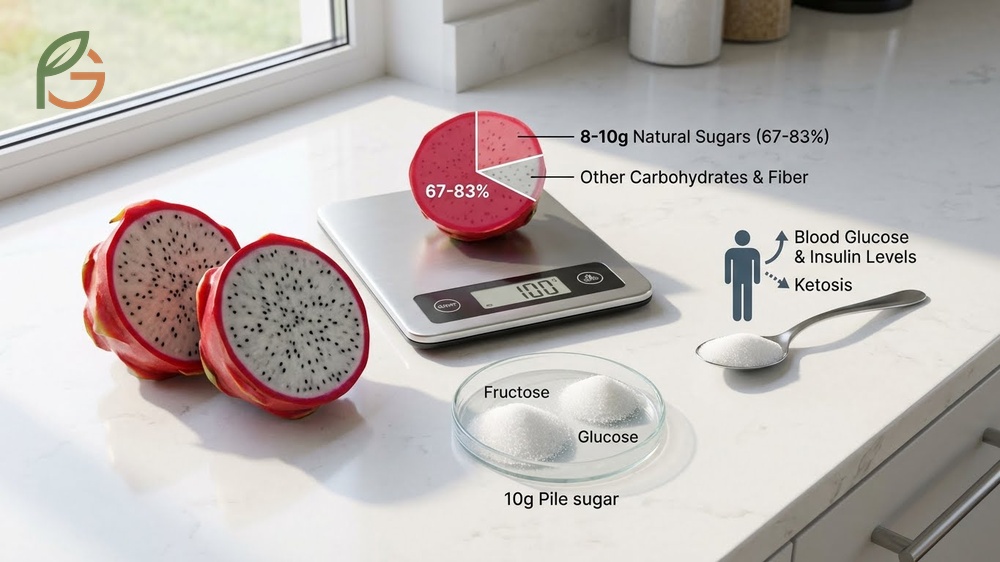
Dragon fruit contains 8-10 grams of natural sugars per 100-gram serving, comprising primarily fructose and glucose in roughly equal proportions[5]. Unlike table sugar (sucrose), which breaks down into 50% fructose and 50% glucose, dragon fruit’s sugar profile doesn’t differ significantly in metabolic impact—both raise blood glucose and insulin levels, potentially disrupting ketosis.
The 8-10g sugar content represents 67-83% of the fruit’s total carbohydrates, leaving only 2-4 grams from complex carbohydrates and fiber. This high sugar-to-total-carb ratio explains why dragon fruit tastes distinctly sweet despite its relatively modest calorie count. What matters for keto adherents is that every gram of sugar contributes to net carbs, regardless of whether it’s “natural” or added.
Research demonstrates that fructose metabolism differs from glucose—fructose bypasses the rate-limiting enzyme (phosphofructokinase) in glycolysis, converting more readily to liver glycogen and potentially triglycerides[10]. For strict keto practitioners, this means dragon fruit’s fructose content could theoretically impact liver glycogen stores even when net carbs fit within daily limits.
The fruit’s natural sweetness doesn’t trigger the same dopamine response as processed sweets, but it can still stimulate sugar cravings in individuals prone to carbohydrate addiction. Current behavioral research indicates that maintaining very low sugar intake (under 5g daily) helps reset taste preferences, making vegetables and unsweetened foods more palatable over 3-4 weeks.
Sugar Comparison: Dragon fruit’s 8-10g sugar per 100g compares favorably to mango (14g per 100g) and banana (12g per 100g) but substantially exceeds keto-friendly raspberries (4-5g per 100g) and strawberries (5g per 100g). Choose berries over tropical fruits when sugar minimization is your priority.
Low Carb Fruits
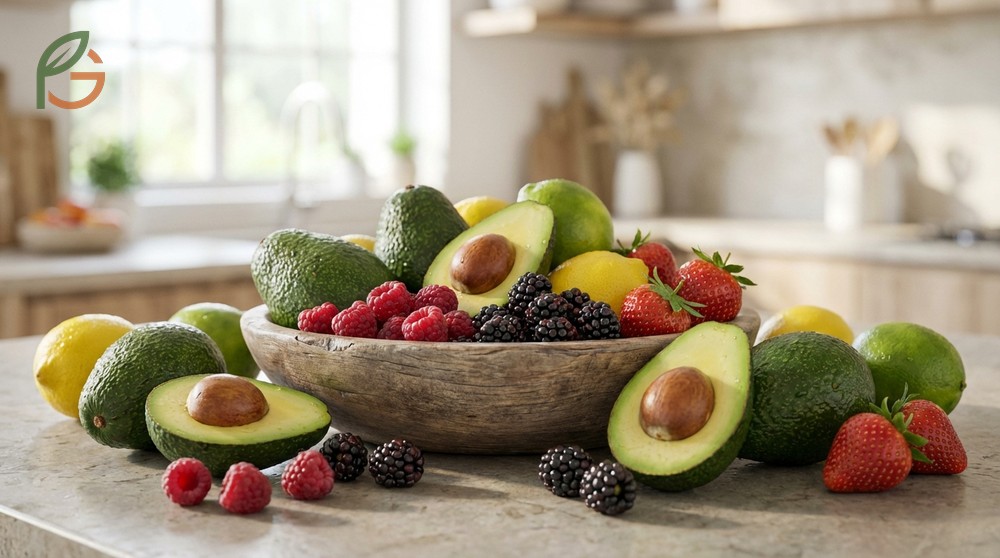
If you’re committed to ketosis but crave fruit’s natural sweetness, several low-carb alternatives dramatically outperform dragon fruit in the net carb department. Research shows raspberries lead the keto-friendly fruit category with just 3.3 grams of net carbs per ½ cup serving, thanks to their exceptional 8-gram fiber content per cup[4]. This allows you to consume nearly double the volume compared to dragon fruit while staying within carb limits.
Strawberries deliver similar keto-friendly metrics with 5-6 grams of net carbs per ¾ cup serving, combined with higher vitamin C concentrations than dragon fruit. Blackberries match strawberries at 5-6 grams net carbs per ¾ cup, while providing anthocyanins that support cardiovascular health. These berries share a critical advantage: their fiber-to-carb ratios create favorable net carb calculations without sacrificing portion satisfaction.
Avocados represent the ultimate keto fruit despite their savory culinary applications—a whole medium avocado contains just 2-3 grams of net carbs while delivering 15-20 grams of heart-healthy monounsaturated fats. This macronutrient profile perfectly aligns with ketogenic principles, providing substantial calories from fat rather than carbohydrates. Similarly, olives offer near-zero net carbs (<1g per serving) with significant fat content.
Evidence indicates that lemons and limes work exceptionally well for keto practitioners seeking citrus flavor—one whole lemon contains only 3-4 grams of net carbs, while the juice of one lime provides less than 1 gram. These citrus options add brightness to water, seafood, and salad dressings without meaningfully impacting daily carb budgets.
- Avocado: 2-3g net carbs per whole fruit (136g) plus 15-20g healthy fats
- Raspberries: 3.3g net carbs per ½ cup (62g) with 4g fiber
- Blackberries: 3-4g net carbs per ½ cup (72g) rich in anthocyanins
- Strawberries: 5-6g net carbs per ¾ cup (111g) with vitamin C exceeding dragon fruit
- Watermelon: 7g net carbs per cup (152g) with 92% water content for hydration[7]
- Cantaloupe: 11-12g net carbs per cup (156g) acceptable for flexible keto approaches
- Peaches: 13g net carbs per medium fruit (150g) better saved for occasional treats
| Fruit | Serving Size | Net Carbs | Keto Verdict |
|---|---|---|---|
| Raspberries | ½ cup (62g) | 3.3g[4] | Excellent choice |
| Blackberries | ½ cup (72g) | 3-4g | Excellent choice |
| Strawberries | ¾ cup (111g) | 5-6g[11] | Good choice |
| Dragon Fruit | 100g (½ fruit) | 9g[1] | Use sparingly |
| Cantaloupe | 1 cup (156g) | 12g[12] | Occasional only |
The pattern becomes clear: berries with high fiber content offer the best carb-to-satisfaction ratio for keto practitioners. Their smaller serving sizes pack concentrated antioxidants, vitamins, and polyphenols that support metabolic health during dietary restriction. Meanwhile, tropical fruits like dragon fruit, mango, and pineapple require such small portions to fit keto parameters that you’ll likely feel unsatisfied.
Conclusion
The evidence is clear: dragon fruit isn’t an ideal keto-friendly option due to its 9 grams of net carbs per 100-gram serving and high natural sugar content. While you can incorporate small 50-75 gram portions strategically—especially post-workout or within flexible keto frameworks allowing 40-50g daily carbs—better alternatives exist that won’t challenge your ketosis maintenance.
Current guidance emphasizes prioritizing berries like raspberries, blackberries, and strawberries for fruit cravings, as they deliver superior nutrient density at 30-60% lower net carb levels. FruitGarden synthesizes nutritional research and metabolic science to help you make evidence-based choices that support both ketogenic goals and long-term health—whether you’re growing your own fruit trees or selecting produce at farmers markets.
Medical Disclaimer
Important Medical Disclaimer: This content is for informational and educational purposes only. It’s not intended as a substitute for professional medical advice, diagnosis, or treatment. Always consult a qualified healthcare professional or registered dietitian before making significant changes to your diet, especially if you have diabetes, metabolic disorders, or other medical conditions. Individual carbohydrate tolerance varies considerably, and what works for one person may not suit another’s metabolic needs.
Frequently Asked Questions
Can You Eat Dragon Fruit on a Strict Keto Diet?
Strict keto diets limiting net carbs to 20 grams daily don’t accommodate dragon fruit well. A 100-gram serving contains 9 grams of net carbs—consuming 45% of your daily allowance. If you’re following strict keto for therapeutic purposes (epilepsy management, cancer support), it’s best to avoid dragon fruit entirely and focus on berries with 3-6 grams net carbs per serving instead.
How Does Dragon Fruit Compare to Other Tropical Fruits for Keto?
Dragon fruit sits in the middle range of tropical fruit carb content. It contains fewer net carbs than mango (13g per 100g), pineapple (12g per 100g), and banana (20g per 100g), but substantially more than keto-approved avocado (2g per 100g). Among tropical options, star fruit (4g net carbs per 100g) and coconut meat (6g per 100g) work better for ketogenic eating patterns.
What’s the Best Time to Eat Dragon Fruit on Keto?
If you’re going to eat dragon fruit on keto, consume it within 30-60 minutes post-workout when muscle glycogen stores are depleted. Research shows this timing window allows carbohydrates to replenish glycogen rather than disrupting ketosis. Pair your 50-gram dragon fruit portion with 1-2 tablespoons of nut butter or coconut cream to slow glucose absorption and maintain stable blood sugar levels.
Does Dragon Fruit Kick You Out of Ketosis?
Eating a whole dragon fruit (200g with 18g net carbs) will likely disrupt ketosis for most people, especially those new to keto or following strict 20-gram limits. However, a small 50-gram portion (4.5g net carbs) probably won’t kick you out if you’ve been keto-adapted for several weeks and keep total daily net carbs under 30 grams. Individual responses vary based on metabolic flexibility and activity levels.
What Are Better Fruit Options Than Dragon Fruit for Keto?
Raspberries, blackberries, and strawberries outperform dragon fruit significantly for keto dieters. Raspberries deliver just 3.3g net carbs per ½ cup—allowing you to eat larger portions with more fiber and antioxidants. Avocados provide 2-3g net carbs per whole fruit plus 15-20g of keto-friendly fats. These alternatives offer better nutritional value without compromising ketosis maintenance.
Is Yellow Dragon Fruit More Keto-Friendly Than Red or White?
Yellow dragon fruit (Selenicereus megalanthus) actually contains slightly more sugars than white or red varieties—typically 10-11g net carbs per 100g compared to 9g for standard types. All dragon fruit varieties present similar challenges for ketogenic eating. The color differences come from antioxidant compounds (betalains in red varieties) rather than carbohydrate variations, so choose based on availability rather than keto compatibility.
Can You Eat Dragon Fruit During Keto Maintenance Phase?
Once you’ve achieved your weight loss goals and entered maintenance keto (typically allowing 40-50g net carbs daily), small dragon fruit portions become more feasible. Many long-term keto practitioners incorporate 75-100 gram servings of higher-carb fruits 1-2 times weekly without losing metabolic flexibility. Monitor your ketone levels with blood or breath meters if you’re concerned about maintaining ketosis during this flexibility phase.





