
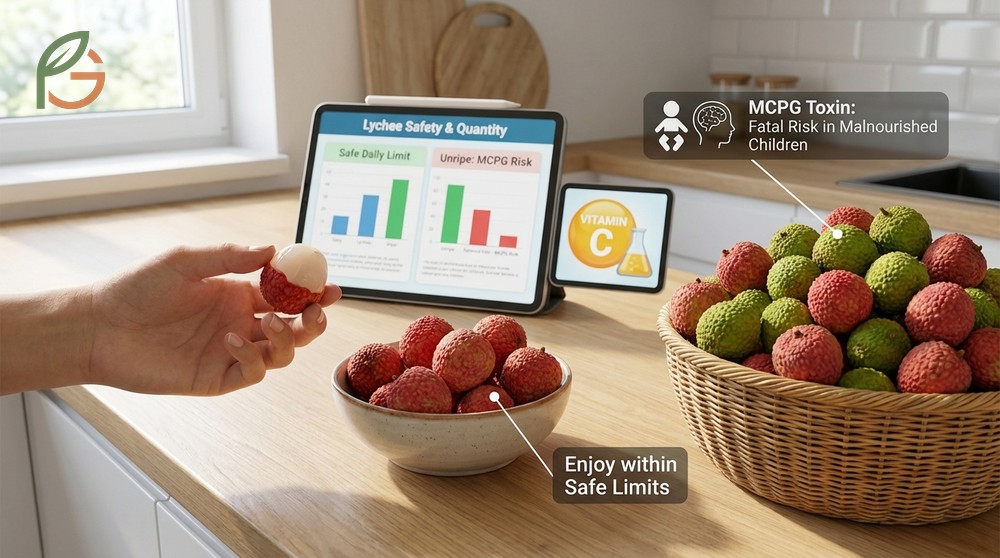
Lychee side effects range from mild digestive issues to serious hypoglycemia when consumed improperly. Research shows that unripe lychees contain methylenecyclopropylglycine (MCPG), a toxin linked to fatal encephalopathy in malnourished children[1]. While lychees provide impressive vitamin C levels, understanding safe consumption limits helps you enjoy this tropical fruit without health risks. FruitGarden synthesizes current medical research and safety data to help home gardeners and fruit enthusiasts make informed decisions about lychee consumption.
Quick Answer
- Adults can safely consume 30-45 lychees at one time without adverse effects[2]
- One serving equals 7-10 lychees (100g) containing 15.2g sugar[3]
- Children should eat fewer than 30 lychees per sitting to avoid hypoglycemic risk[2]
- Never eat unripe lychees on an empty stomach due to MCPG toxin concentration[1]
Lychee Side Effects
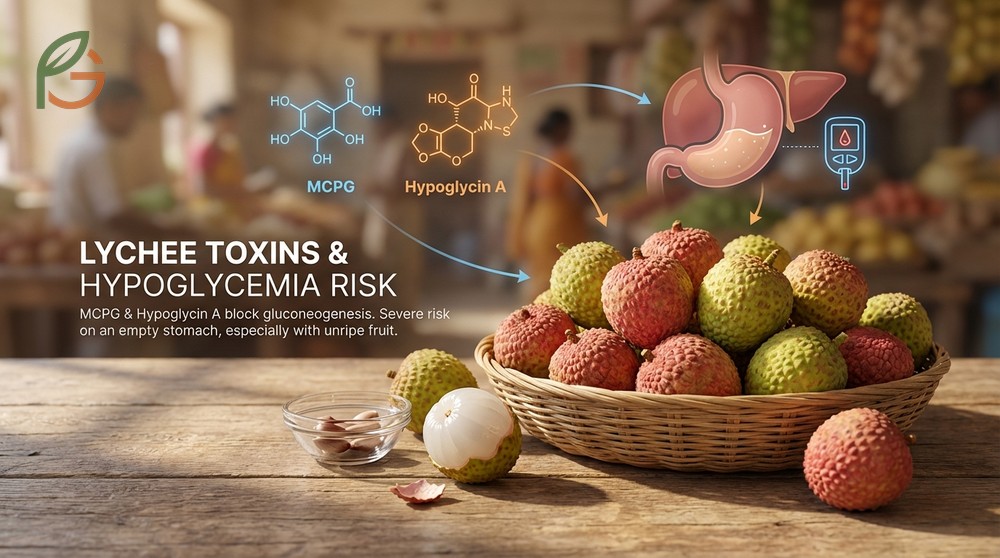
Studies demonstrate that lychee fruit contains two toxic compounds: methylenecyclopropylglycine (MCPG) and hypoglycin A, which are most concentrated in unripe fruit[1]. These toxins block gluconeogenesis and fatty acid metabolism, processes your body needs to maintain blood sugar levels. When someone with low glycogen stores consumes lychees—especially on an empty stomach—severe hypoglycemia can develop rapidly.
Research from Bihar, India documented recurring outbreaks of acute encephalopathy linked directly to lychee consumption during harvest season. Most victims were malnourished children who ate large quantities of unripe lychees before dinner. The MCPG toxin triggered refractory hypoglycemia that progressed to brain swelling and, in severe cases, death[1].
Current data indicates that well-nourished adults face minimal risk from ripe lychees eaten in moderation. The toxin levels drop significantly as lychees ripen, and adequate glycogen stores provide protection against hypoglycemia. However, vulnerable populations—including children, people with diabetes, and those who haven’t eaten recently—need stricter precautions.
MCPG Toxin Mechanism
MCPG interferes with your body’s energy production by blocking two critical pathways. First, it prevents gluconeogenesis, the process where your liver creates glucose from non-carbohydrate sources. Second, it inhibits beta-oxidation of fatty acids, stopping your body from using fat stores for energy.
When both pathways shut down simultaneously, blood glucose levels plummet. This explains why symptoms appear most often in children who ate lychees instead of dinner. Without recent food intake and with limited glycogen reserves, they lacked backup energy sources when MCPG blocked normal glucose production.
Symptoms of Lychee Toxicity
Early warning signs include sudden onset confusion, excessive sweating, and weakness. These symptoms typically appear within 2-8 hours after eating unripe lychees on an empty stomach. If untreated, the condition progresses to seizures, loss of consciousness, and potentially fatal brain swelling.
Important Warning: If you or someone you know shows signs of severe hypoglycemia after eating lychees—confusion, rapid heartbeat, cold sweats, or difficulty staying awake—seek emergency medical care immediately. This is especially critical for children who may deteriorate rapidly.
Lychee Health Risks

Beyond the MCPG toxin concern, lychees present other health considerations you should understand before adding them to your regular diet. The fruit’s high sugar content and potential drug interactions require careful attention, particularly for people managing chronic conditions.
Evidence suggests that excessive lychee consumption can trigger inflammatory responses in some individuals. With 15.2 grams of sugar per 100 grams, overconsumption may lead to heat rash, acne breakouts, or itching in susceptible people[3]. These reactions appear more common during hot weather or when eating lychees daily for extended periods.
Blood Sugar Concerns
Lychees pack a significant glycemic punch despite their small size. A typical serving of 10 lychees delivers about 15 grams of natural sugars—primarily glucose and fructose—which can spike blood glucose levels if you’re not careful about portion control.
People with diabetes or prediabetes should monitor their response carefully. The fruit’s glycemic index sits around 79, placing it in the high category. Pairing lychees with protein sources like nuts or Greek yogurt can slow sugar absorption and minimize blood glucose spikes.
Drug Interactions with Lychee
Research shows that compounds in lychee pericarp (the inner fruit layer) may amplify bleeding risks when combined with anticoagulant medications[3]. This interaction affects common blood thinners including aspirin, warfarin, heparin, and NSAIDs like ibuprofen or naproxen.
If you take any blood-thinning medication or supplements like Ginkgo biloba, discuss lychee consumption with your healthcare provider. They may recommend limiting portions or monitoring for increased bruising, which signals heightened bleeding risk.
Lychee Allergic Reactions

Clinical studies demonstrate that lychee fruit contains significant amounts of profilin, a pan-allergen that triggers severe reactions in sensitized individuals[4]. Profilin causes cross-reactivity with other plant foods, meaning someone allergic to birch pollen or certain fruits might react to lychees even without prior exposure.
Anaphylactic reactions to lychee can escalate rapidly. Initial symptoms include oral tingling, lip swelling, and throat tightness appearing within minutes of consumption. Severe cases progress to difficulty breathing, whole-body hives, rapid pulse, and dangerous blood pressure drops requiring immediate epinephrine administration.
Most people don’t realize they’re at risk until their first reaction. If you have known allergies to apples, peaches, cherries, or latex, approach lychees cautiously. Start with a tiny amount and wait 30 minutes before eating more. Stop immediately if you notice any mouth tingling or skin changes.
Allergy Alert: Never consume lychees if you’ve had previous allergic reactions to this fruit. Even minimal exposure can trigger life-threatening anaphylaxis. Carry an epinephrine auto-injector if you have severe food allergies and plan to try lychees.
- Oral itching or burning sensation within 5-10 minutes of eating
- Facial swelling, particularly around lips, tongue, or throat
- Skin reactions including hives, redness, or severe itching
- Respiratory symptoms such as wheezing, coughing, or shortness of breath
- Gastrointestinal distress including nausea, vomiting, or abdominal cramping
- Cardiovascular symptoms like dizziness, rapid heartbeat, or fainting
Lychee Consumption Limits

Agricultural data shows that safe lychee quantities vary significantly by age, nutritional status, and overall health. A researcher who consumed 45 lychees in a controlled self-experiment experienced no adverse effects, providing a reasonable upper limit for healthy adults[2]. His blood tests showed hypoglycin levels stayed well below the dangerous threshold seen in affected children.
For children, the cutoff sits much lower. Evidence from outbreak investigations suggests that 30 lychees represents a reasonable maximum for kids, with younger or smaller children needing even stricter limits. The key difference isn’t just body size—children typically have smaller glycogen reserves and may skip meals more readily, increasing vulnerability to MCPG toxicity.
Current guidance emphasizes eating lychees as part of balanced meals rather than as standalone snacks. A standard serving of 7-10 lychees (100 grams) fits comfortably within daily fruit recommendations for most people. This portion provides excellent vitamin C—nearly 90-110% of daily needs—without excessive sugar intake.
This table compares safe lychee consumption quantities across different age groups and health conditions with specific serving recommendations
| Population Group | Maximum per Sitting | Daily Recommendation | Special Precautions |
|---|---|---|---|
| Healthy Adults | 30-45 lychees[2] | 10-15 lychees (1-2 servings) | Eat with meals; choose ripe fruit only |
| Children (6-12 years) | Fewer than 30[2] | 5-10 lychees (0.5-1 serving) | Never on empty stomach; ensure adequate dinner |
| Young Children (2-5 years) | 10-15 lychees | 3-7 lychees (0.3-0.7 serving) | Supervise eating; only fully ripe fruit |
| People with Diabetes | 7-10 lychees | 5-7 lychees (0.5 serving) | Monitor blood glucose; pair with protein |
| Pregnant/Nursing | 10-15 lychees | 7-10 lychees (1 serving) | Avoid unripe fruit; maintain regular meals |
- Always eat lychees after a balanced meal, never on an empty stomach
- Select only fully ripe lychees with bright red skin and sweet aroma
- Limit consumption to 1-2 servings (10-20 lychees) per day for adults
- Keep children’s portions smaller and supervise eating to prevent overconsumption
- Avoid unripe or partially ripe lychees, which contain highest MCPG levels
- Space out lychee consumption throughout the day rather than eating large quantities at once
Lychee Safety Concerns
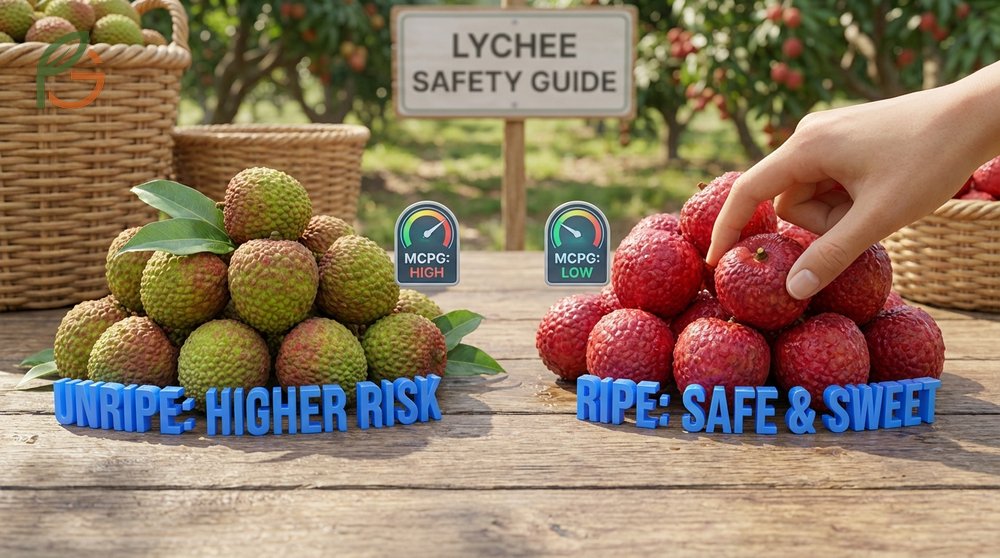
Agricultural data emphasizes that lychee safety depends heavily on fruit ripeness and preparation. Unripe lychees contain 10-20 times more MCPG than fully ripe fruit, making ripeness the single most important safety factor. You can identify ripe lychees by their vibrant red color, slight give when pressed gently, and sweet fragrance.
Storage conditions also matter for lychee safety. Fresh lychees keep for 3-5 days at room temperature but last 2-3 weeks refrigerated. Don’t eat lychees that show browning, mold, or fermented odors—these signs indicate spoilage that could cause food poisoning separate from MCPG concerns.
For home gardeners growing lychee trees, harvest timing becomes critical. Wait until fruits develop full color and slightly soft texture before picking. Testing one fruit first helps ensure the entire cluster has reached safe ripeness. Most lychee poisoning cases involve fruit picked prematurely or fallen unripe fruit that children collected and ate.
Safety Tip: Pesticide residues on lychees can compound health risks. Wash fruit thoroughly under running water before peeling, even if you don’t eat the skin. This removes surface pesticides and reduces contamination risk for children who may touch their faces while eating.
- Select lychees with bright red, unblemished skin and no brown spots
- Smell fruit before buying—ripe lychees have sweet, floral aroma without fermentation notes
- Press gently to check ripeness; fruit should yield slightly but not feel mushy
- Refrigerate unused lychees promptly to maintain freshness and slow toxin development
- Teach children to recognize ripe vs. unripe fruit and never eat fallen or green lychees
- Discard any lychees with cracked skin, mold growth, or off-putting odors
Conclusion
The evidence is clear: lychee side effects pose real risks when fruit is consumed carelessly, but proper precautions make lychees safe for most people. Adults can enjoy 30-45 ripe lychees without worry, while children need smaller portions and closer supervision. Never eat unripe lychees on an empty stomach, especially if you’re young, malnourished, or managing diabetes.
Current medical guidance emphasizes fruit ripeness, portion control, and timing as the three pillars of safe lychee consumption. By following these evidence-based recommendations, you’ll get lychees’ impressive vitamin C benefits—up to 110% of daily needs in just 10 fruits—without exposing yourself to MCPG toxicity or allergic reactions. FruitGarden provides research-backed information to help fruit enthusiasts make informed choices about tropical fruit safety and cultivation.
Medical Disclaimer
Important Medical Disclaimer: This content is for informational and educational purposes only. It is not intended as a substitute for professional medical advice, diagnosis, or treatment. Always consult a qualified healthcare professional before making any changes to your diet, especially if you have diabetes, food allergies, take blood-thinning medications, or have other medical conditions. If you experience symptoms of severe hypoglycemia or allergic reaction after eating lychees, seek emergency medical care immediately.
Frequently Asked Questions
Can Eating Too Many Lychees Make You Sick?
Yes, eating too many lychees can cause illness, particularly if consumed on an empty stomach or if the fruit is unripe. The MCPG toxin in lychees blocks glucose production, potentially causing severe hypoglycemia with symptoms including confusion, sweating, weakness, and in extreme cases, seizures or coma. Adults who eat more than 45 lychees at once may experience digestive discomfort, while children face serious hypoglycemic risks at lower quantities.
How Many Lychees Are Safe to Eat Per Day?
Healthy adults can safely eat 10-20 lychees per day (1-2 servings), while children should limit intake to 5-10 lychees daily. These amounts provide excellent vitamin C without excessive sugar or MCPG exposure. Always spread consumption throughout the day rather than eating all lychees at once, and never consume them on an empty stomach.
What Are the Signs of Lychee Poisoning?
Lychee poisoning symptoms typically appear 2-8 hours after eating unripe fruit and include sudden confusion, excessive sweating, weakness, rapid heartbeat, and dizziness. Severe cases progress to vomiting, seizures, loss of consciousness, and potentially fatal brain swelling. Children and malnourished individuals show symptoms more rapidly and severely than healthy adults.
Can You Be Allergic to Lychees?
Yes, lychee allergies occur due to profilin proteins that trigger cross-reactions in people sensitive to birch pollen or certain fruits. Symptoms range from mild oral tingling and lip swelling to severe anaphylaxis with breathing difficulty, full-body hives, and dangerous blood pressure drops. Anyone with known fruit allergies or latex sensitivity should approach lychees cautiously and stop eating immediately if symptoms develop.
Are Unripe Lychees Dangerous?
Unripe lychees are extremely dangerous because they contain 10-20 times more MCPG toxin than ripe fruit. This compound blocks glucose production and can cause fatal hypoglycemic encephalopathy, especially in children. Never eat green or partially ripe lychees, and only select fruit with bright red color, slight softness, and sweet aroma indicating full ripeness.
Do Lychees Interact with Medications?
Yes, compounds in lychee fruit can increase bleeding risks when combined with blood-thinning medications including aspirin, warfarin, heparin, ibuprofen, and naproxen. Lychees may also interact with supplements like Ginkgo biloba. If you take anticoagulants or have bleeding disorders, consult your healthcare provider before adding lychees to your diet and watch for unusual bruising.
Should People with Diabetes Avoid Lychees?
People with diabetes don’t need to avoid lychees completely but should exercise caution due to the fruit’s high glycemic index (79) and sugar content (15.2g per 100g). Limit portions to 5-7 lychees per serving, pair with protein sources to slow sugar absorption, and monitor blood glucose response. Never eat lychees on an empty stomach if you have diabetes, as this increases both hypoglycemia and hyperglycemia risks.





