Mandarin Tree Leaf Curl: Diagnosis and Treatment
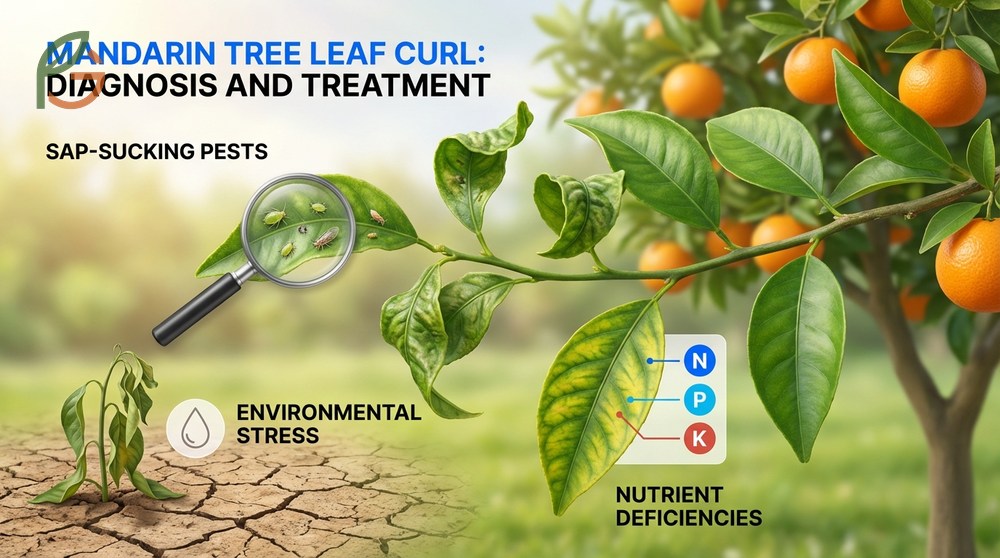
Mandarin tree leaf curl affects growth and fruit yield. Learn to identify causes like aphids, psyllids, and nutrient deficiencies, plus proven treatments.

 Taki Lockman
Mandarin tree leaf curl affects growth and fruit yield. Learn to identify causes like aphids, psyllids, and nutrient deficiencies, plus proven treatments.
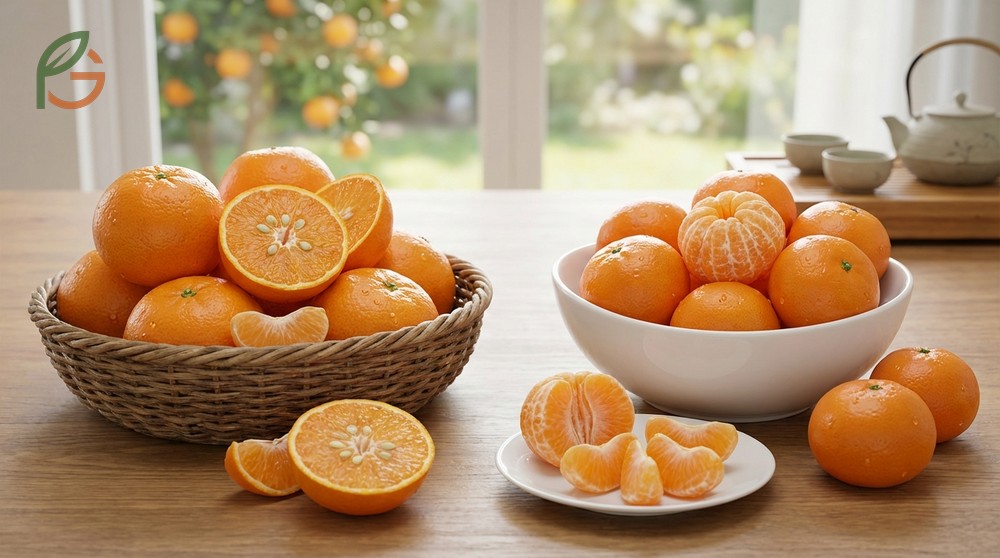
Mandarin orange vs clementine: key differences include origin, seeds, and taste. Clementines are seedless hybrids with thick skin, while mandarins are aromatic.
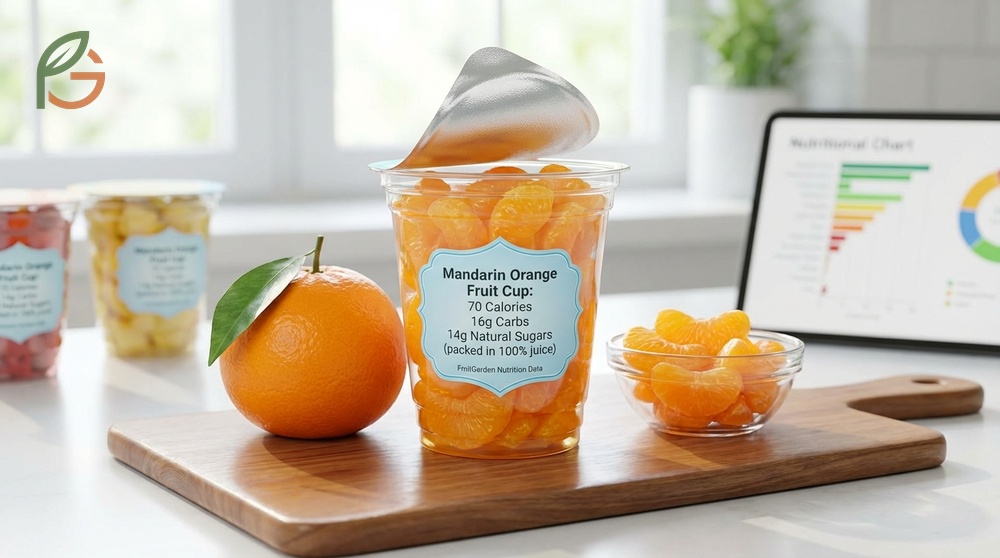
Mandarin orange fruit cup contains 70 calories per 4 oz serving with 16g carbs and 14g sugar. Compare nutrition facts for juice-packed vs syrup options.
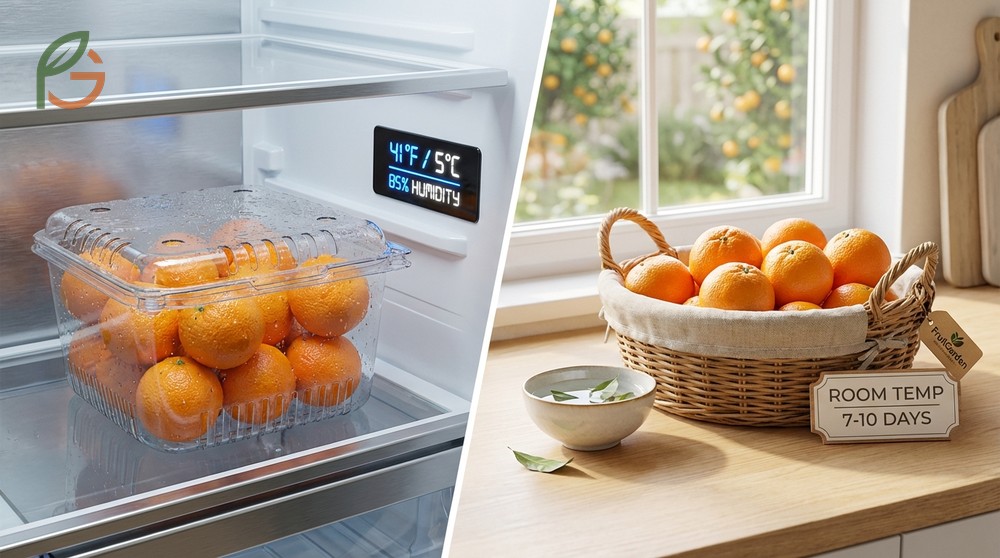
How to store mandarin oranges? Refrigerate at 41-46°F (5-7°C) for 2-4 weeks or keep at room temperature for 7-10 days. Proper storage maintains freshness and flavor.
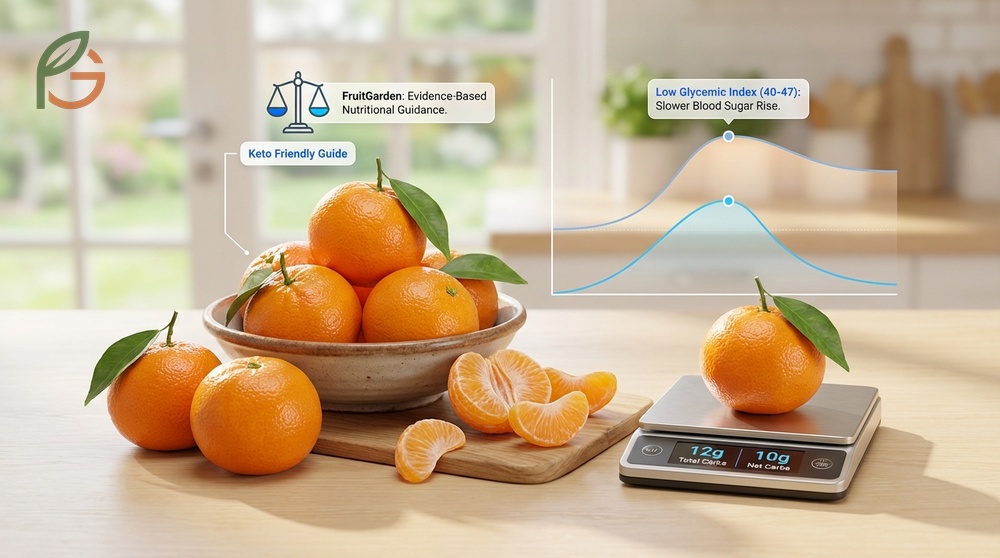
Carbs in mandarin oranges? One medium fruit contains 12g total carbs and 10g net carbs. Learn if mandarins fit your keto diet and smart portion strategies.
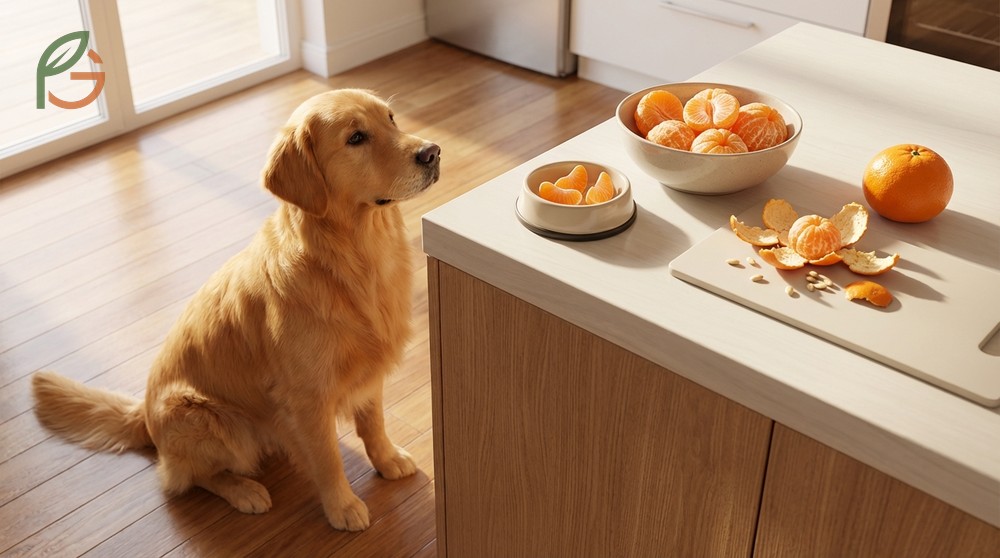
Can dogs eat mandarin oranges? Yes, in moderation. Learn safe serving sizes, health benefits, risks of citrus for dogs, and expert feeding guidelines.
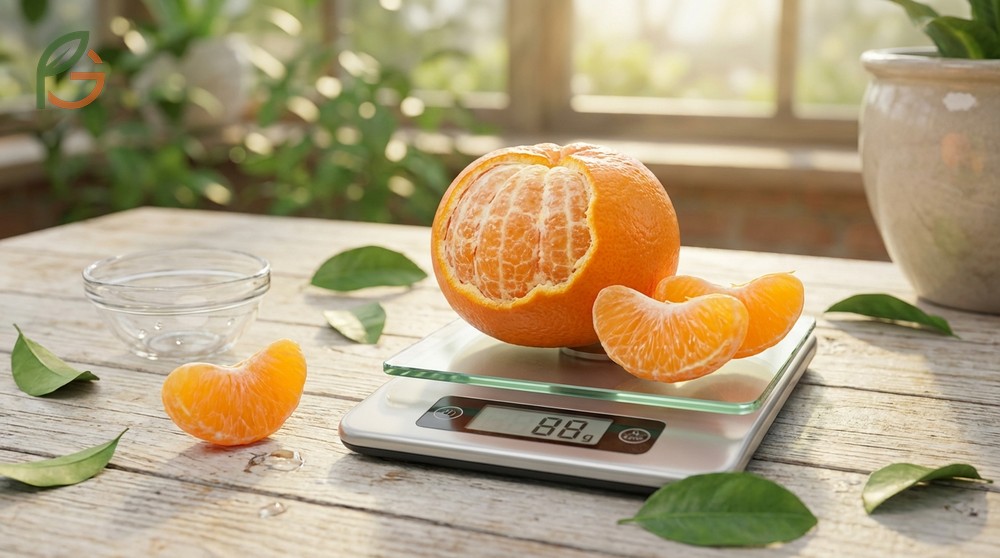
Calories in a mandarin orange total just 47 per medium fruit with 12g carbs and 2g fiber. This low calorie fruit delivers 26% daily vitamin C for healthy snacking.
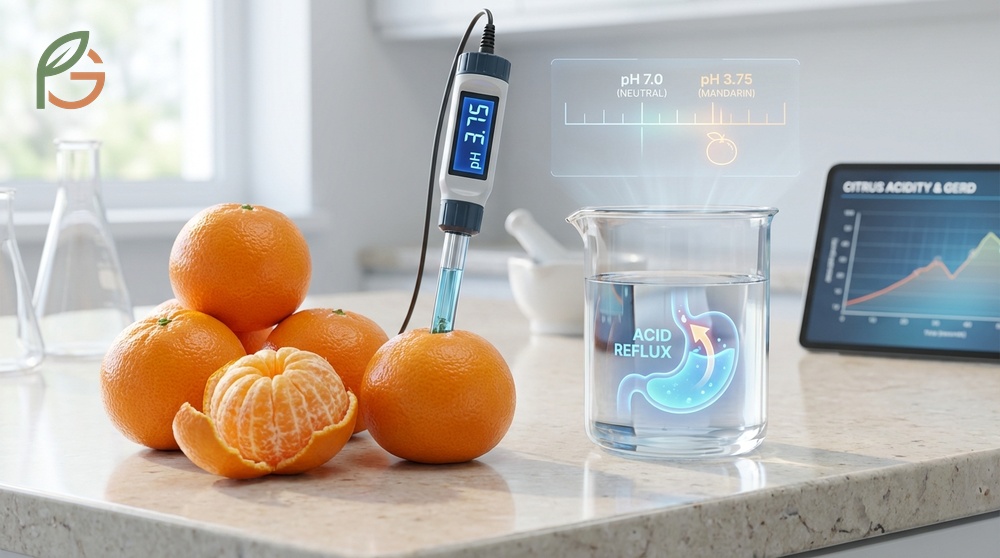
Are mandarins acidic? Yes, with a pH of 3.75. Research shows mandarins contain citric acid that may trigger reflux, but they’re less acidic than lemons.
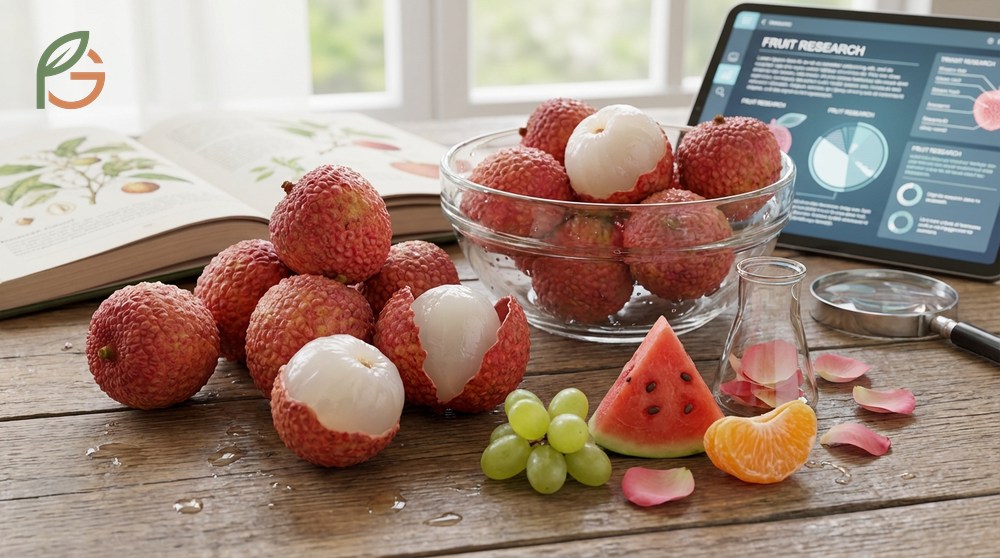
What does lychee taste like? A sweet floral blend of grapes, watermelon, and rose with citrus notes. Discover lychee’s jelly-like texture, pronunciation, and how to pronounce lychee.
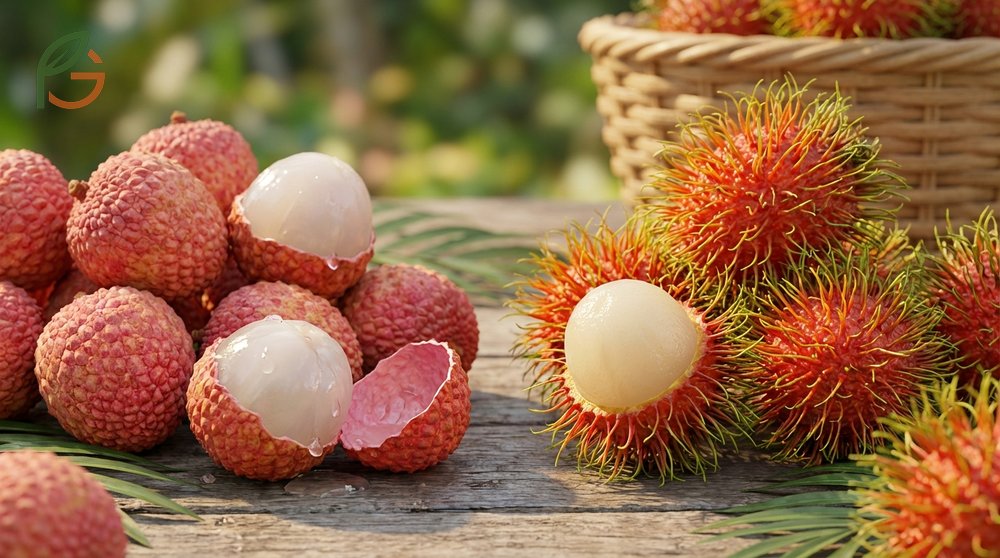
Lychee vs rambutan differences explained: lychees have bumpy pink shells and floral taste while rambutans show hairy red spikes with creamy sweetness.