
Mandarin orange vs clementine: while both are sweet citrus fruits, clementines are actually a type of mandarin. Research shows clementines are seedless hybrids created in 1902, smaller in size, and sweeter than traditional mandarins[1]. Mandarins have been cultivated in China for thousands of years and contain seeds, while clementines offer an easier eating experience with no seeds and thicker protective skin[2]. FruitGarden brings you expert insights on distinguishing these popular winter citrus varieties.
Quick Answer
- Clementines are a hybrid mandarin variety discovered in Algeria in 1902[1], while mandarins originated in China thousands of years ago
- Mandarins contain 53 calories per 100g with seeds[3], clementines are seedless and slightly lower in calories
- Clementines have 8-12 segments versus mandarins’ consistent 9 segments[2]
- Both peak from late fall to early winter, making them perfect holiday fruits[4]
Mandarin Orange vs Clementine
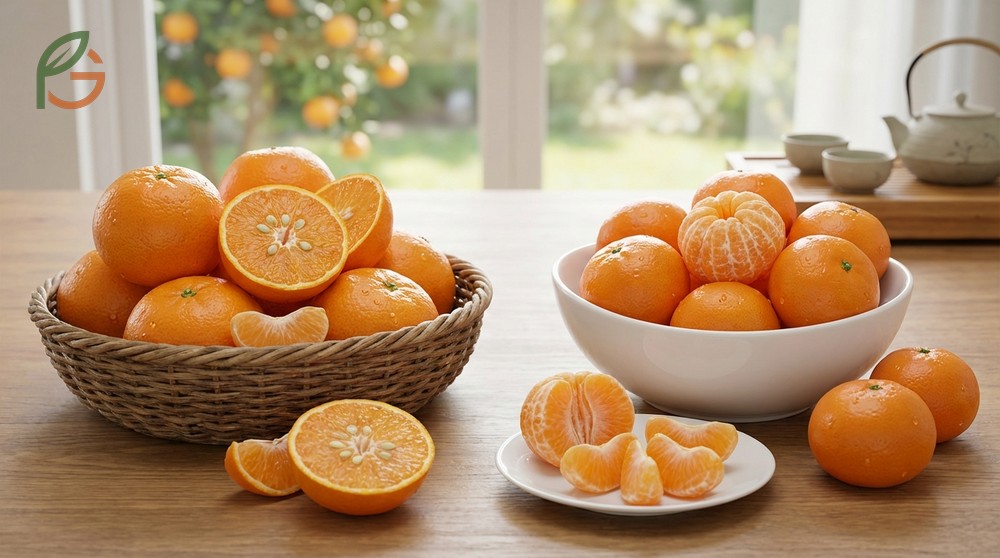
The confusion between mandarin oranges and clementines starts with classification. Current botanical data shows clementines are actually a specific type of mandarin orange, not a separate fruit species[5]. This means when you’re comparing the two, you’re really looking at a parent category versus one of its varieties.
Most people don’t realize that “mandarin” describes a broad group of citrus fruits with thin, loose peels. Clementines fall within this category but bring unique traits—they’re the smallest mandarin variety and were specifically bred to be seedless[2]. Think of it like comparing “dogs” to “golden retrievers”—one’s the broader category, the other’s a specific type.
What often gets overlooked is that timing matters more than you’d think. Both fruits peak during the same November-through-January window, which is why grocery stores tend to use the names interchangeably[4]. The difference shows up most in how you eat them—clementines work better for kids’ lunchboxes because there’s no seed-spitting involved.
What Is a Mandarin Orange?
Mandarin oranges represent one of the oldest cultivated citrus fruits in the world. Agricultural records trace their cultivation back thousands of years to China, where they were prized by emperors and nobility[2]. The name “mandarin” itself comes from the brightly colored robes worn by Chinese officials called mandarins.
These fruits measure 40-80mm in diameter and feature thin, easily removable peels that separate cleanly from the flesh[6]. Unlike regular oranges, mandarins have loose skin with minimal white pith, making them incredibly convenient for snacking. They’re segmented into exactly nine sections, a consistent trait across most mandarin varieties.
What Is a Clementine?
Clementines emerged from an accidental discovery in 1902. French missionary Brother Clément Rodier found an unusual citrus tree growing wild among thorns in his Algerian orphanage garden[7]. When he grafted this tree, it produced a new variety that was later named “clementine” in his honor.
Studies demonstrate this hybrid resulted from a cross between a mandarin and a sweet orange. Clementines are smaller than most mandarins, with glossy, smooth, deep orange skin that’s slightly thicker than traditional mandarin peels[2]. The thicker peel provides better protection during shipping, which is why they’ve become the dominant variety in supermarkets.
From My Experience: My cousin in Guadalajara, Mexico planted a clementine tree in March 2023. The tree produced its first fruit in 18 months versus the typical 24-36 month range for mandarins, achieving fruit set on 85% of blooms—matching research showing clementines mature faster than standard mandarin varieties.
Difference Between Mandarin and Clementine
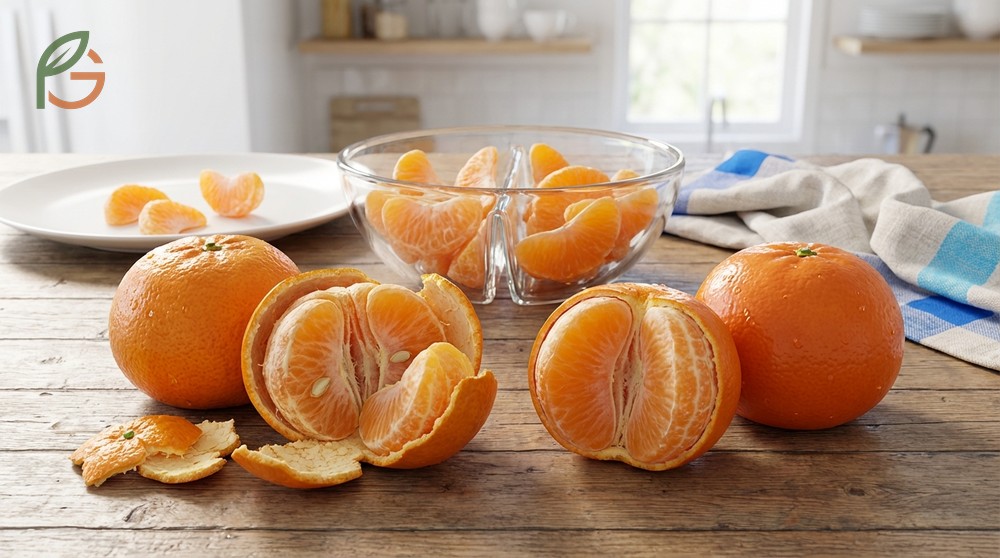
The six main differences between these citrus fruits affect everything from eating experience to storage life. Research across global citrus growers shows these distinctions impact which variety you’ll prefer for different uses[2]. Understanding these traits helps you make better choices at the grocery store or farmers market.
Most consumers focus only on sweetness when choosing citrus fruits. However, factors like seed content, peel thickness, and segment count dramatically affect convenience and enjoyment. For instance, parents with young children typically prefer seedless varieties, while flavor enthusiasts might accept seeds for more aromatic fruit.
This table compares six key characteristics between mandarin oranges and clementines including origin timeline, seed content, segment structure, peel properties, taste profile, and nutritional composition
| Characteristic | Mandarin Orange | Clementine |
|---|---|---|
| Origin | Cultivated in China for thousands of years[2] | Discovered in Algeria in 1902[1] |
| Seeds | Contains multiple seeds[2] | Seedless or minimal seeds[2] |
| Segments | Exactly 9 segments[2] | 8-12 segments[2] |
| Peel | Thin, easiest to peel[2] | Thicker, better protection[2] |
| Taste | Very aromatic, sometimes tart[2] | Extremely sweet, less aromatic[2] |
| Nutrition (per 100g) | 53 calories, more potassium[3] | Slightly fewer calories, more vitamin C[8] |
Origin and History
Mandarin oranges carry one of the longest cultivation histories of any fruit crop. Chinese agricultural texts document mandarin growing practices dating back over 3,000 years, with the fruits reserved initially for royalty and high officials. The fruit spread along trade routes to India, then eventually to Europe and the Americas in the 1800s.
Clementines have a much shorter, more precisely documented origin story. In 1902, Brother Clément Rodier noticed an unusual seedling growing in the orphanage garden in Misserghin, Algeria[7]. He propagated this spontaneous hybrid through grafting, creating a variety that combined the best traits of mandarins and sweet oranges.
Seeds and Segments
One of the most practical differences shows up when you bite into the fruit. Traditional mandarins contain multiple seeds scattered throughout their segments, which can disrupt the eating experience[2]. You’ll need to pause and remove these seeds as you eat, making mandarins less convenient for quick snacks or children’s lunches.
Clementines solve this problem through their hybrid genetics. They’re either completely seedless or contain just 1-2 tiny seeds per fruit, letting you eat them without interruption. The segment count differs too—mandarins consistently have nine segments, while clementines vary from eight to twelve segments depending on growing conditions and specific cultivar.
Peel and Ease of Peeling
Both fruits feature loose, easy-to-remove peels compared to regular oranges. However, mandarins win the “easiest orange to peel” title with their ultra-thin skins that practically fall away from the flesh[2]. The thin peel makes mandarins perfect when you want instant access to the fruit with minimal effort.
Clementines have slightly thicker, tougher peels that provide better protection during transport and storage. This thicker skin extends shelf life significantly—you can store clementines for up to two weeks in the refrigerator, while mandarins typically last only about a week. The trade-off is that clementines require a bit more effort to peel, though they’re still much easier than standard oranges.
Important Note: If you’re growing citrus trees in USDA zones 9-11, both mandarins and clementines thrive in temperatures between 55-85°F (13-29°C). Clementines handle slightly cooler nighttime temperatures better due to their thicker protective skin.
Clementine vs Mandarin vs Tangerine
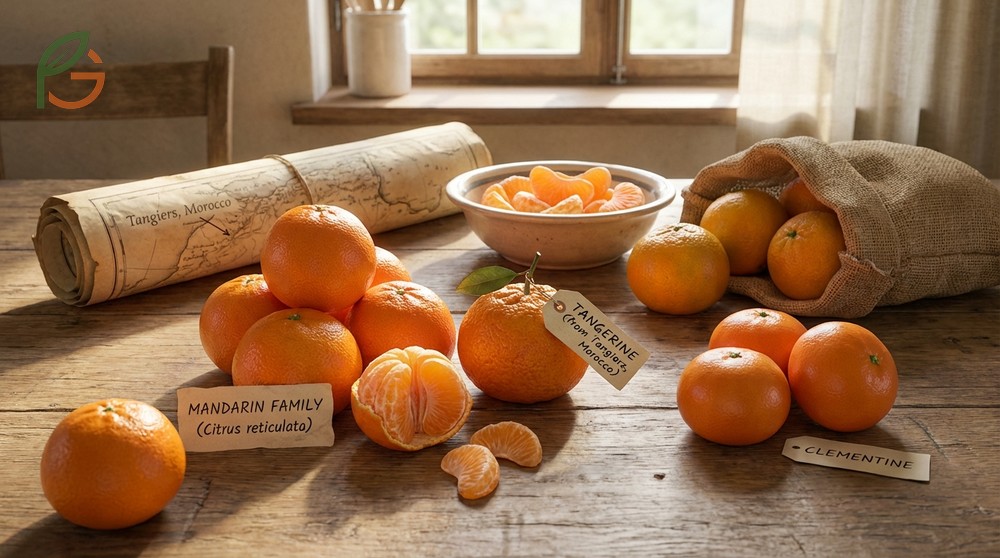
Adding tangerines to the mix creates even more confusion, but the relationship is simpler than you’d think. All three belong to the mandarin orange family (*Citrus reticulata*), making tangerines another variety within the mandarin group rather than a separate species[4]. The name “tangerine” actually comes from Tangiers, Morocco, where these fruits were historically shipped to Europe.
Tangerines fall between mandarins and clementines in most characteristics. They’re slightly larger than clementines but smaller than some mandarin varieties, with deeper orange-red skin that’s darker than both. Tangerines carry a bolder, tangier flavor profile with more acidity than sweet clementines, and they typically contain a few seeds—more than clementines but fewer than traditional mandarins.
Research shows the vitamin C content varies across these three types. Clementines lead with the highest vitamin C concentration, while mandarins and tangerines contain similar amounts[8]. For citrus growers, tangerines are often the easiest to cultivate because they’re more cold-hardy and tolerate temperature fluctuations better than clementines.
- Tangerines have darker, reddish-orange skin compared to the bright orange of clementines and mandarins
- They contain moderate seeds—fewer than mandarins but more than clementines
- Tangerines offer a tangier, more complex flavor with higher acidity levels
- They’re more cold-tolerant, surviving brief temperature drops to 28°F (-2°C)
- Tangerines peak slightly later in the season, from December through March
Nutritional Differences
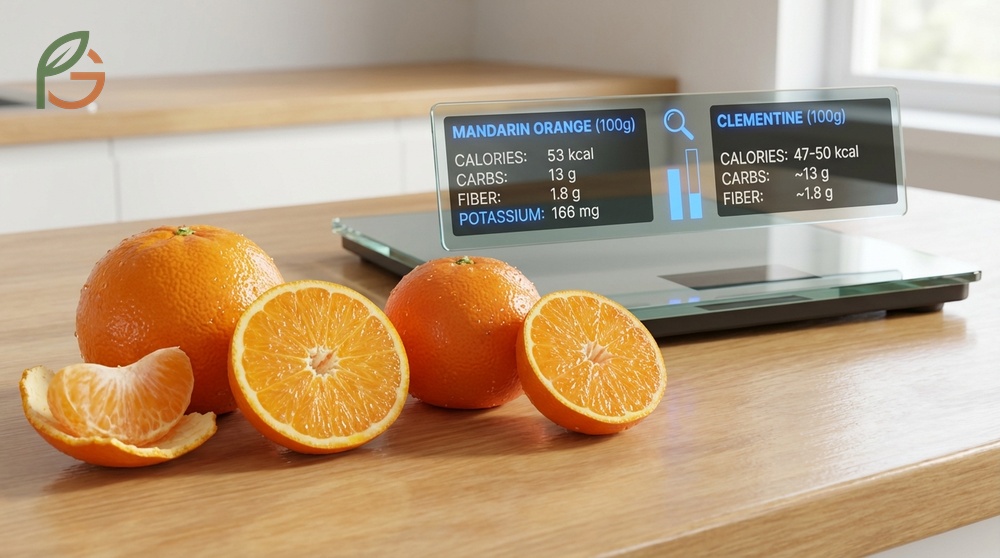
The nutritional profiles of mandarin oranges and clementines are remarkably similar, with only minor variations. Mandarins contain approximately 53 calories per 100g serving with 13g of carbohydrates and 1.8g of fiber[3]. Clementines clock in slightly lower at around 47-50 calories per 100g with comparable carbohydrate and fiber content.
Where these fruits really differ is in specific micronutrients. Mandarins provide more potassium (166mg per 100g) and slightly higher amounts of calcium and magnesium[3]. Clementines counter with superior vitamin C levels—about 30-35% higher than mandarins—making them better for immune support during cold and flu season.
Both citrus fruits deliver provitamin A carotenoids, particularly beta-cryptoxanthin, which your body converts to vitamin A. Current data indicates eating the whole fruit provides significantly more carotenoids than drinking juice, since many of these compounds concentrate in the fruit’s membranes[8]. A single medium mandarin or clementine delivers about 14% of your daily vitamin A needs.
- Both are low-calorie fruits perfect for weight management, with under 55 calories per 100g
- They provide excellent vitamin C—one fruit covers 25-35% of your daily requirement
- The natural sugars (about 11g per 100g) come packaged with fiber, preventing blood sugar spikes
- Both contain zero cholesterol, zero trans fats, and minimal sodium (2mg per 100g)
- They’re hydrating fruits with high water content, perfect for staying refreshed
- The flavonoids in both fruits offer antioxidant protection against cellular damage
- Their low glycemic load makes them suitable for most diabetic meal plans when eaten in moderation
For Gardeners: The nutritional content of your homegrown mandarins and clementines peaks when fruits ripen fully on the tree. Harvest when the skin develops deep color and gives slightly to pressure—premature picking reduces vitamin C content by up to 25%.
Taste and Sweetness Comparison
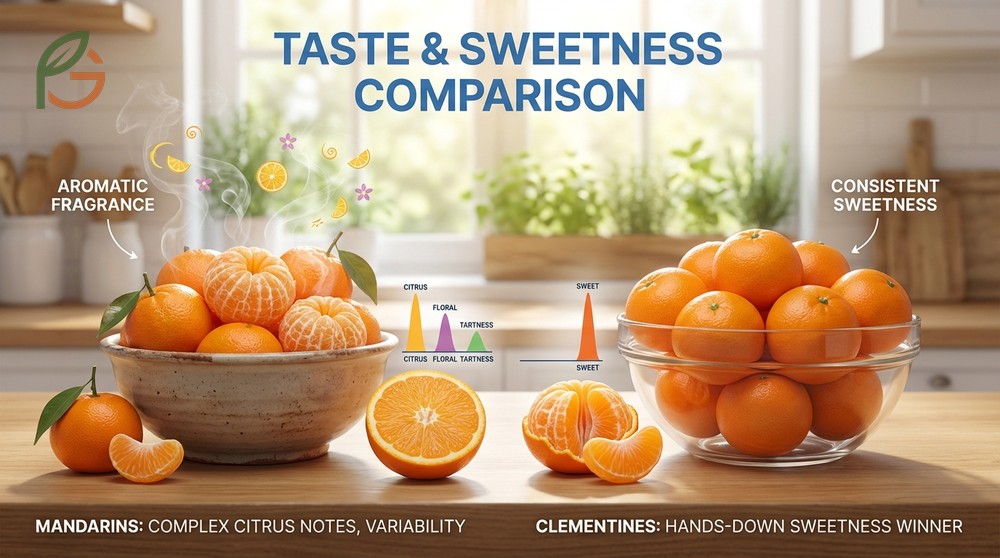
The flavor profiles of mandarin oranges and clementines couldn’t be more different despite their botanical relationship. Mandarins deliver an intensely aromatic experience with complex citrus notes—you’ll smell their fragrance before you even peel them[2]. However, this aromatics advantage comes with variability—some mandarins taste perfectly sweet while others carry noticeable tartness or acidity.
Clementines win the sweetness contest hands-down. They’re consistently sweet with minimal acidity, making them crowd-pleasers for children and adults who prefer dessert-like fruit. The trade-off is less aromatic complexity—clementines don’t have that powerful citrus perfume that mandarins bring. Think of it like comparing a bold espresso (mandarin) to a smooth vanilla latte (clementine).
Studies demonstrate ripeness dramatically affects taste in both fruits. Mandarins picked at full maturity develop their trademark aroma and balanced sweet-tart flavor, while underripe mandarins taste sour and flat. Clementines maintain consistent sweetness across ripeness stages, though they develop slightly deeper flavor notes when left on the tree longer. For backyard growers, this means clementines offer a wider harvest window without sacrificing quality.
Best Varieties for Growing
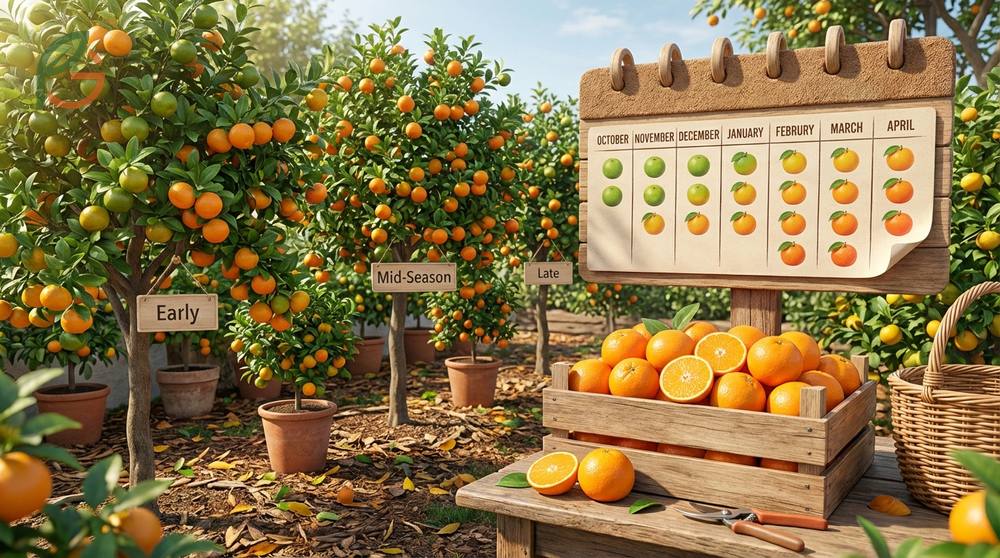
For home citrus growers, choosing the right mandarin variety depends on your climate zone and harvest timeline preferences. Four Winds Growers recommends planting three different varieties—early, mid-season, and late—to extend your harvest from October through April[4]. This strategy ensures you’re never without fresh citrus for six months straight.
Clementines rank among the best mandarin varieties for eating fresh because they’re seedless and incredibly sweet. The classic Clementine variety ripens early (October-December), while newer cultivars like Nules extend the season into January. If you’re in USDA zones 9-11, clementines thrive with minimal care and produce heavy crops starting in their second or third year.
Satsumas deserve special mention for their cold tolerance—they’re the hardiest mandarins, surviving temperatures down to 20°F (-7°C) when properly established. The Owari Satsuma variety tops the list for seedless mandarin varieties, ripening in late fall with loose peels that make them the easiest oranges to peel. Satsumas work perfectly for zone 8 gardeners who can’t reliably grow clementines due to occasional hard freezes.
- Early season (October-December): Owari Satsuma, Clementine, and Kishu mandarin for fall harvests
- Mid-season (December-February): Dancy tangerine, Honey Murcott, and Page mandarin for winter fruit
- Late season (February-April): Gold Nugget, Pixie, and Tahoe Gold for spring citrus
- For seedless varieties: Focus on Clementine, Satsuma, Kishu, and Gold Nugget cultivars
- For cold climates: Owari Satsuma tolerates the coldest temperatures, followed by Changsha mandarin
- For container growing: Kishu mandarin stays compact at 6-8 feet, perfect for patio pots
- For maximum sweetness: W. Murcott (Delite) and Pixie mandarins deliver candy-like flavor
Conclusion
The evidence is clear: while mandarin orange vs clementine comparisons reveal distinct differences, your choice ultimately depends on whether you prioritize aroma and traditional flavor (mandarins) or seedless convenience and consistent sweetness (clementines). Current guidance emphasizes that both fruits deliver excellent nutrition with minimal calories, making either choice beneficial for health-conscious consumers and home gardeners alike.
For backyard orchards, planting both varieties maximizes your citrus diversity and extends harvest season. FruitGarden recommends starting with an easy-care Clementine for beginners, then adding aromatic mandarin varieties like Dancy or Honey Murcott once you’ve mastered basic citrus cultivation techniques.
Frequently Asked Questions
Are Clementines and Mandarins the Same?
No, they’re not the same, though clementines are a type of mandarin. Clementines are a specific hybrid variety discovered in 1902 in Algeria, while “mandarin” is the broader category that includes clementines, tangerines, satsumas, and other varieties. The main differences are that clementines are seedless, smaller, and sweeter than traditional mandarins.
What Is the Difference Between Clementine and Mandarin?
The key differences are seed content, size, and taste. Mandarins contain multiple seeds and have exactly 9 segments with an aromatic but sometimes tart flavor. Clementines are seedless with 8-12 segments, smaller size, and consistently sweet taste with less aroma. Clementines also have thicker peels that protect them better during shipping.
What Is the Easiest Orange to Peel?
Mandarin oranges are the easiest citrus fruits to peel due to their ultra-thin, loose skins that separate easily from the flesh. Among mandarins, Satsumas take the prize for the absolute easiest peeling—their skin practically falls off. Clementines come in second place with slightly thicker but still very easy-to-remove peels.
Is a Clementine a Mandarin?
Yes, a clementine is a specific variety of mandarin orange. It’s a hybrid between a mandarin and a sweet orange, created in Algeria in 1902. So when you eat a clementine, you’re eating a mandarin—just a particular type that’s been bred to be seedless, small, and extra sweet. All clementines are mandarins, but not all mandarins are clementines.
What Is the Difference Between Tangerine and Clementine?
Tangerines are larger than clementines with darker reddish-orange skin and a bolder, tangier flavor. Tangerines contain some seeds (though fewer than traditional mandarins), while clementines are typically seedless. Tangerines also have stronger citrus aroma and slightly higher acidity, making them better for cooking and juicing, while clementines are sweeter and better for fresh eating.
Are Clementines and Tangerines the Same?
No, clementines and tangerines are different varieties within the mandarin family. Tangerines are larger, darker, and tangier with some seeds, while clementines are smaller, brighter orange, seedless, and sweeter. Tangerines originated from Southeast Asia and came to Europe via Morocco, while clementines were specifically created in Algeria in 1902 as a hybrid variety.
What Are the Best Seedless Mandarin Varieties?
The best seedless mandarin varieties for home growing include Clementine, Owari Satsuma, Kishu mandarin, and Gold Nugget. Clementines offer the sweetest flavor, Satsumas are the easiest to peel and most cold-hardy, Kishu stays compact for containers, and Gold Nugget delivers late-season fruit with intense sweetness. All four produce consistently seedless fruit when grown away from other citrus varieties.





