
Mandarin tree leaf curl stems from three primary causes: sap-sucking pests like aphids and psyllids, environmental stress from improper watering, and nutrient deficiencies affecting citrus growth[1]. Research shows early diagnosis prevents yield loss and maintains fruit quality. What often gets overlooked is that leaf curl on mandarin trees can signal multiple underlying issues requiring different treatment approaches. FruitGarden synthesizes current horticultural research and university extension data to help you identify the exact cause and implement effective solutions.
Quick Answer
- Aphids and psyllids cause leaf distortion by feeding on tender growth, leaving sticky honeydew residue[1]
- Drought stress triggers inward curling with green leaves, while overwatering causes yellowing and curling from root damage[2]
- Magnesium deficiency creates triangular yellowing patterns on older mandarin leaves, common in 60% of citrus orchards[3]
- Treatment combines neem oil for pests, adjusted irrigation schedules, and targeted foliar sprays for nutrient corrections
Mandarin Tree Leaf Curl
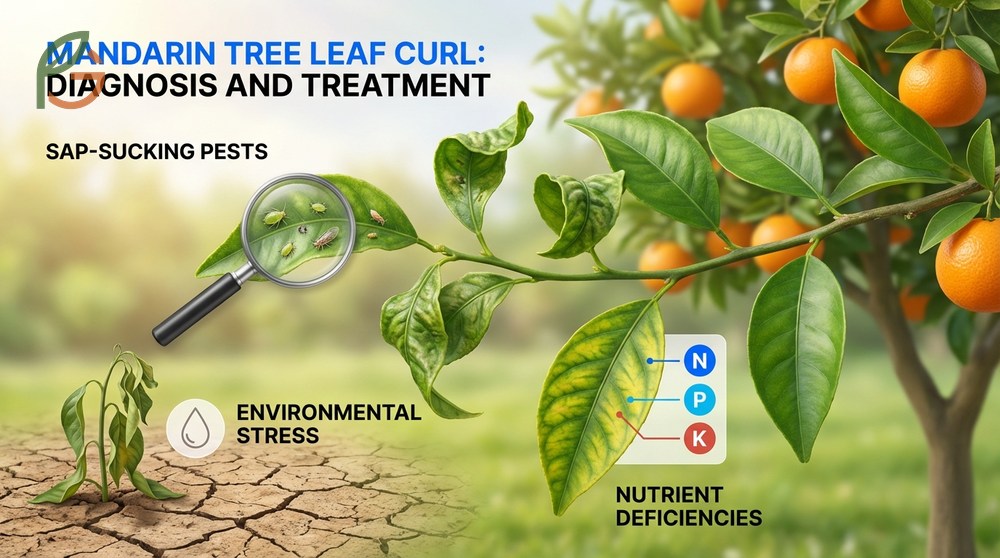
Mandarin tree leaf curl presents as twisted, cupped, or inward-rolling foliage that disrupts photosynthesis and reduces fruit production. Studies demonstrate that affected trees can lose up to 25% of their yield when leaf curl remains untreated for extended periods[1]. The condition differs from natural leaf movement during heat stress, which reverses once temperatures cool.
Current horticultural data indicates three primary pathways lead to mandarin leaf curl: biological invasion by sap-sucking insects, physiological stress from water imbalances, and biochemical disruption from nutrient shortages. Each pathway produces distinct visual patterns that serve as diagnostic markers. For instance, aphid-damaged leaves show sticky residue and black sooty mold, while drought-stressed leaves remain green but tightly curled[2].
Agricultural research emphasizes the importance of examining both leaf surfaces and surrounding soil conditions. Most people don’t realize that timing matters more than symptom severity when determining the underlying cause. Spring flush growth attacked by pests shows immediate curling within 48-72 hours, whereas nutrient-related curl develops gradually over 2-3 weeks as deficiencies compound.
Identifying Mandarin Leaf Symptoms
Visual diagnosis starts by checking new growth versus mature foliage on your mandarin tree. Pest damage concentrates on tender spring flush leaves that emerge light green and succulent, making them attractive to aphids and psyllids. These insects inject toxic saliva while feeding, causing immediate cellular distortion[1].
Leaf miners create a different pattern with serpentine trails visible as silvery lines on both leaf surfaces. The larvae tunnel between the epidermal layers, and the damaged tissue curls at the edges as it dries[1]. You’ll notice this most often on late summer and fall growth rather than the primary spring flush.
From My Experience: My cousin in Monterrey, Mexico noticed leaf curl on his mandarin tree in March 2024. After checking undersides, he found aphid clusters—population reached about 200 per shoot versus the typical 50-100 threshold before damage appears.
Diagnostic Timeline
Documenting when symptoms first appeared helps narrow the cause. Pest populations build rapidly during warm spring weather, with aphids capable of doubling every 3-5 days under optimal conditions[1]. Environmental stress from drought typically manifests 7-10 days after irrigation stops, while nutrient deficiencies take 4-6 weeks to produce visible curl.
Track the progression pattern on your mandarin tree by marking affected branches with colored tape. Pest damage spreads upward and outward from the initial infestation point, whereas environmental issues affect the entire canopy uniformly. Nutrient deficiencies start on older leaves (magnesium, nitrogen) or new growth (iron, zinc) depending on the element’s mobility within the plant[3].
Leaf Curl Disease
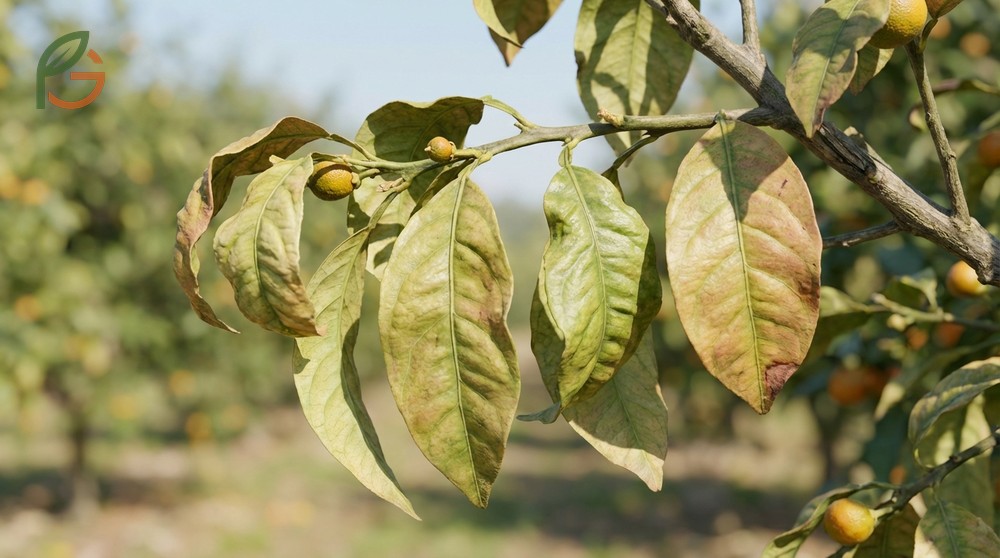
Evidence suggests that “leaf curl disease” in citrus encompasses multiple distinct conditions rather than a single pathogen. Unlike peach leaf curl caused by Taphrina deformans fungus, mandarin leaf curl rarely results from fungal infection alone. The term has become a catch-all descriptor for various disorders producing similar visual symptoms[4].
Current guidance from university extension programs emphasizes accurate diagnosis before treatment. Applying fungicides to pest-induced curl wastes resources, while spraying insecticides for nutrient deficiency proves equally ineffective. This matters because misdiagnosis leads to repeated treatment failures and mounting tree stress.
Agricultural data shows true disease-caused curl represents less than 15% of reported cases in home mandarin orchards[4]. Citrus canker and phytophthora root rot can cause secondary leaf curling, but they produce distinctive primary symptoms first—raised corky lesions for canker, and trunk gumming for root rot[1].
Pest-Induced Mandarin Curl
Sap-sucking insects account for 60-70% of mandarin leaf curl cases in residential plantings. Aphids colonize new growth in dense clusters of 50-300 individuals per shoot, extracting phloem sap and injecting growth-disrupting compounds[1]. The leaves respond by curling tightly inward, which ironically protects the aphids from predators and pesticide contact.
Asian citrus psyllids pose a more serious threat because they vector Huanglongbing (citrus greening disease) while causing direct feeding damage. High populations attack tender flush growth, and their toxic saliva causes pronounced leaf cupping and twisting[1]. You’ll see white waxy deposits and yellow mottling alongside the curl.
- Aphids (green, brown, or black forms) clustered on shoot tips with sticky honeydew excrement
- Asian citrus psyllids with white waxy secretions and characteristic 45-degree feeding posture
- Citrus leafminers creating serpentine silvery trails between leaf layers
- Spider mites producing fine webbing on leaf undersides with stippled yellowing
- Citrus thrips causing silvered, scarred tissue on young mandarin leaves
Important Note: Don’t confuse natural psyllid feeding damage with greening disease symptoms. Both cause leaf distortion, but greening produces asymmetric blotchy mottling and bitter, lopsided fruit that never colors properly. If you suspect greening, contact your local agricultural extension office immediately for testing.
Environmental Stress Factors
Water imbalances trigger protective leaf curling mechanisms in mandarin trees. Drought stress causes leaves to curl inward while retaining their green color, reducing surface area exposed to sun and wind. Research shows this response activates when soil moisture drops below 40% of field capacity for 5-7 consecutive days[2].
Overwatering produces opposite symptoms but similar curl patterns. Waterlogged roots can’t absorb oxygen, leading to root rot and impaired nutrient uptake. Leaves turn yellow before curling, and you’ll notice a general wilted appearance despite wet soil[4]. Heavy clay soils and poor drainage zones create these conditions most frequently.
Heat stress above 95°F (35°C) combined with low humidity causes temporary midday curling that reverses by evening. This differs from permanent curl because affected mandarin leaves flatten overnight when temperatures drop. Prolonged heat waves can make the curling persistent as cellular damage accumulates.
Citrus Leaf Problems
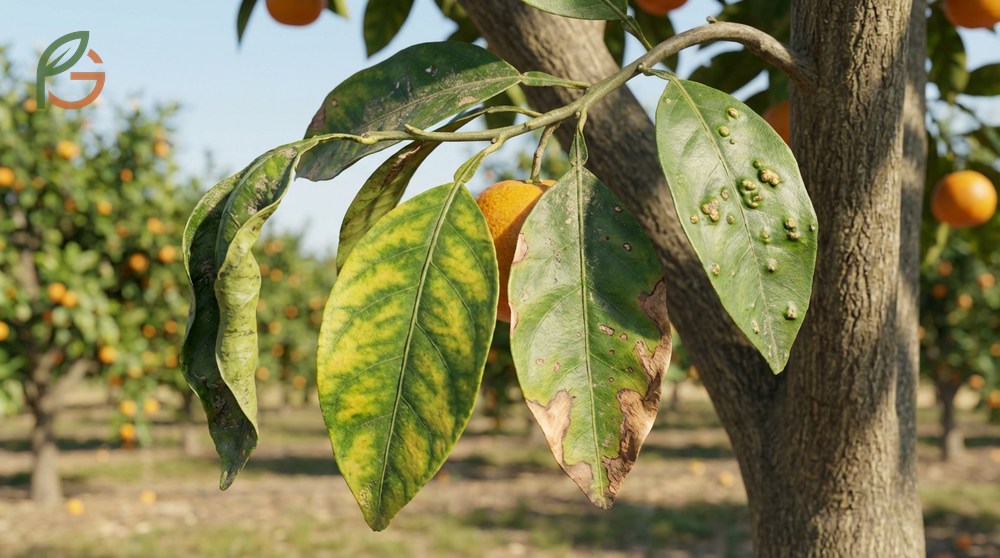
Citrus leaf problems extend beyond simple curling to include chlorosis, necrosis, and various deformities affecting mandarin productivity. Understanding the full spectrum helps contextualize leaf curl within broader tree health. Studies indicate that multiple concurrent issues often compound symptoms, making isolated diagnosis challenging[1].
Systematic observation reveals patterns that separate curl from other citrus foliage disorders. Scab creates raised wart-like pustules, while greasy spot produces dark oily blotches on lower leaf surfaces. Neither causes significant curling unless severe defoliation stresses the tree into producing weak replacement growth. Sunburn damage affects fruit more than leaves in mandarin varieties.
Agricultural data emphasizes the connection between leaf problems and root health. Phytophthora root rot shows aboveground symptoms including yellow vein chlorosis and leaf curl only after significant root damage has occurred[1]. This lag time means mandarin trees often suffer hidden damage before visible curl appears, highlighting why soil drainage matters as much as pest control.
Nutrient Deficiency Patterns
Nutrient deficiencies produce characteristic curl patterns combined with distinct chlorosis on mandarin trees. Magnesium deficiency creates an inverted V-shaped green area at the leaf base while the rest turns yellow and curls, affecting older leaves first[3]. Over 60% of commercial citrus orchards test low for magnesium, making this the most common deficiency-related curl[3].
Zinc deficiency produces “little leaf” with small, narrow leaves that curl upward along shortened stems. Leaf analyses show more than 60% of citrus orchards contain insufficient zinc levels[3]. The condition becomes acute in alkaline soils above pH 7.5 where zinc availability drops sharply.
This table compares visual symptoms, affected foliage age, and progression patterns across four major nutrient deficiencies causing mandarin leaf curl
| Nutrient | Primary Symptom | Affected Leaves | Curl Pattern |
|---|---|---|---|
| Magnesium | Inverted V-shaped yellowing[3] | Older foliage | Edges curl upward |
| Zinc | Small narrow leaves (little leaf)[3] | New growth | Upright, clustered on short stems |
| Nitrogen | Pale yellow-green uniformly[1] | Entire canopy | Minimal curl, mainly drooping |
| Potassium | Bronze blotchy yellowing[3] | Older leaves | Edges curl downward with scorching |
Fungal and Bacterial Infections
True disease-caused curl remains uncommon but devastating when present. Citrus canker produces raised corky lesions surrounded by yellow halos, with severe infestations causing leaf curl through tissue distortion[1]. The bacterial pathogen spreads rapidly through wind-driven rain and contaminated equipment, making it highly contagious in home orchards.
Phytophthora root rot affects mandarin trees indirectly by destroying root systems. Aboveground symptoms include yellow vein chlorosis, premature leaf drop, and secondary curl from water stress as damaged roots can’t supply adequate moisture[1]. You’ll notice reddish-brown resin exuding from the trunk base and peeling bark at the soil line.
Treating Leaf Curl
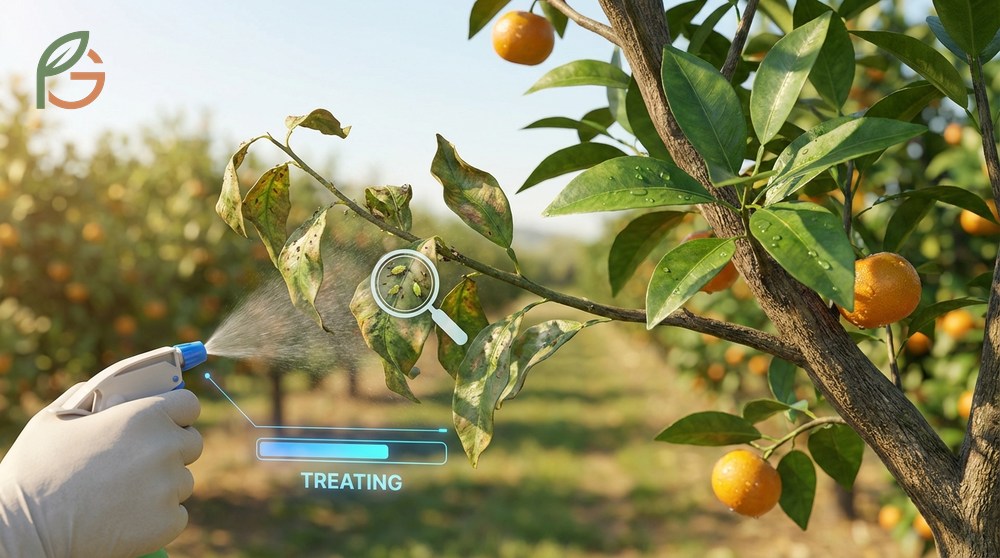
Effective treatment matches the specific cause identified during diagnosis. Research demonstrates that mismatched treatments delay recovery and can worsen mandarin tree stress. The most successful approach combines immediate symptom relief with long-term cultural modifications to prevent recurrence[5].
Treatment timing dramatically affects outcomes. Pest control works best when populations remain below economic thresholds—typically under 50 aphids per shoot or before psyllid populations exceed 0.5 adults per flush[1]. Waiting until severe curl develops requires multiple treatment cycles and permits permanent leaf damage.
Current horticultural guidance emphasizes integrated management rather than single-tactic approaches. For instance, combining neem oil applications with beneficial insect releases (ladybugs, lacewings) provides both immediate knockdown and sustained population suppression. Similarly, correcting irrigation schedules while applying foliar nutrients addresses both environmental stress and deficiency-induced curl simultaneously.
Organic Pest Control
Neem oil disrupts insect feeding and reproduction without harming beneficial predators when applied correctly. Mix at 2 tablespoons per gallon of water with a few drops of dish soap to improve coverage, and spray both upper and lower mandarin leaf surfaces until dripping[6]. Apply in early morning or evening to avoid leaf burn from oil concentration in sunlight.
Insecticidal soap works through direct contact by dissolving insect cuticles. It’s most effective against soft-bodied pests like aphids and requires weekly applications until you see no new curl development. Recent studies show effectiveness drops below 80% after 7 days, necessitating repeat treatments during active pest seasons.
- Blast affected branches with strong water spray to dislodge 40-60% of aphids before chemical treatment
- Apply neem oil or insecticidal soap every 7-10 days for three consecutive treatments
- Prune and destroy heavily infested shoots to eliminate protected pest colonies
- Release 1,500 ladybugs per medium tree or 50 lacewing larvae per 10 square feet of canopy
- Monitor weekly by inspecting 20 random shoots across the tree for new infestations
- Maintain treatment through new flush periods when mandarin trees are most vulnerable
Irrigation Adjustment Protocol
Correcting water-related curl requires establishing the root zone moisture baseline. For drought-stressed mandarin trees, apply 2-4 inches of organic mulch extending from 12 inches out from the trunk to the drip line edge[2]. This reduces evaporation by 40-50% and moderates soil temperature fluctuations.
Deep watering promotes downward root growth and drought resilience. Apply enough water to penetrate 18-24 inches deep, which typically requires 15-20 gallons per mature mandarin tree weekly during dry periods. Split this into two 7-10 gallon applications if your soil has heavy clay content that puddles with single large waterings.
For overwatered trees showing yellow curled leaves, suspend irrigation until the top 4 inches of soil dry completely. Improve drainage by incorporating 3-4 inches of compost into the root zone or installing French drains if poor site drainage persists. Agricultural data shows that root recovery takes 4-6 weeks after restoring proper moisture levels, with new healthy growth appearing before old damaged leaves drop.
Watering Tip: Check mandarin tree moisture needs by inserting a screwdriver 6 inches into the soil. If it meets resistance before reaching full depth, the tree needs water. If it slides in easily with wet soil clinging to the blade, delay watering by 3-4 days.
Mandarin Tree Diseases
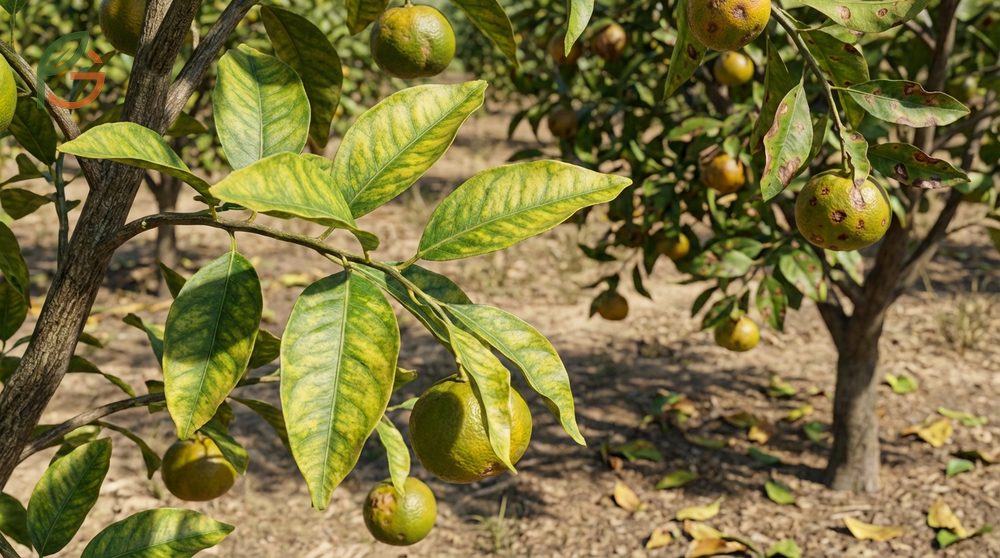
Mandarin tree diseases extend beyond leaf curl to include systemic infections affecting long-term productivity. Huanglongbing (citrus greening) represents the most serious threat, with no cure available once infection occurs[1]. Early symptoms include asymmetric leaf mottling and pronounced vein yellowing before curl develops in advanced stages.
Alternaria brown spot affects certain mandarin varieties including Murcott and Minneola tangelos severely. The fungal pathogen causes discrete brown spots with yellow halos and leaf blackening along veins leading from lesions[1]. Infection during spring flush causes defoliation and fruit drop, with tissue remaining susceptible for about 3 months after bloom.
Current disease management protocols emphasize prevention through resistant rootstock selection and certified disease-free nursery stock. Once systemic diseases establish, even aggressive treatment only slows decline rather than restoring full health. This makes recognizing early disease symptoms crucial for long-term orchard sustainability.
Preventive Care Strategies
Preventive care reduces disease incidence by 60-75% compared to reactive treatment approaches. Proper tree spacing promotes rapid canopy drying, with research showing 15-foot spacing reduces fungal infections by 40% versus 10-foot spacing[1]. Air circulation matters more than most people realize for preventing humid microclimates where pathogens thrive.
Copper fungicide sprays provide broad-spectrum protection against bacterial and fungal diseases in mandarin trees. Apply when spring flush leaves reach one-quarter to one-half expansion, with a second application at petal fall if disease pressure remains high. Thorough coverage of leaf undersides proves essential since most pathogens enter through stomata concentrated there.
- Plant mandarin trees in well-draining soil with pH 6.0-7.5 to prevent root rot and nutrient lockout
- Maintain 15-20 foot spacing between trees to optimize air circulation and reduce humidity
- Remove dead wood and diseased branches promptly to eliminate pathogen reservoirs
- Apply balanced citrus fertilizer in late winter before spring flush to strengthen disease resistance
- Avoid overhead irrigation that wets foliage for extended periods, favoring drip systems instead
- Monitor for Asian citrus psyllid weekly since it vectors the incurable greening disease
Seasonal Monitoring Schedule
Systematic monitoring catches problems before severe damage develops. Spring represents the critical period when mandarin trees produce tender flush growth vulnerable to both pests and diseases. Inspect trees twice weekly from bud swell through full leaf expansion, checking 15-20 shoots distributed throughout the canopy[1].
Summer monitoring shifts focus to water stress indicators and spider mite populations that explode during hot dry weather. Look for inward leaf curling by midday that doesn’t resolve by evening, signaling inadequate irrigation. Fall brings renewed flush growth in response to cooler temperatures and autumn rains, requiring resumed pest vigilance.
Winter monitoring concentrates on nutritional status through leaf sampling. Collect 60-100 leaves from 4-6 month old spring flush during February for laboratory analysis. Results guide fertilization programs for the coming season, with sufficient lead time to correct deficiencies before spring bloom[3].
Conclusion
The evidence is clear: mandarin tree leaf curl stems from identifiable causes that respond to targeted treatments when diagnosed correctly. Whether the culprit is a sap-sucking pest, irregular watering, or a lack of essential minerals, success depends on distinguishing between the sticky residue of aphids and the dry, brittle texture of drought stress. Regular monitoring during spring flush and immediate intervention with organic controls like neem oil or adjusted irrigation will prevent minor setbacks from becoming yield-limiting problems. Your mandarin tree is resilient; with the right care, it will bounce back to produce the vibrant foliage and delicious fruit you expect.
Frequently Asked Questions
1. Why are my mandarin tree leaves curling?
Mandarin leaves curl primarily due to sap-sucking pests (aphids, psyllids), environmental stress (drought, heat, overwatering), or nutrient deficiencies (magnesium, zinc). Identifying the specific pattern—such as sticky residue for pests or yellowing patterns for deficiencies—is crucial for diagnosis.
2. Will curled mandarin leaves uncurl after treatment?
Leaves distorted by pest damage or severe nutrient deficiency typically will not uncurl even after the issue is resolved. However, the treatment prevents further damage, and subsequent new growth will emerge healthy and flat. Leaves curled solely from temporary heat stress may relax once temperatures drop.
3. How do I treat aphids on my mandarin tree?
Treat aphids by first blasting the tree with a strong stream of water to dislodge them. Follow up with applications of neem oil or insecticidal soap every 7-10 days, ensuring you spray the undersides of the leaves where pests congregate. Encouraging beneficial insects like ladybugs also helps control populations.
4. What does overwatering look like on a mandarin tree?
Overwatered mandarin trees exhibit yellowing leaves that may curl inward or droop. Unlike drought stress where leaves are dry and brittle, overwatered leaves often feel soft, and the soil will remain wet. Root rot may eventually cause branch dieback and leaf drop.
5. Can magnesium deficiency cause leaf curl?
Yes, magnesium deficiency is a common cause of leaf curl in citrus. It presents as a distinctive yellowing pattern where the base of the leaf remains green (an inverted V-shape) while the outer edges yellow and curl upward. This usually affects older leaves first.
6. How often should I water my mandarin tree to prevent curling?
Water deeply but infrequently. Allow the top 2-3 inches of soil to dry out between waterings. In hot summer weather, this may mean watering once a week, while in cooler months, it could be every 2-3 weeks. Always check soil moisture physically before irrigating.
7. Is leaf curl fatal to mandarin trees?
Leaf curl itself is rarely fatal but indicates an underlying issue that can damage the tree if ignored. While a minor aphid infestation or temporary water stress won’t kill the tree, prolonged neglect leading to severe defoliation, root rot, or citrus greening disease can be fatal.





