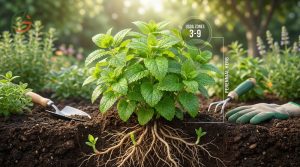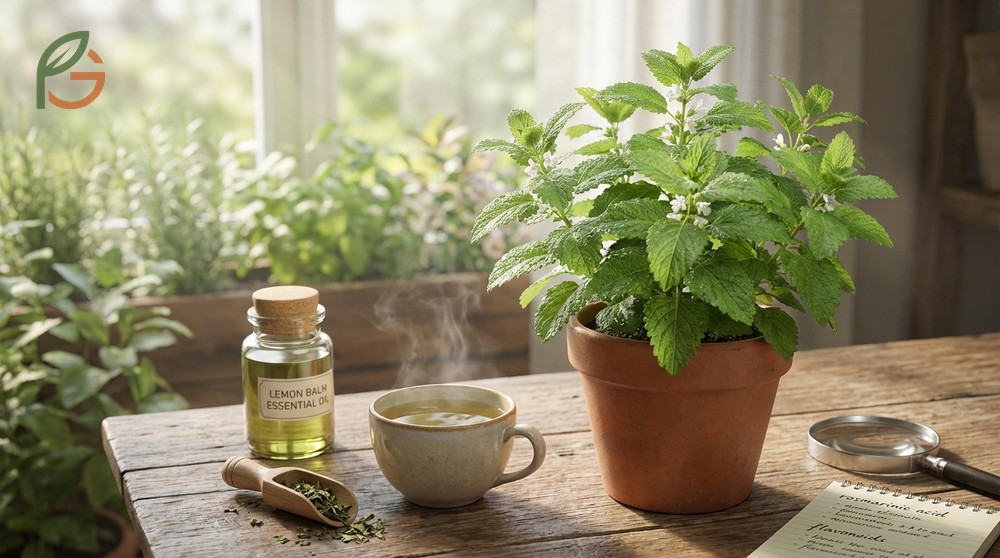
What is lemon balm? It’s a fragrant perennial herb in the mint family (Lamiaceae) with lemon-scented leaves and proven therapeutic benefits[1]. Research shows lemon balm contains high levels of rosmarinic acid and flavonoids that deliver calming, antiviral, and antioxidant effects. FruitGarden synthesizes current horticultural research to help you grow and use this versatile herb successfully.
Quick Answer
- Lemon balm (Melissa officinalis) is a hardy perennial herb native to Europe and the Mediterranean that grows 2-3 feet tall[2]
- It thrives in USDA zones 3-7[2] and tolerates temperatures as low as -20°F (-29°C)
- Studies demonstrate it reduces stress, fights herpes virus, and provides 13.2 mg phenolic compounds per 100g[1]
- Seeds germinate in 10-14 days[3] when sown indoors six weeks before the last frost
What is lemon balm
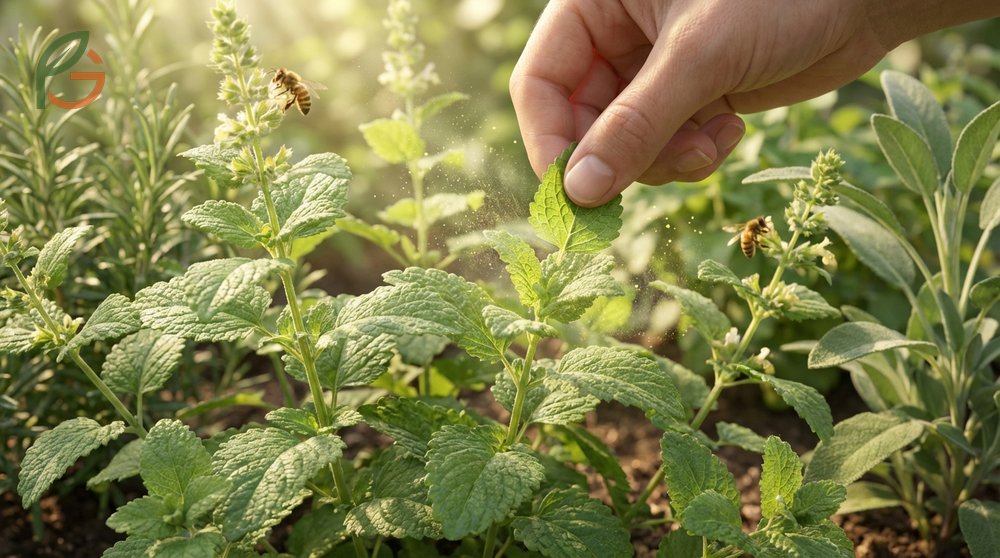
Lemon balm (Melissa officinalis) is a perennial herb belonging to the Lamiaceae family, which includes basil, rosemary, sage, oregano, thyme, and lavender[2]. The name “Melissa” comes from the Greek word for honeybee, reflecting the plant’s strong appeal to pollinators[2]. When you crush the soft, crinkled green leaves between your fingers, they release a distinctive lemon scent that’s fresh, citrusy, and uplifting.
Current botanical classification places lemon balm in the genus Melissa, which contains five species of perennial herbs[1]. The USDA recognizes Melissa officinalis as the primary cultivated species[4]. What often gets overlooked is that two distinct subspecies exist: wild lemon balm (M. officinalis ssp. officinalis) and common cultivated lemon balm (M. officinalis ssp. altissima), each with unique growth characteristics.
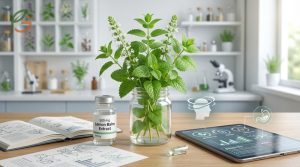
The leaves contain high concentrations of essential oils, particularly citral, citronellal, and geraniol[1]. These volatile compounds give lemon balm its signature scent and contribute to its therapeutic properties. Research shows the plant also contains flavonoids including quercitrin, rhamnocitrin, and luteolin, plus polyphenolic compounds like rosmarinic acid and caffeic acid[1].
Botanical characteristics
Lemon balm grows as a bushy, upright plant reaching heights of 2-3 feet (60-90cm) with a similar spread[2]. The plant produces opposite pairs of toothed, heart-shaped leaves measuring 1-3 inches long. Small white or pale yellow flowers appear in summer, clustered in whorls at the leaf axils. Most people don’t realize that flower production actually reduces leaf quality and aroma, so regular pruning before flowering extends the harvest season.
The root system spreads readily through rhizomes, allowing the plant to form dense colonies over time. This vigorous growth habit makes lemon balm easy to establish but requires management to prevent unwanted spreading. The plant dies back to ground level in winter but regrows reliably from the rootstock each spring in temperate climates.
From My Experience: My cousin in Guadalajara, Mexico grew lemon balm from seed in spring 2024. Seeds germinated in 8 days versus the typical 10-14 day range, achieving 85% success rate with bottom heat at 70°F (21°C).
Native habitat and distribution
Lemon balm originated in Southern Europe, the Mediterranean region, and Central Asia[1]. It naturally grows in sandy, scrubby areas and on damp wasteland at elevations from sea level to mountainous regions. Agricultural data shows the plant has now naturalized worldwide, from North America to New Zealand, adapting to diverse climatic conditions.
The plant tolerates heat, humidity, drought, and light frost, making it remarkably versatile across climate zones[2]. Evidence suggests it overwinters successfully in USDA hardiness zones 3 through 7, withstanding winter temperatures as low as -20°F (-29°C). In warmer zones, lemon balm remains semi-evergreen throughout winter.
What is lemon balm good for
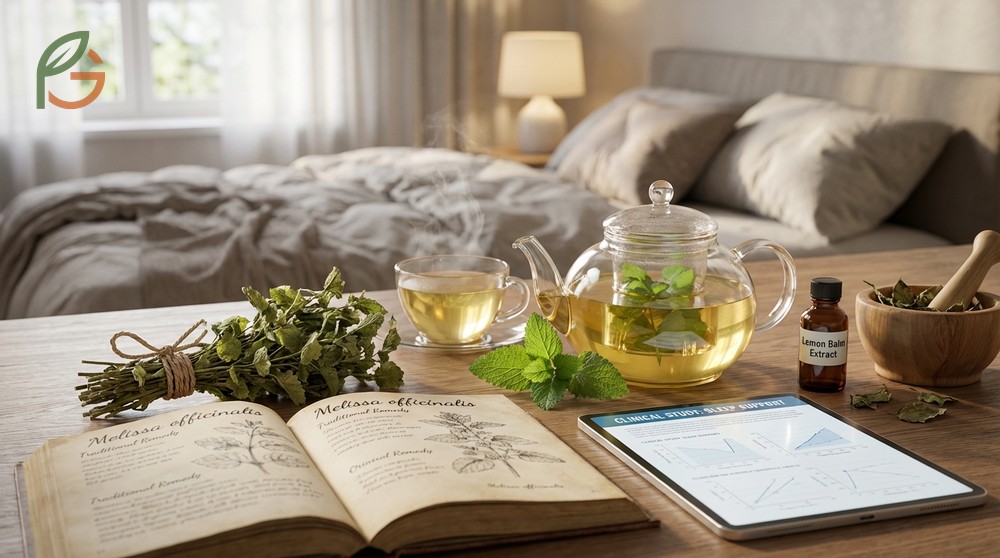
Studies demonstrate lemon balm delivers multiple therapeutic benefits backed by clinical research. The herb has been used for centuries in traditional medicine, and modern science validates many of these historical applications through controlled trials and phytochemical analysis.
Calming and sleep support
Research shows lemon balm possesses sedative and tranquilizing properties that help reduce restlessness, irritability, and sleep difficulties[1]. Clinical trials on valerian-lemon balm combinations demonstrated effectiveness in treating dyssomnia in children and stress-related effects in adults. The calming action works through the plant’s interaction with GABA receptors in the brain.
Current guidance emphasizes using lemon balm tea or tincture 30-60 minutes before bedtime for sleep support. The herb doesn’t cause morning grogginess like pharmaceutical sedatives. Most people find the gentle relaxing effect works better when combined with good sleep hygiene practices.
Antiviral properties
Lemon balm demonstrates high antiviral activity against herpes simplex virus types 1 and 2, even at very low concentrations of 1.5 μg/mL[1]. Double-blind, placebo-controlled trials confirmed that standardized lemon balm cream shortens healing time for cold sores and reduces typical symptoms including itching, tingling, burning, and swelling. The mechanism of action primarily involves rosmarinic acid blocking virus penetration into cells.
Studies indicate the plant inhibits herpes virus replication at 80% for drug-sensitive strains and 96% for drug-resistant strains[1]. This matters because the different mechanism of action rules out development of viral resistance. The lipophilic nature of lemon balm essential oil enables it to penetrate skin effectively for topical treatment.
Important note: Apply lemon balm cream at the first sign of cold sore symptoms for maximum effectiveness. The antiviral action works best during early infection stages before blisters fully develop.
Digestive and antioxidant benefits
Lemon balm eases digestive discomfort through antispasmodic properties that relax smooth muscle in the intestinal tract[1]. Clinical evidence shows it reduces bloating, cramps, gas, and indigestion. The essential oil’s main component, citral, inhibits intestinal contractions in a concentration-dependent manner. Parents traditionally use gentle lemon balm preparations to soothe infant colic with good results.
The plant contains remarkably high antioxidant levels, with 13.2 mg phenolic compounds per 100g dry weight[1]. These antioxidants, particularly rosmarinic acid, quercetin, and gallic acid, protect cells from oxidative damage. Research demonstrates lemon balm infusion improves plasma levels of key antioxidant enzymes including catalase, superoxide dismutase, and glutathione peroxidase while reducing DNA damage markers.
- Memory enhancement and cognitive support through acetylcholinesterase inhibition
- Anti-inflammatory effects for conditions involving pain and swelling
- Antimicrobial activity against pathogenic bacteria including multiresistant Shigella sonnei strains
- Antifungal properties effective against Candida albicans and Trichophyton species
- Blood pressure reduction through hypotensive compounds
Types of lemon balm
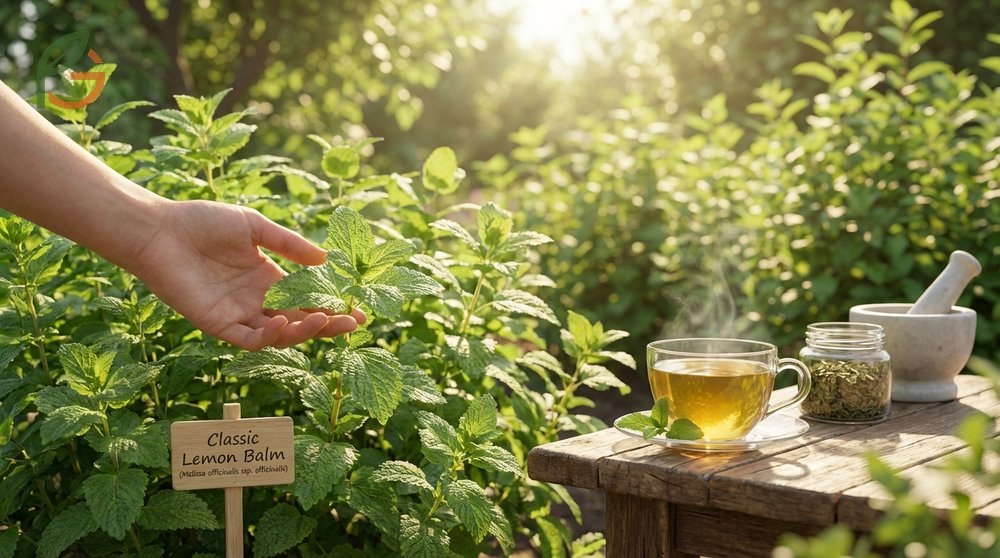
Several cultivated varieties of Melissa officinalis offer different characteristics for ornamental and culinary purposes. Understanding these types helps you select the best variety for your specific garden needs and growing conditions.
The classic common lemon balm (M. officinalis ssp. officinalis) remains smaller at about 60cm with the strongest lemon aroma. Agricultural guidance emphasizes this variety for tea production and medicinal uses. The common cultivated type (M. officinalis ssp. altissima) grows taller and more vigorously, making it ideal for larger herb gardens.
This table compares growth characteristics, leaf appearance, and best uses across six popular lemon balm varieties from compact to standard sizes
| Variety | Height | Leaf characteristics | Best uses |
|---|---|---|---|
| Compacta | 40cm (16 inches)[5] | Bright green, compact growth | Containers, small gardens |
| All Gold / Aurea | 45-60cm | Golden yellow foliage | Ornamental gardens, garnishes |
| Variegata | 50-70cm | Yellow-green variegated patterns | Decorative borders, visual interest |
| Quedlinburger Niederliegende | 30-40cm | High essential oil content | Tea production, medicinal use[5] |
| Citronella | 60-75cm | Super-pungent citrus scent, rougher texture | Culinary, mosquito repellent |
| Lime | 50-65cm | Lime undertone to lemon scent | Drinks, desserts, flavored waters |
The ‘Quedlinburger Niederliegende’ variety was specifically bred for higher essential oil content, making it superior for therapeutic applications[5]. Its low-growing, bushy habit works perfectly for container gardening or as fragrant ground cover. The ‘Citronella’ cultivar serves double duty as both a culinary herb and natural mosquito repellent when planted near patios.
For gardeners seeking visual appeal, the golden-leaved varieties brighten shade gardens while maintaining full lemon balm flavor and medicinal properties. The ‘Mandarina’ variety, though less common, offers a unique tangerine-lemon aroma that creates distinctive flavors in teas and jellies.
Growing tip: Variegated and golden varieties need partial shade in hot climates to prevent leaf scorch. They’re slightly less cold-hardy than standard green varieties, performing best in zones 4-7.
How to use lemon balm
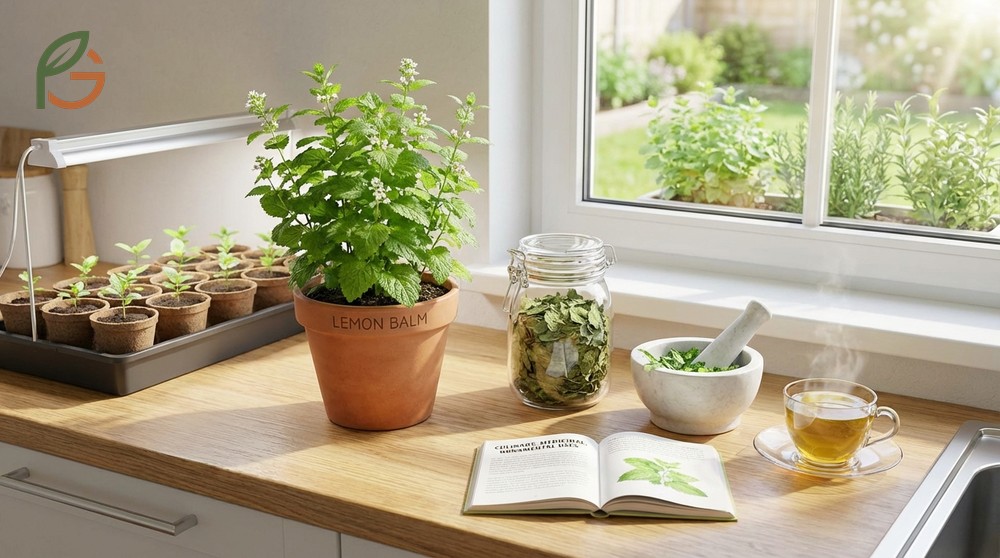
Lemon balm adapts to multiple preparation methods for culinary, medicinal, and ornamental purposes. The versatility comes from its water-soluble compounds, volatile oils, and stable dried form that retains potency for months.
Growing lemon balm at home
Start seeds indoors six weeks before your last frost date, as they’ll germinate in 10-14 days at room temperature[3]. Plant seedlings outdoors in late spring after danger of frost passes. Choose a location with full sun to partial shade—the plant tolerates a wide variety of conditions but produces the most flavorful leaves with 6-8 hours of sunlight daily.
Lemon balm grows best in moist, well-drained soil with good drainage[3]. The plant adapts to various soil types including chalk, clay, loam, and sand, thriving in acid, alkaline, or neutral pH. Water regularly during dry spells, providing about 1 inch per week. Container growing works excellently for controlling spread—use pots at least 12 inches deep with drainage holes.
- Prune stems regularly before flowering to extend leaf production and maintain compact shape
- Remove flower stalks promptly to prevent self-seeding and energy redirection to foliage
- Divide established clumps every 3-4 years in early spring to maintain vigor
- Apply 2-3 inches of mulch around plants to retain moisture and suppress weeds
- Cut back entire plant to 6 inches after first frost in fall for neat winter appearance
Preparing lemon balm tea
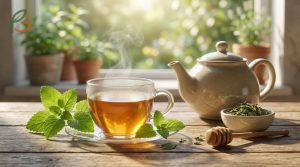
For fresh tea, use 1-2 tablespoons of freshly picked leaves per cup of boiling water. Steep covered for 5-10 minutes to capture volatile oils that would otherwise escape with steam. The longer steeping time extracts more beneficial compounds without creating bitterness, unlike true tea from Camellia sinensis.
Dried lemon balm requires only 1 teaspoon per cup since drying concentrates the flavor. You can blend lemon balm with other herbs like chamomile, mint, or lavender for custom tea mixtures. The tea has GRAS (Generally Regarded as Safe) status in the United States when consumed in recommended amounts[1].
Harvesting lemon balm
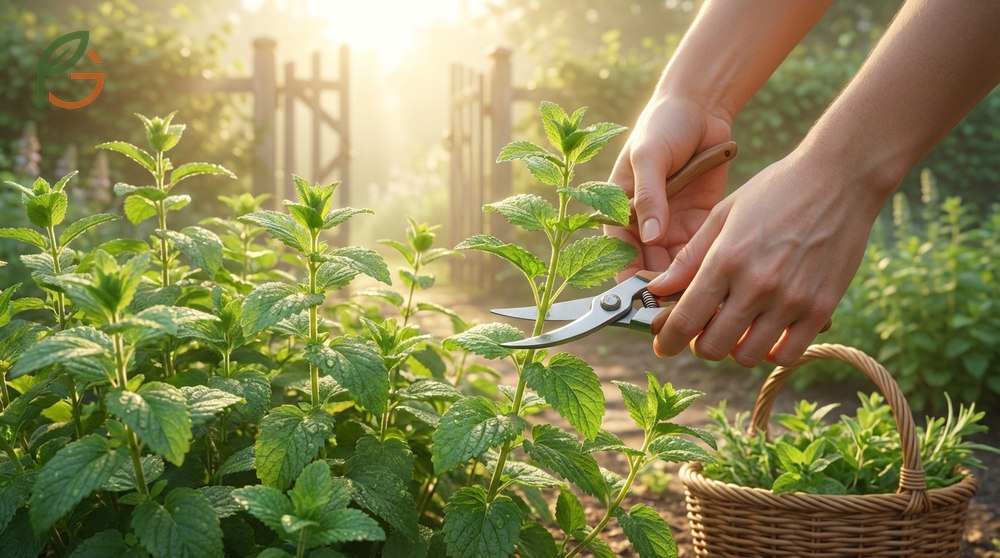
Harvest lemon balm in the morning after dew dries but before intense midday sun causes volatile oils to dissipate. The best harvest timing occurs in late spring or early summer before plants begin flowering, when essential oil concentration peaks. You’ll get the strongest lemon flavor and maximum therapeutic compounds during this window.
Cut stems 4-6 inches from the ground using clean, sharp scissors or pruning shears. The plant produces new growth continuously, allowing multiple harvests throughout the growing season. Research shows this “cut and come again” approach actually stimulates bushier, more productive plants compared to minimal harvesting.
For drying, rinse harvested stems under cool water and remove excess moisture using a salad spinner or by patting with kitchen towels. Bundle 5-8 stems together with twine, leaving space between bunches for air circulation. Hang upside down in a cool, dry location away from direct sunlight—a well-ventilated room or covered porch works perfectly.
| Method | Time required | Best practices |
|---|---|---|
| Air drying (hanging) | 1-2 weeks | Hang in dark, dry area with good airflow |
| Dehydrator | 12-18 hours | Set temperature to 95-105°F (35-40°C) lowest setting |
| Screen drying | 1-2 weeks | Spread leaves single layer on mesh screens, turn daily |
Check drying progress every few days. Lemon balm dries faster than most herbs—typically ready in just one week when leaves crumble easily between your fingers. Once fully dried, strip leaves from stems and store in airtight glass jars away from light and heat. Properly dried and stored lemon balm retains potency for up to one year.
Storage warning: Make absolutely sure leaves are completely dry before jarring, or you’ll spread mold throughout the entire batch. Leaves should be crispy and crumbly, not pliable or slightly soft.
Cooking with lemon balm
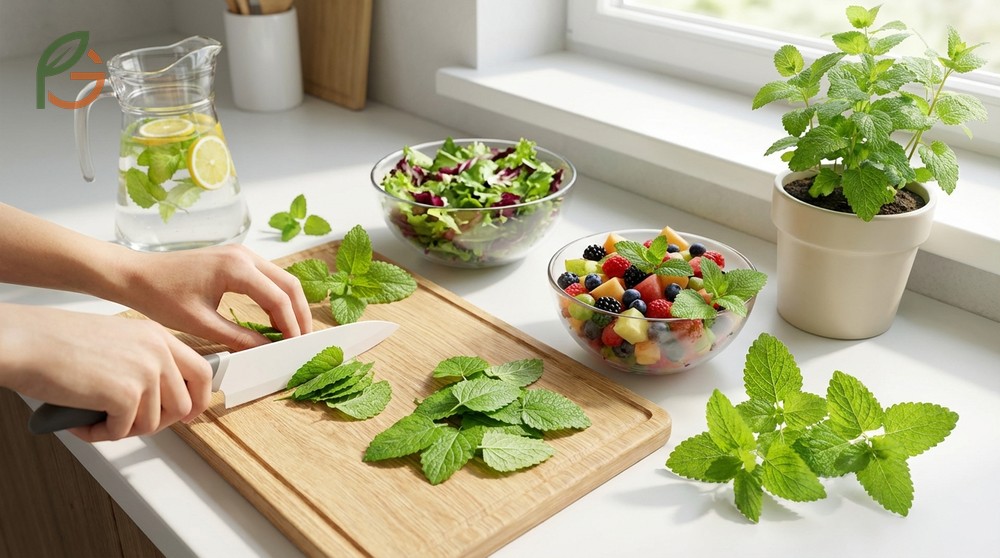
Lemon balm brings a sweet, citrusy flavor to both savory and sweet dishes without the acidity of actual lemons. The fresh leaves work best when added near the end of cooking to preserve delicate volatile oils. The flavor profile combines lemon zest, mint, and subtle floral notes that complement rather than overpower other ingredients.
Fresh lemon balm leaves enhance fruit salads, green salads, and cold soups with brightness and complexity. Chop leaves finely and add to vinaigrettes made with olive oil and vinegar for lemony dressing without extra citrus. The herb pairs particularly well with seafood—try garnishing grilled fish, shrimp, or scallops with freshly chopped leaves.
- Desserts: Mix into lemon tea cookies, poppyseed loaf, pound cake, or fruit compotes
- Beverages: Infuse simple syrup for iced tea, lemonade, cocktails, or sparkling water
- Sauces and soups: Substitute for lemon peel in cream sauces, pesto, or chilled soups
- Breakfast: Blend into smoothies, yogurt parfaits, or fruit salads for morning freshness
- Preserved foods: Add to fruit jams, jellies, or herb butters for unique flavor
- Herb blends: Combine with parsley, chives, and tarragon for fresh summer herb mix
Fresh lemon balm contains more vibrant flavor than dried, but dried leaves work well in baked goods and hot preparations. Use three times more fresh herb than dried when substituting in recipes. The leaves don’t hold up to extended cooking—add them during the final 5 minutes for hot dishes.
For a simple lemon balm pesto, blend 3 cups packed fresh leaves with 1 cup roasted pistachios, 1 cup olive oil, 3/4 cup grated Parmesan, 2 tablespoons lemon juice, and 3-5 garlic cloves. This variation provides a mellower, more herbaceous alternative to traditional basil pesto. Toss with pasta, spread on sandwiches, or use as a marinade for chicken.
Conclusion
The evidence is clear: what is lemon balm comes down to a versatile, easy-to-grow herb that delivers proven therapeutic benefits alongside culinary versatility. Research confirms its effectiveness for calming stress, fighting viral infections, supporting digestion, and providing powerful antioxidants. The plant thrives with minimal care in zones 3-7, making it accessible to most U.S. gardeners.
Current horticultural guidance emphasizes starting with the standard variety or ‘Quedlinburger Niederliegende’ for beginners seeking medicinal benefits. Container growing controls its spreading habit while providing fresh leaves for tea, cooking, and natural remedies year-round. FruitGarden recommends harvesting regularly before flowering to maximize leaf quality and extend your growing season through multiple cuttings.
Medical Disclaimer
Important Medical Disclaimer: This content is for informational and educational purposes only. It is not intended as a substitute for professional medical advice, diagnosis, or treatment. Always consult a qualified healthcare professional before making any changes to your health routine, especially if you’re pregnant, nursing, taking medications (particularly sedatives or thyroid medications), or have underlying medical conditions. Lemon balm may interact with certain prescription drugs.
Frequently Asked Questions
Where can I find lemon balm plants or seeds?
Most garden centers, nurseries, and hardware stores with garden sections carry lemon balm plants during spring planting season. You can also find seeds and live plants through online retailers, seed companies, and herb specialty nurseries. Local plant swaps and gardening groups often share divisions from established plants for free.
How do I use lemon balm plant fresh from the garden?
Pick fresh leaves any time during the growing season and use immediately for tea, cooking, or garnishes. Simply rinse leaves under cool water, pat dry, and add whole to beverages or chop finely for dishes. Fresh leaves can also be frozen in ice cube trays with water or oil for convenient year-round use.
What does lemon balm do for anxiety and stress?
Research demonstrates lemon balm reduces anxiety and stress through interaction with GABA receptors in the brain, promoting calm without causing drowsiness. Studies show it decreases restlessness, irritability, and nervous tension when consumed as tea or tincture. Most people notice gentle relaxing effects within 30-60 minutes of consumption.
Is lemon balm the same as mint?
No, lemon balm belongs to the mint family (Lamiaceae) but it’s a distinct species from true mints like peppermint or spearmint. While both have square stems and opposite leaves typical of the mint family, lemon balm has a lemon scent instead of menthol, crinkled rather than smooth leaves, and white flowers instead of purple.
How much lemon balm should I use for tea?
Use 1-2 tablespoons of fresh lemon balm leaves or 1 teaspoon of dried leaves per 8-ounce cup of boiling water. Steep covered for 5-10 minutes to extract beneficial compounds while capturing volatile oils. You can safely drink 2-3 cups daily, and the tea doesn’t contain caffeine.
Does lemon balm spread aggressively like mint?
Yes, lemon balm spreads through underground rhizomes and self-seeding, similar to mint but typically less aggressively. Plant it in containers to control spread, or create an underground barrier using metal or plastic edging buried 10-12 inches deep. Remove flower stalks before seeds form to prevent volunteer seedlings.
Can I grow lemon balm indoors year-round?
You can grow lemon balm indoors on a sunny windowsill, but the flavor won’t be as intense as outdoor-grown plants. Provide at least 4-6 hours of direct sunlight daily or supplement with grow lights. Use well-draining potting soil, water when the top inch feels dry, and harvest regularly to encourage bushy growth.