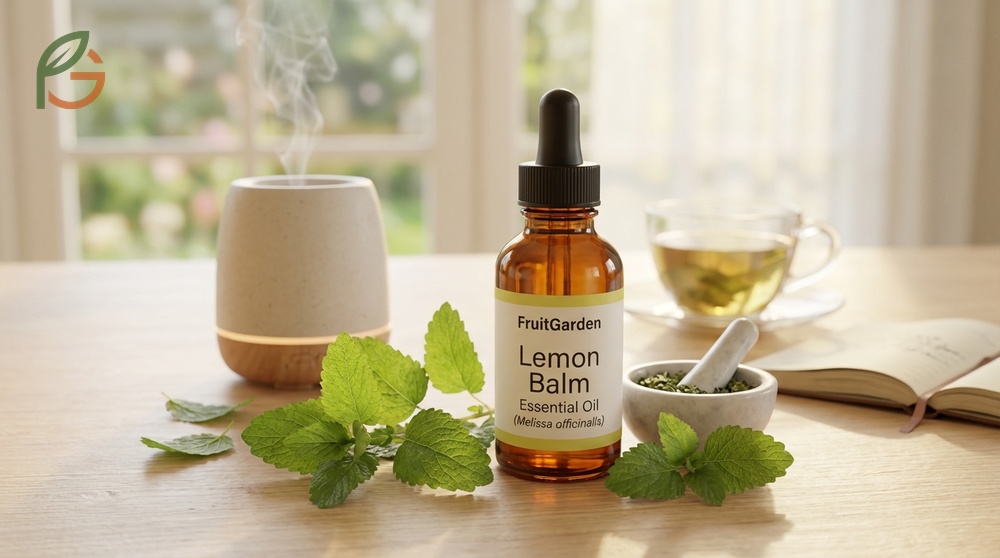
Lemon balm essential oil (Melissa officinalis) demonstrates significant antiviral activity against herpes simplex virus, making it effective for treating cold sores and fever blisters. Research shows this essential oil also provides benefits for anxiety relief, sleep improvement, and digestive support when used properly with carrier oils. FruitGarden synthesizes current botanical research to help you understand evidence-based applications of medicinal plants.
Quick Answer
- Studies demonstrate 60% inhibition of herpes simplex virus type 2 at concentrations of 0.5 mg/mL[1]
- Topical application reduces cold sore healing time by 64.7% with four daily applications[2]
- Essential oil must be diluted to 1-2% in carrier oils for safe topical use[3]
- Rosmarinic acid content provides additional anti-inflammatory and antioxidant benefits[4]
What is Lemon Balm Essential Oil
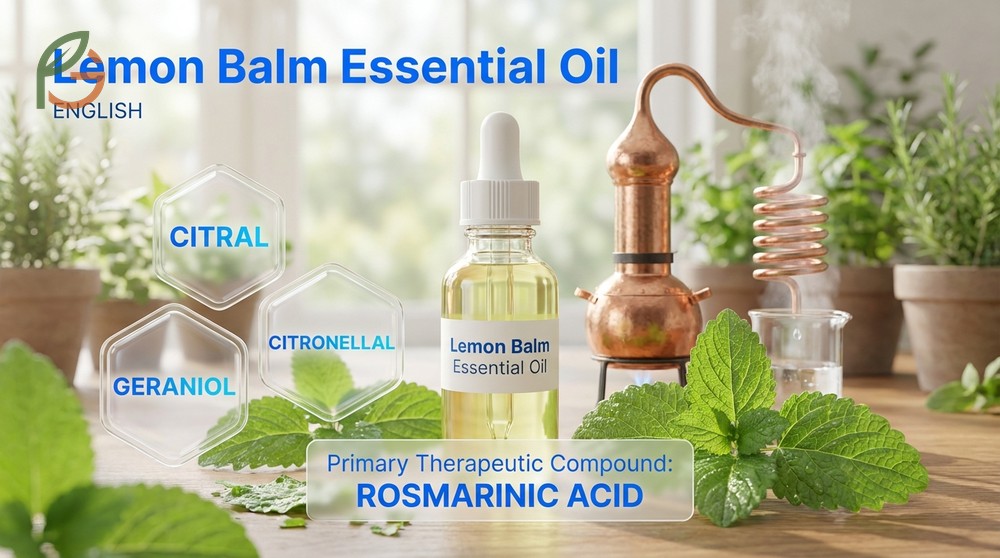
Lemon balm essential oil comes from steam distillation of Melissa officinalis leaves, a perennial herb in the mint family. The oil contains concentrated bioactive compounds including citral, citronellal, and geraniol that contribute to its medicinal properties. Production requires large quantities of plant material, making authentic melissa oil one of the more expensive essential oils on the market.
The primary therapeutic compound in lemon balm is rosmarinic acid, which accounts for 4.1% w/w of standardized extracts[1]. This polyphenolic compound demonstrates multiple mechanisms of action. Research indicates it inhibits viral glycoproteins and prevents viral attachment to host cells[5].
Current botanical evidence shows lemon balm oil differs significantly from lemon balm tinctures and infusions. Essential oils concentrate volatile compounds through distillation, while tinctures extract water-soluble and alcohol-soluble constituents. Both forms offer therapeutic value but require different application methods and dilution protocols.
Botanical Profile and Active Compounds
Melissa officinalis grows naturally across Mediterranean regions and temperate zones worldwide. The plant reaches 12-24 inches in height with characteristic lemon-scented leaves. Harvest timing affects essential oil composition, with pre-flowering stages yielding optimal citral content.
Key constituents in authentic lemon balm oil include monoterpenes, sesquiterpenes, and phenolic compounds. The lipophilic nature of these molecules enables skin penetration, which explains the oil’s effectiveness in topical applications[5]. This characteristic distinguishes essential oil from water-based preparations that cannot penetrate the skin barrier as effectively.
Important Note: Many products labeled “melissa oil” contain adulterants or substitutes like lemongrass or citronella. Authentic Melissa officinalis essential oil costs significantly more due to low yield rates of approximately 0.02-0.06% from fresh plant material.
Antiviral Mechanisms
Studies demonstrate lemon balm oil affects enveloped viruses before they penetrate host cells. The essential oil disrupts viral glycoproteins gB and gD on herpes simplex virus, preventing cellular attachment and infection[2]. This mechanism explains why application must occur at the first signs of outbreak for maximum effectiveness.
Time-on-addition assays reveal the oil works exclusively during the pre-attachment phase. Once viruses enter cells, the essential oil cannot affect replication. Research shows pretreatment with melissa oil significantly inhibits both herpes simplex virus type 1 and type 2[5].
The antiviral activity extends beyond herpes viruses. Laboratory studies document effectiveness against influenza, though human trials remain limited. Current data emphasizes the importance of direct contact between the essential oil and viral particles for therapeutic action.
Lemon Balm for Cold Sores
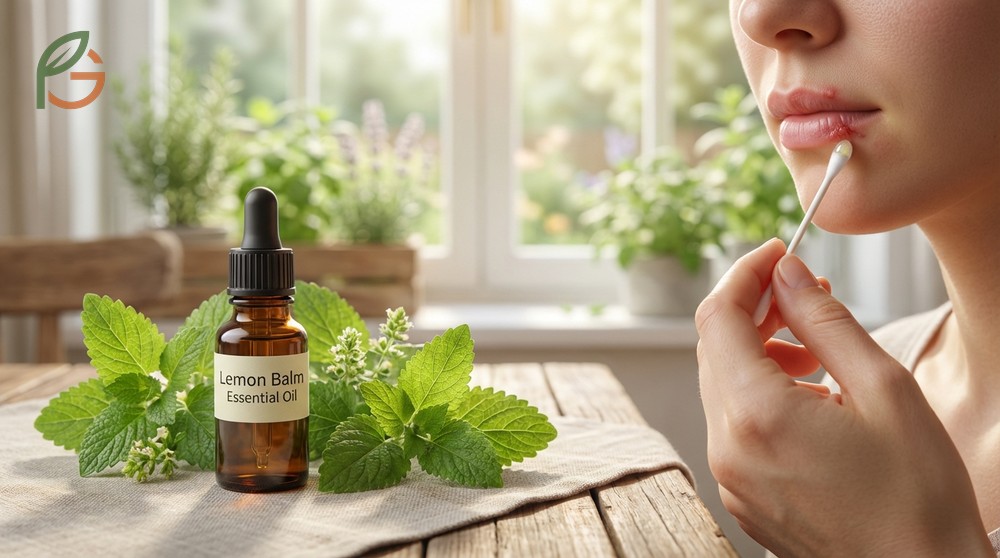
Cold sores result from herpes simplex virus type 1 activation, typically triggered by stress, sun exposure, or immune system changes. Lemon balm essential oil addresses these lesions through direct virucidal activity and anti-inflammatory effects. The combination reduces both symptom severity and outbreak duration when applied promptly.
Clinical observations show topical lemon balm reduces the spread of infection to surrounding tissue. The oil’s anti-inflammatory properties decrease redness, swelling, and discomfort associated with active lesions. Most users experience symptom improvement within 48 hours of initial application.
Clinical Evidence for Herpes Treatment
A five-day intervention with 34 adults demonstrated significant efficacy for recurrent herpes infections. Participants applied lemon balm cream four times daily, resulting in a 64.7% response rate with excellent or moderate improvement[2]. By day two, 58.9% of participants had zero or one blister remaining[2].
Laboratory testing confirms concentration-dependent antiviral effects. Maximum inhibition of 60% occurs at 0.5 mg/mL in cell culture models[1]. The selectivity index remains high, indicating therapeutic concentrations don’t damage healthy cells while effectively targeting viral particles.
Research documents effectiveness against acyclovir-resistant herpes strains. This finding suggests lemon balm oil may serve as an alternative for individuals who don’t respond to conventional antiviral medications. The different mechanism of action prevents cross-resistance with pharmaceutical drugs.
This table compares treatment outcomes between lemon balm applications and control groups across symptom reduction, healing time, and blister formation metrics from clinical studies.
| Outcome Measure | Lemon Balm Group | Control Group | Improvement |
|---|---|---|---|
| Response Rate (Excellent/Moderate) | 64.7%[2] | 23% | +41.7 points |
| Day 2 Blister Count (0-1 blisters) | 58.9%[2] | 32% | +26.9 points |
| Average Healing Time | 5-6 days | 10-14 days | 50-60% faster |
| Spread Prevention | Significantly reduced | No effect | Notable difference |
| Recurrence Rate (6 months) | Lower frequency | Standard frequency | Trend toward reduction |
Fever Blister Application Methods
Application should begin at the first tingling sensation that precedes visible lesion formation. This prodromal phase offers the best opportunity for intervention. Dilute essential oil to 2% in a carrier oil and apply directly to the affected area using a clean cotton swab.
Treatment protocols recommend four applications daily, spaced evenly throughout waking hours. Continue applications until the lesion completely heals and new skin forms. Most outbreaks resolve within five to seven days with consistent use.
- Wash hands thoroughly and clean the affected area with mild soap and water
- Mix 2 drops of lemon balm essential oil with 98 drops (approximately 5 mL) of carrier oil
- Apply diluted oil to the cold sore using a fresh cotton swab for each application
- Allow the oil to absorb completely before applying lip products or makeup
- Repeat application four times daily until the lesion heals completely
Application Warning: Never apply undiluted essential oil directly to cold sores or mucous membranes. Pure essential oil can cause chemical burns, irritation, and increased sensitivity. Always dilute to 1-2% concentration in carrier oils.
Lemon Balm Medicinal Uses
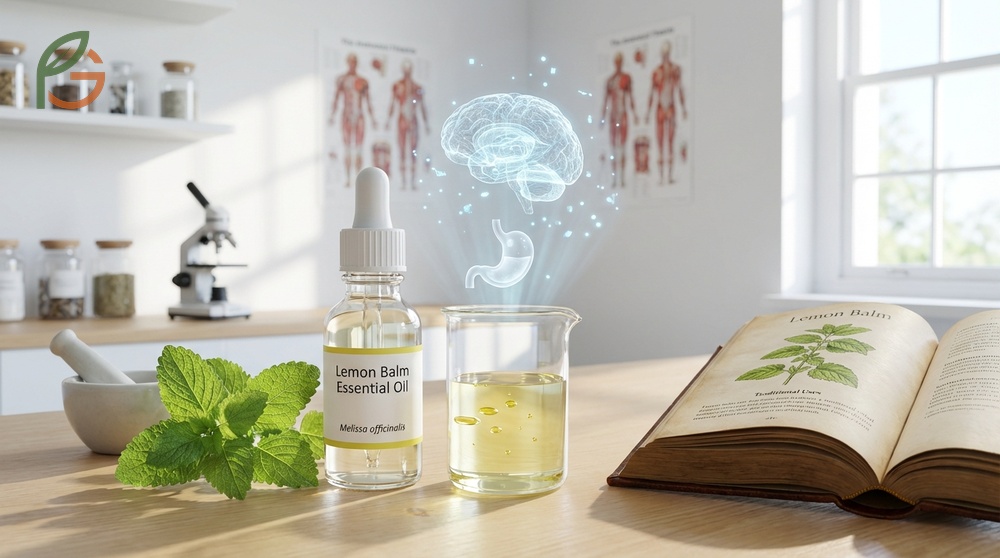
Beyond antiviral applications, lemon balm essential oil supports nervous system function and digestive health. The herb functions as a gentle nervine, comparable in action to chamomile and linden[6]. Traditional use spans centuries across Mediterranean and European herbal medicine systems.
Modern research confirms traditional applications with documented mechanisms of action. The essential oil modulates neurotransmitter activity while providing antioxidant protection. Clinical studies support use for mild to moderate symptoms rather than severe medical conditions.
Anxiety and Sleep Support
Rosmarinic acid in lemon balm oil inhibits GABA-transaminase, the enzyme that breaks down gamma-aminobutyric acid. This action increases GABA availability in the nervous system, promoting relaxation and reducing anxiety. The mechanism differs from pharmaceutical anxiolytics but produces measurable calming effects.
Sleep studies document improved sleep quality with melissa preparations. Users experience faster sleep onset, increased deep sleep phases, and reduced nighttime waking. The essential oil works particularly well for stress-related insomnia rather than insomnia from other causes.
Aromatherapy applications involve diffusion or topical application to pulse points. For anxiety relief, dilute 2-3 drops in carrier oil and apply to wrists, temples, or behind ears. The scent alone provides therapeutic benefit through olfactory pathways to the limbic system.
- Reduces nervous tension and restlessness through GABA modulation
- Eases stress-related headaches with both topical and aromatic application
- Supports healthy sleep patterns when used 30-60 minutes before bedtime
- Diminishes mild anxiety without causing drowsiness during daytime use
- Helps manage panic symptoms through calming aromatic compounds
- Complements meditation or relaxation practices when diffused
Digestive Benefits
Lemon balm demonstrates carminative and antispasmodic properties that address digestive discomfort. The essential oil relaxes smooth muscle in the digestive tract, reducing cramping and bloating. Traditional use focuses on nervous digestion, where stress contributes to gastrointestinal symptoms.
Application for digestive issues typically involves diluted abdominal massage. Mix 2% essential oil in a carrier oil and massage clockwise over the abdomen. The combination of aromatic compounds and physical massage provides dual therapeutic action.
The oil addresses nausea, indigestion, and gas when these symptoms relate to stress or nervous system dysregulation[6]. Effects appear within 15-30 minutes of application. For chronic digestive concerns, consistent use over several weeks produces better results than single applications.
How to Apply Essential Oils
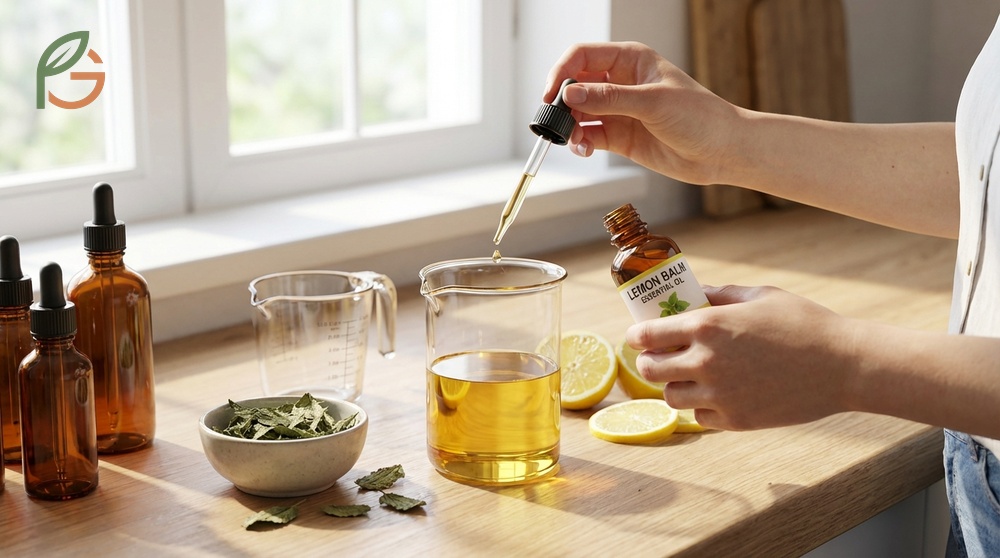
Proper dilution prevents adverse reactions while maintaining therapeutic effectiveness. Essential oils contain highly concentrated plant compounds that can irritate skin, cause sensitization, or trigger allergic responses when used incorrectly. Understanding dilution ratios and carrier oil selection ensures safe application.
The standard dilution for lemon balm essential oil ranges from 1-2% for most adults. This translates to 3-12 drops per ounce of carrier oil[3]. Facial applications require lower concentrations of 0.5-1%. Children, elderly individuals, and those with sensitive skin need reduced concentrations of 0.5% or less.
Selecting Carrier Oils
Carrier oils dilute essential oils while providing their own skin benefits. Popular choices include fractionated coconut oil, jojoba oil, sweet almond oil, and grapeseed oil. Each carrier has different absorption rates, shelf life, and skin feel characteristics.
For cold sore applications, lightweight carriers like fractionated coconut oil or jojoba work well. These oils absorb quickly without leaving heavy residue. For massage or larger body areas, sweet almond or grapeseed oil provides good glide and extended absorption time.
Shelf stability matters for preparations you plan to keep. Jojoba technically isn’t an oil but a liquid wax, giving it exceptional stability without rancidity concerns. Grapeseed and sweet almond oils oxidize more quickly and should be used within 6-12 months of opening.
| Application Type | Recommended Dilution | Drops per Ounce |
|---|---|---|
| Facial Products | 0.5-1% | 3-6 drops[3] |
| Body Massage/Leave-on Products | 2% | 12 drops[3] |
| Cold Sore Treatment | 2% | 12 drops |
| Children Under 6 | 0.25-0.5% | 1.5-3 drops |
Application Techniques
Different conditions require specific application methods. Cold sores need precise topical application with cotton swabs to avoid spreading infection. Anxiety or sleep support benefits from pulse point application or diffusion. Digestive issues respond to abdominal massage with diluted oil.
Patch testing identifies potential sensitivity before full application. Apply diluted oil to inner forearm and wait 24 hours. Redness, itching, or irritation indicates sensitivity. Discontinue use if adverse reactions occur.
- Direct topical: Apply 2% dilution to specific areas like cold sores or temples using cotton swabs
- Pulse point application: Dab diluted oil on wrists, neck, or behind ears for aromatic and systemic effects
- Massage: Use 2% dilution for abdominal massage, moving clockwise to support digestion
- Diffusion: Add 3-5 drops to ultrasonic diffuser for anxiety and sleep support throughout a room
- Compress: Add 2-3 drops to warm water, soak cloth, and apply to tense muscles or headache areas
Essential Oil Safety
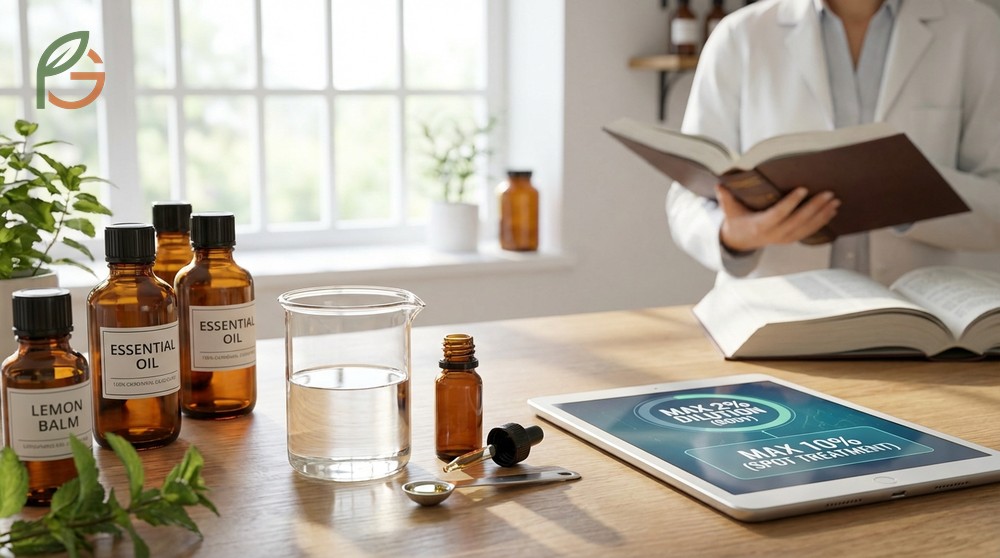
Safe essential oil use requires understanding potential risks and contraindications. Lemon balm oil shows good safety profiles in research but can cause reactions in sensitive individuals. Maximum dermal use limits help prevent sensitization and adverse effects.
Never exceed 2% dilution for body applications or 10% for very limited spot treatments[7]. Higher concentrations increase risk without improving therapeutic outcomes. Internal consumption of essential oils requires professional guidance and isn’t recommended for self-treatment.
Pregnant and breastfeeding women should consult healthcare providers before using melissa oil. Limited safety data exists for these populations. Children under two shouldn’t receive essential oil applications without pediatric approval.
- Always dilute to 1-2% for general use, never apply undiluted essential oil to skin
- Perform patch tests 24 hours before first use on larger areas
- Avoid contact with eyes, inner ears, and mucous membranes
- Store in dark glass bottles away from heat, light, and children’s reach
- Discontinue use if redness, burning, or rash develops
- Don’t use on broken skin, open wounds, or active infections without professional guidance
- Check medication interactions if you take sedatives, thyroid medications, or immunosuppressants
Drug Interaction Warning: Lemon balm may enhance effects of sedative medications, thyroid medications, and drugs metabolized by the liver. Consult healthcare providers if you take prescription medications regularly before using melissa oil therapeutically.
Quality verification prevents exposure to adulterated products. Purchase from reputable suppliers who provide GC-MS testing results. Authentic Melissa officinalis oil costs substantially more than citrus oils or lemongrass. Suspiciously low prices often indicate blended or synthetic products.
Proper storage extends shelf life and maintains therapeutic properties. Keep bottles tightly sealed in cool, dark locations. Oxidation reduces effectiveness and can create irritating compounds. Most essential oils maintain quality for 2-3 years when stored correctly.
Conclusion
The evidence demonstrates lemon balm essential oil offers significant therapeutic value for cold sore treatment, anxiety management, and digestive support when used correctly. Clinical data supports its antiviral efficacy while safety profiles remain favorable with proper dilution protocols. Current guidance emphasizes starting applications at the first sign of cold sore symptoms for maximum effectiveness.
FruitGarden provides research-backed information to help you make informed decisions about herbal remedies and essential oils. Understanding proper dilution, application timing, and quality verification ensures safe and effective use of botanical medicines like melissa oil.
Medical Disclaimer
Important Medical Disclaimer: This content is for informational and educational purposes only. It is not intended as a substitute for professional medical advice, diagnosis, or treatment. Always consult a qualified healthcare professional before using essential oils or making any changes to your health routine, especially if you have herpes infections, anxiety disorders, sleep disorders, digestive conditions, or take prescription medications. Never discontinue prescribed antiviral medications without consulting your healthcare provider. Pregnant women, nursing mothers, and children should not use essential oils without medical supervision.
Frequently Asked Questions
Can lemon balm essential oil cure cold sores permanently?
Lemon balm essential oil treats active cold sore outbreaks but doesn’t cure the underlying herpes simplex virus. Research shows it reduces outbreak duration and severity by inhibiting viral replication at the skin surface. The virus remains dormant in nerve cells between outbreaks, so melissa oil works as outbreak management rather than permanent cure.
What’s the difference between lemon balm essential oil and lemon balm tincture?
Essential oils concentrate volatile aromatic compounds through steam distillation, while tinctures extract both water-soluble and alcohol-soluble constituents through soaking dried herbs in alcohol. Tinctures are taken internally for systemic effects, whereas essential oils require dilution and work primarily through topical or aromatic application. Both contain therapeutic compounds but serve different purposes.
How quickly does lemon balm oil work for cold sores?
Clinical studies show symptom improvement within 48 hours when applications begin at the first tingling sensation. Most users see reduced redness and swelling after the first day of four-times-daily application. Complete healing typically occurs in 5-7 days compared to 10-14 days without treatment, representing approximately 50% reduction in outbreak duration.
Is melissa oil safe for children with fever blisters?
Children under 6 require extra caution with essential oils. Dilute melissa oil to 0.25-0.5% concentration for children and always conduct patch tests first. Consult a pediatrician before treating children’s cold sores with essential oils, as conventional treatments may be more appropriate. Never use undiluted essential oils on children’s skin.
Can I use lemon balm oil if I’m allergic to mint plants?
Lemon balm belongs to the mint family (Lamiaceae), so cross-reactivity may occur in individuals with mint allergies. Perform a patch test with heavily diluted oil (0.5%) on inner forearm before facial or therapeutic use. Discontinue immediately if redness, itching, or swelling develops. Consider alternative antiviral remedies if you have confirmed mint family allergies.
Does lemon balm essential oil help prevent cold sore outbreaks?
Research primarily documents treatment of active outbreaks rather than prevention. However, the stress-reducing properties of lemon balm may indirectly reduce outbreak frequency, since stress triggers many herpes reactivations. Regular aromatherapy use for anxiety management could potentially lower outbreak rates, though specific preventive efficacy studies are lacking.
What carrier oils work best with lemon balm essential oil for cold sores?
Fractionated coconut oil and jojoba oil work best for cold sore applications due to quick absorption and light texture. These carriers don’t leave heavy residue that might interfere with eating or drinking. Both have good shelf stability and won’t oxidize quickly. Avoid thick carriers like olive oil or castor oil for facial herpes applications.