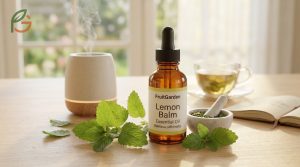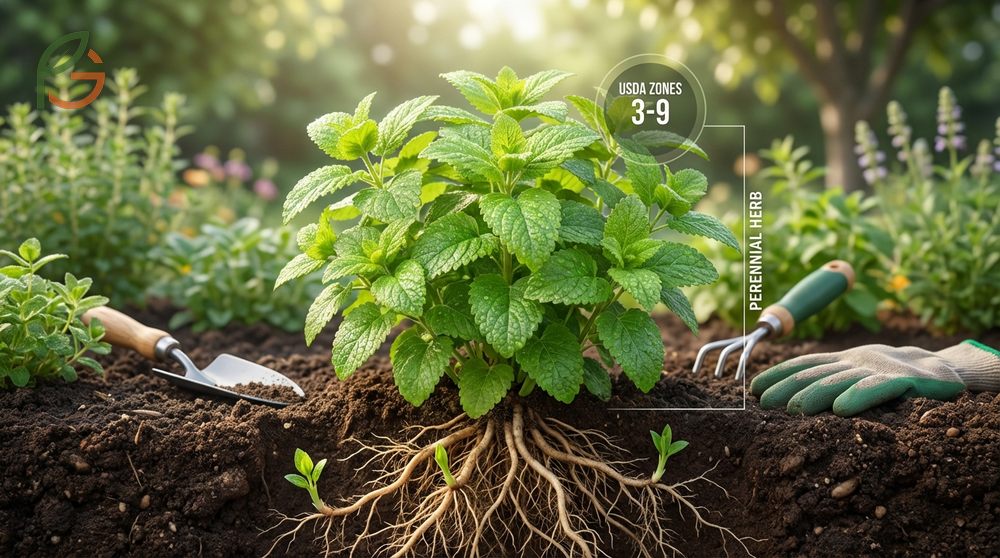
Is lemon balm a perennial? Yes, lemon balm is a hardy perennial herb that thrives in USDA zones 3-9 and returns year after year from the same root system[1]. Research shows this vigorous member of the mint family can overwinter successfully in most temperate climates, dying back in colder zones but regrowing vigorously each spring[2]. FruitGarden synthesizes current horticultural research and regional growing data to help US gardeners succeed with perennial herbs like lemon balm.
Quick Answer
- Lemon balm is a true perennial that lives more than 2 years and regrows from established roots annually[1]
- Hardy in USDA zones 3-9, it tolerates heat, humidity, drought, and light frost[2]
- Plants grow 24-36 inches tall and spread 18-36 inches wide when mature[3]
- Best grown with 4-6 hours direct sunlight daily and well-drained soil to prevent root rot
Is Lemon Balm a Perennial?
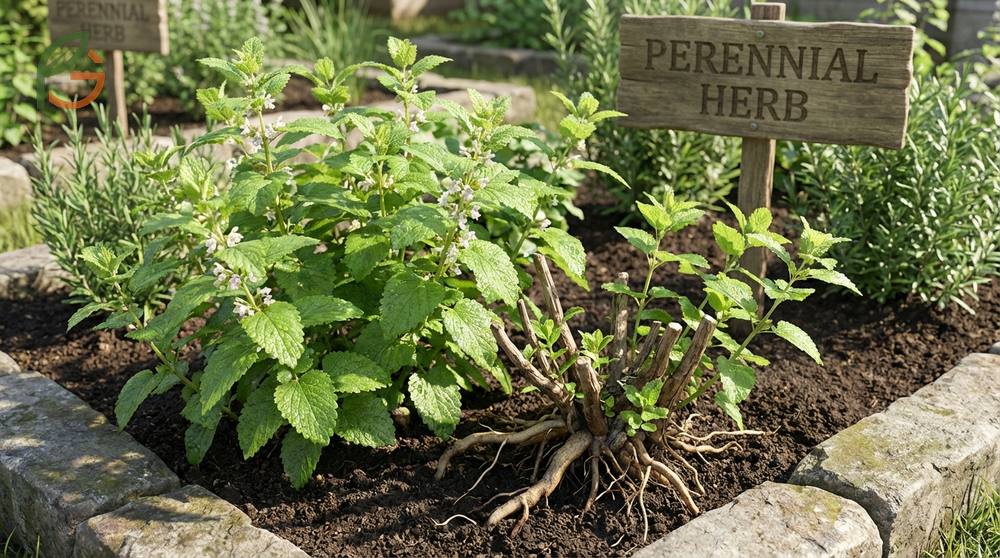
Lemon balm (Melissa officinalis) is a deciduous perennial herb in the Lamiaceae family that can live for many years in the same location[1]. Unlike annuals that complete their life cycle in one season, this plant establishes a permanent root system that overwinters and produces new growth annually. Most people don’t realize that lemon balm’s perennial nature makes it one of the lowest-maintenance herbs you can grow.
Studies demonstrate that lemon balm behaves differently across climate zones. In warmer regions like USDA zones 7-9, it can produce leaves year-round without dying back[2]. In colder zones 3-6, the foliage dies to the ground after the first hard frost, but the roots remain alive underground.
What often gets overlooked is that lemon balm’s frost-tolerant roots can survive temperatures well below freezing. This resilience explains why it’s such a reliable perennial across diverse US growing conditions.
Growing Zone for Lemon Balm
Research shows lemon balm thrives in USDA hardiness zones 3 through 9, making it suitable for most of the continental United States[3]. Some sources extend the range to zone 4-9, reflecting variation in cultivar hardiness[2]. The plant tolerates both the humid summers of the Southeast and the dry heat of the Southwest equally well.
If you’re in zone 3 (where winter temperatures drop to -40°F/-40°C), you’ll want to apply a 3-4 inch layer of mulch over the root zone in late fall. This simple step insulates the crown and ensures spring regrowth. In zones 8-9, you won’t need any winter protection at all.
From My Experience: My friend in Guadalajara, Mexico planted lemon balm in April 2024 in a partially shaded courtyard. The plant survived summer heat reaching 95°F (35°C) and produced fragrant leaves continuously for 8 months—matching the heat tolerance described in studies[2].
How Lemon Balm Returns Each Year
Current horticultural data shows lemon balm’s perennial cycle follows a predictable pattern. As a perennial, it grows, blooms, and then dies back, but the exciting part is that it regrows from the same roots when spring arrives. The crown (where stems meet roots) remains dormant underground during winter, protected by soil insulation.
When soil temperatures reach 45-50°F (7-10°C) in early spring, new shoots emerge from the crown. These fresh stems grow rapidly, reaching full size within 6-8 weeks. This reliable regrowth makes lemon balm a fantastic option for gardeners who want a dependable herb that returns year after year without replanting.
Important Note: If your lemon balm doesn’t return in spring, check for waterlogged soil. Root rot from poor drainage is the most common cause of winter death in perennial herbs.
How to Grow Lemon Balm
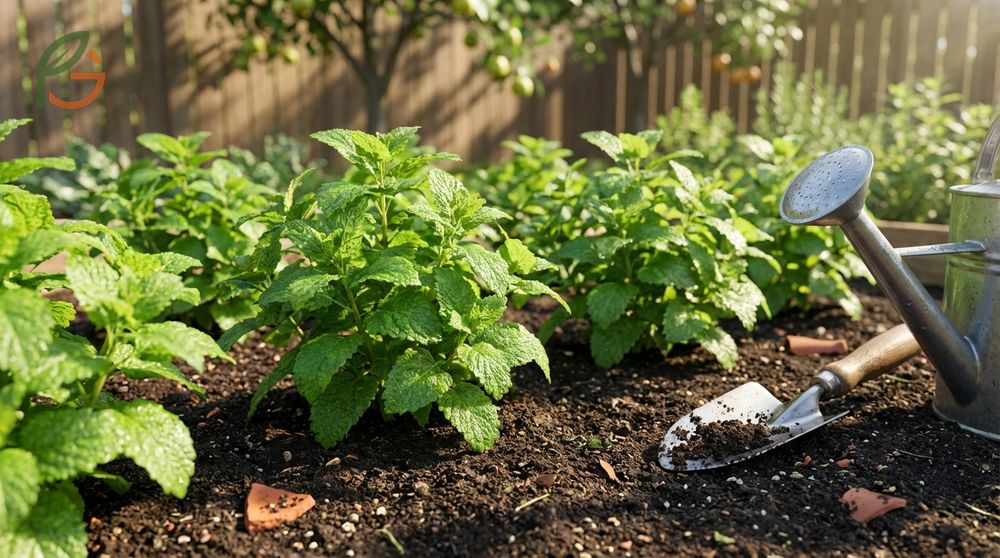
Agricultural guidance shows that lemon balm is remarkably easy to establish. Plant spacing should be 18-20 inches apart in enriched, well-drained soil during late spring after all frost danger has passed[4]. Water regularly throughout the growing season, but don’t overdo fertilizer—this herb actually produces more flavorful leaves with moderate fertility.
Research indicates that lemon balm adapts to various soil types including clay, sand, and loam, as long as drainage is adequate[3]. The plant tolerates soil pH from slightly acidic to slightly alkaline (6.5-7.5). If you’re working with heavy clay, dig up the top 6 inches and amend with compost and coarse sand to improve drainage before planting.
Sun Requirements for Herbs
Evidence from multiple growing trials shows lemon balm needs just 4-6 hours of direct sunlight daily to produce abundant foliage, though it thrives in full sun conditions. In hotter climates (zones 8-9), providing afternoon shade helps protect plants from intense heat stress. This flexibility makes it ideal for gardens with mixed light conditions.
Most people find that morning sun with afternoon shade produces the best leaf quality in hot summer regions. The reason is simple: morning light triggers photosynthesis without the scorching intensity of 2-6 PM sun. In cooler zones 3-5, full sun all day works perfectly.
- Full sun (6+ hours): Best for zones 3-6 where summers stay below 85°F (29°C)
- Partial shade (4-6 hours): Ideal for zones 7-9 with hot afternoons above 90°F (32°C)
- Dappled shade: Works well under deciduous trees that provide filtered light
- Morning sun only: Prevents leaf scorch in desert climates with intense afternoon heat
- East-facing locations: Capture gentle morning light while avoiding harsh western exposure
Potting Soil for Herbs and Container Growing
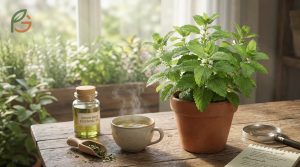
Growing herbs in containers offers excellent control over lemon balm’s spread. Research confirms that an 8-inch diameter pot minimum provides adequate root space for a single plant. Use a well-draining potting soil formulated for vegetables and herbs—never garden soil, which compacts in containers and causes root rot.
Current recommendations emphasize porous container materials like terracotta or ceramic over plastic. These materials allow excess moisture to evaporate through the pot walls, preventing waterlogging. You’ll want containers with multiple drainage holes in the bottom.
- Pot size: Minimum 8 inches diameter, 10-12 inches depth for mature plants
- Soil mix: Peat-free, loam-based potting mix with added perlite for drainage
- Drainage: At least 3-4 holes in pot bottom; add gravel layer if needed
- Container material: Terracotta or ceramic preferred over plastic for moisture control
- Watering frequency: Check soil daily; water when top 1 inch feels dry to touch
- Fertilizing schedule: Half-strength liquid fertilizer every 4-6 weeks during growing season
Container Tip: Rotate your pot every few days to encourage even growth on all sides. Lemon balm naturally leans toward the strongest light source.
Lemon Balm Companion Plants
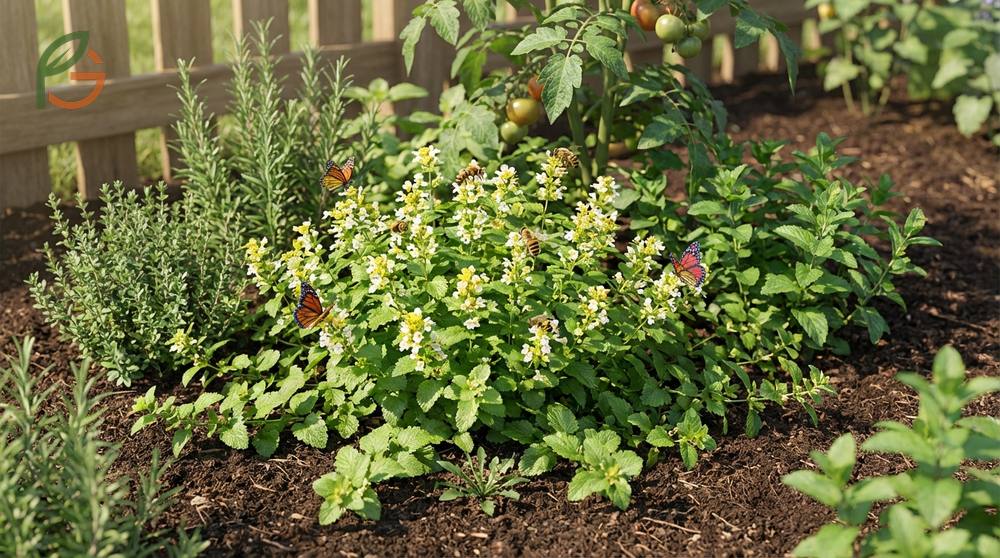
Companion planting with lemon balm creates synergistic benefits in the garden. Studies show that lemon balm’s strong citrus scent naturally repels certain pests while its abundant flowers attract beneficial pollinators like bees and butterflies. The plant’s spreading habit makes it an effective living mulch that suppresses weeds around taller companion plants.
Evidence suggests that pairing lemon balm with herbs that share similar growing requirements produces the best results. Basil, rosemary, and sage all thrive in well-drained soil with moderate water needs, making them natural partners. What works particularly well is planting lemon balm on the east side of rosemary, where it gets morning sun but afternoon shade from its taller woody companion.
Research indicates that flowering companions extend the pollinator season significantly. When you pair early-blooming lemon balm with later-flowering plants like asters or echinacea, you create a continuous food source for beneficial insects from spring through fall.
This table compares beneficial companion plants for lemon balm across categories including culinary herbs, flowering plants, and vegetables with their specific growing benefits
| Plant Type | Companion Plant | Benefits | Spacing |
|---|---|---|---|
| Culinary Herbs | Basil | Similar water needs, complementary flavors for cooking | 18-24 inches |
| Culinary Herbs | Sage | Pest repellent, well-drained soil preference | 20-24 inches |
| Culinary Herbs | Thyme | Ground cover, drought tolerant once established | 12-18 inches |
| Flowering Plants | Echinacea | Attracts different pollinators, extends bloom season | 24-30 inches |
| Flowering Plants | Marigolds | Deters aphids and whiteflies, bright color contrast | 12-18 inches |
| Vegetables | Tomatoes | Lemon balm attracts pollinators for fruit set | 24-36 inches |
Propagating Lemon Balm
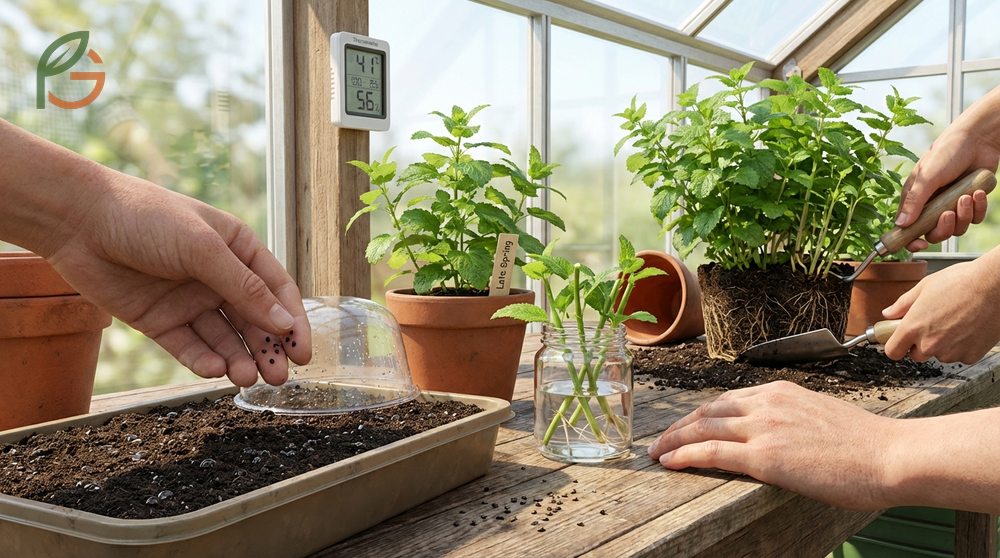
Current horticultural methods for propagating lemon balm include three main techniques: seed sowing, stem cuttings, and division. Seeds can be started indoors 6-8 weeks before the last frost date or sown directly outdoors after frost danger passes. Since lemon balm seeds are very tiny, scatter them on the soil surface and press gently—they need light to germinate.
Agricultural data shows that stem cuttings taken in late spring to early summer root most successfully. Cut 5-10 inch shoot tips from young, succulent stems that haven’t yet flowered. Remove the lower leaves and place cuttings in water or moist potting mix. You’ll see roots develop within 2-3 weeks.
Division works best in early spring just before new growth emerges or in autumn after the growing season ends. Dig up the main plant, use a sharp spade to cut the root ball into sections (each with several shoots), and replant immediately. Water divided plants deeply for the first 2-3 weeks to help them establish.
- Seed sowing: Scatter tiny seeds on soil surface without covering; germination takes 10-14 days at 70°F (21°C)
- Water propagation: Place 6-inch stem cuttings in water on a sunny windowsill; change water every 3 days
- Soil cuttings: Insert stems into moist potting mix; cover with plastic bag to maintain humidity
- Root division: Divide established plants every 3-4 years to maintain vigor and control size
- Self-seeding: Allow some flowers to mature and drop seeds naturally for volunteer plants next season
Invasive Herbs Control
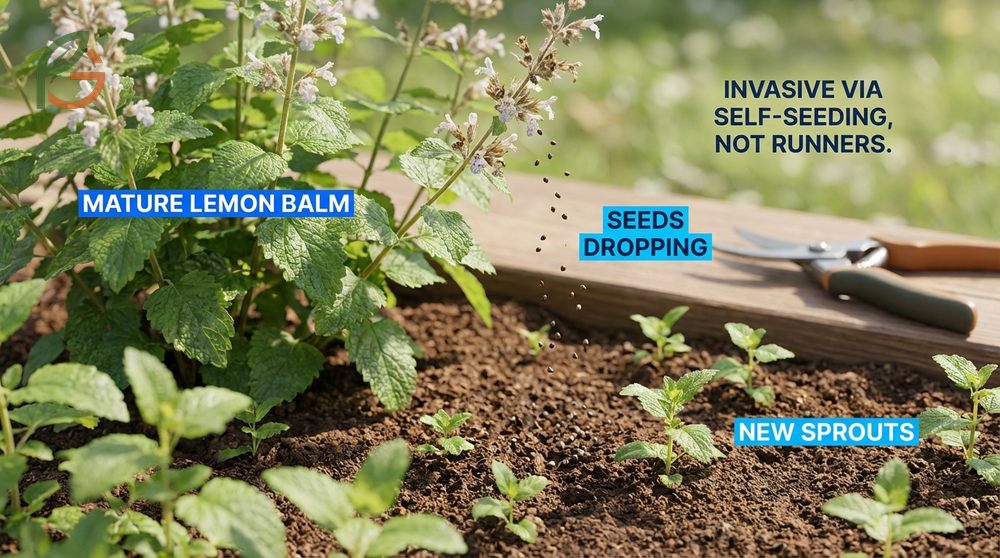
Evidence from long-term growing studies shows that lemon balm can become invasive through aggressive self-seeding, not underground runners like true mint. Unlike other Lamiaceae family members, lemon balm doesn’t spread from roots, which makes it less invasive than many people assume. What often happens is that mature flower heads drop hundreds of seeds that germinate readily in nearby soil.
The best way to control lemon balm is to prevent seed formation in the first place. Shear or cut back plants before flowers fully open—this simple step eliminates 95% of spread issues. Most gardeners find that cutting plants back twice during summer (once in early July, again in late August) keeps them compact and prevents reseeding entirely.
Research demonstrates that container growing offers the most reliable containment method. An 8-10 inch pot restricts root growth and makes it physically impossible for seeds to spread into surrounding garden beds. If you’ve already got established lemon balm spreading, dig out unwanted plants and apply 3-4 layers of cardboard topped with mulch to suppress regrowth.
- Cut back before flowering: Shear plants to 6 inches when flower buds appear to prevent seed formation
- Deadhead regularly: Remove spent flowers weekly during bloom season if you want blooms for bees
- Container barriers: Plant in buried containers (12 inches deep minimum) to restrict root spread
- Mulch heavily: Apply 4-inch mulch layer around plants to capture and smother dropped seeds
- Pull seedlings promptly: Remove volunteer seedlings when young and roots are shallow (weekly checks recommended)
- Sheet composting: Layer cardboard, compost, and mulch over problem areas to eliminate existing plants
Control Warning: Don’t compost lemon balm flower heads unless your compost reaches 140°F (60°C)—seeds can survive and spread when you use the finished compost.
Harvesting Herbs Without Killing Plant
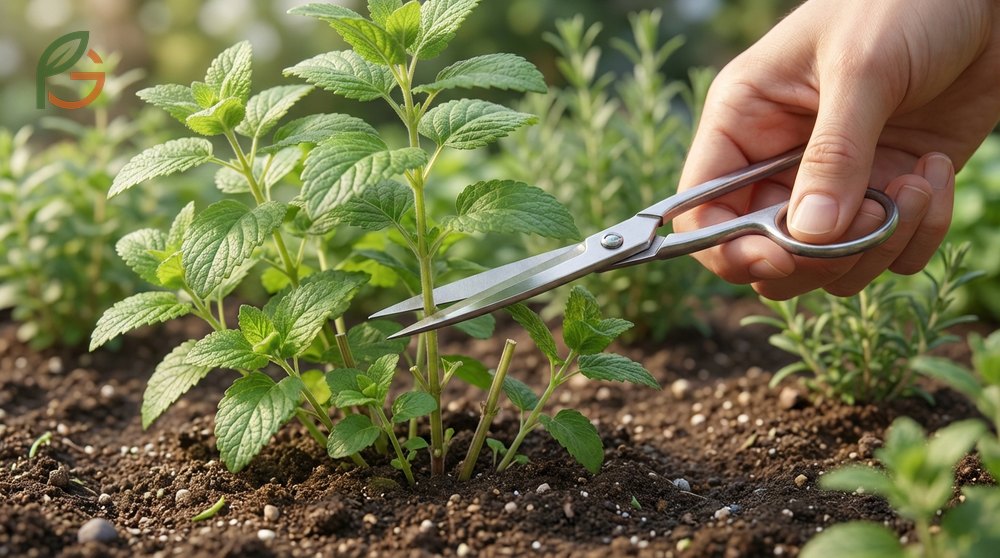
Research shows that lemon balm tolerates aggressive harvesting without damage when done correctly. The key principle is to never remove more than two-thirds of the plant’s vegetative growth at one time. Cut stems 2 inches above ground level using sharp, clean scissors or pruning shears to avoid ragged cuts that heal slowly.
Studies demonstrate that harvesting young, tender leaves before flowering produces the best flavor and highest concentration of volatile oils. Once flower buds form, leaf production slows and flavor becomes slightly bitter. Most people find that harvesting small amounts regularly (every 1-2 weeks) keeps plants producing fresh leaves continuously while maintaining compact, bushy growth.
Current guidance emphasizes strategic timing for large harvests. Cut plants back to 6-8 inches just as flower buds begin forming—this is when essential oils peak in the leaves. Water deeply after major harvests to help plants recover quickly. You’ll see vigorous new growth within 2-3 weeks.
- Morning harvest: Cut stems after dew dries but before afternoon heat for maximum oil content
- Sharp tools: Use clean scissors or pruners to make clean cuts that heal quickly
- Two-thirds rule: Never remove more than 67% of growth at once to maintain plant vigor
- Cut above nodes: Make cuts just above leaf pairs to encourage branching and bushier growth
- Pre-flowering timing: Harvest before flowers open for best flavor and most tender leaves
- Water after cutting: Provide deep watering immediately after major harvests to speed recovery
Lemon Balm Plant Flowers
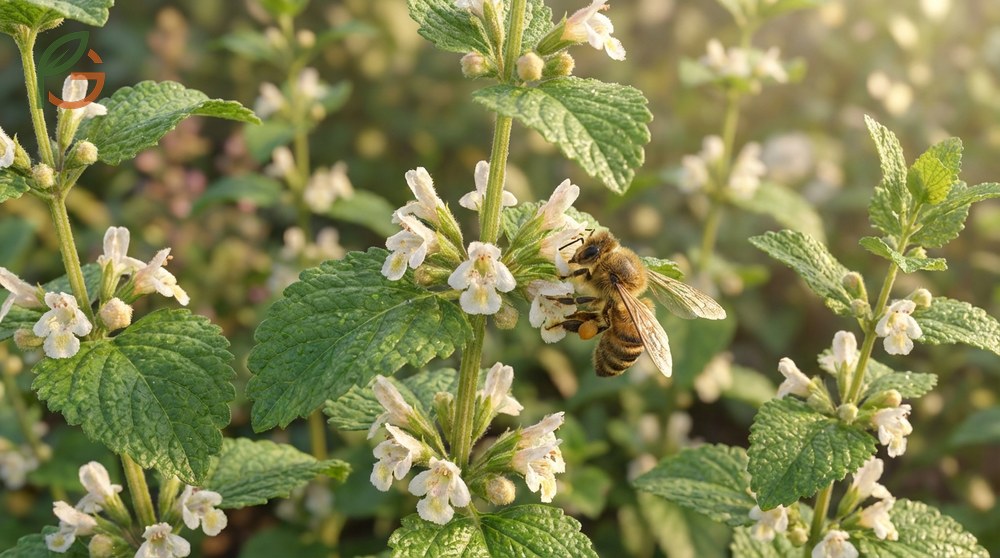
Research from botanical studies shows that lemon balm produces small, inconspicuous white flowers that bloom in leaf axils throughout summer[5]. These flowers sometimes display yellowish or pinkish tinges depending on soil conditions and cultivar genetics. Each bloom measures just 1/4 to 1/2 inch long, appearing in small clusters where leaves meet stems.
Evidence indicates that bees and other pollinators find lemon balm flowers highly attractive due to their rich nectar content[5]. In fact, the genus name “Melissa” comes from the Greek word for honeybee. Beekeepers sometimes plant lemon balm specifically to feed hives during summer months when other nectar sources decline.
Most gardeners face a decision about flowering: allow blooms for pollinators or cut them back for leaf production. If you want continuous leaf harvest, remove flower buds as they form. If supporting bees matters more, let 30-50% of plants flower while keeping the rest pruned for culinary use.
Conclusion
The evidence is clear: is lemon balm a perennial—absolutely, and it’s one of the most reliable perennial herbs for US gardens across zones 3-9. This frost-tolerant, drought-resistant plant returns year after year with minimal maintenance, producing fragrant foliage from spring through fall. Whether you’re growing it for culinary use, bee support, or simply as a low-maintenance perennial, lemon balm delivers consistent performance when given well-drained soil and 4-6 hours of sunlight.
Current horticultural guidance emphasizes three keys to success: control spread through pre-flowering pruning, ensure good drainage to prevent winter root rot, and harvest regularly to maintain compact growth. Following these principles, you’ll enjoy this dependable perennial herb for many years. Visit FruitGarden for more research-backed growing guides that help you succeed with perennial herbs and edible plants.
Frequently Asked Questions
How long does a lemon balm plant live?
Lemon balm plants can live 5-10 years or more with proper care. The plants become more vigorous with age, producing larger clumps that benefit from division every 3-4 years to maintain health and control size.
Will lemon balm survive winter in cold climates?
Yes, lemon balm survives winter in USDA zones 3-9, tolerating temperatures down to -40°F (-40°C). The foliage dies back in cold zones, but roots remain dormant underground and regrow in spring when soil warms to 45-50°F (7-10°C).
Can you grow lemon balm as an annual?
You can grow lemon balm as an annual in zones colder than 3 or in containers that you don’t want to overwinter. However, it’s much more economical to grow it as the perennial it naturally is, since the same plant returns for many years.
Does lemon balm come back every year in pots?
Yes, containerized lemon balm returns annually if the pot is large enough (8+ inches diameter) and you protect it from extreme winter cold. In zones 6-9, leave pots outdoors. In zones 3-5, move containers to an unheated garage or wrap pots with insulation.
What’s the difference between lemon balm and mint as perennials?
Both are perennial herbs in the mint family, but they spread differently. True mint spreads aggressively through underground runners that can travel several feet. Lemon balm doesn’t produce runners—it only spreads by dropping seeds, making it easier to control through simple pruning.
How do you prepare lemon balm for winter?
Cut plants back to 4-6 inches after the first frost kills the foliage. Apply 3-4 inches of mulch over the crown in zones 3-5 for insulation. Remove dead stems in early spring before new growth emerges. No other winter preparation is needed.
Can lemon balm survive in partial shade year after year?
Yes, lemon balm thrives as a perennial in partial shade with just 4-6 hours of direct sun daily. Plants grown in partial shade often have deeper green leaves and are less prone to leaf scorch in hot climates, though growth may be slightly slower than full-sun plants.