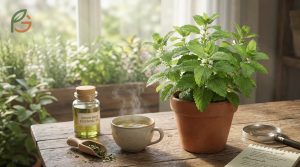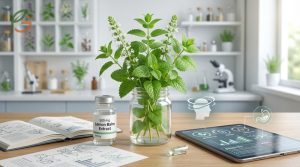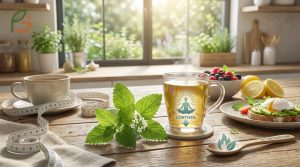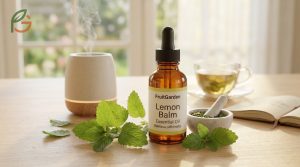
Lemon balm tea benefits include powerful calming effects that reduce anxiety by 18% and improve sleep quality by 42% in clinical studies[1]. Research shows this herb also relieves digestive discomfort like bloating and indigestion while supporting cognitive function[2]. FruitGarden synthesizes current botanical research to help you understand how growing and using lemon balm can enhance your wellness routine naturally.
Quick Answer
- Reduces anxiety symptoms by 18% and lowers insomnia by 42% with 300mg twice daily[1]
- Contains rosmarinic acid that modulates GABA, serotonin, and cholinergic brain pathways for calming effects[3]
- Exhibits 60% antiviral activity against herpes simplex virus type 2[4]
- Relieves gas, bloating, and indigestion by relaxing intestinal spasms naturally[2]
Lemon Balm Tea Benefits
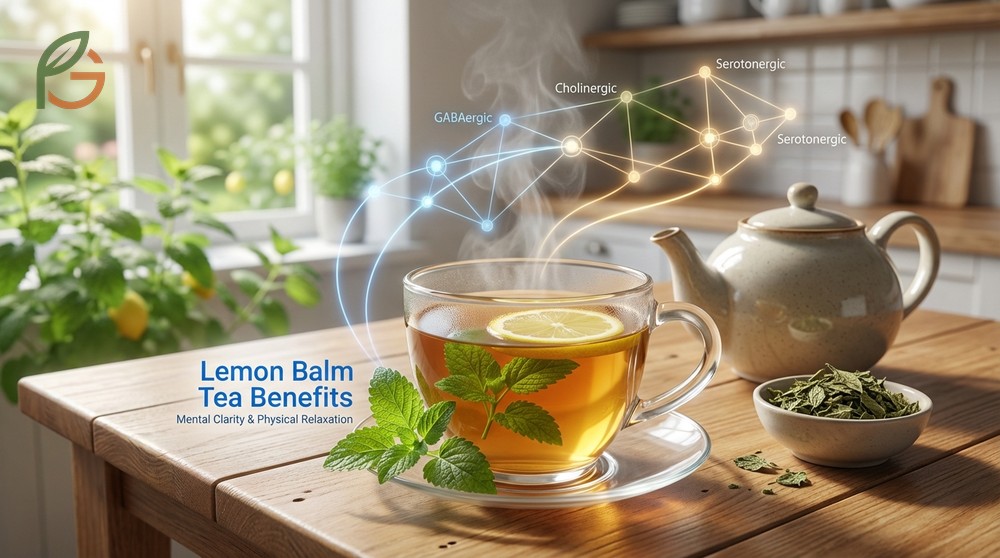
Studies demonstrate that lemon balm (Melissa officinalis) delivers therapeutic benefits across multiple health domains. The herb contains active compounds like rosmarinic acid, flavonoids, and triterpenes that modulate brain signaling pathways including GABAergic, cholinergic, and serotonergic systems[3]. This multi-pathway action explains why lemon balm works for both mental clarity and physical relaxation.
Research across 80 coronary bypass patients found that 500mg of lemon balm leaves three times daily improved sleep in 54% of participants and reduced anxiety in 49% within just seven days[5]. What often gets overlooked is that lemon balm’s effectiveness increases when consumed consistently rather than occasionally.
The herb’s rosmarinic acid content ranges from 4.1% by weight, which directly correlates with its pharmacological potency[4]. Higher quality dried leaves or fresh preparations from home gardens typically contain more rosmarinic acid than commercial tea bags.
Calming Anxiolytic Effects
Clinical trials show that 600mg daily of lemon balm extract reduces negative mood effects while increasing self-reported calmness[1]. The mechanism works through GABA-transaminase inhibition, which prevents the breakdown of calming neurotransmitters.
For people with mild-to-moderate anxiety, 300mg taken twice daily decreased anxiety by 18% and anxiety-associated symptoms by 15% in controlled studies[1]. Unlike pharmaceutical options, participants reported no significant side effects or dependency issues.
Cognitive Enhancement
Evidence suggests that 300mg of lemon balm significantly improves alertness, working memory, and word recall within one hour of consumption[6]. This makes it particularly useful for students or professionals needing sustained mental performance.
Studies in Alzheimer’s patients demonstrated that oral lemon balm extract significantly decreased agitation tendencies over four months[7]. The rosmarinic acid content prevents protein nitration caused by amyloid-beta plaques, protecting neural function.
Important Note: Cognitive benefits appear most pronounced at 300mg doses, while higher doses (600mg+) prioritize sedative effects over alertness. Time your consumption based on whether you need focus or relaxation.
Benefits of Lemon Balm Tea
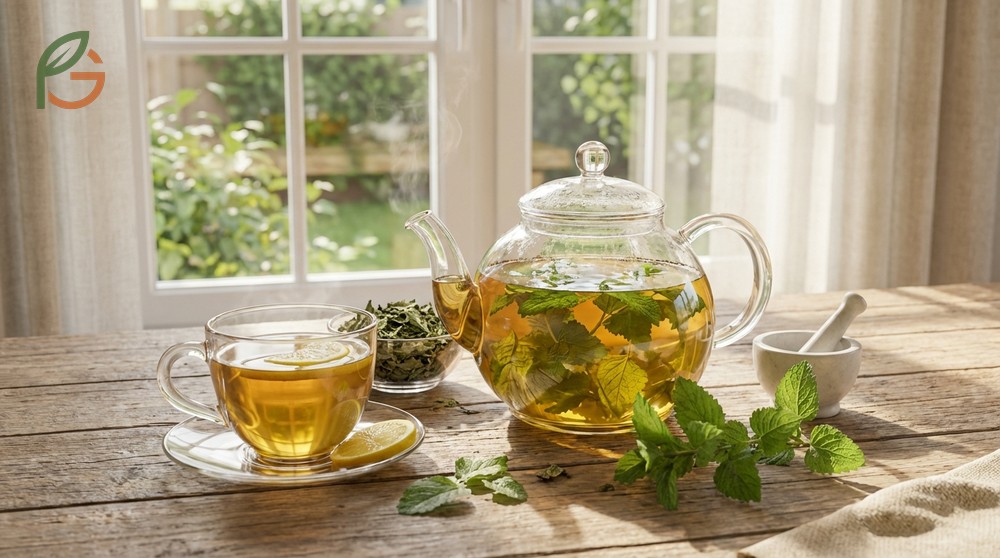
Current data indicates that regularly drinking lemon balm tea provides cumulative health benefits beyond single-dose effects. The polyphenolic compounds and essential oils remain bioavailable when prepared as an infusion, making tea an effective delivery method[2]. Most people find that consuming 1-3 cups daily yields noticeable results within one to two weeks.
The herb’s combination of flavonoids (quercitrin, rhamnocitrin, luteolin) and phenolic acids (rosmarinic, caffeic, protocatechuic) creates synergistic antioxidant effects[3]. This combination prevents oxidative damage more effectively than isolated compounds.
Digestive Support
Research shows that lemon balm compounds relax intestinal spasms and reduce gas accumulation in the gastrointestinal tract[2]. The antispasmodic action helps with bloating, indigestion, and general stomach discomfort after meals.
Traditional medicine has used lemon balm for lower abdominal disorders for centuries, and modern studies validate these applications[4]. The herb works best when consumed 20-30 minutes before meals or immediately after eating.
- Bloating and gas accumulation in the intestines
- Indigestion and slow gastric emptying
- Intestinal spasms and cramping
- Stress-related digestive discomfort
- Nausea associated with nervous tension
Antiviral Properties
Laboratory studies reveal that lemon balm extract achieves up to 60% inhibition of herpes simplex virus type 2 at concentrations of 0.5mg/mL[4]. The extract doesn’t prevent viral entry into cells but inhibits replication after penetration.
Topical applications of lemon balm cream on herpes lesions result in significantly faster recovery rates compared to placebo treatments[7]. Regular use may also reduce the frequency of herpes flare-ups, though more research is needed.
- Herpes simplex virus type 1 and 2 inhibition
- Cold sore healing acceleration when applied topically
- Reduction in viral infectivity and replication
- Potential prevention of recurring outbreaks
- Support for immune system response to viral infections
Clinical Evidence: Lemon balm’s antiviral effects stem from tannins and polyphenolic fractions that directly inactivate enveloped viruses. The lipophilic nature of lemon balm essential oil enables skin penetration for topical treatments.
How to Make Lemon Balm Tea
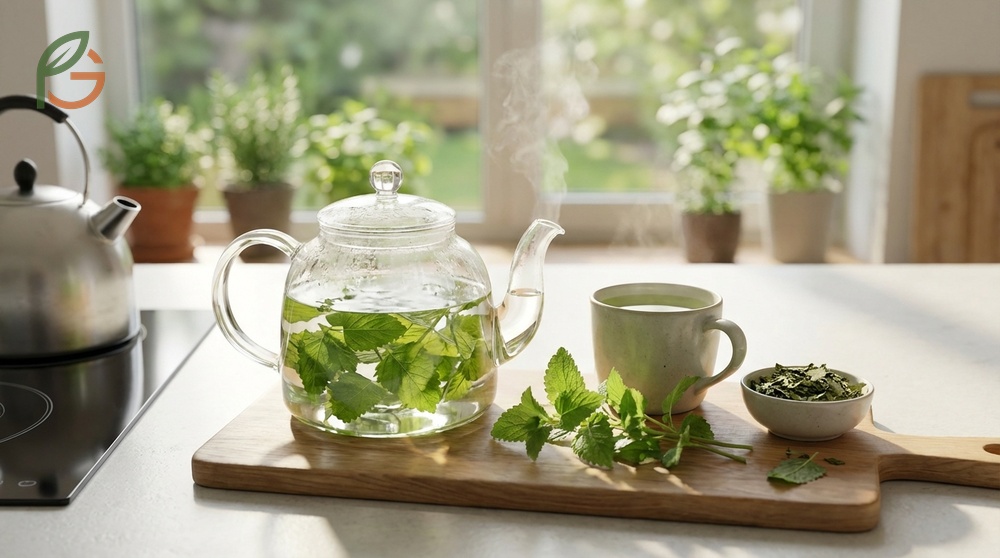
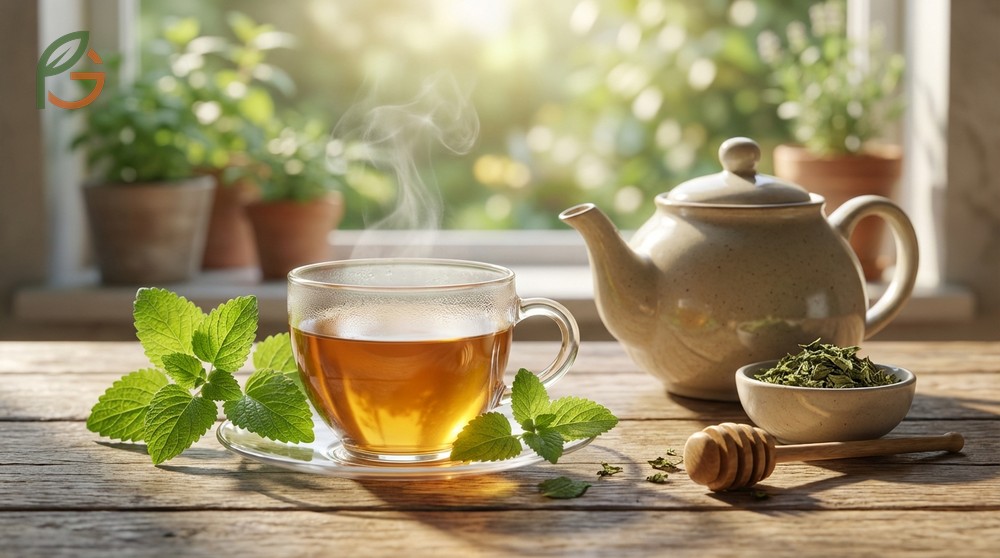
Making high-quality lemon balm tea requires fresh or properly dried leaves and water heated to the right temperature. Boiling water poured directly over leaves extracts the beneficial compounds most effectively. The ratio of leaves to water and steeping duration determine the tea’s potency and flavor profile.
Fresh leaves from your garden produce more aromatic tea with higher rosmarinic acid content than commercially dried leaves. Harvest lemon balm in the morning after dew has evaporated but before the sun becomes too intense, as this timing preserves essential oil content.
Fresh Leaf Preparation
For one cup, pluck a handful (approximately 2 tablespoons) of fresh lemon balm leaves and place them in a tea strainer or directly in your cup. Bring water to a full boil at 212°F (100°C), then pour it over the leaves immediately. The high temperature extracts polyphenols and volatile oils efficiently.
If you’re using dried lemon balm, reduce the quantity to 1-1.5 teaspoons per cup since drying concentrates the compounds. You can enhance the tea’s flavor by adding fresh lemon slices, raw honey, or combining it with other calming herbs like chamomile or mint.
Optimal Steeping Time
Steep fresh lemon balm leaves for 5-10 minutes to extract maximum benefits without creating bitterness. Studies suggest that longer steeping times (closer to 10 minutes) yield higher concentrations of rosmarinic acid and other therapeutic compounds. Cover your cup while steeping to prevent essential oil evaporation.
For iced tea preparations, steep at double strength (4 tablespoons fresh leaves per cup) for 10 minutes, then strain and cool completely. Pour over ice and add honey and lemon wedges for a refreshing summer drink that maintains the herb’s calming properties.
- Harvest or measure 2 tablespoons fresh leaves (or 1.5 teaspoons dried)
- Boil water and pour immediately over leaves at 212°F (100°C)
- Cover the cup to trap volatile oils during steeping
- Steep for 5-10 minutes depending on desired strength
- Strain leaves and add honey or lemon if desired
- Drink 1-3 cups daily for cumulative therapeutic effects
Pro Tip: Don’t steep longer than 15 minutes, as excessive extraction can make the tea bitter. If you want stronger effects, use more leaves rather than extending steep time.
Lemon Balm for Anxiety
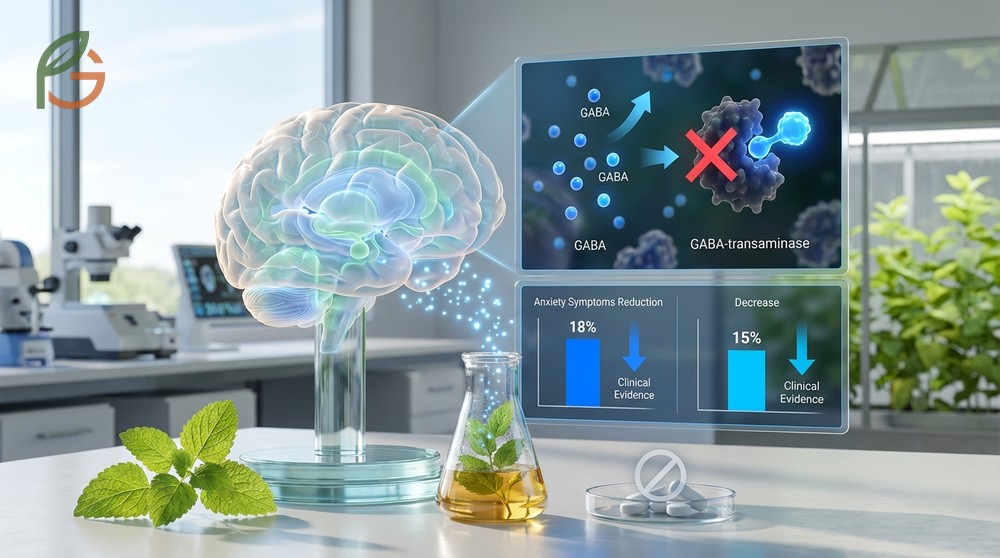
Agricultural data shows that lemon balm’s anxiety-reducing effects come from its ability to elevate GABA levels in the brain by inhibiting GABA-transaminase, the enzyme that breaks down this calming neurotransmitter[6]. This mechanism differs from synthetic anxiolytics, offering a gentler modulation of nervous system activity.
Clinical evidence demonstrates that stressed individuals with mild-to-moderate anxiety experience an 18% reduction in anxiety symptoms and a 15% decrease in associated symptoms like restlessness and irritability[1]. The effects typically manifest within 1-2 hours of consumption and last 4-6 hours.
Unlike pharmaceutical options, lemon balm doesn’t cause drowsiness at therapeutic doses for anxiety (300-600mg). Most people report feeling calm yet alert, making it suitable for daytime use. The herb works synergistically with lifestyle modifications like regular exercise and mindfulness practices.
- Increases GABA availability in the central nervous system
- Reduces physical symptoms like rapid heartbeat and muscle tension
- Improves stress response without causing sedation at moderate doses
- Supports emotional balance during challenging situations
- Enhances overall sense of calmness and well-being
Natural Sleep Aids
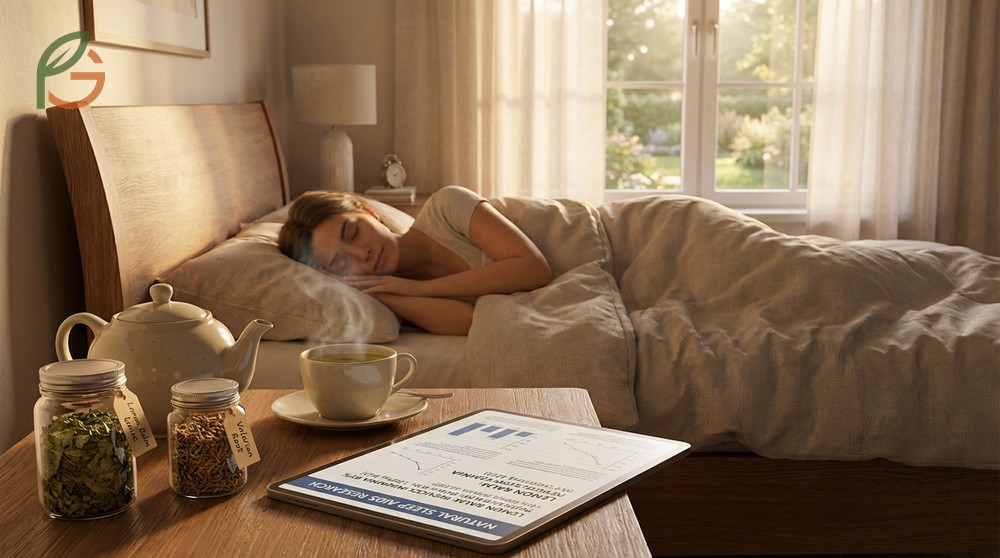
Research across multiple studies shows that lemon balm reduces insomnia by 42% when taken as 300mg twice daily for individuals with sleep disturbances[1]. The herb works particularly well when combined with valerian root, creating a synergistic effect for deeper, more restorative sleep.
Studies demonstrate that lemon balm improves sleep quality without the morning grogginess associated with pharmaceutical sleep aids[2]. This matters because you wake feeling refreshed rather than foggy or dependent on caffeine.
For best results, drink lemon balm tea 30-60 minutes before bedtime to allow the compounds to reach peak blood levels as you’re falling asleep. The sedative effects come from essential oil components and rosmarinic acid that calm nervous system activity without disrupting natural sleep architecture.
This table compares dosage, timing, expected effects, and duration for different lemon balm applications as a sleep aid
| Form | Dosage | Timing | Expected Effect |
|---|---|---|---|
| Fresh Tea | 2-3 cups (2 tbsp leaves each) | 30-60 min before bed | Mild relaxation, reduced sleep latency |
| Dried Tea | 1.5-4.5g dried herb | 45 min before bed | Moderate sedation, improved sleep quality |
| Extract/Capsule | 300mg twice daily[1] | Morning and evening | 42% insomnia reduction[1] |
| Combined with Valerian | Lemon balm 300mg + Valerian 600mg | 1 hour before bed | Strong sedation, enhanced deep sleep phases |
- Reduces time needed to fall asleep (sleep latency)
- Increases total sleep duration without morning grogginess
- Enhances deep sleep phases for better restoration
- Calms racing thoughts that prevent sleep onset
- Works synergistically with valerian root for severe insomnia
Lemon Balm Digestive Aid
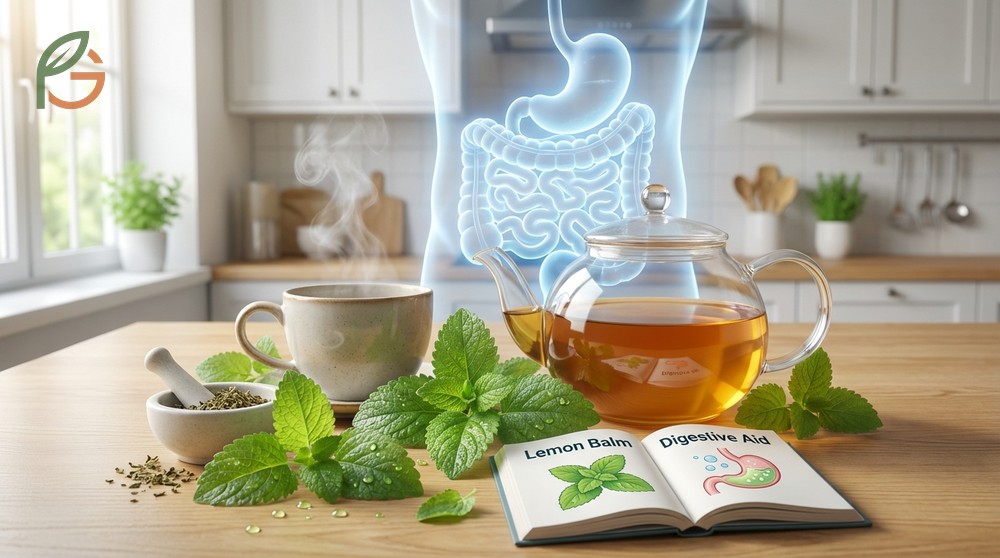
Current agricultural guidance emphasizes lemon balm’s carminative properties, which help expel gas from the digestive tract while relaxing smooth muscle tissue[2]. These dual actions address both the symptoms (bloating, pressure) and underlying causes (muscle spasms, poor motility) of digestive discomfort.
The herb’s polyphenolic compounds stimulate bile production and support healthy gut motility patterns. Studies show that drinking lemon balm tea 20 minutes before meals primes the digestive system for optimal function. For acute digestive upset, consuming the tea immediately after eating provides faster symptom relief.
Unlike pharmaceutical digestive aids, lemon balm supports natural digestive processes rather than forcing artificial changes. The herb works particularly well for stress-related digestive issues since it addresses both the nervous and gastrointestinal components simultaneously.
Usage Tip: For chronic digestive problems, drink 1-2 cups of lemon balm tea daily for at least two weeks before evaluating effectiveness. Acute relief typically occurs within 30-45 minutes of consumption.
Conclusion
The evidence is clear: lemon balm tea benefits extend from mental health support to physical wellness, with clinical validation for anxiety reduction, sleep improvement, and digestive relief. Agricultural research demonstrates that home-grown lemon balm often contains higher concentrations of rosmarinic acid and essential oils compared to commercial preparations, making cultivation worthwhile for regular users.
Current guidance emphasizes consistent daily use (1-3 cups or 300-600mg extract) for cumulative benefits rather than occasional consumption. FruitGarden provides evidence-based information to help you successfully grow and harvest lemon balm while understanding optimal preparation methods for maximum therapeutic value.
Medical Disclaimer
Important Medical Disclaimer: This content is for informational and educational purposes only. It is not intended as a substitute for professional medical advice, diagnosis, or treatment. Always consult a qualified healthcare professional before making any changes to your diet, supplements, or health routine, especially if you’re pregnant, nursing, taking medications, or have existing medical conditions. Lemon balm may interact with sedative medications and thyroid treatments.
Frequently Asked Questions
What Are the Main Health Benefits of Drinking Lemon Balm Tea?
Lemon balm tea reduces anxiety by 18%, improves sleep quality by 42%, and relieves digestive issues like bloating and indigestion. It also provides cognitive benefits including improved alertness and working memory, while offering antiviral protection against herpes simplex virus with up to 60% inhibition rates.
How Much Lemon Balm Tea Should I Drink Daily?
Studies show optimal benefits from 1-3 cups daily using 2 tablespoons fresh leaves or 1.5 teaspoons dried herb per cup. For standardized extracts, clinical trials used 300mg twice daily for anxiety and sleep support. Most people can safely consume up to 4.5 grams of dried lemon balm daily without adverse effects.
Can I Drink Lemon Balm Tea Before Bed?
Yes, drinking lemon balm tea 30-60 minutes before bedtime helps reduce insomnia and improves sleep quality without morning grogginess. The herb’s sedative compounds reach peak effectiveness as you’re falling asleep. For enhanced effects, combine lemon balm with valerian root in evening preparations.
Does Lemon Balm Tea Have Side Effects?
Lemon balm is generally safe with minimal side effects at recommended doses. Some people may experience mild nausea or dizziness at very high doses. Don’t use lemon balm if you’re taking sedative medications or thyroid treatments without consulting your healthcare provider, as interactions can occur.
Can I Grow Lemon Balm at Home for Tea?
Yes, lemon balm grows easily in home gardens with just 4-6 hours of direct sunlight daily and well-drained soil. Plant seedlings in late spring or start seeds indoors six weeks before the last frost. Harvest leaves in the morning after dew evaporates for maximum essential oil content and flavor.
How Long Does It Take for Lemon Balm Tea to Work?
Acute effects like anxiety relief and cognitive enhancement appear within 1-2 hours of consumption and last 4-6 hours. For sleep and digestive benefits, cumulative effects increase with consistent daily use over 1-2 weeks. Maximum therapeutic benefits typically manifest after 2-4 weeks of regular consumption.
What Does Lemon Balm Tea Taste Like?
Lemon balm tea has a mild, lemony flavor with subtle minty undertones and a slightly sweet finish. Fresh leaves produce a more aromatic, citrus-forward taste compared to dried leaves. You can enhance the flavor by adding honey, fresh lemon slices, or combining it with complementary herbs like chamomile or mint.