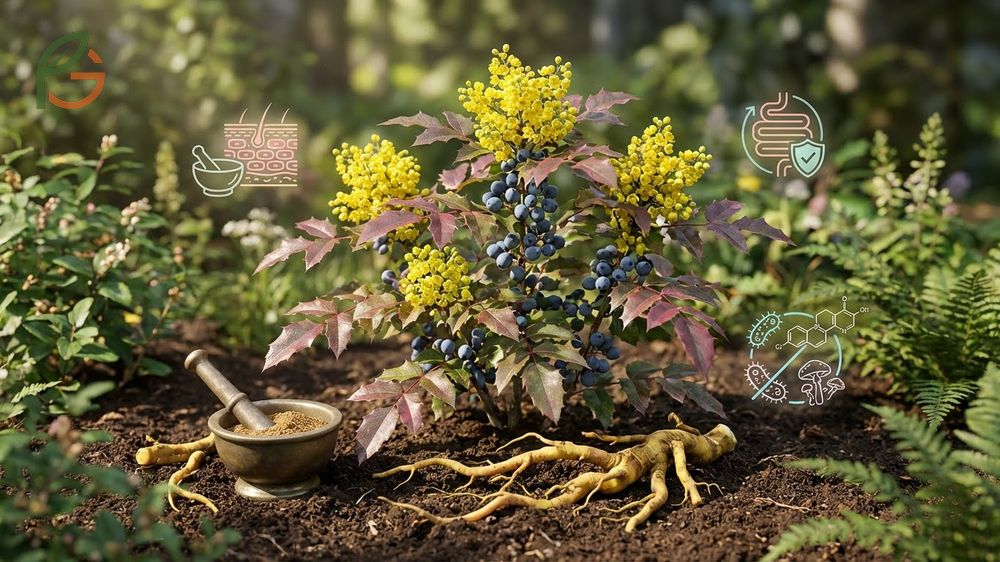
Oregon grape root benefits extend from treating inflammatory skin conditions like psoriasis and eczema to supporting digestive health through its antimicrobial properties. Research shows this native North American plant contains berberine, which demonstrates effectiveness against bacterial and fungal infections[1]. FruitGarden synthesizes current botanical research and traditional herbalism practices to help gardeners understand cultivation and medicinal applications of this remarkable shrub.
Quick Answer
- Treats psoriasis and eczema through anti-inflammatory compounds that suppress inflammatory skin cells[1]
- Provides antimicrobial action against Staphylococcus aureus and other bacteria causing skin infections[1]
- Supports digestive health by stimulating bile production and clearing toxins from the system[1]
- Best used as topical cream (10% concentration) or root tea, with caution for internal dosing[3]
Oregon Grape Root Benefits
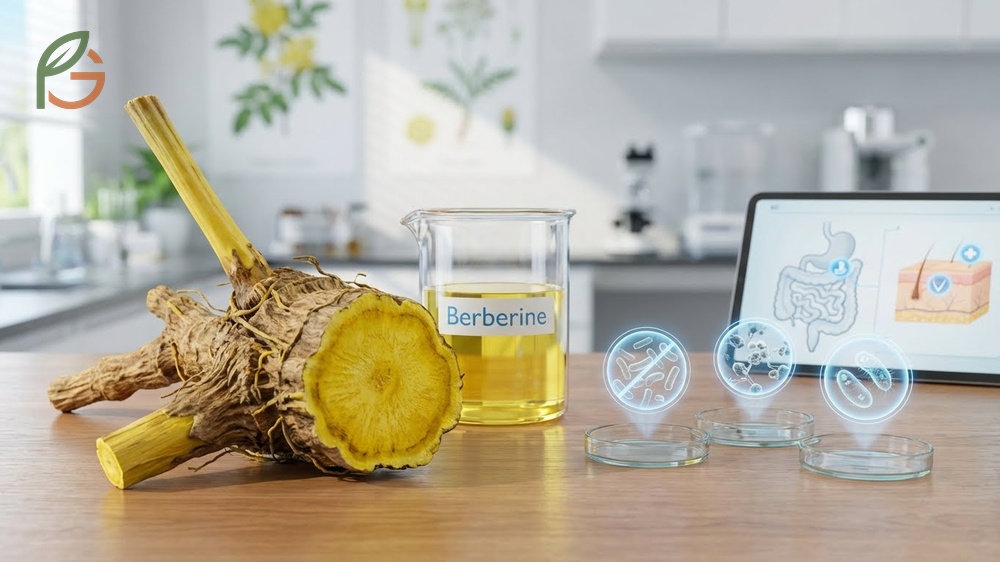
Oregon grape root delivers therapeutic benefits primarily through berberine and other alkaloids concentrated in its yellow-colored roots and stems. Studies demonstrate antimicrobial activity against numerous bacteria, fungi, and protozoa that cause infections throughout the body[1]. Clinical research confirms effectiveness for both internal conditions like digestive inflammation and external applications for chronic skin diseases[5].
The root’s depurative action works by supporting liver and gallbladder function to clear metabolic waste from tissues. This systemic cleansing explains why practitioners recommend it for skin conditions that stem from internal imbalances. Research shows the anti-inflammatory mechanisms specifically target the immune cells that trigger psoriasis and eczema flare-ups[1].
Most Americans don’t realize that Oregon grape offers benefits comparable to pharmaceutical antimicrobials for certain conditions. The berberine content provides broad-spectrum activity while supporting natural detoxification pathways. Evidence suggests combining internal use for systemic support with topical applications for localized infections produces the strongest results.
Skin Condition Treatment
Oregon grape root excels at treating inflammatory skin diseases through multiple pathways. The plant’s anti-proliferative activity slows excessive skin cell growth in psoriasis, while suppressing inflammatory molecules reduces eczema symptoms[1]. Clinical trials demonstrate measurable improvement in both conditions.
Topical creams containing 10% Oregon grape extract show effectiveness when applied for up to 12 weeks[3]. The antibacterial action against Staphylococcus aureus makes it particularly useful for acne, boils, and localized skin infections[1].
- Psoriasis—reduces scaly patches and inflammation through keratinocyte regulation
- Eczema and dermatitis—suppresses inflammatory triggers and soothes irritated skin
- Acne—antimicrobial action targets bacteria while reducing inflammation
- Boils and abscesses—draws out infections when applied as poultice or salve
- Fungal infections—berberine demonstrates activity against various fungal species
- Skin ulcerations—promotes healing through cleansing and antimicrobial properties
Antimicrobial Properties
The antimicrobial spectrum of Oregon grape root extends beyond skin applications. Research confirms activity against oral bacteria, making it effective as a mouthwash for gingivitis and oral infections[1]. Practitioners use it for sore throats as a gargle prepared from strong decoction or diluted tincture.
The berberine content shows particular strength against digestive pathogens including Salmonella and Shigella. This makes Oregon grape useful for treating diarrhea, dysentery, and various gastrointestinal infections. The antimicrobial action works systemically when taken internally as tea or tincture.
Important Note: Oregon grape demonstrates antimicrobial effects, but it shouldn’t replace prescribed antibiotics for serious bacterial infections. Use it as complementary support or for minor conditions, and consult healthcare providers for persistent infections.
Digestive System Support
Oregon grape root functions as a bitter tonic that stimulates digestive secretions. The cholagogue action increases bile flow from the gallbladder, improving fat digestion and promoting regular bowel movements. Herbalists recommend it for chronic constipation, gastritis, and sluggish digestion[1].
The liver-supportive properties make Oregon grape valuable for detoxification protocols. It removes stagnancy in the digestive tract while clearing heat and inflammation from tissues. This cleansing action supports overall vitality and strength by improving nutrient absorption and waste elimination.
From My Experience: My aunt in Guadalajara, Mexico planted Oregon grape as ornamental hedging in March 2023. The plants established in her garden’s partial shade, producing yellow flower clusters in early spring and blue berries by summer—matching the typical growth pattern for this adaptable shrub.
Oregon Grape Holly Plant
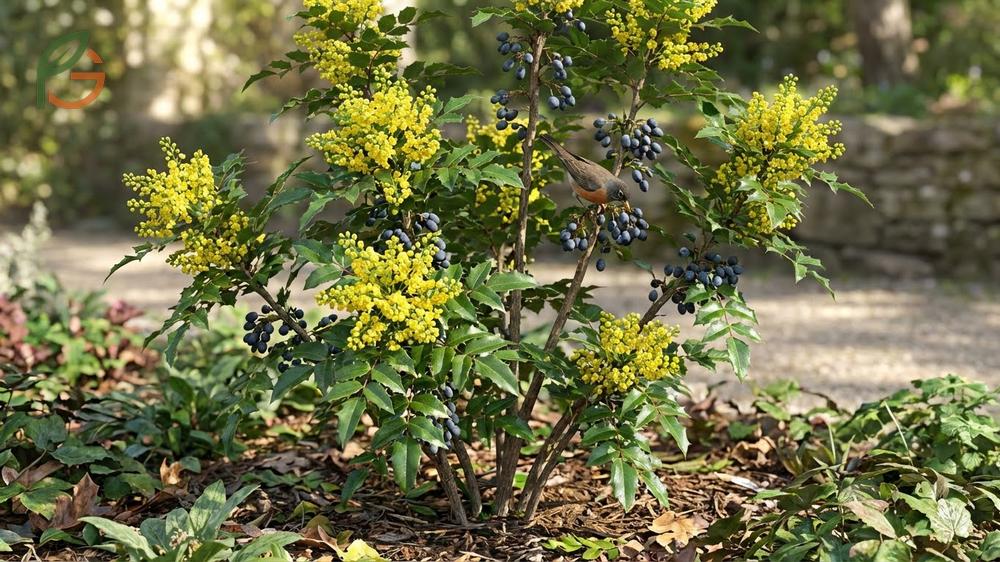
Oregon grape holly (Mahonia aquifolium) earns its common name from the holly-like appearance of its spiny evergreen leaves. This low-maintenance shrub grows 3 to 6 feet tall with a 3 to 4 foot spread, developing an upright habit with multiple stems[6]. Gardeners value it for year-round foliage interest and wildlife benefits.
The plant produces clusters of fragrant yellow flowers in late winter through spring, followed by dark blue to black oval berries that attract birds. These berries persist through fall, providing food for wildlife while offering foraging opportunities for people. The slow growth rate makes Oregon grape suitable for foundation plantings and low borders.
Botanical Characteristics
Oregon grape belongs to the Berberidaceae family and features distinctive pinnate leaves up to 30cm long. Each compound leaf consists of spiny leaflets resembling holly, with ovate shapes and toothed margins[9]. The glossy green foliage maintains its color through winter without notable fall color change.
The bark develops a corky gray-brown texture with age. Current year stems appear brown and relatively thick compared to other shrubs. The yellow inner bark and roots contain the medicinal compounds, visible when stems are cut or bark is shaved away[15].
- Height range: 3 to 6 feet depending on variety and conditions
- Evergreen foliage: maintains year-round color and structure in landscapes
- Yellow flowers: fragrant clusters bloom late winter through spring
- Blue-black berries: ripen in summer and persist into fall
- Spiny leaves: provide deer resistance and textural interest
- Multi-stemmed growth: typically develops clumping form rather than single trunk
Growth Requirements
Oregon grape thrives in partial shade to full shade conditions, tolerating various soil types with good drainage. The plant adapts to different moisture levels but produces better berries when receiving adequate water throughout the growing season[18]. Native to western North America, it handles cold winters while preferring protection from intense afternoon sun.
The slow growth rate means Oregon grape requires patience during establishment. Once settled, it demands minimal maintenance beyond occasional pruning to shape or remove dead wood. The plant spreads gradually through underground rhizomes, making it useful for stabilizing slopes or filling naturalized areas.
Growing Tip: Oregon grape appears on the United Plant Savers watch list, so never harvest entire wild plants. When foraging from established landscapes or cultivated gardens, take only what you need and leave plenty for plant regeneration and wildlife[15].
Identifying Oregon Grape in the Wild
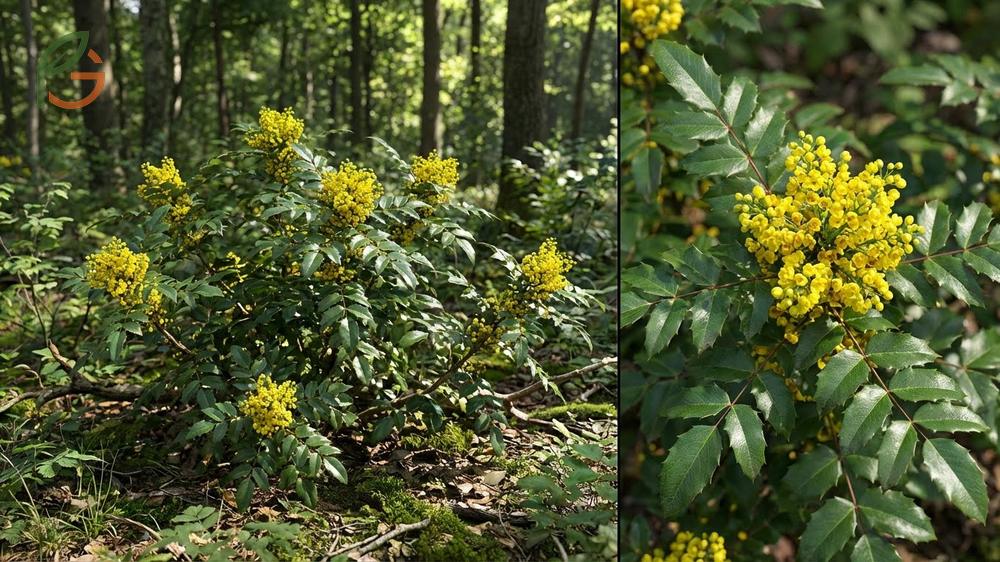
Identifying Oregon grape in natural settings requires attention to several distinctive features. The compound pinnate leaves with spiny margins provide the most obvious identifier, especially when combined with the plant’s low shrubby growth form. Wild populations typically appear in forested areas with dappled shade, often spreading into colonies through rhizomes.
The yellow flowers in dense clusters emerge before most other woodland plants bloom, making spring identification straightforward. During summer and fall, the grape-like clusters of blue-black berries confirm the identification. The corky gray bark and yellow inner tissue provide additional verification when examining stems.
Key Identification Features
The pinnate leaf structure distinguishes Oregon grape from most similar plants. Each leaf comprises multiple spiny leaflets arranged along a central stem, resembling holly but with a completely different arrangement[9]. The glossy surface reflects light, creating a distinctive appearance in the understory.
The flowers grow in upright or slightly drooping clusters at stem tips, each small yellow bloom contributing to the showy display. The spherical berries develop a waxy bloom when ripe, appearing dusty blue rather than glossy black. This coating rubs off easily when touched, revealing darker skin underneath.
- Compound leaves with 5 to 9 holly-like leaflets per leaf stem
- Spiny leaf margins with sharp points deterring browsing
- Yellow flower clusters appearing in late winter or early spring
- Blue-black berries in grape-like bunches during summer and fall
- Gray-brown corky bark on older stems with yellow inner tissue
- Low shrubby form typically under 6 feet in natural habitats
- Evergreen foliage persisting through winter months
Oregon Grape vs Barberry
Oregon grape and barberry belong to the same botanical family but show clear differences. Barberry (Berberis vulgaris) features simple leaves on thorny stems, while Oregon grape displays compound leaves without stem thorns[16]. The growth habits differ significantly, with barberry forming denser, more rounded shrubs.
Both plants contain berberine in their roots and bark, offering similar medicinal properties. However, Oregon grape berries are edible when cooked, while some barberry species require caution. The most reliable distinction comes from examining leaf structure—compound versus simple—and the presence or absence of stem thorns.
This table compares key identification features, growth characteristics, and uses between Oregon grape and common barberry plants
| Feature | Oregon Grape | Barberry |
|---|---|---|
| Leaf Type | Compound pinnate with 5-9 leaflets | Simple leaves on thorny stems |
| Stem Thorns | No thorns on stems | Sharp thorns along branches |
| Berry Color | Blue-black with waxy coating | Red to orange berries |
| Growth Form | Upright, open, 3-6 feet tall | Dense, rounded, variable height |
| Leaf Margins | Spiny with sharp points | Smooth to slightly toothed |
Oregon Grape Root Side Effects

Oregon grape root generally demonstrates safety when used appropriately, but excessive amounts can cause adverse reactions. Too much produces diarrhea, kidney inflammation, and psychological effects including mental daze and stupor[7]. Long-term internal use beyond two to three weeks isn’t recommended without professional guidance.
Topical applications of 10% Oregon grape cream may cause itching, burning, irritation, and allergic reactions in sensitive individuals[3]. Test any new topical preparation on a small skin area before applying broadly. Discontinue use if irritation develops.
The berberine content raises specific safety concerns for certain populations. Pregnant women should avoid Oregon grape because berberine can cross the placenta and stimulate uterine contractions[2]. Breastfeeding mothers should also avoid it due to potential effects on infant bilirubin metabolism[10].
- Pregnancy—berberine crosses placenta and may cause contractions
- Breastfeeding—potential interference with infant bilirubin metabolism
- Overactive thyroid—high doses may affect thyroid function
- Kidney conditions—excessive use can cause inflammation
- Low blood pressure—may further reduce blood pressure levels
- Children—insufficient safety data for pediatric use
- Blood sugar medications—may enhance effects requiring dosage adjustment
The appropriate dosage varies by preparation method and intended use. For root tea, herbalists recommend 2 teaspoons dried cut bark per cup, simmered 15 minutes, drinking half a cup 2-3 times daily[17]. Tincture dosing typically ranges from 30-45 drops taken 2-3 times per day. Don’t exceed recommended amounts.
People with sensitivity to related plants in the Berberidaceae family may experience allergic reactions. High doses can cause vomiting, lowered blood pressure, reduced heart rate, lethargy, nosebleeds, and skin or eye irritation[9]. Always start with lower doses to assess individual tolerance.
How to Make Oregon Grape Tea
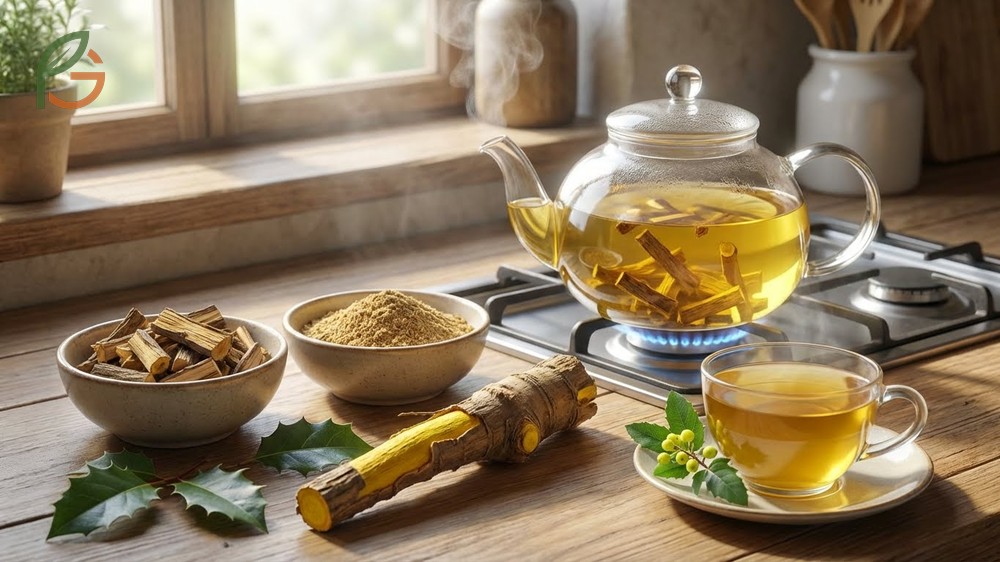
Making Oregon grape tea requires the dried or fresh root bark rather than leaves or berries. For dried root, use about 2 teaspoons of cut bark or 1 teaspoon of powdered root per cup of water. Place the herb and water in a pot, bring to a boil, then reduce heat and simmer covered for 15 minutes[17].
Fresh bark requires roughly double the amount—use 1 tablespoon per cup and simmer for the same duration. The resulting tea appears golden yellow due to berberine content. Strain before drinking, consuming half a cup 2-3 times daily for medicinal purposes.
The bitter taste can be intense for some palates. You can mix the tea with honey or blend it with more palatable herbs like peppermint to improve flavor. The bitterness actually contributes to the digestive-stimulating effects, so don’t eliminate it entirely with excessive sweetening.
Oregon Grape Root Tincture
Tinctures concentrate the medicinal compounds into an alcohol-based extract with longer shelf life. To make Oregon grape root tincture, use a fresh herb ratio of 1 part chopped root by weight to 2 parts alcohol by volume, or 1 part dried root to 5 parts alcohol[17]. Use at least 40% alcohol content for proper extraction.
Place the chopped root in a glass jar and cover completely with alcohol. Seal tightly and store in a cool, dark location for at least 2 weeks, shaking occasionally. Strain through muslin cloth, squeezing thoroughly to extract all liquid. Store the finished tincture in amber dropper bottles.
Standard tincture dosing runs 30-45 drops taken 2-3 times daily. You can add the drops to water or juice to dilute the strong flavor. Tinctures provide convenient dosing and maintain potency for several years when stored properly away from heat and light.
Using Edible Oregon Grape Berries
Oregon grape berries are edible but extremely tart when raw, making them unsuitable for fresh eating. The berries work best when cooked with sugar in jams, jellies, and syrups[11]. When cooked, they develop flavor notes similar to blackcurrants. You can also ferment them into wine or liqueur.
Harvest the berries when they develop their full blue-black color with waxy coating. They come off the stems easily despite the plant’s spiny leaves. Process soon after harvesting for best flavor, as the berries don’t store well fresh.
The edible flowers offer another foraging opportunity. Use the yellow blossoms as garnish or to make lemonade-style drinks and sorbets[13]. Young leaves can be consumed in small quantities but taste quite bitter. Focus harvesting efforts on berries and roots for most practical applications.
Conclusion
The evidence demonstrates that Oregon grape root benefits span from treating stubborn skin conditions to supporting digestive function through its antimicrobial and anti-inflammatory compounds. Current guidance emphasizes using standardized topical preparations for psoriasis and eczema while reserving internal use for short-term digestive support under professional supervision.
Whether you’re cultivating Oregon grape as ornamental landscaping or foraging for medicinal roots, this versatile native plant deserves attention from gardeners and herbalists alike. FruitGarden provides research-based cultivation information helping you grow and use medicinal plants responsibly in your own garden.
Medical Disclaimer
Important Medical Disclaimer: This content is for informational and educational purposes only. It is not intended as a substitute for professional medical advice, diagnosis, or treatment. Always consult a qualified healthcare professional before using Oregon grape or any herbal remedy, especially if you’re pregnant, breastfeeding, taking medications, or have existing medical conditions. The berberine in Oregon grape may interact with various medications and isn’t appropriate for all individuals.
Frequently Asked Questions
What is oregon grape root used for medicinally?
Oregon grape root treats inflammatory skin conditions including psoriasis, eczema, and acne through its anti-inflammatory and antimicrobial properties. It’s also used for digestive issues, oral infections, and as a general immune system support due to the berberine content that fights bacteria, fungi, and protozoa.
Can you eat oregon grape berries raw?
Oregon grape berries are edible but extremely tart when raw, making them unpleasant for fresh eating. They’re best used cooked with sugar in jams, jellies, syrups, or fermented into wine. The cooked berries develop a flavor similar to blackcurrants.
How do you identify oregon grape in the wild?
Identify Oregon grape by its compound pinnate leaves with 5-9 spiny holly-like leaflets, yellow flower clusters in early spring, and blue-black grape-like berry clusters in summer. The evergreen shrub grows 3-6 feet tall with gray-brown corky bark that reveals yellow inner tissue when cut.
What are the side effects of oregon grape root?
Side effects from excessive Oregon grape root include diarrhea, kidney inflammation, nausea, and mental daze. Topical applications may cause itching, burning, or allergic reactions. Pregnant and breastfeeding women should avoid it entirely as berberine crosses the placenta and may affect infant bilirubin metabolism.
How long does it take for oregon grape to work on psoriasis?
Clinical studies using 10% Oregon grape cream show improvement in psoriasis symptoms within several weeks of consistent application. Most trials evaluate effectiveness over 8-12 weeks of daily use. Individual results vary based on psoriasis severity and overall health status.
What’s the difference between Oregon grape and barberry?
Oregon grape has compound leaves with multiple leaflets and no stem thorns, while barberry features simple leaves on thorny branches. Oregon grape produces blue-black berries whereas barberry typically has red berries. Both contain medicinal berberine but belong to different genera within the same family.
How much oregon grape root should I take daily?
For tea, use 2 teaspoons dried root per cup, simmered 15 minutes, drinking half a cup 2-3 times daily. Tincture dosing typically ranges from 30-45 drops taken 2-3 times per day. Don’t use internally for more than 2-3 weeks without consulting a healthcare professional.