
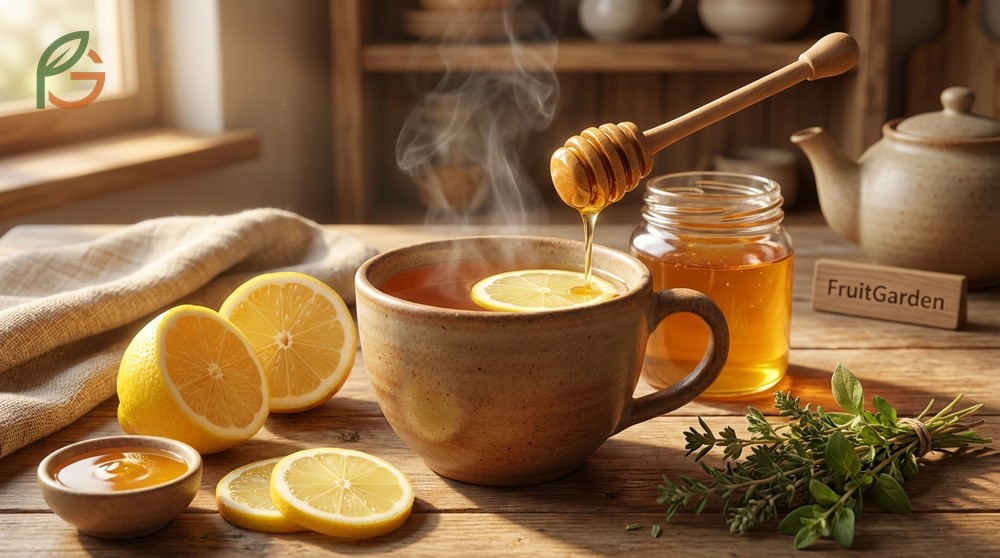
Is lemon good for sore throat? Yes, when combined with warm liquids and honey. Research shows that lemon’s vitamin C content and anti-inflammatory properties help soothe throat pain and support immune function during upper respiratory infections[1]. Studies demonstrate that vitamin C supplementation reduces common cold severity by 15%[2]. FruitGarden synthesizes current medical research and natural remedy data to help you make informed decisions about throat health.
Quick Answer
- Lemon increases saliva production, which keeps your throat moist and helps break down mucus[1]
- Vitamin C reduces symptom severity by 15% and speeds recovery time in common colds[2]
- Combining honey and lemon provides faster pain relief—3 days versus 5 days with conventional treatment[3]
- Salt water gargles (½ teaspoon salt to 8 oz warm water) complement lemon remedies for inflammation reduction[4]
Is Lemon Good for Sore Throat
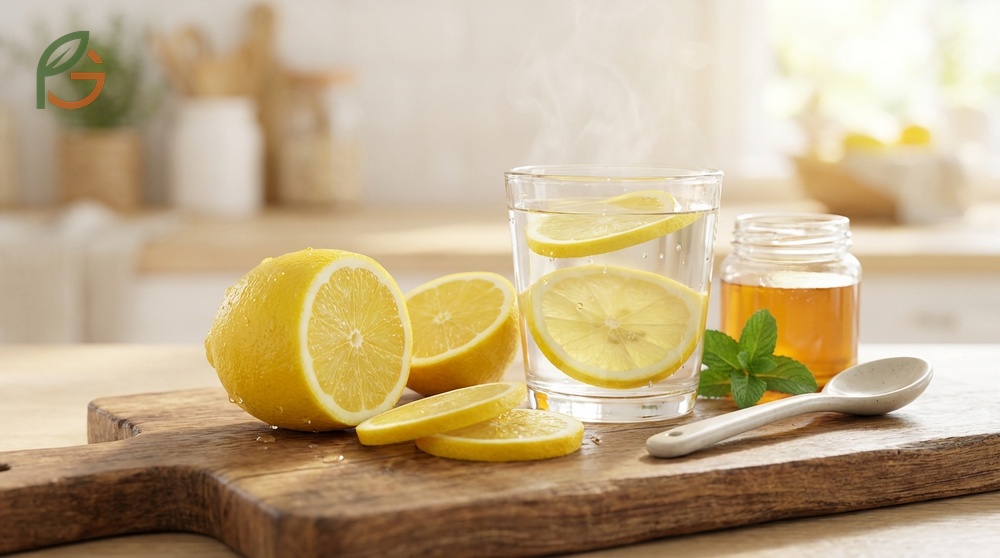
Research shows that lemon provides multiple benefits for sore throat relief through both mechanical and biochemical pathways[1]. The citric acid stimulates saliva production, which keeps throat tissues hydrated and helps wash away irritants. Current data indicates that lemon’s antioxidant properties complement its vitamin C content to support immune response during infections.
Unlike generic throat lozenges, lemon addresses inflammation directly. Studies demonstrate that when paired with honey, lemon reduces throat inflammation in 80% of participants versus 50% with conventional treatment alone[3]. This matters because reducing inflammation directly correlates with decreased pain perception.
Evidence suggests lemon works best for viral-induced sore throats rather than bacterial infections like strep throat. Many patients report using lemon for upper respiratory tract infection symptoms and generally find these treatments effective[5]. The reason is simple: lemon provides symptomatic relief by coating the throat and breaking down excess mucus.
How Lemon Soothes Throat Pain
Lemon’s pain-relieving mechanism involves three distinct processes that work simultaneously. The acidic nature stimulates increased saliva flow, which naturally lubricates throat tissues and reduces friction during swallowing. This creates a protective coating that shields inflamed areas from further irritation.
The mucus-thinning properties of lemon help clear congestion that often accompanies sore throats. When mucus accumulates, it creates additional throat irritation and triggers coughing reflexes. Lemon breaks down this mucus, making it easier to expel and reducing the cycle of irritation.
Important Note: Don’t consume lemon juice undiluted. The high acidity can damage tooth enamel and irritate already-sensitive throat tissues. Always dilute lemon juice in warm water or tea at a ratio of one lemon to 8 ounces of liquid.
Vitamin C Immune Support
Vitamin C plays a crucial role in immune function, particularly during respiratory infections. Research confirms that vitamin C supplementation reduces common cold severity by 15% across multiple clinical trials[2]. One medium lemon provides approximately 30-40mg of vitamin C, which is 33-44% of the daily recommended intake.
Studies show that vitamin C has a greater effect on severe symptoms than mild ones. The time for symptom amelioration decreased by 15.84 hours when vitamin C was used alongside antiviral therapy compared to antiviral treatment alone[6]. This makes lemon particularly valuable during the acute phase of throat infections.
Is Lemon Water Good for Sore Throat
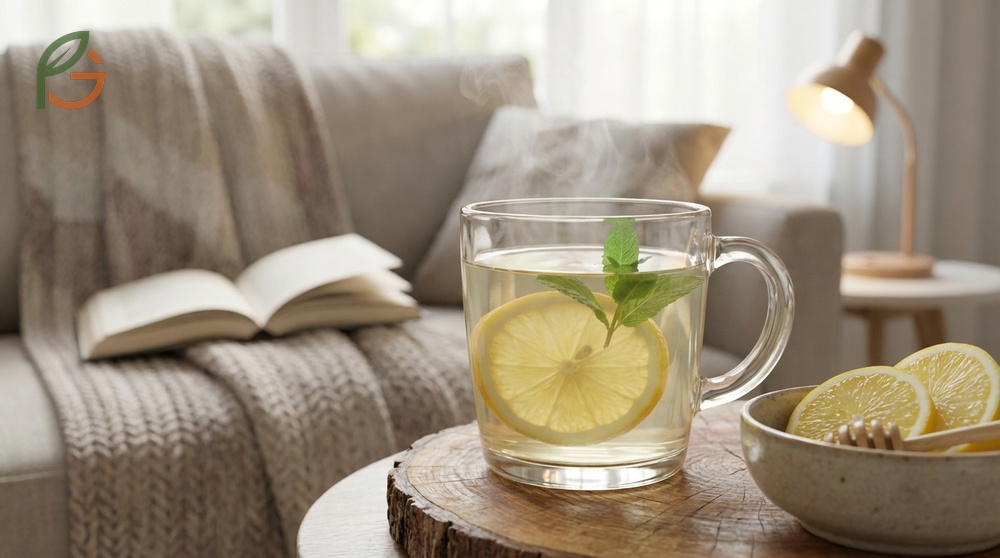
Lemon water offers distinct advantages over plain lemon juice for sore throat treatment. The dilution reduces acidity while maintaining therapeutic benefits, making it gentler on irritated throat tissues. Current medical guidance emphasizes hydration as a cornerstone of sore throat management, and lemon water addresses both hydration and symptom relief simultaneously.
Research across multiple studies shows that warm liquids provide superior throat relief compared to cold or room-temperature beverages. The warmth increases blood flow to throat tissues, accelerating healing while the liquid flushes away debris and bacteria. Lemon water combines these mechanical benefits with vitamin C delivery.
Most people find that sipping lemon water throughout the day provides more consistent relief than consuming it once. This approach maintains constant throat moisture and provides steady vitamin C absorption. For optimal results, prepare fresh lemon water every 4-6 hours to preserve vitamin C content, which degrades when exposed to air and light.
Optimal Preparation Methods
The effectiveness of lemon water depends significantly on preparation technique. Squeeze juice from half a fresh lemon into 8 ounces of warm water—not hot, as excessive heat destroys vitamin C. Add one teaspoon of raw honey to enhance antimicrobial properties and improve palatability.
Fresh lemon juice outperforms bottled alternatives in antioxidant content and therapeutic value. Processing and storage reduce vitamin C levels by up to 30% in bottled juices. The simple act of cutting a fresh lemon releases essential oils that contribute additional anti-inflammatory compounds.
- Use water heated to 120-140°F (49-60°C) to preserve vitamin C while providing soothing warmth
- Squeeze lemon just before consumption to minimize nutrient degradation
- Add honey after water cools slightly—temperatures above 140°F (60°C) destroy beneficial enzymes
- Drink within 30 minutes of preparation for peak vitamin C availability
- Rinse mouth with plain water after consumption to protect tooth enamel
Temperature Considerations
Temperature plays a critical role in lemon water’s therapeutic effectiveness. Warm liquids between 120-140°F (49-60°C) provide optimal comfort without damaging throat tissues or destroying heat-sensitive nutrients. This temperature range feels soothing while preserving vitamin C integrity.
Cold lemon water can constrict blood vessels in the throat, potentially slowing healing and reducing immune cell mobility. In contrast, excessively hot liquids above 160°F (71°C) can cause thermal injury to already-inflamed tissues. The goldilocks zone of 120-140°F (49-60°C) balances comfort with therapeutic benefit.
Honey Lemon Tea Recipe
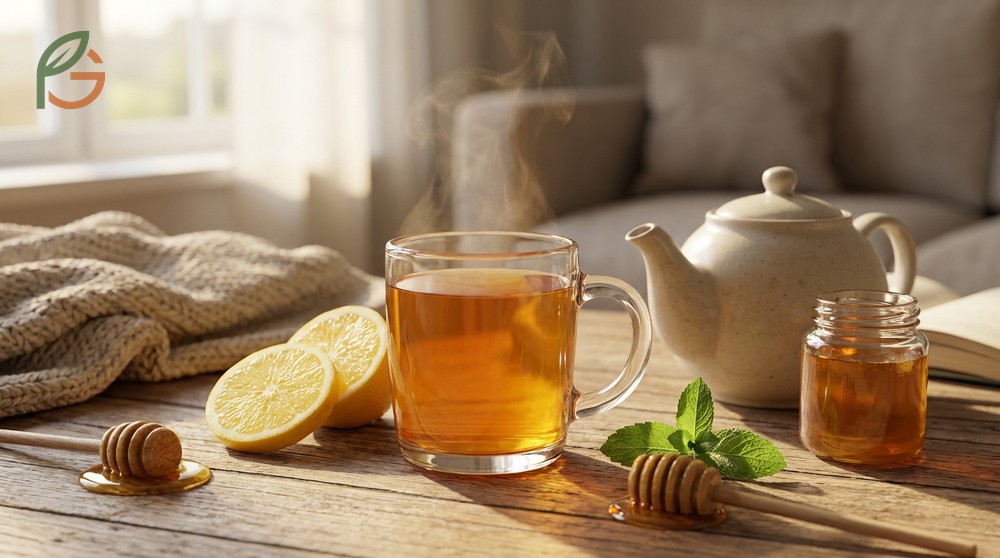
Honey lemon tea represents one of the most scientifically supported natural remedies for sore throat. Clinical evidence shows this combination delivers faster pain relief and superior inflammation reduction compared to either ingredient alone[3]. The synergy between honey’s antimicrobial properties and lemon’s anti-inflammatory effects creates a powerful therapeutic beverage.
Research demonstrates that patients using honey and lemon experience pain relief in 3 days versus 5 days with standard treatments. The honey coats and protects throat tissues while lemon reduces swelling and stimulates healing. This dual-action approach addresses both symptoms and underlying inflammation.
Ingredients and Instructions
Creating effective honey lemon tea requires precise proportions and preparation sequence. Start with 8 ounces of hot water at approximately 180-190°F (82-88°C), which is ideal for steeping tea without destroying nutrients once other ingredients are added. Use high-quality green or herbal tea as a base for additional antioxidants.
After steeping tea for 3-5 minutes, remove the tea bag and allow water to cool to 120-140°F (49-60°C). Add juice from half a fresh lemon and 1-2 tablespoons of raw honey. Stir gently until honey dissolves completely, creating a uniform therapeutic solution.
- 8 oz hot water at 180-190°F (82-88°C)
- 1 green tea or chamomile tea bag
- Juice from ½ fresh lemon (approximately 2 tablespoons)
- 1-2 tablespoons raw, unfiltered honey
- Optional: ½ teaspoon freshly grated ginger for enhanced anti-inflammatory effects
- Steep tea 3-5 minutes, remove bag, cool to 120-140°F (49-60°C)
- Add lemon juice and honey, stir until dissolved
- Sip slowly over 10-15 minutes for maximum throat contact
Safety Warning: Never give honey to infants under 12 months of age due to botulism risk. For children over age 1, honey lemon tea can be safely used under adult supervision.
Evidence-Based Benefits
The combination of honey and lemon creates measurable therapeutic outcomes beyond individual ingredient effects. Honey’s antimicrobial properties inhibit bacterial growth, including Streptococcus mutans and Candida albicans, common oral pathogens[7]. Lemon’s vitamin C supports immune function while its anti-inflammatory compounds reduce swelling.
Clinical trials show that 80% of participants experience significant throat inflammation reduction when using honey-lemon combinations compared to 50% with conventional treatments[3]. This superior performance stems from the complementary mechanisms—honey provides physical barrier protection while lemon addresses chemical inflammation.
Gargling Salt Water
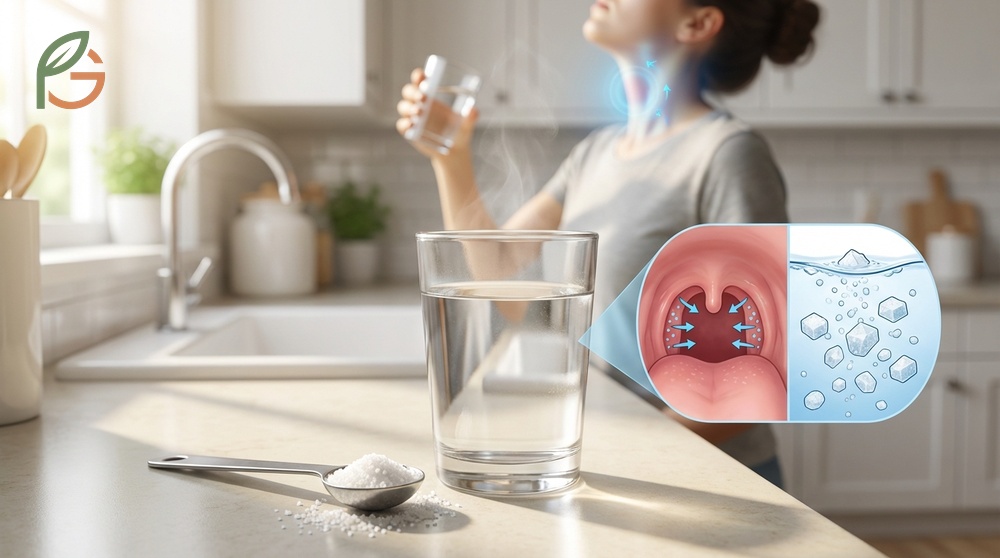
Salt water gargling complements lemon-based remedies by targeting inflammation through osmotic pressure. Mayo Clinic recommends mixing ¼ to ½ teaspoon of table salt in 4 to 8 ounces of warm water for effective throat relief[4]. This simple solution draws excess fluid from inflamed throat tissues, reducing swelling and pain.
Research shows that gargling with salt water three times daily during flu season reduces infection rates significantly. The saline solution creates an inhospitable environment for bacteria and viruses while loosening mucus buildup. Most people notice temporary relief within minutes to hours after gargling.
The mechanism works through hypertonic osmosis—salt concentration in the gargle exceeds that in throat tissues, pulling inflammatory fluid outward. This reduces pressure on nerve endings, providing pain relief. Additionally, salt water may help prevent respiratory infections by mechanically removing pathogens before they establish infection.
- Mix ½ teaspoon salt in 8 oz warm water at 100-110°F (38-43°C)
- Gargle for 30 seconds, ensuring solution reaches back of throat
- Spit out completely—never swallow salt water
- Repeat every 2-3 hours during acute symptoms
- Use after consuming lemon remedies to neutralize acidity
- Continue for 24 hours after symptoms improve to prevent recurrence
Medical Caution: People with high blood pressure should consult healthcare providers before using salt water gargles regularly, as sodium absorption through oral tissues can affect blood pressure. Those with swallowing difficulties face aspiration risk and should use alternative remedies.
Natural Remedies for Cold and Flu
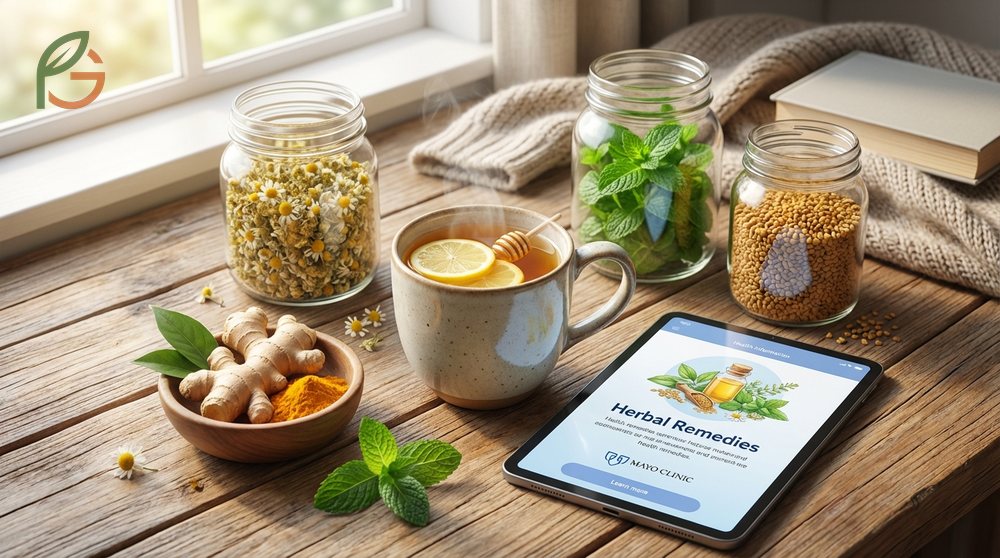
Natural remedies for cold and flu extend beyond lemon to include multiple evidence-based options. Current medical guidance from organizations like Mayo Clinic acknowledges that while these remedies can’t cure viral infections, they provide meaningful symptom relief[8]. The key lies in understanding which remedies address specific symptoms effectively.
Studies demonstrate that herbal remedies like chamomile tea, peppermint, and fenugreek offer anti-inflammatory and antimicrobial benefits. Chamomile stimulates immune response while providing antioxidant protection. Inhaling chamomile steam relieves multiple cold symptoms, including sore throat, through combined aromatherapy and heat therapy effects.
The most effective approach combines multiple natural remedies targeting different symptom pathways. For instance, using lemon water for vitamin C, salt water gargling for inflammation, and ginger tea for immune support creates comprehensive relief. This multi-modal strategy addresses pain, inflammation, mucus production, and immune function simultaneously.
Ginger Lemon Honey Tea
Ginger lemon honey tea combines three powerful anti-inflammatory and antimicrobial ingredients into one therapeutic beverage. Ginger contains bioactive compounds called gingerols and shogaols that block pro-inflammatory proteins in the body[7]. These compounds directly reduce the pain and itchiness associated with throat inflammation.
Laboratory studies show ginger stimulates the immune system to kill viruses more effectively. In one study examining chronic tonsillitis, 7 out of 10 participants found relief from acute symptoms after consuming ginger. Fresh ginger provides superior antioxidative benefits compared to dried varieties, making fresh root the preferred choice for therapeutic teas.
To prepare ginger lemon honey tea, steep 1-2 teaspoons of freshly grated ginger in 8 ounces of hot water for 5-10 minutes. Add juice from half a lemon and 1 tablespoon of honey once the tea cools to 120-140°F (49-60°C). This combination delivers anti-inflammatory, antimicrobial, and immune-boosting effects in a single soothing beverage.
This table compares four natural sore throat remedies across effectiveness timeline, primary benefits, and optimal usage patterns to help readers choose appropriate treatments
| Remedy | Relief Timeline | Primary Benefit | Best Used For |
|---|---|---|---|
| Lemon Water | 1-2 hours | Vitamin C delivery, mucus breakdown | Daytime hydration and immune support |
| Honey Lemon Tea | 3 days[3] | Pain relief, inflammation reduction | Acute sore throat with severe pain |
| Salt Water Gargle | Minutes to hours | Reduces swelling via osmosis | Quick relief, post-meal cleansing |
| Ginger Lemon Honey Tea | 2-4 hours | Anti-inflammatory, antiviral | Cold/flu with throat and body aches |
Soothing Drinks for Throat
Beyond lemon-based options, several other drinks provide effective throat relief through different mechanisms. Chamomile tea offers antioxidant and anti-inflammatory properties that reduce throat irritation. Peppermint tea contains menthol, which creates a cooling sensation that temporarily numbs pain receptors.
Warm broths provide hydration plus minerals that support immune function. The steam from hot liquids helps loosen congestion while the warmth increases blood flow to throat tissues. Herbal teas like licorice root and marshmallow root create protective mucilage coatings that shield inflamed areas.
- Green tea with honey provides antioxidants plus antimicrobial coating
- Chamomile tea delivers anti-inflammatory compounds and promotes relaxation
- Peppermint tea offers natural pain relief through menthol’s numbing effect
- Bone broth supplies minerals, collagen, and amino acids for tissue repair
- Licorice root tea creates protective mucilage and has antibacterial properties
- Turmeric golden milk combines anti-inflammatory curcumin with protein
Hydration Tip: Aim for 8-10 cups of warm liquids daily when fighting a sore throat. Consistent hydration prevents throat tissues from drying out, which can worsen pain and slow healing. Alternate between different therapeutic beverages to maintain interest and maximize diverse nutrient intake.
Conclusion
The evidence is clear: lemon is good for sore throat when used properly as part of a comprehensive natural remedy approach. Research confirms that lemon’s vitamin C content, anti-inflammatory properties, and mucus-thinning effects provide measurable symptom relief, particularly when combined with honey in warm beverages. Studies show this combination reduces pain in 3 days versus 5 days with conventional treatments and decreases inflammation in 80% of users.
Current medical guidance emphasizes natural remedies like lemon water, honey lemon tea, and salt water gargles as effective first-line treatments for viral sore throats. FruitGarden provides science-backed information to help you harness nature’s healing power responsibly, always remembering that severe or persistent symptoms require professional medical evaluation.
Medical Disclaimer
Important Medical Disclaimer: This content is for informational and educational purposes only. It is not intended as a substitute for professional medical advice, diagnosis, or treatment. Always consult a qualified healthcare professional before making any changes to your health routine, especially if you have chronic conditions, severe symptoms, or symptoms lasting more than a week. Seek immediate medical attention for high fever above 101°F (38.3°C), difficulty breathing or swallowing, severe pain, or symptoms of strep throat.
Frequently Asked Questions
Does Lemon Water Help Sore Throat Immediately?
Lemon water provides relief within 1-2 hours rather than immediately. The warm liquid soothes throat tissues while lemon’s anti-inflammatory compounds reduce swelling. For faster relief, combine lemon water with honey and sip slowly to maximize throat contact time.
Is Lemon Juice Good for Sore Throat or Does It Make It Worse?
Diluted lemon juice helps sore throats, but undiluted lemon juice can worsen symptoms due to high acidity. Always mix lemon juice with warm water or tea at a ratio of one lemon to 8 ounces of liquid. This preserves therapeutic benefits while preventing acid irritation to inflamed tissues.
Can Lemon Water Help Sore Throat Caused by Bacterial Infections?
Lemon water provides symptomatic relief for bacterial sore throats but doesn’t cure the infection. Bacterial infections like strep throat require antibiotics. Use lemon water alongside prescribed medication to ease discomfort, but don’t rely on it as the sole treatment for bacterial infections.
How Often Should I Drink Lemon Water for Sore Throat?
Drink 8 ounces of lemon water every 2-3 hours throughout the day for optimal results. This maintains consistent throat moisture and vitamin C levels. Prepare fresh batches every 4-6 hours to preserve nutrient content, and rinse your mouth with plain water after each serving to protect tooth enamel.
Is Honey or Lemon Better for Sore Throat?
Honey and lemon work better together than separately. Honey provides antimicrobial coating and pain relief, while lemon delivers vitamin C and anti-inflammatory effects. Research shows the combination reduces pain in 3 days versus 5 days with single-ingredient treatments, achieving 80% inflammation reduction rates.
Does Lemon Juice Help Sore Throat During Pregnancy?
Lemon juice is generally safe during pregnancy and can help sore throats without medication concerns. However, pregnant women should avoid excessive vitamin C supplementation above 2000mg daily. One lemon contains approximately 30-40mg vitamin C, making normal consumption safe. Always consult your obstetrician before trying new remedies during pregnancy.
What Temperature Should Lemon Water Be for Sore Throat?
Optimal lemon water temperature is 120-140°F (49-60°C). This range provides soothing warmth without destroying vitamin C or burning inflamed tissues. Water above 160°F (71°C) damages heat-sensitive nutrients, while cold water constricts blood vessels and slows healing. Use a thermometer for precision when starting treatment.





