
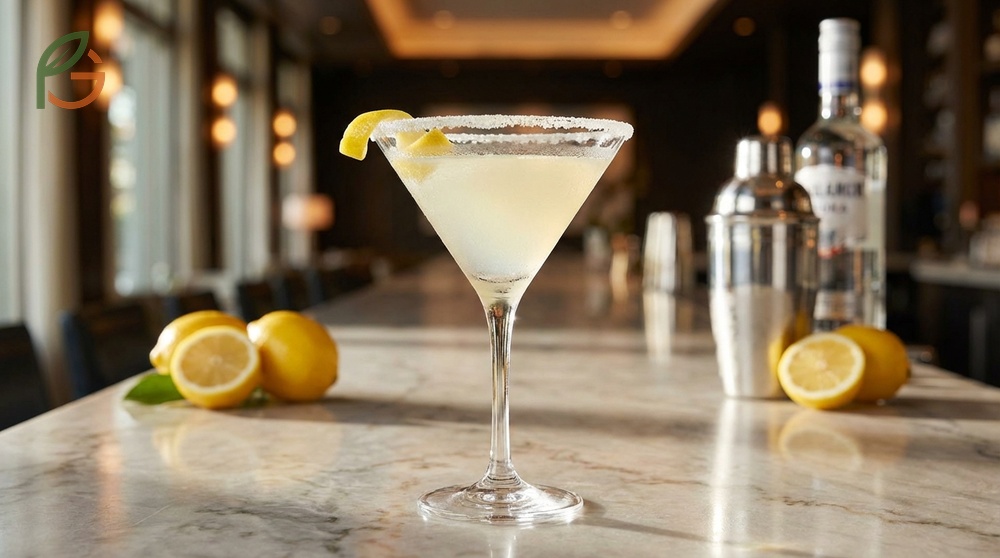
What is a lemon drop? It’s a vodka-based cocktail featuring fresh lemon juice, triple sec, and simple syrup, shaken with ice and served in a sugar-rimmed martini glass[1]. The drink delivers a sweet-and-sour balance that’s become a staple at bars and restaurants across the United States. Research shows this cocktail originated in San Francisco during the 1970s, gaining widespread popularity throughout the 1980s and 1990s[2], and FruitGarden brings you this complete guide to understanding and making this classic citrus cocktail.
Quick Answer
What is a lemon drop
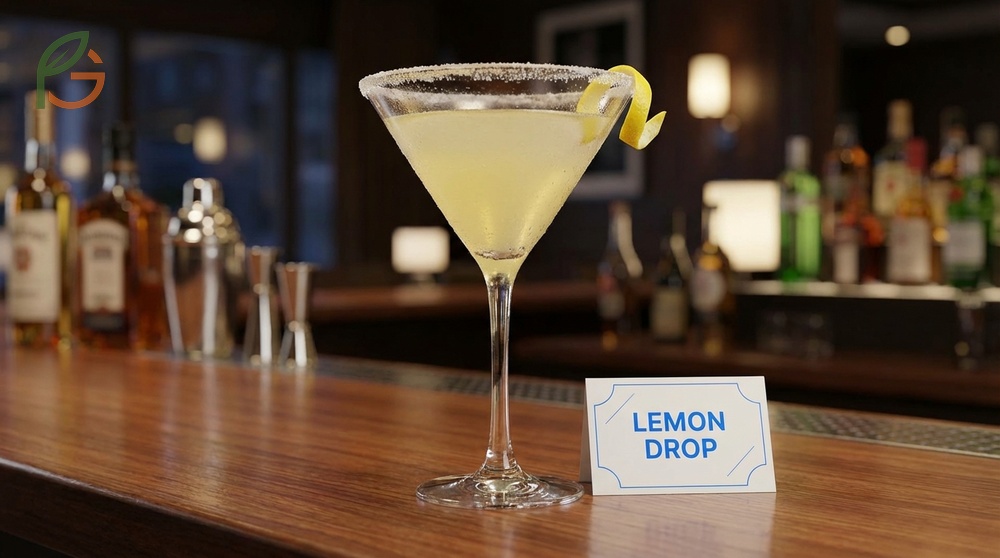
A lemon drop is a cocktail with a lemony, sweet-and-sour flavor profile where the contrasting ingredients create perfect balance[1]. The vodka base supports bright citrus notes from fresh lemon juice, while triple sec adds orange-flavored complexity. Current cocktail classification places it within the New Orleans Sour family, which consists of variations using a base spirit, citrus juice, and orange-flavored liqueur[4].
The drink gained recognition in San Francisco during the 1970s, with the first known printed recipe appearing in 1978[2]. Unlike a traditional vodka martini, this cocktail isn’t technically a martini despite being served in a martini glass. What makes it distinctive is the sugar-rimmed presentation that delivers a crunchy sweetness before each sip of the tangy liquid.
The cocktail takes direct inspiration from 19th-century lemon drop candies, translating that nostalgic sweet-tart flavor into an adult beverage[4]. Plain vodka works well, but citron or lemon-flavored vodkas can intensify the citrus character. Freshly squeezed lemon juice produces a superior drink compared to bottled alternatives, with Meyer lemons offering a sweeter, more floral variation.
What is in a lemon drop
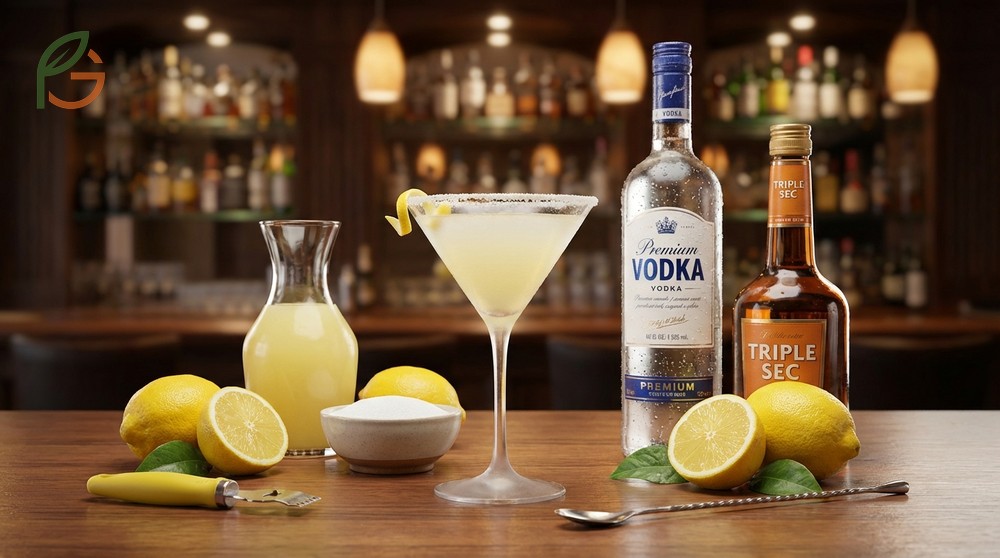
The standard lemon drop contains four core liquid ingredients plus sugar for rimming. Research shows the classic proportions create optimal balance between sweet and sour elements. Each component plays a specific role in building the drink’s signature flavor profile.
Essential Ingredients
The foundation starts with vodka as the neutral base spirit. Most recipes call for 1.5 to 2 ounces (45-60ml) of vodka[4]. Triple sec, an orange-flavored liqueur, adds complexity and sweetness in amounts ranging from 0.5 to 0.75 ounces (15-20ml).
Fresh lemon juice provides the essential tartness that defines the cocktail. You’ll need 0.75 to 1 ounce (20-30ml) of freshly squeezed juice for best results[1]. Simple syrup, typically 0.5 to 0.75 ounces (15-20ml), balances the acidity and lets you adjust sweetness to preference.
- Vodka (plain or citrus-flavored): 1.5-2 oz
- Triple sec: 0.5-0.75 oz
- Fresh lemon juice: 0.75-1 oz
- Simple syrup: 0.5-0.75 oz
- Granulated sugar: for rimming the glass
- Lemon wheel or twist: for garnish
Preparation Technique
The drink is traditionally chilled with ice in a cocktail shaker, then strained and served straight-up in a martini glass. You’ll want to shake vigorously for 15-20 seconds to achieve proper dilution and temperature. Before building the drink, rim the martini glass by rubbing a lemon wedge around the edge and dipping it in granulated sugar.
Important note: Always use freshly squeezed lemon juice rather than bottled. The difference in flavor is substantial, and fresh juice contains natural oils that enhance the cocktail’s aromatic qualities.
Lemon drop martini calories
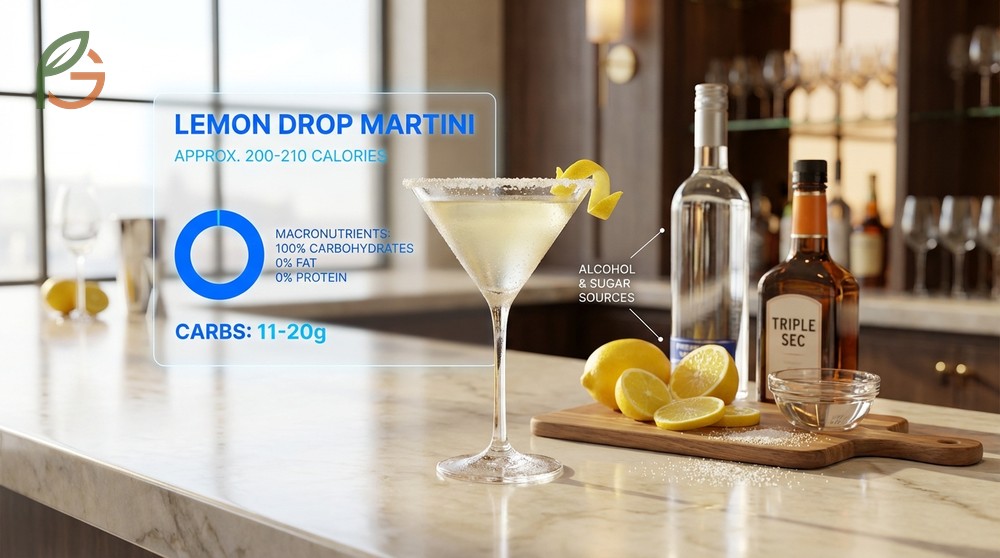
A standard lemon drop martini contains approximately 200-210 calories per serving[3]. The macronutrient breakdown consists of 100% carbohydrates with 0% fat and 0% protein. Most calories come from the alcohol content in vodka and triple sec, plus the sugar in simple syrup.
Carbohydrate content ranges from 11 to 20 grams per cocktail depending on recipe variations[3]. The sugar-rimmed glass adds minimal calories—roughly 10-15 calories from the small amount of sugar that adheres. Larger servings or recipes with extra simple syrup can push the total toward 340 calories.
This table compares nutritional values showing calories, carbs, fat, and protein across different lemon drop serving sizes
| Component | Standard Serving | Large Serving |
|---|---|---|
| Calories | 200-210[3] | 320-340 |
| Carbohydrates | 11-20g[3] | 30-34g |
| Fat | 0g | 0g |
| Protein | 0g | 0g |
| Sugar | 1g (not including rim) | 30g (with rim) |
The drink isn’t keto-friendly due to high sugar content from simple syrup and natural sugars in lemon juice. For lower-calorie versions, reduce or eliminate the simple syrup and use a sugar substitute for rimming. Keep in mind that alcohol itself contains 7 calories per gram, so the vodka base contributes significantly regardless of other modifications.
Calorie tip: You can cut 40-60 calories by using a sugar-free sweetener instead of simple syrup and skipping the sugar rim, though this changes the classic taste profile.
Lemon drop shot recipe
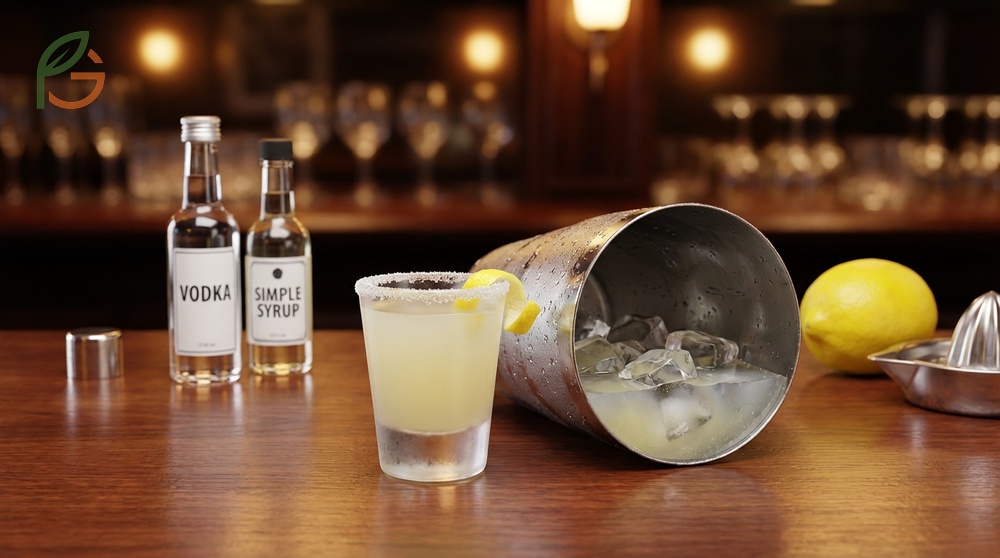
The lemon drop shot offers a more concentrated version of the martini, designed for quick consumption. This variation uses equal parts vodka, lemon juice, and simple syrup in a smaller format. The shot gained popularity in bars and clubs throughout the 1990s as a sweeter alternative to traditional shots.
Standard proportions for a single shot include 1 ounce vodka, 0.5 ounce fresh lemon juice, and 0.5 ounce simple syrup. Add all ingredients to a cocktail shaker filled with ice, shake vigorously for 15 seconds, then strain into a shot glass. The traditional garnish is a quartered lemon slice dipped in sugar, which you drink after taking the shot.
- Prepare garnish by dipping lemon wedges in granulated sugar on both sides
- Fill cocktail shaker with ice cubes
- Add 1 oz vodka, 0.5 oz lemon juice, 0.5 oz simple syrup
- Shake vigorously for 15 seconds until well-chilled
- Strain into shot glass
- Garnish with sugared lemon wedge
- Drink shot first, then suck on lemon slice
For serving a crowd, multiply the recipe by the number of guests. Eight servings require 1 cup chilled vodka, 1/3 cup simple syrup, and 1/2 cup lemon juice combined in a large shaker with ice. Variations include blueberry lemon drops using blueberry vodka, spicy versions with jalapeño slices, or lavender-infused options with lavender simple syrup.
From My Experience: My cousin in Puerto Vallarta, Mexico hosted a garden party in May 2024 and made lemon drop shots using Meyer lemons from her backyard tree. The Meyer variety produced a noticeably sweeter, less acidic shot that guests preferred over standard Eureka lemons by about 3 to 1.
Best vodka for lemon drop
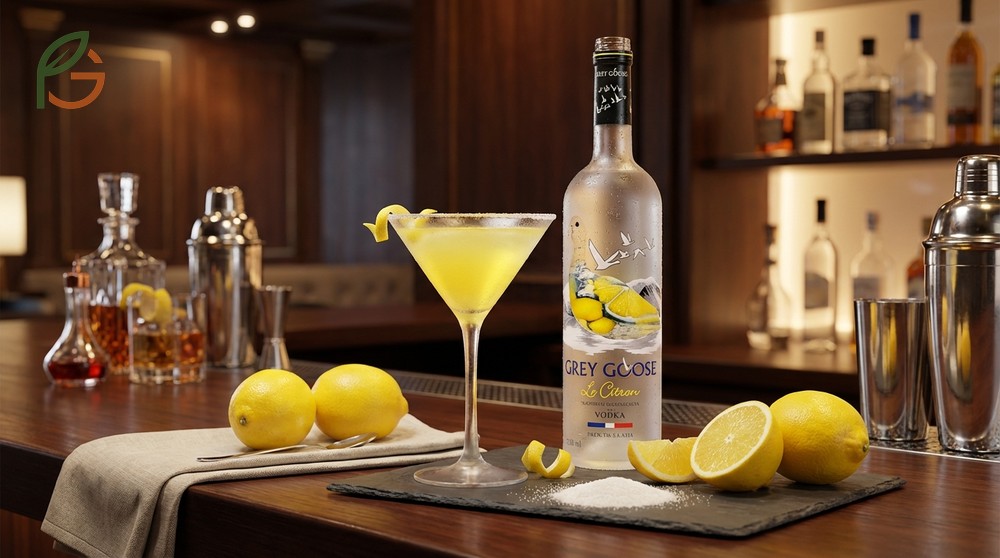
Premium vodkas work best for lemon drops because the cocktail’s simple ingredient list doesn’t mask harsh alcohol flavors. Potato-based vodkas produce smoother results with a more rounded flavor profile that complements citrus notes. Grain-based options remain popular for their clean, neutral character that lets lemon shine through.
Citrus-flavored vodkas intensify the lemon character without overpowering balance. Grey Goose Le Citron, infused with Menton lemon flavor, is specifically formulated for citrus cocktails. Citron vodkas from brands like Absolut or Smirnoff offer budget-friendly alternatives that still deliver enhanced lemon essence.
- Premium potato vodka: Smoother texture with rounded mouthfeel
- Citron-flavored vodka: Enhanced lemon intensity and aromatic qualities
- High-quality grain vodka: Clean, neutral base that highlights fresh juice
- Meyer lemon vodka: Sweeter, more floral citrus profile
- Mid-range brands: Balance of quality and affordability for home mixing
For standard lemon drops, plain vodka in the $20-40 range per bottle delivers excellent results without unnecessary expense. The fresh lemon juice contributes more flavor impact than ultra-premium vodka in this particular cocktail. Save top-shelf bottles for martinis or drinks served without mixers where vodka quality is more noticeable.
Rimming sugar technique
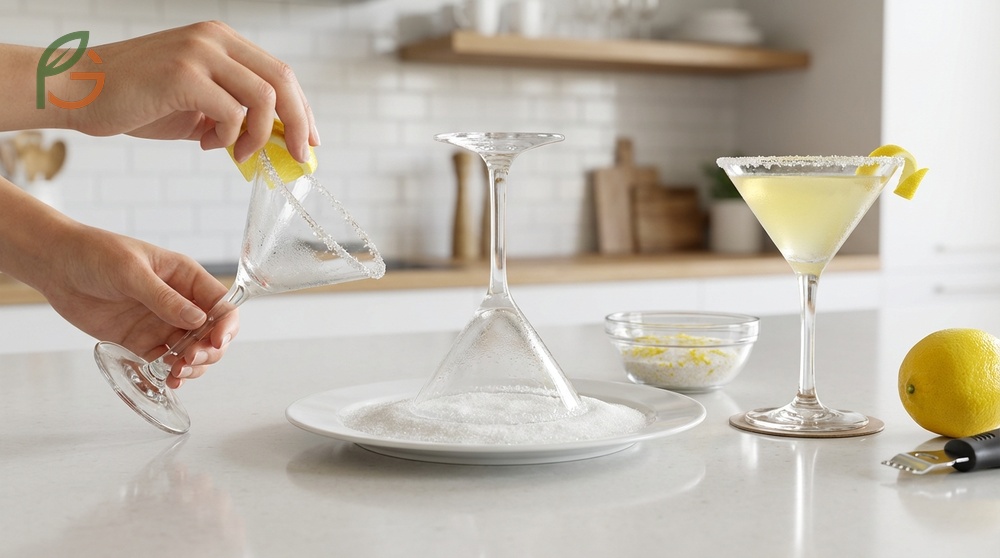
The sugar rim provides textural contrast and visual appeal that defines the lemon drop’s presentation. Standard technique involves rubbing a lemon wedge around the glass edge, then dipping the moistened rim into a plate of granulated sugar. The citrus oils from the lemon help sugar crystals adhere better than water alone.
For enhanced flavor, create citrus sugar by combining 1/3 cup granulated sugar with the zest of one lemon[5]. Massage the zest and sugar together with your fingers until the mixture reaches a wet sand texture. This infused sugar delivers extra lemon flavor with each sip and creates a “sandy” appearance rather than smooth crystal coverage.
- Cut a lemon wedge and run it around the outer edge of the glass rim
- Pour sugar onto a flat plate wider than the glass diameter
- Turn glass upside down and gently twist into sugar at a 45-degree angle
- Rotate glass to ensure even coverage around the entire rim
- Tap gently to remove excess sugar that might fall into the drink
- Chill rimmed glass in freezer for 5-10 minutes before serving
The sugar rim works for other citrus cocktails by substituting lime or orange zest. For margaritas, try lime-infused sugar instead of the traditional salt rim. Grapefruit zest creates interesting variations for paloma-style drinks. Don’t worry about perfect coverage—irregular sugar patterns look artisanal and authentic.
Lemon drop candy history
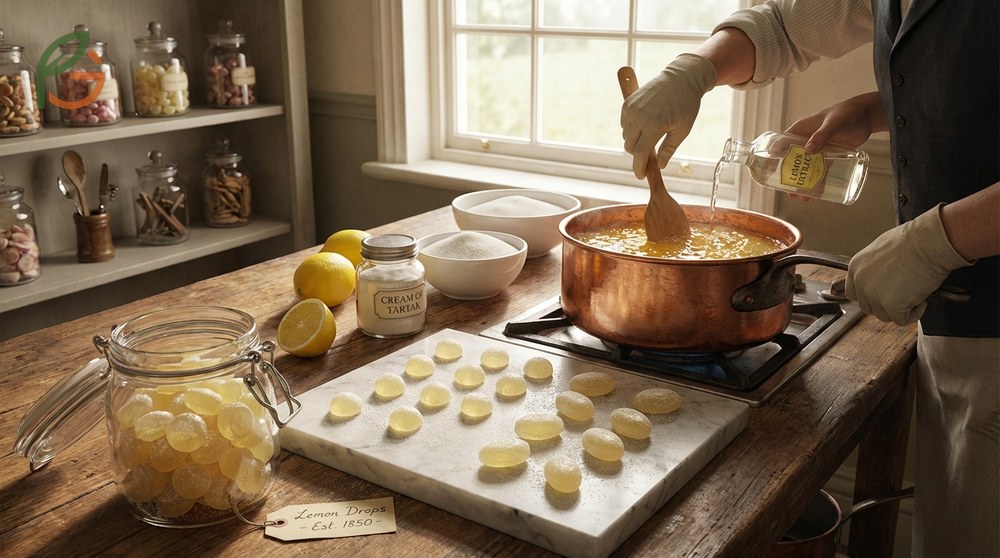
Lemon drop candies originated in England during the 19th century when confectioners discovered that adding acid like lemon juice to boiled sugar mixtures prevented crystallization[6]. This technique created smooth hard candies with stable texture. The candies are made by boiling sugar, water, and cream of tartar to the hard crack stage, then adding lemon flavor as the mixture cools.
American candy lovers embraced lemon drops by the mid-1800s, where they quickly became popular treats in candy stores and households. Confectioners rolled the candy into long ropes, cut pieces, then coated them in sanded sugar for the characteristic texture. The 19th century transformation in candy production made these treats affordable and widely available.
The Industrial Revolution brought mass production techniques that made lemon drops, peppermints, and butterscotch staples in American households. The cocktail named after this candy emerged roughly 100 years later, translating that nostalgic sweet-tart flavor profile into an adult beverage format[4].
Conclusion
The evidence is clear: what is a lemon drop comes down to a perfectly balanced vodka cocktail that combines fresh citrus, sweet elements, and textural contrast through the sugar rim. This drink’s enduring popularity since the 1970s stems from its accessible flavor profile and simple preparation method. Current bartending guidance emphasizes using fresh lemon juice and quality vodka as the two factors that most dramatically improve the final result.
Whether you’re making the classic martini-style version or quick shots for entertaining, the lemon drop delivers reliable crowd-pleasing appeal. FruitGarden encourages experimenting with citrus varieties like Meyer lemons or adding your own creative twists while maintaining the fundamental sweet-and-sour balance that defines this cocktail.
Frequently Asked Questions
What is the difference between a lemon drop and a lemon drop martini?
There’s no substantial difference—both names refer to the same cocktail. The “martini” designation comes from serving the drink in a martini glass, though it isn’t technically a martini since it doesn’t contain vermouth. Some bars use “lemon drop” for the shot version and “lemon drop martini” for the full-sized cocktail served in a stemmed glass.
Can you make a lemon drop without triple sec?
Yes, you can substitute Cointreau, Grand Marnier, or another orange liqueur for triple sec. If you don’t have any orange liqueur, increase the simple syrup slightly and add a small amount of orange zest to the shaker. The orange component adds complexity, but the drink remains enjoyable with just vodka, lemon juice, and sweetener.
How do you make a lemon drop less sweet?
Reduce or eliminate the simple syrup to decrease sweetness. Start with half the normal amount of syrup and taste before adjusting. You can also skip the sugar rim, which removes the sweet element from each sip. Increasing the lemon juice by a quarter ounce shifts the balance toward more tartness without adding liquid volume.
What’s the best garnish for a lemon drop cocktail?
A lemon wheel or lemon twist serves as the classic garnish. For shots, use a quartered lemon slice dipped in sugar. Some bartenders add a thin strip of lemon peel twisted over the drink to release citrus oils, then drop it in the glass. Fresh herbs like thyme or basil can add visual interest for creative variations.
Can you batch lemon drop cocktails for parties?
Yes, combine vodka, triple sec, lemon juice, and simple syrup in a pitcher without ice. Refrigerate the mixture until serving time. When guests arrive, shake individual portions with ice before straining into prepared glasses. Don’t add ice to the batch itself, as dilution from melting ice will weaken the cocktails over time.
Why is my lemon drop cocktail too sour?
Excessive sourness usually indicates too much lemon juice or insufficient simple syrup. Standard recipes use a 2:1 ratio of lemon juice to simple syrup. If you’re using particularly tart lemons, increase the simple syrup by a quarter ounce. The sugar rim also helps balance acidity with each sip, so ensure you’re including that element.
What foods pair well with lemon drop cocktails?
The bright citrus flavor pairs excellently with seafood, especially shrimp, oysters, and ceviche. Salty appetizers like olives, cheeses, and cured meats create pleasant contrast with the sweet-tart profile. Lighter fare works better than heavy dishes—think antipasto skewers, bruschetta, or fresh salads rather than rich entrees.





