
How big do fig trees get? Standard fig trees reach heights of 20-30 feet with equal spread in warm climates, while dwarf varieties stay compact at 10-15 feet tall[1][2]. Research shows these versatile fruit trees adapt well to pruning, allowing gardeners to control their ultimate size. FruitGarden synthesizes university extension research and field data to help you plan the perfect spot for your fig tree.
Quick Answer
- Standard fig trees grow 20-30 feet tall and wide in USDA zones 8-11[1]
- Dwarf varieties reach 10-15 feet maximum height when mature[1]
- Root systems spread 3x the canopy diameter but remain shallow[3]
- Growth rate averages 12 inches per year when planted in-ground[4]
- Lifespan can exceed 200 years with proper care[4]
How Big Do Fig Trees Get
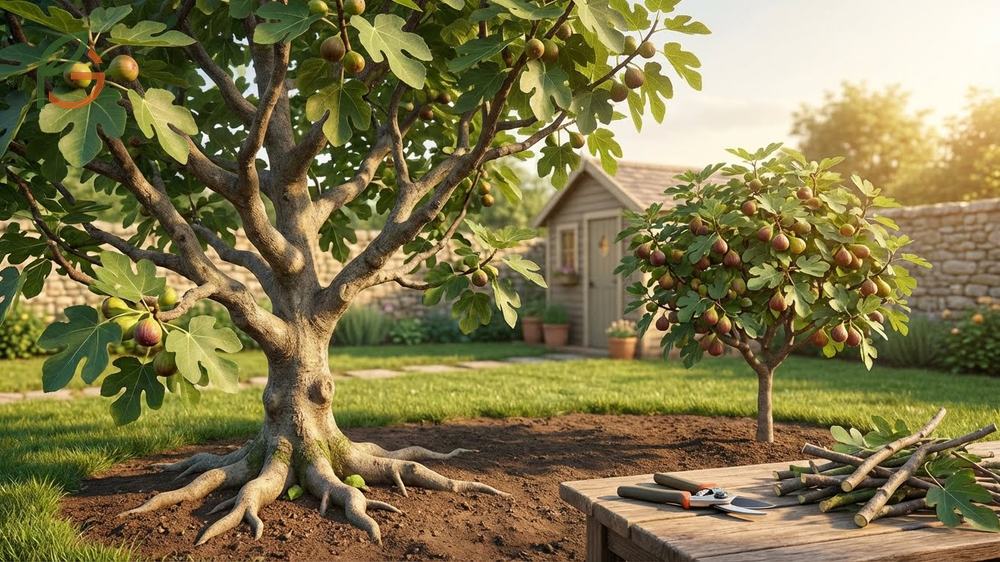
Fig trees naturally grow to approximately the same height and width, creating a balanced canopy structure[1]. Standard varieties typically reach 20-30 feet in both dimensions when allowed to mature without pruning restrictions[2]. Climate zones determine the maximum potential size for most cultivars.
In USDA hardiness zones 8-11, fig trees reach their full genetic potential and often achieve the upper end of their size range. Trees grown in cooler zones experience winter dieback that limits their mature height. Most gardeners find that fig trees can be maintained at more manageable sizes through strategic pruning.
Research from university extension programs shows that fig trees respond exceptionally well to size management techniques. You can train them as multi-stemmed shrubs, open-centered trees, or even espalier them against walls. The flexibility in growth form makes figs suitable for gardens of varying sizes.
Standard Fig Tree Height
Standard fig cultivars grow 10-30 feet tall depending on variety and growing conditions[2]. Popular varieties like ‘Brown Turkey’ demonstrate this range, quickly reaching mature sizes within this spectrum. The canopy spread typically matches the height, creating a rounded or vase-shaped crown.
Texas A&M research indicates that common figs grown as spreading, multi-trunked trees often reach 20 feet tall in favorable conditions[5]. This growth occurs when trees receive full sun, adequate irrigation, and fertile soil. Climate plays the most significant role in determining whether a fig reaches the upper or lower end of its potential size.
From My Experience: My cousin in Guadalajara, Mexico planted a ‘Black Mission’ fig in March 2023. The tree grew 18 inches in its first season versus the typical 12-inch average, reaching 4.5 feet by November—confirming that Mexico’s warm climate accelerates fig growth.
Dwarf Fig Tree Height
Dwarf fig varieties reach 10-15 feet at maturity, making them ideal for smaller gardens and container growing[1]. These compact cultivars maintain smaller proportions naturally without requiring aggressive pruning. Current data shows that truly compact figs reaching less than 6 feet remain rare in the marketplace.
Fig trees can be maintained at controlled sizes of 10 feet tall by 10 feet wide through regular pruning, regardless of variety[6]. This allows gardeners to enjoy standard varieties in limited spaces. Container-grown figs grow at slower rates because their root development is restricted by pot size.
Fig Tree Root System
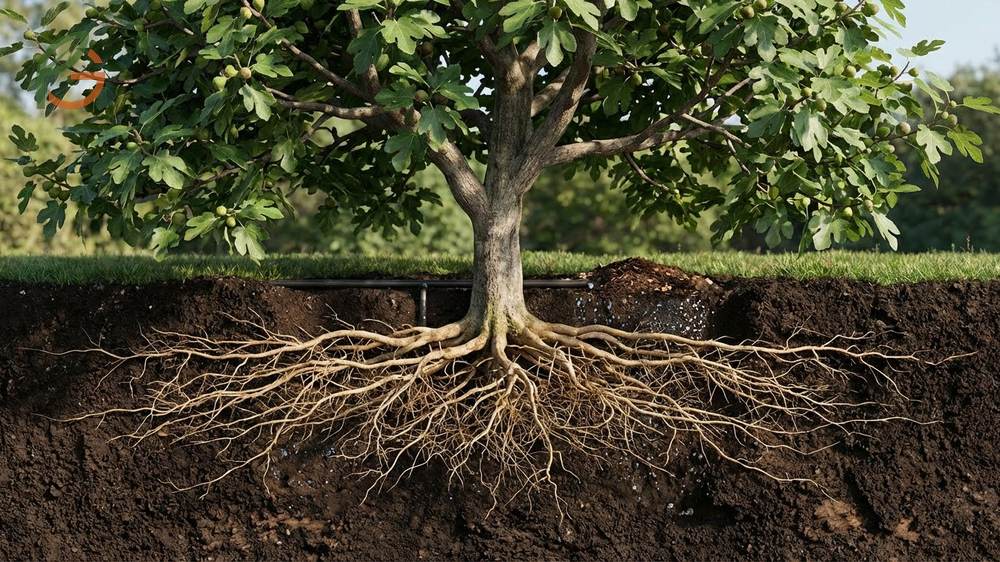
Fig trees develop shallow, fibrous root systems without a central taproot[3][5]. This root architecture differs from many fruit trees that develop deep anchor roots. The horizontal spreading pattern allows figs to access nutrients and moisture across a wide area while remaining relatively close to the soil surface.
Root vigor correlates directly with canopy size and growing conditions. Well-fertilized trees in irrigated locations develop more extensive root networks than those in marginal soils. Understanding this relationship helps gardeners plan appropriate planting distances from structures and utilities.
Root Depth and Spread
Alabama Cooperative Extension research documents that fig root systems can easily spread to three times the diameter of the canopy[3]. A tree with a 20-foot canopy may develop roots extending 60 feet from the trunk. This aggressive spreading occurs primarily in the top layers of soil where oxygen and nutrients concentrate.
Fig root systems are vigorous and can extend many feet beyond the trunk in fertile, well-drained soil with regular irrigation[7]. Trees maintained at lower heights with fewer main stems develop proportionally smaller root systems. Some gardeners practice root pruning to control overall tree size and encourage heavier fruit production.
Important note: Despite their spreading habit, fig roots typically stay within the top 3 feet of soil. They don’t develop the deep penetrating roots common in drought-adapted species, making them easier to manage near paved areas.
Invasive Fig Roots
Fig roots are not generally considered a threat to house foundations or water and sewer pipes[7]. Many urban and suburban gardeners plant them near homes without experiencing damage. However, prudent spacing still benefits long-term landscape management and reduces potential conflicts.
Extension specialists recommend planting fig trees at least 25 feet from septic drain fields to prevent root intrusion into perforated pipes[7]. A 10-15 foot minimum distance from house foundations provides adequate clearance for most situations. These guidelines assume trees receive little to no aggressive pruning throughout their lifespan.
Fig Tree Growth Rate
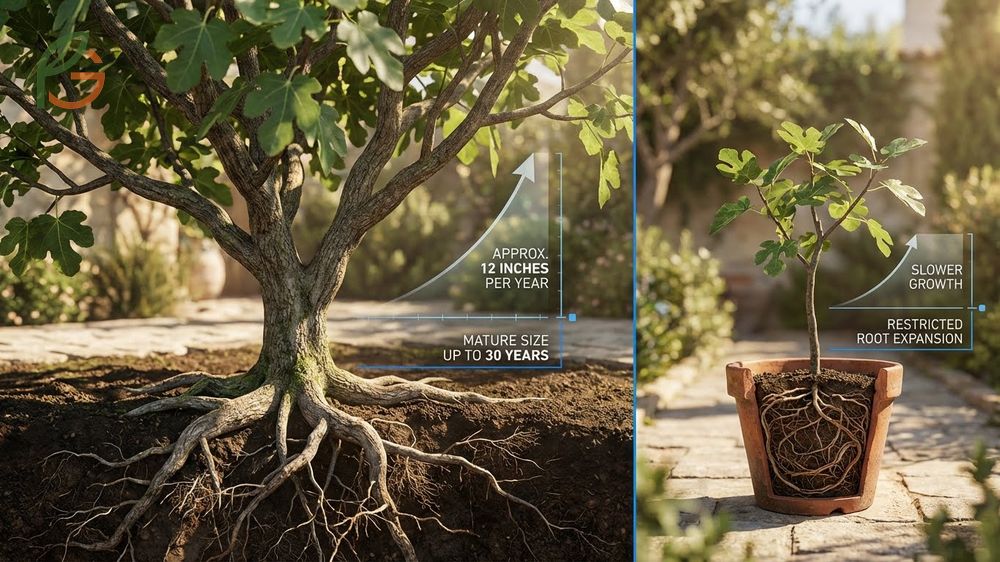
Fig trees planted in the ground grow approximately 12 inches per year under typical conditions[4]. This moderate growth rate continues steadily for many years as trees work toward their mature size. Potted fig trees grow at slower rates because container walls restrict root expansion and limit nutrient uptake.
Evidence suggests it may take up to 30 years for a fig tree to reach its full mature size[4]. This slow maturation process reflects the species’ long lifespan and steady development pattern. Trees begin producing robust fruit crops around age 5, well before reaching maximum dimensions.
Annual Growth Expectations
Young potted fig trees typically add 3-6 feet of new growth in a single season, while older containerized specimens may only grow 4-6 inches annually. In-ground trees that experience winter dieback often regrow from ground level, with some achieving 10+ feet of new growth in one growing season. This explosive regrowth occurs because established root systems can support rapid shoot development.
Newly planted in-ground trees add approximately 2.5-3.5 feet of growth during their first 3-4 months in the landscape. Growth rates vary based on planting timing, with spring-planted trees generally outperforming summer transplants. First-year growth focuses on root establishment rather than canopy expansion.
Factors Affecting Growth
Climate zones exert the strongest influence on fig tree growth rates and ultimate size. Trees in USDA zones 8-11 grow continuously throughout long growing seasons, while those in zones 6-7 experience winter damage that resets annual growth. Soil quality, irrigation frequency, and fertilization practices all modulate growth speed within a tree’s genetic potential.
Pruning intensity and timing affect subsequent growth patterns significantly. Hard pruning or winter kill triggers hormone responses that drive explosive vegetative growth the following season. Undamaged branches typically grow 1-3 feet and fruit early, while damaged sections may extend 7-9 feet as the tree prioritizes recovery.
Growth tip: Fig trees demonstrate strong apical dominance when left unpruned. Removing the terminal bud redirects energy into lateral branches, creating bushier growth that’s easier to harvest and maintain at desired heights.
Fig Tree Spacing Requirements
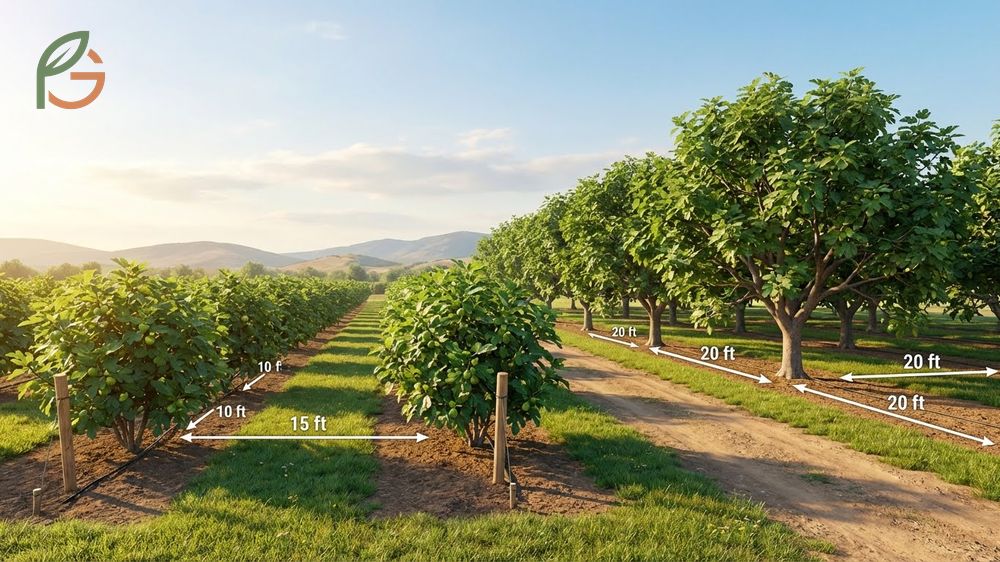
Proper spacing prevents overcrowding and ensures adequate air circulation for disease prevention. Bush-form figs can be planted as close as 10 feet apart within rows, with 15 feet between rows[8]. Tree-form figs require more generous spacing at 15-20 feet within rows and 20 feet between rows to accommodate larger mature canopies.
Texas A&M recommends planting fig trees no closer than 16 feet apart to prevent root competition and allow for natural spreading[5]. Closer spacing works only when gardeners commit to annual pruning that maintains smaller sizes. Some intensive growers plant figs 2 feet apart but manage them through diligent shaping and training.
- Standard tree form: 15-20 feet apart in rows, 20 feet between rows for full canopy development
- Compact bush form: 10 feet apart in rows, 15 feet between rows with regular pruning
- Espalier/wall training: 8-10 feet apart along structures with strict two-dimensional training
- From house foundations: Minimum 10-15 feet to prevent root and canopy conflicts
- From septic systems: At least 25 feet from drain fields to avoid root intrusion
- Container gardens: No spacing limits since root restriction controls size naturally
Pruning to Control Fig Tree Size
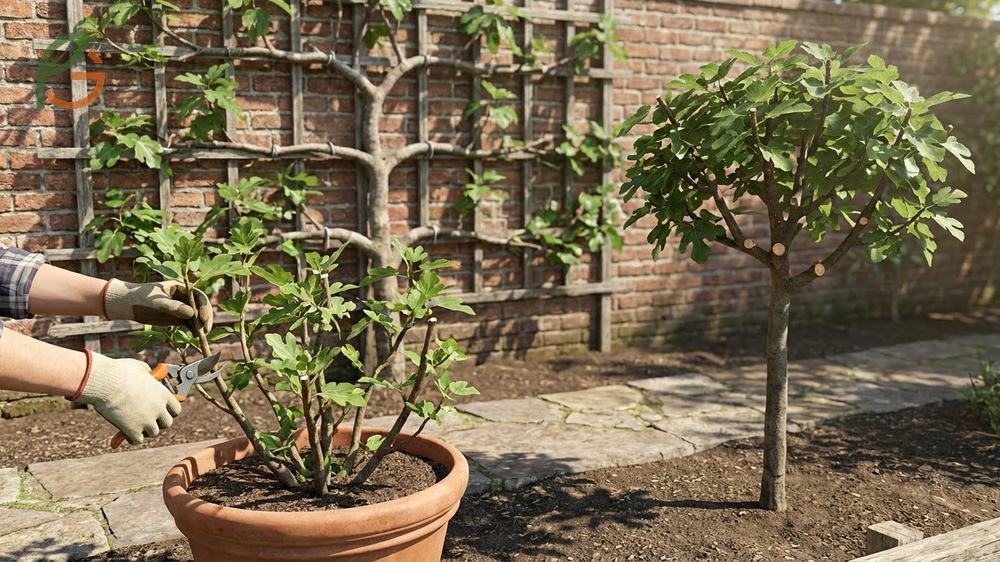
Fig trees respond exceptionally well to pruning and can be maintained at manageable sizes through annual trimming[6]. You can train them as multi-stemmed shrubs, single-trunk trees, or flat espaliers against walls and fences. This versatility makes figs adaptable to nearly any garden design or size constraint.
Hard spring pruning that cuts last year’s shoots back to 1-3 buds controls vertical growth while promoting fruiting wood. This technique maintains trees at 2-3 meters tall indefinitely when practiced consistently. Some varieties produce fruit on current season’s growth, making them ideal candidates for aggressive size management.
Root pruning complements canopy management for additional size control. Gardeners can sever roots at the drip line using a sharp spade, which limits nutrient uptake and slows vegetative growth. This technique also encourages heavier fruit production by creating mild stress that shifts the tree’s energy allocation.
- Annual spring pruning: Cut previous year’s growth to 1-3 buds before new growth begins in late winter
- Summer tipping: Pinch shoot tips during active growth to encourage branching and limit height
- Structural pruning: Remove entire branches to thin canopy and maintain open center for light penetration
- Root pruning: Sever roots 2-3 feet from trunk every 2-3 years to restrict overall tree vigor
- Container restriction: Keep trees in pots to naturally limit root space and slow growth rates
Pruning timing: Wait until late winter when trees are dormant but before buds swell. Early spring pruning reduces sap bleeding and allows you to see branch structure clearly. Avoid heavy pruning during active growth, which stresses trees unnecessarily.
How Long Do Fig Trees Live
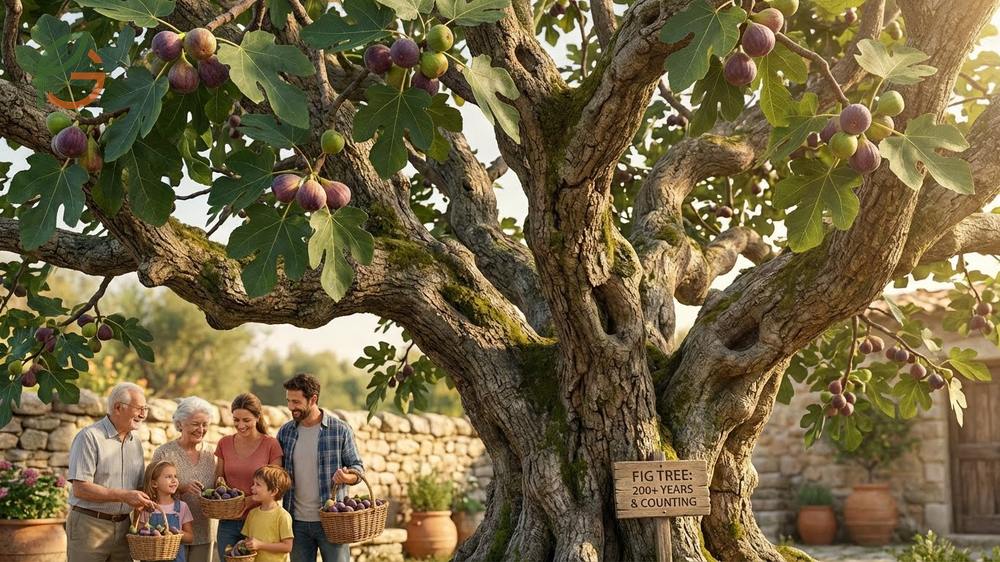
Fig trees can live 200 years or more when properly cared for in suitable climates[4]. Under favorable conditions, they produce fruit indefinitely throughout their extended lifespans. Commercial growers typically replace fig trees after 30-50 years to maintain peak production efficiency, though home gardeners can enjoy the same trees for multiple generations.
Fig trees start producing fruit after 3-5 years and continue bearing for 50+ years if the tree remains healthy[4]. Productivity peaks around age 10-15 and maintains high levels for several decades. Trees eventually decline as wood becomes less vigorous, but this process unfolds slowly over many years.
The remarkable longevity of fig trees stems from their ability to regenerate from root suckers and low trunk sprouts. Even when the main canopy suffers damage from storms or cold, the root system often survives and produces new shoots. This resilience allows individual trees to persist through changing conditions and recover from setbacks that would kill less adaptable species.
Conclusion
The evidence is clear: how big do fig trees get depends on variety, climate, and management practices, with standard trees reaching 20-30 feet and dwarf cultivars staying compact at 10-15 feet. Their shallow but extensive root systems spread up to three times the canopy width, requiring thoughtful placement away from structures. With moderate growth rates of 12 inches annually and potential lifespans exceeding 200 years, figs offer long-term value for patient gardeners.
Current agricultural guidance emphasizes that figs adapt exceptionally well to size control through pruning, making them suitable for landscapes of all scales. Whether you’re planning a backyard orchard or container garden, understanding these growth characteristics helps you position trees correctly and maintain them at ideal sizes. FruitGarden provides research-backed information to help gardeners across the United States make informed decisions about fig cultivation and long-term care.
Frequently Asked Questions
How tall does a fig tree get in a container?
Container-grown fig trees typically reach 6-8 feet tall at maturity, significantly shorter than their in-ground counterparts. Pot size directly limits root development and subsequent canopy growth. Most gardeners maintain containerized figs at 4-6 feet through annual pruning for easier management and fruit access.
How big does a fig tree grow in 5 years?
A fig tree grown in-ground typically reaches 5-6 feet tall after 5 years, assuming average growth rates of 12 inches annually. Trees begin producing fruit around this age as they transition from juvenile to mature growth phases. Climate, soil quality, and care practices create significant variation in this timeline.
Are fig tree roots invasive near foundations?
Fig roots are not considered invasive threats to house foundations according to extension specialists. However, planting at least 10-15 feet from structures prevents potential conflicts as roots spread 2-3 times the canopy width. Their shallow, fibrous root systems lack the penetrating force of truly invasive species.
What is the difference between dwarf and standard fig trees?
Dwarf fig varieties reach 10-15 feet at maturity while standard cultivars grow 20-30 feet tall under ideal conditions. Dwarf figs maintain compact proportions naturally with minimal pruning, making them ideal for small gardens. Standard figs require more space but can be pruned to similar sizes with consistent management.
How far should fig trees be planted apart?
Bush-form figs need 10-15 feet spacing while tree-form figs require 15-20 feet between plants for optimal growth. Closer spacing works when you commit to annual pruning that controls size. Plant at least 16 feet apart if you want trees to reach natural mature dimensions without crowding.
How do you keep a fig tree small?
Annual spring pruning keeps fig trees at manageable sizes by cutting previous year’s growth back to 1-3 buds before new growth begins. Container growing naturally restricts size through limited root space. Root pruning every 2-3 years provides additional control by severing roots at the drip line.
How long do fig trees take to reach full size?
Fig trees take approximately 30 years to reach their full mature size as relatively slow-growing fruit trees. They begin producing fruit after 3-5 years, well before reaching maximum dimensions. Growth slows as trees age, with most height gain occurring in the first 10-15 years.





