
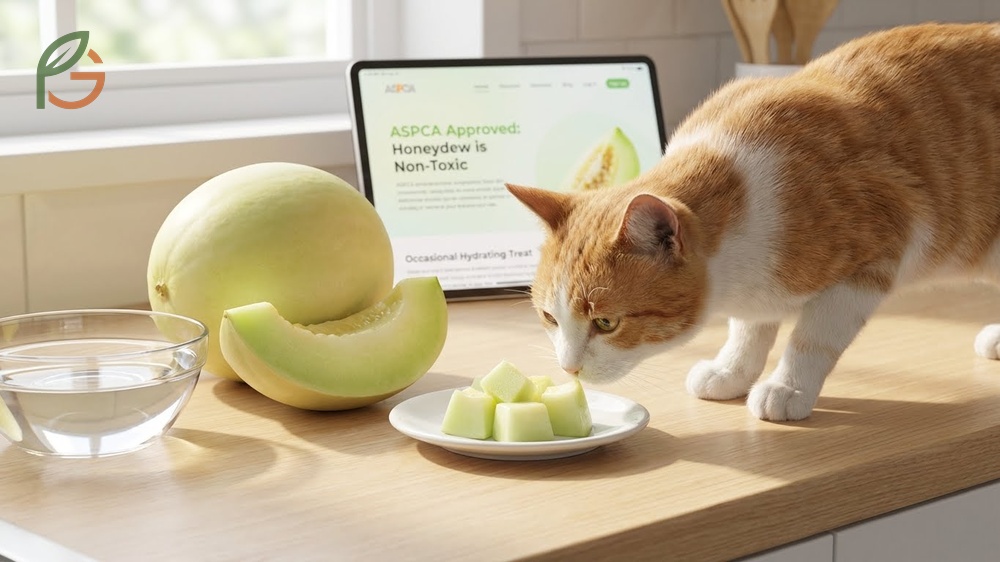
Can cats eat honeydew? Yes, honeydew melon is safe for cats when offered in small amounts. The American Society for the Prevention of Cruelty to Animals (ASPCA) confirms honeydew is non-toxic to cats, dogs, and horses[1]. While honeydew doesn’t provide significant nutritional value for obligate carnivores like cats, it can serve as an occasional hydrating treat. FruitGarden synthesizes current veterinary guidance to help pet owners make informed feeding decisions.
Quick Answer
Can Cats Eat Honeydew

Research from veterinary organizations confirms honeydew melon poses no toxicity risk to cats. The ASPCA’s Animal Poison Control Center lists honeydew as safe for feline consumption[1]. Unlike grapes or citrus fruits, honeydew doesn’t contain compounds that damage feline organs.
Current veterinary guidance emphasizes moderation. Cats are obligate carnivores who derive primary nutrition from animal proteins, not fruits. Honeydew can supplement their diet but shouldn’t replace balanced cat food formulated for their specific dietary needs.
Most cats show minimal interest in honeydew’s sweet taste. Felines lack taste receptors for sweetness, so attraction typically stems from texture or moisture content rather than flavor. This natural disinterest helps prevent overconsumption in most cases.
What often gets overlooked is that honeydew’s high water content makes it more beneficial as a hydration tool than a nutritional supplement. The 90% water composition can help cats who don’t drink enough water[2], though it shouldn’t replace fresh drinking water.
Can Cats Eat Honeydew Melon
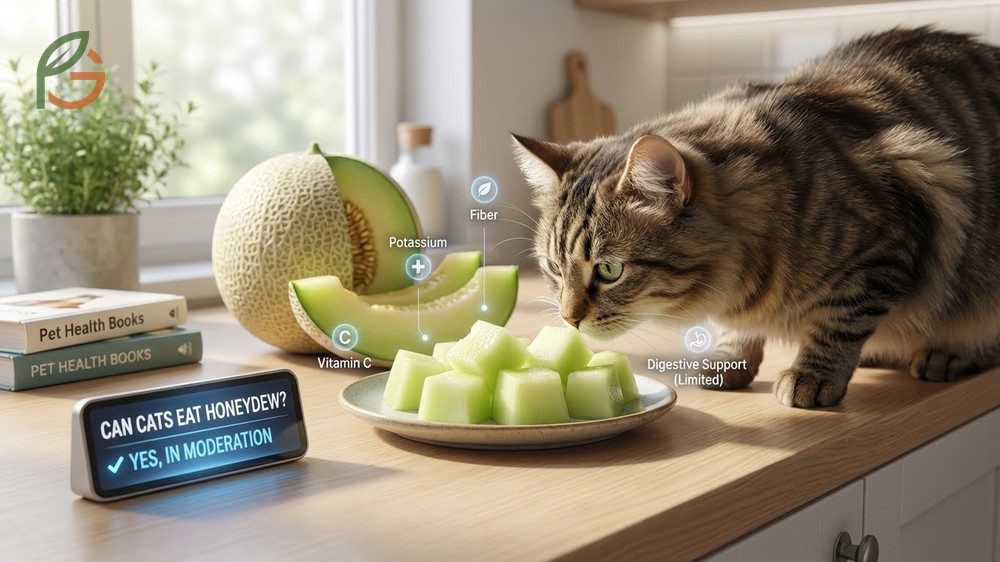
Honeydew melon provides limited but measurable nutrients for cats. Studies show the fruit contains vitamin C, potassium, and trace amounts of vitamin B6 and folate[3]. However, cats synthesize their own vitamin C, so supplementation isn’t necessary for healthy felines.
The fruit’s fiber content supports digestive health in specific situations. Veterinary research indicates fiber can help manage constipation, diarrhea, and weight control[4]. Most cats obtain adequate fiber from quality commercial cat foods, making honeydew a supplementary option rather than a necessity.
Honeydew’s caloric density remains relatively low. The fruit contains approximately 35 calories per 100 grams, making it a lighter treat option compared to many commercial cat treats. This matters for weight management in indoor or sedentary cats.
Nutritional Content
Honeydew’s nutritional profile includes both beneficial and limiting factors for cats. The potassium content supports heart and kidney function, while vitamin C acts as an antioxidant. These nutrients don’t harm cats but provide minimal value since feline physiology differs significantly from human nutritional needs.
The sugar content presents the primary concern. Honeydew contains roughly 8-9 grams of natural sugars per 100 grams. Cats lack the metabolic pathways to efficiently process high-sugar foods, which can lead to digestive upset or long-term weight issues.
Important Note: Diabetic cats should avoid honeydew entirely due to its sugar content. Obese cats or those prone to weight gain should also skip this treat[6].
Hydration Benefits
The 90% water composition makes honeydew useful for cats who chronically underdrink. Many cats don’t consume adequate water, increasing risks for urinary tract issues and kidney problems. A few small pieces of honeydew can supplement daily water intake without forcing hydration.
This hydration benefit works best during warm weather or for cats recovering from illness. The electrolytes in honeydew’s water content help maintain proper fluid balance. However, fresh water bowls should remain the primary hydration source.
Is Melon Sugar Bad for Cats

Natural sugars in honeydew can cause problems when cats consume excessive amounts. Studies demonstrate that high sugar intake contributes to feline obesity, dental issues, and potential diabetes development. While honeydew’s sugar is naturally occurring rather than added, cats lack the biological need for any dietary sugars.
Current veterinary data shows portion control prevents sugar-related issues. When honeydew comprises less than 10% of daily calories[3], the sugar content remains manageable for healthy cats. This translates to approximately 1-2 small cubes of melon for an average 10-pound cat.
The glycemic response differs between cats and humans. Cats experience slower sugar absorption due to their carnivore-adapted digestive systems. This doesn’t eliminate sugar concerns but explains why small amounts don’t typically cause immediate blood sugar spikes in healthy felines.
What many pet owners miss is that frequency matters more than single-serving size. Offering honeydew daily introduces more sugar than occasional treats, even if individual portions stay small. Limiting honeydew to once or twice weekly prevents cumulative sugar exposure.
Safe Human Food for Cats
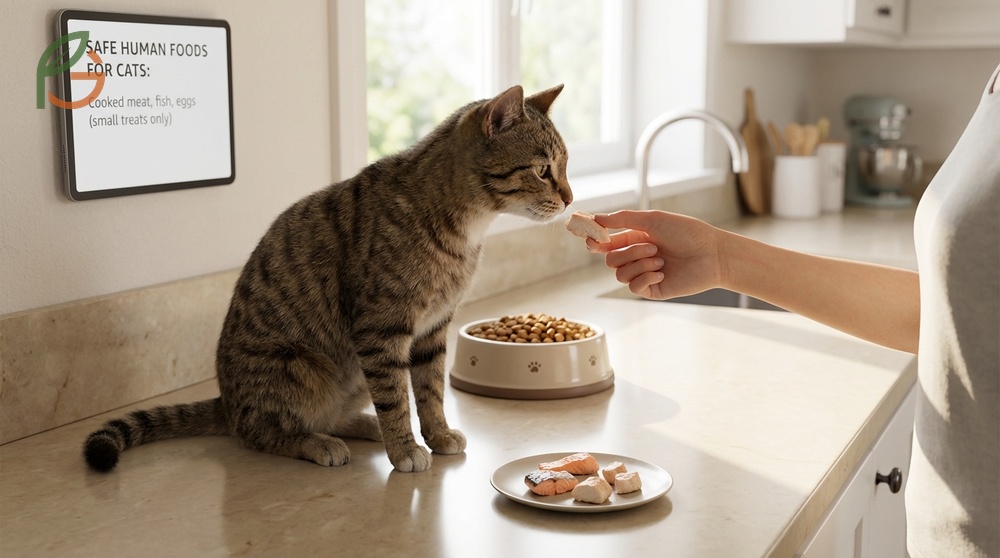
Veterinary guidelines identify several human foods cats can safely consume in moderation. Beyond honeydew, options include cooked plain chicken, turkey, salmon, and certain vegetables like steamed carrots or green beans. The key principle remains the same: these foods supplement but don’t replace species-appropriate cat food.
Research shows protein-based human foods align better with feline nutritional needs than fruits or vegetables. Cats require high protein (35-45% of diet) and moderate fat (15-25%), with minimal carbohydrate needs. Honeydew and other fruits provide primarily carbohydrates, making them less ideal than meat-based treats.
- Cooked plain chicken, turkey, or lean beef without seasonings or bones
- Cooked fish like salmon, tuna, or whitefish (boneless and unseasoned)
- Plain cooked eggs (scrambled or hard-boiled) as a protein source
- Small amounts of cantaloupe, watermelon, or honeydew melon (seedless)
- Steamed vegetables such as carrots, green beans, or broccoli
- Plain cooked pumpkin or sweet potato for digestive support
Cat Ate Honeydew Seeds
Honeydew seeds don’t contain toxic compounds but present choking and digestive obstruction risks. The seeds are large enough to lodge in a cat’s throat or cause intestinal blockage if swallowed whole. Always remove all seeds before offering honeydew to cats.
If your cat accidentally consumes honeydew seeds, monitor for signs of distress. Symptoms warranting veterinary attention include repeated vomiting, inability to defecate, lethargy, or loss of appetite lasting more than 12 hours. Most cats pass a few seeds without incident, but multiple seeds increase obstruction risk.
Safety Warning: Remove the rind along with seeds. The tough rind fiber can cause digestive upset and poses a choking hazard. Offer only the soft, inner flesh of the honeydew in small, manageable pieces.
Proper Serving Guidelines
Veterinary nutritionists recommend treating honeydew as an occasional snack rather than a dietary staple. For an average 10-pound cat consuming 260 calories daily[7], treats should total no more than 26 calories. This equals roughly 2.5 ounces of honeydew or about 2-3 small cubes[4].
Preparation matters as much as portion size. Cut honeydew into 1-centimeter cubes to prevent choking. Wash the exterior thoroughly before cutting to avoid transferring surface bacteria to the flesh. Serve at room temperature rather than cold to prevent stomach upset.
- Wash the honeydew exterior thoroughly under running water
- Cut the melon and remove all seeds from the flesh
- Discard the rind completely; never offer rind pieces to cats
- Cube the flesh into 1-centimeter pieces to prevent choking
- Offer 2-3 small cubes maximum per serving
- Store unused honeydew in the refrigerator and serve within 3 days
- Monitor your cat for 24 hours after first introduction for any digestive upset
Fruits Toxic to Cats
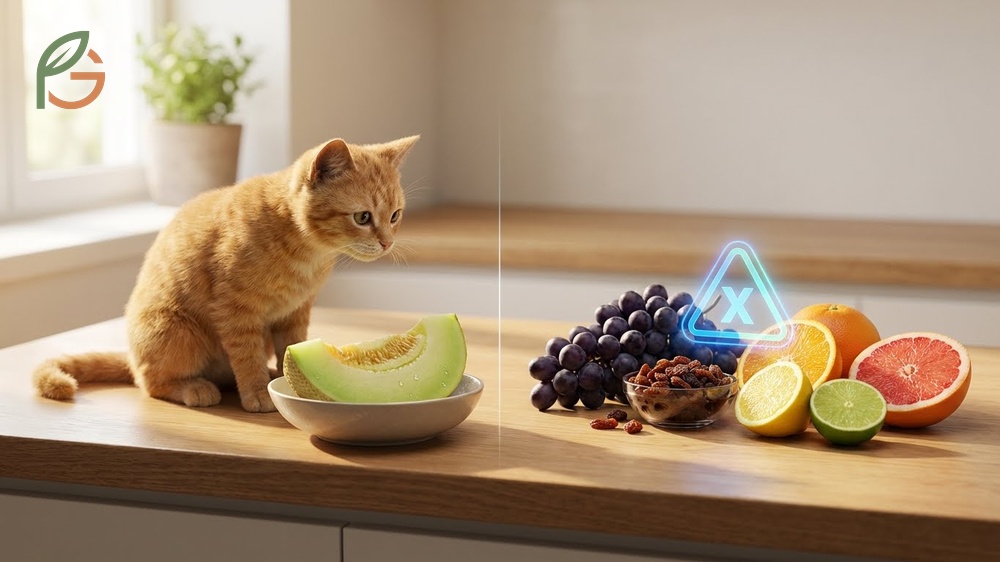
While honeydew is safe, several common fruits pose serious health risks to cats. Grapes and raisins top the danger list, containing compounds that cause acute kidney failure even in small amounts[8]. The toxic mechanism remains unclear, but sensitivity varies between individual cats, making any amount potentially dangerous.
Citrus fruits including lemons, limes, oranges, and grapefruit contain essential oils and psoralen compounds that harm cats. These substances cause vomiting, diarrhea, and central nervous system depression. The fruit flesh causes less severe reactions than the peel, but both should be avoided entirely.
Cherries present dual dangers through cyanide compounds in stems, leaves, and pits. Even small amounts can lead to difficulty breathing, dilated pupils, and red gums. The flesh contains minimal toxins, but the risk of pit ingestion makes cherries unsuitable for cats.
This table lists dangerous fruits for cats with their toxic compounds and symptoms of poisoning
| Fruit | Toxic Compound | Symptoms | Severity |
|---|---|---|---|
| Grapes/Raisins | Unknown toxin | Vomiting, lethargy, kidney failure[8] | Severe |
| Citrus (all types) | Essential oils, psoralen | Vomiting, diarrhea, tremors[8] | Moderate to Severe |
| Cherries | Cyanide compounds | Breathing difficulty, dilated pupils | Severe |
| Avocado | Persin | Vomiting, diarrhea, pancreatitis | Moderate |
- Grapes and raisins (cause kidney failure even in small amounts)
- All citrus fruits including oranges, lemons, limes, and grapefruit
- Cherries with stems, pits, or leaves containing cyanide
- Avocados containing persin that causes digestive inflammation
- Currants and sultanas (related to grapes with similar toxicity)
Cat Diarrhea After Melon
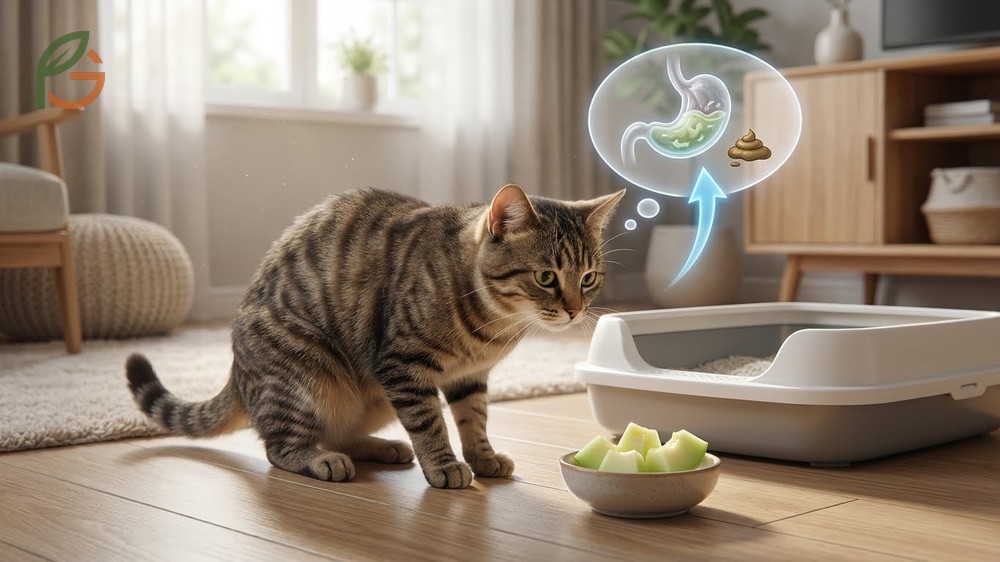
Digestive upset represents the most common adverse reaction when cats consume too much honeydew. The combination of natural sugars and fiber content can overwhelm feline digestive systems not adapted for processing plant matter[9]. Symptoms typically appear within 6-12 hours of consumption and include loose stools, increased defecation frequency, or mild vomiting.
The fiber and water content create an osmotic effect in the intestines. When cats eat excessive amounts, the undigested sugars draw water into the intestinal tract, resulting in loose or watery stools. This mechanism differs from toxic reactions and usually resolves within 24-48 hours without intervention.
Most cases of melon-induced diarrhea require only supportive care. Withhold honeydew and other treats for 24 hours while offering small amounts of regular cat food. Ensure fresh water remains available, as diarrhea increases dehydration risk. Contact a veterinarian if diarrhea persists beyond 48 hours, contains blood, or accompanies lethargy and appetite loss.
When to Call Your Vet: Seek immediate veterinary care if your cat shows severe symptoms including bloody diarrhea, repeated vomiting (more than twice in 6 hours), complete loss of appetite for over 12 hours, or signs of dehydration such as sunken eyes or dry gums.
Prevention works better than treatment for melon-related digestive issues. Start with a single small cube when introducing honeydew for the first time. Wait 24 hours to observe any reactions before offering additional pieces. This gradual approach identifies sensitive cats before problems develop.
Conclusion
The evidence is clear: can cats eat honeydew safely when you follow veterinary portion guidelines and preparation methods. ASPCA confirmation of honeydew’s non-toxic status gives pet owners confidence to offer this hydrating treat occasionally. The key lies in moderation—keeping all treats under 10% of daily calories prevents sugar-related health issues while allowing cats to enjoy variety.
Current veterinary guidance emphasizes species-appropriate nutrition as the foundation of feline health. Honeydew works as an occasional supplement to high-quality cat food, not as a regular dietary component. FruitGarden recommends consulting your veterinarian before introducing new foods, especially for cats with existing health conditions like diabetes or obesity.
Medical Disclaimer
Important Medical Disclaimer: This content is for informational and educational purposes only. It is not intended as a substitute for professional veterinary advice, diagnosis, or treatment. Always consult a qualified veterinarian before making any changes to your cat’s diet, especially if your pet has diabetes, obesity, kidney disease, or other medical conditions. Individual cats may react differently to new foods, and what’s safe for one cat may not be appropriate for another.
Frequently Asked Questions
Do Cats Like Melon?
Most cats show little interest in melon because they lack taste receptors for sweetness. Cats are obligate carnivores whose taste preferences evolved for detecting amino acids in meat rather than sugars in fruit. Some cats may investigate melon due to its moisture content or texture, but attraction to sweetness doesn’t drive their interest the way it does for humans.
Can Cats Have Honeydew Melon Daily?
No, cats shouldn’t eat honeydew daily due to sugar content and limited nutritional value for carnivores. Veterinary guidance recommends offering honeydew once or twice weekly at most to prevent excessive sugar intake. Daily treats should focus on protein-based options that align with feline dietary requirements rather than fruit-based snacks.
Can Kittens Eat Honeydew?
Kittens under 12 weeks should avoid honeydew entirely while they establish digestive systems and transition to solid food. After 12 weeks, kittens can try tiny amounts (smaller than adult portions) if they show interest. However, kitten nutrition should prioritize high-protein kitten food formulated for their rapid growth phase rather than fruit treats.
How Much Honeydew Can I Give My Cat?
Limit honeydew to 2-3 small cubes (approximately 1 centimeter each) per serving for an average 10-pound cat. This amount stays within the 10% treat calorie guideline while minimizing sugar intake and digestive upset risk. Adjust portions down for smaller cats and up slightly for larger breeds, always keeping treats under 10% of total daily calories.
Is Honeydew Better Than Other Melons for Cats?
Honeydew, watermelon, and cantaloupe all rank as equally safe options for cats with similar nutritional profiles. Watermelon contains slightly more water (92% versus 90%) while cantaloupe offers more beta-carotene. The differences don’t significantly impact feline health, so choose based on what you have available rather than seeking a “best” melon option.
Can Diabetic Cats Eat Honeydew?
No, diabetic cats should avoid honeydew due to its natural sugar content which can destabilize blood glucose levels. Even small amounts of fruit sugars can interfere with diabetes management in cats who already struggle with glucose regulation. Stick to veterinarian-approved treats specifically formulated for diabetic cats instead.
What Should I Do If My Cat Eats Too Much Honeydew?
Monitor your cat for digestive upset including diarrhea or vomiting within 6-24 hours of overconsumption. Provide fresh water and withhold additional treats while continuing regular cat food. Most cases resolve within 48 hours without veterinary intervention. Contact your veterinarian if symptoms persist beyond 48 hours, worsen, or include blood in stool, repeated vomiting, or lethargy.





