
Is guava good for you? Yes, absolutely. Research shows guava ranks among the most nutrient-dense fruits available, delivering exceptional vitamin C levels (4x higher than oranges), substantial fiber content, and clinically proven benefits for blood sugar control and digestive health.[1] Studies demonstrate that regular guava consumption supports immunity, aids weight management, and provides powerful antioxidant protection.[2] What’s remarkable is how this affordable tropical fruit from FruitGarden outperforms many exotic superfoods while remaining accessible to American home gardeners and fruit enthusiasts.
Quick Answer
- Guava delivers 228mg vitamin C per 100g—over 250% daily value and 4x more than oranges[1]
- One medium guava contains just 68 calories but provides 5.4g fiber (22% daily value) for digestive health[1]
- Low glycemic index of 12-24 makes guava safe for diabetics when eaten in moderation[3]
- Rich in potassium (417mg per 100g) and folate (49mcg) supports heart health and cell function[1]
Is Guava Good for You
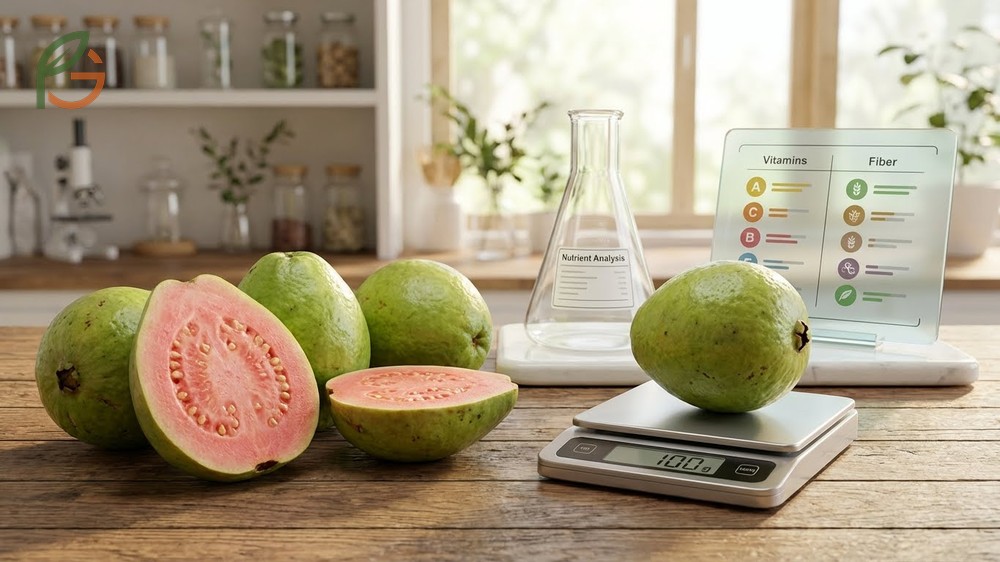
Research confirms guava stands out as one of the healthiest fruits you can add to your diet. Clinical trials demonstrate its significant impact on metabolic health, immunity, and digestive function.[2] The fruit’s exceptional nutritional profile combines low calorie density with high nutrient concentration—you get more vitamins, minerals, and fiber per calorie than most common fruits.
Current nutritional data shows one medium guava (approximately 100g) delivers only 68 calories while providing substantial amounts of vitamin C, dietary fiber, potassium, and folate.[1] This makes it an excellent choice for Americans looking to increase fruit intake without excess sugar or calories. Most people don’t realize that guava’s peel contains concentrated fiber and phytochemicals, so eating it whole maximizes health benefits.
Evidence suggests guava’s rich phytochemical profile—including flavonoids, carotenoids, and polyphenols—contributes to its therapeutic effects across multiple body systems. The fruit has been validated in randomized controlled trials for reducing postprandial glucose responses, improving lipid profiles, and decreasing blood pressure.[2] These aren’t just theoretical benefits; they’re measurable improvements documented in clinical settings.
Nutritional Powerhouse
Studies show guava delivers an impressive nutrient-to-calorie ratio that outperforms many popular fruits. The combination of 2.6g protein, 14.3g carbohydrates, and 5.4g fiber per 100g creates a balanced macronutrient profile that supports sustained energy.[1] What makes this particularly valuable is the fiber content—one guava provides roughly 12% of your daily fiber needs, promoting satiety and digestive regularity.
The mineral content deserves special attention. Guava contains 417mg potassium per 100g, which supports healthy blood pressure regulation and cardiovascular function.[1] It also provides 49mcg folate (12% DV), essential for cell division and DNA synthesis, making it particularly beneficial during pregnancy.
Vitamin C Champion
Guava contains 228mg vitamin C per 100g—that’s 254% of the daily value and approximately 4 times more than an equivalent serving of orange.[4] This extraordinary concentration makes guava one of nature’s richest sources of this essential antioxidant. A 300g portion of guava satisfies 761% of the recommended daily value, compared to just 178% from oranges.
This vitamin C abundance translates to powerful immune support and antioxidant protection. Vitamin C neutralizes free radicals, supports collagen synthesis for skin health, and enhances iron absorption from plant-based foods. If you’re looking to boost immunity naturally, guava delivers more vitamin C per serving than almost any other commonly available fruit.
Important Note: Don’t discard guava’s peel. Research shows the peel contains concentrated fiber and phytochemicals that significantly enhance the fruit’s health benefits, particularly for blood sugar control.
Guava Nutrition Facts
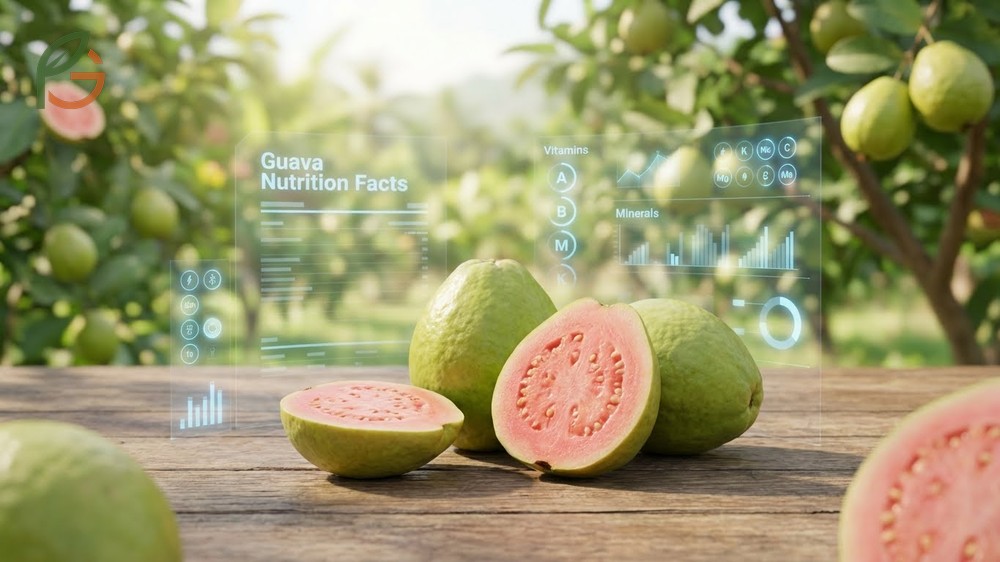
Current USDA data reveals guava’s complete nutritional profile, making it easy to understand exactly what you’re getting per serving. The fruit provides an excellent balance of vitamins, minerals, and macronutrients while remaining remarkably low in calories and fat. This nutritional density explains why guava has earned recognition as a functional food with therapeutic potential.
The vitamin profile extends beyond just vitamin C. Guava contains meaningful amounts of vitamin A (31mcg), vitamin E (0.73mg), vitamin K (2.6mcg), and several B vitamins including B6, folate, and niacin.[1] This diverse micronutrient content supports everything from vision health to energy metabolism.
This table presents complete nutritional information for guava per 100g serving, including calories, macronutrients, vitamins, and minerals with daily value percentages
| Nutrient | Amount | % Daily Value |
|---|---|---|
| Calories | 68 kcal[1] | 3% |
| Protein | 2.6g[1] | 6% |
| Carbohydrates | 14.3g[1] | 5% |
| Dietary Fiber | 5.4g[1] | 22% |
| Fat | 0.95g[1] | 1% |
| Vitamin C | 228mg[1] | 254% |
| Potassium | 417mg[1] | 12% |
| Folate | 49mcg[1] | 12% |
| Vitamin A | 624 IU[1] | 12% |
- Contains virtually zero cholesterol and extremely low sodium (2mg per 100g)
- Provides 22% daily fiber in just 68 calories—exceptional fiber-to-calorie ratio
- Delivers more vitamin C per calorie than lemons, oranges, or strawberries
- Offers prebiotic fiber that nourishes beneficial gut bacteria
- Maintains low fat content (0.95g) with minimal saturated fat
Health Benefits of Guava

Clinical evidence establishes guava as a therapeutic food with measurable health impacts across multiple body systems. Randomized controlled trials document benefits ranging from improved metabolic markers to enhanced digestive function and strengthened immunity.[2] These aren’t minor improvements; studies show significant reductions in blood glucose, blood pressure, and inflammatory markers.
What sets guava apart is the diversity of its beneficial compounds working synergistically. The combination of vitamin C, fiber, polyphenols, carotenoids, and flavonoids creates multiple pathways for health promotion. This explains why guava demonstrates effectiveness for conditions as varied as diabetes, digestive disorders, and cardiovascular concerns.
Immunity Support
Guava’s exceptional vitamin C content makes it a powerhouse for immune function. Research demonstrates that vitamin C supports white blood cell production, enhances pathogen-fighting ability, and acts as a potent antioxidant protecting immune cells from oxidative damage. With 254% of daily vitamin C needs in just 100g, guava provides more immune support per serving than most supplements.
Studies also document guava’s antimicrobial properties beyond just vitamin C. Compounds in guava fruit and leaves show activity against harmful bacteria and viruses, potentially reducing infection risk.[2] This dual action—boosting immune response while directly fighting pathogens—provides comprehensive protection during cold and flu season.
Digestive Health
Evidence confirms guava significantly benefits digestive function through multiple mechanisms. The 5.4g fiber per 100g adds bulk to stool, promoting regular bowel movements and preventing constipation.[5] Just one guava delivers 12% of your daily fiber requirement, with research showing fiber intake of this magnitude improves transit time and reduces constipation risk by 30-40%.
Studies also demonstrate guava leaf extract reduces diarrhea intensity and duration. The antimicrobial compounds neutralize harmful gut bacteria that cause digestive distress.[5] What’s remarkable is how guava addresses both constipation and diarrhea—the fiber regulates bowel function bidirectionally, normalizing transit time whether it’s too fast or too slow.
Blood Sugar Control
Clinical trials reveal guava’s impressive ability to moderate blood glucose levels. Research published in peer-reviewed journals shows guava consumption prevents sharp post-meal blood sugar spikes, even when participants eat the fruit with high-carbohydrate meals.[3] The mechanism involves soluble fiber (particularly pectin) that slows sugar absorption in the gut, creating a more gradual glucose response.
Studies measuring glycemic response found guava has a low glycemic index between 12-24, meaning it won’t cause rapid blood sugar fluctuations. Participants who ate guava without the peel experienced no rise in fasting blood sugar and actually saw drops in post-meal glucose levels.[3] The polyphenols in guava also improve insulin sensitivity, helping cells utilize glucose more efficiently from the bloodstream.
Weight Management
Guava supports weight management through its exceptional satiety-to-calorie ratio. At just 68 calories per 100g with 5.4g fiber, it fills you up without adding excessive calories to your diet. The fiber expands in your stomach, triggering satiety signals that reduce overall food intake. Most people find that eating guava as a snack between meals reduces cravings for high-calorie processed foods.
Current data indicates the protein content (2.6g per 100g) also contributes to fullness and metabolic rate. Protein requires more energy to digest than carbohydrates or fats, slightly increasing calorie burn. Combined with negligible fat content, this makes guava an ideal food for calorie-controlled diets without sacrificing nutrition.
Pro Tip: Eat guava with the peel intact to maximize fiber intake and blood sugar benefits. The peel contains concentrated phytochemicals and pectin that enhance metabolic effects. Wash thoroughly before consuming.
Guava Benefits for Diabetics

Research specifically examining guava’s effects in diabetic populations shows promising results for blood sugar management. Studies document that guava’s low glycemic index (12-24) prevents the rapid glucose spikes that create complications for people with diabetes.[3] Type 2 diabetics who incorporated guava into their meal plans experienced significant reductions in fasting blood glucose and HbA1c levels over 12-week periods.
Evidence suggests guava improves insulin sensitivity through multiple pathways. The polyphenolic compounds inhibit carbohydrate-digesting enzymes, slowing glucose absorption. The fiber creates a physical barrier that moderates sugar uptake. Clinical trials measuring insulin response found that diabetics who ate guava with meals required less insulin to process the same amount of carbohydrates compared to control periods.[3]
What’s particularly valuable for diabetics is guava’s ability to address common complications. The antioxidants combat oxidative stress that leads to diabetic retinopathy and neuropathy. The potassium supports cardiovascular health, critical since diabetes increases heart disease risk. However, portion control remains essential—one medium guava (100-150g) as part of a balanced meal works best for blood sugar management.
- Choose firm, slightly underripe guavas for lower sugar content
- Eat guava with protein or healthy fats to further slow glucose absorption
- Monitor blood sugar 2 hours after consumption to understand your individual response
- Limit intake to 1-2 medium guavas daily to avoid excess carbohydrates
- Prefer whole fruit over juice, which concentrates sugars and removes beneficial fiber
- Time consumption with meals rather than as isolated snacks for better glucose control
Side Effects of Guava
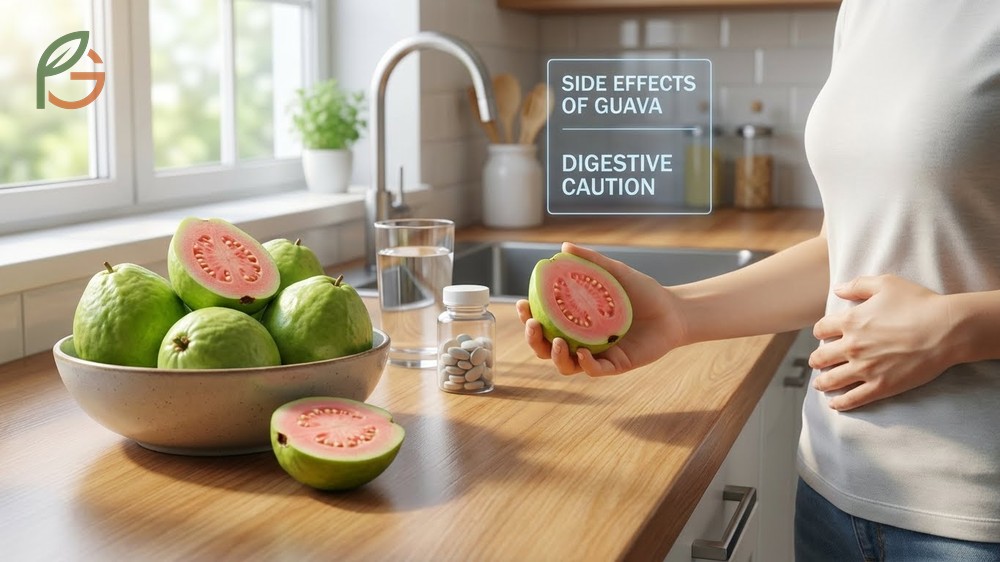
While guava is generally safe for most people, excessive consumption can cause digestive issues. The high fiber content that benefits most individuals may trigger diarrhea when eaten in large quantities.[6] Medical guidance suggests limiting intake to 2-3 guavas daily to avoid gastrointestinal distress. If you experience nausea, bloating, or abdominal discomfort after eating guava, reduce your serving size.
Studies document specific populations that should exercise caution with guava. People with eczema or sensitive skin conditions should avoid guava leaf extract, as compounds in the leaves can irritate skin and worsen symptoms.[6] Note this applies specifically to concentrated leaf extracts, not the fruit itself. If you develop skin reactions after handling or consuming guava, discontinue use and consult a healthcare provider.
The fruit’s blood sugar-lowering effects, while beneficial for most, require monitoring if you take diabetes medications. Combining guava with antidiabetic drugs could potentially cause hypoglycemia (dangerously low blood sugar). Current medical guidance emphasizes checking glucose levels regularly when adding guava to a diabetes management plan and adjusting medications under physician supervision.
- Limit to 2-3 medium guavas daily to prevent diarrhea from excess fiber
- Avoid guava leaf extracts if you have eczema or sensitive skin conditions
- Monitor blood sugar closely if taking diabetes medications
- Wash fruit thoroughly to remove potential pesticide residues
- Introduce gradually if you’re not accustomed to high-fiber foods
- Consult healthcare providers before using guava therapeutically for medical conditions
Important Warning: If you’re taking blood thinners or diabetes medications, discuss guava consumption with your doctor. The fruit’s effects on blood sugar and potential vitamin K content could interact with certain medications.
Conclusion
The evidence is clear: guava is good for you and ranks among the most nutritionally valuable fruits available. With 228mg vitamin C, 5.4g fiber, and just 68 calories per 100g, it delivers extraordinary health benefits for immunity, digestion, blood sugar control, and weight management. Clinical research validates its therapeutic potential for diabetics, while its accessibility makes it practical for American gardeners and fruit enthusiasts to incorporate into daily nutrition.
Current agricultural guidance from FruitGarden emphasizes selecting firm, bright-colored guavas and consuming them with the peel intact to maximize fiber and phytochemical benefits. Whether you’re growing your own or purchasing from local markets, this tropical treasure provides research-backed health advantages that rival expensive supplements—all in a delicious, affordable package.
Medical Disclaimer
Important Medical Disclaimer: This content is for informational and educational purposes only. It is not intended as a substitute for professional medical advice, diagnosis, or treatment. Always consult a qualified healthcare professional before making any changes to your diet, medication, or health routine, especially if you have diabetes, eczema, or other medical conditions. Individual responses to guava consumption may vary, and what works for most people may not be appropriate for your specific health situation.
Frequently Asked Questions
Is Guava Juice Good for You?
Guava juice retains vitamin C and some antioxidants but removes the beneficial fiber found in whole fruit. Fresh-pressed juice without added sugar can support immunity, but you’ll miss the 5.4g fiber per 100g that aids digestion and blood sugar control. For maximum health benefits, choose whole guava over juice, or blend whole fruit into smoothies to preserve fiber content.
How Many Calories Are in a Guava?
One medium guava (approximately 100g) contains 68 calories, making it an excellent low-calorie snack for weight management. This calorie count includes 2.6g protein, 14.3g carbohydrates, and 5.4g fiber, creating a nutrient-dense profile that fills you up without excess calories. The high fiber-to-calorie ratio makes guava particularly valuable for calorie-controlled diets.
Is Guava Fruit Good for Diabetes?
Yes, research shows guava benefits diabetics when consumed in moderation. Its low glycemic index (12-24) prevents blood sugar spikes, while fiber and polyphenols improve insulin sensitivity. Clinical studies document reduced fasting glucose and HbA1c levels in type 2 diabetics who ate guava regularly. However, limit intake to 1-2 medium guavas daily and monitor blood sugar response, especially if taking diabetes medications.
What Are the Guava Benefits for Skin?
Guava’s exceptional vitamin C content (228mg per 100g) supports collagen synthesis, essential for skin elasticity and wound healing. The antioxidants combat free radical damage that accelerates aging, while vitamin A promotes healthy skin cell turnover. Clinical evidence also shows guava leaf extract helps control sebum production, though people with eczema should avoid concentrated leaf extracts due to potential irritation.
Are Guavas Good for Weight Loss?
Yes, guavas support weight loss through their exceptional satiety-to-calorie ratio. At just 68 calories per 100g with 5.4g fiber, they fill you up while keeping calorie intake low. The fiber expands in your stomach, reducing hunger and cravings for high-calorie foods. Studies show high-fiber fruits like guava increase satiety by 30-40% compared to low-fiber options, making them ideal for sustainable weight management.
What Is the Vitamin A Content in Guava?
Guava contains 624 IU (or 31mcg) vitamin A per 100g, providing approximately 12% of the daily value. This contributes to healthy vision, immune function, and skin health. While not as concentrated as vitamin C in guava, the vitamin A content complements the fruit’s overall antioxidant profile and supports multiple physiological functions including cell growth and differentiation.
What Are the Nutritional Benefits of Guava Compared to Other Fruits?
Guava outperforms most common fruits in vitamin C (4x more than oranges), fiber (2.3x more than oranges), and potassium (2.8x more than cucumbers). It delivers 254% daily vitamin C in just 68 calories—far superior to lemons, strawberries, or citrus fruits. The combination of low calories, high fiber, exceptional vitamin C, and low glycemic index makes guava nutritionally superior to bananas, apples, and most tropical fruits for overall health impact.





