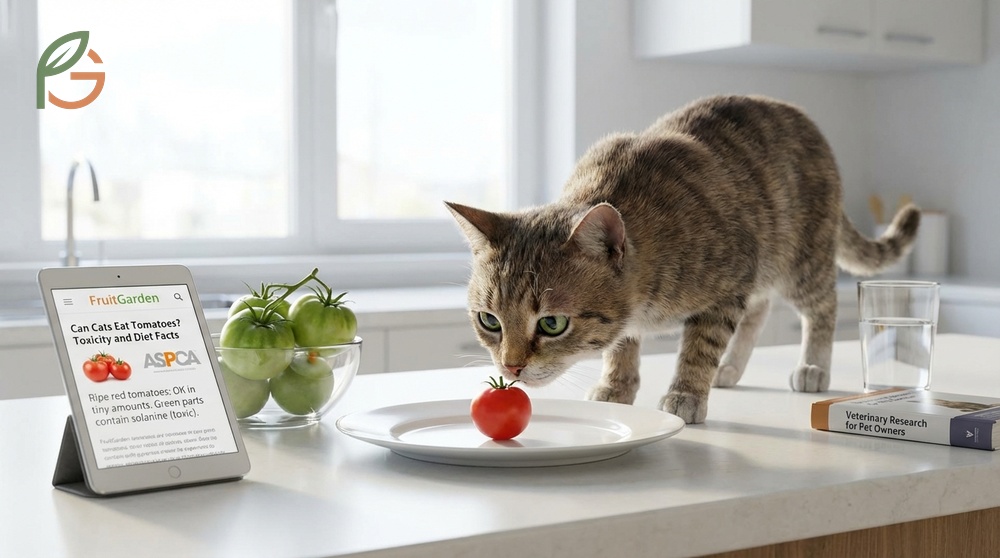
Can cats eat tomatoes? Yes, but only ripe red tomatoes in tiny amounts. Research shows that while the ripe fruit is non-toxic according to the ASPCA[1], green tomato parts contain solanine—a toxic compound that causes serious health issues in cats. FruitGarden synthesizes current veterinary research to help pet owners make informed decisions about their cat’s diet and garden safety.
Quick Answer
- Ripe red tomatoes are safe for cats in very small amounts (1-2 tiny bites occasionally)[2]
- Tomato leaves, stems, and unripe green tomatoes contain solanine at 5% concentration[3]—highly toxic to cats
- Symptoms appear within 2-10 hours after ingestion and include vomiting, dilated pupils, and slow heart rate[4]
- Never feed tomato sauce or ketchup—they contain toxic garlic, onions, and excessive sodium[5]
Can Cats Eat Tomatoes
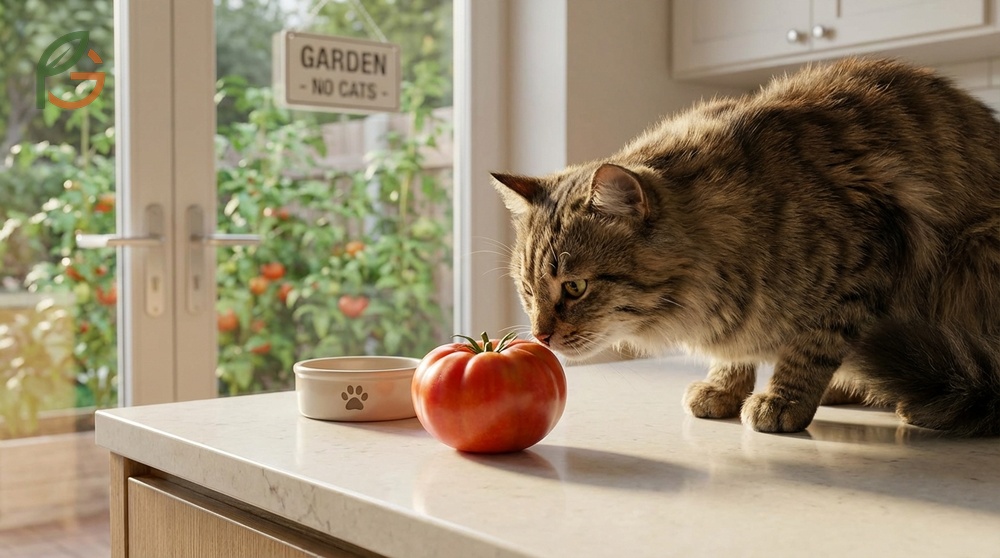
Ripe red tomatoes aren’t toxic to cats, but they offer zero nutritional value for felines. The ASPCA confirms that fully ripe tomato fruit is safe in minimal quantities[1]. However, veterinarians don’t recommend feeding tomatoes to cats because they’re obligate carnivores who derive nutrition exclusively from animal proteins[6].
If your cat accidentally licks a slice of ripe tomato, don’t panic. One or two tiny bites won’t cause harm. The bigger concern is garden access—tomato plants pose serious dangers that many pet owners overlook.
Ripe vs Unripe Tomatoes
The ripeness of a tomato determines its safety level for cats. Fully ripe red tomatoes contain minimal solanine (less than 1%)[3]. Green unripe tomatoes concentrate this toxic alkaloid at dangerous levels.
Color matters more than most people realize. Yellow-orange tomatoes in transition still carry toxicity risks. Wait until the fruit turns completely red before considering it remotely safe for feline contact.
Important Note: Even ripe tomatoes can cause digestive upset in cats due to their acidic nature. Limit exposure to rare, accidental contact rather than intentional feeding.
Why Cats Don’t Need Tomatoes
Cats lack the intestinal enzymes needed to convert plant-based nutrients like beta-carotene into usable vitamin A[6]. Their bodies evolved to extract all necessary nutrients from prey animals. Tomatoes provide vitamins C and K, but cats synthesize vitamin C naturally and obtain vitamin K from meat sources.
Research shows cats require four times more niacin and pyridoxine than dogs—nutrients found abundantly in animal tissue, not vegetables[6]. Offering tomatoes wastes stomach space that should contain species-appropriate protein.
Are Tomatoes Bad for Cats
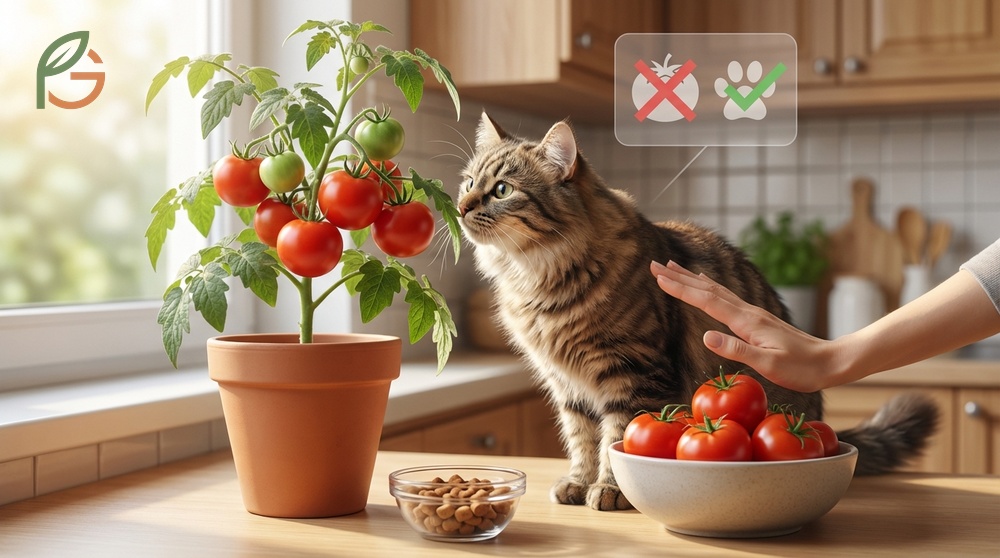
Tomatoes belong to the Solanaceae nightshade family, which produces toxic compounds as natural pest deterrents. While ripe fruits are technically safe, the plant’s defense mechanisms make it hazardous overall for cats. The acidity alone can irritate a cat’s sensitive digestive system, causing discomfort even without poisoning.
Most veterinarians classify tomatoes as “not recommended” rather than strictly forbidden. The risk-to-benefit ratio doesn’t justify feeding them intentionally. One accidental bite won’t require emergency care, but repeated exposure increases toxicity accumulation and digestive problems.
Solanine Toxicity Explained
Solanine is a glycoalkaloid that protects tomato plants from insects and fungi. In leafy parts, concentrations reach approximately 5%, while unripe fruits contain less than 1%[3]. Cats metabolize this compound poorly, making even small amounts dangerous.
Tomatine works alongside solanine in green plant parts, creating a dual-toxin threat. These alkaloids damage red blood cells and disrupt nerve function. Symptoms escalate quickly once a cat chews tomato leaves or stems.
Risk Factors
- Small body size: Kittens and petite cats reach toxic doses faster than larger animals
- Garden access: Outdoor cats may nibble plants repeatedly, building up toxin levels over days
- Existing health conditions: Cats with kidney disease or digestive issues face heightened risks
- Multiple exposures: Eating small amounts daily causes cumulative damage
- Combination with other nightshades: Potatoes, peppers, and eggplants compound toxicity
Are Tomato Plants Toxic to Cats
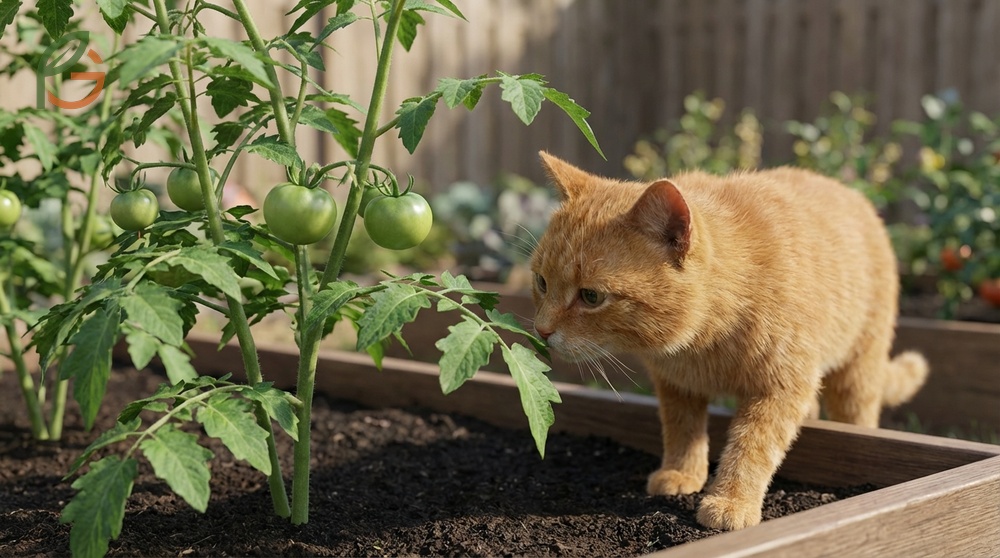
All green parts of tomato plants are toxic to cats[2]. Leaves, stems, vines, and unripe fruits contain concentrated solanine and tomatine. Even brief chewing can deliver enough toxin to trigger symptoms in a 10-pound cat.
Garden tomato plants pose greater dangers than houseplants because cats encounter them during outdoor exploration. The fuzzy texture of tomato leaves may attract curious cats who enjoy nibbling vegetation. Unlike many toxic plants that taste bitter, tomato foliage doesn’t provide a strong deterrent flavor.
Cherry tomato plants compact toxins into smaller spaces, increasing bite-per-toxin ratios. Heirloom varieties carry similar risks regardless of size or color. If you grow tomatoes, fence them away from cat territories or choose hanging planters beyond feline reach.
Gardening Tip: Place tomato plants in screened areas or use motion-activated deterrents. Cats who dig in gardens may track solanine residue on their paws, later ingesting it during grooming.
Symptoms of Tomato Poisoning in Cats
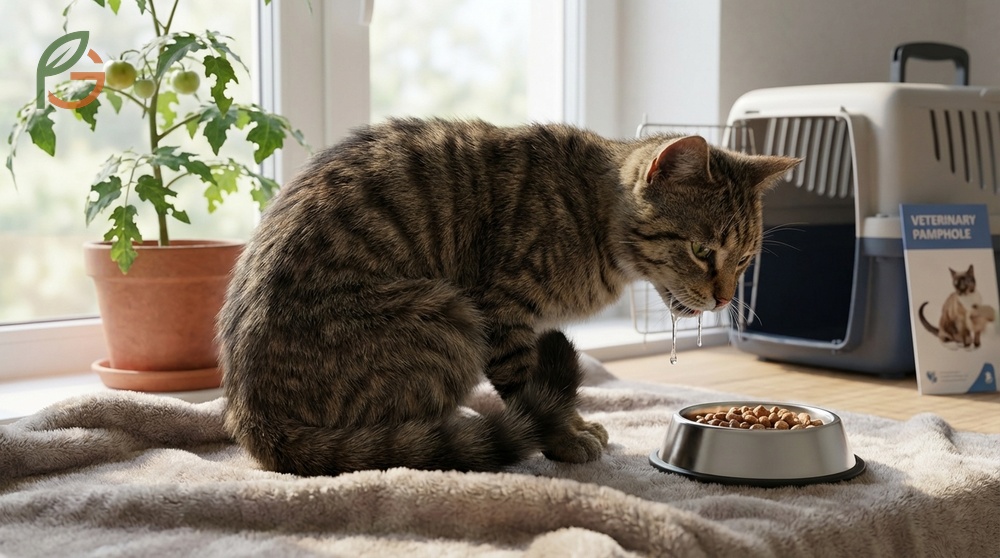
Clinical signs typically appear 2-10 hours after ingestion[4]. Early symptoms include excessive drooling and loss of appetite. As toxins circulate, neurological and cardiovascular effects emerge.
Severity correlates with the amount consumed and which plant part your cat ate. A few leaf bites cause milder symptoms than consuming entire stems. Watch for progression—mild cases may resolve without intervention, but severe poisoning requires immediate veterinary care.
- Gastrointestinal distress: Vomiting, diarrhea, abdominal pain, and nausea within the first few hours
- Excessive salivation: Hypersalivation or drooling indicates oral irritation from alkaloids
- Loss of appetite: Cats refuse food for 12-24 hours following plant ingestion
- Neurological changes: Lethargy, weakness, confusion, tremors, or difficulty coordinating movement
- Dilated pupils: Abnormally large pupils that don’t respond to light changes
- Cardiac effects: Slow heart rate (bradycardia) detectable by veterinarians during examination
- Severe reactions: Seizures, respiratory difficulty, or collapse in extreme poisoning cases
Contact your veterinarian immediately if you observe these symptoms after garden time. Bring a sample of the plant material your cat consumed. Early intervention through induced vomiting or activated charcoal prevents toxin absorption. Severe cases require hospitalization for IV fluid therapy to flush out alkaloids and support organ function[4].
Can Cats Eat Tomato Sauce
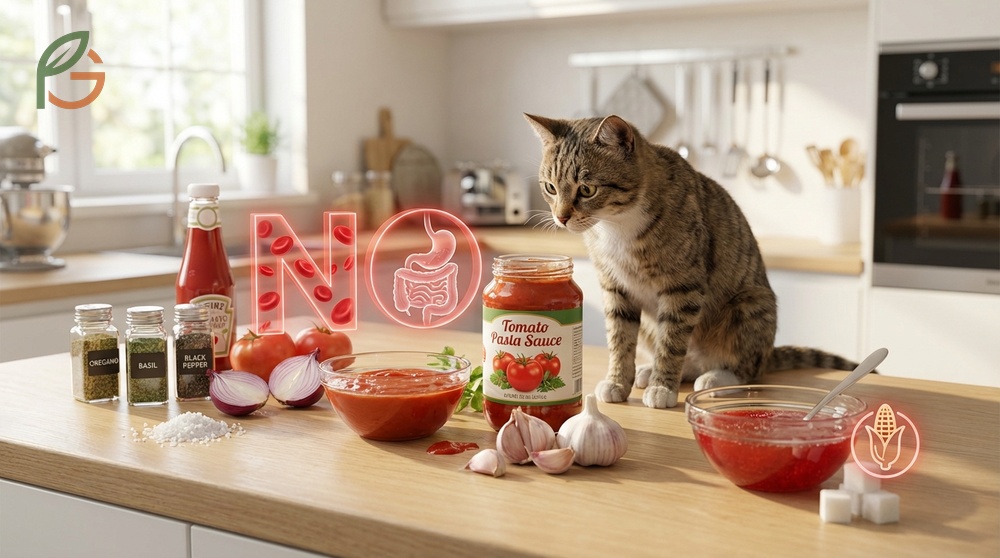
Cats should never eat tomato sauce, ketchup, pasta sauce, or tomato-based soups[5]. Commercial tomato products contain garlic and onion—ingredients that destroy feline red blood cells, causing hemolytic anemia. Even small amounts (as little as 0.05 tablespoons) of the salt in these products can trigger sodium ion poisoning.
Seasonings like oregano, basil, and black pepper irritate cat digestive systems. Sugar and high-fructose corn syrup in ketchup contribute to obesity and diabetes. The acidity from concentrated tomatoes causes gastric upset more severe than fresh fruit.
If your cat licks tomato sauce, monitor for vomiting, lethargy, or behavioral changes over 24-48 hours. Contact your vet if sauce contained visible garlic or onion, or if your cat consumed more than a teaspoon. Don’t attempt home remedies—professional assessment determines whether induced vomiting or bloodwork is necessary.
This table compares safety levels, toxic ingredients, and veterinary recommendations for five common tomato-based products that cats may encounter.
| Product | Safety Level | Primary Concerns | Action if Consumed |
|---|---|---|---|
| Ripe Red Tomato | Safe in tiny amounts | Acidity, no nutritional value | Monitor for digestive upset |
| Tomato Sauce | Unsafe | Garlic, onion, high sodium[5] | Call vet immediately |
| Ketchup | Toxic | Onion powder, salt, sugar | Seek emergency care |
| Tomato Soup | Unsafe | Cream, garlic, sodium | Contact veterinarian |
| Sun-Dried Tomatoes | Avoid | Concentrated acids, seasonings | Monitor for 24 hours |
Safe Vegetables for Cats
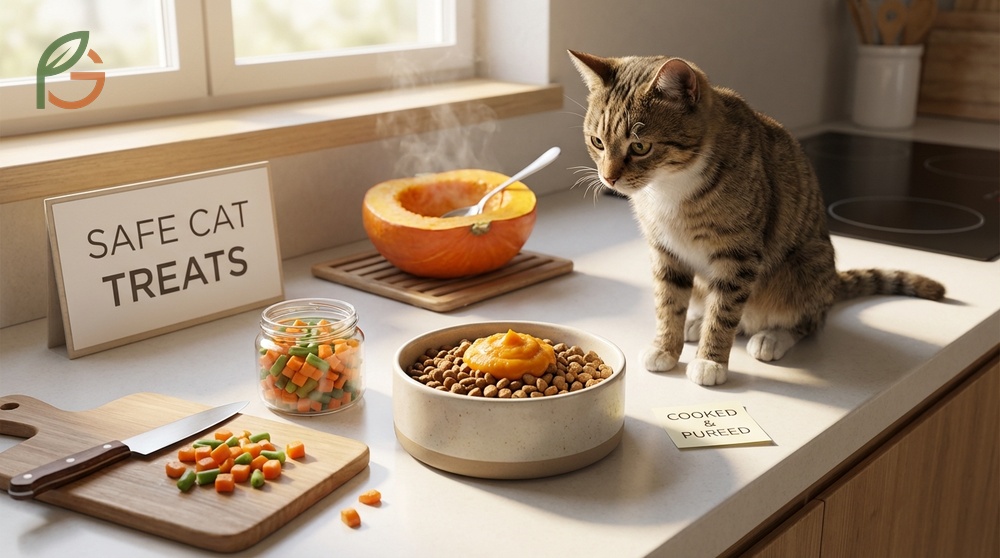
While cats don’t require vegetables, certain options provide safe occasional treats when prepared correctly. Always cook vegetables thoroughly and puree or dice them into tiny pieces. Raw vegetables contain cellulose that cats cannot digest[7].
Limit vegetable treats to less than 10% of daily caloric intake. These foods work best as toppers for regular cat food or rewards during training. Never substitute vegetables for protein-based meals.
- Pumpkin (cooked): High fiber content aids digestion and prevents hairballs; use plain canned or steamed fresh
- Green beans (steamed): Low-calorie option rich in vitamins C and K; cut into small pieces to prevent choking
- Carrots (cooked): Provide beta-carotene and fiber; must be thoroughly softened to aid digestion
- Peas (cooked): Contain vitamins B1, C, and K plus iron and potassium in small, manageable pieces
- Zucchini (cooked): High water content supports hydration; low calories make it suitable for overweight cats
- Spinach (cooked, limited): Packed with vitamins A, C, K, iron, and calcium; avoid for cats with kidney issues[7]
- Broccoli (cooked, small amounts): Offers fiber, vitamin C, and antioxidants; may cause gas in some cats
Avoid all allium vegetables (onions, garlic, leeks, chives), which destroy red blood cells. Raw potatoes contain solanine like tomato plants. Avocados carry persin toxicity. Mushrooms range from safe to deadly depending on species, so skip them entirely.
Preparation Tip: Steam vegetables until fork-tender, then puree or chop into pieces smaller than a pea. Mix with regular cat food in a 90:10 protein-to-vegetable ratio.
Conclusion
The evidence is clear: while ripe tomatoes won’t poison your cat in minimal amounts, can cats eat tomatoes safely depends entirely on avoiding green plant parts and processed products. Tomato leaves, stems, and unripe fruits contain solanine concentrations that cause serious health issues requiring veterinary intervention[2].
Current veterinary guidance emphasizes that cats thrive on animal-based proteins, not vegetables. If you grow tomatoes, protect your cat by using barriers or elevated planters. FruitGarden recommends focusing on species-appropriate treats rather than experimenting with human foods that offer zero nutritional benefit and carry unnecessary risks.
Medical Disclaimer
Important Medical Disclaimer: This content is for informational and educational purposes only. It is not intended as a substitute for professional veterinary advice, diagnosis, or treatment. Always consult a qualified veterinarian before making any changes to your cat’s diet or if you suspect your pet has ingested toxic plants. If your cat shows symptoms of poisoning, seek emergency veterinary care immediately.
Frequently Asked Questions
How much ripe tomato can I safely give my cat?
Veterinarians recommend limiting ripe red tomato to one or two tiny bites (approximately the size of a pea) as an occasional treat, not a regular food. Even ripe tomatoes provide no nutritional value for cats and may cause digestive upset due to acidity. Most experts suggest avoiding tomatoes entirely and offering species-appropriate treats instead.
What should I do if my cat eats a tomato plant leaf?
Contact your veterinarian immediately if your cat chews or swallows tomato plant leaves, stems, or green tomatoes. Watch for symptoms like vomiting, drooling, lethargy, or dilated pupils within 2-10 hours. Don’t wait for symptoms to appear—early intervention through induced vomiting or activated charcoal prevents serious toxicity. Bring a sample of the plant material to help your vet assess the situation.
Can cats eat cherry tomatoes or grape tomatoes?
Fully ripe cherry and grape tomatoes carry the same guidelines as regular tomatoes—technically safe in minimal amounts but not recommended. The smaller size increases choking risk, and their concentrated acidity may cause more digestive upset. If your cat accidentally eats a ripe cherry tomato, monitor for stomach discomfort but don’t offer these intentionally.
Are cooked tomatoes safer for cats than raw tomatoes?
Cooking doesn’t make tomatoes safer for cats and may worsen risks if seasonings are added. Plain cooked ripe tomatoes have the same safety profile as raw ripe fruit—minimal toxicity but zero nutritional benefit. However, most cooked tomato dishes contain garlic, onions, salt, or spices that are toxic to cats. Avoid all cooked tomato products including sauces, soups, and stews.
Why are tomato plants toxic but ripe tomatoes are not?
Tomato plants concentrate solanine and tomatine alkaloids in their leaves, stems, and unripe fruits as natural pest deterrents. As tomatoes ripen and turn red, these toxin levels drop to less than 1%, making the ripe fruit relatively safe. The green plant parts maintain approximately 5% solanine concentration throughout the growing season, creating severe poisoning risks for cats who nibble foliage.
Can tomato exposure cause long-term health problems in cats?
Repeated exposure to solanine from tomato plants can cause cumulative organ damage, particularly affecting the liver and kidneys. Cats who regularly consume tomato-based products with garlic or onions risk developing chronic hemolytic anemia, which permanently damages red blood cells. Single exposures to small amounts of ripe tomato typically don’t cause lasting effects, but ongoing access to toxic plant parts requires veterinary monitoring.
What other nightshade plants should I keep away from my cat?
Keep cats away from all nightshade family plants including potatoes (especially green skin and sprouts), peppers, eggplants, and ornamental nightshade varieties. These plants contain similar alkaloid toxins that cause gastrointestinal upset, neurological symptoms, and cardiac issues. Bell peppers and cooked white potato flesh are less toxic than tomato plants, but they still offer no nutritional value to obligate carnivores.