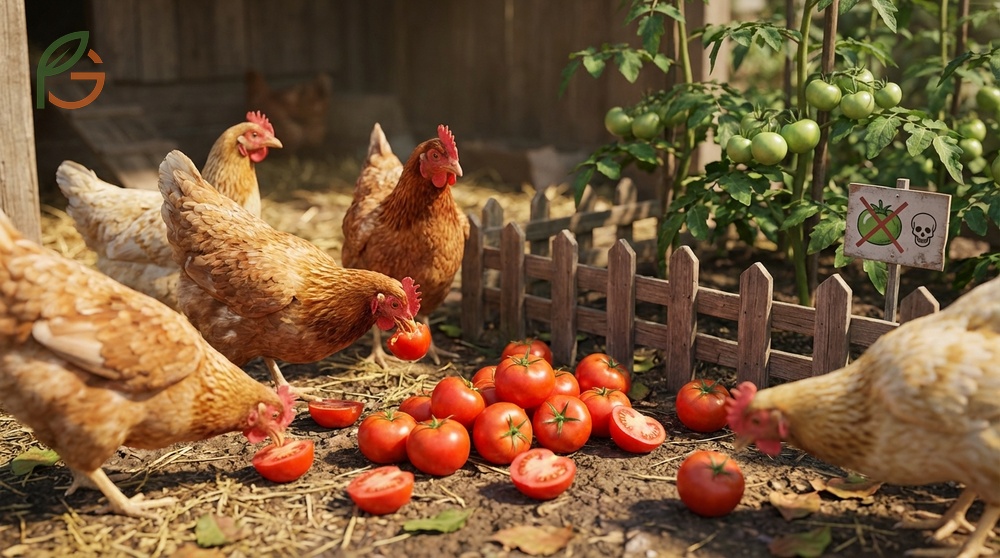
Can chickens eat tomatoes? Yes, fully ripe red tomatoes are safe and nutritious treats for chickens when fed in moderation. However, tomato plants—including leaves, stems, and vines—along with unripe green tomatoes contain solanine, a toxic compound that can cause serious health problems or death in poultry[1]. Research shows that understanding which parts of the tomato plant are safe versus dangerous can protect your flock from nightshade toxicity[2]. FruitGarden synthesizes current poultry research and agricultural data to help backyard chicken keepers make informed feeding decisions.
Quick Answer
- Ripe red tomatoes are safe and nutritious for chickens—they contain vitamins A and C plus antioxidants
- Tomato plants (leaves, stems, flowers) and green tomatoes contain solanine toxin that can be fatal[1]
- Limit treats to 10% of daily diet—feed only 1-2 small tomatoes per chicken weekly
- Always remove tomato plants from chicken areas and dispose of rotten or moldy tomatoes immediately
Can Chickens Eat Tomatoes
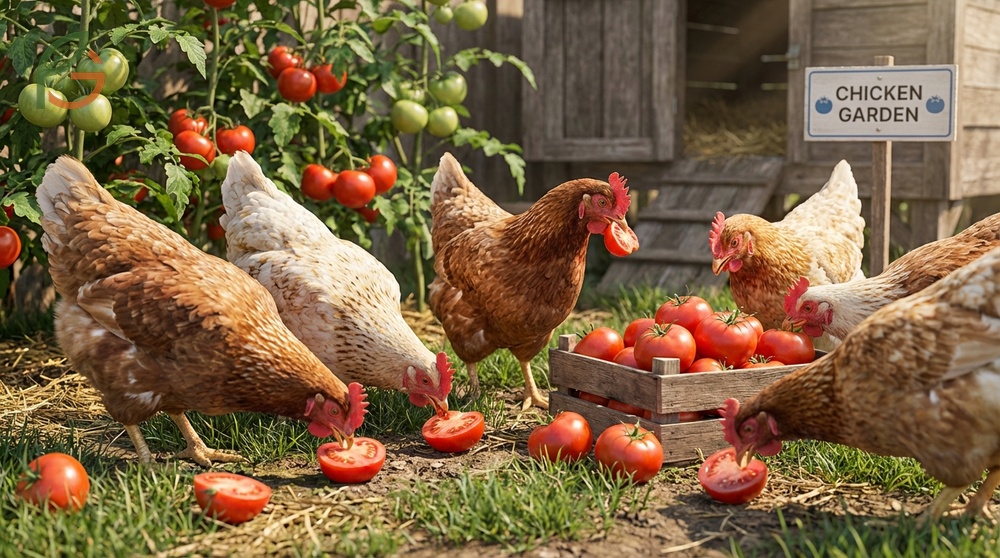
Chickens can safely eat ripe red tomatoes as an occasional treat. These fruits provide valuable nutrients that support flock health when incorporated properly into their diet. The key distinction lies in ripeness—only fully mature red tomatoes are safe for poultry consumption.
Ripe tomatoes contain negligible amounts of solanine compared to unripe fruit and plant parts[1]. Research indicates that chickens readily consume ripe tomatoes without adverse effects. Most backyard chicken keepers report their flocks enjoy tomatoes as summer treats when gardens produce surplus fruit.
However, tomatoes should never replace balanced commercial feed as the primary diet. Treats like tomatoes should comprise no more than 10% of a chicken’s daily food intake to prevent nutritional imbalances[1]. Overfeeding treats can reduce calcium, phosphorus, and protein intake necessary for egg production and overall health.
Nutritional Benefits of Ripe Tomatoes
Ripe tomatoes offer several nutritional advantages for chickens when fed appropriately. They’re rich in vitamins A and C, which support immune function and promote healthy feathers. Tomatoes also contain lycopene, an antioxidant that may enhance egg yolk color.
The high water content in tomatoes provides hydration during hot weather. Studies suggest that chickens consuming tomatoes as part of a varied diet may show improved egg production. These fruits are low in calories but deliver fiber that supports digestive health.
- Vitamin A supports vision, immune function, and reproductive health
- Vitamin C acts as an antioxidant and reduces stress in hot conditions
- Lycopene provides antioxidant protection and enhances yolk pigmentation
- High water content (95%) helps maintain hydration in summer months
- Dietary fiber promotes healthy digestion and gut microbiome balance
- Low calorie density allows chickens to enjoy treats without weight gain
Safe Feeding Guidelines
Proper preparation and portioning ensure tomatoes remain safe treats for your flock. Always wash tomatoes thoroughly to remove pesticides, dirt, and potential contaminants before feeding. Cut large tomatoes into quarters or smaller pieces to prevent choking, especially for smaller breeds.
Feed only fully ripened red tomatoes—no green, partially green, or orange-yellow transitioning fruit. Limit portions to 1-2 small tomatoes per chicken per week maximum. Remove any uneaten tomato pieces within 4-6 hours to prevent spoilage and bacterial growth.
Important Feeding Note: Never feed tomatoes to chicks younger than 8-12 weeks old. Their developing digestive systems require complete starter feed for proper growth. Introduce treats only after pullets reach maturity and are consuming layer feed.
- Wash all tomatoes thoroughly before feeding to remove pesticide residue
- Cut tomatoes into small pieces (quartered or smaller) to prevent choking hazards
- Feed tomatoes in the morning so chickens can digest them during active hours
- Scatter tomato pieces to encourage foraging behavior and prevent bullying
- Monitor your flock’s response when introducing tomatoes for the first time
- Store extra tomatoes properly—never leave spoiled fruit in the coop or run
Nightshade Toxicity Chickens
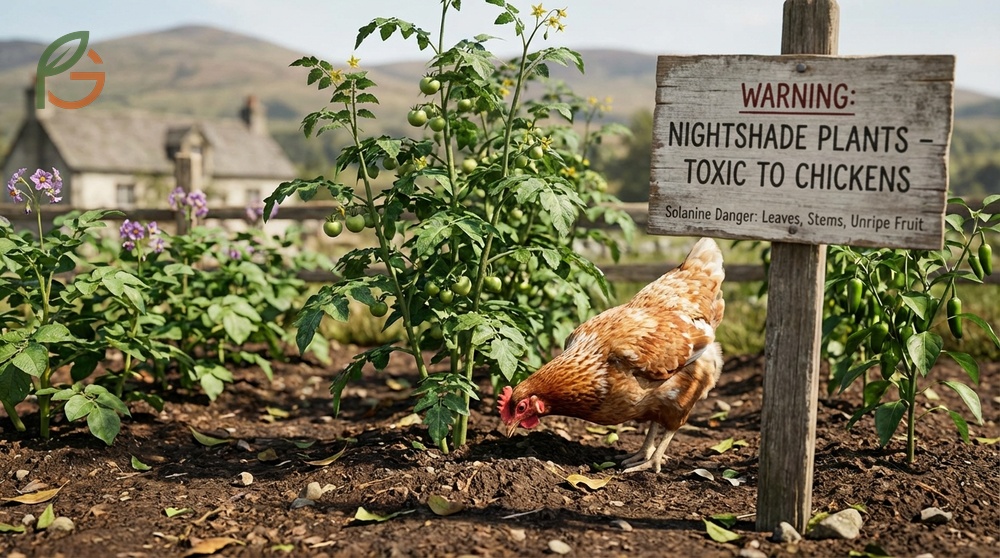
Nightshade plants belong to the Solanaceae family, which includes tomatoes, potatoes, peppers, and eggplants. While ripe fruits from these plants are generally safe, other plant parts contain toxic compounds that protect against herbivores and insects. Chickens are susceptible to nightshade poisoning when they consume leaves, stems, or unripe fruit.
Solanine and related alkaloids serve as the plant’s natural defense mechanism. These toxins concentrate in green plant tissues and immature fruit. Research shows that chickens are less sensitive to solanine than humans, but large quantities can still cause severe illness or death[1].
Nightshade toxicity is more common when chickens free-range near vegetable gardens. Birds may nibble on tomato leaves or consume fallen green tomatoes out of curiosity. Prevention through proper fencing and plant removal is essential for protecting your flock from accidental poisoning.
What Is Solanine
Solanine is a glycoalkaloid compound produced naturally in nightshade plants. This toxin forms primarily in leaves, stems, flowers, and unripe fruit as protection against pests. Green tomatoes contain significantly higher solanine levels than ripe red fruit.
The compound remains stable even when heated, meaning cooking doesn’t eliminate the danger. Solanine affects both the gastrointestinal and nervous systems in chickens. Even small amounts consumed regularly can accumulate in tissues and cause chronic health problems over time.
Symptoms of Poisoning
Solanine poisoning symptoms typically appear within 6-12 hours after ingestion. Early signs include lethargy, decreased appetite, and reduced egg production. Birds may appear reluctant to leave the coop or show less interest in food and water.
As poisoning progresses, chickens develop diarrhea, weakness, and an unsteady gait with ruffled feathers. Severe cases lead to paralysis, respiratory distress, convulsions, and potentially death within 24-48 hours[1]. Immediate veterinary intervention is critical if you suspect nightshade poisoning.
Emergency Warning: If your chickens show signs of nightshade poisoning—lethargy, difficulty breathing, paralysis, or watery droppings—contact an avian veterinarian immediately. Remove all potentially toxic plants from their environment and provide fresh water while awaiting professional care.
- Early stage (6-12 hours): Lethargy, reduced appetite, decreased egg laying
- Middle stage (12-24 hours): Diarrhea, weakness, unsteady walking, ruffled feathers
- Advanced stage (24+ hours): Paralysis, severe respiratory distress, convulsions
- Behavioral changes: Reluctance to move, isolation from flock, drooping wings
- Digestive symptoms: Watery green droppings, crop stasis, vomiting
- Neurological signs: Loss of coordination, head tremors, inability to perch
Can Chickens Eat Tomato Plants
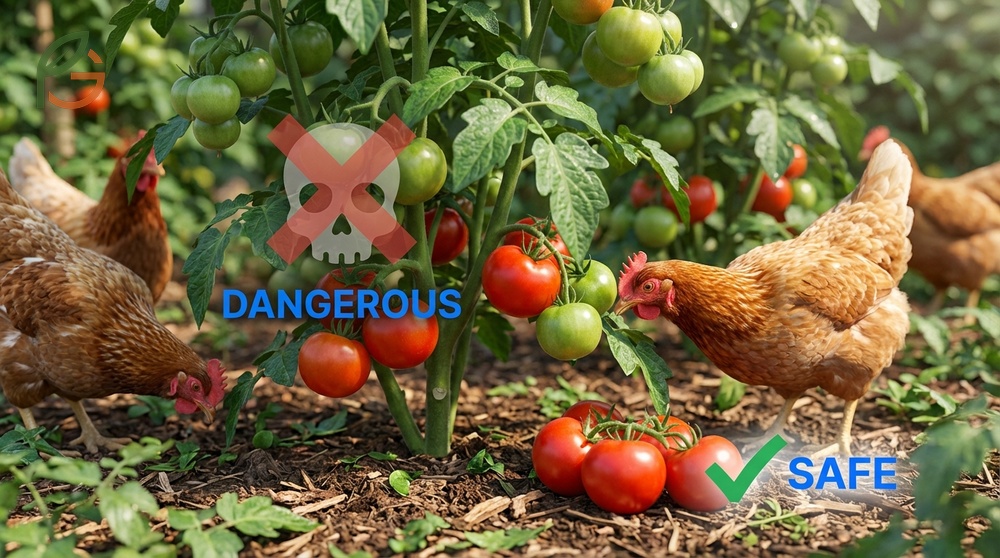
Chickens cannot safely eat any part of the tomato plant except the ripe fruit. All green portions—leaves, stems, vines, and flowers—contain dangerous levels of solanine and tomatine toxins. These compounds can cause severe poisoning even in relatively small quantities.
Tomato plants produce these alkaloids as natural pesticides against insects. Unfortunately, chickens don’t instinctively recognize tomato foliage as dangerous. Free-ranging birds may peck at tomato leaves out of curiosity or boredom, leading to accidental poisoning.
University extension research confirms that tomato plant material should be completely off-limits to poultry[2]. Even wilted or dried plant material retains toxic properties. Never compost tomato plant waste in areas accessible to chickens.
Toxic Plant Parts
Every green portion of the tomato plant poses risks to chickens. Leaves contain the highest concentration of solanine, followed by stems and flowers. Even the calyx—the green star-shaped structure attached to the fruit—should be removed before feeding ripe tomatoes to your flock.
Young tomato plants and seedlings are particularly toxic because they produce more alkaloids during early growth stages. Pruned branches and suckers removed during garden maintenance must be disposed of where chickens cannot access them. Some chicken keepers mistakenly believe dried tomato vines are safe, but toxins persist even after the plant dies.
- Leaves: Highest solanine concentration—never feed to chickens under any circumstances
- Stems and vines: Extremely toxic—dispose of pruned material away from coop areas
- Flowers: Contain concentrated alkaloids—remove all flowers before they form fruit
- Green calyxes: Moderately toxic—remove from ripe tomatoes before feeding
- Young seedlings: High toxin levels—keep chickens away from transplanting areas
- Dried or wilted plants: Retain full toxicity—composting doesn’t eliminate danger
Protecting Your Flock
Install physical barriers around tomato plants to prevent chicken access. Use portable fencing at least 3 feet high or enclosed garden beds chickens cannot reach. Electric poultry netting provides effective protection while allowing you to move barriers as needed.
Raised garden beds work well for keeping chickens away from nightshade plants. If you allow chickens to free-range, create designated no-access zones around your vegetable garden. Remove any fallen green tomatoes daily, as chickens may peck at them on the ground.
When harvesting ripe tomatoes, dispose of plant debris properly. Burn or bag tomato vines rather than composting them in areas where chickens forage. Utah State University Extension research shows that proper garden management significantly reduces poisoning risks[2].
Can Chickens Eat Green Tomatoes
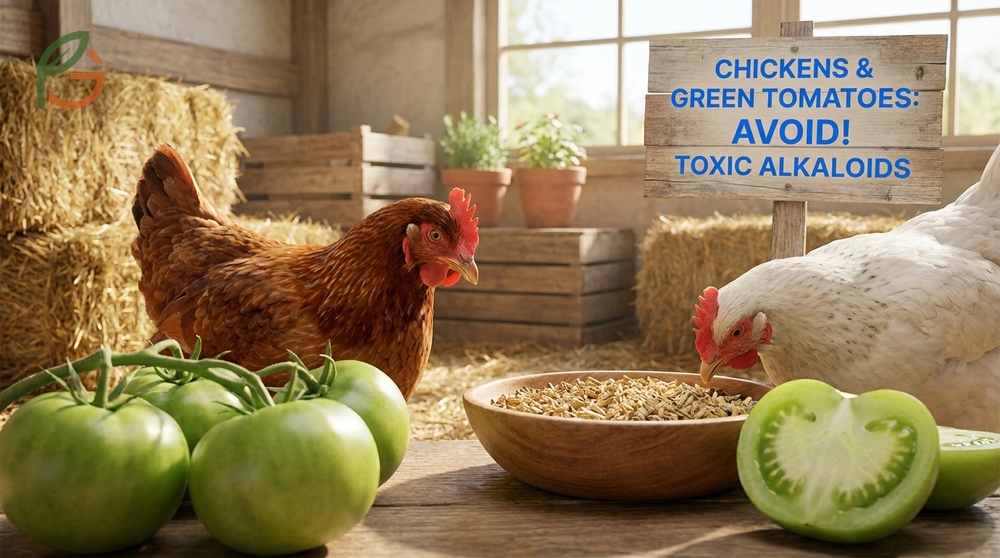
Chickens should not eat green tomatoes. Unripe tomatoes contain elevated levels of tomatine and solanine—the same toxic alkaloids found in tomato plant leaves. While small amounts may not cause immediate death, green tomatoes offer no nutritional benefit and pose unnecessary risks.
Green tomatoes taste bitter due to their alkaloid content. Most chickens will avoid them if other food is available, but hungry or curious birds may consume them anyway. Research indicates that even partially green tomatoes—those transitioning from green to red—retain enough toxins to cause digestive upset[1].
Wait until tomatoes are fully red before offering them to your flock. Discard any green tomatoes that fall from plants rather than attempting to feed them to chickens. The minor amount of edible flesh isn’t worth the potential for poisoning your birds.
Ripeness Rule: Only feed tomatoes that are completely red with no green shoulders, stem ends, or streaks. Tomatoes that are 95% red but have green areas still contain problematic alkaloid levels. When in doubt, let the tomato ripen fully on your counter for another 2-3 days.
Some chicken keepers wonder if fried green tomatoes—a popular human food—are safe for poultry. The answer is no. While cooking reduces some toxins, it doesn’t eliminate them completely. Additionally, the breading and frying oil make these unsuitable treats for chickens regardless of toxin concerns.
Feeding Rotten Tomatoes to Chickens
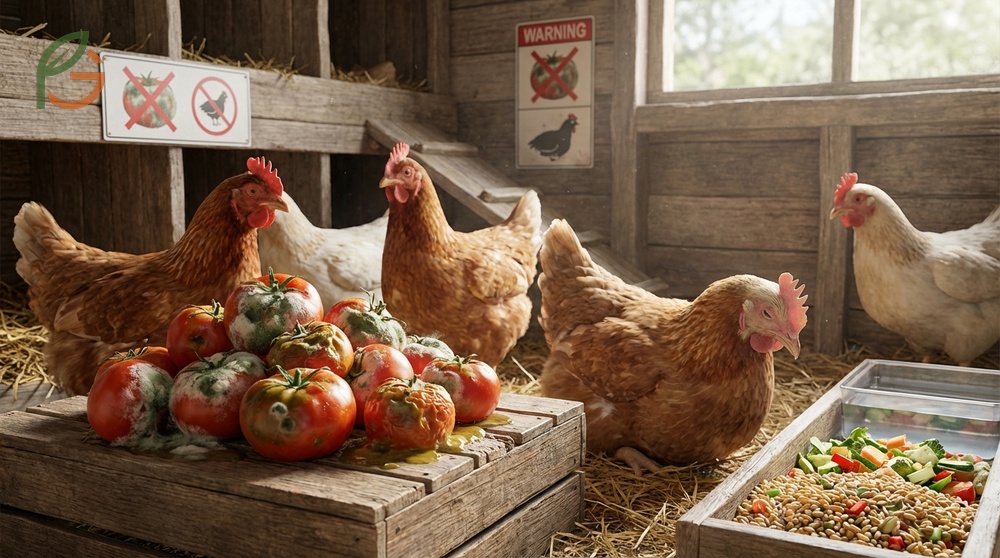
Never feed rotten or moldy tomatoes to chickens. Spoiled tomatoes produce mycotoxins—dangerous compounds created by mold growth that cause serious health problems in poultry. While chickens can tolerate some overripe produce, truly rotten fruit crosses into hazardous territory.
Mycotoxins, particularly aflatoxins, damage chicken liver function and suppress immune systems. Symptoms include lethargy, decreased egg production, pale combs, and increased susceptibility to infections[1]. Moldy tomatoes may also harbor botulism bacteria, which causes paralysis and death in chickens.
Slightly overripe tomatoes with soft spots but no mold are generally safe. However, any tomato showing fuzzy mold growth, black spots, or foul odors should be composted away from chicken areas. The risk of mycotoxin poisoning far outweighs any potential benefit from feeding questionable produce to your flock.
- Visible mold growth: White, green, or black fuzzy patches anywhere on the fruit
- Strong fermented smell: Indicates bacterial growth and potential botulism risk
- Liquefying flesh: Tomato breaking down into liquid suggests advanced decomposition
- Dark black spots: Often indicate aflatoxin-producing mold species
- Slimy texture: Shows bacterial contamination that can cause digestive illness
- Dried or shriveled with dark areas: May concentrate toxins as moisture evaporates
Proper disposal of spoiled garden produce protects your flock. Create a compost bin that chickens cannot access, or dispose of moldy tomatoes in sealed bags. Some chicken keepers maintain separate compost piles—one for fresh scraps chickens can forage through, and another for potentially dangerous materials.
Vegetables Safe for Chickens
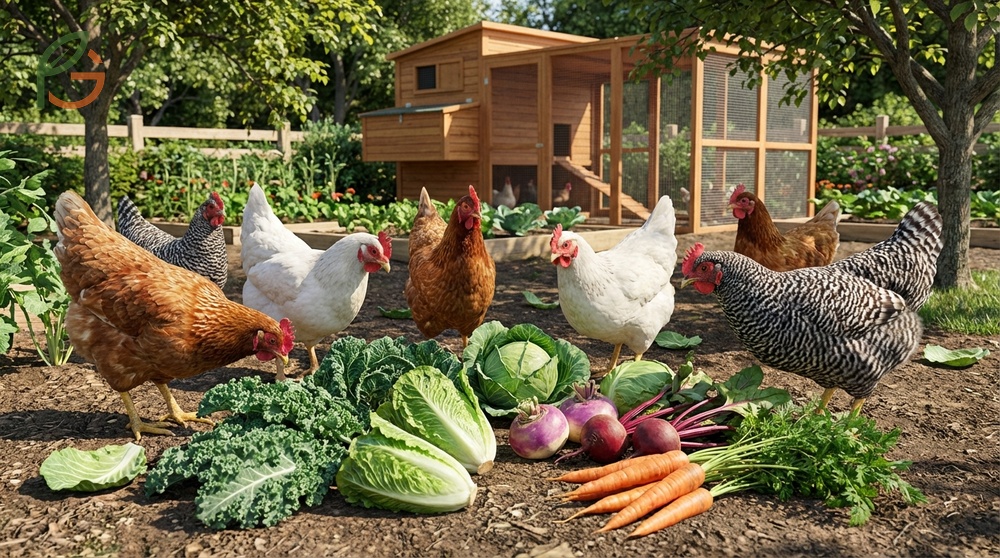
Chickens benefit from a variety of fresh vegetables as supplements to their complete layer feed. Research shows that diverse diets improve flock health, increase egg quality, and provide mental stimulation through foraging. Most common garden vegetables are safe when prepared properly.
Leafy greens like kale, lettuce, and cabbage offer excellent nutrition with no toxicity concerns. Root vegetables including carrots, beets, and turnips provide fiber and vitamins. Chickens also enjoy squash, cucumbers, and bell peppers—all safe nightshade family members when ripe.
Always introduce new vegetables gradually to monitor for digestive upset. Wash all produce thoroughly and chop into manageable pieces. Remember that vegetables should complement—not replace—balanced commercial feed that provides complete nutrition.
This table categorizes safe vegetables for chickens by type, lists specific examples, and provides key feeding notes for each category
| Vegetable Category | Safe Options | Feeding Notes |
|---|---|---|
| Leafy Greens | Kale, romaine lettuce, Swiss chard, spinach (limited), collards | High in calcium and vitamins; avoid iceberg lettuce (low nutrition) |
| Root Vegetables | Carrots, beets, turnips, radishes, sweet potatoes (cooked) | Chop or grate hard vegetables; never feed raw regular potatoes |
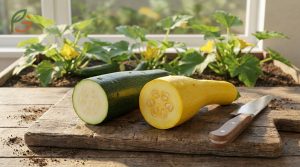
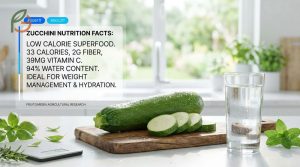
| Squash Family | Pumpkin, zucchini, yellow squash, butternut squash, cucumbers | Seeds included are safe; excellent hydration source in summer |
| Brassicas | Broccoli, cabbage, cauliflower, Brussels sprouts, kohlrabi | Can be fed raw or cooked; hang whole heads for entertainment |
| Safe Nightshades | Ripe tomatoes, ripe peppers (bell and hot), cooked eggplant | Only fully ripe fruit; remove all plant parts and green portions |
- Raw potatoes and potato peels: Contain solanine—only feed fully cooked potatoes
- Onions and garlic: Can cause anemia and blood cell damage in large quantities
- Dried or raw beans: Contain phytohemagglutinin toxin—only feed well-cooked beans
- Avocado: All parts contain persin toxin that’s fatal to chickens
- Rhubarb leaves: High oxalate content damages kidneys—stalks are safer but avoid leaves entirely
- Excessive spinach: Oxalates interfere with calcium absorption—feed sparingly
Seasonal vegetable scraps from your kitchen make excellent chicken treats. Fall brings pumpkins and squash that chickens love pecking open. Summer offers cucumbers and zucchini that provide hydration during hot weather. Winter storage crops like cabbage and root vegetables supply fresh food when gardens aren’t producing.
Conclusion
The evidence is clear: can chickens eat tomatoes? Yes, but only fully ripe red tomatoes without any plant material. Chickens enjoy these nutritious treats safely when you follow proper feeding guidelines—washing thoroughly, removing green parts, cutting into small pieces, and limiting portions to 1-2 tomatoes weekly per bird. However, you must completely exclude tomato plants, green tomatoes, and moldy fruit to prevent nightshade poisoning.
Current agricultural guidance emphasizes that treats should never exceed 10% of your flock’s daily diet. Balanced commercial feed provides essential nutrients for health and egg production that vegetables alone cannot supply. By understanding which garden produce is safe versus dangerous, you’ll protect your chickens while offering varied, enjoyable treats that support their wellbeing. FruitGarden recommends consulting poultry nutrition resources and maintaining vigilant garden management to keep your flock healthy and thriving.
Medical Disclaimer
Important Veterinary Disclaimer: This content is for informational and educational purposes only. It is not intended as a substitute for professional veterinary advice, diagnosis, or treatment. Always consult a qualified avian veterinarian before making any changes to your flock’s diet or health routine, especially if you suspect poisoning or observe unusual symptoms. Chicken health can deteriorate rapidly—seek immediate professional care when concerned about toxicity or illness.
Frequently Asked Questions
Can Chickens Have Tomatoes Daily?
No, chickens should not have tomatoes daily. Treats including tomatoes should comprise no more than 10% of their total diet to prevent nutritional imbalances[1]. Limit tomatoes to 1-2 small fruits per chicken per week. Daily feeding can reduce their consumption of complete layer feed, leading to calcium deficiency and decreased egg production.
Do Chickens Eat Tomatoes Off the Vine?
Yes, free-ranging chickens will peck at ripe tomatoes growing on vines if they can reach them. They’re attracted to the bright red color and juicy flesh. However, this behavior is problematic because chickens may also consume toxic green tomatoes or nibble on leaves while reaching for fruit. Protect your tomato plants with fencing to prevent both crop damage and potential poisoning.
Can Baby Chicks Eat Tomatoes?
No, chicks younger than 8-12 weeks should not eat tomatoes or any treats. Young chicks require complete starter feed formulated for their rapid growth and development. Introducing treats too early can cause nutritional deficiencies and digestive problems. Wait until pullets reach maturity and transition to layer feed before offering tomatoes as occasional treats.
Are Cherry Tomatoes Safe for Chickens?
Yes, fully ripe cherry tomatoes are safe and often preferred by chickens due to their smaller size. Cut cherry tomatoes in half for bantam breeds to prevent choking. Remove the green stem calyx before feeding. Cherry tomatoes make convenient treats because their size naturally limits portion control—each chicken can have 2-3 halves without overfeeding.
What Happens If Chickens Eat Tomato Leaves?
Chickens that eat tomato leaves may develop solanine poisoning with symptoms appearing within 6-12 hours. Early signs include lethargy and decreased appetite, progressing to diarrhea, weakness, and unsteady walking. Severe cases cause paralysis, respiratory distress, and death[1]. Contact an avian veterinarian immediately if you suspect leaf consumption.
Can Chickens Eat Tomato Seeds?
Yes, tomato seeds are safe for chickens. The seeds inside ripe red tomatoes contain no toxins and will pass through their digestive system without issues. Some chicken keepers actually report volunteer tomato plants sprouting from chicken droppings after birds eat seeded tomatoes. There’s no need to remove seeds before feeding ripe tomatoes to your flock.
How Do You Prepare Tomatoes for Chickens?
Wash ripe red tomatoes thoroughly under running water to remove dirt and pesticides. Remove any green stem material or calyxes. Cut large tomatoes into quarters or smaller pieces to prevent choking. Scatter the pieces in your run or coop to encourage natural foraging behavior. Remove any uneaten portions after 4-6 hours to prevent spoilage and bacterial growth.