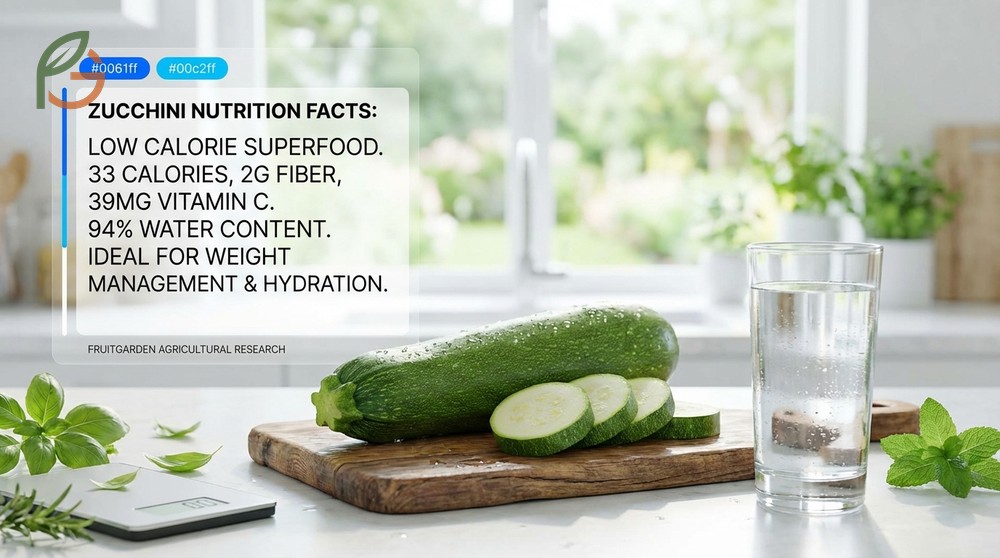
Zucchini nutrition facts show that one medium zucchini (196g) contains just 33 calories, 2g fiber, and 39mg vitamin C[1]—making it one of the most nutrient-dense, low-calorie vegetables you can add to your diet. Research shows that zucchini’s high water content (94%) and minimal fat make it ideal for weight management and hydration. FruitGarden synthesizes current agricultural research to help US readers understand how this summer squash fits into healthy eating patterns.
Quick Answer
Zucchini Nutrition Facts
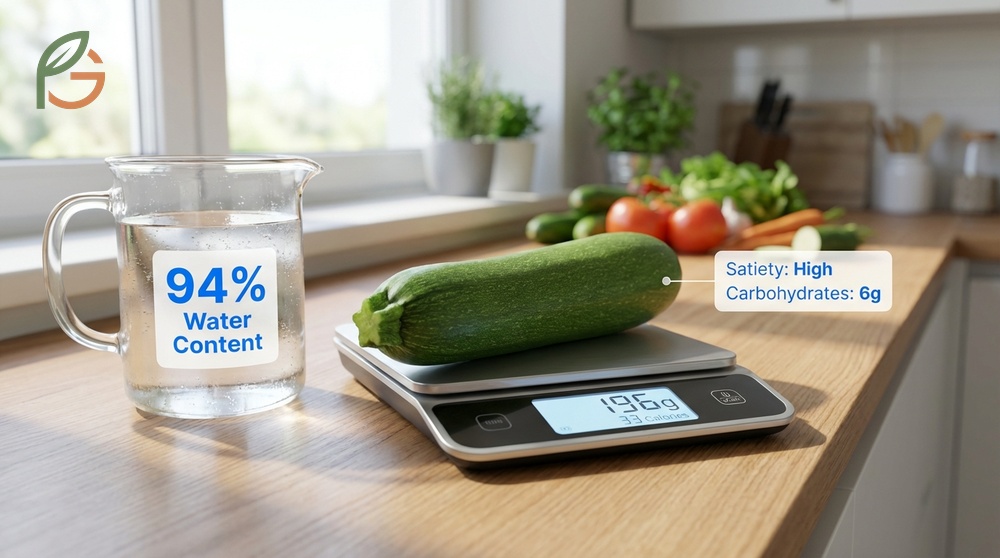
Research from USDA FoodData Central shows that zucchini ranks among the lowest-calorie vegetables available, with 33 calories per medium zucchini (196g)[1]. This makes it an excellent choice if you’re tracking calories or trying to increase vegetable intake without adding significant energy density. What’s often overlooked is that zucchini’s 94% water content[2] contributes to satiety while keeping calorie counts low.
One medium zucchini provides 6g total carbohydrates, 2g dietary fiber, and 2g protein[1]. The vegetable contains virtually no fat (<1g) and zero cholesterol, making it heart-healthy. Current dietary guidance emphasizes vegetables like zucchini because they deliver nutrients without excess calories or saturated fat.
Calorie Count Breakdown
The calorie distribution in zucchini comes primarily from carbohydrates, with minimal contributions from protein and fat. Per 100g serving, zucchini contains approximately 17 calories[3], which translates to roughly 3.4 calories per ounce. This ultra-low calorie density means you can eat substantial portions—a full cup of sliced zucchini has only about 20 calories.
Cooking methods don’t significantly alter calorie content unless you add oils or butter. Steaming, grilling, or roasting without added fats maintains the vegetable’s low-calorie profile. If you’re like most Americans tracking daily intake, zucchini can fill your plate while using only a tiny fraction of your calorie budget.
Macronutrient Profile
Zucchini’s macronutrient breakdown shows 68% net carbs (2.11g per 100g) and 32% dietary fiber (1g per 100g)[3]. Total sugar content sits at 5g per medium zucchini[1], all naturally occurring with zero added sugars. The glycemic load remains extremely low, making zucchini suitable for blood sugar management.
Important Note: While zucchini provides 2g protein per serving, it’s not a complete protein source. Pair it with beans, lean meats, or whole grains to meet daily protein needs.
Vitamin Content Zucchini
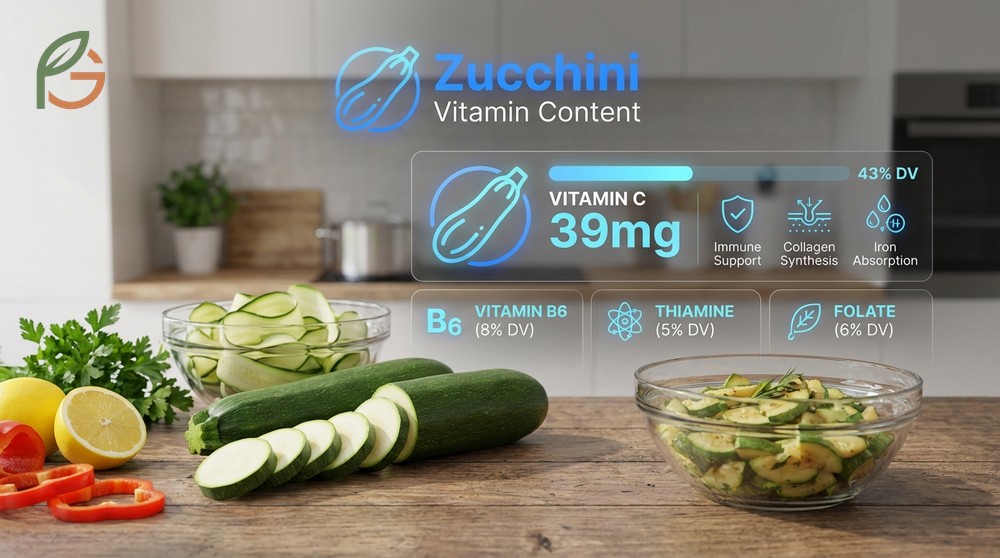
Zucchini stands out for its impressive vitamin C content, delivering 39mg per medium zucchini—approximately 43% of the Daily Value[1]. This water-soluble antioxidant supports immune function, collagen synthesis, and iron absorption. Research indicates that raw zucchini retains more vitamin C than cooked versions, though both forms offer nutritional benefits[2].
The vegetable also contains B-complex vitamins including vitamin B6 (8% DV), thiamine (5% DV), and folate (6% DV per 100g)[2][3]. These vitamins play essential roles in energy metabolism and neurological function. Most people don’t realize that zucchini contributes meaningfully to daily B-vitamin intake when eaten regularly.
Water-Soluble Vitamins
Per 100g serving, zucchini provides vitamin C at 18mg (20% DV)[3], making it comparable to many citrus fruits when consumed in typical portions. Vitamin B2 (riboflavin) appears at 0.09mg (7% DV), while vitamin B3 (niacin) contributes 0.45mg (3% DV)[3]. These water-soluble nutrients aren’t stored long-term, so regular consumption matters.
- Vitamin C: Antioxidant protection, wound healing, enhanced iron absorption from plant sources
- Vitamin B6: Supports amino acid metabolism and neurotransmitter production
- Thiamine (B1): Converts carbohydrates into usable energy for cells
- Riboflavin (B2): Essential for cellular energy production and red blood cell formation
- Folate (B9): Critical for DNA synthesis and cell division, especially important during pregnancy
Fat-Soluble Vitamins
Zucchini contains vitamin A at 2mcg RAE per medium zucchini[1], with additional beta-carotene at 670mcg per 100g (13.4% DV)[4]. While not as vitamin A-rich as orange vegetables, the yellow pigments still contribute to eye health and immune support. Vitamin K appears at 4.3mcg per 100g (4% DV)[3], supporting bone health and blood clotting.
Vitamin E content remains modest at 0.12mg per 100g (1% DV)[3]. To maximize absorption of these fat-soluble vitamins, pair zucchini with healthy fats like olive oil or avocado. The reason is simple: your body can’t absorb vitamins A, K, and E efficiently without dietary fat present.
Fiber Content Zucchini
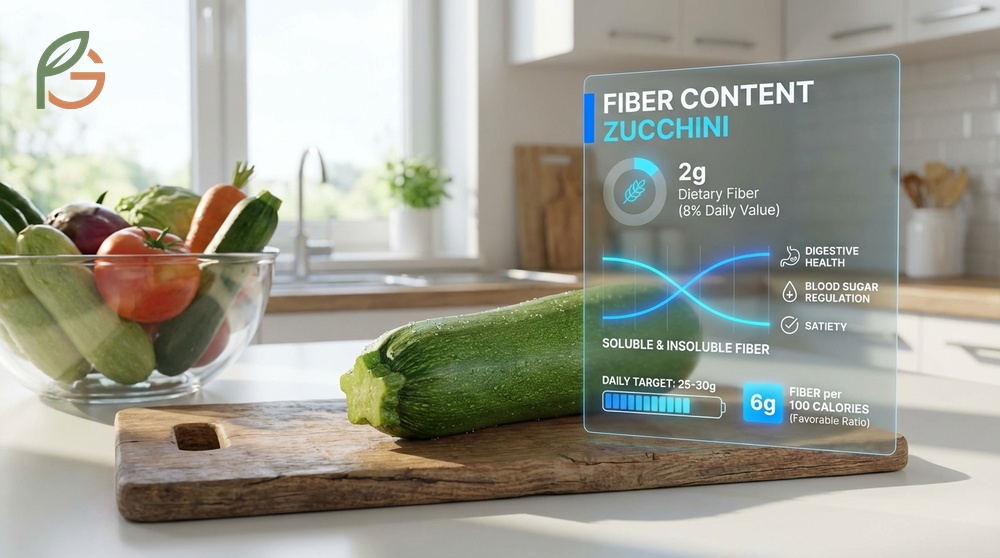
One medium zucchini delivers 2g dietary fiber, which represents 8% of the Daily Value[1]. This fiber consists of both soluble and insoluble types that support digestive health, regulate blood sugar, and promote satiety. Current guidance from nutrition experts emphasizes getting 25-30g fiber daily, and zucchini helps you reach that target without excess calories.
The fiber-to-calorie ratio in zucchini is exceptionally favorable—you’re getting 6g fiber per 100 calories compared to many processed foods that offer minimal fiber. Studies demonstrate that high-fiber, low-calorie vegetables like zucchini improve gut microbiome diversity and reduce inflammation. If you’re struggling to meet fiber goals, adding 1-2 medium zucchinis daily can boost intake by 15-20% without feeling overly full.
- Digestive regularity: Insoluble fiber adds bulk to stool and prevents constipation
- Blood sugar control: Soluble fiber slows glucose absorption and stabilizes energy levels
- Cholesterol reduction: Fiber binds to bile acids, promoting cholesterol excretion
- Weight management: High fiber increases satiety signals, reducing overall calorie intake
- Gut health: Prebiotic fibers feed beneficial bacteria in your intestinal tract
Cooking Tip: Don’t peel zucchini—the skin contains the majority of fiber and nutrients. Wash thoroughly and slice with skin intact for maximum nutritional benefit.
Zucchini Macronutrients
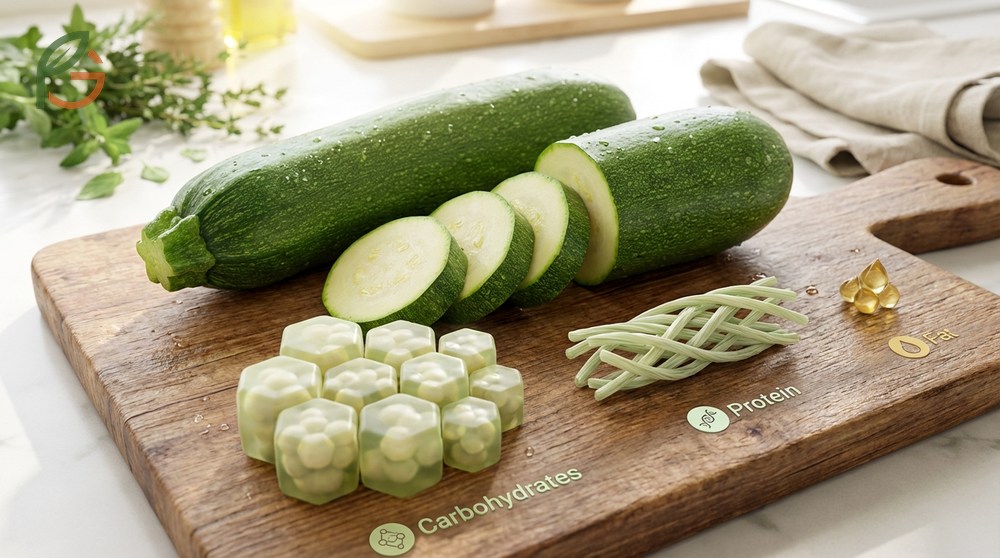
The complete macronutrient breakdown shows zucchini as predominantly carbohydrate-based with minimal protein and virtually no fat. Per medium zucchini (196g), you’ll find 6g carbohydrates, 2g protein, and 1g fat[1]. This translates to approximately 73% carbs, 24% protein, and 3% fat by calorie distribution.
Fat content remains negligible with 0.32g per 100g, including 0.08g saturated fat and trace amounts of polyunsaturated and monounsaturated fats[3]. The omega-6 to omega-3 ratio is balanced, though absolute amounts are too small to meaningfully impact daily intake. Trans fat content is zero, and there’s no cholesterol present.
This table compares macronutrient amounts per 100g and per medium zucchini serving, showing calories, protein, carbohydrates, fiber, sugars, and fats with daily value percentages
| Nutrient | Per 100g | Per Medium (196g) | % Daily Value |
|---|---|---|---|
| Calories | 17 kcal[3] | 33 kcal[1] | 1-2% |
| Protein | 1.2g[3] | 2g[1] | 3-4% |
| Total Carbohydrates | 3.1g[3] | 6g[1] | 2% |
| Dietary Fiber | 1g[3] | 2g[1] | 8% |
| Total Sugars | 2.5g[3] | 5g[1] | N/A |
| Total Fat | 0.32g[3] | 1g[1] | <1% |
Health Benefits and Best Uses
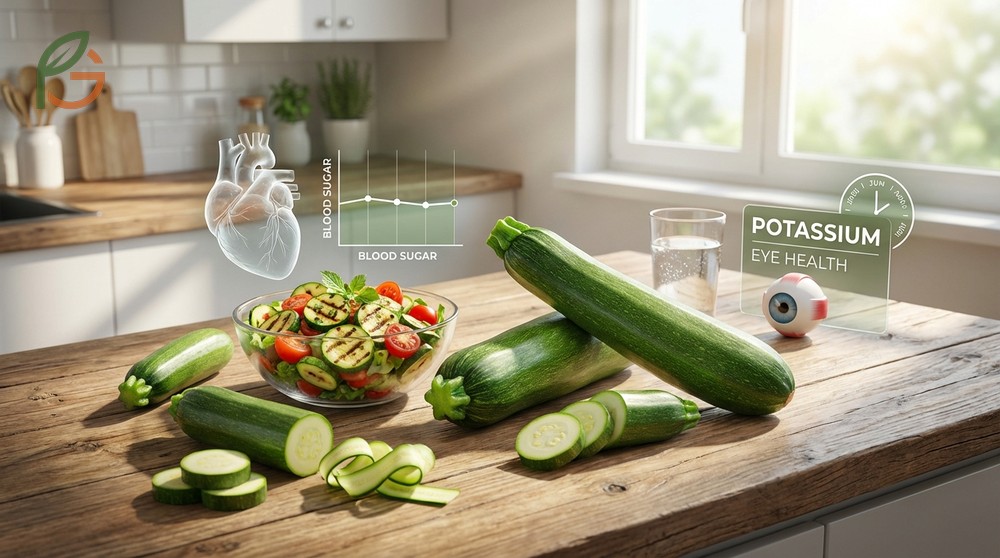
Evidence suggests that regular zucchini consumption supports weight management, cardiovascular health, and stable blood sugar levels. The vegetable’s 261mg potassium per 100g (8% DV)[3] helps regulate blood pressure and counteracts sodium’s effects. Antioxidants like lutein and zeaxanthin in zucchini protect eye health and reduce age-related macular degeneration risk.
USDA data shows zucchini remains available year-round but peaks during summer months from June through August[1]. Choose small to medium zucchini for best flavor and texture—oversized specimens often taste watery and have tough seeds. Store unwashed zucchini in the refrigerator crisper for 1-2 weeks, and wash just before use to prevent premature spoilage.
- Raw spiralized noodles: Substitute traditional pasta with zucchini noodles (zoodles) to slash calories by 80% while adding nutrients
- Grilled slices: Cut lengthwise into 1/4-inch strips, brush with olive oil, and grill 3-4 minutes per side for smoky flavor
- Roasted chunks: Toss 1-inch cubes with herbs and roast at 425°F (218°C) for 20-25 minutes until golden
- Steamed medallions: Steam 1/2-inch rounds for 5-7 minutes to preserve maximum vitamin C content
- Baked goods: Shred zucchini into muffins or bread for added moisture and nutrients without altering taste
Storage Warning: Don’t store zucchini near ethylene-producing fruits like apples or bananas—this accelerates spoilage. Keep in a separate crisper drawer for maximum freshness.
Conclusion
The evidence is clear: zucchini nutrition facts position this summer squash as an exceptional low-calorie superfood that delivers vitamin C, fiber, and essential minerals without compromising taste or versatility. At just 33 calories per medium zucchini, it’s one of the most nutrient-dense vegetables available for weight management and overall health. Current dietary guidance from the USDA emphasizes increasing vegetable variety, and zucchini’s mild flavor makes it accessible for even picky eaters.
Agricultural research shows that zucchini thrives in home gardens throughout USDA zones 3-10, making it an ideal addition for readers of FruitGarden who want fresh, organic produce. Whether you’re spiralizing it into noodles, grilling it alongside proteins, or baking it into savory dishes, zucchini consistently delivers nutrition without excess calories or complex preparation.
Medical Disclaimer
Important Medical Disclaimer: This content is for informational and educational purposes only. It’s not intended as a substitute for professional medical advice, diagnosis, or treatment. Always consult a qualified healthcare professional or registered dietitian before making significant changes to your diet, especially if you have diabetes, kidney disease, or other medical conditions. Individual nutritional needs vary based on age, activity level, health status, and medications.
Frequently Asked Questions
How many calories are in a whole zucchini?
A whole medium zucchini (196g) contains 33 calories, making it one of the lowest-calorie vegetables available. Small zucchini (around 118g) have approximately 20 calories, while large ones (323g) contain about 55 calories. The exact count varies based on size, but you can’t go wrong with zucchini if you’re watching calorie intake.
Is zucchini high in carbs or suitable for low-carb diets?
Zucchini is extremely low in carbohydrates with only 6g total carbs and 2g fiber per medium zucchini, resulting in 4g net carbs. This makes it highly suitable for low-carb and ketogenic diets. Compared to traditional pasta at 40g carbs per cup, zucchini noodles offer a fraction of the carbohydrate load while providing similar texture.
What vitamins are abundant in zucchini?
Zucchini excels in vitamin C content, providing 39mg per medium zucchini (43% DV). It also contains vitamin B6 (8% DV), folate (6% DV per 100g), and modest amounts of vitamin A and vitamin K. Raw zucchini retains more vitamin C than cooked versions, though both forms offer health benefits.
Can you eat zucchini raw or does it need to be cooked?
You can absolutely eat zucchini raw—it’s completely safe and nutritious. Raw zucchini works well spiralized into noodles, shaved into salads, or cut into sticks for dipping. Cooking doesn’t significantly change macronutrient content but slightly reduces vitamin C while making some minerals more bioavailable. Choose whichever preparation you prefer.
How much fiber is in one medium zucchini?
One medium zucchini delivers 2g dietary fiber, representing 8% of the Daily Value. This includes both soluble fiber for blood sugar control and insoluble fiber for digestive regularity. The skin contains the majority of fiber, so don’t peel your zucchini if you want maximum nutritional benefit.
Does zucchini have any protein content?
Zucchini contains 2g protein per medium zucchini (196g), which equals roughly 3-4% of daily needs. While it’s not a significant protein source, every gram counts toward your daily total. Pair zucchini with beans, chicken, tofu, or Greek yogurt to create balanced, protein-rich meals.
What’s the best way to store zucchini to maintain freshness?
Store unwashed zucchini in the refrigerator crisper drawer for 1-2 weeks. Don’t wash until you’re ready to use it, as excess moisture accelerates spoilage. Keep zucchini away from ethylene-producing fruits like apples and bananas. If you notice soft spots developing, use those zucchini immediately or trim affected areas before cooking.