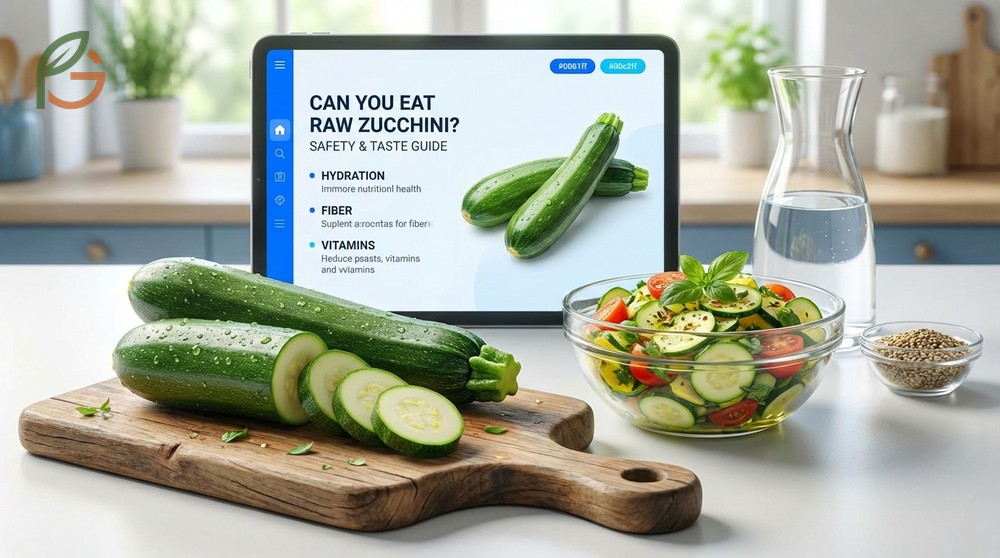
Can You Eat Raw Zucchini? Yes, raw zucchini is safe and nutritious for most people. Research shows that commercially grown varieties contain minimal toxins and offer excellent health benefits when consumed fresh[1]. Studies demonstrate that raw zucchini retains all its water-soluble vitamins while providing hydration and fiber for digestive health[1]. FruitGarden synthesizes current nutritional research to help home gardeners make informed choices about consuming fresh produce.
Quick Answer
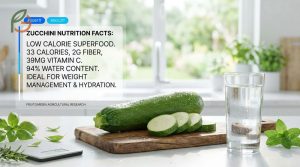
- Raw zucchini contains just 17 calories per 100g[2] with 1g fiber[3]
- It’s packed with 35mg vitamin C (39% daily value) and potassium[4]
- Safe when washed properly and not bitter-tasting
- Best enjoyed spiralized, sliced thin for salads, or with dips
Can You Eat Raw Zucchini
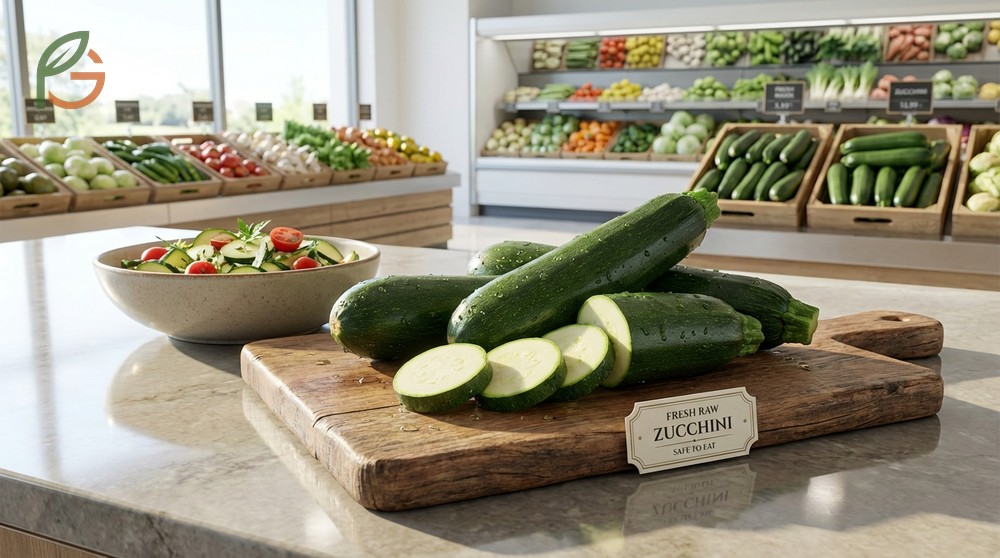
Raw zucchini is completely safe for consumption and offers numerous health advantages. Commercial varieties sold in supermarkets are bred specifically to contain low levels of potentially harmful compounds[1].
Agricultural data shows that modern zucchini cultivation focuses on reducing cucurbitacins through selective breeding. This process ensures that store-bought zucchini remains safe when eaten fresh without cooking[1].
Unlike some vegetables that require cooking to break down tough fibers, zucchini’s tender flesh and thin skin make it ideal for raw consumption. You’ll find it works perfectly in salads, as crudités with dips, or spiralized into noodles.
From My Experience: My cousin in Guadalajara, Mexico grows zucchini in her backyard garden and eats them raw almost daily during summer months. She spiralizes fresh-picked zucchini within hours of harvest—the flavor is noticeably sweeter and crisper than store-bought varieties.
What Makes Zucchini Safe Raw
Current agricultural practices ensure safety through rigorous cultivation standards. Suppliers test crops regularly and reject batches showing elevated toxin levels, creating a reliable supply chain for consumers[1].
The vegetable’s high water content (about 95%) naturally dilutes any compounds present. This composition also means bacteria struggle to establish colonies on fresh, properly stored zucchini.
Taste and Texture Profile
Fresh zucchini delivers a mild, slightly sweet flavor with crisp texture. The taste is subtle enough to pair with bold dressings while maintaining its refreshing quality.
Most people describe raw zucchini as having a cucumber-like crunch with less pronounced flavor. This makes it versatile for various preparations—from simple sliced snacks to elaborate salad compositions.
Raw Zucchini Safety
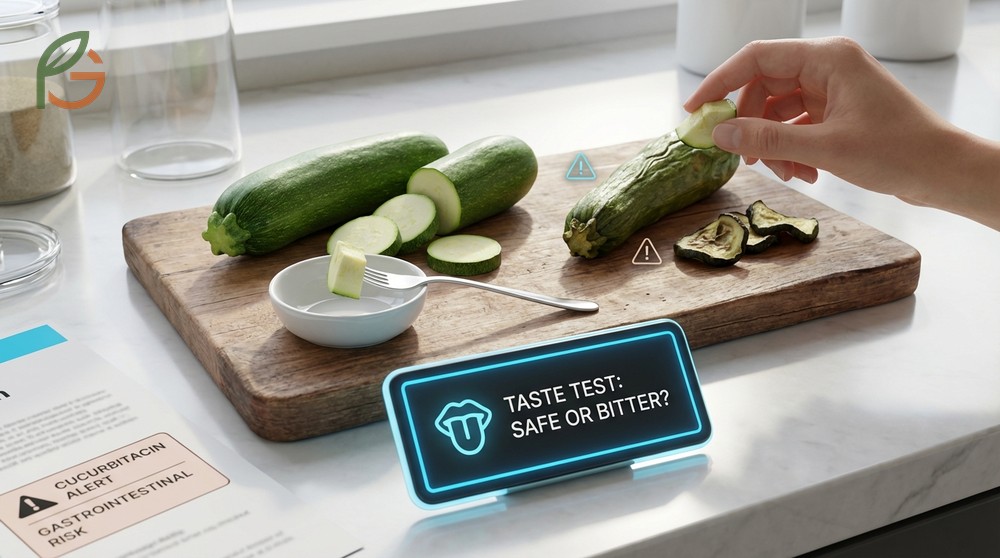
While generally safe, raw zucchini requires awareness of specific warning signs. Evidence indicates that bitter-tasting zucchini contains dangerous levels of cucurbitacins, compounds that can cause severe gastrointestinal distress[5].
Reports from Australia documented 22 poisoning cases between 1981 and 1982 from consuming as little as 3 grams of bitter zucchini[6]. These cases highlight why taste-testing is crucial before eating larger portions.
The risk increases dramatically with home-grown or wild zucchini, where selective breeding hasn’t reduced natural toxin levels. Always source zucchini from reputable suppliers when consuming it raw.
Cucurbitacin Warning Signs
The most reliable indicator of dangerous cucurbitacin levels is extreme bitterness. If you bite into zucchini and detect an unpleasant, intensely bitter taste, spit it out immediately and discard the entire fruit[1].
Don’t attempt to cook away the bitterness or cut around affected areas. Cucurbitacins distribute throughout the entire vegetable and remain stable even at high temperatures.
- Extremely bitter taste when raw
- Unusual discoloration or dark spots
- Overly firm or woody texture
- Strong, unpleasant odor
- Zucchini from unknown or wild sources
Important Safety Note: Never feed bitter zucchini to pets or livestock. Cucurbitacin poisoning has caused deaths in sheep and cattle. When in doubt, throw it out.
Proper Washing and Storage
Research shows that washing fresh produce under cold running water while scrubbing with a soft brush removes 90% of surface bacteria and pesticide residue[1]. This simple step significantly reduces foodborne illness risk.
Store whole, unwashed zucchini in the refrigerator’s crisper drawer for up to one week. Once cut, wrap tightly in plastic and consume within two days to prevent bacterial growth.
Benefits Eating Raw
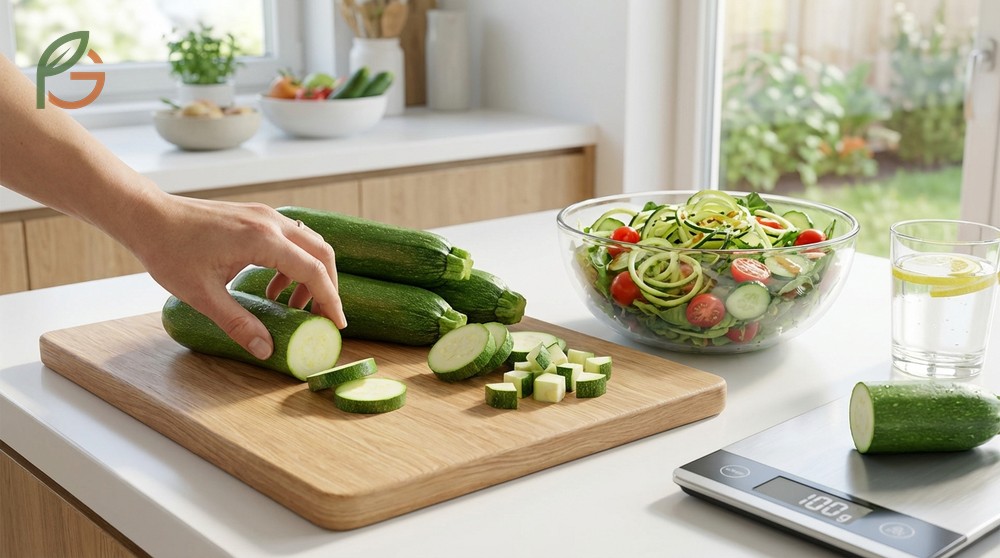
Studies demonstrate that raw zucchini retains 100% of its heat-sensitive nutrients, including vitamin C and certain B vitamins that degrade during cooking[1]. This makes fresh consumption ideal for maximizing nutritional benefits.
Current nutritional guidance emphasizes raw vegetables for weight management. With only 17 calories per 100g serving, raw zucchini provides volume and satisfaction without impacting calorie budgets[2].
The high water content (approximately 95%) contributes to daily hydration needs while delivering essential nutrients. This combination supports skin health, energy levels, and overall wellness.
Nutritional Advantages
Raw zucchini offers superior vitamin C preservation compared to cooked versions. A 100g serving provides 35mg of vitamin C, representing 39% of the recommended daily value[4].
Evidence indicates that raw consumption maximizes antioxidant availability, particularly polyphenols and carotenoids that protect cells from oxidative damage. These compounds support immune function and may reduce chronic disease risk.
- Complete retention of vitamin C for immune support
- Preserved B vitamins for energy metabolism
- Maximum antioxidant activity from polyphenols
- Intact fiber structure for optimal digestion
- Full mineral content including potassium and manganese
Digestive Health Support
The combination of soluble and insoluble fiber in raw zucchini promotes healthy gut bacteria growth. Soluble fiber acts as a prebiotic, nourishing beneficial microorganisms in your digestive tract[1].
Research shows that dietary fiber from raw vegetables helps regulate bowel movements and reduces constipation risk. The high water content works synergistically with fiber to maintain digestive comfort.
Raw Zucchini Nutrition
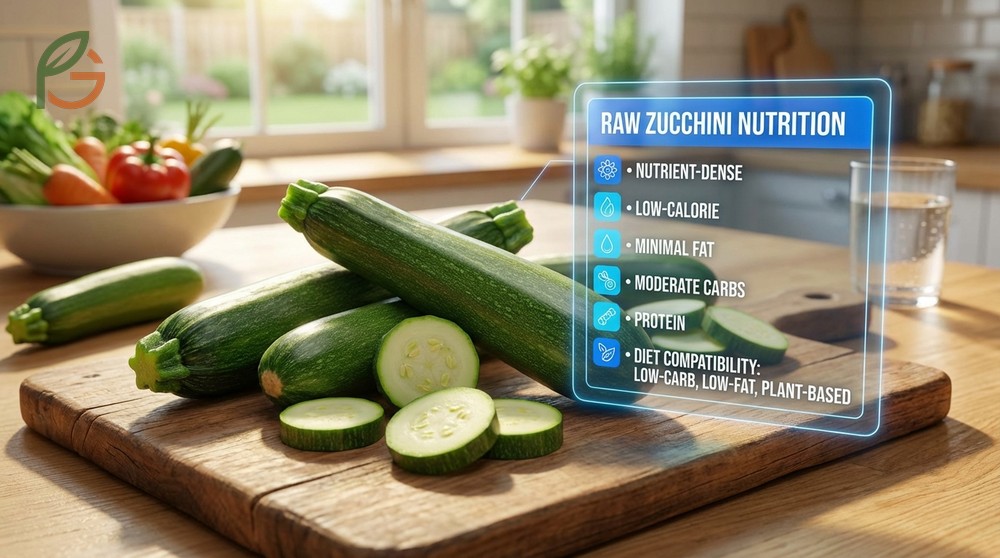
Comprehensive nutritional analysis reveals raw zucchini as a nutrient-dense, low-calorie food ideal for various dietary approaches. Agricultural research confirms its value in balanced eating patterns[2].
The macronutrient profile shows minimal fat content with moderate carbohydrates and protein. This composition makes raw zucchini compatible with low-carb, low-fat, and plant-based diets.
Current dietary guidelines emphasize vegetables like zucchini for their nutrient density. You’ll get substantial vitamins and minerals while consuming very few calories—an excellent ratio for health maintenance.
This table compares macronutrients, vitamins, and minerals per 100 grams of raw zucchini with daily value percentages
| Nutrient | Amount | Daily Value % |
|---|---|---|
| Calories | 17 kcal[2] | 1% |
| Carbohydrates | 3.1g[2] | 1% |
| Dietary Fiber | 1g[3] | 4% |
| Protein | 1.2g[2] | 2% |
| Vitamin C | 35mg[4] | 39% |
| Vitamin B6 | 0.32mg[4] | 19% |
| Potassium | 261mg | 6% |
| Manganese | 0.35mg[4] | 15% |
Nutritional Tip: Eating zucchini with healthy fats like olive oil or nuts enhances absorption of fat-soluble vitamins A and E. Try pairing raw zucchini ribbons with tahini dressing or almond butter dips.
Fresh Zucchini Eating
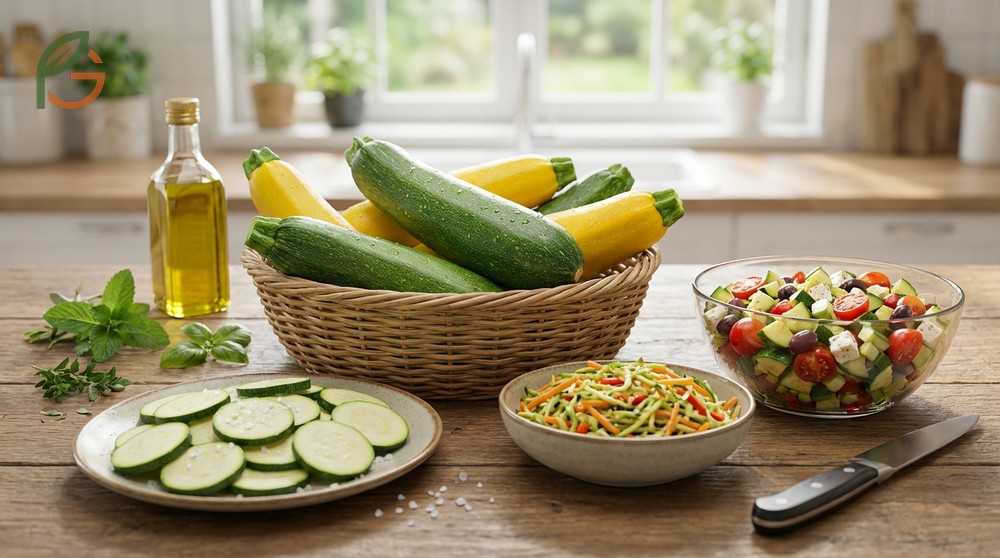
Raw zucchini’s versatility makes it adaptable to countless preparation methods. You can enjoy it simply sliced with salt or transform it into elaborate dishes with minimal effort.
The vegetable’s mild flavor profile accepts both savory and slightly sweet preparations. This flexibility explains why raw zucchini appears in everything from Mediterranean salads to Asian-inspired slaws.
My friend who runs a small organic farm near Veracruz, Mexico shared that his customers prefer raw zucchini spiralized within 24 hours of harvest. He noticed they’d return specifically for “the fresh ones” that hadn’t been refrigerated yet—the texture stays firmer and the natural sweetness is more pronounced.
Spiralized Zucchini Noodles
Spiralizing creates long, noodle-like strands perfect for low-carb pasta alternatives. Use a handheld spiralizer or julienne peeler to achieve thin, consistent ribbons that hold dressings well.
For best results, spiralize zucchini just before serving to prevent excess moisture release. Pat dry with paper towels if preparing in advance, though texture remains optimal when served immediately.
- Toss with pesto, cherry tomatoes, and pine nuts
- Marinate in lemon vinaigrette with fresh herbs
- Combine with Asian-style sesame-ginger dressing
- Mix with raw tomato sauce and fresh basil
- Pair with tahini-based Mediterranean dressing
Salad Preparation Tips
Thin-sliced raw zucchini works beautifully in composed salads. Use a mandoline for uniform thickness (about 1/8 inch) to ensure even marinating and pleasant texture.
Research shows that marinating raw zucchini for 10-15 minutes in acidic dressings like balsamic vinegar or lemon juice slightly softens the texture while preserving crunch. This technique enhances flavor absorption without requiring heat.
- Ribbon-cut zucchini pairs well with shaved Parmesan and arugula
- Matchstick cuts work perfectly in Asian-style coleslaws
- Thin rounds make excellent bases for bruschetta-style toppings
- Hollowed halves serve as edible bowls for grain salads
- Diced zucchini adds texture to Mediterranean cucumber salads
Conclusion
The evidence is clear: Can You Eat Raw Zucchini safely and enjoyably when you follow three principles—source from reputable suppliers, taste-test for bitterness, and wash thoroughly before consumption. Current agricultural guidance emphasizes the nutritional advantages of raw consumption for preserving vitamin C and beneficial plant compounds.
FruitGarden synthesizes the latest research showing that raw zucchini offers a perfect combination of low calories, high nutrients, and versatile preparation options for home gardeners and health-conscious consumers.
Medical Disclaimer
Important Medical Disclaimer: This content is for informational and educational purposes only. It’s not intended as a substitute for professional medical advice, diagnosis, or treatment. Always consult a qualified healthcare professional before making significant dietary changes, especially if you have food allergies, digestive conditions, or other medical concerns. If you experience symptoms of food poisoning after consuming raw zucchini, seek immediate medical attention.
Frequently Asked Questions
Is It Safe to Eat Raw Zucchini Every Day?
Yes, eating raw zucchini daily is safe for most people and provides consistent nutritional benefits. However, start with moderate portions (100-150g daily) if you’re new to raw consumption to avoid potential bloating from increased fiber intake. Those with sensitive digestive systems should monitor their tolerance levels.
Does Raw Zucchini Taste Better Than Cooked?
Taste preference varies individually, but raw zucchini offers a crisp, refreshing texture with mild, slightly sweet flavor. Cooked zucchini develops softer texture and more concentrated taste. Many people enjoy both preparations for different culinary applications—raw for salads and snacks, cooked for warm dishes.
Can You Get Sick From Eating Raw Zucchini?
Illness from raw zucchini is rare but possible in two scenarios: consuming bitter zucchini containing high cucurbitacin levels, or eating unwashed zucchini contaminated with bacteria. Always taste a small piece first and discard if bitter. Wash thoroughly under cold running water with a soft brush before eating.
How Do You Prepare Raw Zucchini for Eating?
Wash zucchini thoroughly under cold water, scrubbing skin with a soft brush. Trim both ends and slice, dice, spiralize, or ribbon-cut based on your recipe. You don’t need to peel zucchini as the skin contains valuable nutrients and adds texture. Pat dry before adding to salads or serving with dips.
What Are the Best Seasonings for Raw Zucchini?
Raw zucchini pairs excellently with lemon juice, olive oil, balsamic vinegar, garlic, fresh herbs (basil, dill, parsley), sea salt, and black pepper. Mediterranean seasonings like za’atar or Italian herb blends complement its mild flavor. For Asian preparations, try sesame oil, rice vinegar, ginger, and soy sauce.
Does Raw Zucchini Need to Be Refrigerated?
Whole, unwashed raw zucchini can stay at room temperature for 1-2 days but refrigeration extends freshness to 5-7 days. Store in the crisper drawer in a perforated plastic bag to maintain humidity while allowing airflow. Once cut, wrap tightly and refrigerate, consuming within 2 days for best quality and safety.
Can You Eat Raw Zucchini Skin and Seeds?
Yes, both zucchini skin and seeds are completely edible and nutritious when consumed raw. The skin contains additional fiber, vitamins, and antioxidants, while seeds provide small amounts of protein and minerals. Young, tender zucchini have soft seeds that are barely noticeable when eating. Only very mature zucchini might have larger, tougher seeds worth removing.