Tomatoes and acid reflux are closely connected because tomatoes rank among the most common dietary triggers for GERD symptoms. Research shows tomatoes have a pH of 4.3 to 4.9, making them naturally acidic foods that can increase stomach acid production and relax the lower esophageal sphincter[1]. Current data from gastroenterology studies indicates that up to 30-50% of GERD patients experience persistent symptoms despite medication, with acidic foods like tomatoes playing a significant role[2]. FruitGarden synthesizes current agricultural and medical research to help you understand how tomato varieties, preparation methods, and portion control can make a real difference in managing reflux symptoms.
Quick Answer
- Tomatoes have a pH of 4.3-4.9[3], making them acidic enough to trigger reflux symptoms
- Low-acid tomato varieties like Golden Jubilee reach pH 4.8-5.0[4], offering better tolerance for GERD sufferers
- Cherry tomatoes are more acidic (pH 4.1-4.5) than beefsteak varieties (pH 4.5-4.9)[3]
- Removing seeds and gel reduces acidity, while cooking tomatoes doesn’t significantly change pH levels
Tomatoes and Acid Reflux
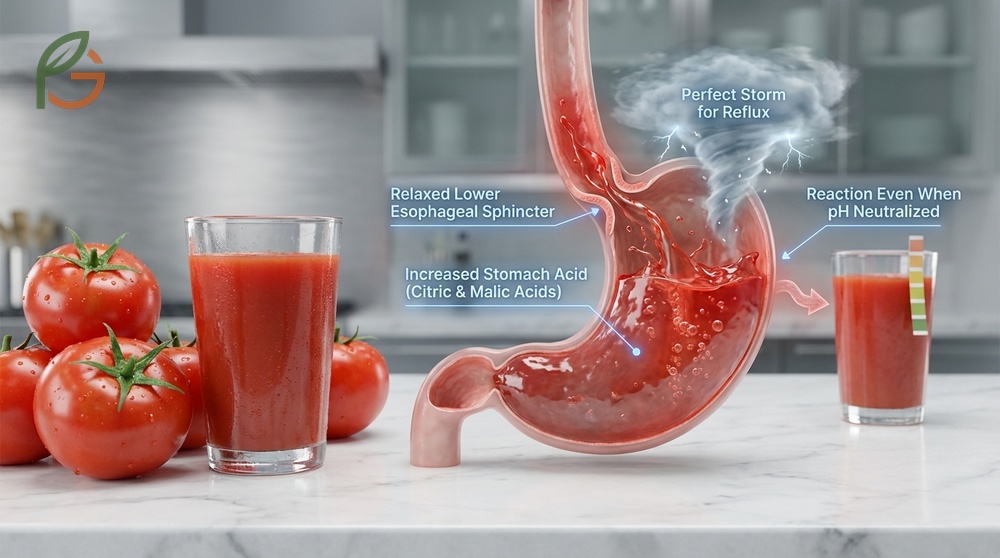
Research demonstrates that tomatoes consistently appear on GERD trigger food lists because of their dual mechanism of action. The natural citric and malic acids in tomatoes increase stomach acid production, while specific compounds cause the lower esophageal sphincter to relax[1]. This combination creates a perfect storm for acid reflux symptoms.
Studies show that acid-sensitive patients react to tomato juice even when pH is neutralized, suggesting components beyond acidity contribute to reflux symptoms[1]. What often gets overlooked is that individual responses vary significantly—some GERD patients tolerate small amounts while others must avoid tomatoes entirely.
The impact depends on tomato variety, ripeness, preparation method, and portion size. Riper tomatoes generally contain less acid than underripe ones, and yellow or orange varieties typically measure less acidic than red varieties.
Why Tomatoes Cause Reflux Symptoms
Tomatoes trigger reflux through three primary mechanisms that work independently or together. First, their acidity increases the acid load in your stomach. Second, compounds in tomatoes relax the muscular valve between your stomach and esophagus.
Third, tomatoes can delay gastric emptying, meaning food stays in your stomach longer and has more opportunity to reflux[2]. The reason is simple: longer stomach retention time equals higher reflux risk, especially when you’re lying down within 3 hours of eating.
- Acid production: Citric and malic acids in tomatoes stimulate gastric acid secretion, raising overall stomach acidity
- LES relaxation: Specific compounds cause the lower esophageal sphincter muscle to relax, allowing acid to flow backward into the esophagus
- Delayed emptying: Tomatoes slow the rate at which your stomach contents move into the small intestine, increasing reflux opportunity
- Volume effect: High water content in fresh tomatoes can increase stomach volume, putting physical pressure on the LES
- Individual sensitivity: Some people react to lycopene or other tomato compounds independent of pH levels
pH Levels in Tomatoes Explained
According to USDA data, raw tomatoes typically range from pH 4.3 to 4.9, placing them firmly in the acidic category[3]. For context, the pH scale is logarithmic—a tomato at pH 4.3 is roughly 4 times more acidic than one at pH 4.9. This explains why variety selection matters significantly for GERD management.
Cherry tomatoes measure pH 4.1-4.5, making them the most acidic common variety. Beefsteak tomatoes range pH 4.5-4.9, offering better tolerance for sensitive individuals[3].
Important note: Growing location affects tomato pH more than most gardeners realize. The same cultivar grown in different states can vary by 0.2-0.4 pH points due to soil composition, temperature, and rainfall patterns.
Tomatoes Trigger Reflux
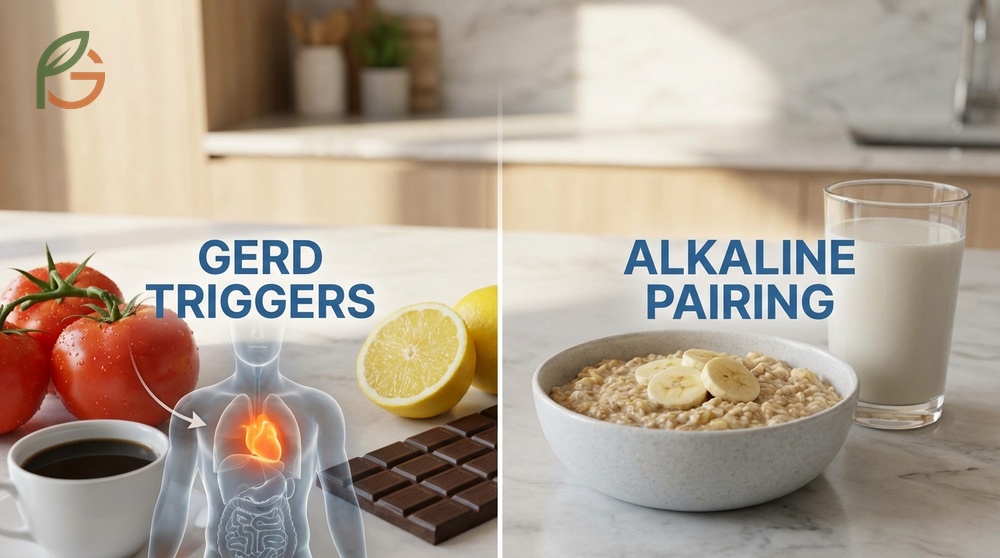
Clinical evidence confirms that tomatoes rank among the top 5 dietary triggers for GERD symptoms, alongside citrus, coffee, chocolate, and fried foods[5]. Patients with more severe or frequent reflux symptoms show significantly lower tomato consumption, indicating learned avoidance behavior. Most people find they can tolerate tomatoes better when paired with alkaline foods or consumed earlier in the day.
The trigger mechanism isn’t solely about acidity—studies using pH-neutralized tomato juice still produced symptoms in sensitive patients[1]. This suggests other bioactive compounds play a role. Fresh tomatoes, tomato sauce, ketchup, and tomato paste all trigger symptoms, though concentrated forms like paste often cause worse reactions.
Timing matters significantly. Eating tomatoes within 3 hours of lying down increases reflux risk by allowing gravity to work against you. The same serving size consumed at lunch produces fewer symptoms than the identical portion at dinner.
Lower Esophageal Sphincter Effects
The lower esophageal sphincter (LES) functions as a one-way valve between your esophagus and stomach. When functioning properly, it opens to allow food down and closes to prevent acid from coming back up. Tomatoes contain compounds that cause this muscular valve to relax inappropriately.
Research shows this LES relaxation occurs independent of stomach acid levels[2]. Even when you neutralize tomato pH, the relaxation effect persists in many patients. This explains why some people react badly to tomatoes despite taking acid-reducing medications.
- Transient relaxations: Tomatoes increase the frequency of inappropriate LES relaxations unrelated to swallowing
- Resting pressure: Regular tomato consumption may lower baseline LES pressure in susceptible individuals
- Duration effects: LES relaxation from tomatoes can persist for 2-4 hours after consumption
- Combined triggers: Tomatoes eaten with fat, alcohol, or mint multiply the relaxation effect
- Individual variation: Some people’s LES responds more strongly to tomato compounds than others
Common Symptom Patterns
Heartburn presents as the most common symptom, typically starting 30 minutes to 2 hours after eating tomatoes. You’ll feel burning sensation rising from your stomach through your chest, sometimes reaching your throat. Regurgitation—the sensation of stomach contents or acid flowing back into your mouth—affects about 60% of tomato-sensitive GERD patients.
Other patterns include chest pain that mimics cardiac issues, chronic cough, throat clearing, and hoarseness. These symptoms worsen when you bend over, lie down, or exercise after tomato consumption.
This table compares onset time, duration, and severity for five common GERD symptoms triggered by tomato consumption
| Symptom | Typical Onset | Duration | Severity Factors |
|---|---|---|---|
| Heartburn | 30-90 minutes | 1-4 hours | Worse when lying down or bending |
| Regurgitation | 45-120 minutes | 2-5 hours | Increases with large portions |
| Chest pain | 20-60 minutes | 1-3 hours | Can mimic cardiac pain |
| Throat irritation | 2-6 hours | 4-12 hours | Worse with tomato sauce vs. fresh |
| Chronic cough | 3-8 hours | Up to 24 hours | Often nocturnal if eaten at dinner |
Acidic Foods GERD
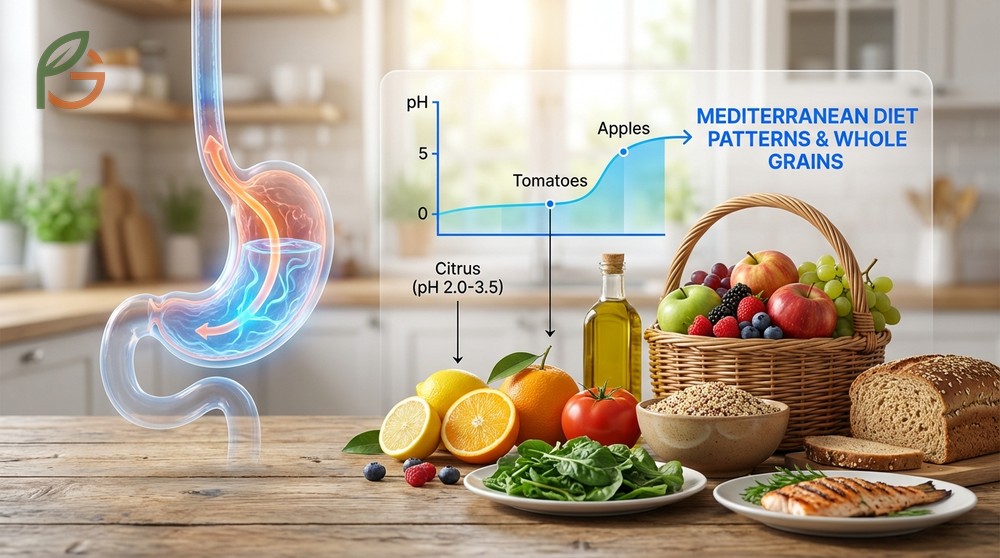
Dietary management represents a cornerstone of GERD treatment, with appropriate eating behaviors showing measurable improvement in symptom frequency[6]. High intakes of fruits and whole grains, particularly Mediterranean diet patterns, improve GERD symptoms more effectively than restricting individual foods alone. Unlike processed snacks, whole fruits provide fiber and nutrients that support digestive health.
Citrus fruits (pH 2.0-3.5) rank more acidic than tomatoes, while apples (pH 3.3-4.0) fall between citrus and tomatoes on the acidity scale[3]. Carrots (pH 5.8-6.4) and asparagus (pH 6.0-6.7) qualify as low-acid vegetables that don’t typically trigger reflux.
Current guidance emphasizes that trigger foods combine in unique patterns for each person. While population studies identify common triggers, individual testing through elimination and reintroduction provides the most accurate picture of your personal triggers.
- Highly acidic triggers (pH 2.0-3.5): Citrus fruits, vinegar, pickled foods, cranberries, wine
- Moderately acidic triggers (pH 3.5-4.5): Tomatoes, tomato products, strawberries, pineapple, peaches
- Mildly acidic (pH 4.5-5.5): Bananas, melons, sweet potatoes, pumpkin
- Low-acid alternatives (pH 5.5-7.0): Leafy greens, cucumbers, broccoli, cauliflower, root vegetables
- Alkaline options (pH >7.0): Some mineral waters, specific herbs like parsley
Strategy tip: Pairing acidic foods with alkaline or neutral foods can buffer their effect. Try eating tomatoes alongside leafy greens, zucchini, or whole grains rather than with other acidic ingredients like vinegar or citrus.
Tomato Sauce Heartburn
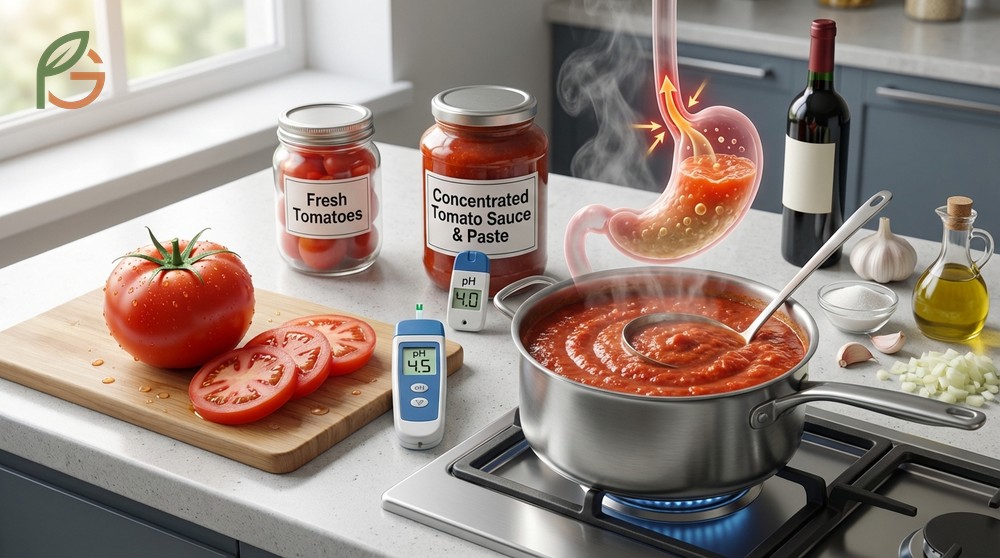
Tomato sauce and paste trigger more severe symptoms than fresh tomatoes for most GERD patients. Concentrated tomato products can reach pH 4.0 or lower[3], compared to pH 4.5 for fresh tomatoes. The cooking and concentration process increases acid density per serving.
Common sauce additions make the problem worse. Garlic and onions relax the LES, wine adds acidity, and sugar doesn’t neutralize acid despite popular belief. Fat content from oil or meat in sauce slows gastric emptying, extending the window for reflux to occur.
Commercial tomato sauces often include citric acid as a preservative, further lowering pH. Making your own sauce gives you control over ingredients and acidity levels.
- Choose yellow varieties: Make sauce from Golden Jubilee or similar low-acid tomatoes that reach pH 4.8-5.0[4]
- Remove seeds and gel: The gel surrounding seeds contains higher acid concentrations than tomato flesh
- Add alkaline vegetables: Mix in carrots, zucchini, or bell peppers to dilute acidity and add bulk
- Limit portion size: Use 1/4 to 1/2 cup sauce instead of 1 cup servings
- Skip the wine: Avoid adding red or white wine which increases acidity and relaxes the LES
- Time it right: Eat tomato sauce at lunch rather than dinner, giving yourself 4-5 hours before lying down
Cooking method matters: Slow-cooking tomato sauce for 3-4 hours doesn’t reduce pH, but it does concentrate acids. Quick-cooked fresh tomato sauces (30-45 minutes) contain lower acid density per serving.
Managing Acid Reflux with Tomatoes
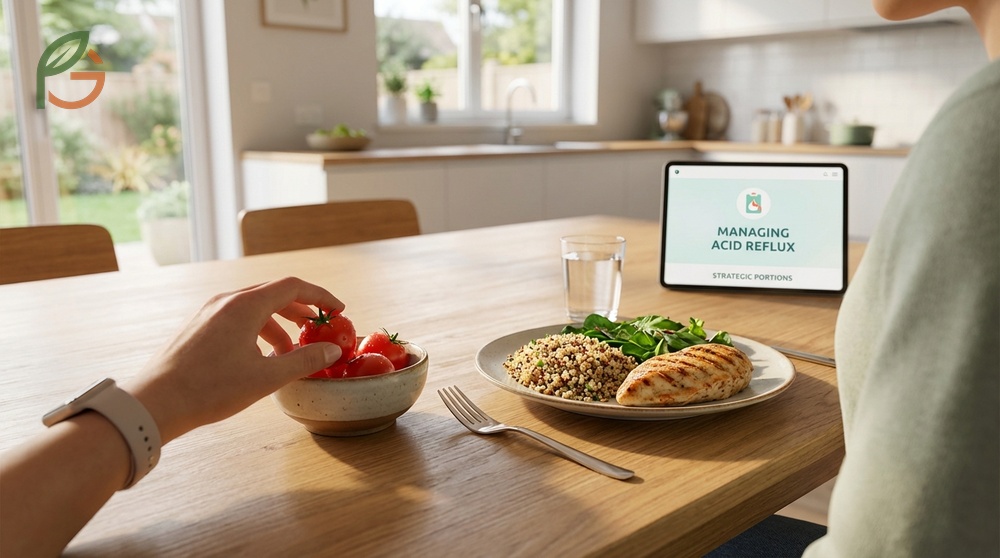
Evidence suggests that complete elimination isn’t necessary for most GERD patients—strategic modifications allow many people to include tomatoes in their diet[5]. The key lies in understanding portion control, timing, and pairing strategies. Research shows modest dietary changes combined with weight management produce better outcomes than medication alone for many patients.
Start by testing your tolerance with small amounts during low-risk times. Try 2-3 cherry tomatoes at lunch, waiting 3-4 hours before lying down. Track symptoms for 24 hours since some reactions appear delayed. If you tolerate this test, gradually increase portion size over several weeks.
Variety selection makes a significant difference. Yellow and orange heirloom varieties like Golden Jubilee, German Golden Striped, and Evergreen contain less acid with pH levels up to 5.0[4]. Growing these varieties yourself gives you the freshest, lowest-acid options.
Preparation methods affect symptom severity even when pH stays constant. Removing the gel and seeds reduces acid concentration. Pairing tomatoes with lean proteins like chicken or fish, whole grains, and alkaline vegetables creates a balanced meal that buffers acidity.
- Portion control: Limit servings to 1/4-1/2 cup fresh or 2-3 tablespoons sauce per meal
- Timing strategy: Eat tomatoes at breakfast or lunch, avoiding consumption within 3-4 hours of bedtime
- Variety switching: Replace red cherry tomatoes with yellow beefsteak varieties for 30-40% lower acidity
- Alkaline pairing: Combine tomatoes with leafy greens, cucumbers, or whole grains in the same meal
- Cooking adjustments: Choose roasted or grilled tomatoes over long-simmered sauces
- Medication timing: Take prescribed acid reducers 30-60 minutes before meals containing tomatoes
- Position awareness: Remain upright for 3 hours after eating, avoid bending or lying down
This table compares pH ranges, acid content, and GERD suitability ratings for six tomato varieties from highest to lowest acid
| Variety | Typical pH | Color | GERD Suitability |
|---|---|---|---|
| Golden Jubilee | 4.8-5.0[4] | Yellow-orange | Excellent |
| German Golden Striped | 4.7-4.9[4] | Yellow with stripes | Very good |
| Beefsteak (average) | 4.5-4.9[3] | Red or pink | Good |
| Roma (paste type) | 4.4-4.7 | Red | Fair |
| Standard slicing | 4.3-4.6 | Red | Fair to poor |
| Cherry tomatoes | 4.1-4.5[3] | Red or yellow | Poor (avoid) |
Avoiding Tomatoes Reflux
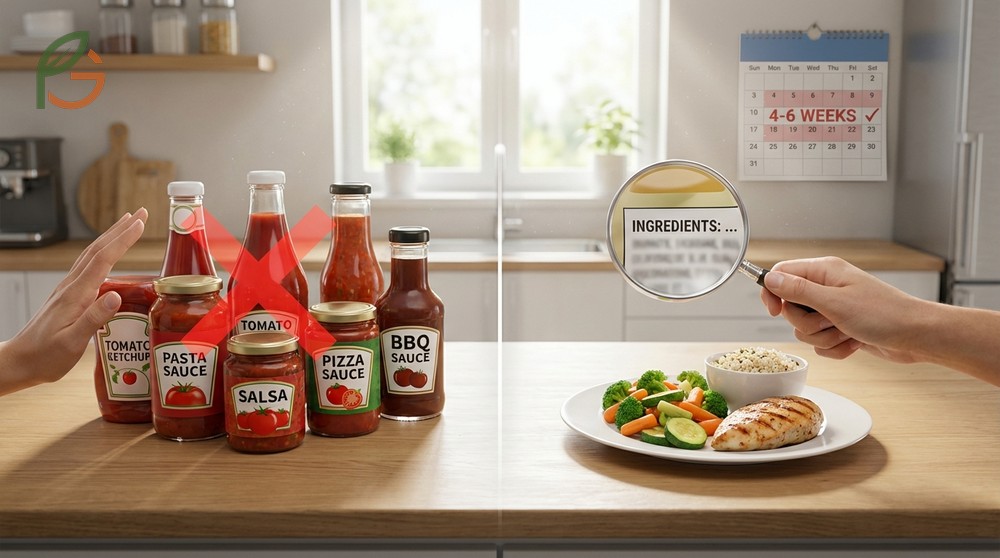
For severe GERD cases, complete tomato avoidance may be necessary during initial symptom control phases. Studies demonstrate that elimination of trigger foods for 4-6 weeks allows esophageal healing and helps reset symptom thresholds[6]. After this period, many patients can reintroduce small amounts without triggering severe symptoms.
Reading labels becomes critical since tomato products hide in unexpected foods. Ketchup, salsa, pasta sauce, pizza sauce, barbecue sauce, cocktail sauce, and many salad dressings contain tomatoes. Canned soups, chili, stews, and prepared Mexican or Italian foods typically include tomato bases.
Restaurant meals present challenges because tomato sauce appears in numerous dishes. Ask servers about tomato content and request substitutions. Many restaurants will prepare pasta with olive oil and garlic instead of marinara, or serve sandwiches without tomato slices.
- Sauce alternatives: Replace marinara with cream-based Alfredo, pesto made with basil and olive oil, or butternut squash sauce
- Red color substitute: Use roasted red bell peppers blended with carrots for similar color without acidity
- Umami replacement: Add mushrooms, nutritional yeast, or small amounts of soy sauce for savory depth
- Pizza modification: Order white pizza with olive oil, garlic, and cheese base instead of tomato sauce
- Fresh alternatives: Substitute cucumber, roasted peppers, or avocado for fresh tomato in salads and sandwiches
- Salsa swap: Make fruit salsas with mango, pineapple, or peach mixed with cilantro and mild peppers
Hidden sources warning: Tomato powder, tomato paste, and concentrated tomato extract appear in seasoning mixes, flavored crackers, chips, and processed meats. Always check ingredient lists even on seemingly tomato-free products.
Conclusion
The evidence is clear: tomatoes and acid reflux are connected through multiple mechanisms including natural acidity (pH 4.3-4.9), LES relaxation, and delayed gastric emptying. Most GERD patients don’t need complete elimination—strategic modifications like choosing low-acid varieties, controlling portions, and timing consumption allow continued enjoyment while minimizing symptoms.
Current guidance emphasizes individualized approaches combining dietary modifications with lifestyle changes and appropriate medication when needed[5]. Start with high-pH yellow varieties like Golden Jubilee, limit servings to 1/4-1/2 cup, and eat tomatoes at lunch rather than dinner. FruitGarden continues to track emerging research on tomato cultivation techniques that naturally reduce acidity, helping gardeners grow varieties optimized for digestive health.
Medical Disclaimer
Important Medical Disclaimer: This content is for informational and educational purposes only. It is not intended as a substitute for professional medical advice, diagnosis, or treatment. Always consult a qualified healthcare professional or gastroenterologist before making any changes to your diet, medication, or health routine, especially if you have GERD, acid reflux, or other gastrointestinal conditions. Individual responses to foods vary significantly, and what works for one person may not work for another.
Frequently Asked Questions
Can I eat tomatoes if I have acid reflux?
Yes, many people with acid reflux can eat tomatoes in moderation by choosing low-acid varieties like Golden Jubilee (pH 4.8-5.0), limiting portions to 1/4-1/2 cup, and eating them at lunch rather than dinner. Remove seeds and gel to reduce acidity, and pair tomatoes with alkaline foods like leafy greens or whole grains to buffer their effect.
What is the pH level of tomatoes?
According to USDA data, raw tomatoes typically have a pH of 4.3 to 4.9, placing them in the acidic category. Cherry tomatoes are more acidic (pH 4.1-4.5) than beefsteak varieties (pH 4.5-4.9), while yellow and orange heirloom varieties can reach pH 4.8-5.0, making them better choices for GERD sufferers.
Why does tomato sauce cause worse heartburn than fresh tomatoes?
Tomato sauce and paste are concentrated, reaching pH 4.0 or lower compared to pH 4.5 for fresh tomatoes. Cooking concentrates acids per serving, and common additions like garlic, onions, and wine further relax the lower esophageal sphincter. Fat from oil or meat slows gastric emptying, extending the reflux window.
Which tomato varieties are best for GERD?
Golden Jubilee (pH 4.8-5.0), German Golden Striped (pH 4.7-4.9), and other yellow or orange heirloom varieties contain the least acid. Beefsteak tomatoes work better than cherry tomatoes. Avoid red cherry tomatoes which measure pH 4.1-4.5, the most acidic common variety.
Does cooking tomatoes reduce their acidity?
No, cooking doesn’t significantly change tomato pH levels. Slow-cooking actually concentrates acids, increasing acid density per serving. Quick-cooked fresh sauces (30-45 minutes) contain lower acid concentration than long-simmered sauces (3-4 hours). Removing seeds and gel before cooking provides more benefit than cooking method.
How long should I wait to lie down after eating tomatoes?
Wait at least 3-4 hours before lying down after eating tomatoes. This allows time for gastric emptying and reduces the opportunity for acid to reflux into your esophagus. Eating tomatoes at breakfast or lunch rather than dinner naturally builds in this waiting period before bedtime.
What can I substitute for tomatoes in recipes?
Replace tomato sauce with cream-based Alfredo, basil pesto, or pureed butternut squash for pasta. Use roasted red bell peppers blended with carrots for similar color and texture. For pizza, order white pizza with olive oil and garlic base. In salads and sandwiches, substitute cucumber, roasted peppers, or avocado for fresh tomato slices.