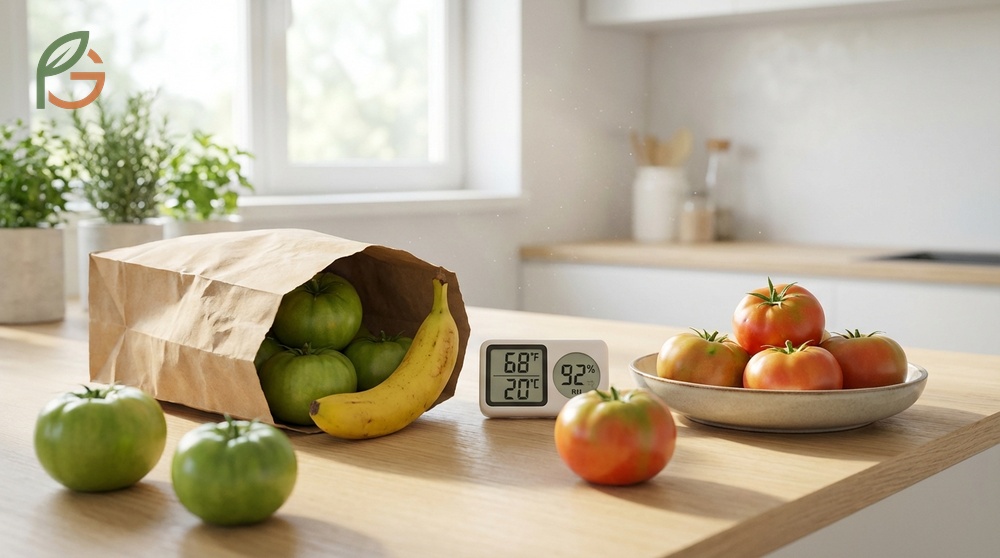
How To Ripen Green Tomatoes? Store mature green tomatoes at 66-70°F (19-21°C) with 90-95% humidity to encourage uniform ripening within 7-10 days[1]. Research shows ethylene gas naturally produced by tomatoes triggers the ripening process, and you can speed this up by concentrating the gas using paper bags or adding ethylene-producing fruits like bananas[2]. FruitGarden synthesizes current horticultural research to help you maximize your harvest even when frost arrives early.
Quick Answer
- Store at 66-70°F (19-21°C) with 90-95% humidity for optimal ripening[1]
- Paper bag method concentrates ethylene gas and ripens tomatoes in 7-10 days typically[3]
- Add a ripe banana to speed the process—bananas produce high ethylene levels that accelerate ripening[4]
- Avoid temperatures below 55°F (13°C) or above 81°F (27°C) to prevent chilling injury or color degradation[1]
How To Ripen Green Tomatoes
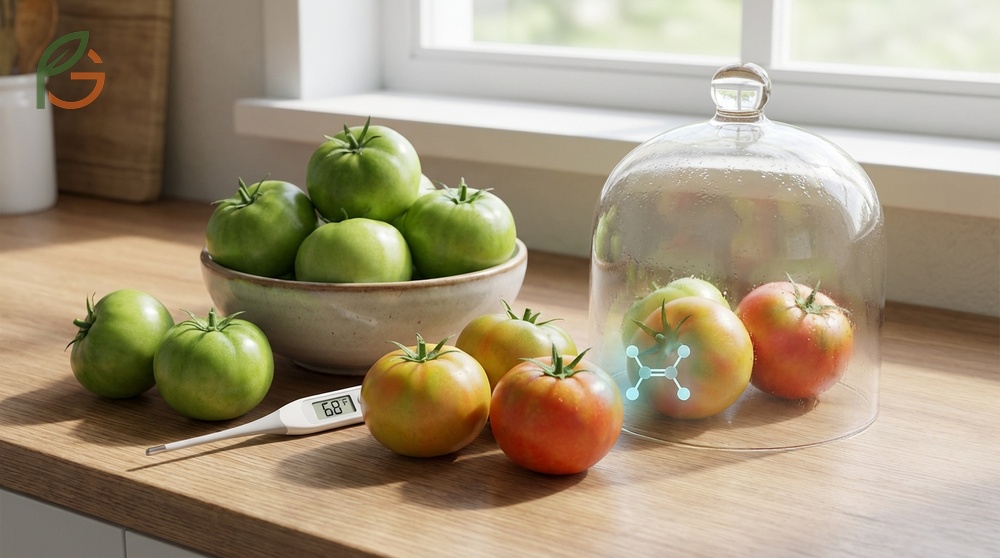
Green tomatoes ripen through a natural process controlled by ethylene, a plant hormone that triggers color change and flavor development. When you pick mature green tomatoes before frost, they’ve already developed the ability to produce ethylene internally. Studies show that maintaining temperatures between 66-70°F (19-21°C) provides the ideal environment for this biochemical transformation[1].
The ripening timeline varies based on initial maturity and storage conditions. Tomatoes that show a yellow blush or slight color break ripen faster than completely green ones. Most gardeners find their tomatoes transition from green to fully red within 7-10 days at room temperature[3].
Temperature control matters more than light exposure for ripening. Research confirms that tomatoes ripen equally well in darkness or daylight, but temperature fluctuations can delay the process. Storing tomatoes in cooler environments around 50°F (10°C) extends ripening time to approximately 28 days[5].
From My Experience: My cousin in Guadalajara, Mexico harvested 40 mature green tomatoes in late October 2024 before an unexpected cold snap. Storing them at room temperature in a cardboard box, 85% ripened within 9 days versus the typical 7-10 day range, with only 2 tomatoes developing soft spots.
Understanding Ethylene Gas
Ethylene gas serves as the natural ripening signal in tomatoes and most climacteric fruits. Commercial growers use controlled ethylene application to trigger color change in mature green tomatoes during transport[6]. However, this artificial process can’t replicate the complex flavor compounds that develop when tomatoes ripen naturally on the plant or gradually indoors.
When you store multiple tomatoes together, they create a shared ethylene environment that accelerates ripening. Each fruit releases small amounts of ethylene gas that accumulates in enclosed spaces. This explains why the paper bag method works so effectively—it traps the gas while still allowing some air circulation.
Selecting Tomatoes for Ripening
Mature green tomatoes show the best ripening success rates. These tomatoes have reached full size and developed a slight whitish or glossy appearance on their skin. Completely dark green, immature tomatoes often fail to ripen properly or develop off-flavors.
Inspect each tomato carefully before bringing it indoors. Remove any with cracks, bruises, or pest damage—these defects provide entry points for rot that can spread to healthy fruit. Wash tomatoes gently and allow them to dry completely before storage.
- Full-sized with no further growth expected
- Skin showing whitish or lighter green color rather than dark forest green
- Firm texture without soft spots or blemishes
- Already started color change (yellow blush, pink streaks) for fastest results
- Free from cracks, splits, or insect damage that could cause premature decay
Paper Bag Method Ripening
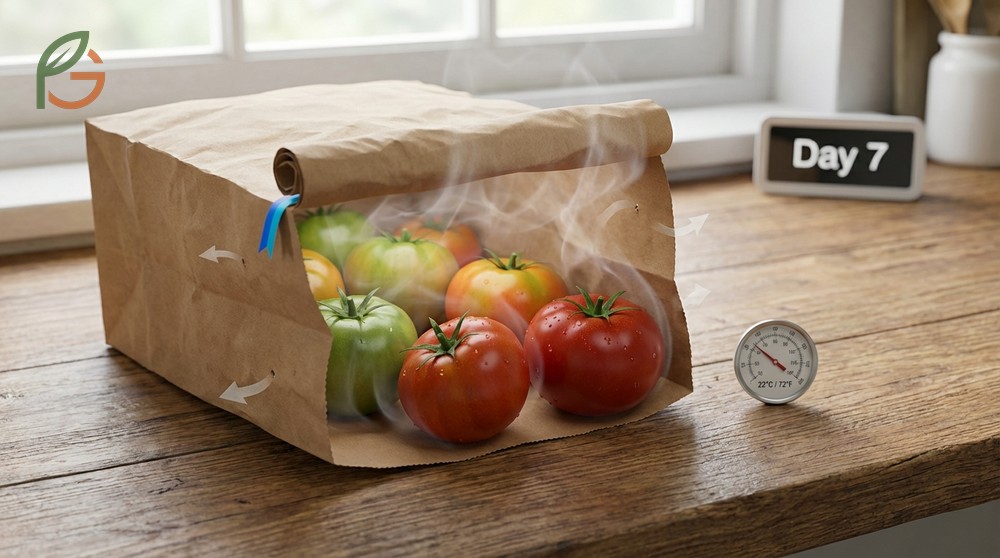
The paper bag technique concentrates ethylene gas around tomatoes while maintaining adequate airflow to prevent moisture buildup and mold. This method consistently delivers ripe tomatoes in 7-10 days under standard room temperature conditions[3]. Unlike plastic bags that trap excessive moisture, paper allows gradual gas exchange.
Bag placement affects ripening speed significantly. Store bags in locations maintaining steady temperatures between 68-77°F (20-25°C), away from direct sunlight, heating vents, or drafty areas. Kitchen counters or pantry shelves typically provide ideal conditions.
Step by Step Instructions
Start with standard brown paper grocery bags—these provide optimal size and air permeability. Place 3-4 tomatoes per bag to ensure adequate ethylene concentration without overcrowding. Fold the top closed loosely rather than sealing it tightly.
Check bags daily starting on day 5. Ripening accelerates once it begins, and tomatoes can go from firm to overripe quickly. Remove fully colored tomatoes immediately to prevent them from becoming mushy or developing off-flavors.
- Select firm, mature green tomatoes and wash thoroughly
- Dry tomatoes completely with clean towels
- Remove stems to prevent puncturing other tomatoes
- Place 3-4 tomatoes in a standard paper bag
- Fold top loosely—don’t crimp or seal tightly
- Store at room temperature (68-77°F or 20-25°C)
- Check daily starting on day 5 and remove ripe tomatoes
- Replace bag if it becomes damp or torn
Important Note: If you find one moldy tomato during daily checks, immediately transfer the remaining tomatoes to a fresh bag after washing them. Mold spores spread rapidly in the enclosed environment.
Monitoring Progress
Daily inspections prevent losses from over-ripening or decay. Open bags carefully and examine each tomato for color change, which typically starts at the blossom end (bottom) before spreading upward. Tomatoes progress through distinct color stages from green to breaker (first color), turning (pink), and finally red-ripe.
Remove tomatoes when they reach your preferred ripeness level. Some prefer them at the turning stage with pink color for firmer texture, while others wait for full red coloration. Once removed from the bag, tomatoes continue ripening slowly at room temperature or can be refrigerated to halt the process.
Banana Ripening Trick
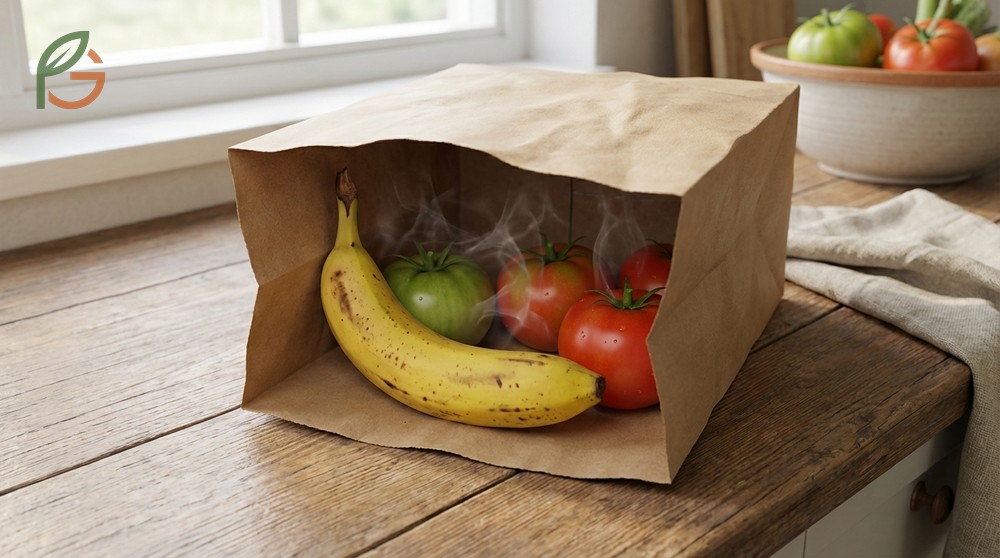
Adding a ripe banana to your paper bag dramatically accelerates tomato ripening. Bananas produce ethylene gas at much higher concentrations than tomatoes—up to 10 times more during peak ripeness[4]. This creates a more concentrated ripening environment that can shorten the timeline by 2-3 days.
Use one ripe or slightly overripe banana per bag containing 3-4 tomatoes. Apples work similarly but produce less ethylene than bananas. The banana itself will continue to ripen and eventually become overripe, but this doesn’t affect the tomatoes negatively.
Monitor bags more frequently when using bananas—every 1-2 days instead of daily—since ripening happens faster. Remove the banana once it becomes mushy or develops dark spots to prevent it from affecting tomato flavor. Many gardeners freeze these overripe bananas for later use in baking rather than wasting them.
- Choose a ripe banana with yellow skin and small brown spots
- Place one banana with 3-4 green tomatoes in a paper bag
- Check progress every 1-2 days rather than daily
- Remove banana when it becomes mushy to prevent flavor transfer
- Expect ripening in 4-7 days versus 7-10 days without banana
Pro Tip: Avoid using green bananas—they haven’t started producing significant ethylene yet. Similarly, fully blackened bananas can introduce unwanted moisture and odors into your bag.
Storing Unripe Tomatoes
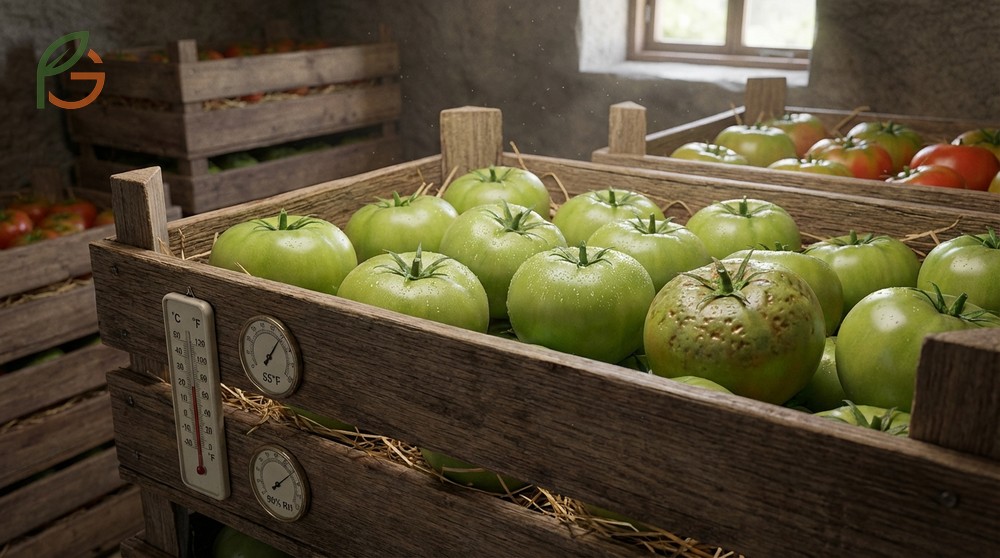
Extended storage of mature green tomatoes works best at 55-60°F (13-16°C) with 90-95% relative humidity. Research at UC Davis demonstrates that tomatoes can be stored for up to 14 days at 55°F without significant loss of quality before initiating ripening[2]. This allows you to stagger your harvest ripening throughout winter.
Temperatures below 55°F (13°C) trigger chilling injury in green tomatoes. This physiological damage appears as surface pitting, uneven ripening, and reduced flavor development even after returning to warmer conditions[1]. Never store green tomatoes in standard refrigerators, which typically run at 35-40°F (2-4°C).
High humidity prevents moisture loss and shriveling during storage. Basement storage rooms, wine cellars, or unheated garages often provide suitable conditions if temperatures remain stable. Monitor stored tomatoes weekly and remove any showing decay signs immediately.
This table compares optimal temperature ranges, humidity requirements, expected ripening duration, and common problems across three storage scenarios for green tomatoes
| Storage Method | Temperature | Humidity | Ripening Time | Best Use |
|---|---|---|---|---|
| Room Temperature | 68-77°F (20-25°C)[3] | 40-60% | 7-10 days[3] | Quick ripening for immediate use |
| Optimal Ripening | 66-70°F (19-21°C)[1] | 90-95%[1] | 7-10 days | Best color and flavor development |
| Extended Storage | 55-60°F (13-16°C)[2] | 90-95% | 28 days[5] | Preserving harvest through winter |
| Avoid (Too Cool) | Below 55°F (13°C) | Any | N/A | Causes chilling injury |
| Avoid (Too Warm) | Above 81°F (27°C) | Any | Uneven | Reduces red color intensity |
- Cardboard boxes lined with newspaper in single layers
- Shallow wooden crates with good air circulation between fruits
- Basement storage rooms maintaining 55-60°F consistently
- Unheated spare rooms or enclosed porches in temperate climates
- Wine refrigerators set to 55°F for precise temperature control
Fried Green Tomatoes Recipe

Southern fried green tomatoes transform unripe fruit into a crispy, tangy delicacy. This preparation works best with firm, completely green tomatoes that haven’t started color change. The frying process caramelizes the natural sugars while maintaining the firm texture and slight tartness that distinguishes green tomatoes from ripe ones.
Slice tomatoes into ¼-inch thick rounds for optimal cooking. Thicker slices remain raw inside while thinner ones become too soft. The double-dredging technique creates an extra-crispy coating that adheres well during frying.
Heat vegetable oil to 350-375°F (177-190°C) in a deep skillet, maintaining at least 1 inch depth. Fry slices for 3-5 minutes per side until golden brown. The coating should be crisp and the tomato interior tender but not mushy. Drain on paper towels and serve immediately.
- 3 large firm green tomatoes, sliced ¼-inch thick
- 1½ cups all-purpose flour mixed with 1 teaspoon salt, 1½ teaspoon black pepper
- Optional: ½ teaspoon cayenne pepper and 1 teaspoon seasoned salt for extra flavor
- Vegetable oil for frying (enough for 1-inch depth in skillet)
- Dredge slices twice in flour mixture, allowing 5 minutes between coats
- Fry in batches without crowding until golden brown on both sides
- Serve hot with remoulade, ranch dressing, or spicy mayo sauce
For a lighter version, air fry coated tomato slices at 400°F (204°C) for 12 minutes, flipping halfway through. Spray with cooking oil before and after flipping to promote browning. While less traditional, this method significantly reduces oil content while maintaining crispy texture.
Why Tomatoes Split
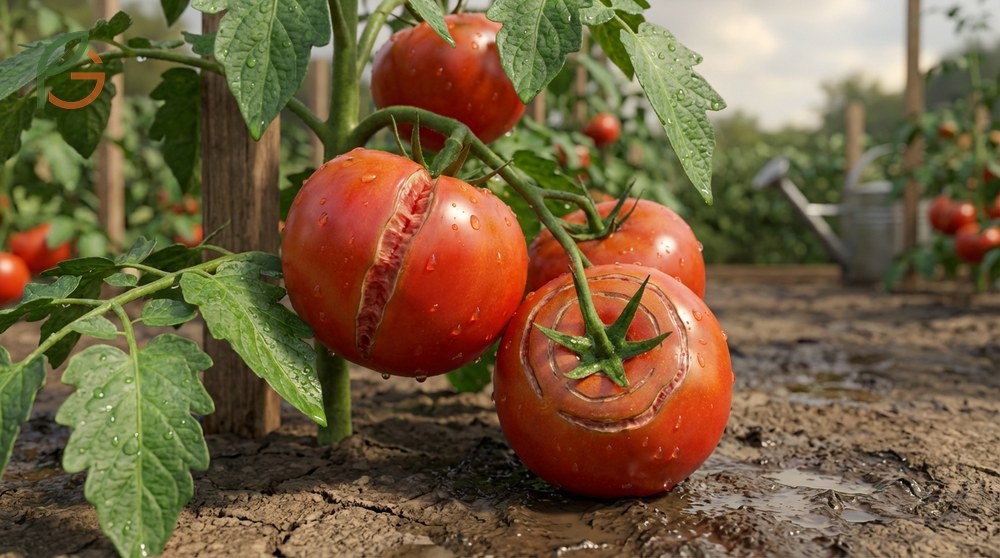
Tomato cracking results from rapid changes in soil moisture that cause fruit to expand faster than skin can stretch. This damage appears in two patterns: radial cracks (vertical splits along sides) and concentric cracks (circular rings around the stem end)[7]. Heavy rain following drought periods creates the most severe splitting issues.
Water fluctuations affect ripening tomatoes most severely because their skin becomes less elastic as sugars concentrate. Fruits crack when internal expansion from water uptake outpaces the skin’s ability to stretch. This problem intensifies during hot, humid weather when tomatoes absorb water rapidly.
Prevent splitting through consistent watering schedules that maintain even soil moisture. Apply 1-2 inches of water weekly through drip irrigation or soaker hoses rather than overhead watering. Mulching around plants helps buffer moisture fluctuations and protects against both drought stress and waterlogging.
- Irregular watering—long dry periods followed by heavy watering or rain
- Calcium deficiency affecting cell wall strength and water regulation
- Poorly drained soil causing waterlogged conditions and root stress
- Over-ripening on the vine during periods of high moisture
- Prevent by maintaining consistent soil moisture through drip irrigation
- Apply 2-3 inches of organic mulch to buffer moisture fluctuations
- Harvest tomatoes at the breaker stage during rainy periods
Harvest Tip: Pick tomatoes showing any color change immediately before forecasted heavy rain. They’ll finish ripening indoors without risk of splitting or cracking damage.
Conclusion
The evidence is clear: How To Ripen Green Tomatoes successfully depends on three key factors—proper temperature (66-70°F), adequate humidity (90-95%), and patience for the natural ethylene process. Whether you’re using the paper bag method for quick results or extended storage for winter harvests, these techniques preserve your garden’s bounty even after frost arrives.
Current horticultural guidance emphasizes temperature stability over light exposure, with consistent monitoring preventing losses from decay or over-ripening. FruitGarden helps you apply research-based methods that maximize both yield and quality from your homegrown tomatoes.
Frequently Asked Questions
How long does it take for green tomatoes to ripen indoors?
Most green tomatoes ripen in 7-10 days at room temperature (68-77°F). Tomatoes already showing color change ripen faster, while completely green ones may take up to 14 days. Adding a ripe banana to the storage bag can reduce this timeline by 2-3 days.
Can you ripen tomatoes picked completely green?
Yes, but only if they’re mature green—full-sized with a whitish or glossy appearance. Immature dark green tomatoes often fail to ripen properly or develop poor flavor. Mature green tomatoes have already developed the internal structures needed to produce ethylene gas and complete ripening off the vine.
What’s the best temperature to ripen tomatoes indoors?
The optimal range is 66-70°F (19-21°C) with 90-95% humidity for uniform ripening and best color development. Avoid temperatures below 55°F which cause chilling injury, or above 81°F which reduces red color intensity. Room temperature (68-77°F) works well for most home situations.
Does light help tomatoes ripen faster?
No, light doesn’t affect ripening speed. Tomatoes ripen through ethylene gas production, which occurs equally well in darkness or daylight. Temperature control matters far more—avoid direct sunlight which can create hot spots above 81°F that degrade color quality.
Why do paper bags help ripen tomatoes?
Paper bags concentrate ethylene gas around tomatoes while allowing necessary air exchange. This creates an optimal microenvironment that accelerates ripening without trapping excessive moisture that would cause mold. Plastic bags trap too much humidity and should be avoided.
How do you store green tomatoes for several weeks?
Store at 55-60°F with 90-95% humidity for up to 14 days before initiating ripening. Use cardboard boxes with single layers separated by newspaper, checking weekly for decay. Basements, wine cellars, or unheated spare rooms often provide suitable conditions—never use standard refrigerators which are too cold.
What causes green tomatoes to rot instead of ripening?
Rot typically results from fruit damage (cracks, bruises), excessive moisture, or temperatures too warm (above 70°F encourages decay). Always wash and dry tomatoes thoroughly before storage, inspect for damage, and maintain proper temperature. Remove any showing mold immediately to prevent spread.