Astringent Vs Non-Astringent Persimmons: Complete Guide
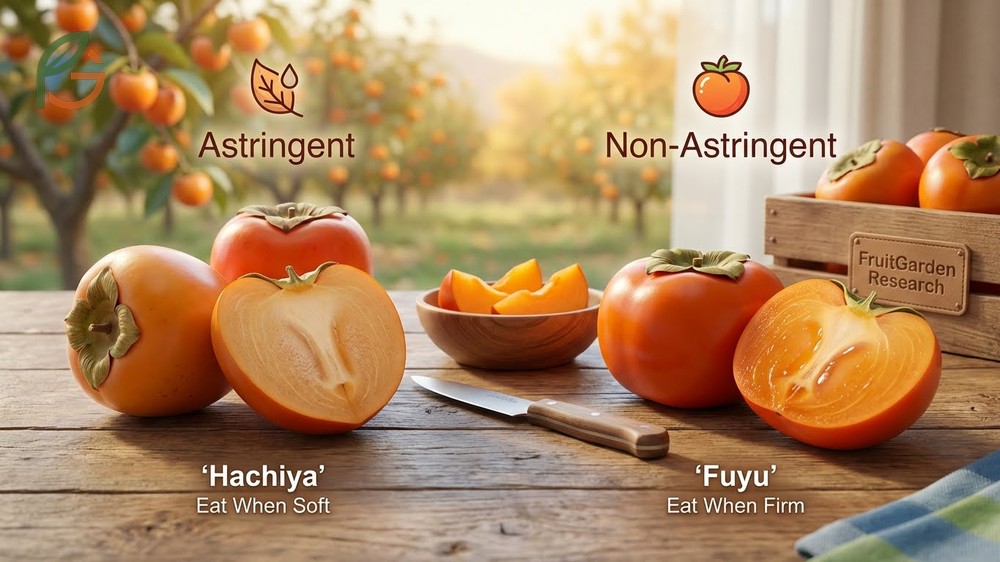
Astringent vs non-astringent persimmons differ in tannin content and ripening needs. Non-astringent varieties have 2.5-20% tannins and can be eaten firm.

 Taki Lockman
Astringent vs non-astringent persimmons differ in tannin content and ripening needs. Non-astringent varieties have 2.5-20% tannins and can be eaten firm.
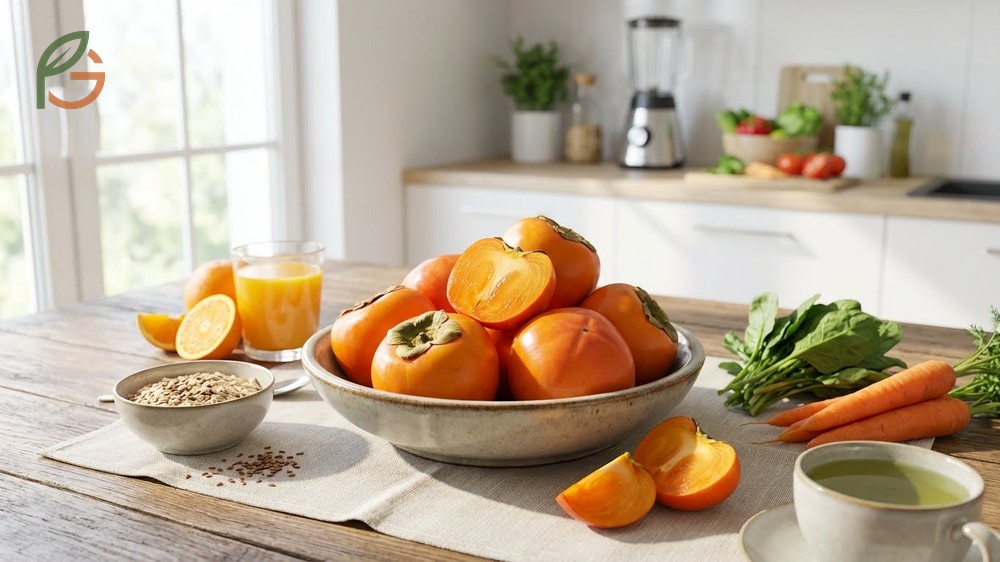
Are persimmons good for you? Yes. Research shows one medium persimmon provides 118 calories, 6g fiber, and powerful antioxidants that support heart health.
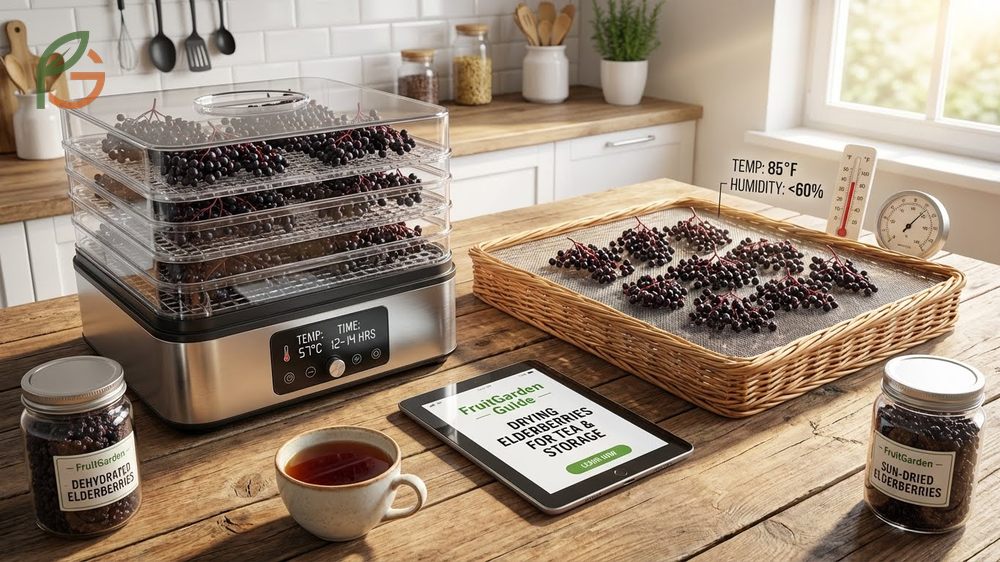
How to dry elderberries using dehydrators, ovens, or sun drying. Learn proper storage methods to preserve dried elderberries for up to 1 year.
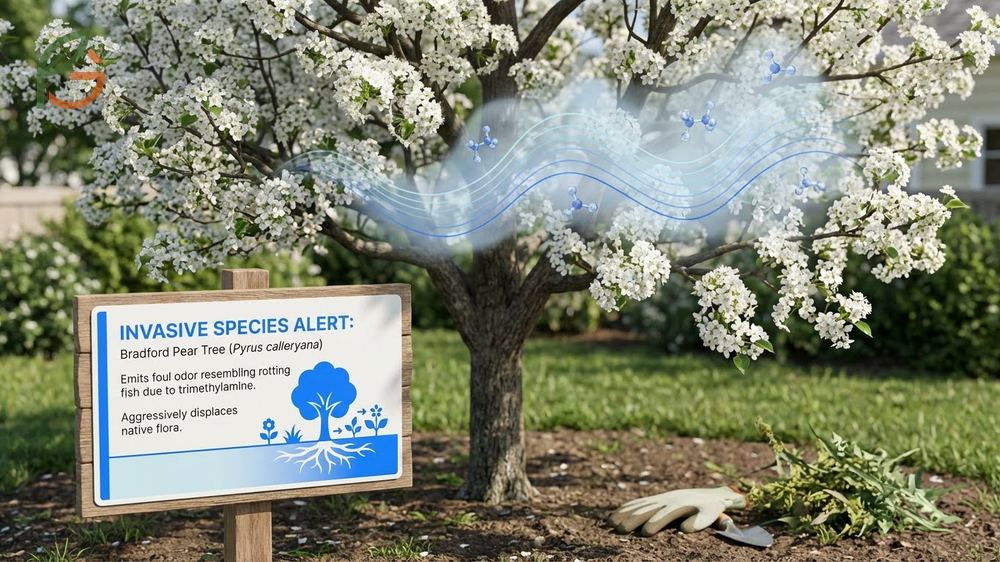
Bradford pear tree smell comes from trimethylamine, a compound found in rotting fish. These invasive trees are now banned in multiple states due to ecological harm.
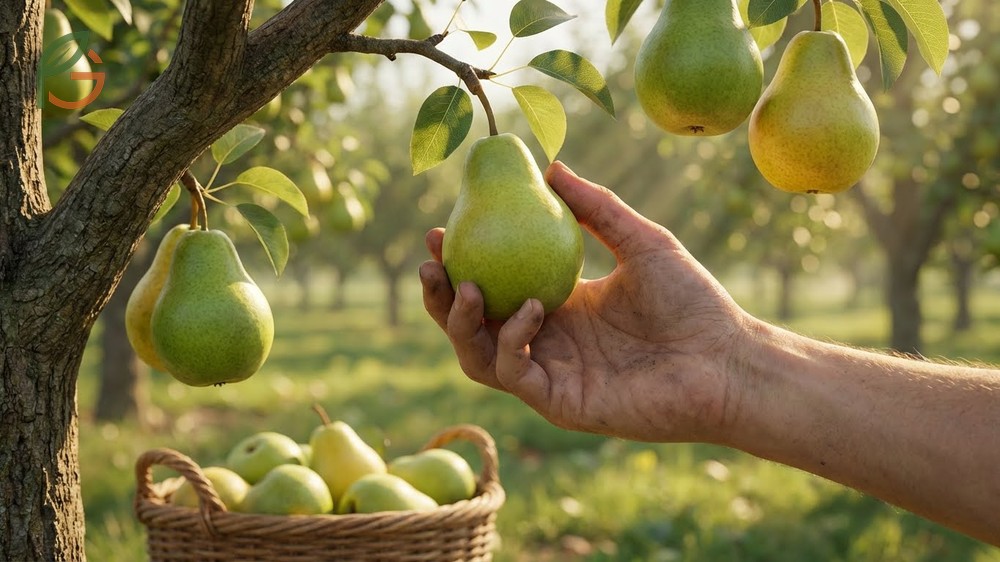
When to pick pears? Harvest when firm and pale green, before full ripeness. Learn the lift-and-twist test, color changes, and timing for Bartlett, Anjou, and Bosc varieties.
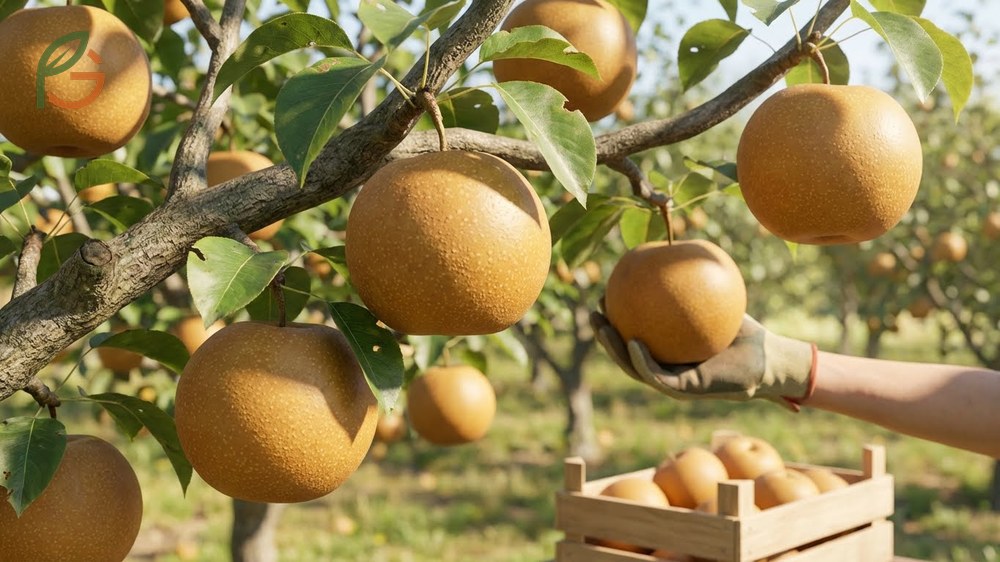
When are asian pears ripe? Most ripen August-September on the tree. Learn signs of ripeness, harvest timing, storage tips, and best ways to eat these crisp fruits.
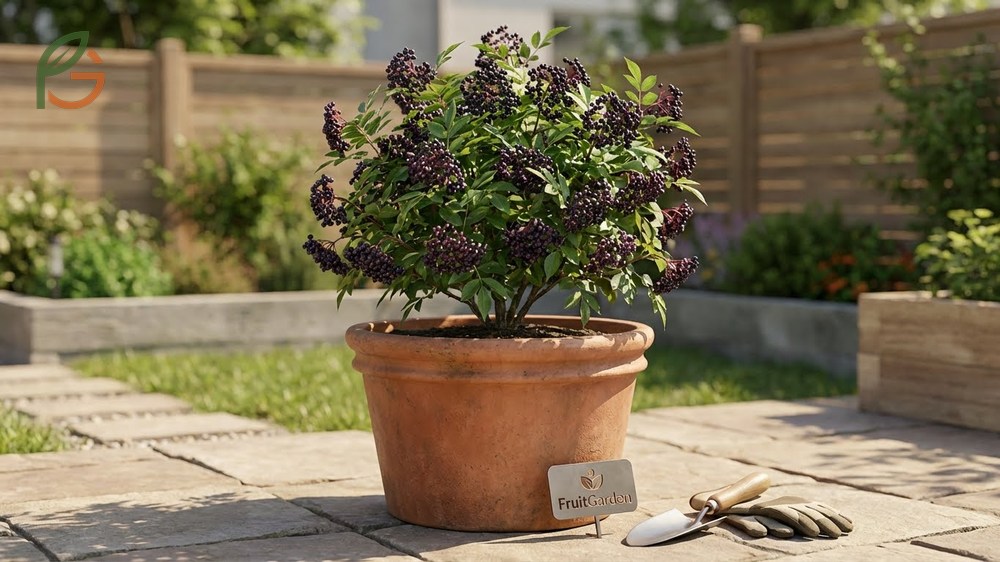
Growing elderberry in pots works well with 20-24 inch containers. You’ll get compact 6-10 ft shrubs perfect for patios with proper care and pruning tips.
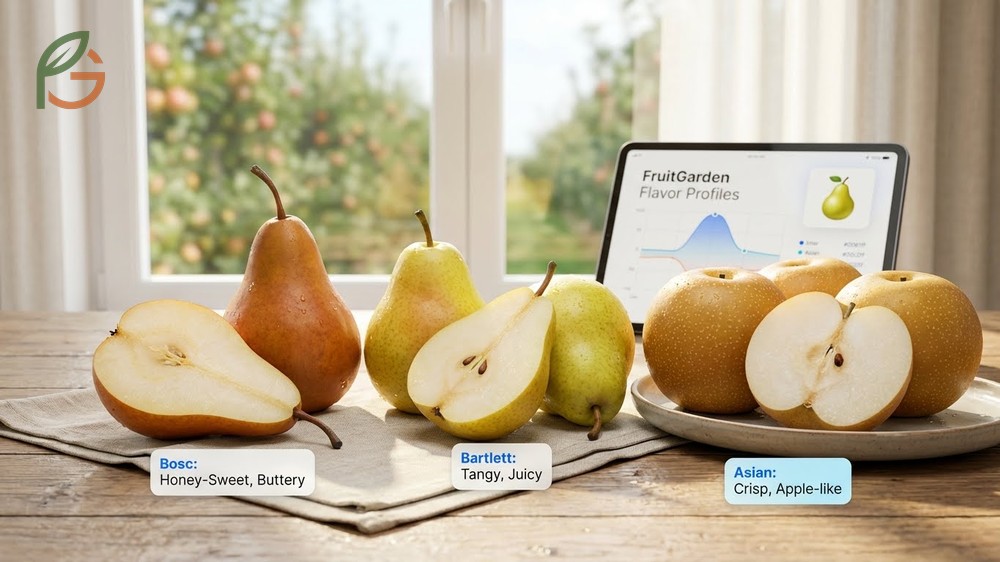
What do pears taste like? Discover flavor profiles from sweet Bartlett to spicy Bosc pears. Learn texture differences, ripeness tips, and perfect pairings.
Types of pear trees include European and Asian varieties, dwarf to standard sizes. Most need cross-pollination. Learn identification, bloom times, and care.
Self pollinating pear trees like Bartlett, Kieffer, and Seckel don’t need a second tree to produce fruit. Perfect for small gardens with limited space.