

Are persimmons good for you? Yes, they’re excellent for your health. Studies show persimmons deliver substantial fiber, vitamins A and C, and unique antioxidant compounds that support heart health, digestion, and immune function[1]. FruitGarden synthesizes current nutritional research to help you understand how this vibrant orange fruit fits into a balanced diet.
Quick Answer
- One medium persimmon contains 118 calories[2] and 6g fiber[2] (22% daily value)
- Rich in vitamin A (2740 IU[3]) supporting eye health and immune function
- Contains powerful antioxidants including proanthocyanidins and carotenoids that reduce oxidative stress[1]
- Moderate glycemic index of 50-60[4] making them suitable in controlled portions for most diets
Are Persimmons Good for You?
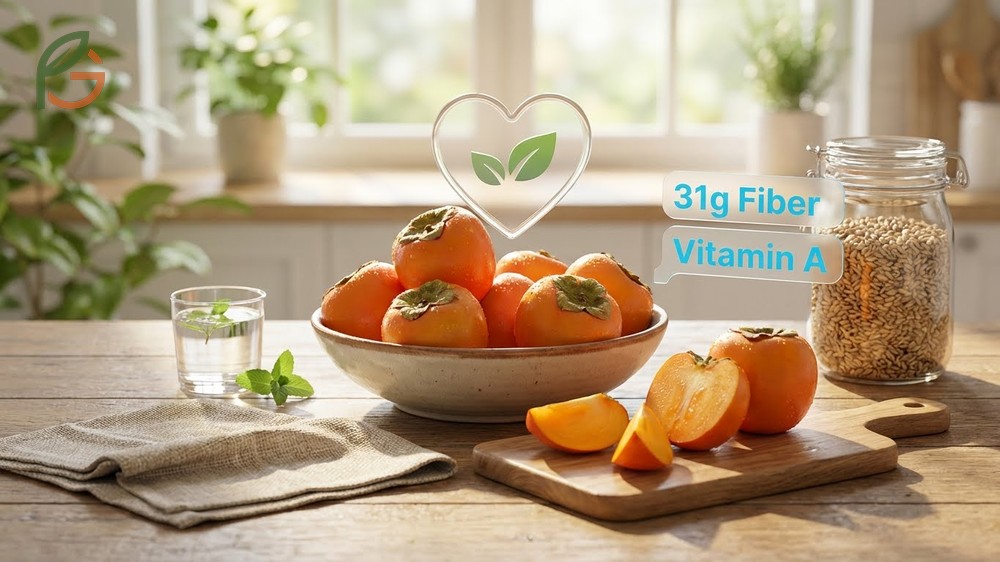
Research shows persimmons rank among the most nutrient-dense fruits available. One medium fruit (168g) provides 118 calories with 31g carbohydrates and 6g dietary fiber[2]. This fiber content alone meets 22% of your daily requirements.
Current data indicates persimmons contain minimal fat (0.3g) and virtually no cholesterol, making them heart-friendly[5]. The fruit’s natural compounds work together to support multiple body systems. You’ll get substantial vitamin A, which is crucial for vision and immune response.
Agricultural data shows the bioactive molecules in persimmons include proanthocyanidins, flavonoids, tannins, and carotenoids[1]. These compounds scavenge free radicals and inhibit lipid peroxidation. Most people find persimmons refreshing when eaten fresh, and they work well in smoothies or salads.
Evidence suggests the antioxidant potential makes persimmons effective for reducing oxidative damage from reactive oxygen species[1]. This protection extends to cellular health and may help prevent lifestyle-related disorders.
Important Note: Choose fully ripe persimmons to avoid astringency from tannins. Fuyu varieties can be eaten firm, while Hachiya types must be completely soft before consumption.
Nutritional Value of Persimmons
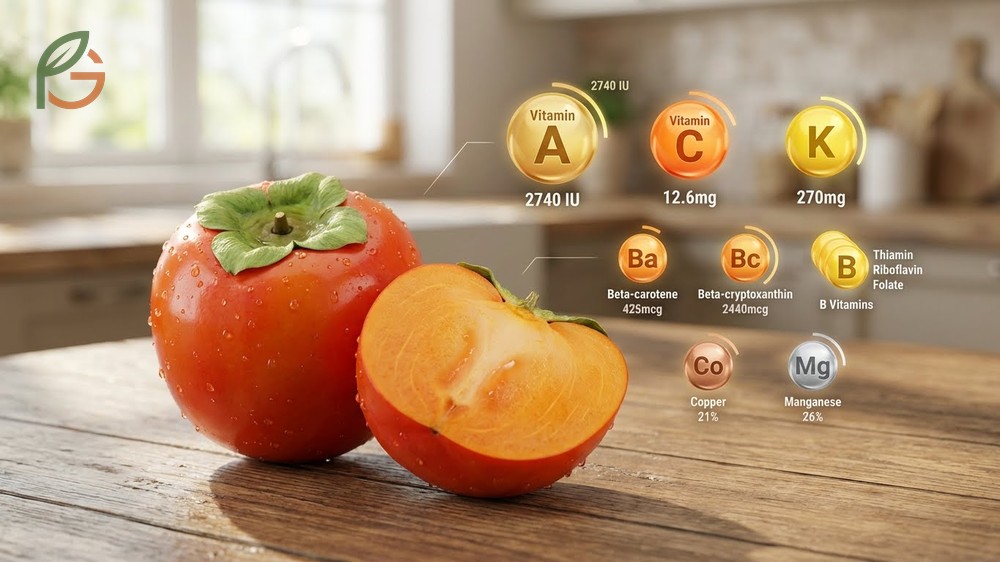
One medium persimmon delivers impressive nutritional density. You get 2740 IU of vitamin A (15% daily value), 12.6mg vitamin C (14% daily value), and 270mg potassium (6% daily value)[3]. The fruit also provides beta-carotene (425mcg) and the antioxidant beta-cryptoxanthin (2440mcg).
Studies demonstrate persimmons contain essential B vitamins including thiamin, riboflavin, and folate. The mineral profile includes copper (21% daily value), manganese (26% daily value), and magnesium[2]. These nutrients support energy metabolism and bone health.
This table compares key nutrients in fresh versus dried persimmons per 100 grams serving size
| Nutrient | Fresh Persimmon (100g) | Dried Persimmon (100g) |
|---|---|---|
| Calories | 70 kcal[6] | 260 kcal[7] |
| Carbohydrates | 18.6g[6] | 64g[7] |
| Fiber | 3.6g[6] | 6.4g[7] |
| Sugar | 12.5g[6] | 55g[7] |
Persimmon Vitamin Content
Persimmons excel as a vitamin A source. The 2740 IU per fruit supports retinal function and helps maintain healthy skin[3]. This amount provides 55% of the recommended daily intake for women and 46% for men.
The vitamin C content (12.6mg per fruit) contributes to collagen synthesis and iron absorption. Evidence indicates this combination of vitamins A and C works synergistically to boost immune defense mechanisms.
Persimmon Fiber Content
With 6g of fiber per medium fruit, persimmons deliver both soluble and insoluble types[2]. Soluble fiber helps regulate blood sugar and cholesterol. Insoluble fiber promotes digestive regularity and prevents constipation.
Research shows this fiber content supports healthy gut flora. The balanced intestinal environment reduces digestive issues like bloating and gas.
Health Benefits of Persimmons

Current research confirms persimmons provide multiple health advantages. The polyphenolic compounds reduce oxidative stress and modify inflammatory markers in animal models[1]. These effects translate to protection against chronic diseases.
Studies demonstrate persimmons support cardiovascular health through hypocholesterolemic and anti-atherosclerosis properties[1]. The fruit’s bioactive compounds help maintain healthy blood vessels. You’ll also benefit from improved cholesterol profiles when consuming persimmons regularly.
- Cardiovascular protection through reduced LDL oxidation and improved arterial function
- Enhanced immune response from vitamin C and beta-cryptoxanthin combinations
- Digestive system support via fiber content and antimicrobial tannins
- Anti-aging effects on skin from vitamin A, lycopene, and beta-carotene
- Blood pressure regulation aided by potassium content (270mg per fruit)
- Bone health maintenance through calcium, phosphorus, and manganese
Persimmon Antioxidant Properties
Persimmons contain concentrated antioxidants that neutralize free radicals. The proanthocyanidins suppress oxidative stress by scavenging both oxygen and nitrogen reactive species[1]. This mechanism protects cellular membranes from damage.
Evidence indicates the condensed tannins and flavonoids work synergistically. Together they prevent lipid peroxidation more effectively than isolated compounds.
Persimmon Eye Health
The high vitamin A content directly supports retinal health. Beta-carotene converts to retinol, which is essential for night vision and preventing macular degeneration. Lutein and zeaxanthin in persimmons filter harmful blue light.
Research shows these carotenoids accumulate in the macula, reducing age-related vision decline. Eating one persimmon daily provides substantial protection for your eyes.
Persimmon Benefits for Female

Women benefit from persimmons’ iron content, which helps prevent anemia. The fruit provides iron along with vitamin C, enhancing absorption[8]. This combination supports healthy blood production, particularly important during menstruation.
Current guidance emphasizes persimmons’ folate content for women of childbearing age. Folate reduces the risk of neural tube defects during early pregnancy[8]. The fruit’s calcium and phosphorus also support bone health, crucial for preventing osteoporosis.
Studies show the antioxidants in persimmons help maintain skin elasticity. Vitamin A, lycopene, and beta-carotene delay wrinkles and reduce age-related blemishes. Most women notice improved skin texture with regular consumption.
- Iron and vitamin C combination prevents fatigue and supports energy metabolism
- Folate content supports fetal development and reduces birth defect risks
- Calcium and phosphorus strengthen bones and teeth throughout life stages
- Antioxidants protect skin from UV damage and oxidative aging
- Fiber content helps regulate hormones by supporting gut health
For Pregnant Women: Persimmons can be valuable during pregnancy for their folate, iron, and vitamin content. However, consult your healthcare provider before adding new foods to your prenatal diet, especially if you have gestational diabetes concerns.
Is Persimmon Good for Diabetes?
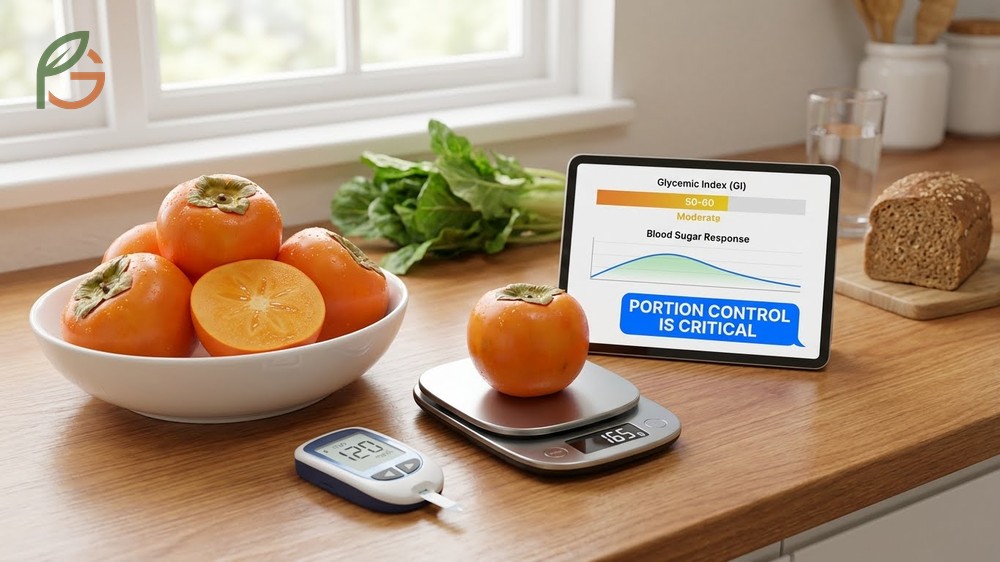
Research indicates persimmons have a glycemic index of 50-60, classified as moderate[4]. This means they raise blood sugar more slowly than high-GI foods like white bread. Studies show persimmons don’t cause rapid glucose spikes despite their natural sugar content.
Evidence suggests portion control remains critical for diabetics. One medium persimmon contains 31g carbohydrates with 21g natural sugars[2]. The 6g fiber helps slow sugar absorption, but you should count these carbs in your daily total.
Current guidance recommends pairing persimmons with protein or healthy fats. For instance, eating half a persimmon with Greek yogurt at breakfast prevents blood sugar fluctuations. The combination provides sustained energy for 4-5 hours without spikes.
Agricultural data shows ripe persimmons have higher sugar concentration than firmer fruits. If you have diabetes, choose slightly firm persimmons and monitor your glucose response. Most diabetics tolerate one small persimmon (100-120g) without issues when consumed as part of a balanced meal.
Diabetes Management Tip: Always check blood glucose 2 hours after eating persimmons to understand your individual response. Work with your healthcare provider to determine appropriate portion sizes for your specific needs.
Persimmon Leaf Tea Benefits

Persimmon leaves contain concentrated phenolic compounds including proanthocyanidins, quercetin, catechin, and kaempferol[9]. These compounds exhibit antioxidant, anti-inflammatory, antidiabetic, and antihypertensive effects. The leaves also provide terpenoids like ursolic acid with anti-obesity properties.
Research shows persimmon leaf tea’s DPPH radical scavenging activity correlates strongly with its polyphenol content, particularly gallic acid[10]. The tannin content contributes significantly to antioxidant activity. Fermentation increases total polyphenol levels, enhancing health benefits.
Studies demonstrate persimmon leaf tea supports blood pressure regulation and glucose metabolism. The flavonoids help relax blood vessels and improve circulation. Most people find the tea has a mild, slightly sweet taste without bitterness.
Current data indicates drinking 1-2 cups daily provides optimal antioxidant benefits. You can steep dried persimmon leaves for 5-7 minutes in water heated to 85-90°C (185-194°F). The tea retains its beneficial compounds for several hours after brewing.
Persimmon Benefits and Side Effects
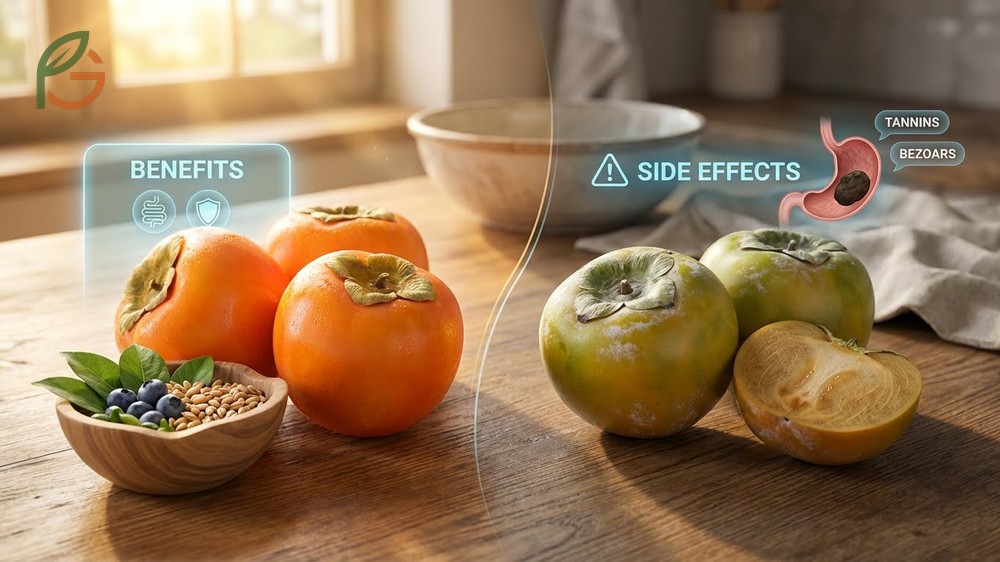
Persimmons offer substantial benefits including improved digestion, enhanced immune function, and reduced disease risk. The fruit’s bioactive compounds work systemically to support overall health[1]. Most people tolerate persimmons well with no adverse reactions.
However, unripe persimmons contain high tannin levels that cause astringency. These tannins can form bezoars (solid masses) in the stomach when consumed in large quantities. Evidence suggests this risk increases when eating unripe fruits on an empty stomach.
Research indicates persimmons may slow blood clotting due to their bioactive compounds. If you take anticoagulant medications or have bleeding disorders, consult your healthcare provider before regular consumption. The fruit’s high fiber content might cause digestive discomfort if you’re not accustomed to it.
- Unripe persimmons may cause stomach discomfort or bezoar formation due to tannins
- Excessive consumption can lead to bloating or diarrhea from high fiber content
- May interact with blood-thinning medications, requiring medical supervision
- Allergic reactions possible in individuals sensitive to birch pollen or latex
- High sugar content requires moderation for diabetics and weight management
Evidence suggests starting with half a persimmon if you’re new to the fruit. This lets you assess tolerance and prevents digestive issues. Always choose fully ripe fruits, identified by soft texture and deep orange color.
Conclusion
The evidence is clear: persimmons are good for you when consumed as part of a balanced diet. Research confirms they provide exceptional nutritional density with 118 calories, 6g fiber, and powerful antioxidants per medium fruit[2]. The combination of vitamins A and C, potassium, and unique bioactive compounds supports cardiovascular health, immune function, and disease prevention.
Current nutritional guidance emphasizes choosing ripe persimmons and monitoring portions if you have diabetes. FruitGarden recommends integrating this versatile fruit into your daily routine through fresh eating, smoothies, or salads for maximum health benefits.
Medical Disclaimer
Important Medical Disclaimer: This content is for informational and educational purposes only. It’s not intended as a substitute for professional medical advice, diagnosis, or treatment. Always consult a qualified healthcare professional before making any changes to your diet, medication, or health routine, especially if you have diabetes, bleeding disorders, or other medical conditions. Individual nutritional needs vary based on age, health status, and medications.
Frequently Asked Questions
How Many Persimmons Can You Eat Daily?
Most adults can safely eat 1-2 medium persimmons daily. This provides substantial nutrients without excessive sugar or calories. If you’re watching blood sugar, limit intake to half a persimmon per day and pair it with protein.
What’s the Best Time to Eat Persimmons?
Research shows eating persimmons at breakfast or as a mid-morning snack works best. The fiber and natural sugars provide sustained energy for 3-4 hours. Avoid eating them on an empty stomach if they’re not fully ripe, as tannins can cause discomfort.
Do Persimmons Help with Weight Loss?
Yes, persimmons can support weight loss when eaten in moderation. The 6g fiber promotes fullness and reduces hunger for hours. At 118 calories per fruit, they satisfy sweet cravings without derailing calorie goals. Studies show fiber-rich fruits improve weight management outcomes.
Are Dried Persimmons Healthier Than Fresh?
Fresh persimmons are generally healthier for weight management. While dried persimmons concentrate fiber (6.4g per 100g versus 3.6g fresh), they also contain 260 calories and 55g sugar per 100g compared to 70 calories and 12.5g sugar in fresh fruit. Choose fresh for lower calorie density.
Can You Eat Persimmon Skin?
Yes, persimmon skin is edible and contains additional fiber and antioxidants. Research confirms the skin has concentrated polyphenols that support health. Wash thoroughly before eating, and ensure the fruit is fully ripe to avoid astringency from tannins in the skin.
What Vitamins Are in Persimmons?
Persimmons provide vitamin A (2740 IU per fruit), vitamin C (12.6mg), vitamin E, and B-complex vitamins including thiamin, riboflavin, and folate. They’re particularly rich in vitamin A, providing 55% of women’s daily needs and 46% for men in one medium fruit.
Do Persimmons Raise Blood Sugar Quickly?
Persimmons have a moderate glycemic index of 50-60, so they raise blood sugar more slowly than high-GI foods. The 6g fiber per fruit slows sugar absorption. However, diabetics should monitor portions and pair persimmons with protein to minimize glucose spikes.





