
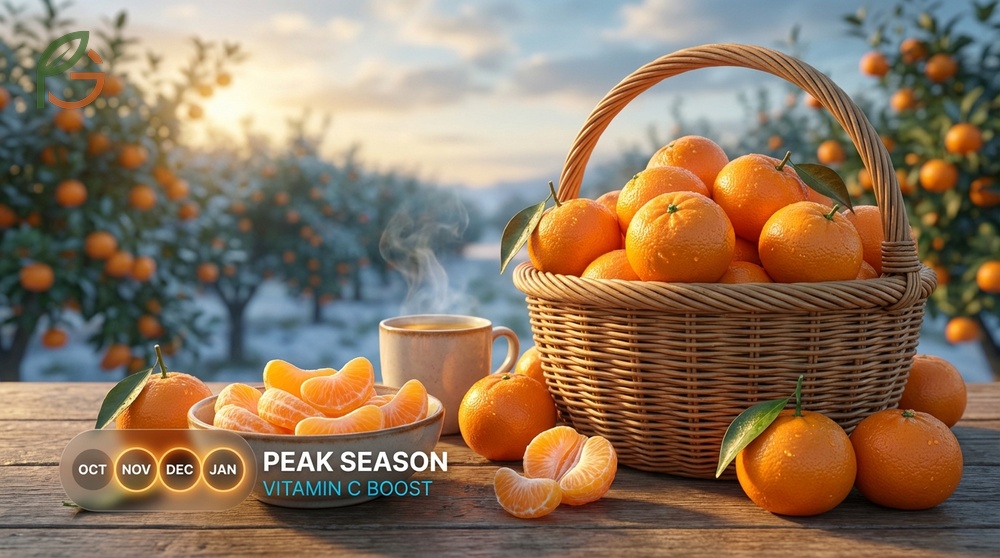
When Are Tangerines In Season? These sweet citrus fruits are available from November through May, with peak harvest occurring between October and January across the United States[1][2]. Research shows that tangerines ripen earlier than other citrus varieties, delivering intense sweetness during the cooler months when your body craves vitamin C most. FruitGarden synthesizes current agricultural data and regional harvest patterns to help you understand when to expect the freshest tangerines from your local growers or home orchard.
Quick Answer
- Tangerines are in season from November through May in most U.S. regions[1]
- Peak harvest runs October to late January when fruit quality reaches its highest[2]
- Florida tangerines peak from late October to mid-November, with availability through April[3]
- Each medium tangerine provides 47 calories and 26% daily vitamin C[4]
When Are Tangerines In Season
Tangerines follow a winter-to-spring harvest cycle that spans from late fall through early spring across the United States. Most commercial varieties become available in November and remain fresh through May, delivering peak flavor during the coldest months[2]. This timing makes them perfect for holiday meals and winter snacking when other fresh fruits are less abundant.
The seasonal pattern exists because tangerine trees require specific temperature drops to trigger fruit maturation. As autumn temperatures decline and days shorten, the fruit develops its characteristic sweetness and deep orange color. Studies demonstrate that this cold-weather ripening process concentrates sugars and enhances the fruit’s aromatic compounds.
Agricultural data shows that tangerines are among the earliest citrus fruits to ripen, which gives them a competitive advantage in the marketplace[5]. Their early maturation also helps them escape freeze damage that can harm mid-season varieties like grapefruit and standard oranges. Most varieties reach harvest-ready status approximately three years after planting.
From My Experience: My cousin in Guadalajara, Mexico grew Satsuma tangerines in her backyard starting in 2022. Her trees produced their first significant harvest in November 2024—exactly 36 months after planting, matching the typical 3-year timeline from research.
Peak Harvest Months
Peak tangerine quality occurs between October and late January when sugar content reaches maximum levels. During these months, commercial growers harvest fruit at optimal ripeness, ensuring the best flavor and texture for consumers. The specific peak window varies by 2-4 weeks depending on weather patterns each year.
Florida’s tangerine industry experiences its most intense harvest from late October through mid-November[3]. This concentrated harvest period requires significant labor coordination and immediate distribution to prevent overripening on the tree. Fruit left unharvested beyond this window begins to lose moisture and develop off-flavors.
Regional Variations
California and Florida dominate U.S. tangerine production, but their harvest schedules differ by several weeks due to climate differences. California’s inland valleys often start harvesting in October, while coastal regions may delay until November. Florida’s subtropical climate produces fruit that matures slightly later but extends further into spring.
Warmer production zones can see tangerines as early as September in exceptionally hot years. Cooler regions in the southern states typically peak closer to December or January when their local climate provides the necessary temperature shifts. These regional differences mean fresh U.S.-grown tangerines are available continuously for 6-7 months annually.
Important Growing Note: Tangerines thrive in USDA hardiness zones 8-11[6]. If you’re in zone 7 or colder, you’ll need container cultivation with winter protection to successfully grow these citrus trees.
Tangerine Season Months by Variety
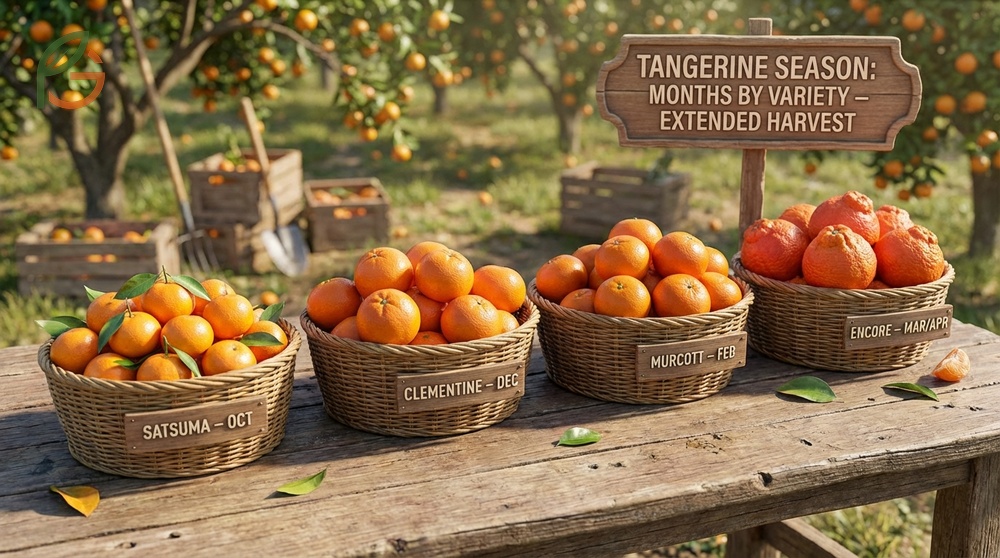
Different tangerine varieties mature at staggered intervals throughout the season, allowing growers to extend their harvest window. Early varieties like Satsuma ripen in October, while late-season types like Encore don’t reach peak quality until March or April. This genetic diversity gives consumers access to fresh tangerines for nearly half the year.
Variety selection significantly impacts harvest timing and fruit characteristics. Traditional varieties like Dancy have defined the “Christmas tangerine” market for decades, while newer hybrids like W. Murcott (marketed as Delite) provide sweeter options later in the season. Each variety also differs in seed count, peel thickness, and cold tolerance.
Early Season Varieties
Satsumas lead the tangerine season as the earliest maturing variety, typically ready from late September through early December. These Japanese-origin fruits are exceptionally cold-hardy and nearly seedless, making them ideal for both commercial production and home gardens. Their loose skin makes them the easiest tangerines to peel, though they have a shorter shelf life on the tree.
Clementines (also called Algerian tangerines) ripen slightly later than Satsumas, usually from November through January. They feature tighter skin than Satsumas and must be picked when their color reaches deep orange to ensure proper sweetness. Dancy tangerines, the traditional Christmas variety, mature from November into winter and are known for their rich flavor despite having more seeds than modern hybrids.
- Satsumas: Ripen late September to December, very cold-hardy, seedless, loose skin, short shelf life on tree
- Clementines: Available November to January, tighter skin, require full color before picking
- Dancy: November through winter, traditional Christmas tangerine, more seeds but excellent flavor
- Ponkan (Chinese Honey): Early winter harvest, very sweet and fragrant, minimal seeds
- Algerian varieties: Winter ripening, usually seedless, ideal for fresh eating
Late Season Varieties
Mid-to-late season varieties extend the tangerine harvest well into spring. Honey tangerines (Murcott) produce very small, seedy fruit with exceptional sweetness from winter through early spring. Their intense flavor makes them popular despite their diminutive size and higher seed content.
Encore tangerines represent the season’s final harvest, typically maturing in March and April. These seedy fruits offer a balanced sweet-tart flavor profile that appeals to those who prefer less sugar. Pixie tangerines also ripen late in the season and provide seedless convenience with easy-peeling characteristics ideal for children’s lunchboxes.
- Honey/Murcott: Winter to early spring, very small and seedy, intensely sweet and juicy
- Encore: Latest ripening variety (spring), seedy, sweet-tart balance, extends season
- Kara: Spring harvest, large fruit, sweet to tart flavor variation
- Pixie: Late season, seedless, easy to peel, excellent for children
- Mediterranean/Willow Leaf: Spring ripening, yellow-orange color, few seeds
Fresh Tangerine Availability
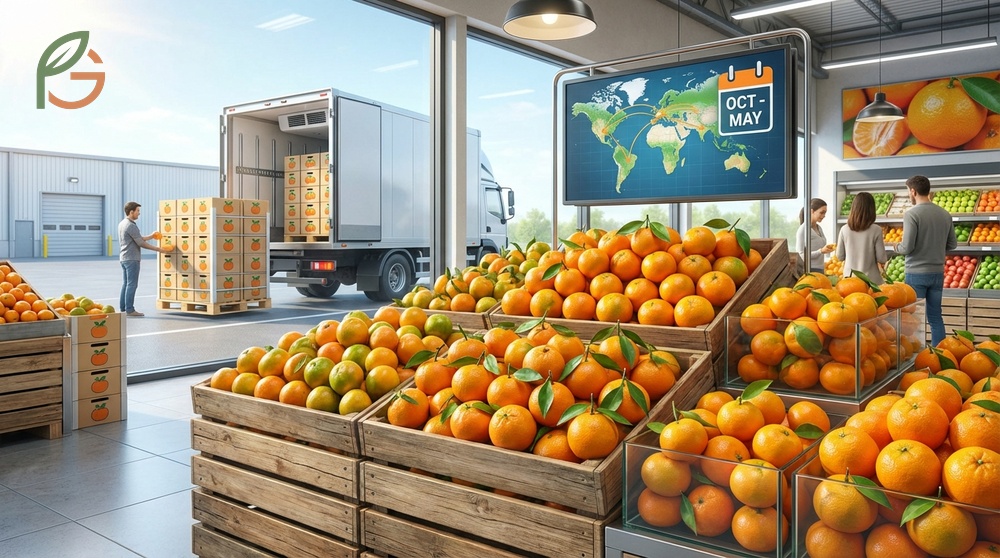
Modern agricultural practices and efficient cold-chain logistics make fresh tangerines available nationwide throughout their entire season. Commercial orchards coordinate variety plantings to ensure continuous harvest from October through May, preventing market gaps. Major retailers stock tangerines from domestic sources during peak season and may supplement with international imports during summer months.
Fresh tangerines maintain optimal quality for approximately two weeks at room temperature or longer when refrigerated properly. However, they should never be stored in sealed plastic bags because trapped moisture promotes mold growth. Instead, keep them in mesh produce bags or open containers in your refrigerator’s crisper drawer.
Farmers’ markets offer the freshest options because fruit often goes from tree to market within 24-48 hours. This minimal handling time preserves more of the fruit’s natural aromatics and ensures you’re getting tangerines at peak ripeness. Local markets also provide opportunities to discover heirloom varieties that commercial growers rarely cultivate.
This table compares six popular tangerine varieties by their harvest timing, seed content, and primary characteristics
| Variety | Harvest Months | Seed Content | Key Characteristics |
|---|---|---|---|
| Satsuma | September-December | Seedless | Earliest variety, very cold-hardy, loose skin |
| Clementine | November-January | Usually seedless | Tighter skin, needs full color |
| Dancy | November-February | Seedy | Traditional Christmas tangerine |
| Honey/Murcott | January-April | Very seedy | Intensely sweet, very small |
| Pixie | March-May | Seedless | Easy peel, late season |
| Encore | March-April | Seedy | Latest harvest, sweet-tart |
Storage Tip: Don’t wash tangerines until you’re ready to eat them. The natural waxy coating on the peel helps preserve freshness and prevents moisture-related spoilage during storage.
Tangerine Picking Season
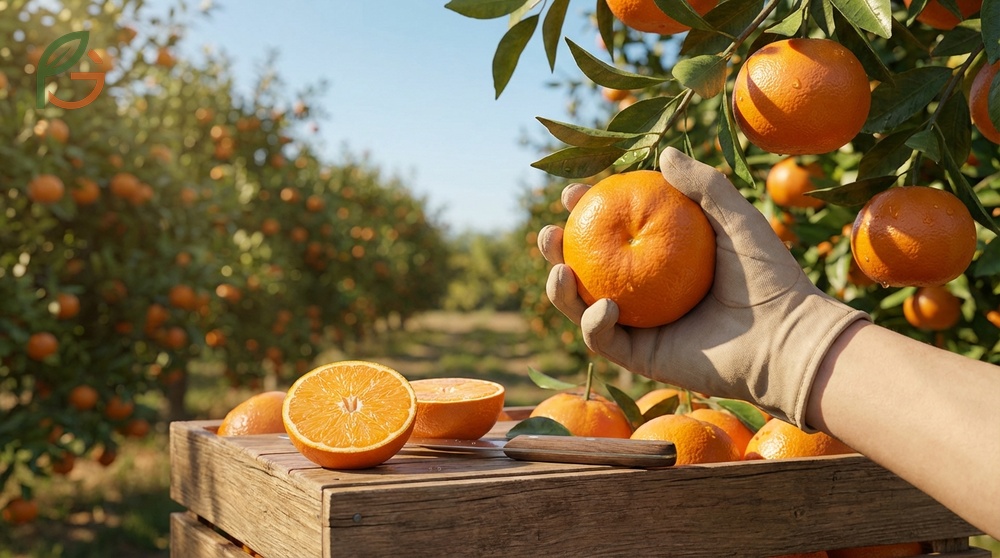
Determining optimal picking time requires observing both color development and fruit softness rather than relying solely on calendar dates. Tangerines are ready when they develop their characteristic deep orange color and begin to soften slightly when gently squeezed. Unlike some fruits, citrus doesn’t ripen or sweeten after harvest, so picking at the right moment is critical.
The taste test method provides the most reliable harvest indicator for home growers. Cut one representative fruit from the tree using hand pruners, then evaluate its juice content and sugar balance. If the fruit meets your flavor expectations, proceed to harvest other fruits from the same tree using clean, sharp pruners to make cuts at the stem.
Commercial growers use more sophisticated techniques including refractometer measurements to assess sugar content (measured in Brix). They also monitor acid levels to ensure the proper sugar-to-acid ratio that consumers expect. Home gardeners can achieve excellent results with the simpler visual and taste assessment approach.
- Deep orange color developed across entire fruit surface
- Fruit gives slightly when gently squeezed, indicating juice development
- Taste test confirms sweet flavor with balanced acidity
- Peel separates easily from fruit flesh when tested on one sample
- Fruit detaches readily from stem with minimal pulling force
Harvest timing flexibility varies by variety, with some types offering a 4-6 week window while others must be picked within 2-3 weeks of peak ripeness. Satsumas, for example, have a notoriously short harvest window and will dry out if left on the tree too long. Conversely, varieties like Murcott can hang on trees for extended periods without significant quality loss.
Weather conditions during harvest season significantly impact fruit quality and picking schedules. Unexpected freezes can damage fruit still on trees, while excessive rain near harvest can reduce sugar concentration and dilute flavor. Professional growers monitor weather forecasts closely and adjust harvest schedules to protect their crop investment.
Conclusion
The evidence is clear: When Are Tangerines In Season depends on your location and variety preferences, but you can expect fresh domestic fruit from November through May, with peak availability between October and January. Understanding variety-specific harvest windows helps you select the sweetest tangerines whether you’re shopping at markets or planning your home orchard.
Current agricultural guidance emphasizes planting multiple varieties to extend your personal harvest season and provide flavor diversity throughout the winter and spring months. FruitGarden recommends combining early varieties like Satsuma with late-season types like Pixie to maximize your fresh citrus enjoyment from your backyard.
Frequently Asked Questions
What months are tangerines in season in the United States?
Tangerines are in season from November through May across most U.S. growing regions, with peak harvest occurring between October and late January. Florida tangerines specifically peak from late October to mid-November, while California varieties may extend through early spring depending on the cultivar.
Which tangerine variety ripens earliest in the season?
Satsuma tangerines ripen earliest, typically ready for harvest from late September through early December. These Japanese-origin fruits are exceptionally cold-hardy and offer a seedless, easy-to-peel option for early season citrus lovers.
How can I tell when tangerines are ready to pick from my tree?
Tangerines are ready to harvest when they develop deep orange color and soften slightly when gently squeezed. Perform a taste test by cutting one fruit from the tree—if it’s sweet and juicy with balanced acidity, the rest of the fruit is ready for harvest using hand pruners.
Do tangerines continue ripening after being picked?
No, tangerines and all citrus fruits do not ripen or sweeten after harvest. They must reach full maturity on the tree before picking. This makes proper harvest timing critical for achieving the best flavor and sugar content.
What’s the difference between early and late season tangerine varieties?
Early varieties like Satsuma and Clementine ripen from October through January and tend to be seedless with easier-to-peel skins. Late varieties like Encore and Pixie mature from March through May, often offering different flavor profiles ranging from sweet-tart to intensely sweet.
Can I grow tangerines outside of California and Florida?
Yes, tangerines grow successfully in USDA hardiness zones 8-11, which includes parts of Texas, Louisiana, Georgia, and coastal areas of other southern states. In cooler zones, container cultivation with winter protection indoors allows you to grow tangerines in almost any climate.
How long do fresh tangerines last after harvest?
Fresh tangerines maintain optimal quality for approximately two weeks at room temperature or up to four weeks when refrigerated properly. Store them in open containers or mesh bags—never in sealed plastic—to prevent mold growth from trapped moisture.





