
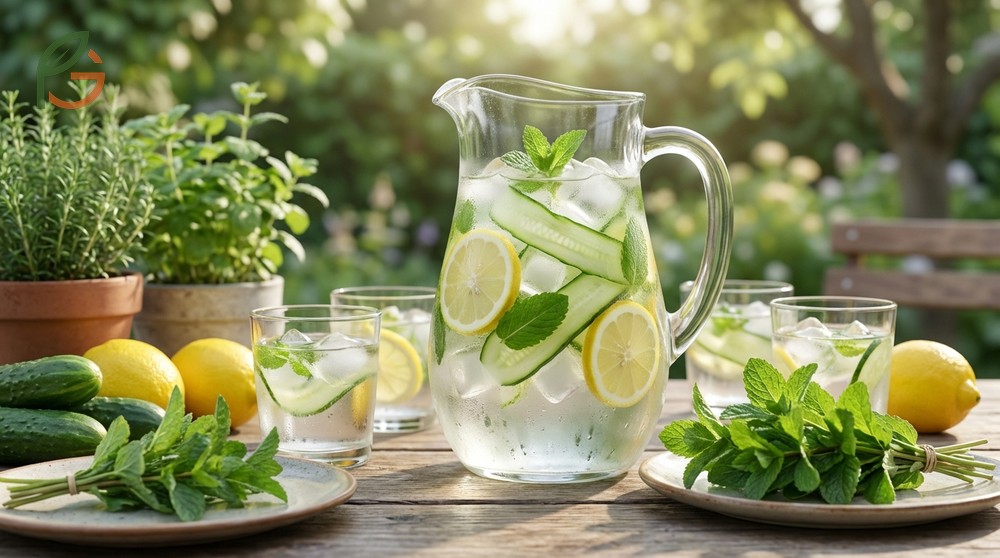
Lemon mint cucumber water delivers hydration, supports weight management, and provides antioxidants through a simple combination of fresh ingredients. Research shows this infused water contains approximately 95% water content[1] from cucumbers alone, making it exceptionally effective for maintaining fluid balance. FruitGarden combines current nutritional research with practical gardening insights to help you maximize the health benefits of homegrown produce in refreshing beverages.
Quick Answer
- Provides zero-calorie hydration that replaces sugary drinks for weight management[1]
- Delivers vitamin C from lemon and lime variations, supporting immune function and antioxidant protection[2]
- Contains mint compounds that support digestion and help relieve indigestion symptoms[3]
- Celery variations add potassium and antioxidants like apigenin for electrolyte balance
Lemon Mint Cucumber Water
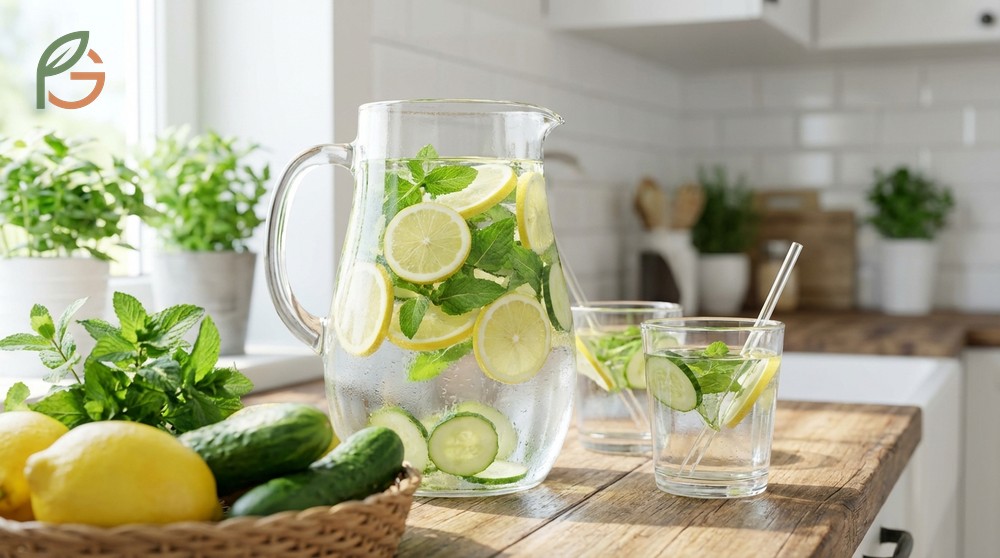
Research demonstrates that infused water combinations encourage increased fluid intake compared to plain water, addressing the common challenge of meeting daily hydration targets. Studies show that adding flavor through natural ingredients helps people drink 20-30% more water throughout the day. This matters because most adults fall short of the recommended 8-10 glasses daily.
The combination of lemon, mint, and cucumber creates a synergistic effect. Cucumbers provide the hydration base with their 95% water content[1], while lemon adds vitamin C and citric acid that enhance mineral absorption. Mint contributes menthol compounds that support digestive comfort.
Current nutritional guidance emphasizes whole-food ingredients over supplements when possible. For gardeners, growing these three ingredients provides fresh access to peak nutrient content. Harvest cucumbers at 6-8 inches for optimal water content and crisp texture.
Core Nutritional Benefits
The primary advantage lies in hydration support without added sugars or artificial sweeteners. Unlike sports drinks that contain 20-30 grams of sugar per serving, this water variation delivers zero calories while maintaining palatability. This makes it particularly effective for weight management strategies.
Mint provides digestive support through its effects on smooth muscle relaxation. Evidence suggests that mint compounds help food pass through the stomach more quickly, reducing discomfort and bloating. The mechanism involves relaxation of the gastroesophageal sphincter and improved bile flow.
- Replaces high-calorie beverages with zero-calorie alternative for weight control
- Supports skin health through improved hydration and vitamin C for collagen production
- Provides gentle digestive support without pharmaceutical interventions
- Delivers antioxidants that protect cells from oxidative stress
- Encourages consistent water intake throughout the day with appealing flavor
Important Note: While mint offers digestive benefits, those with acid reflux or GERD should use caution. Mint can relax the lower esophageal sphincter, potentially worsening reflux symptoms in sensitive individuals.
How to Prepare Basic Recipe
The preparation process takes less than 5 minutes with minimal equipment. Use a 2-quart glass pitcher for best results, as plastic can absorb flavors over time. Slice one medium cucumber thinly using a mandoline or sharp knife for maximum surface area exposure.
Add half a lemon cut into wheels and 8-10 fresh mint leaves. Muddle the mint gently by pressing with a wooden spoon to release essential oils without tearing leaves completely. Fill the pitcher with filtered water and refrigerate for 2-4 hours before serving.
- Wash all produce thoroughly, especially if not organic
- Slice one medium cucumber (about 6-8 inches) into thin rounds
- Cut half a lemon into wheels, removing seeds
- Bruise 8-10 fresh mint leaves gently to release oils
- Combine in glass pitcher with 8 cups cold filtered water
- Refrigerate 2-4 hours for optimal flavor infusion
- Consume within 24 hours for peak freshness and nutrient retention
For stronger flavor, increase steeping time to 6-8 hours overnight. The water can be refilled once over the same ingredients, though the second batch will have milder taste. Discard ingredients after 24 hours to prevent bacterial growth.
Cucumber Lime Water Benefits

Substituting lime for lemon creates a slightly different nutrient profile with distinct advantages. Limes contain comparable vitamin C levels, with one lime providing over 50% of the recommended daily intake[2]. This variation works particularly well during summer months when limes peak in availability and flavor intensity.
The tartness of lime pairs effectively with cucumber’s mild flavor. Agricultural data shows that Persian limes (the common grocery store variety) contain higher concentrations of certain flavonoids compared to lemons. These plant compounds contribute to the overall antioxidant capacity of the beverage.
Growing limes requires warmer conditions than lemons, thriving in USDA zones 9-11. For gardeners in cooler climates, Meyer lemons offer a compromise with their sweeter, less acidic profile that resembles lime characteristics.
Vitamin C Antioxidant Power
Vitamin C functions as a potent water-soluble antioxidant that neutralizes free radicals throughout the body. The vitamin C from limes enhances iron absorption from plant-based foods when consumed together. This matters for those following vegetarian or vegan diets where iron bioavailability can be lower.
Studies demonstrate that vitamin C supports collagen synthesis, the structural protein essential for skin elasticity and wound healing. Regular intake contributes to maintaining skin integrity and reducing visible signs of aging. The hydration component from cucumber water amplifies these skin benefits.
This table compares vitamin C content, flavor profile, and best uses across three citrus options for infused water recipes
| Citrus Type | Vitamin C per Fruit | Flavor Profile | Best Use |
|---|---|---|---|
| Persian Lime | 20-30mg[2] | Tart, slightly bitter | Summer drinks, tropical blends |
| Eureka Lemon | 30-40mg | Bright, acidic | Year-round use, detox water |
| Meyer Lemon | 25-35mg | Sweet, mild | Sensitive palates, evening drinks |
pH Balance and Alkalizing Effects
Despite their acidic taste, citrus fruits produce an alkalizing effect during metabolism. The body metabolizes citric acid into alkaline byproducts that can help neutralize excess acidity from diet and stress. This doesn’t significantly alter blood pH, which remains tightly regulated, but may influence urine pH.
Current evidence doesn’t strongly support the “alkaline diet” theory for disease prevention. However, increasing fruit and vegetable intake through vehicles like infused water provides documented benefits for cardiovascular health and inflammation reduction. The mechanism relates more to phytonutrient content than pH effects.
Celery Cucumber Juice Benefits
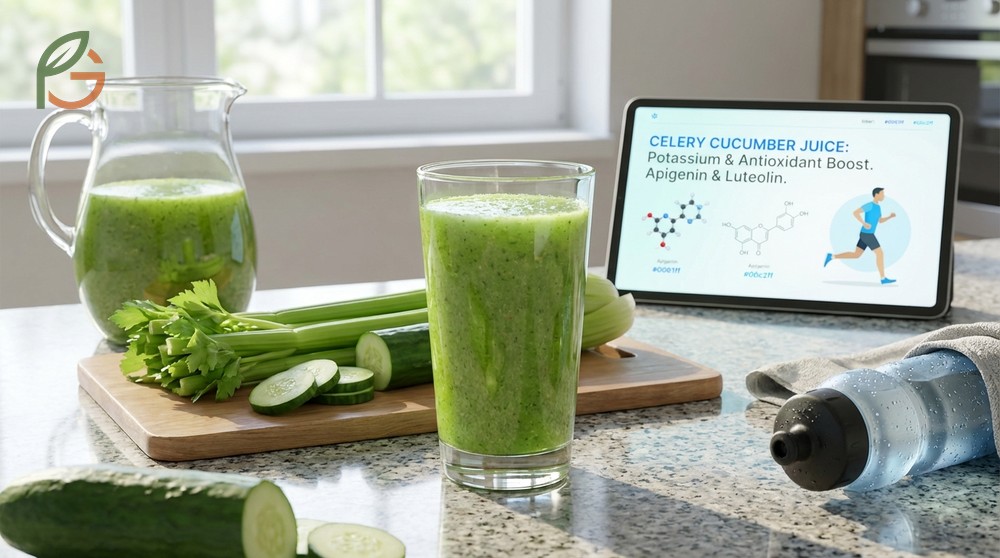
This variation transforms the drink from infused water to a more nutrient-dense juice when ingredients are blended rather than steeped. Celery adds a distinct mineral profile with notable potassium content that supports electrolyte balance during hot weather or after exercise. The vegetable’s crisp texture blends smoothly with cucumber’s mild flavor.
Agricultural research shows celery contains apigenin and luteolin, two flavonoid compounds with demonstrated antioxidant properties in laboratory studies. While human clinical trials remain limited, preliminary evidence suggests these compounds may offer mild anti-inflammatory effects. The concentration in juice form exceeds that of infused water.
For gardeners, celery requires consistent moisture and cool temperatures, performing best in spring and fall plantings. Harvest outer stalks first, allowing the plant to continue producing from the center. Freshly harvested celery contains peak nutrient levels that decline during storage.
Electrolyte and Mineral Content
Electrolytes regulate fluid balance, nerve signaling, and muscle function throughout the body. Celery provides sodium, potassium, and magnesium in moderate amounts that contribute to daily mineral needs. One cup of celery contains approximately 80mg of sodium, making it one of few vegetables with naturally occurring sodium.
This natural sodium content makes celery cucumber juice particularly useful for replacing electrolytes lost through perspiration. Unlike commercial sports drinks with artificial additives, this combination delivers minerals through whole-food sources. The potassium-to-sodium ratio supports healthy blood pressure maintenance.
- Potassium supports heart rhythm regulation and muscle contraction
- Magnesium contributes to energy production and protein synthesis
- Sodium aids fluid retention and prevents excessive water loss
- Trace minerals like manganese support antioxidant enzyme function
- Natural mineral balance avoids the excess sodium found in processed drinks
Anti-Inflammatory Compounds
Laboratory research identifies apigenin as a bioactive compound in celery with potential anti-inflammatory mechanisms. These studies show apigenin can modulate inflammatory pathways in cell cultures, though translating these findings to human health requires caution. The amounts consumed through juice may not reach therapeutic levels seen in controlled studies.
Evidence suggests that overall dietary patterns rich in vegetables provide more reliable anti-inflammatory benefits than individual compounds. The synergistic effect of multiple phytonutrients working together appears more important than isolated ingredients. Celery cucumber juice contributes to this beneficial pattern when part of a varied diet.
Preparation Tip: Blending produces a thicker consistency with more fiber compared to juicing, which removes pulp. For maximum nutrient retention, consume blended versions immediately and store in opaque containers to prevent light-induced vitamin degradation.
Pineapple Cucumber Ginger Blend
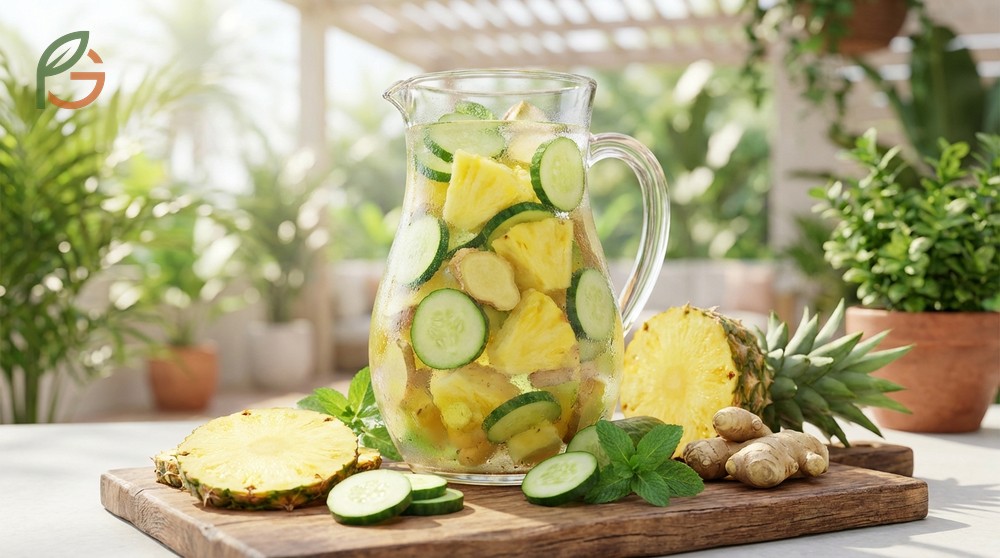
This tropical variation adds enzymatic activity through pineapple’s bromelain content and digestive support from ginger’s bioactive compounds. The combination creates a more complex flavor profile that appeals to those seeking alternatives to plain cucumber water. Research supports specific mechanisms for both pineapple and ginger’s health effects.
Pineapple cultivation requires tropical or subtropical climates (zones 10-11), limiting home growing for most U.S. gardeners. Container growing offers an option for protected environments, though fruit production takes 18-24 months. Fresh pineapple contains higher bromelain concentrations than canned, which undergoes heat processing that denatures enzymes.
Ginger grows successfully in partial shade with consistent moisture and warm temperatures. Harvest rhizomes after 8-10 months when leaves begin yellowing. Fresh ginger provides more potent compounds than dried powder, with peak harvest occurring in fall months.
Bromelain Digestive Enzyme
Bromelain represents a complex mixture of protein-digesting enzymes extracted from pineapple stems and fruit. Research shows that approximately 40% of bromelain is absorbed in its active form[4] through the gastrointestinal tract, with peak blood concentrations occurring one hour after consumption. This absorption rate allows the enzyme to exert systemic effects beyond local digestive action.
Studies demonstrate that bromelain can break down proteins into amino acids, potentially aiding digestion of protein-rich meals. The enzyme shows stability in stomach acid, with approximately 30% remaining active after 4 hours in simulated gastric juice[4]. This stability matters for achieving digestive benefits when consumed with food.
Clinical applications of bromelain extend beyond digestion to include potential anti-inflammatory effects. However, the doses studied in research typically exceed amounts obtained through dietary pineapple consumption. Using pineapple in beverages contributes to overall enzyme intake but shouldn’t replace targeted supplementation when therapeutic doses are needed.
Ginger for Nausea Relief
Clinical trials provide consistent evidence that ginger effectively reduces nausea and vomiting across multiple contexts. A systematic review of studies found that ginger demonstrated superior effects compared to placebo for several nausea types[5]. The research particularly supports ginger’s use for pregnancy-related morning sickness and post-operative nausea.
The active compounds in ginger, including gingerols and shogaols, interact with serotonin receptors involved in nausea signaling. This mechanism differs from pharmaceutical anti-nausea medications, offering an alternative for those seeking natural approaches. Doses used in successful studies typically range from 1-2 grams daily of fresh ginger.
When adding ginger to cucumber pineapple water, start with a small amount (1/4 inch slice) and adjust based on tolerance. Ginger’s spicy compounds intensify during steeping, potentially overwhelming other flavors if overused. Fresh ginger provides more balanced flavor than ground, which can taste harsh in cold beverages.
| Variation | Pineapple | Ginger | Best Timing |
|---|---|---|---|
| Morning Energy | 1 cup chunks | 1-inch piece | Consume with breakfast |
| Digestive Aid | 1/2 cup chunks | 1/2-inch piece | 30 minutes before meals |
| Mild Refresher | 1/2 cup chunks | 1/4-inch piece | Afternoon hydration |
Conclusion
The evidence demonstrates that lemon mint cucumber water and its variations provide practical hydration solutions with measurable benefits. Research supports hydration enhancement, modest weight management assistance through calorie displacement, and delivery of beneficial plant compounds from fresh ingredients. Current nutritional guidance emphasizes these whole-food approaches over processed beverage alternatives.
For optimal results, rotate through different variations to prevent flavor fatigue and maximize diverse nutrient intake. FruitGarden emphasizes growing your own cucumbers, herbs, and compatible fruits to ensure peak freshness and nutrient density while reducing environmental impact from commercial agriculture and transportation.
Medical Disclaimer
Important Medical Disclaimer: This content is for informational and educational purposes only. It’s not intended as a substitute for professional medical advice, diagnosis, or treatment. Always consult a qualified healthcare professional before making any changes to your diet, especially if you have medical conditions like diabetes, kidney disease, GERD, or take medications that may interact with citrus, ginger, or high-potassium foods. Pregnant individuals should consult their healthcare provider before consuming ginger in therapeutic amounts.
Frequently Asked Questions
What are the main benefits of lemon mint cucumber water?
The primary benefits include zero-calorie hydration that supports weight management, improved water intake through enhanced flavor, vitamin C from lemon for immune function and skin health, and mint’s digestive support properties[3]. The cucumber’s 95% water content provides exceptional hydration efficiency[1].
How long can I store cucumber water variations in the refrigerator?
Consume infused water within 24 hours for optimal freshness and safety. After this period, ingredient breakdown and potential bacterial growth can compromise quality. You can refill the pitcher once with fresh water over the same ingredients, but discard all produce after 24 hours total. Store in glass containers rather than plastic to prevent flavor absorption.
Can cucumber lime water help with weight loss?
Cucumber lime water supports weight loss indirectly by replacing high-calorie beverages with a zero-calorie alternative. Research shows that staying hydrated helps control appetite, as thirst is often confused with hunger. However, it won’t directly burn fat or target belly fat. Effective weight management requires combining adequate hydration with balanced nutrition and regular physical activity.
What’s the difference between infused water and blended juice versions?
Infused water involves steeping ingredients in water to extract flavor and some nutrients, resulting in a low-calorie drink with subtle taste. Blended or juiced versions contain the whole ingredients (or their juice), providing significantly more nutrients, fiber (if blended), and calories. Juicing removes fiber while concentrating sugars and nutrients. Choose based on your goals: hydration emphasis versus nutrient density.
How much ginger should I add to pineapple cucumber water?
Start with a 1/4-inch slice of fresh ginger for 2 quarts of water and adjust based on taste preference. Research showing nausea relief typically uses 1-2 grams daily of fresh ginger[5], roughly equivalent to a 1/2 to 1-inch piece. Too much ginger creates overwhelming spiciness. Peel the ginger and slice thinly for better flavor distribution.
Does bromelain in pineapple cucumber juice really aid digestion?
Research confirms that bromelain helps break down proteins and shows 40% absorption in active form through the digestive tract[4]. However, therapeutic doses studied in clinical settings exceed amounts typically obtained from dietary pineapple. Fresh pineapple in beverages contributes beneficial enzymes but shouldn’t replace medical treatment for serious digestive disorders.
Are there any side effects from drinking cucumber water daily?
Cucumber water is generally safe for daily consumption with minimal side effects for most people. Potential concerns include excessive vitamin K intake if consuming large amounts (relevant for those on blood thinners), possible digestive discomfort from mint in individuals with GERD, and rare allergic reactions to cucurbitacins in cucumbers. Those with kidney issues should consult healthcare providers about potassium content in celery variations.





