

Does lemon water help with bloating? Yes, research shows it can. Studies demonstrate that lemon water stimulates gastric secretions and speeds up stomach emptying, which helps reduce bloating and improve digestion[1]. The acidic nature of lemons triggers digestive enzymes while the water content flushes out excess sodium that contributes to water retention[2]. FruitGarden synthesizes current research and practical gardening insights to help you understand how citrus fruits support digestive wellness.
Quick Answer
- Lemon water increases gastric secretions by 1.5 times and speeds stomach emptying[1]
- Drinking it first thing in the morning helps stimulate bowel movements and reduce constipation-related bloating[3]
- Lemon’s natural diuretic properties help flush excess water retention that causes bloating
- Best consumed warm with juice from half a lemon in 8 oz of water before breakfast
Does Lemon Water Help with Bloating
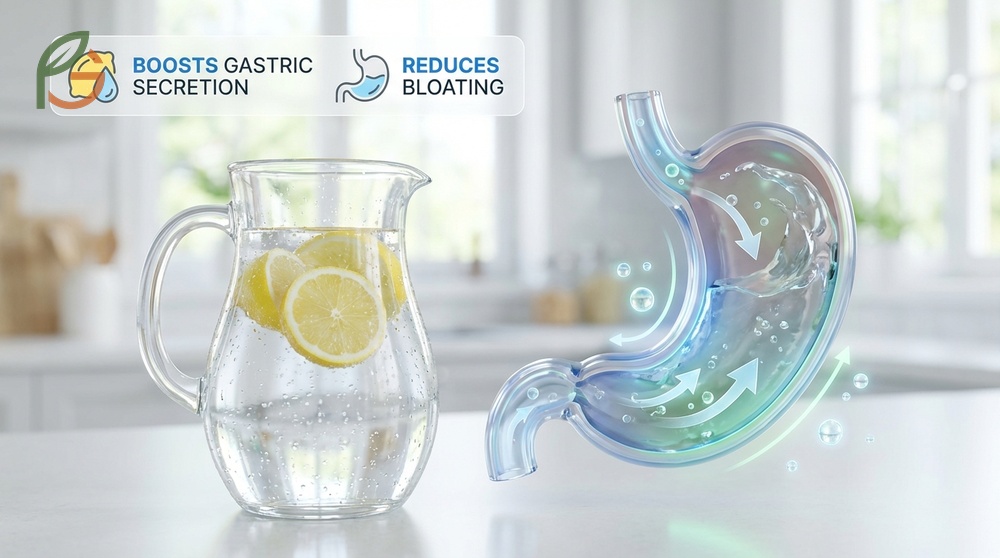
Research demonstrates that lemon water can effectively reduce bloating through multiple mechanisms. A 2022 clinical study found that lemon juice increased gastric secretion volume by 1.5-fold compared to plain water, helping the stomach process food more efficiently[1]. This enhanced digestive activity means less food sits stagnant in your gut, which directly reduces the gas buildup that causes bloating.
The citric acid in lemons triggers your body to produce more bile and digestive enzymes. When you drink lemon water 15-30 minutes before eating, you’re essentially preparing your digestive system for incoming food. Most people notice reduced post-meal bloating when they make this a daily habit, especially if they’ve struggled with sluggish digestion.
Hydration plays a crucial role too. Plain water helps flush sodium from your system, but lemon water enhances this effect through its mild diuretic properties[4]. You’re not just drinking water—you’re actively supporting your body’s natural detoxification processes.
How Lemon Water Affects Digestion
Lemon water’s impact on digestion starts the moment it hits your tongue. The sour taste stimulates saliva production, which contains enzymes that begin breaking down carbohydrates. This kickstarts the entire digestive cascade before food even reaches your stomach.
The ascorbic acid (vitamin C) in lemons also supports healthy gut bacteria balance. Evidence suggests that vitamin C creates an environment where beneficial bacteria thrive while inhibiting harmful bacteria that produce excess gas[4]. Think of it as fertilizer for your gut garden—you’re cultivating the right microorganisms.
- Stimulates production of stomach acid and digestive enzymes
- Increases bile flow from the liver, which helps break down fats
- Relaxes intestinal muscles to improve food movement through the digestive tract
- Contains hesperidin, a citrus compound that reduces inflammation in the gut
- Balances stomach pH levels for optimal protein digestion
Important Note: If you have acid reflux or GERD, lemon water might worsen your symptoms. The acidity can trigger heartburn in sensitive individuals, so start with a small amount and monitor your response.
The Science Behind Gastric Emptying
Gastric emptying refers to how quickly your stomach moves food into your small intestine. When this process is too slow, food ferments and produces gas—the primary culprit behind bloating. Research shows lemon juice accelerates gastric emptying by approximately 1.5 times compared to water alone[1].
Faster isn’t always better though. What’s remarkable about lemon water is that it speeds up emptying while simultaneously lowering the glycemic response to meals. You get efficient digestion without the blood sugar spikes that can disrupt your energy levels and hunger cues throughout the day.
Does Lemon Water Help with Constipation
Lemon water is a gentle, natural remedy for constipation that’s been recommended by digestive health experts for decades. The Bladder and Bowel Community suggests drinking water mixed with juice from half a lemon before bed and again upon waking to encourage bowel movements[3]. This timing works because it stimulates your digestive system during its most active periods.
The combination of citric acid and warm water creates a mild laxative effect without the harsh side effects of pharmaceutical options. Many people find this approach more sustainable for daily use, especially when constipation is chronic rather than occasional.
Constipation-related bloating happens when stool builds up in your colon, creating pressure and gas. By promoting regular bowel movements, lemon water addresses the root cause rather than just masking symptoms. You’ll notice your abdomen feels less distended and tight when your system is moving properly.
Morning Routine for Digestion
Starting your day with lemon water sets up your digestive system for success. Here’s why the morning matters: your body has been fasting overnight, your stomach is empty, and your intestines are ready to process waste. Drinking lemon water on an empty stomach maximizes its cleansing effect.
The ritual itself also matters. Taking 5-10 minutes to slowly sip warm lemon water signals to your nervous system that it’s time to transition from sleep mode to active digestion. This mindful approach can be just as important as the lemon water itself.
- Squeeze juice from half a fresh lemon (about 2 tablespoons) into 8 oz warm water
- Drink it 20-30 minutes before breakfast for maximum digestive benefit
- Use a straw to protect tooth enamel from citric acid exposure
- Wait at least 30 minutes before brushing teeth to avoid enamel damage
- Follow with a balanced breakfast that includes fiber and protein
- Stay consistent—benefits build over 2-4 weeks of daily use
Warm vs Cold Lemon Water
Temperature makes a difference. Warm lemon water (around 98-105°F or 37-40°C) is more effective for constipation than cold because it stimulates peristalsis—the wave-like muscle contractions that move food through your intestines. Cold water can actually slow digestion temporarily by constricting blood vessels in your stomach.
However, if bloating is your primary concern rather than constipation, room temperature lemon water works fine. The key active ingredients—citric acid and vitamin C—remain effective regardless of temperature. Choose what you’ll actually drink consistently rather than forcing yourself to consume something unpleasant.
Timing Tip: Don’t drink lemon water immediately after meals. This can dilute digestive enzymes and slow down food breakdown. Stick to 20-30 minutes before eating or wait 1-2 hours after.
Lemon Water for Water Retention
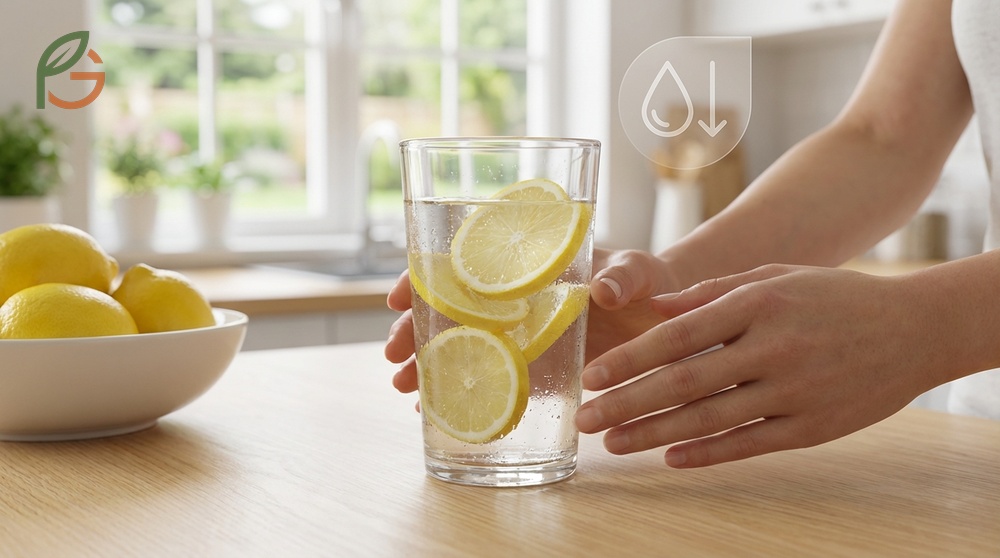
Water retention—when your body holds onto excess fluid—can make you feel bloated and puffy even when you’re not experiencing digestive gas. Lemon water tackles this through its natural diuretic effect, which means it helps increase urine production and flush out accumulated fluid. This is especially helpful for reducing that “swollen” feeling in your abdomen, hands, and feet.
The mechanism is straightforward: vitamin C in lemons acts as a mild diuretic without the harsh dehydrating effects of pharmaceutical diuretics. You’re encouraging your kidneys to release excess sodium and water while still maintaining proper hydration levels. It’s a gentler, more balanced approach to reducing water weight.
Most people notice reduced water retention within 3-5 days of consistently drinking lemon water twice daily. The effect isn’t dramatic—you won’t lose pounds overnight—but you’ll feel less bloated and your clothes will fit more comfortably. This makes lemon water particularly useful during hormonal fluctuations when water retention tends to spike.
Diuretic Properties Explained
Lemons contain compounds that signal your kidneys to increase filtration and urine output. Unlike caffeine-based diuretics that can lead to dehydration, lemon water provides the fluid your body needs while encouraging it to release what it doesn’t. You’re hydrating and detoxifying simultaneously.
The diuretic effect isn’t so strong that it’ll have you running to the bathroom every 20 minutes. Instead, you’ll notice a modest increase in urination frequency—maybe one or two extra trips daily. This gentle action is actually safer for long-term use compared to stronger diuretics that can disrupt electrolyte balance.
- Potassium content helps regulate fluid balance and counteract sodium
- Citric acid increases kidney filtration rate without excessive strain
- Antioxidants reduce inflammation that can contribute to fluid accumulation
- Improved circulation helps prevent fluid pooling in extremities
- Supports lymphatic drainage, which removes metabolic waste and excess fluid
Foods That Cause Bloating

Understanding which foods trigger bloating helps you make informed choices about your diet. The International Foundation for Gastrointestinal Disorders identifies several categories of gas-producing foods, most of which contain carbohydrates that your small intestine can’t fully digest[5]. When these carbs reach your colon, bacteria ferment them and produce gas as a byproduct.
You don’t need to eliminate these foods entirely—many offer important nutrients. The strategy is to moderate portions and pair bloat-inducing foods with digestive aids like lemon water. For instance, drinking warm lemon water before a bean-heavy meal can help your stomach prepare for the digestive challenge ahead.
Individual tolerance varies widely. What bloats one person might not affect another, depending on gut bacteria composition, enzyme production, and eating speed. Keep a food diary for 2-3 weeks to identify your personal triggers rather than avoiding entire food groups unnecessarily.
This table compares common bloating trigger foods, their primary gas-causing compounds, and suggested alternatives for people with sensitive digestion
| Food Category | Primary Culprit | Why It Causes Gas | Better Alternative |
|---|---|---|---|
| Beans & Legumes | Raffinose[5] | Complex sugar that ferments in colon | Soaked and rinsed beans, lentils |
| Cruciferous Vegetables | Raffinose + Fiber | Double whammy of fermentable compounds | Cooked spinach, zucchini, tomatoes |
| Dairy Products | Lactose | Many adults lack enzyme to break it down | Lactose-free milk, hard cheeses, yogurt |
| Carbonated Drinks | CO2 Bubbles | Gas goes directly into digestive tract | Lemon water, herbal tea, still water |
| Onions & Garlic | Fructans | FODMAPs that ferment rapidly | Garlic-infused oil, chives, fennel |
Processing Matters: Soaking beans overnight and discarding the water removes up to 75% of gas-causing compounds. Similarly, cooking cruciferous vegetables breaks down some of the fiber, making them easier to digest than raw versions.
Natural Remedies for Bloating

Beyond lemon water, several natural remedies can help manage bloating without resorting to over-the-counter medications. These plant-based solutions work by supporting different aspects of digestion—some reduce inflammation, others stimulate enzyme production, and some relax intestinal muscles to improve motility.
The advantage of natural remedies is that they’re gentle enough for daily use and often provide additional health benefits beyond digestive support. You’re not just treating symptoms; you’re supporting your body’s natural healing processes. That said, they work best as part of a holistic approach that includes proper hydration, regular movement, and stress management.
Consistency is crucial. Most herbal remedies need 1-2 weeks of regular use before you’ll notice significant improvement. Don’t expect instant results, but do expect sustainable relief once your system adjusts.
Ginger Tea for Digestion
Ginger’s powerful anti-inflammatory compounds help reduce gut inflammation that contributes to bloating. Studies show ginger stimulates gastric emptying and can reduce the time food sits in your stomach by up to 50%[6]. This means less fermentation, less gas, and less bloating overall.
Fresh ginger tea works better than powdered supplements because it contains higher concentrations of gingerols—the active compounds responsible for digestive benefits. Steep 1-2 teaspoons of grated fresh ginger in hot water for 10 minutes, strain, and drink 20-30 minutes before meals. You can combine it with lemon for enhanced effects.
Peppermint Tea Benefits
Peppermint relaxes the smooth muscles of your intestines, which helps move gas through your system more efficiently. Research shows peppermint oil can reduce bloating and abdominal pain in people with IBS by up to 40%[6]. While peppermint tea is less concentrated than oil capsules, it still provides meaningful relief for mild to moderate bloating.
Drink peppermint tea after meals rather than before. The menthol compounds work best when there’s already food in your stomach to help process. Avoid it if you have acid reflux though—peppermint can relax the lower esophageal sphincter and worsen heartburn.
- Fennel seeds—chew 1 teaspoon after meals to reduce gas and cramping
- Chamomile tea—calms digestive inflammation and reduces stress-related bloating
- Probiotic-rich foods—yogurt, kefir, and sauerkraut balance gut bacteria
- Walking after meals—gentle movement helps gas pass through your system
- Warm compress on abdomen—heat relaxes intestinal muscles and eases discomfort
- Mindful eating—chewing thoroughly and eating slowly reduces swallowed air
Conclusion
The evidence is clear: lemon water can help with bloating through multiple mechanisms—it stimulates digestive enzymes, speeds gastric emptying, promotes bowel movements, and acts as a mild diuretic to reduce water retention. Research shows it increases gastric secretions by 1.5-fold while lowering glycemic response, making it a smart addition to your daily routine[1].
Current guidance emphasizes starting with warm lemon water first thing in the morning—juice from half a lemon in 8 oz of water, consumed 20-30 minutes before breakfast. Combine this with awareness of bloating trigger foods and other natural remedies like ginger or peppermint tea for comprehensive digestive support. FruitGarden encourages growing your own lemon trees when possible, ensuring access to fresh, organic citrus that maximizes health benefits while supporting sustainable home gardening practices.
Medical Disclaimer
Important Medical Disclaimer: This content is for informational and educational purposes only. It’s not intended as a substitute for professional medical advice, diagnosis, or treatment. Always consult a qualified healthcare professional before making any changes to your diet, medication, or health routine, especially if you have chronic digestive conditions, acid reflux, kidney problems, or are taking medications. Lemon water may interact with certain medications or worsen specific health conditions.
Frequently Asked Questions
Does lemon water make you poop?
Yes, lemon water can stimulate bowel movements through its mild laxative effect. The combination of citric acid and warm water encourages intestinal contractions and helps soften stool, making it easier to pass. For best results, drink it first thing in the morning on an empty stomach and again before bed[3].
How much lemon water should I drink daily for bloating?
Start with one 8 oz glass of lemon water (juice from half a lemon) first thing in the morning. If you tolerate it well, you can add a second glass 30 minutes before dinner. Don’t exceed 2-3 glasses daily, as excessive citric acid can erode tooth enamel and irritate your stomach lining. Always drink through a straw and rinse your mouth with plain water afterward.
Can lemon water worsen bloating for some people?
Yes, the acidic properties of lemon can cause stomach irritation and actually increase bloating in people with acid reflux, gastritis, or sensitive stomachs[2]. If you experience increased discomfort, heartburn, or stomach pain after drinking lemon water, discontinue use and try gentler alternatives like plain warm water or herbal teas.
How long does it take for lemon water to reduce bloating?
You might notice some relief within 30-60 minutes if bloating is caused by water retention or sluggish digestion. However, for chronic bloating issues, it typically takes 1-2 weeks of consistent daily use to see meaningful improvement. The benefits build over time as your digestive system adjusts and your gut bacteria balance improves.
Is warm or cold lemon water better for bloating?
Warm lemon water (98-105°F or 37-40°C) is more effective because it stimulates peristalsis—the intestinal contractions that move food and gas through your system. Cold water can temporarily slow digestion by constricting blood vessels. However, room temperature lemon water still provides digestive benefits if you prefer it over warm.
What other natural remedies work well with lemon water for bloating?
Ginger tea, peppermint tea, and fennel seeds complement lemon water’s effects. Ginger reduces inflammation and speeds gastric emptying, while peppermint relaxes intestinal muscles[6]. You can also add probiotic foods like yogurt, take short walks after meals, and avoid carbonated beverages for comprehensive bloating relief.
Should I use fresh lemons or bottled lemon juice?
Fresh lemons are significantly better. They contain higher concentrations of vitamin C, enzymes, and beneficial compounds that degrade during processing and storage. Bottled lemon juice often contains preservatives that can irritate your digestive system. If you grow lemon trees at home, you’ll have the freshest possible source with maximum digestive benefits and no added chemicals.





