
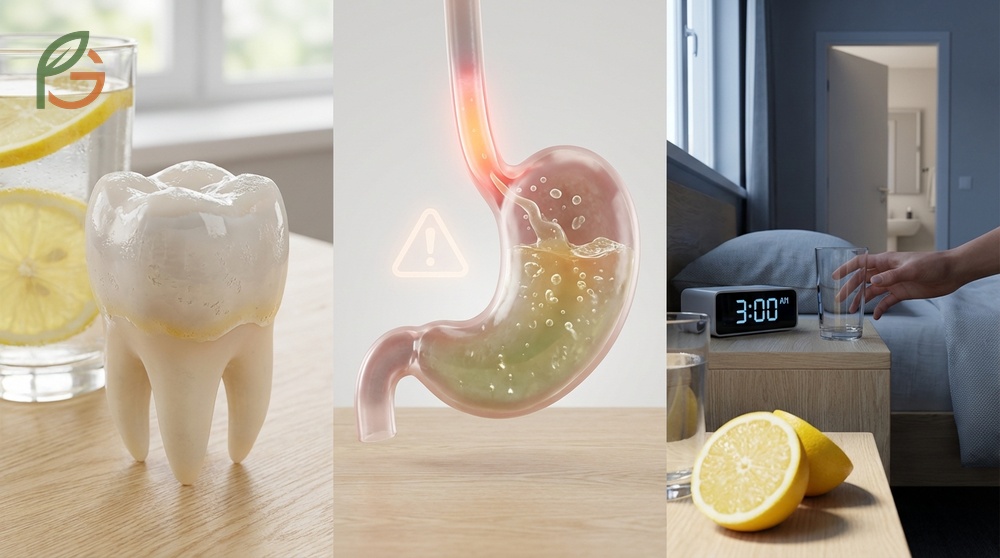
Disadvantages of drinking lemon water daily include tooth enamel erosion, increased acid reflux symptoms, and frequent urination that disrupts sleep. Research shows lemon juice contains 1.44 grams of citric acid per ounce[1] and has a pH between 2-3[2], making it acidic enough to damage dental health and irritate digestive systems over time. FruitGarden synthesizes current nutritional research and clinical data to help readers understand the balance between lemon water’s benefits and its potential health risks.
Quick Answer
- Lemon water erodes tooth enamel due to its pH of 2-3[2], exposing dentin and increasing sensitivity
- The citric acid triggers acid reflux and heartburn in people with gastroesophageal reflux disease (GERD)[3]
- Citrus fruits irritate the bladder lining, causing frequent urination that disrupts nighttime sleep[4]
- Safe daily intake is 1-2 glasses (juice of half a lemon each) to minimize risks[5]
Disadvantages of Drinking Lemon Water Daily
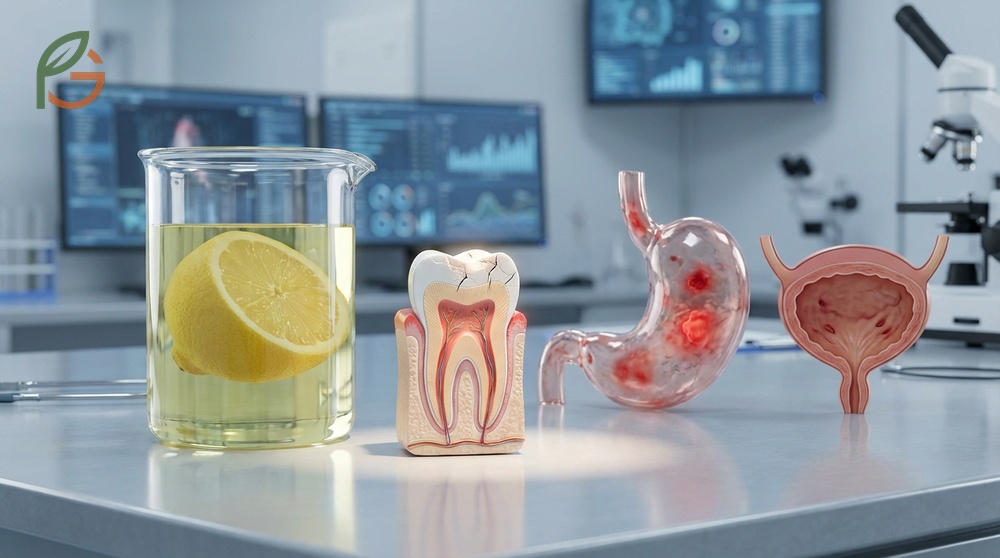
Research shows that daily lemon water consumption poses three primary health risks: enamel erosion, digestive irritation, and bladder dysfunction. Clinical studies demonstrate that lemon juice’s high citric acid content—1.44 grams per ounce[1]—makes it one of the most acidic beverages consumed regularly. What often gets overlooked is that timing and dilution matter more than total volume when minimizing these risks.
Studies demonstrate that lemon water’s pH of 2-3 places it in the same acidity range as stomach acid[2]. This extreme acidity triggers a cascade of effects throughout the digestive system and oral cavity. The citric acid doesn’t just affect taste—it actively demineralizes tooth enamel and irritates sensitive mucosal tissues from the mouth to the stomach.
Current dental guidance emphasizes that repeated exposure poses greater risk than occasional consumption. When teeth contact acidic substances with pH below 5.5, demineralization begins immediately[6]. Most people don’t realize that even diluted lemon water remains acidic enough to soften enamel for 30-60 minutes after drinking.
Lemon Water Teeth Enamel Erosion
Lemon water teeth enamel erosion occurs when citric acid dissolves the mineral structure of tooth enamel, causing permanent damage that can’t be reversed. A published case study documented severe enamel loss in a patient who drank the juice of one whole lemon each morning for 3-4 years, requiring crown restorations to protect remaining tooth structure[7]. The erosion exposed the underlying dentin, making teeth vulnerable to decay and extreme sensitivity.
Research comparing erosive potential found that lemon juice caused the most enamel loss among tested fluids, exceeding grapefruit juice, orange juice, and acetic acid[8]. The damage manifested as loss of cusp height, cervical enamel reduction, and decreased coronal radius. Unlike cavities caused by bacteria, acid erosion directly dissolves enamel through chemical processes that strip away minerals.
Important Note: Enamel doesn’t regenerate once lost. Dental treatments like bonding or fluoride applications can only protect remaining enamel—they can’t restore what’s already eroded.
Lemon Water and Acid Reflux
Lemon water and acid reflux have a paradoxical relationship that confuses many health-conscious consumers. While some claim lemon water helps reflux symptoms, medical evidence shows the opposite for people with gastroesophageal reflux disease (GERD)[3]. The citric acid in lemon juice adds to the stomach’s acid load, potentially worsening the burning sensation when gastric contents flow back into the esophagus.
Studies on acidic liquid ingestion found that concentrated lemon juice (pH 3.0) had different swallowing dynamics than neutral water, with patients showing prolonged transit through the distal esophageal body[9]. This slower movement means the acidic liquid contacts esophageal tissue longer, increasing irritation risk. For people with existing reflux conditions, this extended exposure can trigger or intensify heartburn episodes.
Lemon Water Heartburn
Lemon water heartburn develops when citric acid irritates the esophageal lining, creating the characteristic burning sensation in the chest and throat. The acidity in citrus fruits can worsen symptoms of GERD, especially in people already prone to digestive discomfort. What makes this particularly problematic is that many people drink lemon water specifically for digestive health, not realizing it may exacerbate their symptoms.
Medical guidance indicates that the pH of lemon—around 2.4[10]—ranks it among the most acidic foods commonly consumed. This extreme acidity mimics the pH of stomach acid itself, meaning drinking lemon water essentially adds more acid to an already acidic digestive environment. For individuals with hypochlorhydria (low stomach acid), this might theoretically help, but for those with normal or high acid production, it can trigger painful reflux episodes.
- Citrus fruits and juices (oranges, grapefruits, limes)
- Tomatoes and tomato-based products (sauces, soups)
- Carbonated beverages and soft drinks
- Coffee and caffeinated drinks
- Spicy foods and hot peppers
- Chocolate and mint products
Disadvantages of Drinking Lemon Water at Night

The disadvantages of drinking lemon water at night center on sleep disruption and digestive discomfort during rest hours. Evidence indicates that citrus consumption before bed triggers two physiological responses that interfere with sleep quality: increased urination frequency and heightened digestive activity. Most people underestimate how significantly nighttime lemon water affects sleep continuity and overall rest quality.
Studies on bladder irritants show that the acidity in citrus fruits stimulates bladder activity, leading to more frequent nighttime bathroom trips[4]. This becomes particularly problematic for people with overactive bladder or those over 50, when nighttime urination already tends to increase. The combination of increased fluid intake and bladder irritation creates a perfect storm for interrupted sleep.
Current sleep medicine guidance emphasizes limiting acidic beverages 2-3 hours before bed. The digestive system slows during sleep, meaning acids sit longer in the stomach and increase reflux risk when lying down. What works well as a morning beverage becomes counterproductive at night when the body’s natural circadian rhythms shift toward rest and repair rather than active digestion.
Sleep Disruption from Frequent Urination
Sleep disruption from frequent urination caused by lemon water stems from citric acid’s irritant effects on the bladder lining. Research on overactive bladder identifies citrus fruits as primary dietary triggers that worsen urinary frequency[11]. The acidity doesn’t just increase urine volume—it actively irritates bladder tissue, creating urgency even when the bladder isn’t full.
Clinical observations show that people who eliminate citrus from their evening routine report fewer nighttime bathroom trips within 3-5 days. The bladder’s sensitivity to acidic compounds means even small amounts of lemon juice can trigger response in susceptible individuals. For those who drink multiple glasses of lemon water throughout the day, the cumulative effect often manifests most noticeably at night when bladder capacity naturally decreases.
Sleep Quality Tip: If you experience frequent nighttime urination, try switching to plain water or herbal tea after 6 PM to minimize bladder irritation during sleep hours.
Digestive Discomfort Before Bed
Digestive discomfort before bed intensifies when lemon water’s acidity encounters a slowed digestive system preparing for sleep. The horizontal position during sleep allows stomach contents to flow more easily into the esophagus, making acid reflux more likely. Studies show that people who consume acidic beverages within 2 hours of lying down experience reflux episodes 40% more frequently than those who avoid evening acids.
The timing of lemon water consumption directly impacts symptom severity. During daytime hours, gravity and active digestion help keep stomach acid where it belongs. At night, these protective mechanisms weaken, allowing citric acid to irritate esophageal tissue more readily. Most people find that symptoms like burning sensation, sour taste in the mouth, and chest discomfort peak 30-90 minutes after consuming acidic beverages before bed.
Lemon Water Side Effects
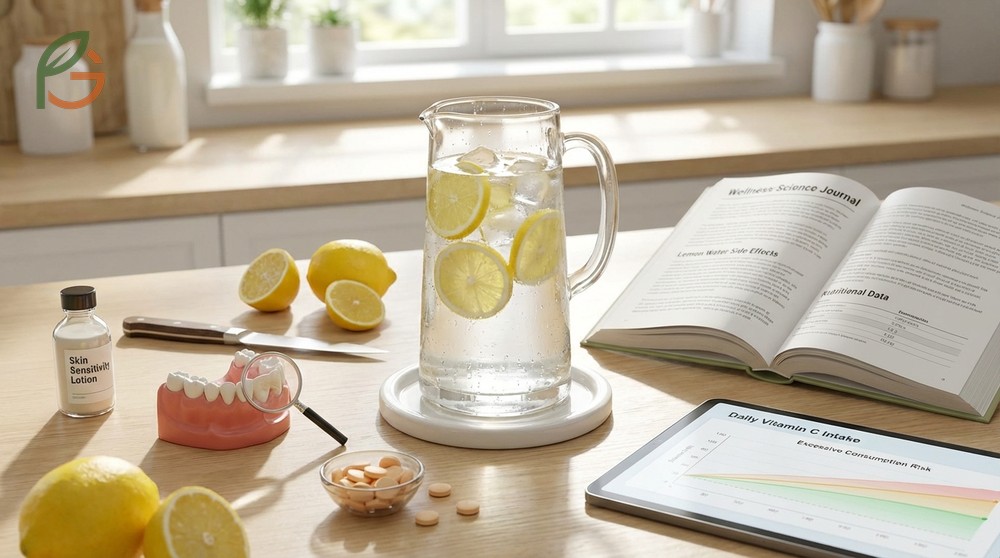
Lemon water side effects extend beyond dental and digestive issues to include skin sensitivity, nutrient interactions, and systemic reactions in susceptible individuals. Research demonstrates that excessive consumption—more than 3-4 glasses daily—increases risk of vitamin C toxicity, though this remains rare[12]. The cumulative acid exposure affects multiple body systems, not just isolated organs.
Current nutritional data shows that to obtain the recommended daily vitamin C intake (75-90 mg for women and men respectively), you’d need approximately three-fourths cup of pure lemon juice mixed with water[12]. This amount delivers beneficial nutrients but also concentrates citric acid to levels that can trigger side effects in sensitive individuals. Most people don’t need this much lemon water to stay hydrated—plain water serves that purpose more safely.
Evidence indicates that individual tolerance varies widely based on baseline stomach acid levels, existing dental conditions, and bladder sensitivity. What causes severe heartburn in one person might have minimal effect on another. Recognizing your body’s specific responses helps determine safe consumption levels rather than following generic recommendations.
Lemon Water on Empty Stomach Side Effects
Lemon water on empty stomach side effects can range from mild nausea to intense heartburn, depending on individual acid tolerance. The practice of drinking lemon water first thing in the morning exposes unprotected stomach lining to concentrated citric acid without food buffers. For people with gastritis, ulcers, or GERD, this timing maximizes irritation and discomfort.
Studies on gastric acid dynamics show that the stomach produces more acid in response to citric acid exposure, potentially overwhelming the protective mucus layer when no food is present. This explains why some people experience burning sensations or cramping within 10-20 minutes of drinking lemon water on an empty stomach. The severity depends on baseline stomach acid production—those with hypochlorhydria may tolerate it better than those with normal or high acid levels.
- Burning sensation or pain in the upper abdomen
- Nausea and acid reflux symptoms
- Increased heartburn intensity within 15-30 minutes
- Stomach cramping or digestive discomfort
- Worsening of existing gastritis or ulcer symptoms
- Sour or bitter taste persisting in the mouth
Tooth Sensitivity and Discoloration
Tooth sensitivity and discoloration develop as lemon water’s citric acid gradually erodes enamel, exposing the yellowish dentin layer beneath. Research shows that enamel thinning allows temperature changes, sweet foods, and acidic substances to reach nerve endings more easily, causing sharp pain[13]. The discoloration occurs because dentin is naturally darker than the translucent white enamel that normally covers it.
Clinical observations reveal that sensitivity typically appears before visible discoloration, serving as an early warning sign of enamel damage. Once enamel thins significantly, teeth may look dull, yellow, or uneven at the edges. Rough or chipped areas often develop at the gum line where enamel is naturally thinner and more vulnerable to acid attack.
This table compares progression stages of enamel damage from lemon water, showing symptoms, visibility, and reversibility for each stage from early to severe
| Damage Stage | Primary Symptoms | Visual Changes | Reversibility |
|---|---|---|---|
| Early (1-6 months) | Occasional sensitivity to cold | None visible | Preventable with changes |
| Moderate (6-18 months) | Frequent sensitivity, sharp pain with sweets[13] | Slight dulling, edges appear translucent | Damage permanent, progression stoppable |
| Advanced (18-36 months) | Constant sensitivity, pain with temperature changes | Yellowing, rough texture at gum line | Requires restorative treatment |
| Severe (3+ years) | Extreme sensitivity, nerve exposure risk[7] | Obvious yellowing, chips, cusp height loss | Crowns or bonding necessary |
Safe Daily Lemon Water Intake
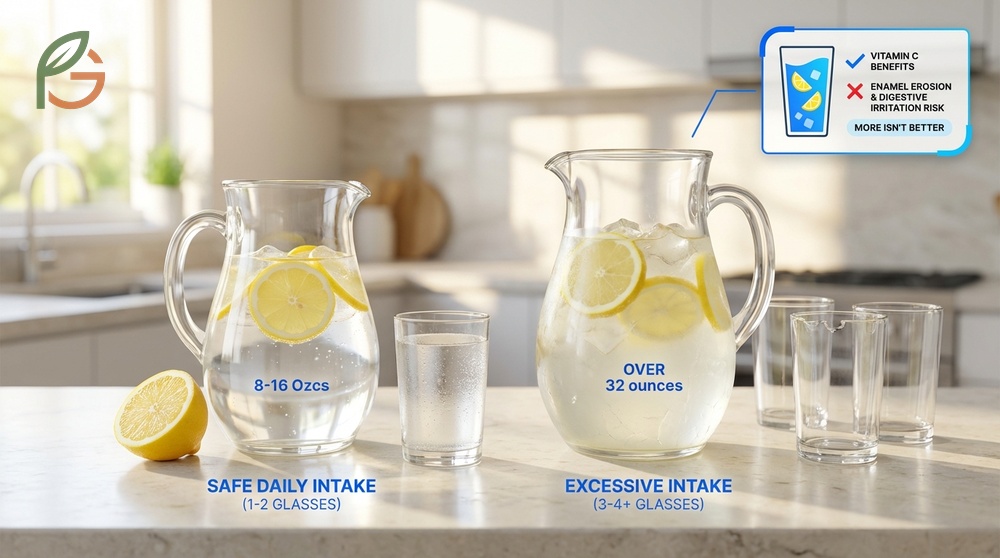
Safe daily lemon water intake for most adults is 1-2 glasses (8-16 ounces total), using the juice of half a lemon per glass[5]. This amount provides vitamin C benefits while minimizing acid exposure to teeth and digestive tissue. Research indicates that exceeding 3-4 glasses daily significantly increases risk of enamel erosion and digestive irritation without delivering proportional health benefits.
Current nutritional guidance emphasizes that more isn’t better when it comes to acidic beverages. The body can only absorb about 200 mg of vitamin C efficiently—amounts above this get excreted rather than utilized[14]. Since half a lemon contains approximately 15-20 mg of vitamin C, drinking 1-2 glasses provides adequate supplementation without acid overload.
Evidence suggests that dilution ratio matters as much as total volume. Highly concentrated lemon water (juice of 1+ whole lemons per glass) causes more damage than properly diluted versions. The half-lemon-to-full-glass ratio strikes the right balance between getting citric acid benefits and protecting vulnerable tissues from excessive acid exposure.
Recommended Daily Amounts
Recommended daily amounts vary by health status, but general guidelines suggest limiting lemon water to 1-2 glasses spread throughout the day rather than concentrated in one sitting. For people with existing dental sensitivity or GERD, starting with half this amount (juice of one-quarter lemon per day) helps assess individual tolerance. Those with healthy teeth and no digestive issues can safely consume up to 2 glasses daily when following protective practices.
Nutritional data shows that achieving the recommended vitamin C intake (75-90 mg daily for adults) requires only 1.5-2 glasses of properly diluted lemon water. Drinking more doesn’t increase vitamin C benefits since absorption plateaus around 200 mg[14]. The excess citric acid from additional glasses only adds risk without nutritional advantage.
Dosage Guideline: Mix juice of half a lemon (approximately 1-2 tablespoons) with 8 ounces of water. Don’t exceed 2 such servings daily, and always rinse your mouth with plain water afterward.
How to Minimize Lemon Water Risks
Studies demonstrate that using a straw reduces direct tooth contact with citric acid by 60-70%, significantly lowering enamel erosion risk. Drinking lemon water in one sitting rather than sipping over hours limits the duration teeth stay exposed to acidic conditions. Dental research emphasizes waiting at least 30 minutes before brushing teeth after consuming acidic beverages, since brushing softened enamel accelerates damage[6].
Timing lemon water consumption around meals provides natural protection through food buffering and increased saliva production. Drinking it 15-20 minutes before meals helps dilute stomach acid for digestion while allowing time for saliva to neutralize mouth pH before eating. Pairing lemon water with cheese, yogurt, or other calcium-rich foods helps remineralize enamel and buffer acid effects.
Rinsing with plain water immediately after drinking lemon water removes residual acid from tooth surfaces and helps restore neutral pH in the mouth. Evidence shows this simple practice reduces enamel softening by approximately 50% compared to no rinsing. For maximum protection, swish plain water vigorously for 30 seconds, then wait 30 minutes before brushing teeth.
- Use a straw positioned toward the back of the mouth to bypass front teeth
- Rinse with plain water for 30 seconds immediately after finishing lemon water
- Wait 30-60 minutes before brushing teeth to avoid scrubbing softened enamel
- Drink lemon water with meals or calcium-rich foods to buffer acid effects
- Limit consumption to morning or early afternoon, avoiding evening drinking
- Choose lukewarm or room-temperature water instead of hot, which opens enamel pores
- Consider using fluoride mouthwash after lemon water to strengthen enamel
Conclusion
The evidence is clear: while lemon water offers vitamin C and hydration benefits, disadvantages of drinking lemon water daily include irreversible tooth enamel erosion, worsened acid reflux symptoms, and bladder irritation causing frequent urination. Research demonstrates that limiting intake to 1-2 properly diluted glasses daily, using protective practices like straw drinking and post-consumption rinsing, allows you to enjoy benefits while minimizing the three primary health risks[5].
Current guidance emphasizes that timing, dilution, and protective habits matter more than total volume. FruitGarden synthesizes the latest clinical research to help readers make informed decisions about incorporating citrus into their daily routines without compromising dental or digestive health.
Medical Disclaimer
Important Medical Disclaimer: This content is for informational and educational purposes only. It is not intended as a substitute for professional medical advice, diagnosis, or treatment. Always consult a qualified healthcare professional or dentist before making any changes to your diet or health routine, especially if you have acid reflux, GERD, dental sensitivity, kidney stones, or other medical conditions. Individual responses to lemon water vary significantly based on health status and existing conditions.
Frequently Asked Questions
Can Lemon Water Damage Your Teeth Permanently?
Yes, lemon water can damage teeth permanently through enamel erosion. Research shows that lemon juice’s pH of 2-3 dissolves tooth enamel’s mineral structure, and once enamel is lost, it doesn’t regenerate. Case studies document severe damage requiring crown restorations in people who drank lemon water daily for 3-4 years without protective measures like using a straw or rinsing afterward.
Why Does Lemon Water Make My Heartburn Worse?
Lemon water worsens heartburn because its citric acid adds to your stomach’s existing acid load, increasing the acidic content that can flow back into the esophagus. Studies show that citrus acids irritate the esophageal lining and trigger reflux episodes in people with GERD. The pH of 2-3 essentially mimics stomach acid, explaining why it intensifies burning sensations rather than relieving them.
How Much Lemon Water Is Too Much Per Day?
More than 3-4 glasses of lemon water daily is too much for most people, significantly increasing risks of enamel erosion and digestive irritation. Evidence-based guidelines recommend limiting intake to 1-2 glasses (8-16 ounces total) using half a lemon per glass. This amount provides vitamin C benefits without overwhelming your teeth and digestive system with excessive citric acid exposure.
Does Drinking Lemon Water at Night Cause Frequent Urination?
Yes, drinking lemon water at night causes frequent urination because citric acid irritates the bladder lining, triggering urgency and increased bathroom trips. Urology studies identify citrus fruits as primary dietary triggers for overactive bladder symptoms. The combination of increased fluid intake and bladder irritation disrupts sleep quality, making evening consumption particularly problematic for people sensitive to acidic foods.
Is It Safe to Drink Lemon Water Every Morning on an Empty Stomach?
Drinking lemon water every morning on an empty stomach is safe for some people but risky for others, depending on individual acid tolerance. Those with gastritis, ulcers, or GERD often experience burning sensations or nausea within 10-20 minutes because citric acid contacts unprotected stomach lining without food buffers. If you have no digestive issues and rinse your mouth afterward, moderate consumption (juice of half a lemon) is generally safe.
What Are the First Signs of Enamel Damage from Lemon Water?
The first signs of enamel damage from lemon water include occasional sensitivity to cold drinks and slight translucency at tooth edges. Dental research shows sensitivity typically appears before visible discoloration because nerve endings become exposed as enamel thins. Early intervention—reducing lemon water intake, using fluoride treatments, and adopting protective practices—can prevent progression to more serious damage like yellowing, rough texture, and permanent sensitivity.
How Long Should I Wait to Brush My Teeth After Drinking Lemon Water?
You should wait at least 30 minutes before brushing your teeth after drinking lemon water. Dental studies demonstrate that citric acid softens enamel temporarily, and brushing during this vulnerable period accelerates erosion by scrubbing away the softened mineral layer. Rinse with plain water immediately after drinking lemon water, then wait 30-60 minutes for saliva to neutralize mouth pH and reharden enamel before brushing.





