Pears vs Apples Nutrition: Which Fruit Is Healthier?
Pears vs apples nutrition shows pears win on fiber (6g vs 4.4g) but apples lead in antioxidants. Both fruits offer heart health and immune support benefits.

 Taki Lockman
 Pears vs apples nutrition shows pears win on fiber (6g vs 4.4g) but apples lead in antioxidants. Both fruits offer heart health and immune support benefits.
Pears for constipation relief work through 6g fiber, sorbitol, and pectin. Research shows one medium pear daily improves bowel frequency naturally.
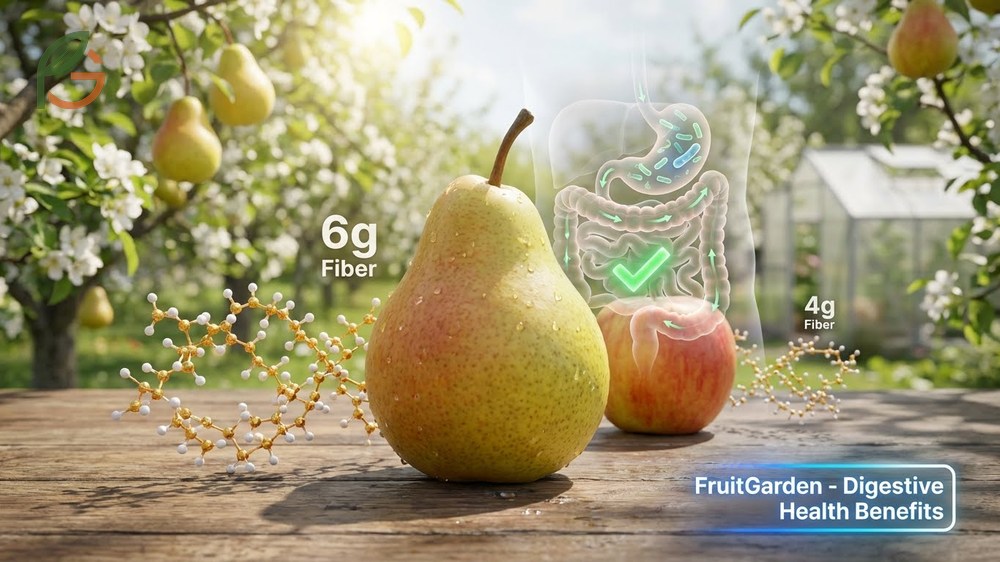
Pears fiber content delivers 6g per medium fruit—21% of daily needs. Research shows pectin and dual fiber types enhance gut health, regularity, and digestion.
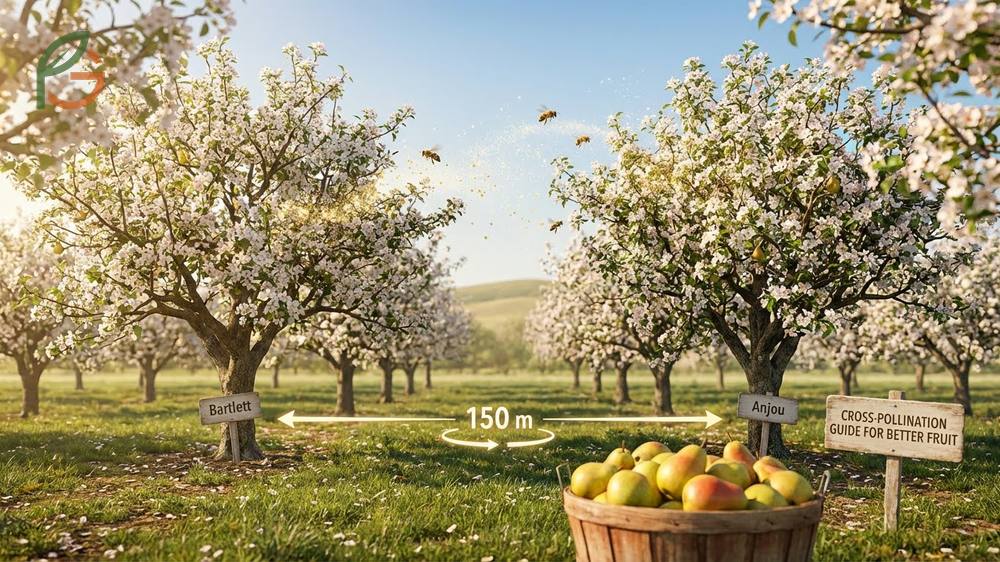
Pear tree pollination requires cross-pollination between compatible varieties. Most pears need a partner tree within 500 feet to produce fruit—learn which varieties work best together.
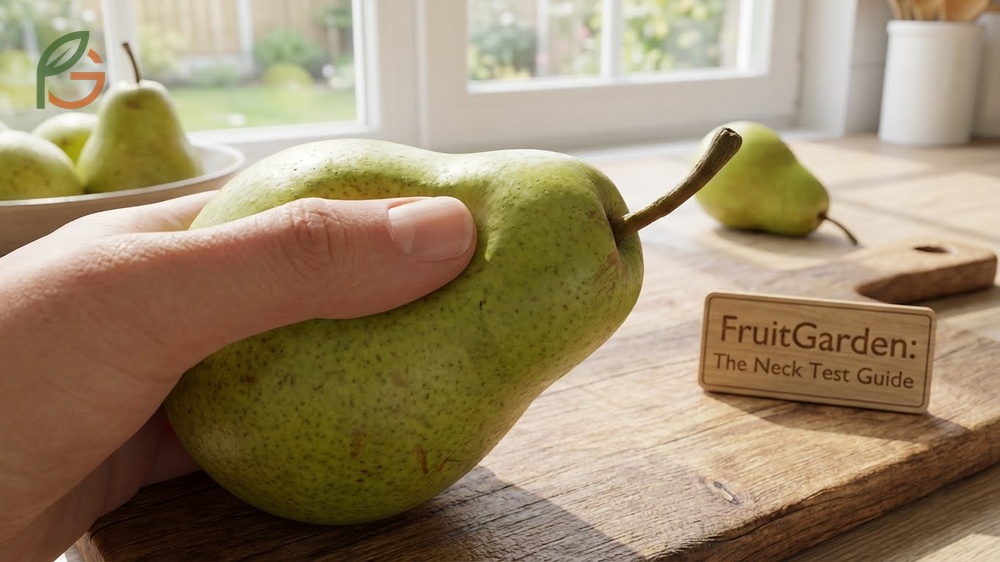
How to tell if a pear is ripe? Check the neck—gently press near the stem. If it yields, it’s ready. Learn ripeness indicators, storage tips, and when to eat pears.
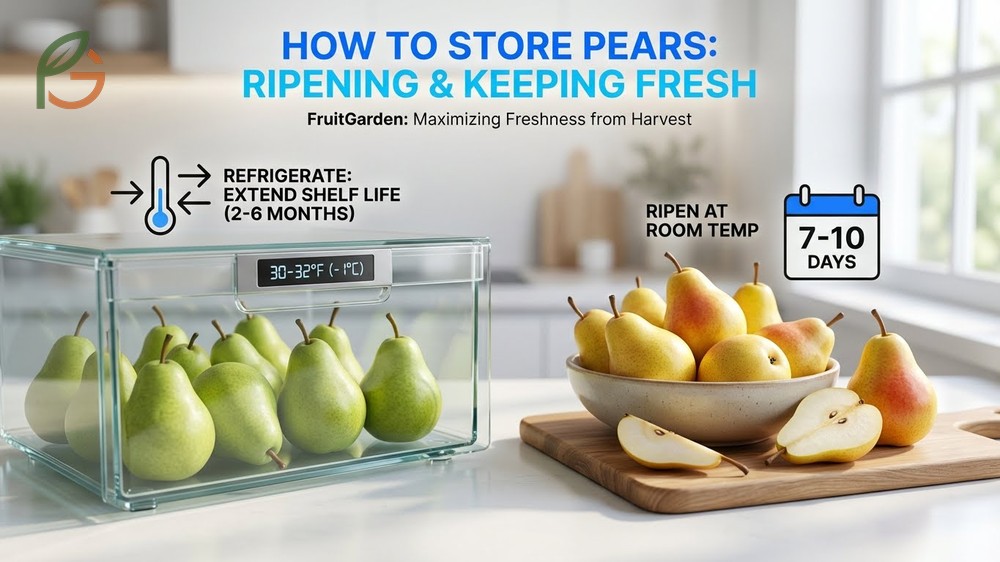
How to store pears properly? Keep unripe pears at 30-32°F for 2-6 months, then ripen at room temperature for 7-10 days. Learn storage tips for maximum freshness.
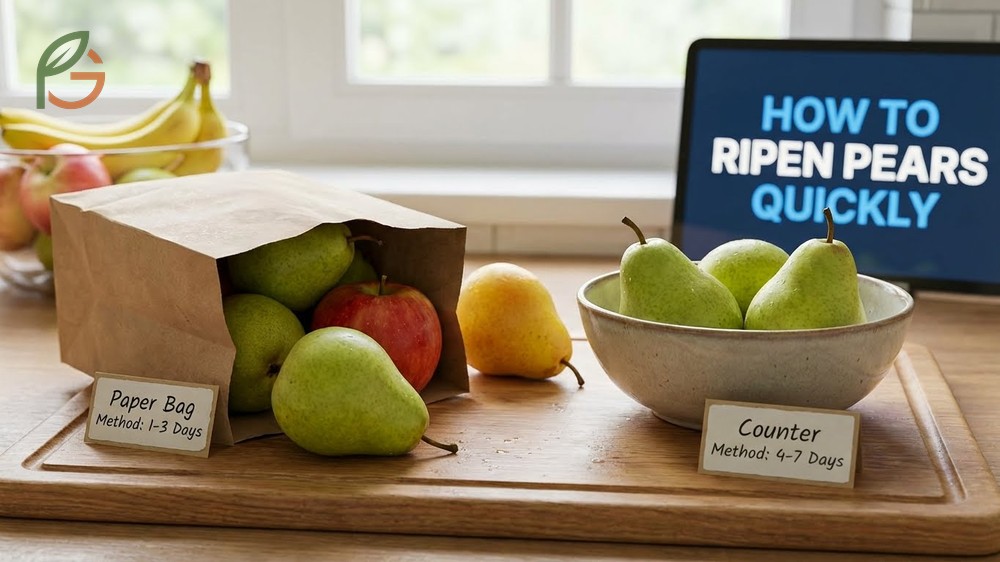
How to ripen pears? Pears ripen in 1-3 days using the paper bag method with apples. Learn ethylene gas ripening, cold storage tips, and how to check the neck for ripeness.
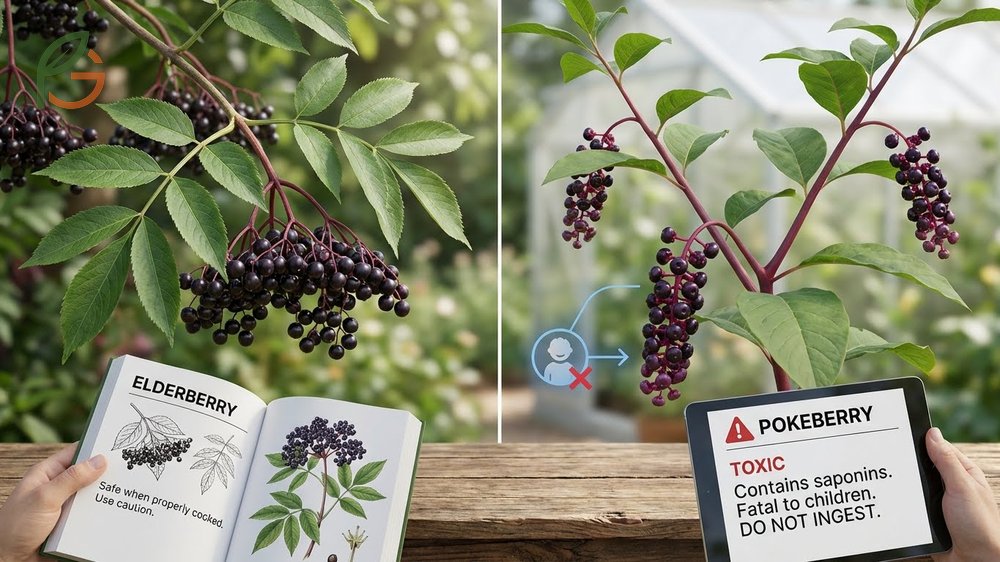
Elderberry vs Pokeberry identification matters—pokeberries contain toxic saponins while elderberries are safe when cooked. Learn the differences now.
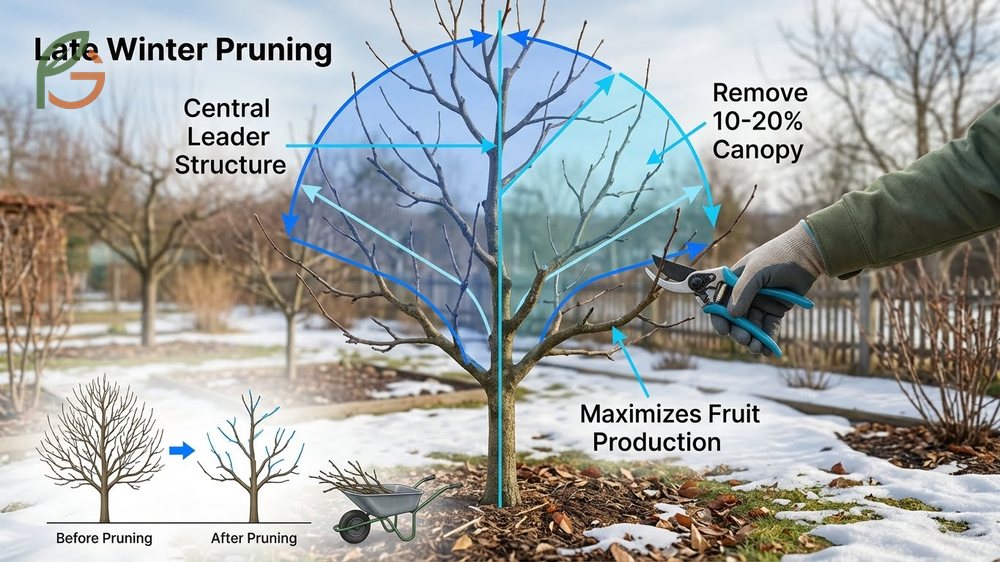
How to prune a pear tree? Follow this expert guide with step-by-step diagrams to master winter pruning, central leader training, and spur maintenance for maximum fruit yield.
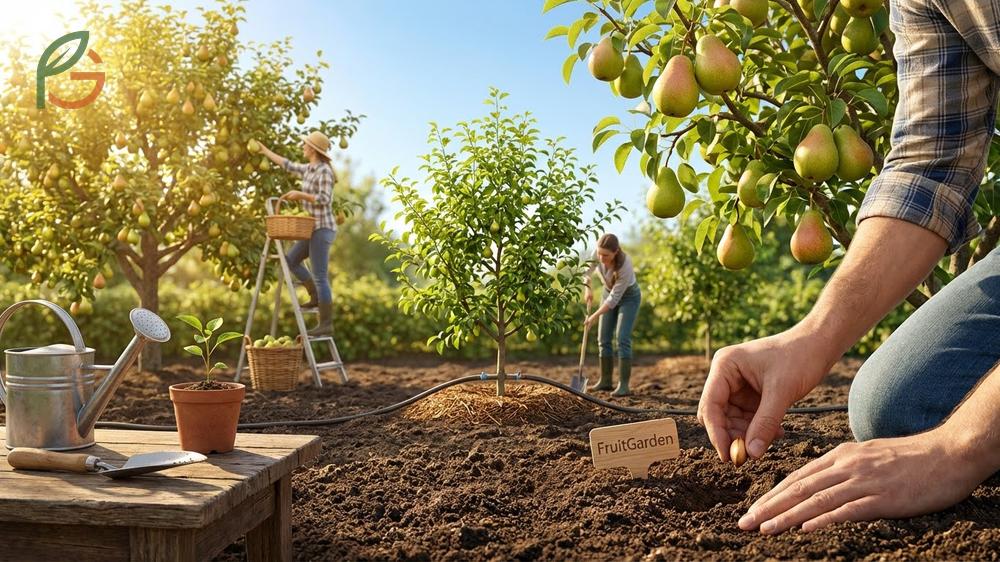
How to grow a pear tree from seed or sapling with expert tips on soil pH, watering, sunlight, and pest control for thriving trees in USDA zones 4-9.