
Research shows pears for constipation work through three mechanisms: 6 grams of fiber[1] per medium fruit, natural sorbitol that draws water into intestines, and pectin that feeds beneficial gut bacteria. Studies demonstrate that pears contain the highest combination of digestive-regulating nutrients among common fruits, with 30% soluble fiber and 70% insoluble fiber[2] working together to soften stool and promote regular bowel movements. FruitGarden synthesizes current nutritional research to help you understand how different fruit varieties support digestive wellness naturally.
Quick Answer
- One medium pear provides 6g fiber[1] — that’s 21-24% of your daily fiber needs
- Pears contain higher sorbitol levels than most fruits, drawing water into intestines to soften stool naturally[3]
- Pectin in pears acts as a prebiotic, feeding good bacteria and supporting gut barrier function[4]
- For best results, eat 1-2 pears daily with skin on to retain maximum fiber content
Pears for Constipation
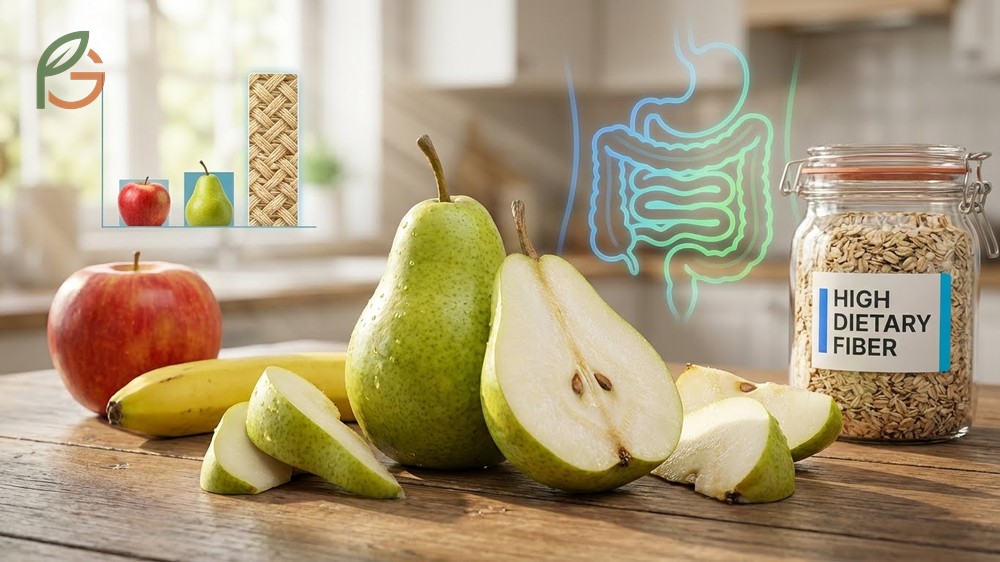
Studies demonstrate pears rank among the most effective fruits for alleviating constipation due to their unique nutrient profile. One medium pear delivers 6 grams of dietary fiber[1], which represents approximately 21-24% of the recommended daily intake. This combination makes pears more effective than apples or bananas for digestive regularity.
Research shows pears surpass other common fruits in digestive-regulating nutrients, containing exceptionally high levels of fiber, fructose, and sorbitol working synergistically[3]. The fiber adds bulk to stool, while sorbitol draws water into the intestines. Evidence suggests this dual action softens stool consistency and promotes easier bowel movements within 12-24 hours of consumption.
Current nutritional guidance emphasizes eating pears with the skin intact to maximize fiber benefits. The peel contains concentrated amounts of insoluble fiber and beneficial phytonutrients that support intestinal health. Most people find fresh pears more palatable than dried alternatives, though both forms provide constipation relief when consumed regularly.
How Pear Fiber Works
Pear fiber operates through distinct mechanisms depending on its type. The fruit contains approximately 30% soluble fiber and 70% insoluble fiber[2], each serving complementary digestive functions. Insoluble fiber adds bulk and speeds intestinal transit time, while soluble fiber forms a gel-like substance that softens stool.
Research indicates this balanced fiber ratio produces more consistent results than fruits with predominantly one fiber type. The insoluble fraction prevents stool from becoming too hard, reducing straining during bowel movements. Meanwhile, soluble fiber feeds beneficial gut bacteria, creating short-chain fatty acids that support colon health and regular elimination patterns.
Sorbitol: Natural Laxative Effect
Pears contain higher concentrations of sorbitol than most other fruits, giving them mild natural laxative properties. Sorbitol is a sugar alcohol that the body doesn’t fully digest in the small intestine. Instead, it passes into the large intestine where it draws water into the bowel, softening stool and triggering peristaltic contractions.
Studies show sorbitol-containing fruits increase stool frequency and improve consistency in people experiencing constipation. Unlike synthetic laxatives, sorbitol works gently without causing dependency. The effect typically begins within 6-12 hours of eating pears, making them ideal for overnight relief without harsh cramping or urgency.
Important Note: Eating more than 3-4 pears daily may cause gas or loose stools due to high sorbitol content. Start with 1-2 pears per day and adjust based on your digestive response.
Pectin and Gut Health
Pectin represents the primary soluble fiber in pears, accounting for significant prebiotic benefits. Research demonstrates pectin feeds beneficial bacteria like Bifidobacterium and Lactobacillus species, which produce short-chain fatty acids essential for colon health[4]. These fatty acids lower intestinal pH, creating an environment hostile to harmful bacteria while promoting regular bowel function.
Clinical studies reveal pectin supplementation improves gut barrier integrity by increasing goblet cell numbers and tight junction protein expression. For pears specifically, the pectin content works alongside fiber to regulate bowel movements naturally. Most research suggests consuming whole pears provides superior benefits compared to isolated pectin supplements due to the synergistic effect of multiple bioactive compounds.
Fiber in Pears
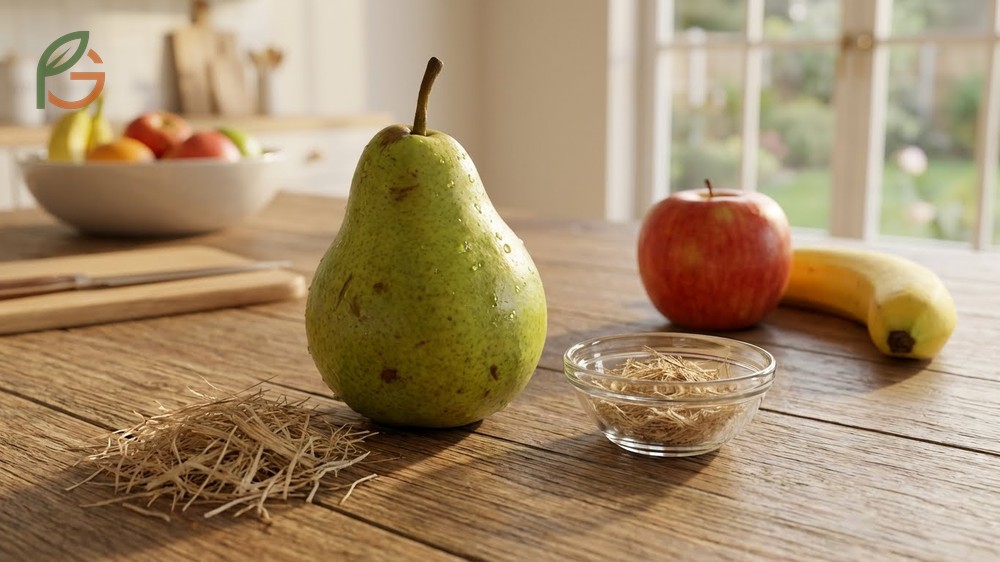
A medium-sized pear weighing approximately 178 grams contains 6 grams of total dietary fiber[1], making it one of the highest-fiber fruits commonly available. This exceeds the fiber found in a medium apple (4.4g) or banana (3.1g) by significant margins. The fiber density in pears makes them particularly effective for meeting daily fiber targets, which range from 25-38 grams depending on age and gender.
Research shows regular pear consumption increases daily fiber intake by an average of 9 grams compared to non-consumers[2]. This substantial increase correlates with improved nutrient adequacy scores and better overall diet quality. Most Americans consume only 15-17 grams of fiber daily, leaving a significant gap that one or two pears can help fill effectively.
Soluble vs Insoluble Fiber
Pears deliver both soluble and insoluble fiber in a roughly 30:70 ratio, optimized for digestive health[2]. Soluble fiber dissolves in water to form a viscous gel that slows digestion and helps regulate blood sugar levels. It also serves as food for beneficial gut bacteria, promoting a healthy microbiome.
Insoluble fiber doesn’t dissolve in water but adds bulk to stool and accelerates intestinal transit. This prevents constipation by reducing the time waste materials spend in the colon. Evidence suggests the combination found in pears produces superior laxation effects compared to fruits containing predominantly one fiber type, as each addresses different aspects of bowel function.
- Soluble fiber forms gel that softens stool consistency and reduces straining
- Insoluble fiber adds bulk, preventing small hard stools common in constipation
- Pectin (soluble) feeds beneficial bacteria producing digestive enzymes
- Cellulose (insoluble) stimulates intestinal muscle contractions for regular transit
- Combined fiber types maintain optimal stool water content for easier passage
- Prebiotic effects support long-term digestive regularity beyond immediate relief
Fiber Content Across Pear Varieties
Different pear varieties contain similar fiber levels, though skin thickness and texture vary slightly. Bartlett, Anjou, Bosc, and Comice pears all provide approximately 5.5-6 grams of fiber per medium fruit when eaten with skin. Asian pears tend to have crispier, thicker skins with marginally higher insoluble fiber content, while European varieties like Bartlett offer softer, sweeter flesh.
The key factor affecting fiber content isn’t variety but whether you eat the skin. Research confirms that peeling a pear removes 15-20% of its total fiber, primarily insoluble types concentrated in the peel. For maximum constipation relief, choose any variety you enjoy but always consume the entire fruit, washing thoroughly to remove any surface residues or pesticides.
Pears Digestive Health
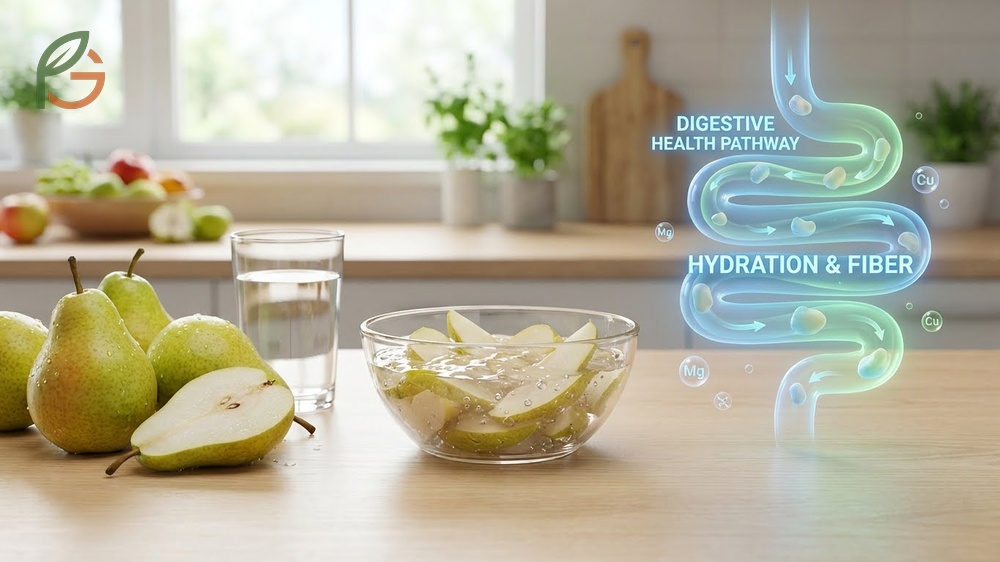
Evidence indicates pears support digestive health through multiple pathways beyond simple fiber content. The fruit’s high water content (approximately 84% by weight) contributes to hydration, which prevents hard, dry stools that characterize constipation. Adequate fluid intake works synergistically with fiber to maintain soft, easily passed bowel movements.
Studies show pear consumers demonstrate better overall nutrient adequacy, with higher intakes of magnesium, copper, and potassium[2]. Magnesium specifically supports muscle contractions in the intestinal wall, promoting regular peristalsis. This mineral deficiency often contributes to chronic constipation, making pears valuable for addressing multiple underlying causes simultaneously.
Current research emphasizes that pears may help prevent diverticulitis by supporting regular bowel movements that reduce intestinal pressure. The prebiotic fiber feeds beneficial bacteria while the fruit’s antioxidants protect intestinal lining cells from oxidative damage. For long-term digestive wellness, incorporating pears as part of a varied fruit intake produces better results than relying on a single food source.
- Vitamin C (6% daily value) supports immune function in the gut lining
- Potassium (193mg per pear) helps regulate fluid balance for optimal stool consistency
- Antioxidants in pear skin protect intestinal cells from inflammation
- Natural fructose provides gentle energy without blood sugar spikes
- Low sodium content prevents water retention that can affect digestion
- Copper supports enzyme production necessary for nutrient absorption
Daily Serving Recommendations
For constipation relief, research suggests consuming 1-2 medium pears daily provides optimal benefits without digestive discomfort. One pear delivers sufficient fiber and sorbitol for most people to notice improved bowel regularity within 24-48 hours. Those with severe constipation may benefit from two pears spread throughout the day, paired with adequate water intake of at least 8 glasses daily.
Start with one pear per day if you’re not accustomed to high-fiber foods, as sudden increases can cause temporary bloating or gas. Gradually increase to two pears over 7-10 days to allow your digestive system time to adjust. Most people tolerate this amount well, experiencing softer stools and more frequent bowel movements without cramping or urgency.
Hydration Tip: Drink at least 8-10 ounces of water with each pear you eat. Fiber needs adequate fluid to work effectively — without sufficient water, high-fiber foods can worsen constipation instead of relieving it.
Best Time to Eat Pears
Eating pears in the morning or early afternoon produces the most consistent results for constipation relief. Consuming fiber-rich foods earlier in the day gives your digestive system time to process them before evening, potentially triggering a morning bowel movement. Many people find eating a pear with breakfast alongside protein sources like yogurt or nuts creates sustained energy while supporting digestive regularity.
Evening consumption works well for those who prefer morning elimination patterns, as the 12-16 hour digestion window aligns with typical overnight fasting. Avoid eating large amounts of fiber-rich foods right before bed, as this can cause uncomfortable bloating that disrupts sleep. Spacing pear consumption 2-3 hours before bedtime allows initial digestion to occur while you’re still upright and active.
Natural Laxative Pears
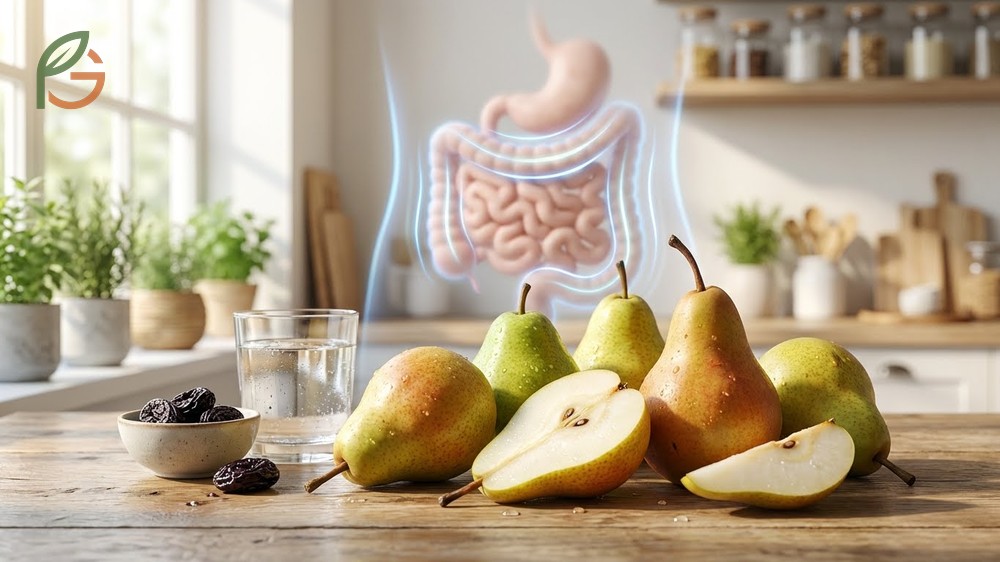
Pears function as a natural laxative without the harsh side effects associated with pharmaceutical options. The sorbitol content provides gentle osmotic action, drawing water into the intestines to soften stool naturally[3]. Unlike stimulant laxatives that force intestinal contractions, pears work with your body’s natural rhythms to promote comfortable, predictable bowel movements.
Research comparing pears to prunes shows both fruits effectively relieve constipation, though through slightly different mechanisms. Prunes contain higher sorbitol concentrations and specific compounds that stimulate colon nerves more aggressively. Pears offer milder action that many people prefer for daily maintenance rather than acute relief, causing less gas and cramping while still producing consistent results.
The laxative effect of pears becomes noticeable within 6-24 hours depending on individual digestive transit times. Most people experience gradual improvement rather than urgent bowel movements, allowing normal daily activities to continue without interruption. This makes pears ideal for those seeking gentle, sustainable constipation management rather than quick but potentially disruptive relief.
- No dependency develops with regular use unlike stimulant laxatives
- Gentler action reduces cramping and abdominal discomfort
- Provides essential nutrients while treating constipation
- Safe for long-term daily consumption as part of balanced diet
- Works through multiple mechanisms for more reliable results
- Lower risk of electrolyte imbalances compared to osmotic laxatives
When to See a Doctor: If constipation persists for more than 2 weeks despite eating high-fiber foods like pears, consult a healthcare provider. Chronic constipation may indicate underlying conditions requiring medical evaluation and treatment beyond dietary changes.
Constipation Relief Pears
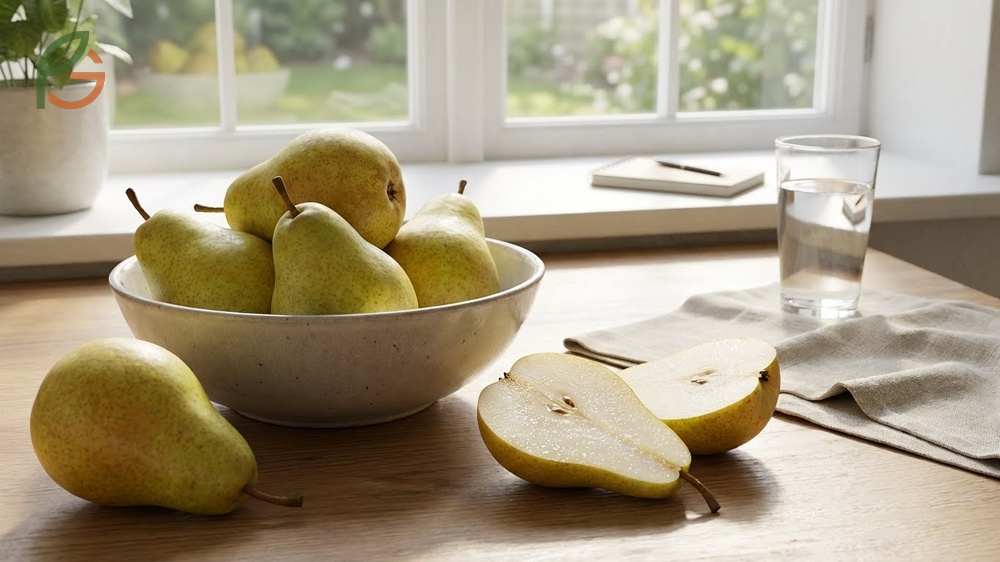
Clinical observations suggest pears provide constipation relief comparable to over-the-counter fiber supplements but with additional nutritional benefits. The whole food matrix delivers fiber alongside vitamins, minerals, and phytonutrients that support overall health. Unlike isolated fiber powders, pears don’t require mixing or special preparation — simply washing and eating the fruit provides complete constipation-fighting benefits.
Studies demonstrate that whole fruit consumption produces better long-term adherence than supplements or medications. People find fresh pears more enjoyable and sustainable as a daily habit compared to pills or powders. The natural sweetness and satisfying crunch make pears an appealing snack that addresses constipation while curbing unhealthy food cravings.
For acute constipation episodes, combining pears with other high-fiber foods accelerates relief. Pair sliced pears with whole grain oatmeal, chia seeds, or flaxseeds to boost total fiber intake to 10-15 grams per meal. This strategic combination often produces bowel movements within 12-24 hours, even in cases of stubborn constipation lasting several days.
This table compares fiber content, sorbitol levels, and constipation effectiveness across five common fruits used for digestive relief
| Fruit (Medium Size) | Total Fiber | Sorbitol Content | Relief Timeline |
|---|---|---|---|
| Pear | 6g[1] | High | 12-24 hours |
| Apple | 4.4g | Moderate | 18-36 hours |
| Banana | 3.1g | Low | 24-48 hours |
| Prunes (5 dried) | 3g | Very High | 6-12 hours |
| Orange | 3.1g | Low | 24-48 hours |
- Slice fresh pears into morning oatmeal or yogurt parfaits
- Blend ripe pears into smoothies with spinach and flaxseeds
- Bake pears with cinnamon as a fiber-rich dessert alternative
- Add diced pears to green salads with walnuts and vinaigrette
- Pack sliced pears with almond butter for portable fiber-rich snacks
- Roast pears alongside chicken or pork for dinner side dishes
Conclusion
The evidence is clear: pears for constipation work through proven mechanisms combining high fiber content, natural sorbitol, and prebiotic pectin. Research demonstrates one to two medium pears daily provides 21-48% of your fiber needs while delivering gentle laxative effects within 12-24 hours. Unlike pharmaceutical laxatives, pears support long-term digestive health without dependency or harsh side effects.
Current nutritional guidance emphasizes whole fruits like pears as first-line interventions for mild to moderate constipation before considering medications. FruitGarden provides evidence-based information to help you make informed choices about incorporating digestive-supporting fruits into your daily routine for lasting wellness.
Medical Disclaimer
Important Medical Disclaimer: This content is for informational and educational purposes only. It’s not intended as a substitute for professional medical advice, diagnosis, or treatment. Always consult a qualified healthcare professional before making any changes to your diet, medication, or health routine, especially if you have chronic constipation, digestive disorders, or other medical conditions. Persistent constipation lasting more than two weeks requires medical evaluation to rule out underlying health issues.
Frequently Asked Questions
How Many Pears Should I Eat for Constipation Relief?
Research suggests eating 1-2 medium pears daily provides optimal constipation relief for most adults. Start with one pear per day and increase to two if needed, spacing them throughout the day. Always drink at least 8 ounces of water with each pear to help fiber work effectively.
Are Pears Better Than Prunes for Constipation?
Pears and prunes both effectively relieve constipation but work slightly differently. Prunes contain higher sorbitol levels and work faster (6-12 hours), while pears provide gentler relief (12-24 hours) with less gas and cramping. For daily maintenance, pears offer milder action; for acute constipation, prunes may work faster.
Should I Eat Pears With or Without the Skin?
Always eat pears with the skin on to maximize fiber content and constipation relief. The peel contains 15-20% of the fruit’s total fiber, primarily insoluble types that add bulk to stool. Wash pears thoroughly under running water to remove any surface residues before eating whole.
How Long Does It Take for Pears to Relieve Constipation?
Most people experience constipation relief within 12-24 hours of eating pears, depending on individual digestive transit times. The fiber and sorbitol work gradually to soften stool and promote bowel movements. For best results, eat pears consistently for 2-3 days while drinking adequate water (8-10 glasses daily).
Can I Drink Pear Juice Instead of Eating Whole Pears?
Pear juice contains sorbitol but lacks most of the fiber found in whole pears, making it less effective for constipation. Juice provides only about 0.5-1 gram of fiber per cup compared to 6 grams in a whole pear. For maximum constipation relief, choose whole fresh pears over juice whenever possible.
What’s the Best Time of Day to Eat Pears for Constipation?
Eating pears in the morning or early afternoon produces the most consistent constipation relief. Morning consumption gives your digestive system 12-16 hours to process the fiber before evening, potentially triggering a morning bowel movement. Avoid eating pears right before bed to prevent uncomfortable nighttime bloating.
Can Eating Too Many Pears Cause Diarrhea?
Yes, eating more than 3-4 pears daily can cause loose stools or diarrhea due to high sorbitol and fiber content. The osmotic effect of excessive sorbitol draws too much water into intestines, resulting in watery bowel movements. Stick to 1-2 pears per day for gentle constipation relief without digestive upset.





