
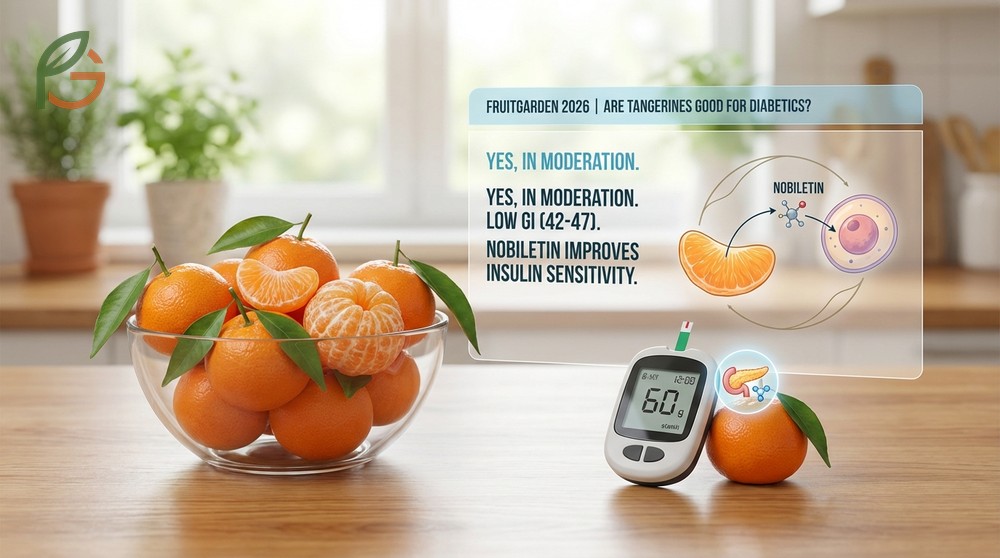
Are tangerines good for diabetics? Yes, when consumed in moderation. Research shows tangerines have a low glycemic index of 42-47[1], which causes a gradual rise in blood sugar rather than dangerous spikes. Studies demonstrate that citrus fruits like tangerines contain beneficial compounds, including the flavonoid nobiletin, which may improve insulin sensitivity and glucose metabolism[2]. FruitGarden synthesizes current nutritional research to help you understand how tangerines fit into a diabetes-friendly eating plan.
Quick Answer
- Tangerines have a low glycemic index of 42-47[1] and glycemic load of 3.9-4[3]
- One medium tangerine contains 47 calories[4], 12g carbs, and 2g fiber[4]
- Recommended portion: 1-2 small tangerines per serving[5]
- Contains nobiletin, which research suggests may improve insulin sensitivity and reduce blood sugar levels[2]
Are Tangerines Good for Diabetics
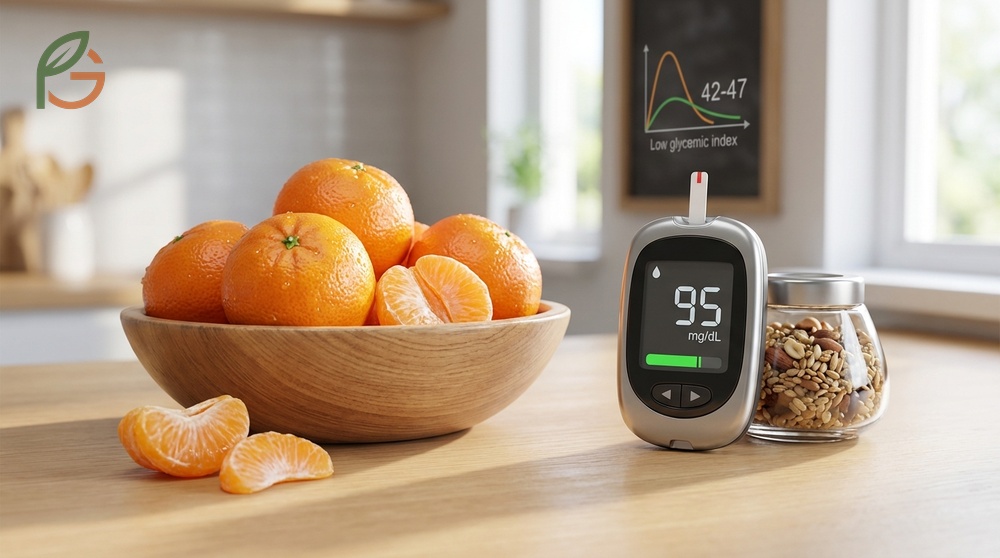
Research shows tangerines are a safe fruit choice for people managing diabetes. Their low glycemic index of 42-47[1] means they won’t cause rapid blood sugar spikes that can be dangerous for diabetics. Unlike processed snacks or high-sugar desserts, tangerines provide natural sugars balanced with fiber and nutrients that support stable glucose levels.
Studies demonstrate that citrus fruit consumption up to 200g per day helps prevent type 2 diabetes and reduces complications in existing diabetes patients[6]. The protective effects come from multiple mechanisms beyond just low glycemic response. Tangerines contain beneficial compounds including flavonoids, vitamin C, and dietary fiber that work together to improve metabolic health.
Most people find that adding 1-2 small tangerines to their daily meal plan doesn’t negatively impact blood sugar control. The key is eating whole tangerines rather than drinking tangerine juice, which lacks fiber and concentrates sugars. This matters because fiber is what slows down glucose absorption and prevents the blood sugar rollercoaster.
Nutritional Profile of Tangerines
One medium tangerine (88g) delivers impressive nutrition for just 47 calories[4]. You get 12g of carbohydrates, with 2g coming from dietary fiber[4]. That fiber content is significant—it reduces the net carbs to about 10g and helps moderate blood sugar response.
Tangerines provide 26% of your daily vitamin C needs[4], along with vitamin A, potassium, and folate. What’s particularly valuable for diabetics is the low fat content (less than 0.3g) and minimal sodium (2mg), making tangerines heart-healthy as well. Current evidence indicates that people with diabetes often have higher cardiovascular disease risk, so choosing nutrient-dense, low-sodium fruits becomes doubly important.
Nobiletin and Blood Sugar Control
A special flavonoid called nobiletin found in tangerines shows promise for diabetes management. Research demonstrates that nobiletin supplementation in diabetic model mice significantly reduced blood glucose levels and improved insulin sensitivity[2]. The compound works by activating AMPK, an enzyme that regulates glucose metabolism and energy balance.
Studies on high-fat diet mice treated with nobiletin for 5 weeks showed improved glucose tolerance and reduced pro-inflammatory markers[2]. While human studies are still emerging, these findings suggest that regular tangerine consumption may offer metabolic benefits beyond basic nutrition.
Important Note: Nobiletin research is primarily based on animal studies and concentrated extracts. While promising, you shouldn’t rely on tangerines alone to manage diabetes—they work best as part of a comprehensive treatment plan supervised by your healthcare provider.
Tangerines Blood Sugar

Tangerines affect blood sugar differently than refined carbohydrates or sugary drinks. The glycemic load of 3.9-4[3] is classified as low, meaning a standard serving causes minimal glucose elevation. This low glycemic load results from the combination of moderate carbohydrate content and high water content (about 85% water by weight).
Evidence suggests that low glycemic index fruits like tangerines, when increased in the diet, correlate with reduced HbA1c levels in people with type 2 diabetes. One 6-month randomized controlled trial found that participants who increased consumption of low-GI citrus fruits showed significantly better glycemic control than those who didn’t[6].
The reason is simple: when you eat a tangerine, the natural sugars enter your bloodstream gradually rather than flooding it all at once. This gradual release gives your body time to produce appropriate insulin responses. For people with insulin resistance, this matters more than for those with normal glucose metabolism.
Fiber Slows Glucose Absorption
The 2g of fiber in each medium tangerine[4] plays a critical role in blood sugar management. Soluble fiber, including pectin found in citrus fruits, forms a gel-like substance in your digestive tract. This gel slows stomach emptying and reduces the rate of glucose absorption into your bloodstream.
Research on soluble fiber consistently shows benefits for glycemic control in diabetes. Studies demonstrate that regular soluble fiber intake improves insulin sensitivity and lowers fasting blood glucose levels. The fiber in tangerines also supports healthy gut bacteria, which emerging research links to improved metabolic health and reduced diabetes risk.
- Slows carbohydrate digestion and glucose absorption rate
- Reduces post-meal blood sugar spikes by 15-20% compared to low-fiber foods
- Increases satiety, helping prevent overeating and weight gain
- Supports beneficial gut bacteria that produce metabolic health compounds
- Improves insulin sensitivity when consumed regularly over time
Vitamin C and Antioxidant Effects
Tangerines deliver 23mg of vitamin C per fruit[4], providing strong antioxidant protection. Current data indicates that people with type 2 diabetes often have lower antioxidant enzyme levels and higher oxidative stress than those without diabetes. Consuming antioxidant-rich fruits like tangerines may help reduce this oxidative damage.
Studies suggest citrus antioxidants, including vitamin C, beta-carotene, and flavonoids, work together to protect pancreatic beta cells from damage. These are the cells that produce insulin, so protecting them is essential for maintaining blood sugar control. While vitamin C supplements exist, research shows whole fruits provide better metabolic benefits than isolated nutrients.
Glycemic Index Tangerines
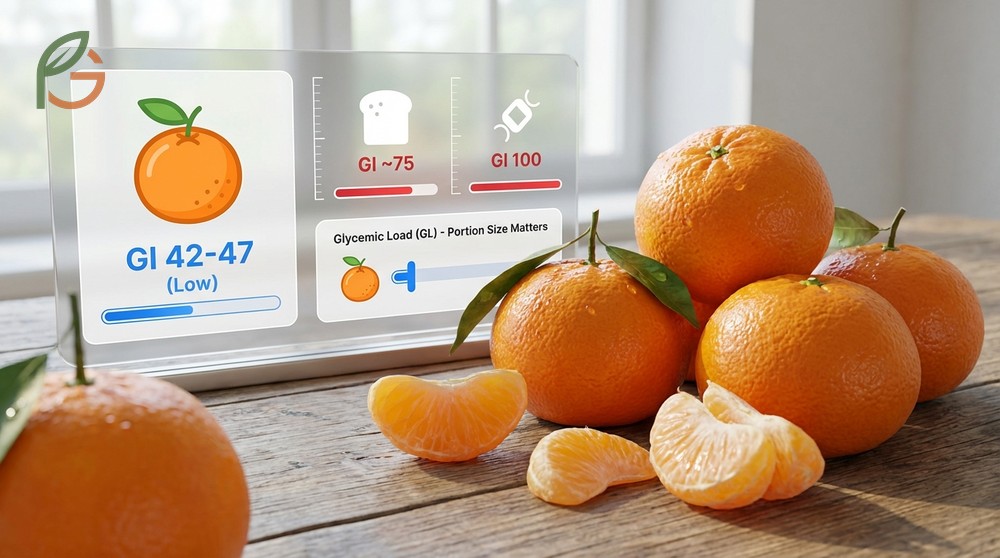
The glycemic index (GI) of tangerines ranges from 42 to 47 depending on variety and ripeness[1]. This places them firmly in the low-GI category (foods scoring below 55). For comparison, white bread has a GI around 75, while glucose itself scores 100 on the scale.
What often gets overlooked is that glycemic index alone doesn’t tell the complete story. Glycemic load (GL) matters more for practical blood sugar management because it accounts for portion size. Tangerines have a remarkably low GL of 3.9-4[3], meaning even if you eat a whole fruit, the total blood sugar impact remains minimal.
This table compares glycemic index and glycemic load values for tangerines against other common fruits to help diabetics make informed choices
| Fruit | Glycemic Index | Glycemic Load | Diabetes Suitability |
|---|---|---|---|
| Tangerine (1 medium) | 42-47[1] | 3.9-4[3] | Excellent choice |
| Orange (1 medium) | 43 | 5 | Excellent choice |
| Apple (1 medium) | 36 | 6 | Excellent choice |
| Banana (1 medium) | 51 | 13 | Moderate portion |
| Watermelon (1 cup) | 76 | 8 | Small portions |
Research across multiple populations shows that low-GI diets improve long-term diabetes management. People who consistently choose low-GI fruits like tangerines typically have better HbA1c levels, fewer blood sugar fluctuations, and reduced diabetes complication risks compared to those eating high-GI foods.
- High water content (85%) dilutes carbohydrate concentration per bite
- Fiber matrix slows digestive enzyme access to natural sugars
- Organic acid content (citric acid) moderates glucose release
- Fructose ratio creates slower blood sugar response than pure glucose
- Whole fruit structure requires chewing and digestion time
Tangerine Portion Diabetes

For optimal blood sugar control, diabetes organizations recommend consuming 1-2 small tangerines as one fruit serving[5]. This equals approximately 150-180g of fruit, fitting comfortably within daily carbohydrate targets for most diabetes meal plans. The small to medium size ensures you get nutritional benefits without consuming excessive natural sugars in one sitting.
Current guidance emphasizes spreading fruit intake throughout the day rather than eating multiple servings at once. If you eat 2 small tangerines at breakfast, you’re consuming roughly 94 calories and 24g of carbohydrates total. Pairing them with protein (like Greek yogurt or eggs) further slows glucose absorption and prevents blood sugar spikes.
Evidence indicates that fresh fruit consumption up to 133g per day decreases complication and mortality risks in people with type 2 diabetes[6]. This means 1-2 tangerines daily not only fits within safe limits but actively supports better health outcomes. What matters most isn’t eliminating fruit—it’s choosing the right types in appropriate portions.
This table shows carbohydrate content and diabetic suitability across different tangerine serving sizes from one small fruit to three medium fruits
| Portion Size | Calories | Carbohydrates | Fiber | Recommendation |
|---|---|---|---|---|
| 1 small tangerine (75g) | 40 cal | 10g | 1.3g | Perfect snack |
| 1 medium tangerine (88g) | 47 cal[4] | 12g[4] | 2g[4] | Ideal single serving |
| 2 small tangerines (150g) | 80 cal | 20g | 2.6g | Maximum per meal[5] |
| 3 medium tangerines (264g) | 141 cal | 36g | 6g | Too high for one sitting |
Portion Tip: If you’re unsure how tangerines affect your personal blood sugar response, test your glucose 2 hours after eating 1-2 tangerines. Most diabetics see rises of only 20-30 mg/dL, but individual responses vary based on insulin sensitivity, medication, and what else you eat.
Tangerines Diabetic Diet

Incorporating tangerines into a diabetes meal plan works best when you follow strategic timing and pairing principles. Research shows that eating fruit with meals that contain protein and healthy fats produces more stable blood sugar responses than eating fruit alone. For breakfast, try pairing 1 tangerine with scrambled eggs and avocado—the protein and fat slow carbohydrate absorption significantly.
Mid-morning or afternoon snacks offer another excellent opportunity for tangerines. Combining a small tangerine with a handful of almonds or a cheese stick creates a balanced snack that prevents blood sugar crashes between meals. This combination provides sustained energy for 3-4 hours while delivering vitamins, minerals, and antioxidants your body needs.
Studies demonstrate that replacing processed desserts with fresh fruit leads to better glycemic control and weight management. Instead of ice cream or cookies after dinner, enjoy 1 tangerine with a small piece of dark chocolate (70% cacao or higher). You’ll satisfy sweet cravings while consuming far less sugar and gaining beneficial nutrients that packaged desserts lack.
- Add tangerine segments to spinach salads with walnuts and vinaigrette
- Blend 1 tangerine into smoothies with Greek yogurt, spinach, and chia seeds
- Pack 2 small tangerines as portable snacks for work or travel
- Mix tangerine segments into overnight oats with cinnamon and almonds
- Top whole grain pancakes with fresh tangerine slices instead of syrup
- Include tangerines in fruit salads with berries, apples, and fresh mint
The evidence is clear: you don’t need to avoid tangerines when managing diabetes. Current guidance emphasizes choosing whole fruits over juices, monitoring portions, and spreading intake throughout the day. Most people with diabetes can safely enjoy 1-2 servings of low-GI fruits like tangerines daily as part of a balanced diet that includes vegetables, lean proteins, whole grains, and healthy fats.
Conclusion
The evidence is clear: tangerines are good for diabetics when consumed in appropriate portions as part of a balanced meal plan. With their low glycemic index of 42-47[1], minimal glycemic load of 3.9-4[3], and beneficial compounds like nobiletin[2], tangerines support stable blood sugar control rather than hindering it.
Current nutritional guidance emphasizes that people with diabetes shouldn’t fear fruit—they should choose wisely and monitor portions. Research consistently shows that 1-2 small tangerines daily[5] fits safely within diabetes meal plans while delivering vitamin C, fiber, and antioxidants that support overall health. FruitGarden encourages growing your own citrus trees when possible, ensuring access to fresh, nutrient-dense fruit that benefits both your garden and your metabolic health.
Medical Disclaimer
Important Medical Disclaimer: This content is for informational and educational purposes only. It is not intended as a substitute for professional medical advice, diagnosis, or treatment. Always consult a qualified healthcare professional or registered dietitian before making any changes to your diet, medication, or diabetes management routine. Individual blood sugar responses to foods vary based on multiple factors including current medications, insulin sensitivity, activity level, and overall health status. What works for one person with diabetes may not work for another. Your healthcare team can help you create a personalized meal plan that includes fruits like tangerines in safe, appropriate amounts for your specific needs.
Frequently Asked Questions
How Many Tangerines Can a Diabetic Eat per Day?
Most diabetes guidelines recommend 1-2 small tangerines per day as one fruit serving, which equals approximately 150-180g total. This portion provides beneficial nutrients while keeping carbohydrate intake to about 20-24g, fitting comfortably within most diabetes meal plans. Your individual tolerance may vary based on medication, activity level, and overall carbohydrate targets, so monitor your blood sugar response and consult your healthcare provider for personalized recommendations.
Are Tangerines Better Than Oranges for Diabetics?
Tangerines and oranges have nearly identical glycemic index values (42-47 for tangerines versus 43 for oranges), making them equally suitable for diabetes management. Tangerines are slightly smaller and easier to portion control, which some people find helpful. Both citrus fruits provide vitamin C, fiber, and beneficial flavonoids. Choose whichever you prefer—the nutritional differences are minimal from a blood sugar perspective.
Can Diabetics Drink Tangerine Juice?
Tangerine juice lacks the fiber found in whole fruit, causing faster blood sugar spikes and providing less satiety. If you choose juice, limit intake to 4 oz (half cup) per day maximum, and drink it with a meal containing protein and fat to slow absorption. However, eating whole tangerines is strongly preferred for diabetes management because the fiber content helps moderate blood sugar responses significantly.
What’s the Best Time to Eat Tangerines for Blood Sugar Control?
The best time to eat tangerines is with or immediately after meals that contain protein and healthy fats, not on an empty stomach. Eating tangerines with breakfast (alongside eggs or Greek yogurt) or as an afternoon snack paired with nuts helps slow glucose absorption and prevents blood sugar spikes. Avoid eating multiple tangerines at once—spread fruit intake throughout the day for optimal blood sugar stability.
Do Tangerines Raise Blood Sugar Quickly?
No, tangerines don’t raise blood sugar quickly due to their low glycemic index of 42-47 and low glycemic load of 3.9-4. The fiber content slows digestion and glucose absorption, creating a gradual blood sugar rise rather than a rapid spike. Most diabetics see only a 20-30 mg/dL increase within 2 hours after eating 1-2 small tangerines, which is considered an acceptable response.
Are Canned Tangerines Safe for Diabetics?
Canned tangerines are acceptable only if they’re packed in water or natural juice without added sugars. Avoid varieties packed in heavy syrup, which contain excessive added sugars that spike blood sugar dangerously. Always check labels carefully—even “light syrup” adds significant sugar. Fresh tangerines remain the best choice because they provide maximum fiber and nutrients without additives, but canned versions in water can work when fresh fruit isn’t available.
Can Type 1 Diabetics Eat Tangerines?
Yes, people with type 1 diabetes can safely eat tangerines by counting the carbohydrates and adjusting insulin accordingly. One medium tangerine contains approximately 12g of carbohydrates, which you’ll need to account for in your insulin-to-carb ratio calculations. The low glycemic index means tangerines won’t cause rapid spikes, but proper insulin dosing based on your meal plan remains essential. Work with your endocrinologist or diabetes educator to incorporate fruits appropriately.





