
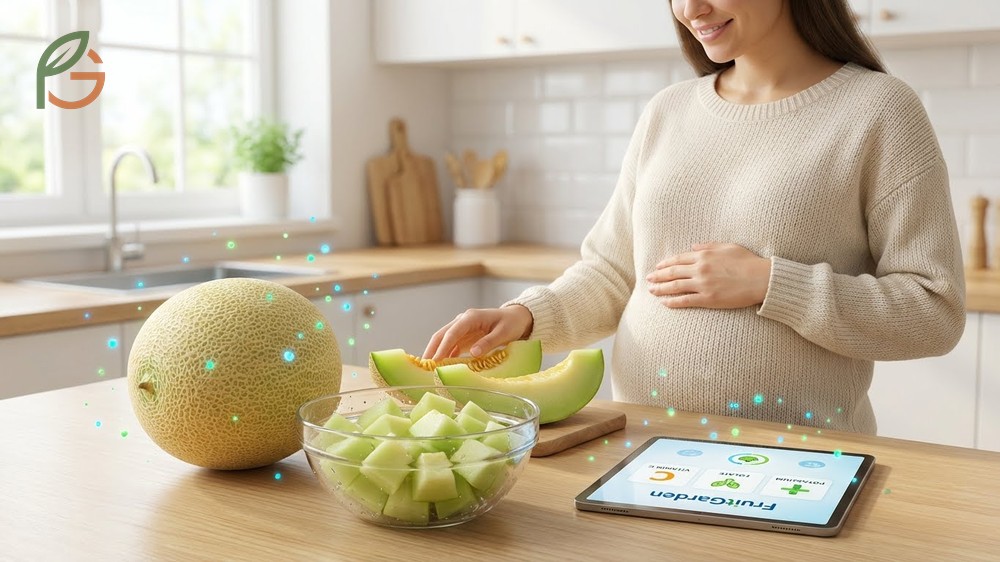
Honeydew melon pregnancy safety is confirmed by major health organizations—it’s a nutritious choice when properly washed and prepared. Research shows honeydew provides essential nutrients including vitamin C, folate, and potassium that support both maternal health and fetal development[1]. FruitGarden compiles current nutritional data and food safety guidelines to help expectant mothers make informed dietary choices during this critical time.
Quick Answer
- Honeydew melon is safe during pregnancy when the rind is thoroughly washed before cutting[2]
- One cup provides 34mg vitamin C (38% daily value) and supports immune health[3]
- Contains 64 calories per cup with 90% water content, helping prevent dehydration[3]
- Provides 388mg potassium per cup, which helps regulate blood pressure[3]
Honeydew Melon Pregnancy

Studies demonstrate that honeydew melon fits safely into pregnancy meal plans when proper food handling practices are followed. The Centers for Disease Control and Prevention includes honeydew among safe fruit choices for expectant mothers, provided the outer rind is washed thoroughly before cutting. Unlike some high-risk foods that pregnant women must avoid entirely, melons present minimal risk when prepared correctly at home.
Current data indicates honeydew melon provides multiple nutrients that address common pregnancy needs. The fruit’s low-calorie density combined with high water content makes it particularly valuable for weight management during pregnancy. Most women find the mild, sweet flavor appealing even during periods of morning sickness when other foods seem unappealing.
Evidence suggests the mineral profile of honeydew supports several physiological changes during pregnancy. Potassium content helps counteract sodium retention and supports healthy blood pressure levels. The natural sugars provide quick energy without causing rapid blood sugar spikes, making honeydew a balanced snack option between meals.
Nutritional Profile
USDA nutritional analysis reveals honeydew melon’s comprehensive micronutrient content. One cup of diced honeydew (approximately 177 grams) delivers 64 calories with 16 grams of carbohydrates and 1.4 grams of dietary fiber[3]. The carbohydrate content consists primarily of natural sugars (14 grams per cup), balanced by the fruit’s fiber and water content.
The vitamin composition supports immune function and tissue development. Each cup contains 34 milligrams of vitamin C, representing 38% of the recommended daily intake for pregnant women[3]. Honeydew also provides smaller amounts of B vitamins, including folate, which plays a critical role in preventing neural tube defects.
This table compares key nutrients in one cup of honeydew melon including calories, macronutrients, vitamins, and minerals with their respective amounts and percentage of daily values for pregnant women
| Nutrient | Amount | % Daily Value | Pregnancy Benefit |
|---|---|---|---|
| Calories | 64[3] | 3% | Low-calorie snack option |
| Vitamin C | 34mg[3] | 38% | Immune support, tissue repair |
| Potassium | 388mg[3] | 11% | Blood pressure regulation |
| Dietary Fiber | 1.4g[3] | 5% | Digestive health |
| Folate | 32mcg | 8% | Fetal neural development |
Hydration Benefits
Research shows honeydew’s high water content—approximately 90%—makes it an effective hydration source during pregnancy. Pregnant women require increased fluid intake to support expanded blood volume, amniotic fluid production, and waste elimination. The combination of water and natural electrolytes in honeydew supports these increased hydration needs.
The fruit’s water content helps address pregnancy-related swelling and constipation. Adequate hydration supports kidney function and reduces fluid retention in extremities. You’ll find that eating honeydew as a mid-morning or afternoon snack contributes significantly to your daily fluid targets without requiring additional beverage consumption.
Hydration Tip: If you’re experiencing morning sickness, try chilled honeydew cubes. The cold temperature and mild flavor often settle better than room-temperature foods, while the water content helps prevent dehydration from vomiting.
Eating Honeydew Pregnant
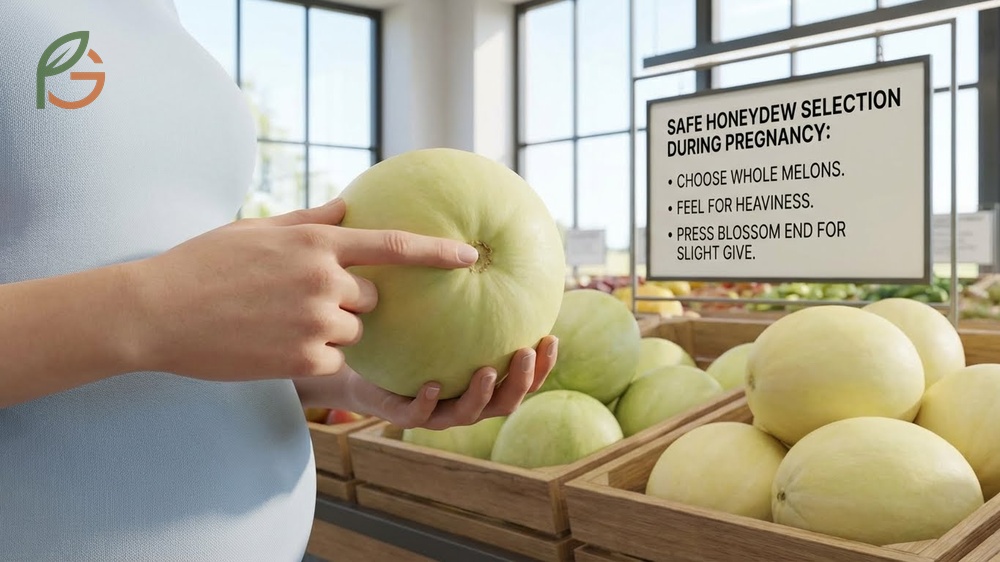
Agricultural guidance emphasizes timing and preparation as key factors for safe honeydew consumption during pregnancy. The FDA recommends purchasing whole melons rather than pre-cut options, which carry higher contamination risks due to additional handling and processing[2]. When you select honeydew at the grocery store, look for melons that feel heavy for their size and give slightly when pressed at the blossom end.
Storage practices affect both safety and nutrient retention. Whole honeydew melons can sit at room temperature until cut, but refrigeration extends shelf life by several days. Once you cut the melon, refrigerate unused portions immediately in an airtight container. The USDA recommends consuming cut melon within three to four days to minimize bacterial growth risk.
Meal timing affects how well your body absorbs honeydew’s nutrients. Eating honeydew alongside protein sources—such as Greek yogurt or cottage cheese—helps stabilize blood sugar levels and extends the feeling of fullness. Most pregnant women find honeydew easiest to digest when consumed in the morning or early afternoon rather than close to bedtime.
Safe Preparation Methods
Current food safety protocols require specific washing steps before cutting any melon. The FDA instructs consumers to thoroughly rinse the entire outer rind under running water, scrubbing the surface with a clean produce brush to remove dirt and potential bacteria[2]. Don’t use soap or detergents—water alone effectively removes surface contamination when combined with mechanical scrubbing.
After washing, dry the melon with a clean towel before cutting. This prevents moisture from transferring bacteria from the rind to the flesh during slicing. Use a clean cutting board and knife that haven’t contacted raw meat or poultry. Cut away and discard any bruised or damaged areas where bacteria thrive more readily.
- Rinse the entire melon under cold running water for at least 30 seconds
- Scrub the rind vigorously with a clean produce brush, paying attention to textured areas
- Dry the melon completely with a clean towel or paper towel
- Use sanitized cutting tools on a clean surface
- Remove any damaged or bruised sections before cutting the remaining flesh
- Refrigerate cut melon within two hours (or one hour if room temperature exceeds 90°F/32°C)
- Store cut pieces in sealed containers and consume within three to four days
Portion Recommendations
Nutrition guidelines for pregnancy suggest two servings of fruit daily, with one serving equaling approximately one cup of fresh fruit. A single cup of diced honeydew counts as one complete fruit serving, making portion control straightforward. You can safely eat one to two cups of honeydew per day as part of a varied diet that includes other fruits and vegetables.
The fruit’s natural sugar content warrants attention for women managing gestational diabetes. While honeydew has a moderate glycemic index of 62, pairing it with protein or healthy fats slows sugar absorption. If you’re monitoring blood glucose levels, check with your healthcare provider about appropriate serving sizes for your specific situation.
Honeydew Pregnancy Benefits

Studies demonstrate multiple mechanisms through which honeydew supports maternal and fetal health during pregnancy. The vitamin C content promotes collagen synthesis, which strengthens blood vessels, skin, and connective tissues that stretch significantly during pregnancy. This antioxidant also enhances iron absorption from plant-based foods when consumed together, addressing the increased iron demands of pregnancy.
Evidence suggests the B-vitamin complex in honeydew, including folate, contributes to neural tube formation and red blood cell production. National pregnancy care guidelines recommend 400-600 micrograms of folate daily during pregnancy[5]. While honeydew shouldn’t replace prenatal vitamins, it provides supplementary folate through whole food sources.
Current research indicates the potassium in honeydew helps regulate fluid balance and prevents excessive swelling in legs and feet. This mineral works with sodium to maintain proper blood pressure levels, which is particularly important for preventing pregnancy-induced hypertension. The low sodium content of honeydew (31mg per cup) makes it suitable for women monitoring salt intake[3].
Immune Support
Research shows vitamin C acts as a primary immune defense during pregnancy when the immune system naturally becomes more vulnerable. The 34 milligrams of vitamin C per cup of honeydew represents more than one-third of the daily requirement for pregnant women. This antioxidant neutralizes free radicals that can damage cells and supports white blood cell function.
The vitamin A content in honeydew (though present in smaller amounts) supports mucous membrane health in respiratory and digestive tracts. These barriers serve as the body’s first line of defense against pathogens. You’ll benefit from eating vitamin C-rich foods like honeydew multiple times throughout the day, as the body doesn’t store this water-soluble vitamin.
Digestive Health
Data indicates fiber content and water work synergistically to promote regular bowel movements during pregnancy. Progesterone slows intestinal motility, often causing constipation in pregnant women. The 1.4 grams of fiber per cup of honeydew, combined with its high water content, helps soften stool and stimulate intestinal movement.
The fruit’s gentle fiber won’t cause the gas and bloating that some high-fiber foods trigger during pregnancy. Most women tolerate honeydew well even when experiencing digestive sensitivity. The natural sugars provide energy without the heavy feeling that dense, high-fiber foods sometimes cause.
- High water content softens stool and prevents constipation
- Soluble fiber feeds beneficial gut bacteria
- Gentle on sensitive stomachs during morning sickness
- Natural sugars provide energy without digestive stress
- Low acidity reduces heartburn risk compared to citrus fruits
Important Note: If you’re experiencing severe morning sickness or have been diagnosed with hyperemesis gravidarum, consult your healthcare provider before making dietary changes. Some women find cold, water-rich fruits like honeydew easier to tolerate than other foods.
Safe Melon Pregnancy

Australian food authorities have documented specific risks associated with melons during pregnancy, primarily related to listeria contamination. Listeria monocytogenes can survive on melon rinds and transfer to the flesh during cutting if proper washing doesn’t occur[6]. Pregnant women face 20 times higher risk of listeriosis than the general population, making prevention critical.
The evidence shows pre-cut melon carries elevated risk due to time at room temperature and cross-contamination during processing. Several listeriosis outbreaks have been traced to commercially prepared melon products stored improperly. You should avoid fruit salad bars and pre-packaged cut melon unless you can verify immediate refrigeration and recent preparation.
Temperature control represents the most critical safety factor after washing. Bacteria multiply rapidly between 40°F and 140°F (4°C-60°C)—the danger zone for food safety. Refrigerate cut honeydew within two hours of preparation, or within one hour if ambient temperature exceeds 90°F (32°C). Don’t leave cut melon sitting out during meals or gatherings.
Signs of spoilage require immediate attention. Discard honeydew that develops off-odors, slimy texture, or visible mold growth. The natural fermentation smell of overripe melon differs from bacterial contamination, but when in doubt, throw it out. Pregnant women shouldn’t risk consuming questionable food given the potential consequences for fetal health.
- Purchase whole melons and inspect for bruises or cuts before buying
- Avoid pre-cut melon from grocery stores, restaurants, and buffets
- Wash your hands thoroughly before and after handling melons
- Sanitize cutting boards and knives with hot, soapy water after each use
- Store cut melon at 40°F (4°C) or below in sealed containers
- Label containers with preparation date and discard after four days
- Never consume melon left at room temperature for more than two hours
Pregnancy Nutrition Honeydew
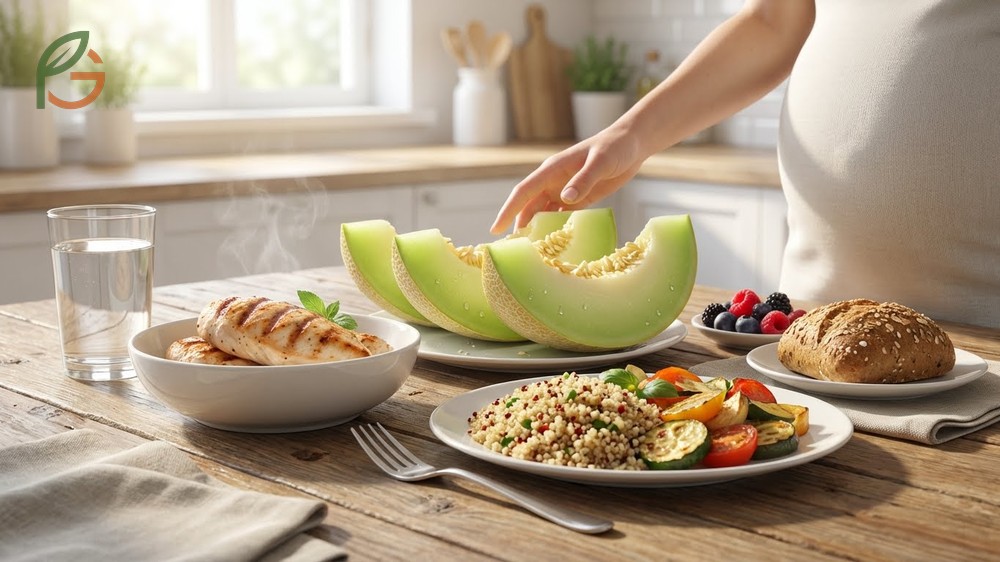
Nutritional research emphasizes the importance of dietary diversity during pregnancy rather than relying on single foods for specific nutrients. Honeydew contributes to overall nutritional adequacy when incorporated into a balanced meal plan that includes protein sources, whole grains, healthy fats, and various fruits and vegetables. The key lies in viewing honeydew as one component of comprehensive prenatal nutrition.
Current dietary guidance for pregnancy recommends five to nine servings of combined fruits and vegetables daily. Honeydew can fulfill one to two of these servings, leaving room for other produce that provides different nutrient profiles. Oranges offer more vitamin C, spinach provides more folate, and bananas contain more potassium—varying your fruit choices ensures broader micronutrient coverage.
The low-calorie density of honeydew makes it particularly valuable for managing pregnancy weight gain within recommended ranges. Women of normal pre-pregnancy weight should gain 25-35 pounds during pregnancy. Honeydew provides satisfying sweetness and volume with minimal caloric impact, helping control cravings for higher-calorie desserts while meeting increased nutritional demands.
Consider pairing honeydew with complementary foods to create balanced snacks or breakfast options. Greek yogurt adds protein and calcium. Cottage cheese provides casein protein that digests slowly. Handful of almonds contribute healthy fats and vitamin E. These combinations create more sustained energy release than fruit alone, preventing blood sugar fluctuations that trigger fatigue and irritability.
For breakfast, dice honeydew into plain yogurt with a drizzle of honey and granola. The combination provides carbohydrates, protein, probiotics, and fiber—an excellent start to the day. At lunch, add honeydew cubes to spinach salad with grilled chicken and balsamic vinaigrette. The vitamin C enhances iron absorption from spinach. For afternoon snacks, wrap honeydew slices with thin deli turkey for a sweet-savory protein-fruit combination.
- Blend into smoothies with spinach, banana, and Greek yogurt for nutrient-dense drinks
- Cube and freeze for naturally sweet frozen treats that help with nausea
- Dice into oatmeal with cinnamon and walnuts for fiber-rich breakfast
- Layer with cottage cheese and berries for protein-packed parfaits
- Add to chicken or shrimp salad for refreshing lunch options
- Puree into gazpacho-style cold soup with cucumber and mint during summer months
- Skewer with mozzarella balls and basil for pregnancy-safe caprese variation
Nutrition Tip: Don’t discard honeydew seeds—they’re edible and contain additional nutrients. Rinse them, toss with olive oil and salt, then roast at 325°F (163°C) for 15-20 minutes for a crunchy snack rich in healthy fats and protein.
Conclusion
The evidence confirms that honeydew melon pregnancy safety depends primarily on proper washing and storage practices rather than inherent risks in the fruit itself. When you follow FDA and CDC guidelines for preparation, honeydew provides valuable hydration, vitamins, minerals, and fiber that support both maternal health and fetal development throughout pregnancy. The 64 calories per cup combined with 90% water content makes it an ideal choice for managing weight gain while meeting increased nutritional demands.
Current guidance emphasizes purchasing whole melons, washing thoroughly before cutting, and refrigerating cut portions immediately to minimize contamination risks. FruitGarden synthesizes food safety data and nutritional research to help expectant mothers navigate dietary choices with confidence during this important life stage.
Medical Disclaimer
Important Medical Disclaimer: This content is for informational and educational purposes only. It is not intended as a substitute for professional medical advice, diagnosis, or treatment. Always consult a qualified healthcare professional before making any changes to your diet, medication, or health routine, especially if you have gestational diabetes, food allergies, or other medical conditions. Individual nutritional needs vary during pregnancy based on pre-existing health conditions, multiple pregnancies, and other factors that only your healthcare provider can properly assess.
Frequently Asked Questions
Can I eat honeydew melon during the first trimester?
Yes, you can safely eat honeydew melon during the first trimester when properly washed. The vitamin C and folate content are particularly beneficial during early pregnancy when neural tube development occurs. Many women find honeydew’s mild flavor and high water content easier to tolerate during morning sickness than other foods.
How much honeydew melon can I eat per day while pregnant?
Research supports eating one to two cups of honeydew melon daily as part of the recommended two servings of fruit during pregnancy. This amount provides significant vitamin C and potassium without excessive sugar intake. If you have gestational diabetes, consult your healthcare provider about appropriate portion sizes for your specific glucose management plan.
Does honeydew melon help with pregnancy constipation?
Yes, honeydew melon can help relieve pregnancy constipation due to its combination of water content (90%) and dietary fiber (1.4g per cup). The high fluid content softens stool while fiber stimulates intestinal movement. For best results, eat honeydew alongside other fiber sources and drink adequate water throughout the day.
Is pre-cut honeydew melon safe during pregnancy?
Food safety authorities recommend avoiding pre-cut honeydew melon during pregnancy due to increased listeria contamination risk. The additional handling, processing time, and potential temperature abuse create conditions where bacteria multiply rapidly. Purchase whole melons and cut them yourself at home immediately before eating to minimize risk.
What’s the best time to eat honeydew melon during pregnancy?
Most pregnant women digest honeydew melon best when consumed in the morning or early afternoon rather than close to bedtime. The natural sugars provide energy for daytime activities, while the water content supports hydration without causing nighttime bathroom trips. Pairing honeydew with protein at breakfast stabilizes blood sugar levels throughout the morning.
Can honeydew melon cause gestational diabetes?
No, honeydew melon doesn’t cause gestational diabetes. The condition results from hormonal changes affecting insulin function during pregnancy, not from eating specific fruits. However, if you’ve been diagnosed with gestational diabetes, monitor portion sizes since honeydew contains 14 grams of natural sugar per cup. Combining it with protein helps moderate blood sugar response.
Does honeydew melon increase amniotic fluid?
While honeydew melon contributes to overall hydration due to its 90% water content, no scientific evidence proves it specifically increases amniotic fluid levels. Amniotic fluid production depends on maternal hydration status, fetal kidney function, and placental health. If your healthcare provider has diagnosed low amniotic fluid (oligohydramnios), follow their specific treatment recommendations rather than relying on dietary changes alone.





