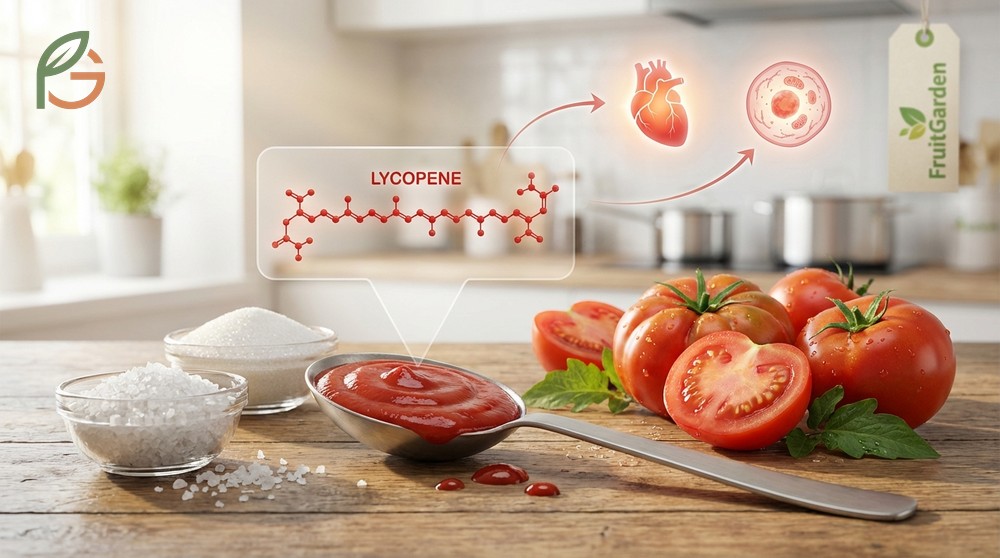
Is tomato ketchup healthy? Yes, when consumed in moderation as part of a balanced diet. Research shows that tomato ketchup contains beneficial lycopene—a powerful antioxidant—but also carries 4g of sugar[1] and 150mg of sodium[1] per tablespoon. Studies demonstrate that the cooking process used to create ketchup actually makes lycopene more bioavailable than raw tomatoes, providing potential protection against certain cancers and heart disease[1]. FruitGarden synthesizes current nutritional research to help you understand how this popular condiment fits into a health-conscious diet.
Quick Answer
- Tomato ketchup contains only 17 calories[1] per tablespoon but delivers 2.5mg of lycopene[2], a powerful antioxidant
- Each tablespoon contains 4g of sugar[1] (7% of daily value) and 150-170mg of sodium[1] (7% of daily limit)
- Many commercial brands like Heinz contain 42-58% high fructose corn syrup[3] according to consumer research
- Limit intake to 2-3 tablespoons per meal to avoid excessive sugar and sodium consumption
Is Tomato Ketchup Healthy
Research shows that tomato ketchup can be part of a nutritious diet when you use it sparingly. The primary health benefit comes from lycopene, a carotenoid antioxidant that’s more bioavailable in processed tomatoes than raw ones[1]. Studies link higher lycopene intake to reduced risk of gastric cancer and improved cardiovascular health[1].
However, the healthfulness of ketchup depends largely on portion control and brand selection. Current nutritional data indicates that most Americans consume ketchup without considering its sugar and sodium content. A single tablespoon won’t derail your diet, but 4-5 tablespoons with a meal delivers 35% or more of your daily sugar allowance[1].
The answer isn’t black and white for people with specific health concerns. If you’re managing hypertension, diabetes, or acid reflux, you’ll want to choose low-sodium or no-sugar-added varieties. Evidence suggests that switching to these alternatives provides the lycopene benefits without the drawbacks[2].
Lycopene Content and Benefits
Studies demonstrate that ketchup ranks among the most concentrated sources of dietary lycopene in the American diet. Each tablespoon provides approximately 2.5mg of lycopene[2], and the heat processing during manufacturing increases absorption rates by breaking down tomato cell walls. Research published in the American Journal of Clinical Nutrition confirms that processed tomato products deliver more absorbable lycopene than raw tomatoes[4].
Current evidence links lycopene consumption to multiple health benefits. The antioxidant properties protect cellular DNA from inflammatory damage and may reduce prostate cancer risk in men[1]. Animal studies show promise for brain health, with potential protective effects against Alzheimer’s and Parkinson’s diseases[1].
Important Note: You’d need to consume unsafe amounts of ketchup to obtain meaningful lycopene benefits. Fresh or canned whole tomatoes provide more lycopene per serving with fewer calories and less added sugar.
Calorie and Macronutrient Profile
Tomato ketchup maintains a relatively simple macronutrient breakdown. One tablespoon contains 17 calories, 4.5g of carbohydrates, and less than 1g each of protein, fiber, and fat[1]. This makes ketchup significantly lower in calories than mayonnaise, which packs over 90 calories per tablespoon.
What often surprises people is how ketchup’s calorie density compares to other condiments. Research shows that ketchup contains nearly twice the calories of mustard but only a quarter of mayonnaise’s caloric load[1]. Most people don’t realize that ketchup’s calories come almost entirely from carbohydrates—specifically sugar.
- Contains 17 calories with zero fat content
- Provides 4.5g carbohydrates, with 4g coming from added sugars
- Offers negligible amounts of protein (less than 0.3g per serving)
- Contains trace amounts of fiber (less than 0.2g per tablespoon)
- Delivers 53mg potassium and minimal calcium or iron
Heinz Tomato Ketchup Nutrition Facts
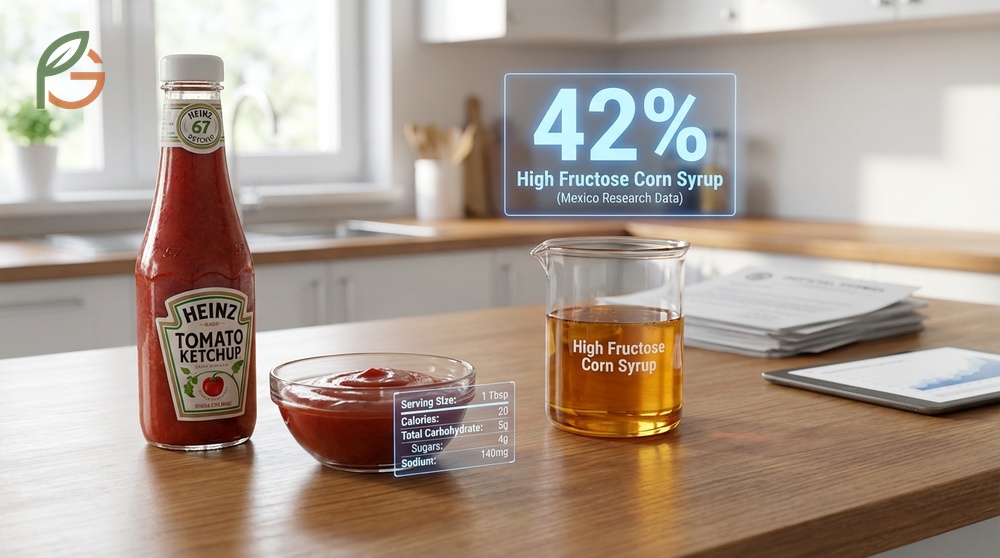
Heinz represents the most popular ketchup brand in America, commanding significant market share. Current nutrition labels show that one tablespoon of Heinz Tomato Ketchup contains 20 calories, 5g carbohydrates (with 4g from sugar), and 140mg sodium[5]. The product contains zero fat and zero protein.
Consumer research from Mexico revealed concerning data about Heinz’s ingredient composition. Testing found that Heinz ketchup contains 42% high fructose corn syrup[3], meaning nearly half the product consists of added sweeteners rather than tomato content. This explains why Heinz tastes sweeter than homemade versions.
Studies indicate that Heinz’s sodium levels fall within the standard range for commercial ketchup brands. At 140-150mg per tablespoon, consuming 3-4 tablespoons contributes approximately 20% of the daily 2,300mg sodium limit recommended by the National Heart, Lung, and Blood Institute[2].
This table compares standard serving sizes of Heinz ketchup showing calories, sugar, sodium and lycopene content across three common portion amounts
| Serving Size | Calories | Sugar | Sodium | Lycopene |
|---|---|---|---|---|
| 1 tablespoon (17g) | 20[5] | 4g[5] (7% DV) | 140mg[5] (6% DV) | 2.5mg[2] |
| 2 tablespoons (34g) | 40 | 8g (14% DV) | 280mg (12% DV) | 5mg |
| 3 tablespoons (51g) | 60 | 12g (21% DV) | 420mg (18% DV) | 7.5mg |
| 4 tablespoons (68g) | 80 | 16g (28% DV) | 560mg (24% DV) | 10mg |
Heinz does offer alternative products for health-conscious consumers. Their “No Sugar Added” variety replaces high fructose corn syrup with sucralose, reducing calories to 5 per tablespoon. However, research shows that no-sugar versions typically increase sodium content by 25-30% to compensate for lost sweetness[4].
Sugar in Ketchup: What You Need to Know
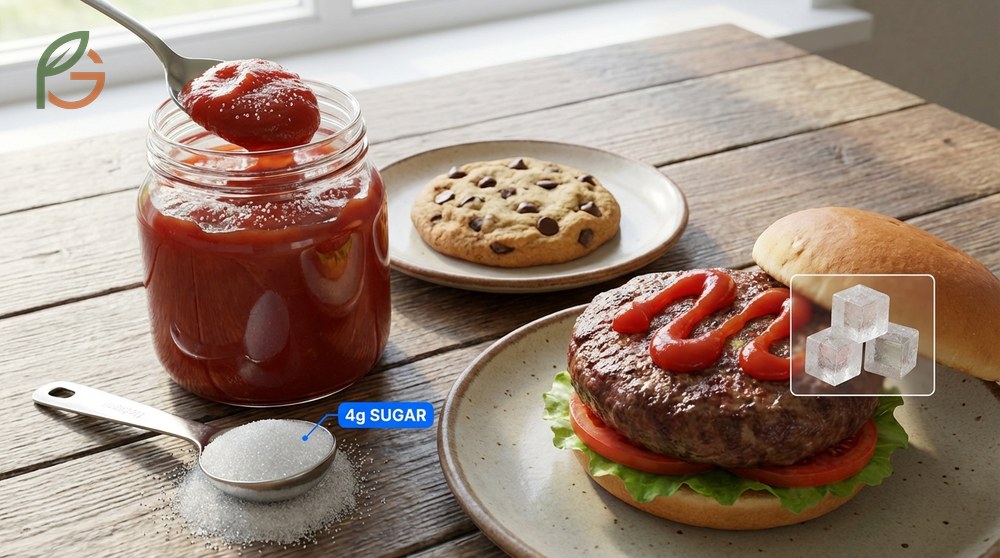
Current nutritional data reveals that sugar represents the second ingredient in most commercial ketchup brands after tomato concentrate. Each tablespoon delivers 4g of sugar, which equals approximately one teaspoon[1]. This means a typical burger with 3 tablespoons of ketchup contains the same amount of sugar as a small cookie.
Studies demonstrate that repeated consumption of high-sugar condiments can contribute to excessive daily sugar intake without people realizing it. The American Heart Association recommends limiting added sugars to 25g for women and 36g for men daily. Just 6 tablespoons of ketchup exceeds a woman’s entire daily sugar allowance.
What makes ketchup’s sugar content particularly concerning is how it accumulates throughout the day. Research shows that Americans don’t typically account for condiment sugars when calculating daily intake[2]. A breakfast hash browns with ketchup, burger at lunch, and fries at dinner can easily deliver 15-20g from ketchup alone.
High Fructose Corn Syrup Concerns
Consumer protection research conducted in Mexico found alarming levels of high fructose corn syrup in popular ketchup brands. Heinz and Clemente Jacques both contained 42% corn syrup, while La Costeña reached 58% and Embasa topped the list at 55%[3]. This means over half of some ketchup products consist of sweetener rather than tomatoes.
Evidence suggests that high fructose corn syrup may affect health differently than natural sugars. The liver processes fructose directly, which can lead to increased fat storage when consumed in large quantities. Current guidance emphasizes choosing ketchup brands that use cane sugar or no added sweeteners instead of corn syrup.
Label Reading Tip: Check ingredient lists carefully. If “high fructose corn syrup” appears before “tomato concentrate,” the product contains more sweetener than tomatoes. Look for brands listing tomatoes as the first ingredient.
Sodium Levels and Heart Health
Research indicates that sodium content in ketchup poses concerns for people managing blood pressure. Standard commercial varieties contain 150-170mg sodium per tablespoon, contributing 6-7% of the 2,300mg daily limit[1]. For individuals following a strict 1,500mg low-sodium diet, just three tablespoons consume 30% of the daily allowance.
Studies show that excessive sodium intake contributes to hypertension, heart disease, and stroke risk. The National Heart, Lung, and Blood Institute emphasizes that hidden sodium in condiments often causes people to exceed recommended limits without realizing it[2].
- Choose “No Salt Added” varieties that contain approximately 5-10mg sodium per tablespoon instead of 150mg
- Dilute regular ketchup with unsalted tomato paste to reduce sodium concentration while maintaining volume
- Switch to fresh tomato salsa, which typically contains 50-100mg less sodium per serving
- Measure portions carefully—use a tablespoon instead of squeezing directly from the bottle
- Pair ketchup with naturally low-sodium foods rather than already-salty items like fries or processed burgers
Healthy Ketchup Alternatives
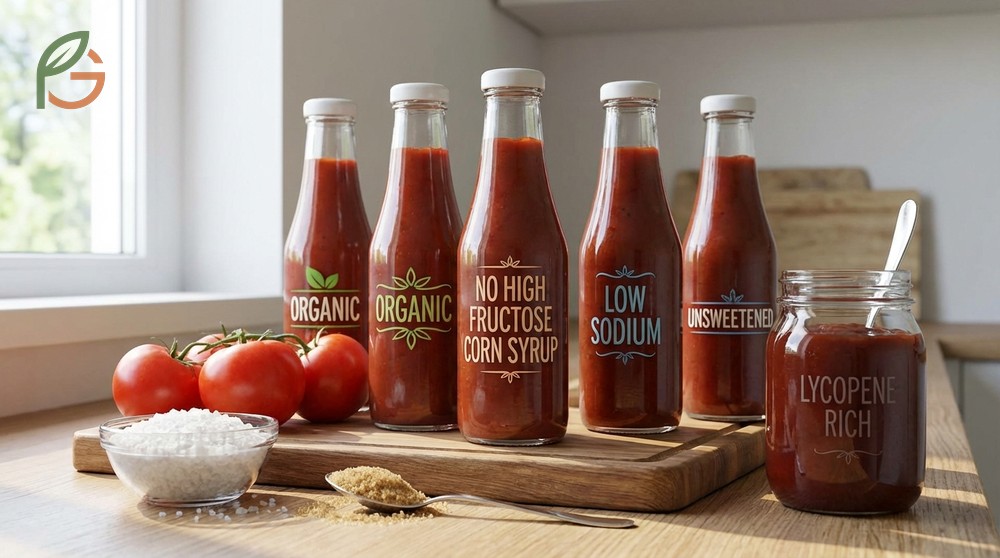
Current market trends show increasing availability of healthier ketchup options that reduce sugar and sodium without sacrificing flavor. Research demonstrates that consumers can find products labeled “organic,” “no high fructose corn syrup,” “low sodium,” or “unsweetened” at most major grocery stores[1]. These alternatives maintain the lycopene benefits while addressing the main nutritional concerns.
Evidence suggests that some brands now use innovative sweetening methods. Primal Kitchen uses balsamic vinegar for sweetness, True Made Foods incorporates butternut squash and carrots, and several organic brands rely on dates instead of corn syrup. Studies indicate these natural sweeteners provide fiber and nutrients absent in high fructose corn syrup.
Beyond commercial alternatives, homemade versions give you complete control over ingredients. Most recipes require only 5-10 minutes of preparation and allow you to eliminate all added sugars or reduce sodium by 80-90%. Current guidance emphasizes that making your own ketchup represents the most reliable way to avoid unwanted additives.
- Primal Kitchen Organic Ketchup: Uses balsamic vinegar instead of sugar, contains 1g sugar per tablespoon
- True Made Foods Veggie Ketchup: Incorporates butternut squash and carrots for natural sweetness
- Heinz No Sugar Added: Uses sucralose as sweetener, provides only 5 calories per tablespoon
- Fresh tomato salsa: Delivers similar tangy flavor with 50% less sodium and no added sugars
- Hot sauce or harissa: Provides bold flavor with minimal calories, sugar, or sodium
- Tomato chutney: Offers complex sweetness from dates or raisins rather than refined sugars
Homemade Sugar Free Ketchup Recipes
Research shows that homemade sugar-free ketchup recipes deliver comparable taste to commercial brands while eliminating concerns about high fructose corn syrup and excessive sodium. The most popular approach uses unsweetened tomato paste combined with natural sweeteners like raw honey, dates, or sugar alternatives such as allulose or stevia[6].
Current recipes emphasize using “no salt added” and “no sugar added” tomato products as the base. This approach reduces sodium by approximately 85% and eliminates all added sugars before you introduce controlled amounts of natural sweeteners. Studies demonstrate that apple cider vinegar provides the necessary tanginess while delivering additional health benefits like improved blood sugar control.
What often surprises home cooks is how simple the process becomes. Evidence from recipe testing shows you don’t need to simmer ingredients over low heat or use complicated equipment. Most methods involve simply whisking ingredients together in a bowl and refrigerating—the flavors develop and improve within 24 hours[6].
| Recipe Type | Primary Sweetener | Prep Time | Sugar per Tbsp |
|---|---|---|---|
| Honey-Based | Raw honey | 5 minutes | 2-3g natural sugars |
| Date-Sweetened | Medjool dates | 10 minutes (blending) | 2-3g natural sugars |
| Keto-Friendly | Allulose or stevia | 5 minutes | 0g sugars |
Storage Tip: Homemade ketchup lasts 3-4 weeks refrigerated in an airtight container. The absence of preservatives means shorter shelf life than commercial brands, but you can freeze portions in ice cube trays for up to 3 months.
Conclusion
The evidence is clear: tomato ketchup can fit into a healthy diet when you practice portion control and choose quality brands. Research demonstrates that the lycopene content provides genuine antioxidant benefits, but the 4g of sugar and 150mg of sodium per tablespoon demand mindful consumption. Studies confirm that limiting intake to 2-3 tablespoons per meal keeps you within reasonable nutritional boundaries while still enjoying the flavor.
Current guidance emphasizes reading labels carefully and considering alternatives when appropriate. If you’re managing diabetes, hypertension, or watching your weight, switching to low-sodium or sugar-free varieties—whether commercial or homemade—delivers the benefits without the drawbacks. FruitGarden synthesizes nutritional research to help you make informed decisions that support both enjoyment and health goals.
Medical Disclaimer
Important Medical Disclaimer: This content is for informational and educational purposes only. It is not intended as a substitute for professional medical advice, diagnosis, or treatment. Always consult a qualified healthcare professional or registered dietitian before making any changes to your diet, especially if you have diabetes, hypertension, heart disease, or other medical conditions. The information provided here should not be used to diagnose or treat any health problem or disease.
Frequently Asked Questions
Is it okay to eat ketchup every day?
Research shows you can eat ketchup daily in moderation—typically 1-2 tablespoons per day. This amount provides beneficial lycopene without excessive sugar or sodium. However, consuming 4-5 tablespoons daily would deliver approximately 20g of added sugar and 600-850mg of sodium, which could interfere with health goals for weight management or blood pressure control.
Does tomato ketchup have any vitamins or minerals?
Current nutritional data shows that ketchup contains minimal vitamins and minerals beyond lycopene. Each tablespoon provides trace amounts of potassium (approximately 53mg), calcium (2mg), and vitamin C, but these quantities don’t significantly contribute to daily requirements. The primary nutritional value comes from the antioxidant lycopene rather than traditional vitamins or minerals.
Which ketchup brand is healthiest?
Studies indicate that Primal Kitchen Organic Ketchup and True Made Foods Veggie Ketchup rank among the healthiest commercial options. Both brands eliminate high fructose corn syrup and use natural sweeteners like balsamic vinegar or vegetable purees. They typically contain 1-2g sugar per tablespoon compared to 4g in conventional brands, while maintaining similar sodium levels around 140mg per serving.
Can diabetics eat tomato ketchup?
Research shows that diabetics can include ketchup in their meal plans when they account for the carbohydrates and practice strict portion control. Each tablespoon contains 4-5g of carbs, so limiting consumption to 1-2 tablespoons per meal prevents blood sugar spikes. Current guidance recommends that diabetics choose no-sugar-added varieties or make homemade versions using sugar alternatives like stevia or allulose to eliminate glycemic impact entirely.
Is ketchup bad for weight loss?
Evidence suggests that ketchup doesn’t significantly hinder weight loss when used sparingly. At only 17-20 calories per tablespoon, ketchup contributes minimal calories to meals. However, the 4g of sugar per tablespoon can trigger cravings and make portion control more difficult for some people. Studies demonstrate that switching to sugar-free varieties or limiting intake to 2 tablespoons per meal allows you to enjoy ketchup while maintaining a caloric deficit for weight loss.
What can I use instead of ketchup that’s healthier?
Research shows that fresh tomato salsa, hot sauce, and harissa provide healthier alternatives to traditional ketchup. Salsa delivers similar tomato flavor with 50-100mg less sodium and no added sugars. Hot sauce contains almost zero calories and minimal sodium while providing capsaicin’s metabolism-boosting benefits. Homemade sugar-free ketchup sweetened with dates or honey offers the closest flavor match with significantly improved nutritional profiles.
Does cooking ketchup destroy the lycopene?
Current research demonstrates that cooking actually enhances lycopene’s bioavailability rather than destroying it. The heat processing used to manufacture ketchup breaks down tomato cell walls, making lycopene easier for your body to absorb. Studies published in the American Journal of Clinical Nutrition confirm that processed tomato products like ketchup deliver 2-3 times more absorbable lycopene than raw tomatoes, whether you eat the ketchup cold or heated.