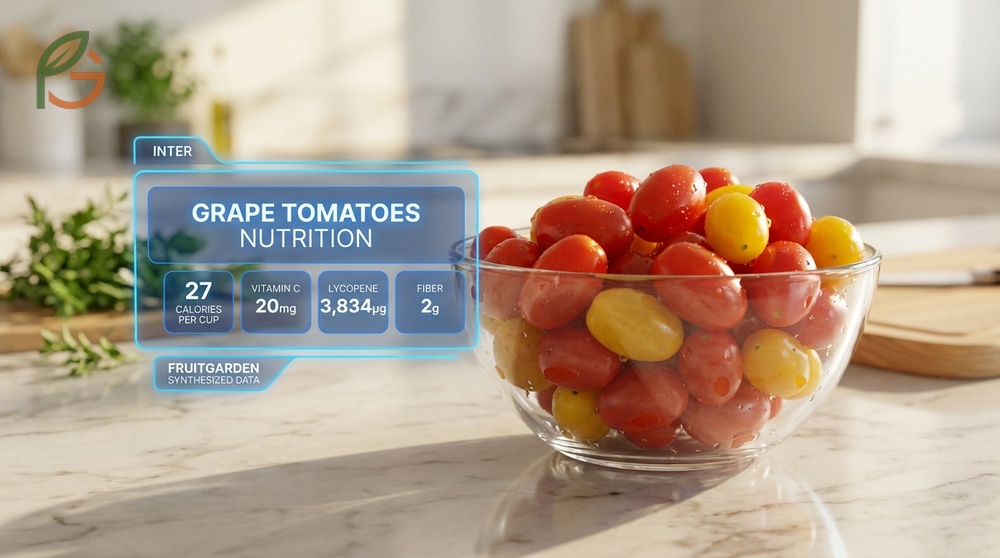
Calories in grape tomatoes are remarkably low, with just 27 calories per cup[1], making them an ideal snack for weight management and healthy eating. Research shows these bite-sized tomatoes deliver impressive nutrition—20mg of vitamin C, 3,834μg of lycopene[1], and 2g of fiber[1]—without compromising taste or satisfaction. FruitGarden synthesizes USDA nutrition databases and current agricultural research to help you understand exactly what you’re getting from these nutrient-dense tomatoes.
Quick Answer
- One cup of grape tomatoes contains 27 calories
- Each cup provides 6g total carbohydrates[1] with 2g fiber[1], resulting in 4g net carbs[1]
- Grape tomatoes deliver 23% of your daily vitamin C[1] and 7% of vitamin A[1] per serving
- One grape tomato contains approximately 1-2 calories[2], making portion control effortless
Calories in Grape Tomatoes
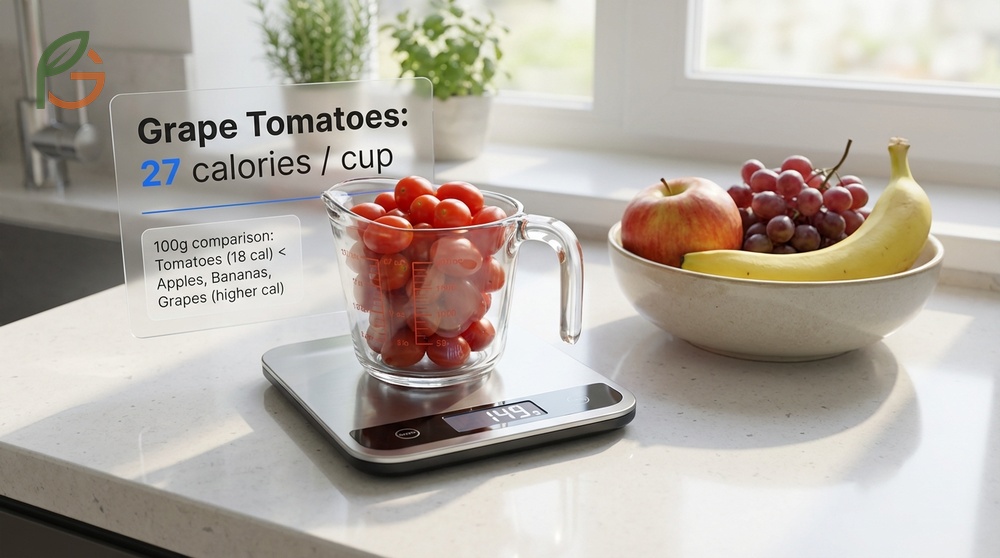
One cup of grape tomatoes (149g) contains just 27 calories[1], making them one of the lowest-calorie snack options available. This translates to approximately 18 calories per 100g[3], which is lower than most fresh fruits including apples, bananas, and grapes.
The calorie density remains remarkably consistent across preparation methods. Whether you’re eating them raw, roasted, or added to salads, the base calorie count doesn’t change significantly unless you add oils or dressings. Studies demonstrate that you can eat approximately 15-20 grape tomatoes while consuming only about 30 calories[2].
Current nutrition data from USDA FoodData Central confirms that grape tomatoes have about 75% carbohydrates, 17% protein, and 9% fat by calorie distribution[1]. This unique profile supports sustained energy without causing blood sugar spikes that occur with processed snacks.
Serving Sizes Explained
A standard serving of grape tomatoes equals one cup, which contains approximately 10-12 individual tomatoes depending on their size[4]. Most people find this portion satisfying for snacking while staying well within calorie goals for weight management.
For precise tracking, one individual grape tomato weighs about 12-15g and contains 1-2 calories[2]. This makes it easy to customize portions without complicated calculations or measuring tools.
Calorie Breakdown by Weight
Evidence indicates that calorie counts scale linearly with weight. Half a cup (74g) contains approximately 13-14 calories, while two cups (298g) deliver about 54 calories[1]. Even large portions remain remarkably low in calories compared to other snack alternatives.
Important Note: Calorie counts listed refer to raw grape tomatoes. Roasting them with olive oil increases calories by approximately 40-60 calories per tablespoon of oil added, though the tomatoes themselves don’t gain calories from heat.
Grape Tomatoes Nutrition Facts
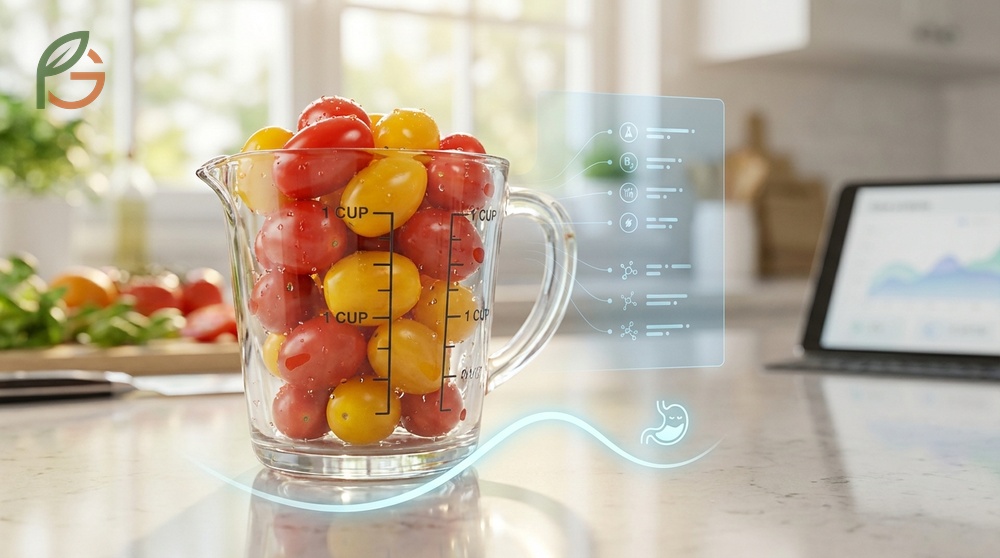
Research shows grape tomatoes pack impressive nutrition into minimal calories. One cup provides substantial percentages of several essential nutrients without added sodium, cholesterol, or saturated fats[1]. The water content exceeds 90%, which contributes to hydration and creates a feeling of fullness that helps control appetite.
Current agricultural data indicates grape tomatoes contain higher concentrations of certain nutrients compared to larger tomato varieties. Their thinner skins and reduced water content per gram mean you’re getting more antioxidants and vitamins in every bite[5].
Macronutrient Profile
One cup of grape tomatoes delivers a balanced macronutrient composition. You’ll get 6g of total carbohydrates, 1g of protein, and 0.3g of fat[1]. The protein content, while modest, provides all essential amino acids in small amounts, with glutamic acid being the most abundant at approximately 1g per cup[1].
The fat content consists primarily of healthy polyunsaturated fats (0.1g)[1], with zero trans fats or cholesterol. This profile makes them heart-healthy and suitable for cardiovascular disease prevention diets.
This table compares complete nutritional values per one cup serving of grape tomatoes including calories, macronutrients, fiber, vitamins and minerals with their daily value percentages
| Nutrient | Amount | % Daily Value |
|---|---|---|
| Calories | 27 kcal[1] | 1% |
| Total Carbohydrates | 6g[1] | 2% |
| Dietary Fiber | 2g[1] | 6% |
| Sugars | 4g[1] | — |
| Protein | 1g[1] | 2% |
| Total Fat | 0.3g[1] | 0.4% |
| Vitamin C | 20mg[1] | 23% |
| Vitamin A | 63μg[1] | 7% |
| Potassium | 353mg[1] | 8% |
| Lycopene | 3,834μg[1] | — |
Vitamins and Minerals
Grape tomatoes deliver 23% of your daily vitamin C needs in just one cup[1], which supports immune function and collagen production. They also provide 7% of vitamin A requirements[1], essential for eye health and cellular growth.
Additional minerals include 353mg of potassium (8% DV)[1], which helps regulate blood pressure, and meaningful amounts of vitamin K (12μg, 10% DV)[1], copper (0.1mg, 10% DV)[1], and manganese (0.2mg, 7% DV)[1]. These trace minerals support bone health, wound healing, and antioxidant enzyme systems.
- Vitamin C (20mg): Boosts immunity, supports collagen synthesis, enhances iron absorption from plant foods
- Vitamin A (63μg): Maintains vision health, supports skin integrity, regulates immune response
- Potassium (353mg): Controls blood pressure, maintains fluid balance, supports nerve function
- Vitamin K (12μg): Essential for blood clotting, promotes bone mineral density
- Folate (22μg): Supports cell division, critical for pregnant women, helps prevent neural tube defects
- Vitamin B6 (0.1mg): Aids metabolism, supports brain development, helps produce neurotransmitters
Carbs in Grape Tomatoes
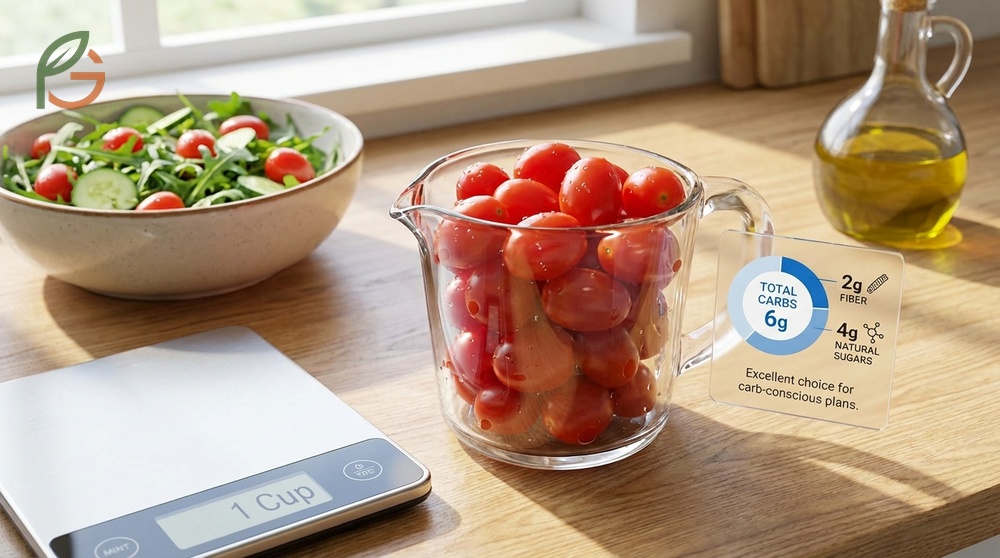
One cup of grape tomatoes contains 6g of total carbohydrates[1], which represents just 2% of the daily recommended intake for a 2,000-calorie diet. This makes them an excellent choice for carb-conscious eating plans without requiring strict portion limitations.
The carbohydrate composition breaks down into 2g of dietary fiber and 4g of natural sugars[1]. Unlike processed foods with added sugars, these naturally occurring sugars come packaged with fiber, water, and nutrients that moderate their absorption and prevent blood sugar spikes.
Net Carbs for Low-Carb Diets
Net carbs equal total carbohydrates minus fiber, which gives you 4g net carbs per cup of grape tomatoes[1]. Research shows this falls within acceptable ranges for most low-carb diets, though strict ketogenic dieters (targeting under 20g net carbs daily) should monitor portions carefully.
For comparison, one individual grape tomato contains approximately 0.4-0.6g net carbs[6]. This means you can eat 10-15 tomatoes and stay well under 10g net carbs, making them more flexible than higher-carb vegetables like carrots or beets.
Sugar Content Analysis
The 4g of sugar in one cup of grape tomatoes consists of equal parts glucose (2g) and fructose (2g)[1], with no added sucrose, lactose, or maltose. This natural sugar profile doesn’t trigger the same insulin response as refined sugars found in processed snacks.
Studies demonstrate that the fiber content in grape tomatoes slows sugar absorption, preventing the rapid blood glucose fluctuations that occur with candy or soda. The glycemic load remains extremely low, making them suitable for diabetic meal plans when consumed in reasonable portions.
Low-Carb Diet Tip: Pairing grape tomatoes with protein sources like cheese, nuts, or hard-boiled eggs further stabilizes blood sugar and extends satiety between meals. This combination works especially well for afternoon snacks.
Cherry vs Grape Tomatoes Nutrition
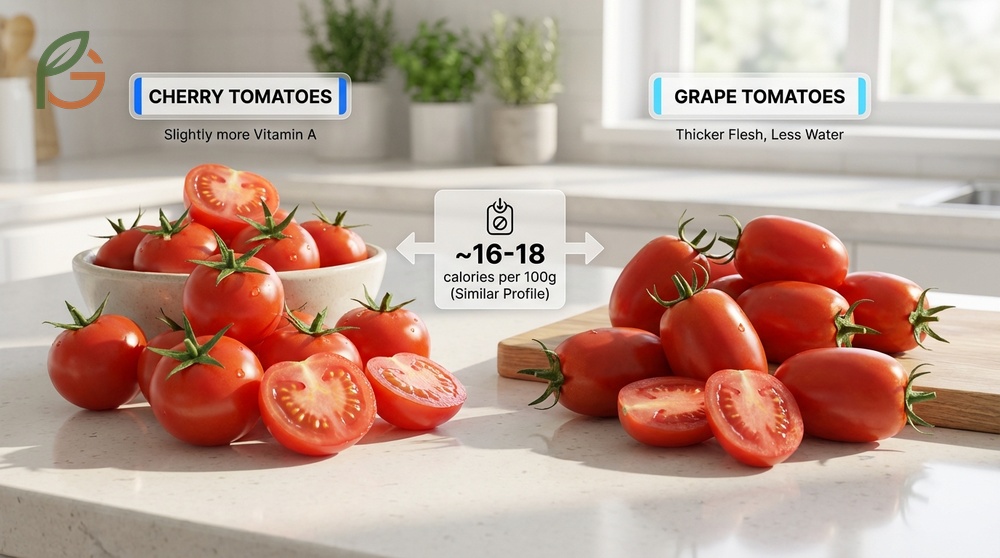
Cherry tomatoes and grape tomatoes share nearly identical nutritional profiles, with both containing approximately 16-18 calories per 100g[7]. The primary differences lie in shape, skin thickness, and water content rather than nutrient composition.
Research shows cherry tomatoes contain slightly more vitamin A at 75μg per 100g compared to grape tomatoes’ 42μg per 100g[7]. However, grape tomatoes have thicker flesh and less water, which concentrates certain nutrients like lycopene by up to 30% per gram[5].
Both varieties provide the same 16mg of vitamin C per 100g[7] and similar amounts of potassium (around 212mg per 100g)[7]. From a nutrition standpoint, you can choose either variety based on texture preference and recipe requirements without compromising health benefits.
| Nutrient | Cherry Tomatoes | Grape Tomatoes |
|---|---|---|
| Calories | 18 kcal[3] | 18 kcal[3] |
| Carbohydrates | 3.9g[3] | 3.9g[3] |
| Fiber | 1.2g[3] | 1.2g[3] |
| Vitamin C | 16mg[7] | 13mg (per 100g) |
| Vitamin A | 75μg[7] | 42μg (per 100g) |
- Shape: Cherry tomatoes are round; grape tomatoes are oblong and oval-shaped
- Skin thickness: Grape tomatoes have slightly thicker skins that hold up better in cooking
- Water content: Cherry tomatoes contain more water, making them juicier but less concentrated in flavor
- Shelf life: Grape tomatoes typically last 1-2 days longer than cherry tomatoes due to thicker skins
- Cooking applications: Grape tomatoes maintain shape better when roasted or grilled
Are Grape Tomatoes Good for You
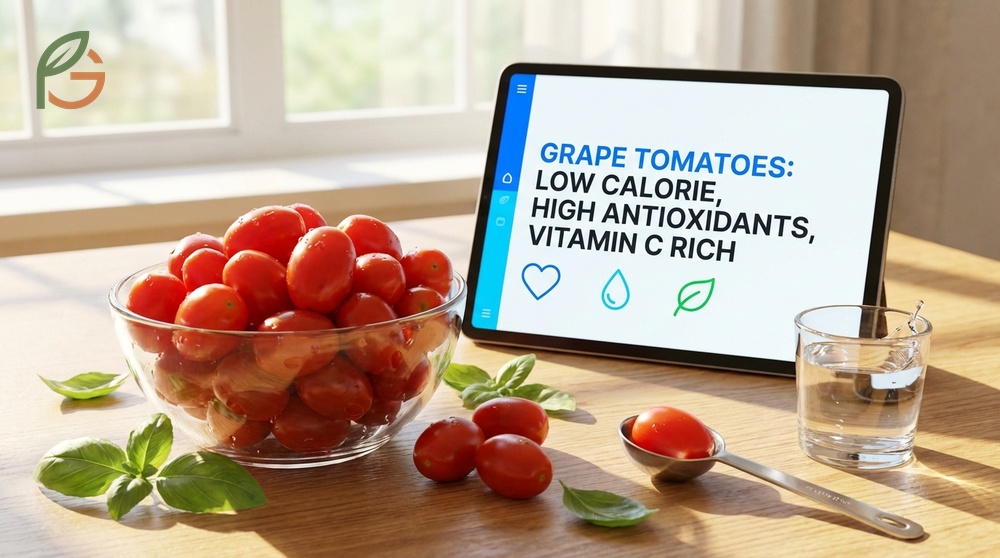
Research demonstrates grape tomatoes offer substantial health benefits through their combination of low calories, high water content, and concentrated antioxidants. Studies show regular consumption supports cardiovascular health, reduces oxidative stress, and may lower risks for certain chronic diseases[8].
The nutrient density of grape tomatoes—delivering 23% of daily vitamin C needs for just 27 calories—makes them exceptionally valuable for weight management and overall nutrition[1]. Current nutrition guidance emphasizes foods that provide maximum nutrients with minimal calories, and grape tomatoes fit this profile perfectly.
Lycopene Benefits
One cup of grape tomatoes delivers 3,834μg (3.8mg) of lycopene[1], a powerful antioxidant linked to reduced risks of heart disease and certain cancers. Research shows lycopene protects cells from oxidative damage and supports cardiovascular function by reducing LDL cholesterol oxidation[8].
Evidence indicates cooking tomatoes with healthy fats like olive oil increases lycopene absorption by up to 400%[8]. This means roasted grape tomatoes with extra virgin olive oil deliver significantly more bioavailable lycopene than raw tomatoes eaten alone.
Weight Management Support
The combination of high water content, fiber, and low calorie density makes grape tomatoes ideal for weight management. You can eat large volumes—two to three cups—while consuming fewer than 100 calories, which helps create the caloric deficit needed for fat loss without triggering hunger hormones.
Studies demonstrate that incorporating low-calorie, high-volume foods like grape tomatoes into meals increases satiety and reduces overall calorie intake throughout the day. The 2g of fiber per cup[1] also supports digestive health and helps stabilize blood sugar levels between meals.
- Cardiovascular protection: Potassium helps regulate blood pressure while lycopene reduces arterial inflammation
- Immune system support: Vitamin C content boosts white blood cell production and antibody response
- Skin health improvement: Antioxidants protect against UV damage and support collagen synthesis
- Eye health maintenance: Vitamin A and beta-carotene support retinal function and night vision
- Cancer risk reduction: Lycopene shows protective effects against prostate, lung, and stomach cancers in observational studies
- Blood sugar control: Low glycemic load and fiber content prevent insulin spikes
- Hydration support: Over 90% water content contributes to daily fluid requirements
Maximizing Nutrient Absorption: Eating grape tomatoes with healthy fats (avocado, nuts, olive oil) enhances absorption of fat-soluble vitamins A, E, and K, plus lycopene. This matters more than eating them plain.
How to Roast Grape Tomatoes
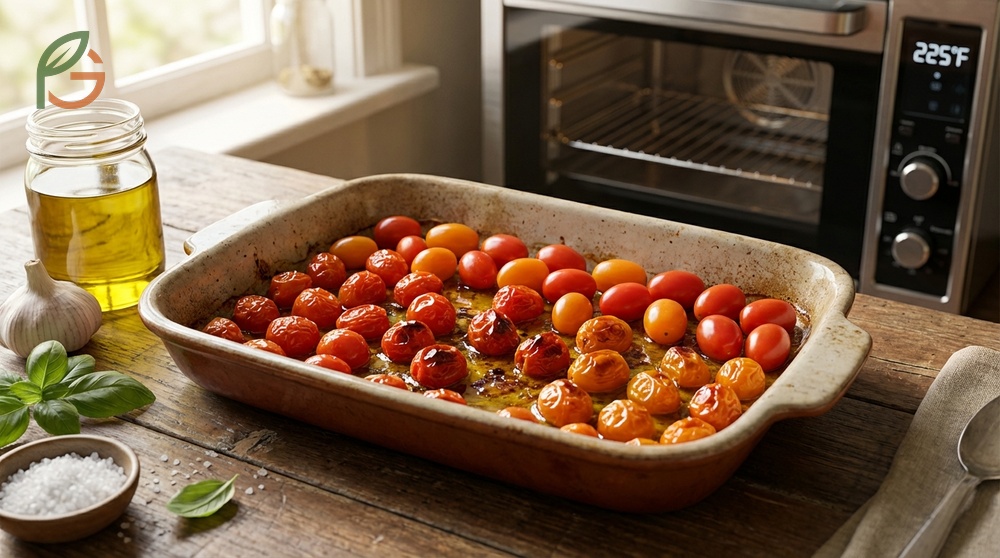
Roasting grape tomatoes concentrates their natural sugars and intensifies flavor while maintaining nutritional value. Current culinary guidance recommends low-temperature roasting at 225-250°F (107-121°C) for 90-120 minutes[9] to achieve caramelization without burning.
The slow-roasting method breaks down cell walls, which releases and concentrates lycopene while creating a sweet, jam-like texture. Research shows this cooking process actually increases lycopene bioavailability compared to eating raw tomatoes[8].
For best results, halve the tomatoes and arrange them cut-side up on a baking sheet. Drizzle with 1-2 tablespoons of olive oil per pint of tomatoes, then season with salt, pepper, and optional herbs like thyme or basil[10]. The skins will burst and caramelize when properly roasted, creating intense umami flavor.
Roasted grape tomatoes keep in the refrigerator for 3-4 days when stored in an airtight container[10]. They work exceptionally well in pasta dishes, on bruschetta, mixed into salads, or served as a side dish alongside grilled proteins.
- Preheat oven: Set temperature to 225-250°F (107-121°C) for slow, even roasting
- Prepare tomatoes: Halve grape tomatoes lengthwise and arrange cut-side up on baking sheet
- Add olive oil: Drizzle 1-2 tablespoons extra virgin olive oil per pint of tomatoes
- Season: Sprinkle with kosher salt (1/4 teaspoon per pint), black pepper, and optional herbs
- Roast low and slow: Bake for 90-120 minutes until skins burst and edges caramelize
- Cool and store: Let cool completely before transferring to airtight containers
- Serve versatile: Add to pasta, grain bowls, salads, sandwiches, or enjoy as appetizers
Temperature Variation Tip: If you’re short on time, increase oven temperature to 400°F (204°C) and roast for 25-30 minutes. Results won’t be as intensely sweet, but you’ll still get excellent flavor and caramelization.
Conclusion
The evidence is clear: calories in grape tomatoes remain remarkably low at just 27 per cup while delivering exceptional nutrition through vitamin C, lycopene, potassium, and fiber. Research demonstrates these nutrient-dense tomatoes support cardiovascular health, weight management, and immune function without requiring portion restrictions or complicated meal planning.
Current nutrition guidance emphasizes whole foods that provide maximum nutrients with minimal calories, and grape tomatoes exemplify this principle perfectly. Whether you’re eating them raw for convenient snacking, roasting them to concentrate flavor, or adding them to salads and pasta dishes, you’re getting substantial health benefits with negligible caloric impact. FruitGarden synthesizes agricultural research and USDA nutrition databases to help you make informed decisions about incorporating these versatile tomatoes into your healthy eating routine.
Medical Disclaimer
Important Medical Disclaimer: This content is for informational and educational purposes only. It is not intended as a substitute for professional medical advice, diagnosis, or treatment. Always consult a qualified healthcare professional or registered dietitian before making any changes to your diet, especially if you have existing medical conditions, food allergies, or are taking medications. Individual nutritional needs vary based on age, health status, and activity level.
Frequently Asked Questions
How many calories are in 10 grape tomatoes?
Ten grape tomatoes contain approximately 10-20 calories, depending on their size. Since one individual grape tomato has about 1-2 calories, a serving of 10 tomatoes provides minimal caloric impact while delivering vitamin C, lycopene, and fiber. This makes them an ideal snack for weight management without requiring precise calorie counting.
Are grape tomatoes good for weight loss?
Research shows grape tomatoes excel for weight loss due to their high water content (over 90%), low calorie density (27 calories per cup), and 2g of fiber per serving that promotes satiety. Studies demonstrate that incorporating low-calorie, high-volume foods like grape tomatoes helps create caloric deficits without triggering hunger hormones. You can eat large portions while staying within calorie goals.
Do grape tomatoes have more sugar than cherry tomatoes?
Grape tomatoes and cherry tomatoes contain nearly identical sugar levels at approximately 4g per cup. Both varieties have the same natural sugar composition of glucose and fructose without added sugars. The perceived sweetness difference comes from water content and flesh density rather than actual sugar content—grape tomatoes have less water, which concentrates flavor.
Can diabetics eat grape tomatoes?
Current guidance indicates grape tomatoes work well for diabetic meal plans due to their low glycemic load and 4g net carbs per cup. The 2g of fiber slows sugar absorption and prevents blood glucose spikes that occur with processed carbohydrates. Evidence suggests pairing them with protein sources like cheese or nuts further stabilizes blood sugar, though individuals should monitor their personal glucose response.
How much lycopene is in grape tomatoes?
One cup of grape tomatoes provides 3,834μg (3.8mg) of lycopene, a powerful antioxidant linked to cardiovascular health and reduced cancer risk. Research shows grape tomatoes contain up to 30% more lycopene per gram than larger tomato varieties due to their concentrated flesh and thinner skins. Cooking them with olive oil increases lycopene absorption by up to 400%.
What’s the best way to store grape tomatoes?
Store grape tomatoes at room temperature away from direct sunlight for 3-5 days to maintain optimal flavor and texture. Refrigeration extends shelf life by an additional 2-3 days but reduces flavor intensity and changes texture slightly. Evidence shows tomatoes stored at temperatures below 55°F (13°C) experience flavor degradation, so only refrigerate if you can’t consume them within five days.
Are roasted grape tomatoes healthy?
Roasted grape tomatoes retain all nutritional benefits while actually increasing lycopene bioavailability through heat processing. Studies demonstrate cooking breaks down cell walls, making antioxidants more accessible for absorption. The primary calorie increase comes from added olive oil (approximately 40-60 calories per tablespoon), but this healthy fat enhances absorption of fat-soluble vitamins and lycopene, making roasted tomatoes nutritionally superior when consumed with fats.