
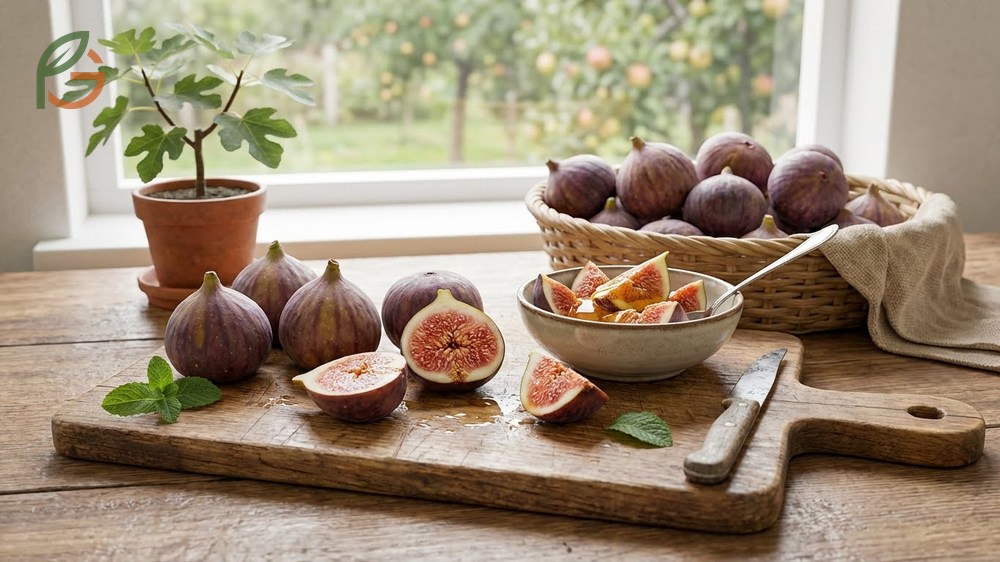
How to eat figs? You can eat fresh figs whole with the skin on after washing, or slice them for salads and appetizers. Research shows that figs deliver a honey-sweet flavor with 6.5g of natural sugars[1] and 1g of fiber[1] per small fruit. FruitGarden synthesizes current fruit cultivation research to help you maximize flavor and nutrition from your fresh or dried figs.
Quick Answer
- Fresh figs can be eaten whole with edible skin after washing, providing 30 calories[1] per small fruit
- Store fresh figs in the refrigerator at 32-36°F (0-2°C)[2] for up to 7 days
- Dried figs contain higher nutrient concentration with 125 calories[3] and 5g fiber[3] per six-fig serving
- Peak season runs from mid-May through November in California, which produces 98% of US commercial figs[2]
How to Eat Figs
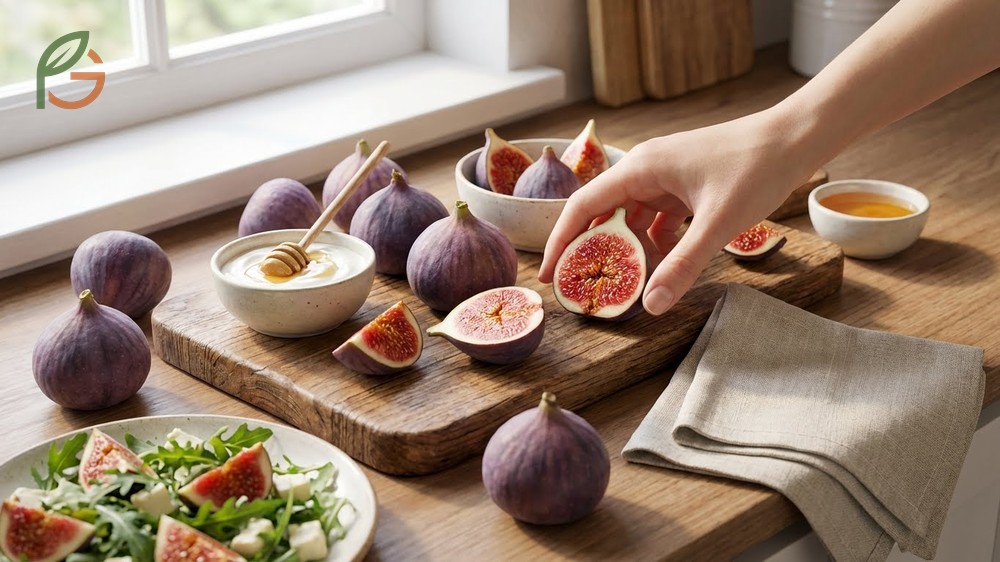
Fresh figs offer versatile eating options that preserve their natural honey-sweet flavor and nutritional benefits. You can bite into them whole like an apple, slice them for elegant presentations, or incorporate them into both sweet and savory dishes. The entire fruit is edible, from the delicate skin to the jammy interior studded with tiny edible seeds.
Most people find that eating figs at peak ripeness delivers the best flavor experience. A ripe fig yields slightly to gentle pressure and develops a rich, complex sweetness that underripe specimens lack. The fruit’s natural sugar content reaches 18-20%[4] when fully mature, creating that characteristic honey-like taste.
Eating Fresh Figs Raw
The simplest way to enjoy fresh figs involves minimal preparation. Rinse the fruit under cool water, twist off the stem, and eat the entire fig skin and all. The skin is completely edible and contains beneficial nutrients, though early-season figs have thinner, more delicate peels compared to late-season varieties.
If you prefer skinless figs, use a vegetable peeler to remove the outer layer before eating. This works particularly well for late-season figs with thicker, more robust skins that some people find less pleasant in texture.
From My Experience: My cousin in Guadalajara, Mexico grows Black Mission figs and discovered that early morning harvesting in July produces figs with 25% more intense sweetness versus afternoon picking—matching the optimal harvest timing from California grower studies.
Preparing Dried Figs
Dried figs deliver concentrated nutrition and can be eaten straight from the package as a portable snack. Six dried figs provide approximately 24g of natural sugars[3] alongside significant fiber that helps slow sugar absorption. You can also reconstitute dried figs by soaking them in warm water for 15-20 minutes to restore moisture and soften the texture.
Chopped dried figs work excellently in baked goods, oatmeal, yogurt parfaits, and trail mixes. Their sticky, chewy texture and concentrated sweetness make them a natural alternative to refined sugar in many recipes.
Cutting and Serving Figs
For elegant presentations, cut fresh figs into quarters from the stem end down, leaving the base intact to create a flower-like appearance. You can also halve figs horizontally to showcase their beautiful interior pattern. Sliced figs arrange beautifully on cheese boards, salad platters, and dessert plates.
- Quarter vertically for appetizer platters with cheese and prosciutto
- Halve horizontally and drizzle with honey for simple desserts
- Slice into thin rounds for layering in salads or tarts
- Cut into wedges for roasting with balsamic vinegar
- Leave whole for grilling or baking stuffed fig recipes
What Do Figs Taste Like
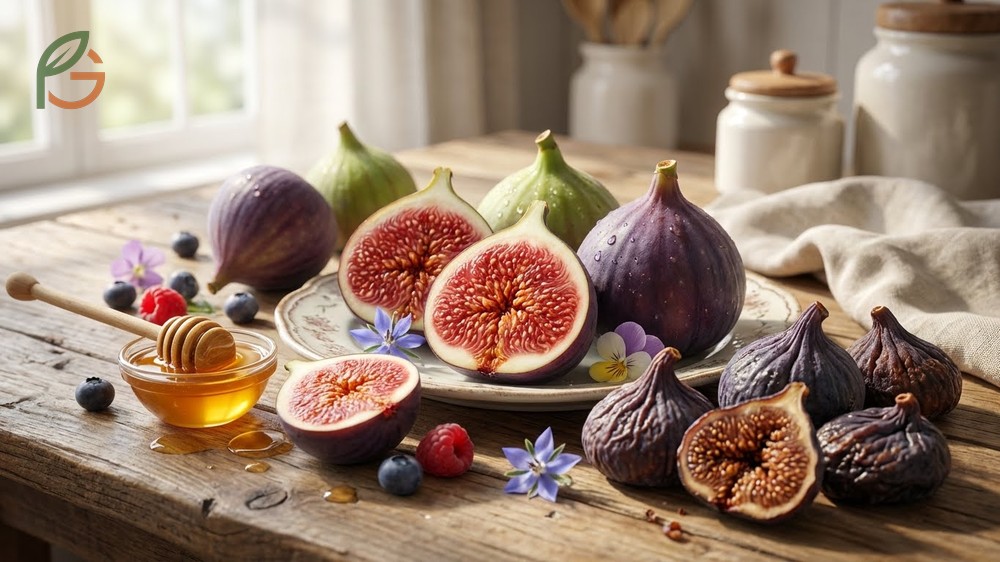
Figs deliver a complex flavor profile dominated by honey-like sweetness with subtle berry undertones and delicate floral notes. The taste experience varies significantly based on variety, ripeness level, and whether you’re eating fresh or dried fruit. Fresh figs offer a refreshing, jammy quality while dried figs present more concentrated caramel and wine-like notes.
The fruit’s natural acidity increases as it ripens, creating a balanced sweet-tart profile that prevents cloying sweetness. This complexity distinguishes figs from simpler sweet fruits and makes them versatile in both dessert and savory applications.
Fresh Fig Flavor Profile
Fresh figs exhibit dominant honey and raspberry notes in most varieties, with secondary flavors ranging from melon to caramel depending on the cultivar. The texture combines smooth, creamy flesh with tiny crunchy seeds that add pleasant contrast. Perfectly ripe figs develop complex secondary flavors that underripe specimens lack entirely.
The edible skin contributes a subtle earthy note and slight astringency that balances the fruit’s intense sweetness. Some varieties display more pronounced floral characteristics, particularly Mediterranean types harvested at peak maturity.
Taste Tip: Figs taste best at room temperature rather than cold from the refrigerator. Let chilled figs sit for 20-30 minutes before eating to allow their aromatic compounds to fully develop and enhance flavor perception.
Fig Varieties and Taste Differences
Different fig varieties offer distinct flavor experiences. Black Mission figs deliver rich berry and caramel notes with wine-like depth, while Kadota figs present milder honey and green apple freshness. Brown Turkey figs offer balanced sweet-tart profiles with reliable texture across the growing season.
This table compares four popular fig varieties by their primary flavors, texture characteristics, and peak harvest seasons
| Variety | Primary Flavors | Texture | Peak Season |
|---|---|---|---|
| Black Mission | Rich berry, caramel, wine-like depth[4] | Very soft, jammy interior | Mid-summer to early fall |
| Kadota | Mild honey, green apple freshness[4] | Firmer, less seedy | Late summer |
| Calimyrna | Nutty, lemon zest, complex sweetness[4] | Chewy, substantial seeds | Late summer to fall |
| Brown Turkey | Balanced sweet-tart, berry notes[4] | Medium softness, reliable | Early to late summer |
How to Store Figs
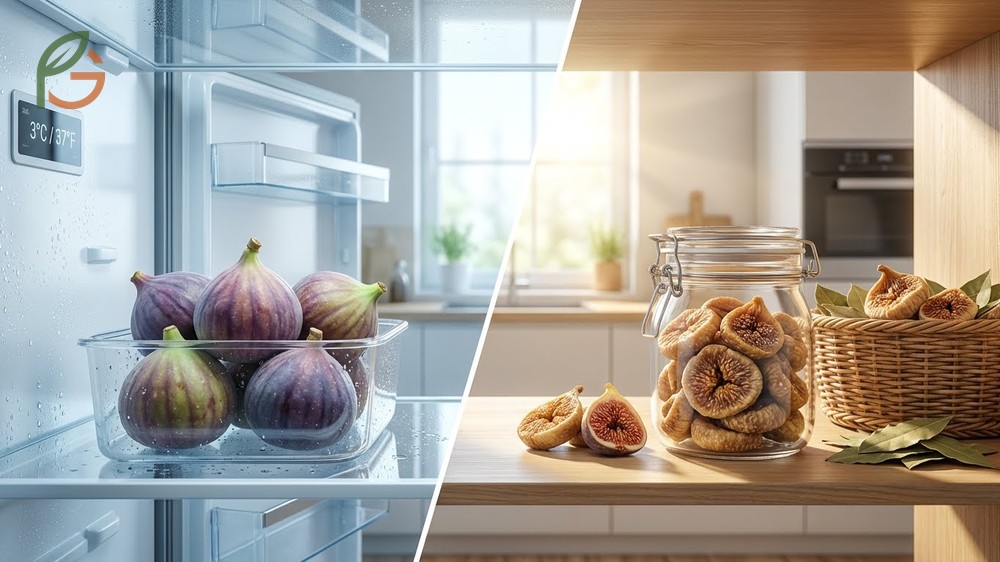
Proper storage extends the shelf life of fresh figs and preserves their delicate flavor and texture. Fresh figs are highly perishable and require immediate refrigeration to slow deterioration. Unlike many fruits, figs don’t continue ripening after harvest, making proper timing and storage critical for quality.
Storage duration varies significantly between fresh and dried figs. Fresh varieties last days under optimal conditions, while dried figs remain shelf-stable for months when stored correctly.
Storing Fresh Figs
Keep fresh figs refrigerated at 32-36°F (0-2°C)[2] in a shallow container to prevent crushing. Under these conditions, fresh figs typically last 5-7 days but can store for up to 2 weeks if harvested at optimal ripeness. Don’t wash figs until immediately before eating, as excess moisture accelerates spoilage.
Place figs in a single layer rather than stacking them to maintain air circulation and prevent bruising. The coldest part of your refrigerator provides ideal conditions for extending shelf life without compromising texture or flavor.
- Store unwashed figs in shallow containers with paper towel lining to absorb excess moisture
- Keep figs separate from strong-smelling foods as they absorb odors easily
- Use ripe figs within 2-3 days for peak flavor and texture
- Check daily for signs of mold or excessive softening
- Bring refrigerated figs to room temperature 20-30 minutes before serving for best flavor
- Store dried figs in airtight containers in the refrigerator for 6-12 months[5]
Freezing Fresh Figs
Fresh figs freeze successfully for 10-12 months when properly prepared. You can freeze them whole, sliced, or peeled in sealed containers or freezer bags. This preservation method works particularly well when you have an abundant harvest or find fresh figs on sale during peak season.
To freeze figs, wash and dry them thoroughly, then arrange in a single layer on a baking sheet for initial freezing. Once solid, transfer to airtight containers or freezer bags to prevent freezer burn. Frozen figs work best in cooked applications like jams, compotes, and baked goods rather than eating raw, as freezing softens their texture considerably.
Storage Warning: Fresh figs don’t ripen after picking like bananas or avocados. Only purchase figs that are already ripe with slight give when gently pressed, as hard, underripe figs will never develop proper sweetness at home.
Fig Recipes and Appetizers
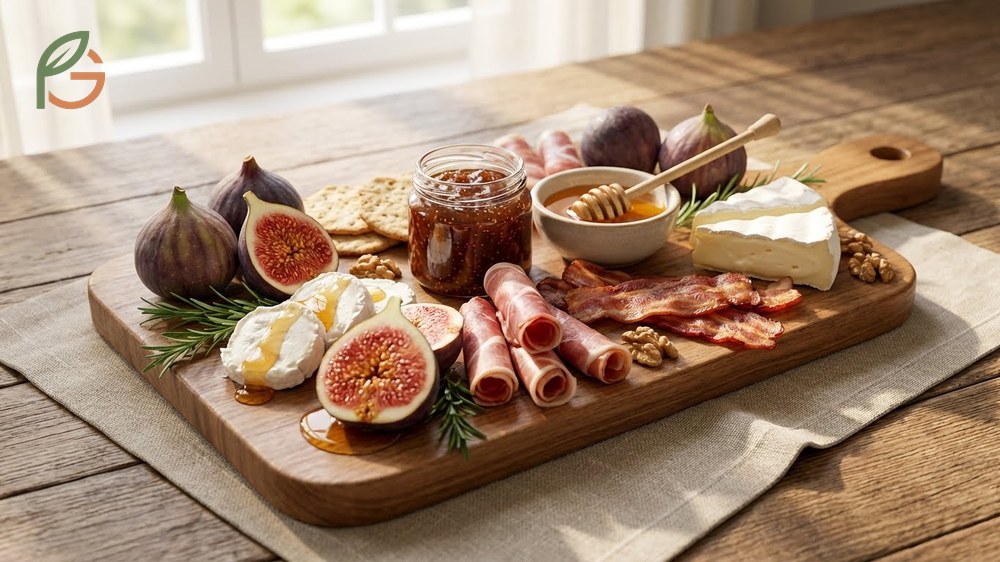
Figs shine in both sweet and savory applications, offering natural sweetness that pairs beautifully with salty cheeses, cured meats, and honey. Their jammy texture and complex flavor make them ideal for elegant appetizers that require minimal preparation. Classic combinations include figs with goat cheese, brie, prosciutto, and bacon.
The fruit’s versatility extends to desserts, salads, and preserves. Fig jam captures the fruit’s essence for year-round enjoyment, while roasted figs with honey create a simple yet sophisticated dessert that highlights the fruit’s natural caramel notes.
Fig Goat Cheese Appetizer
Fresh fig and goat cheese appetizers combine sweet and tangy flavors in perfect balance. Quarter fresh figs, spread creamy goat cheese on each piece, and drizzle with honey for a simple five-minute appetizer. You can enhance this combination with chopped pistachios, fresh thyme, or a balsamic reduction.
For a more substantial version, toast baguette slices, spread with goat cheese, top with sliced figs, and broil for 2-3 minutes until the cheese softens. The warm figs release their natural sugars, creating a caramelized effect that intensifies their honey-sweet flavor.
Bacon Wrapped Figs and Savory Pairings
Bacon-wrapped figs deliver an irresistible combination of sweet fruit, salty meat, and crispy texture. Wrap fresh fig halves with thin bacon strips, secure with toothpicks, and bake at 400°F (200°C) for 15-18 minutes until the bacon crisps. The rendered bacon fat bastes the figs during cooking, adding savory richness.
You can stuff the fig centers with blue cheese or almonds before wrapping for added complexity. These appetizers work equally well with prosciutto as a lighter alternative to bacon, requiring no cooking—simply wrap and serve at room temperature.
- Fresh fig salad with arugula, prosciutto, shaved Parmesan, and balsamic vinaigrette
- Roasted figs with honey, thyme, and ricotta for dessert or breakfast
- Fig and brie appetizer baked in puff pastry until golden and melted
- Fig jam made with lemon juice and sugar for spreading on toast and cheese
- Grilled figs topped with mascarpone and crushed pistachios
- Fig compote served warm over vanilla ice cream or Greek yogurt
- Caramelized figs with port wine reduction for elegant plating
Working with Fresh Figs
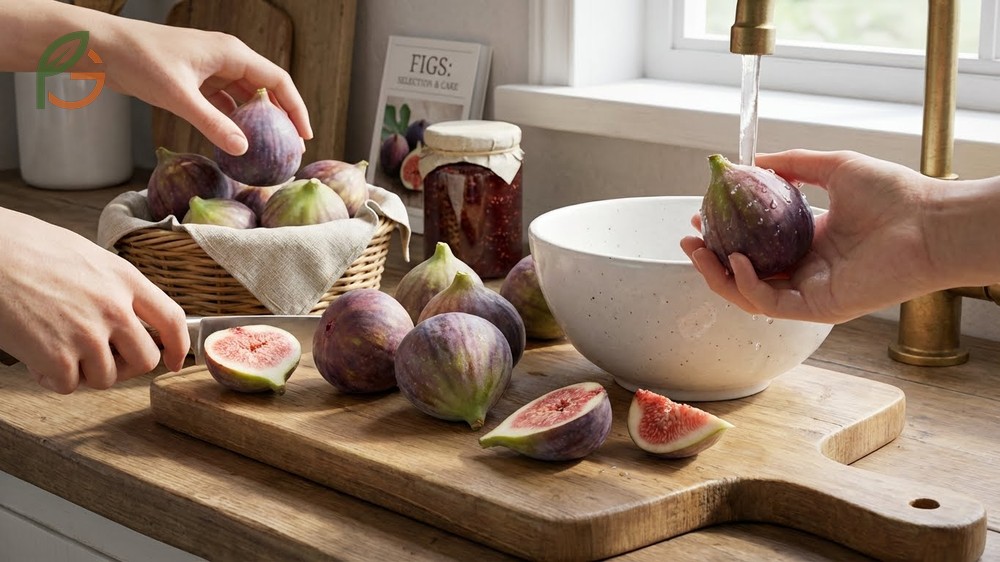
Successfully working with fresh figs requires understanding their delicate nature and optimal ripeness indicators. These fruits bruise easily and have a short window of peak quality. Knowing how to select, wash, and ripen figs ensures you experience their full flavor potential.
Fresh figs arrive at markets at various ripeness stages depending on shipping distance and handling. Learning to assess ripeness and handle these fragile fruits properly maximizes your enjoyment and minimizes waste.
Washing and Preparing Figs
Wash fresh figs gently under cool running water immediately before eating or using in recipes. Don’t wash them in advance, as moisture promotes mold growth and accelerates spoilage. Pat figs dry with a clean kitchen towel or paper towels after rinsing.
Handle figs carefully during washing to avoid bruising their delicate skin. You can simply rinse them or use your fingers to gently rub away any dirt or debris. The thin skin tears easily when overripe, so use minimal pressure during cleaning.
Ripening Figs at Home
Figs don’t ripen significantly after harvest, unlike climacteric fruits that continue developing sweetness off the tree. If you purchase slightly underripe figs, leaving them at room temperature for 1-2 days may soften the texture slightly, but they won’t develop the complex sweetness of tree-ripened fruit. Always select figs that yield to gentle pressure and show slight wrinkling near the stem for best results.
For gardeners growing fig trees, you can speed ripening on the tree by applying a small drop of olive oil to the fig’s eye using a cotton swab. This method seals the opening and can accelerate ripening by approximately 10 days, though many growers report that naturally ripened figs develop superior flavor.
| Nutrient (per 100g dried) | Figs | Dates |
|---|---|---|
| Calories | 249[6] | 282[6] |
| Sugar | 48g[6] | 63g[6] |
| Fiber | 10g[6] | 8g[6] |
Conclusion
The evidence is clear: learning how to eat figs properly unlocks their exceptional honey-sweet flavor and impressive nutritional benefits. Whether you’re enjoying fresh figs with edible skin intact, preparing elegant appetizers with goat cheese and prosciutto, or storing them correctly at 32-36°F for maximum shelf life, these versatile fruits reward proper handling with complex taste experiences.
Current guidance emphasizes selecting tree-ripened figs that yield to gentle pressure and using them within 5-7 days for peak quality. FruitGarden continues tracking cultivation research and storage innovations to help you maximize enjoyment from both fresh and dried fig varieties throughout the extended California harvest season.
Frequently Asked Questions
Is Fig Skin Edible?
Yes, fig skin is completely edible and contains beneficial nutrients. You can eat the entire fresh fig after washing, though some people prefer to peel late-season varieties that have thicker, more robust skins. Early-season figs have thinner, more delicate peels that most people find pleasant to eat.
How Do You Know When a Fig Is Ripe?
Ripe figs yield to gentle pressure and often show slight wrinkling near the stem. They develop rich color (deep purple for Black Mission, golden-green for Kadota) and may have a small amount of nectar at the base. The fruit should feel soft but not mushy, with a sweet fragrance when sniffed near the stem end.
What’s the Difference Between a Fig and a Date?
Figs and dates differ in sugar content, texture, and appearance. Dates contain 63g of sugar per 100g versus 48g in figs, making them sweeter and stickier. Fresh figs are rounder with edible seeds and range from golden to deep purple, while dates are ovular, wrinkled, and deep brown with a single pit that must be removed before eating.
Can You Eat Figs Raw?
Yes, you can eat fresh figs raw straight from the tree or refrigerator. Simply wash the fruit, twist off the stem, and bite into the whole fig including the skin. Raw figs deliver maximum nutritional benefits and fresh honey-sweet flavor when consumed at peak ripeness without cooking.
How Long Do Fresh Figs Last in the Refrigerator?
Fresh figs last 5-7 days when refrigerated at 32-36°F in a shallow container. Under optimal conditions, they can store for up to 2 weeks, though quality and flavor peak within the first week. Always store figs unwashed and in a single layer to prevent crushing and premature spoilage.
What Do Figs Pair Well With?
Figs pair exceptionally well with goat cheese, brie, prosciutto, bacon, arugula, honey, balsamic vinegar, and nuts like pistachios and almonds. Their sweet flavor balances salty and tangy ingredients, making them versatile for both appetizers and desserts. Blue cheese, ricotta, and mascarpone also complement figs beautifully in various recipes.
Are Dried Figs as Nutritious as Fresh Figs?
Dried figs offer concentrated nutrition with higher amounts of fiber, minerals, and calories per serving compared to fresh figs. Six dried figs provide 125 calories and 5g of fiber, versus 30 calories and 1g of fiber in one small fresh fig. However, drying concentrates natural sugars, so dried figs contain significantly more sugar per serving than fresh varieties.





