
Are dried figs good for you? Yes, they’re an excellent nutrient-dense snack. Research shows dried figs contain 3-5 times more fiber, calcium, and iron than fresh figs due to water removal during processing[1]. Studies demonstrate that eating just 3 dried figs daily nearly doubles bowel movement frequency and provides concentrated minerals essential for bone health[2]. FruitGarden synthesizes current nutritional research to help you understand how dried figs compare to their fresh counterparts.
Quick Answer
- Dried figs provide 9.8g fiber per 100g compared to just 2.9g in fresh figs[1]
- They contain 162mg calcium and 2mg iron per 100g—about 5x more than fresh figs[1]
- The recommended daily intake is 2-4 dried figs to balance nutrients with natural sugar content[3]
- Dried figs offer higher antioxidant activity than fresh figs after the drying process[4]
Are Dried Figs Good for You

Studies demonstrate that dried figs are nutrient-dense foods offering significant health advantages. The drying process concentrates minerals, fiber, and antioxidants, making them more nutrient-rich per gram than fresh varieties[5]. Research published in medical journals shows that dried figs provide superior antioxidant capacity compared to fresh figs[4].
Current nutritional data indicates that a single serving of 6 dried figs delivers about 125 calories alongside 8% of your daily magnesium, 7% potassium, 6% calcium, and 6% iron needs[6]. This nutritional profile supports multiple body systems simultaneously. The fiber content alone makes them valuable for digestive health and blood sugar management.
Most people don’t realize that dried figs contain pectin, a type of soluble fiber linked to reduced blood cholesterol levels[4]. The antioxidants in dried figs also protect LDL cholesterol from oxidation, which helps prevent atherosclerosis development. Unlike processed snacks, dried figs provide natural sweetness without artificial additives.
Nutritional Powerhouse
Dried figs rank at the top of dried fruits for phenolic antioxidant levels, which offer greater protection against age-related eye conditions than vegetable-based antioxidants[7]. These compounds help combat oxidative stress throughout your body. The mineral trio of magnesium, calcium, and vitamin K2 works synergistically to build strong bones.
What often gets overlooked is that without adequate magnesium, your body can’t properly absorb calcium, regardless of intake levels[7]. Dried figs provide both minerals together, ensuring optimal utilization. The iron content is particularly notable—dried figs are very high in iron, making them excellent for red blood cell production and anemia prevention.
Concentrated Benefits
Agricultural data shows that water removal during drying concentrates nutrients by 3-5 times compared to fresh fruit[1]. This means you get more nutritional value in a smaller serving size. However, natural sugars also become more concentrated, requiring mindful portion control.
Evidence suggests that dried figs produce an alkaline effect in the body, helping maintain the optimum pH range of 7.0-7.4 for disease-free living[7]. This alkalizing property sets them apart from many other snack options. The combination of vitamins, minerals, and plant compounds delivers comprehensive nutritional support.
- Concentrated fiber content supports digestive regularity and gut health
- High calcium and magnesium levels promote strong bones and teeth
- Rich iron content helps prevent anemia and supports energy production
- Superior antioxidant levels protect cells from oxidative damage
- Alkaline-producing properties help maintain optimal body pH balance
Important Note: While dried figs offer concentrated nutrients, they also contain higher sugar and calorie density. Pair them with protein sources like Greek yogurt or nuts to slow sugar absorption and enhance satiety.
Dried Figs Nutrition Facts

Current USDA data reveals that 100g of dried figs contains approximately 249 calories with a macronutrient breakdown of 92% carbohydrates, 5% protein, and 3% fat[8]. This energy-dense profile makes them ideal for quick fuel during physical activities. The carbohydrate content comes primarily from natural fruit sugars and dietary fiber.
Research shows that a single cup of stewed dried figs (259g) provides 277 calories, 71g carbohydrates, and 11g fiber—that’s 39% of your daily fiber needs[9]. This same serving delivers 18% of daily calcium, 28% of iron, and 16% of potassium requirements. The mineral density surpasses most dried fruits.
Surprising to many, dried figs contain all essential amino acids in smaller amounts, with proline being the most abundant at 146mg per 100g serving[8]. They also provide B-complex vitamins including riboflavin (22% DV), vitamin B6 (26% DV), and niacin (10% DV) per cup. The vitamin K content reaches 17μg per cup, supporting blood clotting and bone metabolism.
Calories and Macronutrients
Per 100g serving, dried figs deliver 249 calories compared to just 74 calories in fresh figs—a 3.4x increase in energy density[1]. The carbohydrate content rises from 19g in fresh figs to 64g in dried versions. Most of this comes from natural fructose and glucose, not added sugars.
The sugar content deserves attention—dried figs contain 47.5g of sugar per 100g, nearly triple the 16.26g found in fresh figs[1]. However, this concentrated sweetness comes packaged with fiber that moderates blood sugar impact. The protein content remains modest at 3.3g per 100g, while fat content stays minimal at 0.93g.
Vitamins and Minerals
Dried figs excel as mineral sources, particularly for bone-building nutrients. They provide 162mg calcium per 100g—nearly 5 times the 35mg found in fresh figs[1]. The magnesium content reaches 68mg per 100g compared to 17mg in fresh varieties. This mineral partnership is crucial since magnesium enables calcium absorption.
Iron levels in dried figs reach 2.03mg per 100g—about 6 times higher than the 0.37mg in fresh figs[1]. This makes them valuable for preventing iron-deficiency anemia. Potassium content sits at 680mg per 100g, supporting cardiovascular function and blood pressure regulation. Copper, manganese, and zinc are also present in meaningful amounts.
This table compares calories, fiber, sugar, and key minerals between fresh and dried figs per 100 grams
| Nutrient | Fresh Figs (100g) | Dried Figs (100g) | Increase Factor |
|---|---|---|---|
| Calories | 74 kcal[1] | 249 kcal[1] | 3.4x |
| Dietary Fiber | 2.9g[1] | 9.8g[1] | 3.4x |
| Sugar | 16.26g[1] | 47.5g[1] | 2.9x |
| Calcium | 35mg[1] | 162mg[1] | 4.6x |
| Iron | 0.37mg[1] | 2.03mg[1] | 5.5x |
| Magnesium | 17mg[1] | 68mg[1] | 4.0x |
- Vitamin B6 content reaches 26% of daily value per cup serving
- Copper provides 36% of daily needs, supporting iron absorption and enzyme function
- Manganese delivers 25% of daily requirements for bone formation and metabolism
- Riboflavin (vitamin B2) contributes 22% of daily value for energy production
- Vitamin K supplies 14% of daily needs for blood clotting and bone health
Health Benefits of Dried Figs

Research across multiple studies confirms that dried figs deliver measurable health improvements. Their fiber content promotes digestive regularity while supporting cardiovascular health through cholesterol management[4]. The concentrated minerals work synergistically to strengthen bones, support blood production, and regulate blood pressure.
Studies published in peer-reviewed journals show that fig consumption increases plasma antioxidant capacity for up to 4 hours after eating[5]. This antioxidant boost helps neutralize free radicals that cause cellular damage. The polyphenols in figs protect LDL cholesterol from oxidation, addressing a root cause of atherosclerosis.
Current data indicates that dried figs contain higher phenolic compounds and antioxidant activity compared to fresh varieties due to the drying process[4]. Dried figs and dried plums rank highest among dried fruits for antioxidant quality. These compounds offer particular protection for eye health against age-related macular degeneration.
Fiber for Digestive Health
The fiber in dried figs includes both soluble and insoluble types, each serving distinct functions. Soluble fiber absorbs water to soften stool, while insoluble fiber adds bulk and accelerates intestinal transit[10]. This dual-action mechanism explains their effectiveness for constipation relief.
Evidence from animal studies demonstrates that fig paste administration significantly increases fecal weight and shortens colonic transit time[10]. The cellulose content stimulates intestinal peristalsis, moving waste through the digestive system more efficiently. Korean researchers documented that fig intake nearly doubled bowel movement frequency in constipated subjects.
Bone Strength Support
Dried figs contain the essential bone-building trio of calcium, magnesium, and vitamin K2 working together[7]. Without magnesium, your body can’t properly absorb calcium, making their co-presence crucial. Vitamin K2 directs calcium into bones rather than allowing it to calcify in blood vessels.
The calcium content of 162mg per 100g represents about 16% of daily needs for adults[1]. This matches the calcium in a small glass of milk. The magnesium and phosphorus work alongside calcium to maintain bone density and reduce osteoporosis risk as you age.
- Digestive health improvement through high fiber content and natural laxative properties
- Bone density support from calcium-magnesium-vitamin K synergy
- Cardiovascular protection through cholesterol reduction and blood pressure regulation
- Iron-rich content prevents anemia and supports energy production
- Antioxidant compounds protect against cellular damage and oxidative stress
- Eye health protection from phenolic antioxidants against macular degeneration
Remember: While dried figs offer impressive benefits, they work best as part of a balanced diet. Combine them with diverse fruits, vegetables, whole grains, and lean proteins for optimal health outcomes.
Dried Figs vs Fresh Figs

The drying process fundamentally transforms figs’ nutritional profile by removing about 80% of water content. This concentrates nutrients by 3-5 times while also intensifying natural sugars[1]. Fresh figs contain more vitamin C at 2mg per 100g compared to 1.2mg in dried figs, since heat-sensitive vitamins degrade during drying.
Agricultural research shows that sun-drying increases the bio-accessibility of total proanthocyanidins and chlorogenic acid in figs[5]. However, anthocyanins like cyanidin-3-O glucoside aren’t detected in dried figs’ dialyzed fraction. The trade-off involves gaining mineral density while losing some heat-sensitive phytonutrients.
Despite common beliefs, a serving of 2-3 dried figs contains similar total calories and sugar to one large fresh fig[4]. The dried version packs more fiber, minerals, and antioxidants into that serving. Fresh figs offer higher water content for hydration and slightly more vitamin C retention.
Storage considerations favor dried figs—they last months in airtight containers compared to fresh figs’ 5-7 day refrigerator life. This makes dried versions more practical for year-round consumption. Fresh figs provide seasonal enjoyment with juicier texture, while dried figs deliver concentrated nutrition whenever needed.
- Dried figs contain 9.8g fiber per 100g versus 2.9g in fresh—supporting better digestive health
- Fresh figs provide more hydration with 80% water content compared to minimal water in dried
- Dried figs deliver 5-6x more calcium, iron, and magnesium due to concentration
- Fresh figs retain 67% more vitamin C as heat-sensitive vitamins survive better
- Dried figs offer 12-month shelf life versus 5-7 days for fresh refrigerated figs
Choosing Between Them: Select fresh figs during summer harvest season (June-September) for maximum freshness and vitamin C. Choose dried figs year-round for concentrated minerals, longer storage, and consistent availability.
Dried Figs for Constipation
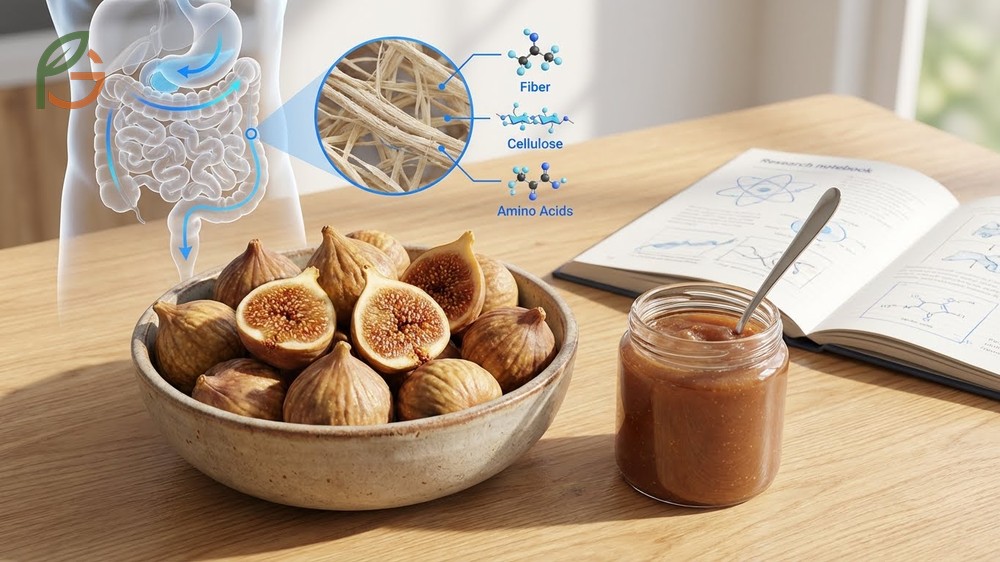
Clinical research demonstrates that dried figs effectively relieve constipation through multiple mechanisms. Korean studies found that consuming fig paste equivalent to 3 dried figs daily nearly doubled bowel movement frequency from about 2 to nearly 4 movements per week[2]. This improvement occurred within just a few weeks of regular consumption.
The laxative effect comes from dried figs’ high fiber content—9.8g per 100g—combined with cellulose and amino acids that stimulate peristalsis[10]. Studies show that cellulose increases fecal weight while reducing intestinal transit time. The shortened transit means waste moves through your system faster, preventing the hardening that causes constipation.
Research published in scientific journals confirms that fig administration significantly increased fecal weight during constipation periods in test subjects[10]. The soluble fiber absorbs water to soften stool, while insoluble fiber adds bulk. Together, these fibers create optimal conditions for regular bowel movements.
For best results, consume 3-4 dried figs daily to relieve constipation symptoms[11]. Soaking dried figs in water overnight enhances their effectiveness by softening the fiber and making it easier to digest. Drink the soaking water along with eating the figs to maximize hydration benefits that support bowel movements.
- High fiber content adds bulk to stool and promotes regular bowel movements
- Soluble fiber absorbs water to soften hardened stool
- Cellulose stimulates intestinal peristalsis for faster waste movement
- Natural laxative compounds accelerate colonic transit time
- Regular consumption nearly doubles bowel movement frequency in constipated individuals
How Many Dried Figs per Day

Current nutritional guidance recommends consuming 2-3 dried figs per day for most adults[3]. This amount provides essential nutrients like fiber, iron, and calcium without overloading on natural sugars. Each dried fig averages about 20-25 calories, so 2-3 figs deliver 40-75 calories total.
For constipation relief specifically, evidence supports consuming 3-4 dried figs daily[11]. This higher intake provides approximately 3-4g of fiber, which is 12-16% of daily fiber needs. The increased fiber load helps stimulate bowel movements more effectively than smaller amounts.
A serving of 6 dried figs delivers about 125 calories along with 8% of daily magnesium, 7% potassium, 6% calcium, and 6% iron requirements[6]. However, this larger serving also contains significant natural sugar—about 28g—which may affect blood sugar levels. Balance intake with your overall daily carbohydrate goals.
Listen to your body when determining optimal intake. Start with 2 dried figs daily and increase to 3-4 if you need digestive support. If you’re watching calories or managing diabetes, stick to 2-3 figs and pair them with protein sources like nuts or Greek yogurt to slow sugar absorption.
Timing Matters: Eat dried figs in the morning or before workouts for sustained energy. Avoid consuming large amounts before bed as the natural sugar may disrupt sleep quality. Soak them overnight in water to enhance digestibility and constipation-relief effects.
Benefits of Dry Figs for Men

Research indicates that dried figs offer specific advantages for men’s health, particularly regarding reproductive function and prostate wellness. The zinc content in figs supports natural testosterone synthesis, potentially elevating levels and enhancing sperm quality[12]. Studies show that adequate zinc intake correlates with improved sperm motility and count.
The antioxidants, vitamins, and minerals in dried figs work synergistically to enhance male fertility markers. These nutrients help protect sperm cells from oxidative damage while supporting their production[12]. The combination of vitamins and minerals also improves erectile function by supporting better blood flow throughout the body.
For prostate health, dried figs provide dietary fiber that facilitates regular bowel movements, indirectly reducing inflammation risk in the prostate gland[12]. The abundant antioxidants combat oxidative stress linked to prostate issues. As men age, maintaining prostate health becomes increasingly important, and dried figs offer nutritional support for this vital reproductive organ.
Beyond reproductive health, the iron content in dried figs benefits active men by preventing anemia and supporting energy production. The 2mg iron per 100g helps maintain optimal red blood cell levels for oxygen transport during physical activities. The calcium and magnesium support muscle function and bone strength, particularly important as men age.
- Zinc content supports testosterone production and sperm quality improvement
- Antioxidants enhance sperm motility and count while protecting from oxidative damage
- Fiber promotes prostate health by reducing inflammation through digestive regularity
- Iron prevents anemia and maintains energy levels for active lifestyles
- Natural compounds may boost libido through hormone regulation
- Minerals support erectile function by improving blood flow and vascular health
Conclusion
The evidence is clear: dried figs are good for you when consumed in appropriate amounts of 2-4 per day. They deliver 3-5 times more fiber, calcium, and iron than fresh figs while providing superior antioxidant activity. Their concentrated nutrients support digestive health, bone strength, cardiovascular function, and reproductive wellness—particularly for men.
Current nutritional guidance emphasizes incorporating dried figs as part of a varied, balanced diet rather than relying on them exclusively. Pair them with protein sources to moderate sugar absorption and enhance satiety. Whether you’re seeking constipation relief, bone-building minerals, or convenient nutrient density, dried figs offer research-backed benefits. FruitGarden brings you evidence-based fruit nutrition information to help you make informed dietary choices for your garden and health.
Medical Disclaimer
Important Medical Disclaimer: This content is for informational and educational purposes only. It’s not intended as a substitute for professional medical advice, diagnosis, or treatment. Always consult a qualified healthcare professional or registered dietitian before making any changes to your diet, particularly if you have diabetes, digestive disorders, or other medical conditions. Individual nutritional needs vary based on age, health status, activity level, and medications.
Frequently Asked Questions
Are Dried Figs Healthy for Weight Loss?
Dried figs can support weight loss when consumed in moderation as part of a calorie-controlled diet. Their high fiber content (9.8g per 100g) promotes satiety and reduces overall food intake throughout the day. However, they’re calorie-dense at 249 calories per 100g, so portion control is essential. Limit intake to 2-3 dried figs daily and pair them with protein sources like Greek yogurt or almonds to enhance fullness and stabilize blood sugar levels.
Do Dried Figs Contain Sulfites?
Some commercially dried figs contain sulfites (sulfur dioxide) used as preservatives to maintain color and extend shelf life. Research shows that sulfite residue levels vary significantly between brands and processing methods. If you’re sensitive to sulfites or want to avoid them, choose organic dried figs or those specifically labeled “sulfite-free.” Organic processing typically avoids sulfur dioxide, relying instead on natural drying methods without chemical preservatives.
What’s the Calcium Content in Dried Figs?
Dried figs contain 162mg of calcium per 100g, which represents approximately 16% of the daily recommended intake for adults. This is nearly 5 times more calcium than fresh figs, which provide only 35mg per 100g. Six dried figs deliver about 97mg calcium, comparable to a small glass of milk. The magnesium present in figs enhances calcium absorption, making them an effective plant-based calcium source for bone health.
How Much Iron Is in Dried Figs?
Dried figs provide 2.03mg of iron per 100g, which is about 6 times higher than the 0.37mg found in fresh figs. A half-cup serving delivers 1.5mg iron, representing approximately 8% of the recommended daily intake for adult men and 3% for adult women. While dried figs contain non-heme iron (plant-based), pairing them with vitamin C-rich foods like citrus fruits significantly enhances iron absorption rates.
Can You Eat Dried Figs Every Day?
Yes, you can safely eat dried figs every day in recommended amounts of 2-4 figs. Daily consumption provides consistent fiber for digestive health, minerals for bone strength, and antioxidants for cellular protection. However, monitor your total daily sugar intake since dried figs contain concentrated natural sugars. If you have diabetes, limit intake to 2-3 figs and pair them with protein to minimize blood sugar spikes. Adjust portions based on your individual calorie needs and health goals.
Are Dried Figs Better Than Dates?
Dried figs and dates offer different nutritional advantages depending on your needs. Figs contain more fiber (9.8g vs 8g per 100g), calcium (162mg vs 64mg), and iron (2mg vs 0.9mg), making them superior for digestive and bone health. Dates provide 4 times more calories and sugar but have a lower glycemic index, plus 3 times more potassium and magnesium. Choose figs for fiber and calcium; select dates for quick energy and higher mineral density in areas like potassium.
Should You Soak Dried Figs Before Eating?
Soaking dried figs overnight in water enhances their effectiveness, particularly for constipation relief. The soaking process softens the fiber, making it easier to digest and more effective at promoting bowel movements. Rehydrating figs also reduces their concentrated sugar content per gram and makes them gentler on your digestive system. To soak, place 3-4 dried figs in a cup of water overnight, then eat the figs and drink the water in the morning for maximum digestive benefits.





