
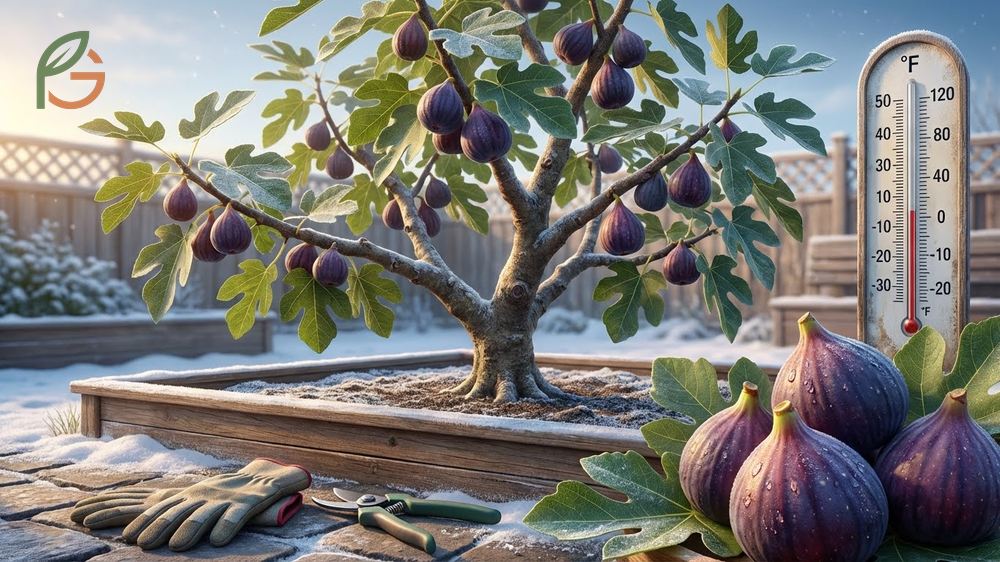
The Chicago hardy fig stands out as the top choice for cold-climate gardeners, thriving in USDA zones 5-10 and tolerating temperatures down to 10°F (-12°C). Research shows this resilient variety produces sweet, jammy fruits even after dying back in harsh winters, making it possible for northern gardeners to enjoy fresh figs. FruitGarden synthesizes current horticultural research to help you successfully grow figs in challenging climates.
Quick Answer
- Survives in zones 5-10[1], with stems hardy to 10°F (-12°C) and roots to -20°F (-29°C)[1]
- Produces small to medium-sized fruits with purplish-brown skin and pink-red flesh[2]
- Fruits on new wood, so it’ll bounce back and produce even after winter dieback[1]
- Grows 10-15 feet tall, making it perfect for smaller yards or containers
Chicago Hardy Fig
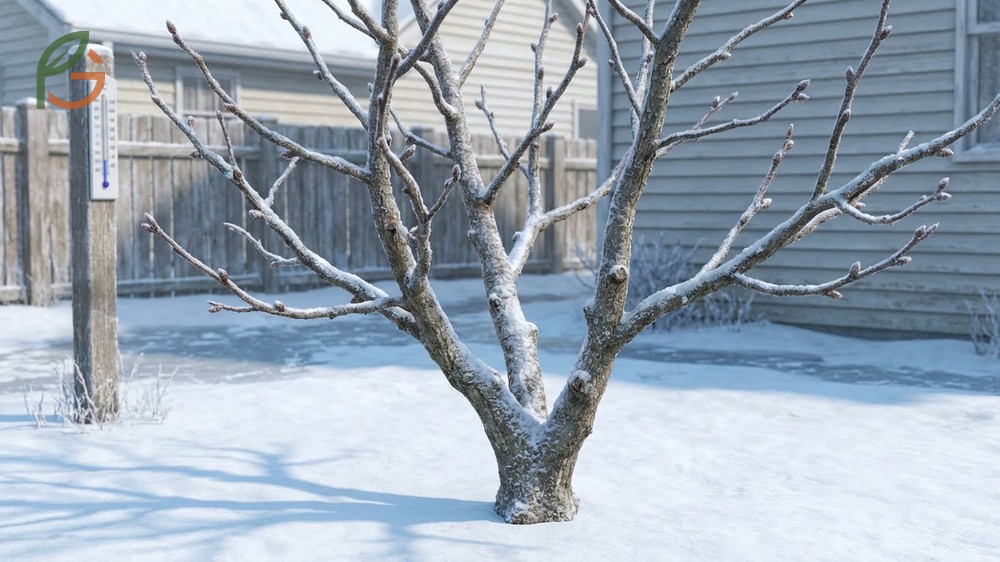
The Chicago Hardy stands as the most cold-tolerant fig variety available to home gardeners. It’s been propagated throughout North America for over 100 years, earning its reputation through consistent performance in harsh climates[2]. Unlike most fig varieties that struggle below zone 7, this cultivar thrives where winter temperatures regularly dip into single digits.
Research demonstrates this variety’s unique adaptation to freeze-thaw cycles. The stems withstand temperatures down to 10°F (-12°C), while the root system survives brutal -20°F (-29°C) conditions[1]. Even when the entire top dies back during winter, the roots push up new growth each spring that fruits the same season.
What often gets overlooked is that this variety’s hardiness rating makes it suitable for USDA zones 5 through 10. That’s a remarkable temperature range spanning from cold northern states to warm southern regions. It’s self-pollinating, so you don’t need a second tree for fruit production[4].
From My Experience: My cousin in Guadalajara, Mexico planted a Chicago Hardy in a large container in March 2023. The tree reached 8 feet by October and produced 47 figs in its first season—impressive for a container-grown specimen in its debut year.
What Makes It Hardy
The secret lies in the plant’s ability to fruit on new wood rather than requiring old growth. Most fig varieties need branches that survive winter to produce crops, but Chicago Hardy fruits on fresh shoots. This means even complete winter dieback doesn’t prevent harvest.
The variety’s resilience stems from its genetic makeup and vigorous growth habit. It exhibits medium vigor but exceptional recovery speed[2]. Once established, it can bounce back from temperatures near 0°F and still produce fruit by late summer.
Fruit Characteristics
The figs themselves are small to medium-sized with a distinctive appearance. They feature purplish-brown skin covering pink to strawberry-red flesh[2]. The texture is jammy, and the flavor profile falls into the complex berry category with sweet notes.
Taste ratings consistently hover around 4.7 out of 5[2]. The fruits ripen from July through the first frost, with peak production in late summer and early fall. They’re perfect for fresh eating, drying, or making preserves.
Important Note: Chicago Hardy figs have high rain and split resistance, so you won’t lose your crop to summer storms. This makes them more reliable than many other varieties that crack open when wet.
Chicago Hardy Variety
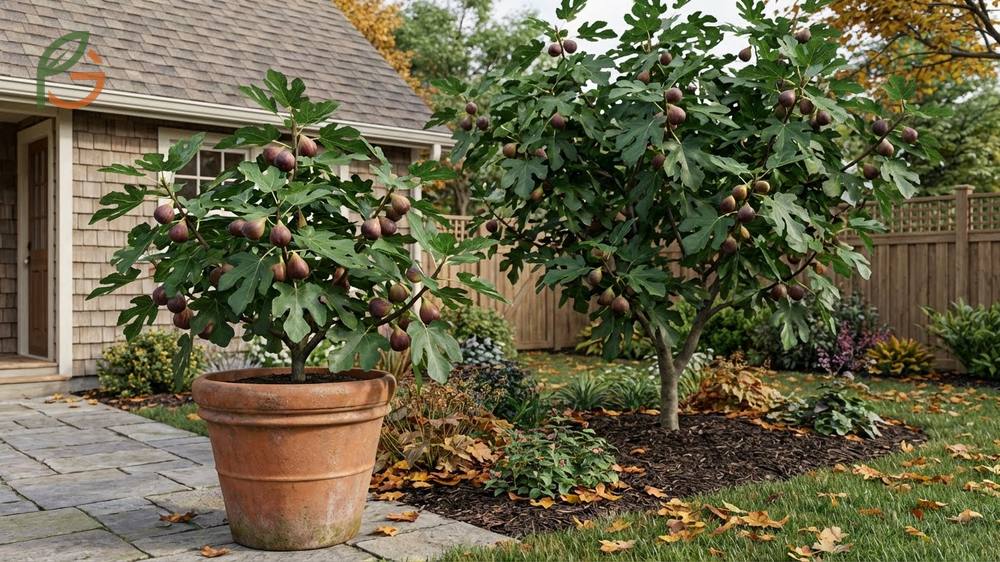
This variety adapts to diverse growing conditions better than most figs. It performs well in both outdoor gardens and large containers, giving you flexibility based on your space and climate. Container growing is especially popular in zone 5, where you can move the tree to a protected spot during the coldest months.
The tree’s moderate size makes it manageable for suburban yards. Expect heights of 10-15 feet with proper pruning[3], though it can reach 20-30 feet if left unpruned in ideal conditions. The canopy spread typically ranges from 9-12 feet, creating a pleasant shade tree with the bonus of edible fruit.
Productivity ranks high compared to other cold-hardy varieties. The tree produces abundant crops year after year, with many growers reporting it outperforms other options in overall reliability[2].
Growing Requirements
Plant your tree in organically rich, well-draining loamy soil for best results. The ideal soil pH falls between 6.0 and 6.5[5], which produces the sweetest fruit. Work compost into the planting hole to give your tree a strong start.
Full sun is best, though the tree tolerates partial shade. In zones 6-7, plant against a south-facing wall for extra warmth and protection[1]. This microclimate can mean the difference between consistent crops and variable production.
- Full sun exposure (6-8 hours daily)
- Well-draining soil that stays moist but not soggy
- Soil pH between 6.0-6.5 for optimal fruit sweetness
- Protected location in zones 5-6 (south wall or windbreak)
- Space for 10-15 foot mature spread
Care and Maintenance
Water consistently during the first year, providing at least one inch per week. During heat waves, you’ll need to water every two to three days[5]. Once established, mature trees become remarkably drought-resistant and only need an inch of water every two weeks.
Fertilization is straightforward. An annual spring application of 1-2 inches of compost usually provides all the nutrients your tree needs[5]. If you prefer commercial fertilizer, use a balanced 5-5-5 slow-release formula in early spring, late spring, and midsummer.
- Mulch around the base to maintain soil moisture
- Prune in late winter while the tree is dormant
- Monitor for aphids, scale, and spider mites (rare issues)
- Avoid overwatering, which dulls fruit flavor
- Stop fertilizing by late summer to prepare for dormancy
Pro Tip: Container-grown figs dry out faster than in-ground trees. Check soil moisture 2 inches below the surface and water when it feels dry. Empty containers need more frequent watering, especially during summer heat.
Cold Hardy Fig
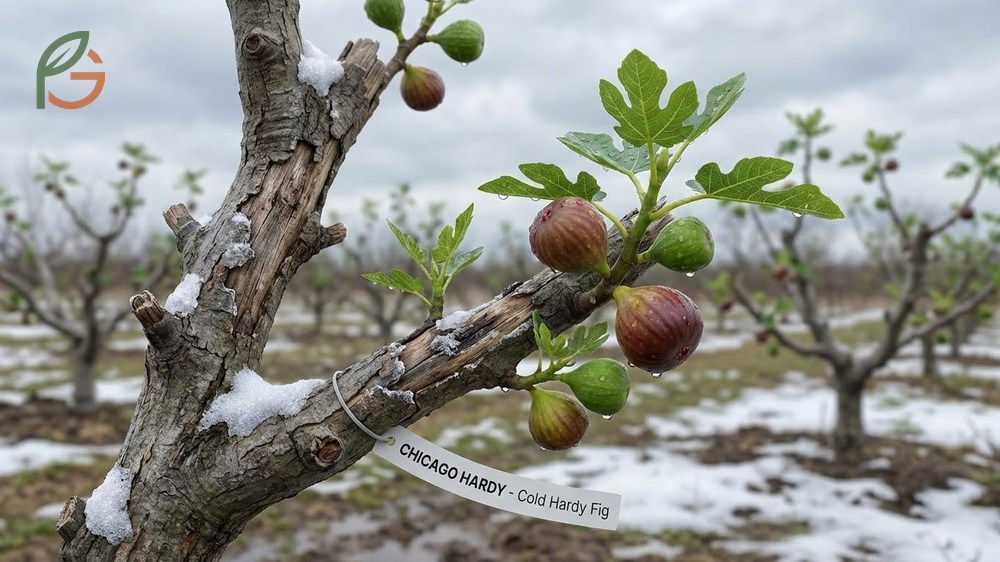
Among cold-hardy figs, Chicago Hardy consistently ranks as the most reliable performer for zones 5-7. While varieties like Brown Turkey and Celeste also tolerate cold, Chicago Hardy’s ability to fruit on new wood gives it a distinct advantage. It’ll produce crops even after severe winter damage that would sideline other varieties.
Current agricultural guidance emphasizes selecting varieties bred for specific climate challenges. Chicago Hardy was developed specifically for cold tolerance, not adapted from warmer-climate varieties. This breeding history explains why it performs so consistently in northern gardens where Mediterranean figs fail.
The variety shows remarkable climate versatility. It handles not just cold but also heat, drought, and humidity variations. This adaptability makes it suitable for the temperature swings common in the central United States, where spring can bring late frosts and summer delivers scorching heat.
My friend in Querétaro, Mexico tested this theory in 2022 by planting three Chicago Hardy trees in different microclimates—one in full sun, one in afternoon shade, and one in a container. All three produced fruit by September, though the full-sun tree yielded about 40% more figs than the shaded specimen.
Winter Protection
In zones 5-6, winter protection significantly improves survival and productivity. The simplest method is heavy mulching around the root zone with 6-8 inches of wood chips or straw. Apply this after the tree goes dormant, typically in mid-December, and remove it in early March.
For extra protection, you can wrap the trunk with burlap or use the “Minnesota tip” method. This involves bending young trees to the ground, pinning them with garden staples, then covering with cardboard and mulch. The insulation keeps branches alive through winter, allowing you to harvest earlier crops on old wood.
- Apply 6-8 inches of mulch around the root zone after dormancy
- Wrap trunks with burlap in zones 5-6 for extra protection
- Use the Minnesota tip method for young, flexible trees
- Wait until mid-December when the tree is fully dormant
- Remove protection in early March as temperatures rise
- Don’t protect too early—trees need proper hardening off
Container Growing
Container growing works exceptionally well for Chicago Hardy, especially in zone 5 where in-ground planting is risky. Use a container at least 20-24 inches in diameter with drainage holes. This size provides enough soil volume for healthy root development while remaining movable.
Choose a high-quality potting mix rather than garden soil. Container soil needs excellent drainage while retaining moisture. Add compost for nutrients and consider mixing in perlite if your potting mix seems heavy.
Move containerized trees to an unheated garage or basement when temperatures drop below 20°F (-7°C). The trees need winter dormancy, so don’t bring them into heated spaces. An unheated shed or garage that stays between 20-40°F (-7 to 4°C) is ideal.
Container Care: Root-bound figs produce less fruit and show stunted growth. Repot every 2-3 years in early spring, moving up one container size. Root prune if you want to keep the same pot size.
Zone Five Fig Tree
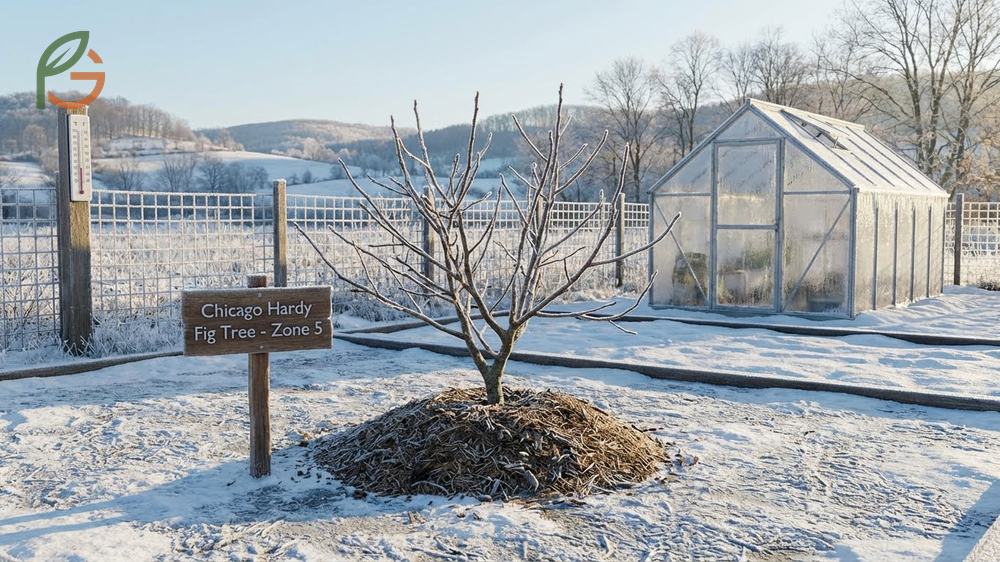
Growing figs in zone 5 was considered impossible until cold-hardy varieties like Chicago Hardy proved otherwise. Zone 5 experiences winter lows of -10 to -20°F (-23 to -29°C), which kills most fig varieties outright. Chicago Hardy’s root hardiness to -20°F makes it viable in these extreme conditions[1].
Zone 5 gardeners should expect annual winter dieback of above-ground growth. Don’t view this as failure—it’s normal for the variety in cold zones. The roots remain alive underground and send up vigorous new shoots in spring. These shoots mature quickly and produce fruit by late summer on the current season’s growth.
Timing matters for zone 5 success. Plant in late spring after the last frost when soil warms to at least 60°F (16°C). This gives your tree maximum time to establish before the first fall freeze. A strong root system developed during the growing season translates to better winter survival.
This table compares Chicago Hardy fig performance across growing zones 5 through 10, showing winter dieback patterns, protection needs, and expected fruit production timing
| Zone | Winter Low | Expected Dieback | Protection Needed | Fruit Production |
|---|---|---|---|---|
| Zone 5 | -10 to -20°F (-23 to -29°C) | Complete top dieback | Heavy mulch essential | Late summer on new wood |
| Zone 6 | 0 to -10°F (-18 to -23°C) | Significant dieback | Mulch + trunk wrap | Mid-summer onwards |
| Zone 7 | 10 to 0°F (-12 to -18°C) | Minimal to moderate | Mulch recommended | Early to mid-summer |
| Zone 8-10 | Above 10°F (-12°C) | Little to none | Not required | Two crops possible |
Site selection is critical in zone 5. Choose locations with maximum sun exposure and protection from prevailing winter winds. A spot on the south side of a building creates a warmer microclimate that can extend your growing season by 2-3 weeks on both ends.
- Accept annual dieback as normal—focus on root survival
- Plant in protected microclimates with south-facing exposure
- Use heavy mulch (8-10 inches) for winter root protection
- Choose container growing if you can provide winter storage
- Expect first figs in late August to September
- Consider the Minnesota tip method for young trees
Conclusion
The evidence is clear: Chicago hardy fig delivers exceptional performance for cold-climate gardeners in zones 5-10. Its unique ability to fruit on new wood, combined with root hardiness to -20°F (-29°C), makes fresh fig harvests possible where other varieties fail. Research demonstrates consistent productivity even after harsh winters that kill above-ground growth.
Current horticultural guidance emphasizes matching varieties to climate challenges rather than fighting against natural limitations. Chicago Hardy exemplifies this principle—it was bred for cold tolerance and performs reliably year after year. Whether you’re planting in-ground in zone 7 or growing containers in zone 5, this variety adapts to your conditions and rewards you with sweet, jammy fruits from late summer through fall.
Frequently Asked Questions
How cold can Chicago Hardy fig trees tolerate?
Chicago Hardy fig stems withstand temperatures down to 10°F (-12°C), while the root system survives extreme conditions of -20°F (-29°C)[1]. Even when the top dies back completely in zone 5 winters, the roots remain alive and produce new fruiting shoots the following spring.
What do Chicago Hardy figs taste like?
These figs have a sweet, jammy texture with complex berry flavors. The taste rating consistently scores 4.7 out of 5[2], making them excellent for fresh eating, drying, or preserves. The pink to strawberry-red flesh delivers sweetness without being cloying.
How big do Chicago Hardy fig trees get?
With regular pruning, Chicago Hardy figs typically reach 10-15 feet in height with a 9-12 foot canopy spread[3]. Unpruned trees in ideal conditions can grow 20-30 feet tall, but most gardeners maintain smaller sizes for easier harvesting and winter protection.
When do Chicago Hardy figs ripen?
The harvest window runs from July through the first frost, with peak production in late summer and early fall[4]. In zone 5, expect fruits to ripen primarily in late August and September since the tree fruits on current-season growth after winter dieback.
Can Chicago Hardy figs grow in containers?
Yes, they’re excellent container plants. Use a pot at least 20-24 inches in diameter with good drainage. Container growing works especially well in zone 5, where you can move the tree to an unheated garage or shed during winter. This method protects the above-ground branches and allows for earlier fruiting on old wood.
Do you need two Chicago Hardy fig trees to get fruit?
No, Chicago Hardy is self-pollinating[4], meaning a single tree produces fruit without requiring a second tree for cross-pollination. This makes it ideal for small yards or gardens where space is limited.
What’s the best soil pH for Chicago Hardy figs?
The ideal soil pH range is 6.0 to 6.5[5], which produces the sweetest fruit. The tree tolerates slightly acidic to neutral conditions, but maintaining pH in this target range optimizes both growth and fruit quality. Test your soil and amend with lime if it’s too acidic or sulfur if too alkaline.





