
Pomegranate Juice Vs Cranberry Juice differs significantly in antioxidant profiles and nutritional benefits. Research shows pomegranate juice delivers 2860 ORAC units per 100ml[1] with superior potassium content, while cranberry juice provides 26% daily value vitamin C[2] and targeted urinary tract support. FruitGarden synthesizes current nutritional research to help you choose the right juice for your health goals.
Quick Answer
- Pomegranate juice contains 54 calories and 214mg potassium per 100g[3]
- Cranberry juice provides 46 calories and 9.3mg vitamin C per 100g[3]
- Pomegranate’s antioxidant capacity exceeds red wine and green tea[4]
- Both juices support cardiovascular and immune health when consumed as part of balanced nutrition
Pomegranate Juice Vs Cranberry Juice

Current nutritional data shows these two juices deliver different health advantages. Pomegranate juice excels in potassium content at 214mg per 100g, which is 178% more than cranberry’s 77mg[3]. Cranberry juice dominates in vitamin C, offering 9.3mg per 100g compared to pomegranate’s minimal 0.1mg[3].
Both juices contain similar calorie counts and carbohydrate profiles. The macronutrient ratios differ slightly, with cranberry at 3:95:2 and pomegranate at 1:94:5 for protein, carbohydrates, and fat[3]. Most people find the taste profiles equally distinctive—pomegranate offers sweet-tart complexity while cranberry provides sharp tartness.
Calorie and Macronutrient Profile
Evidence indicates minimal caloric difference between these juices. Pomegranate juice contains 54 calories per 100g versus cranberry’s 46 calories[3]. Carbohydrate content remains comparable at 13.1g for pomegranate and 12.2g for cranberry per 100g serving[3].
Both juices derive 99% of their carbohydrates from natural sugars. Dietary fiber remains low at 0.1g per 100g for both options[3]. This matters because whole fruits provide more fiber benefits than juices.
Important Note: Commercial juice blends often contain added sugars that significantly increase calorie content beyond these baseline values. Check nutrition labels for total sugar content.
Vitamin and Mineral Content
Research demonstrates cranberry juice’s superiority in vitamin C delivery. A single cup provides 26% of daily vitamin C needs[2], supporting immune function and collagen synthesis. Pomegranate juice compensates with higher folate levels at 24μg per 100g versus cranberry’s 1μg[3].
Pomegranate juice delivers 11% of daily potassium requirements per cup[2], which supports healthy blood pressure regulation. Calcium and iron levels remain similar between both juices, with pomegranate containing 11mg calcium and cranberry 8mg per 100g[3].
Pomegranate Juice Benefits
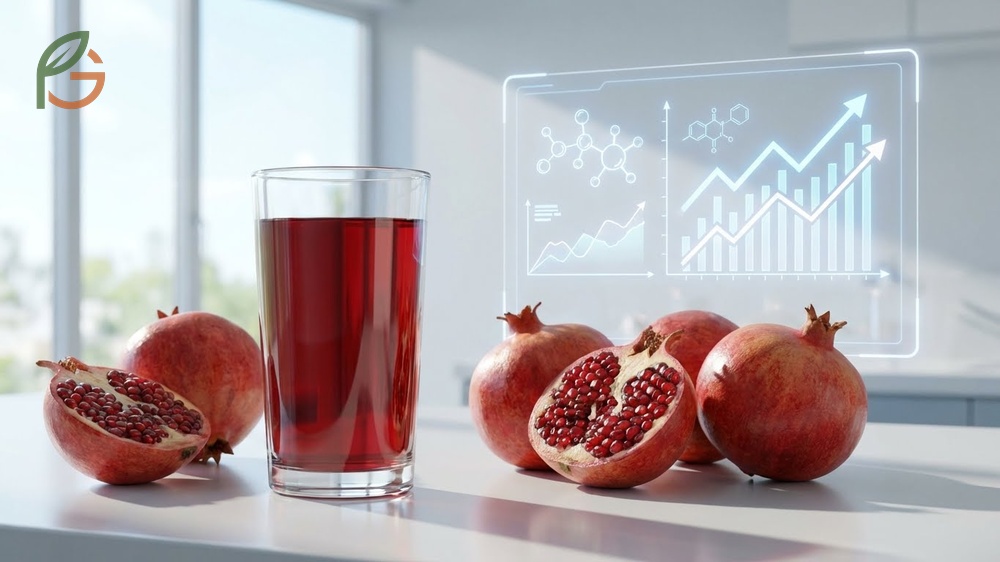
Studies demonstrate pomegranate juice’s exceptional health-promoting compounds. The juice contains ellagitannins and hydrolysable tannins that reduce macrophage oxidative stress and free radical damage[4]. Research on mice showed 90% reduction in LDL oxidation after 14 weeks of pomegranate juice administration[4].
Clinical evidence reveals pomegranate juice reduces atherosclerotic lesion size by 44% in test subjects[4]. The juice’s polyphenolic compounds activate endothelial nitric oxide synthase, improving blood vessel function. Most cardiovascular benefits emerge after consistent daily consumption over several weeks.
Cardiovascular Protection
Current data indicates pomegranate juice functions as a heart-healthy beverage. Studies on 73 patients consuming 240ml daily for one year showed improved arterial elasticity trends[5]. Peak systolic velocity decreased by 12% in left carotid arteries and 28% in right carotid arteries[5] after 12 months.
Evidence shows a 36% reduction in serum ACE activity alongside a 5% decrease in systolic blood pressure[5]. This dual effect on ACE inhibition and blood pressure provides cardiovascular protection independent of other factors. The reason these benefits occur relates to pomegranate’s ability to reduce oxidative stress in arterial walls.
- Reduces oxidized LDL cholesterol by up to 90% in experimental studies
- Increases macrophage cholesterol efflux by 39% in advanced atherosclerosis models
- Decreases mean carotid end-diastolic velocity progressively over 12 months
- Inhibits ACE activity by 31-36%, supporting blood pressure regulation
- Improves endothelial nitric oxide synthase expression for better vascular function
Antioxidant Power
Agricultural data shows pomegranate juice ranks among the highest ORAC-value beverages. Tests measure 2860 ORAC units per 100ml[1], surpassing orange juice at 750 units and apple juice at 534 units. This high polyphenol concentration comes from pressing the entire fruit, including peel components.
Research confirms pomegranate juice’s antioxidant capacity exceeds red wine and green tea[4]. The three primary antioxidant types—anthocyanins, ellagic acid, and tannins—work synergistically to neutralize free radicals. What often gets overlooked is that these compounds remain stable during processing, unlike some vitamin-based antioxidants.
Tip: You’ll get maximum antioxidant benefits from 100% pure pomegranate juice without added sweeteners. Diluted juice blends contain proportionally fewer polyphenols per serving.
Cranberry Juice Benefits

Studies demonstrate cranberry juice’s targeted health applications. The juice contains proanthocyanidins that prevent bacterial adhesion to urinary tract walls[6]. Research indicates this mechanism extends to kidney protection by blocking harmful bacteria from adhering to kidney tissue. Unlike pomegranate’s cardiovascular focus, cranberry juice specializes in urinary system support.
Current guidance emphasizes cranberry juice’s high vitamin C content for immune function. A single cup delivers over one-quarter of daily vitamin C requirements[2], supporting white blood cell production and collagen synthesis. The juice also provides diverse antioxidants including quercetin and other flavonoids.
Urinary Tract Health
Evidence suggests cranberry juice prevents urinary tract infections through bacterial anti-adhesion properties. The proanthocyanidins don’t kill bacteria but instead prevent them from colonizing bladder and urethral walls[6]. This prevention mechanism works best for women prone to recurrent UTIs.
Research shows cranberry juice may protect kidneys from infection-related complications. By preventing bacteria from adhering to kidney walls, the juice helps reduce pyelonephritis risk[6]. While cranberry juice won’t treat active infections, it provides hydration and protective compounds during recovery.
- Prevents bacterial adhesion to bladder and urethral epithelial cells
- Reduces UTI recurrence risk in susceptible populations
- Protects kidney tissue from harmful bacterial colonization
- Maintains healthy urinary tract pH balance
- Supports bladder wall integrity through polyphenol compounds
Immune System Support
Current data indicates cranberry juice’s vitamin C content strengthens immune defenses. The 9.3mg vitamin C per 100g[3] supports lymphocyte function and antibody production. This matters because vitamin C acts as a cofactor in numerous immune cell processes.
Studies demonstrate cranberry’s bioflavonoids provide additional immune benefits beyond vitamin C alone. These compounds work synergistically to reduce oxidative stress in immune cells. Most people find that regular cranberry juice consumption during cold season supports overall wellness.
Antioxidant Comparison Juices
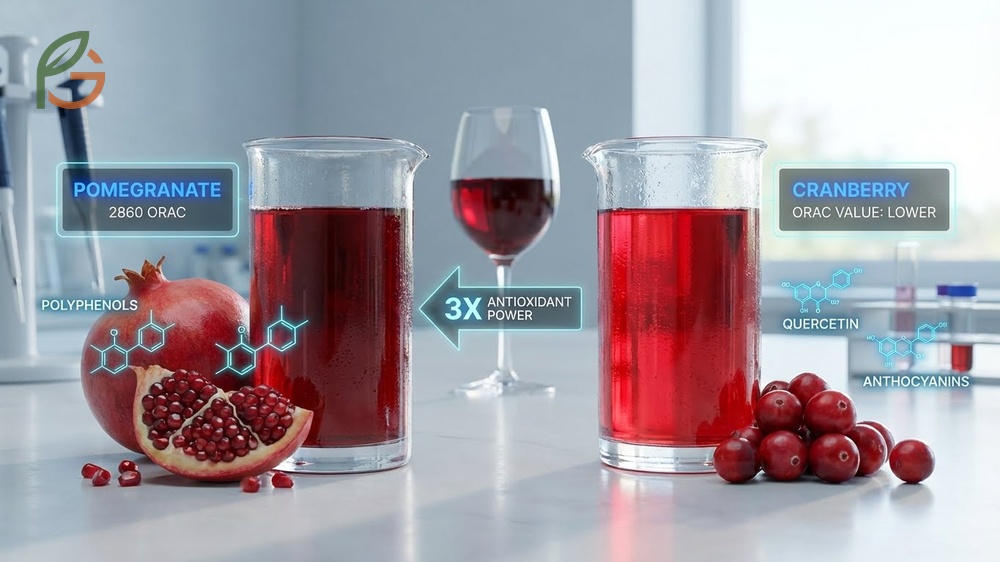
Agricultural testing reveals distinct antioxidant profiles between these juices. Pomegranate juice’s 2860 ORAC units[1] stem from polyphenols concentrated in fruit peels and arils. Cranberry juice contains different antioxidant types, primarily quercetin and anthocyanins, though total ORAC values measure lower than pomegranate.
Research across multiple studies shows pomegranate juice delivers three times the antioxidant power of red wine[4]. This exceptional capacity results from ellagitannins, punicalagins, and gallic acid working together. Unlike vitamin-based antioxidants that degrade quickly, these polyphenols remain stable in juice form.
This table compares antioxidant ORAC values, primary antioxidant compounds, and key health benefits between pomegranate juice and cranberry juice
| Juice Type | ORAC Value | Primary Antioxidants | Key Benefit |
|---|---|---|---|
| Pomegranate | 2860 units/100ml[1] | Ellagitannins, punicalagins, anthocyanins | Cardiovascular protection, LDL oxidation reduction |
| Cranberry | Lower than pomegranate | Proanthocyanidins, quercetin, vitamin C | Urinary tract health, immune support |
What this means for you depends on your health priorities. If you’re targeting cardiovascular health and maximum antioxidant intake, pomegranate juice provides superior polyphenol density. For urinary tract protection and vitamin C supplementation, cranberry juice delivers specialized compounds that pomegranate lacks.
- Processing methods significantly impact final antioxidant retention in commercial juices
- 100% juice products contain higher polyphenol concentrations than juice cocktails
- Storage time and light exposure gradually reduce antioxidant potency
- Combining juices doesn’t multiply benefits—effects remain additive, not synergistic
- Drinking juice with meals reduces iron absorption due to polyphenol interactions
Cranberry Pomegranate Juice Blends
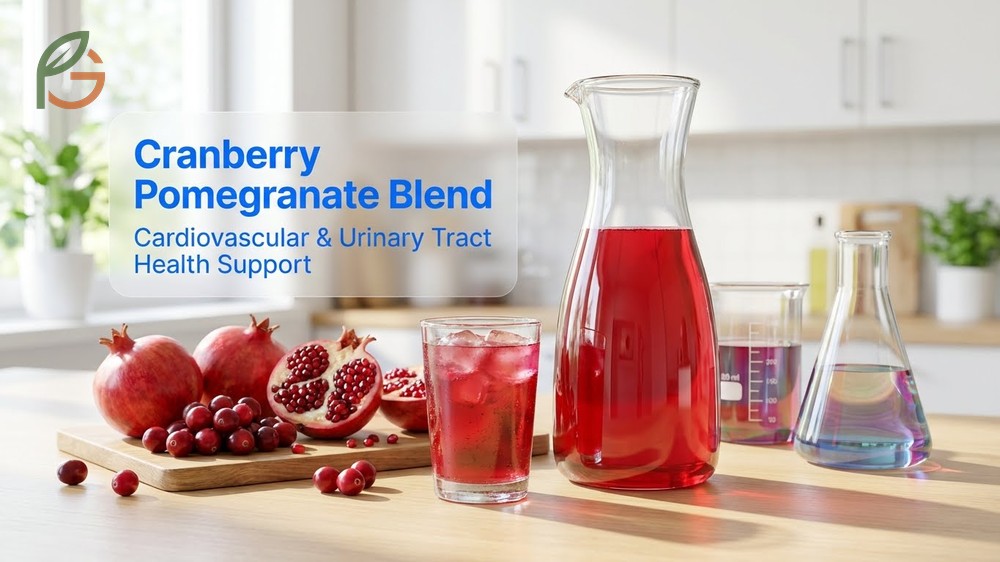
Commercial blends combine both juices to deliver complementary health benefits. These products typically contain 50-70% cranberry juice with 30-50% pomegranate, balancing tartness with sweetness. Research indicates blends provide additive antioxidant effects from both fruit sources, though the total polyphenol content depends on juice percentages.
Studies suggest cranberry-pomegranate blends support both cardiovascular and urinary tract health simultaneously. The combination delivers pomegranate’s ellagitannins for arterial health alongside cranberry’s proanthocyanidins for UTI prevention. Most blends contain added sweeteners to offset tartness, which increases calorie content significantly compared to single-fruit juices.
Current product formulations vary widely in juice concentration. Premium blends offer 100% juice from both fruits without added sugars, while budget options may contain only 10-20% real juice with high-fructose corn syrup fillers. You’ll get the most health benefits from blends listing both cranberry and pomegranate as the first two ingredients.
Important Note: White cranberry juice blends use unripe cranberries, resulting in milder flavor but reduced polyphenol content compared to standard red cranberry juice. Check labels for actual fruit juice percentages.
- Look for products with at least 70% total fruit juice content
- Avoid blends listing sugar or corn syrup in the first three ingredients
- Refrigerated fresh-pressed blends retain more nutrients than shelf-stable versions
- Organic blends eliminate pesticide residue concerns from conventional farming
- Glass-bottled products protect antioxidants better than clear plastic containers
Conclusion
The evidence is clear: Pomegranate Juice Vs Cranberry Juice presents distinct health advantages rather than one superior option. Pomegranate juice excels in cardiovascular protection with exceptional antioxidant density, while cranberry juice specializes in urinary tract health and vitamin C delivery. Current nutritional guidance emphasizes choosing based on your specific health priorities—heart health favors pomegranate, while UTI prevention and immune support favor cranberry.
FruitGarden recommends incorporating both juices into rotation for comprehensive nutritional benefits. The most effective approach involves consuming 4-8 ounces daily of 100% pure juice without added sugars, preferably with meals to moderate blood sugar impact.
Medical Disclaimer
Important Medical Disclaimer: This content is for informational and educational purposes only. It is not intended as a substitute for professional medical advice, diagnosis, or treatment. Always consult a qualified healthcare professional before making any changes to your diet, medication, or health routine, especially if you have diabetes, kidney conditions, cardiovascular disease, or are taking blood thinners or blood pressure medications. Fruit juices may interact with certain medications and affect blood sugar levels.
Frequently Asked Questions
Is Pomegranate Juice Better Than Cranberry Juice for Heart Health?
Research shows pomegranate juice provides superior cardiovascular benefits due to its high ellagitannin content. Studies demonstrate 12-28% reductions in carotid artery velocity and 5% decreases in systolic blood pressure after 12 months of daily consumption. Cranberry juice offers minimal direct heart health effects compared to pomegranate’s proven arterial protection.
Which Juice Has More Antioxidants: Pomegranate or Cranberry?
Pomegranate juice contains significantly more antioxidants, measuring 2860 ORAC units per 100ml compared to cranberry’s lower values. The antioxidant power of pomegranate juice exceeds red wine and green tea, making it one of the most potent antioxidant beverages available. However, cranberry provides unique proanthocyanidins not found in pomegranate.
Can Cranberry Juice Prevent Urinary Tract Infections?
Evidence suggests cranberry juice helps prevent UTIs by blocking bacterial adhesion to urinary tract walls. The proanthocyanidins in cranberry juice prevent bacteria from colonizing bladder and urethral tissue, reducing recurrence risk in susceptible individuals. However, cranberry juice won’t treat active infections and should complement, not replace, medical treatment.
Is White Cranberry Juice as Healthy as Regular Cranberry Juice?
White cranberry juice contains fewer polyphenols than regular red cranberry juice because it’s made from unripe cranberries harvested before full anthocyanin development. While white cranberry juice offers milder flavor and some vitamin C, it provides reduced antioxidant benefits compared to fully ripened red cranberry juice.
What Are the Benefits of Cranberry Grape Juice Blends?
Cranberry grape juice blends combine cranberry’s proanthocyanidins with grape’s resveratrol for dual antioxidant benefits. These blends typically taste sweeter than pure cranberry juice due to grape’s natural sugars. However, many commercial versions add extra sweeteners, significantly increasing calorie content beyond whole fruit benefits.
Does Cranberry Pineapple Juice Have Health Benefits?
Cranberry pineapple juice provides vitamin C from both fruits plus bromelain enzymes from pineapple. This combination supports immune function and may offer anti-inflammatory effects. The blend delivers cranberry’s urinary tract benefits alongside pineapple’s digestive enzymes, though added sugars in commercial products often outweigh these advantages.
Is Cranberry Pomegranate Juice Good for You?
Cranberry pomegranate juice combinations offer complementary health benefits when made from 100% fruit juice without added sugars. The blend provides cardiovascular protection from pomegranate’s ellagitannins plus urinary tract support from cranberry’s proanthocyanidins. Choose products listing both fruits as primary ingredients and avoid blends with high-fructose corn syrup or excess added sugars.





