
What does pineapple do for women? Research shows pineapple delivers 88% of daily vitamin C per cup, supports hormonal balance through increased progesterone levels, and provides bromelain enzyme for reducing inflammation[1][2]. While popular claims about taste improvement lack scientific evidence, the fruit’s nutrient profile offers legitimate health advantages for women’s wellness. FruitGarden synthesizes current nutritional research to separate evidence-based benefits from common myths.
Quick Answer
- One cup provides 97mg vitamin C (88% daily value) supporting immune function and iron absorption[1]
- Vitamin C supplementation increases progesterone by 77% in women, supporting fertility and hormonal balance[2]
- Bromelain enzyme reduces inflammation and may support cardiovascular health[3]
- Contains thiamine for energy metabolism and 99 calories per cup with natural sugars for quick energy[4]
What Does Pineapple Do for Women
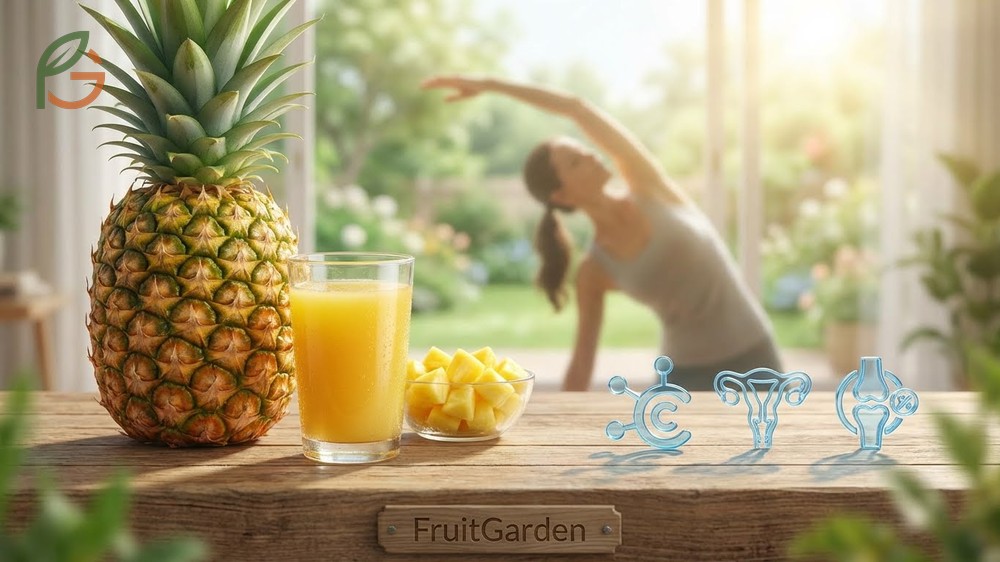
Pineapple offers women a concentrated source of vitamin C, with one cup delivering 97mg—significantly more than the 75mg daily recommendation for adult women[1]. Studies demonstrate that adequate vitamin C intake directly influences reproductive hormone production and menstrual cycle regulation[2]. The fruit’s enzyme bromelain provides additional anti-inflammatory properties that may benefit women experiencing monthly discomfort.
Fresh pineapple maintains 85% water content while delivering 23g carbohydrates per cup, making it hydrating without excessive caloric load. Unlike processed juices, whole fruit provides 1.5g fiber supporting digestive health. The natural sugar content offers quick energy without the blood sugar spikes associated with refined sweeteners.
Women who consume vitamin C-rich fruits like pineapple show improved iron absorption rates—critical since monthly menstruation increases iron loss. Research indicates vitamin C can double iron absorption when consumed alongside iron-rich foods[2]. This matters because iron deficiency anemia affects women at significantly higher rates than men.
Nutritional Profile
Each 165g cup of fresh pineapple contains key micronutrients supporting women’s health. Beyond vitamin C, the fruit provides 20mg calcium, 180mg potassium, and 19.8mg magnesium[1]. Manganese content stands out, with pineapple offering one of the highest concentrations among common fruits.
The vitamin B complex in pineapple includes thiamine (B1) and B6, both essential for energy metabolism. Thiamine supports cellular energy production, helping combat fatigue during demanding days. B6 contributes to neurotransmitter synthesis and mood regulation.
Important note: Canned pineapple contains 5 times less vitamin C than fresh fruit due to heat processing. Choose fresh or frozen varieties to maximize nutritional benefits.
Hormonal Support
Studies show women supplementing with 750mg daily vitamin C experience a 77% increase in progesterone levels compared to non-supplementing controls[2]. While eating pineapple alone won’t deliver this supplementation level, regular consumption contributes to meeting daily vitamin C requirements. Progesterone matters for women experiencing luteal phase defects or irregular cycles.
Vitamin C concentrates in follicular fluid surrounding developing eggs in the ovaries. This antioxidant protection helps defend reproductive cells from oxidative stress. Higher dietary intake supports overall reproductive health, though it’s not a standalone fertility treatment.
Pineapple Benefits for Women
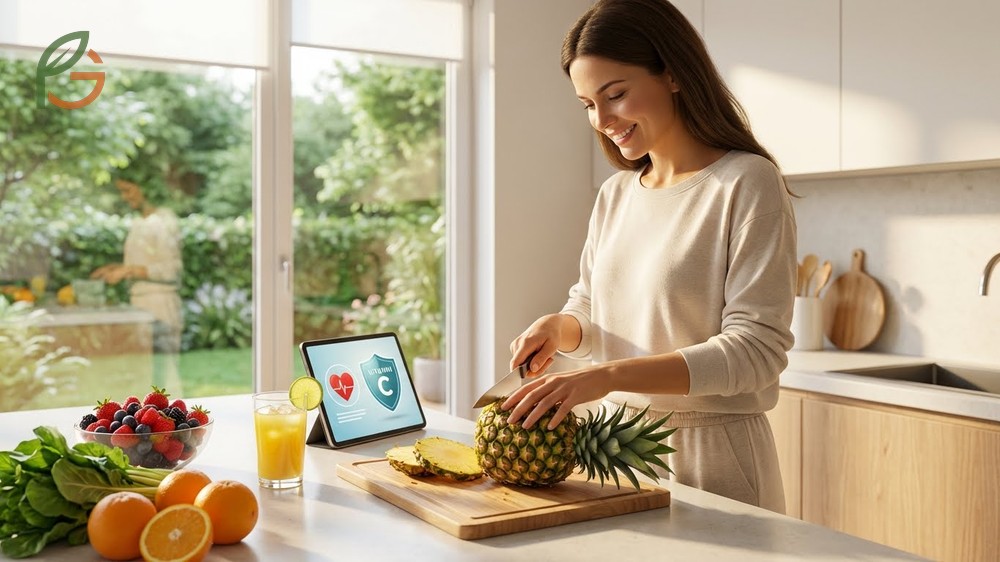
Women’s unique physiological needs make pineapple’s nutrient density particularly valuable. The 88% daily value of vitamin C per serving supports immune function year-round[1]. This matters during high-stress periods when immune response can weaken. Vitamin C also functions as a powerful antioxidant, neutralizing free radicals that contribute to cellular aging.
Research demonstrates vitamin C intake above 400mg daily reduces heart disease risk by 28% in women[2]. Cardiovascular disease remains the leading cause of death among American women. Including multiple vitamin C sources throughout the day—like pineapple at breakfast—helps reach protective intake levels.
The fruit’s low sodium content (0mg per cup) benefits women managing blood pressure or water retention. Natural potassium acts as a counterbalance to dietary sodium, supporting healthy fluid balance. This combination makes pineapple a smart choice during premenstrual phases when bloating commonly occurs.
Vitamin C Advantages
Vitamin C synthesis of collagen directly impacts skin elasticity and appearance. Women concerned with skin health benefit from consistent vitamin C intake through diet. One cup of pineapple provides more than a full day’s requirement, supporting collagen production in skin, blood vessels, and connective tissue.
The vitamin also modulates estrogen synthase activity and may influence estrogen levels during hormonal transitions. Some evidence suggests vitamin C supplementation increases plasma estrogen in menopausal women undergoing hormone therapy[5]. This doesn’t mean pineapple acts as hormone replacement, but it may support natural hormonal processes.
- Enhances iron absorption from plant-based sources by up to 2x
- Supports collagen formation for skin, joint, and bone health
- Acts as antioxidant reducing oxidative damage to cells
- Contributes to neurotransmitter production affecting mood
- Maintains immune cell function during stress periods
Iron Absorption
Monthly menstruation creates ongoing iron loss for reproductive-age women. Iron deficiency anemia develops more frequently in women than men due to this regular blood loss. Vitamin C converts dietary iron into more absorbable forms, making pineapple a strategic pairing with iron-rich meals.
Eating fresh pineapple with spinach salads, lentil dishes, or fortified grains maximizes iron uptake. The effect is immediate and doesn’t require large amounts—even a single serving provides enough vitamin C to enhance iron absorption from that meal. This matters for vegetarian and vegan women relying on plant-based iron sources.
Benefits of Pineapple Sexually
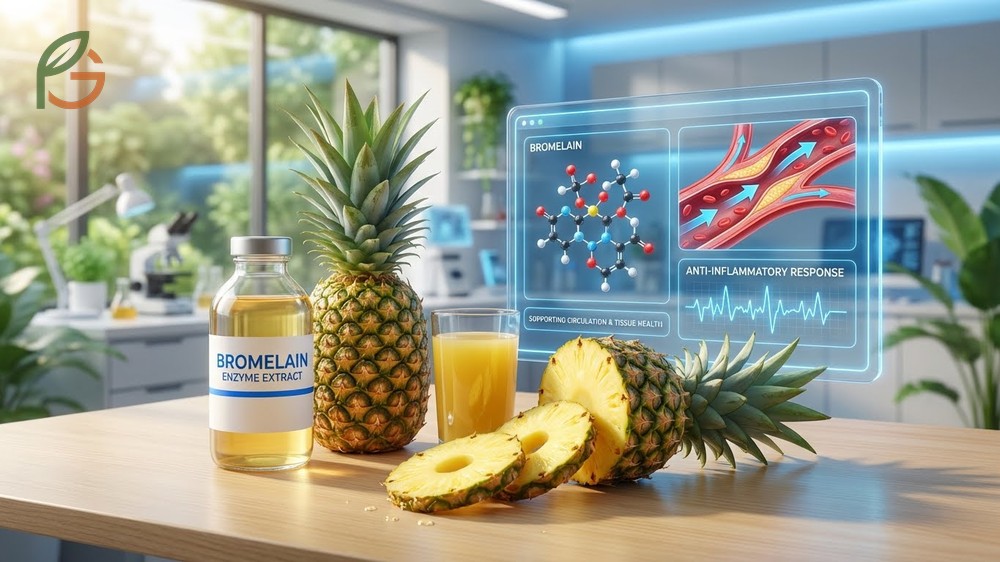
Claims about pineapple enhancing sexual function typically center on bromelain enzyme and nutrient content. While direct evidence remains limited, the fruit’s nutritional profile supports several aspects of sexual health indirectly. Bromelain demonstrates anti-inflammatory properties in clinical settings, potentially benefiting circulation and tissue health[3]. Chronic inflammation negatively impacts blood vessel function, which affects arousal and response.
The natural sugars in pineapple provide quick energy—99 calories per cup with 23g carbohydrates deliver fuel without heaviness[4]. Thiamine (vitamin B1) plays a key role in energy metabolism, helping combat fatigue. Low energy levels commonly affect intimate experiences more than any specific nutrient deficiency.
Current evidence doesn’t support dramatic claims about pineapple acting as an aphrodisiac or significantly altering sexual function. What’s clear is that overall nutritional status affects energy, circulation, and hormonal balance—all factors in sexual wellness. Pineapple contributes to meeting daily nutrient needs as part of varied diet.
Energy and Stamina
Thiamine’s role in converting carbohydrates to usable energy makes it relevant for physical endurance. Women with adequate B vitamin intake report less fatigue during daily activities. The 0.185mg vitamin B6 per cup also supports energy production pathways at the cellular level[1].
Natural fruit sugars enter the bloodstream relatively quickly compared to complex starches. This makes pineapple a reasonable pre-activity snack when you need accessible energy. The fiber content (1.5g per cup) prevents the blood sugar crash associated with pure sugar sources.
Circulation Effects
Vitamin C facilitates vasodilation—the widening of blood vessels that improves blood flow throughout the body. This mechanism supports healthy circulation to all tissues. Copper content (0.181mg per cup) also contributes to blood pressure regulation[1].
Bromelain’s ability to inhibit blood platelet aggregation may support cardiovascular health over time[3]. Healthy blood flow matters for all physiological functions, including sexual response. Evidence remains insufficient to claim pineapple treats circulation disorders, but nutrient contributions support vascular wellness generally.
- Adequate vitamin C for blood vessel elasticity and function
- B vitamins converting food to cellular energy efficiently
- Anti-inflammatory compounds reducing chronic inflammation
- Hydration from high water content (85%) maintaining tissue health
- Quick-digesting natural sugars providing accessible fuel
Is Pineapple Good for Vaginal Health
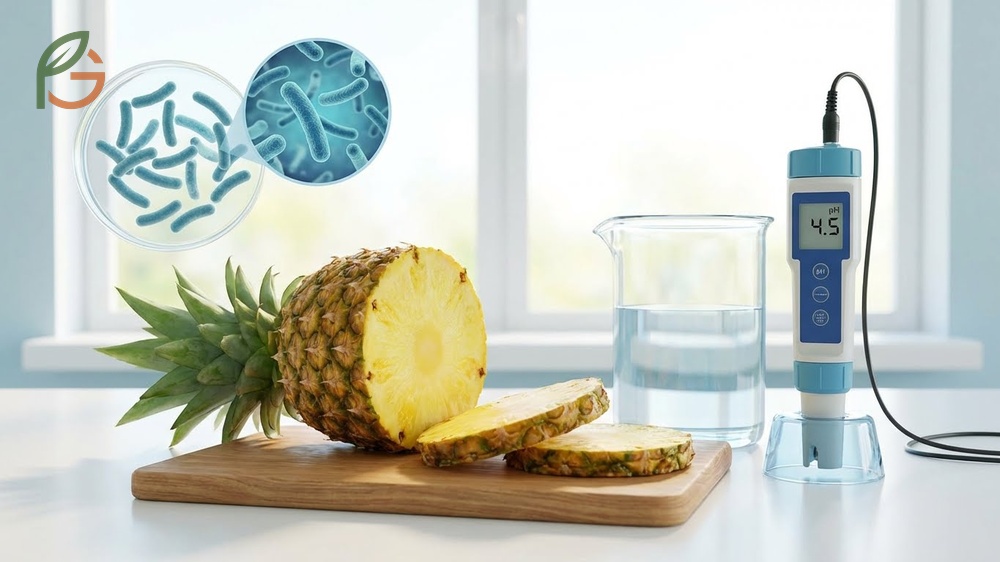
Popular claims suggest eating pineapple improves vaginal taste or smell, but scientific evidence doesn’t support these specific assertions. The vagina maintains a natural pH around 4.5 through lactobacillus bacteria producing lactic acid[6]. No food—including pineapple—will dramatically alter this self-regulating system. Vaginal discharge naturally has a slightly acidic taste due to these beneficial bacteria.
Research shows no evidence that consuming large amounts of fruits like pineapple significantly changes vulvar or vaginal smell. While diet influences body odor in sweat, the vaginal microbiome operates independently. Claims about bromelain or pineapple’s acidity affecting intimate areas lack scientific backing.
What does support vaginal health? Maintaining overall nutritional status, staying hydrated, and avoiding practices that disrupt natural pH balance. Pineapple contributes to general health through vitamin C and other nutrients, which indirectly supports all body systems including reproductive health. The fruit doesn’t target vaginal health specifically.
Important clarification: The vagina is self-cleaning and doesn’t require special foods to maintain health. Any significant changes in odor, discharge, or pH warrant consultation with a healthcare provider, not dietary changes alone.
- Adequate hydration maintaining mucosal tissue moisture
- Balanced diet supporting healthy immune function
- Avoiding douching or harsh soaps disrupting pH
- Cotton underwear allowing proper air circulation
- Probiotic-rich foods supporting beneficial bacteria throughout body
Bromelain for Women
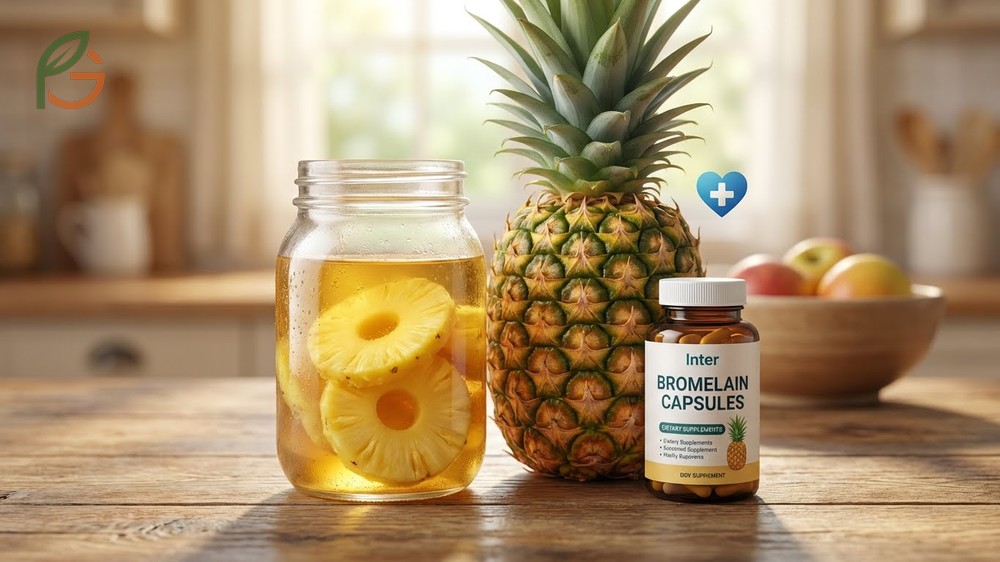
Bromelain, the enzyme complex found primarily in pineapple stems and fruit, demonstrates measurable anti-inflammatory effects in clinical studies. Research shows it reduces swelling, pain, and inflammation following surgical procedures[3]. Women recovering from procedures like episiotomy experience faster healing with bromelain supplementation. The enzyme’s natural occurrence in fresh pineapple provides smaller amounts than therapeutic supplements.
Fresh pineapple retains more active bromelain than processed versions. Heat during canning or pasteurization deactivates enzymes, reducing or eliminating bromelain content. Studies measuring bromelain activity show fresh pineapple extract maintains up to 8% bromelain by dry weight when properly handled[7].
For women dealing with inflammation-related discomfort during menstrual cycles, bromelain’s properties offer theoretical benefits. Evidence supports its use for musculoskeletal inflammation and osteoarthritis pain reduction. Whether eating fresh pineapple provides sufficient bromelain for these effects remains unclear—therapeutic studies typically use concentrated supplements.
- Reduces post-surgical swelling and accelerates recovery time
- Decreases joint inflammation in osteoarthritis patients
- Inhibits blood platelet aggregation supporting cardiovascular function
- May support tissue healing through anti-inflammatory mechanisms
- Aids protein digestion when consumed with meals
Dosage consideration: Therapeutic bromelain supplements contain 2,500 GDU/g activity, while fresh pineapple provides roughly 400 GDU/g. Eating pineapple contributes bromelain but won’t match supplement concentrations used in clinical studies.
Conclusion
The evidence is clear: what does pineapple do for women centers on delivering concentrated vitamin C (88% daily value per cup), supporting iron absorption during reproductive years, and providing bromelain with anti-inflammatory properties[1][2]. While popular claims about taste improvement lack scientific backing, legitimate benefits include hormonal support through vitamin C’s role in progesterone production and enhanced nutrient absorption. Choose fresh pineapple over canned versions to maximize vitamin C and active enzyme content.
Current nutritional guidance emphasizes whole fruit consumption as part of varied diet rather than relying on single foods for specific health outcomes. FruitGarden recommends incorporating fresh pineapple alongside other vitamin C-rich fruits, balancing intake with protein sources and whole grains. Women concerned about specific health conditions should consult healthcare providers rather than depending on dietary changes alone.
Medical Disclaimer
Important Medical Disclaimer: This content is for informational and educational purposes only. It is not intended as a substitute for professional medical advice, diagnosis, or treatment. Always consult a qualified healthcare professional before making any changes to your diet, supplement regimen, or health routine, especially if you have existing medical conditions, take medications, or are pregnant or breastfeeding. Individual nutritional needs vary, and what works for one person may not be appropriate for another. The health claims discussed here represent general research findings and do not guarantee specific results for any individual.
Frequently Asked Questions
What does pineapple juice do for a woman?
Pineapple juice provides vitamin C and natural sugars but contains less fiber than whole fruit. One cup delivers similar vitamin C content (around 78-97mg) supporting immune function and iron absorption. However, juice lacks the 1.5g fiber found in fresh pineapple and may contain added sugars depending on processing. Choose 100% juice without added sweeteners, or better yet, eat whole fruit to maximize nutritional benefits and maintain blood sugar stability.
Does pineapple actually help with vaginal taste?
No scientific evidence supports claims that eating pineapple significantly alters vaginal taste or smell. The vagina maintains natural pH around 4.5 through beneficial lactobacillus bacteria. Research confirms diet doesn’t dramatically change vaginal chemistry or odor. While overall nutrition supports general health, no single food targets intimate areas specifically. The persistent myth likely stems from misunderstanding how the body’s self-regulating systems work.
How much pineapple should a woman eat daily?
One cup (165g) of fresh pineapple provides 88% of daily vitamin C needs without excessive calories (99 per cup). Most women can safely enjoy 1-2 cups daily as part of varied fruit intake. Eating pineapple exclusively isn’t recommended—rotate between different fruits to obtain diverse nutrients. Those with diabetes should monitor portion sizes due to natural sugar content (23g per cup). Excessive consumption may cause mouth irritation from bromelain enzyme or digestive discomfort.
Can pineapple improve female fertility?
Pineapple doesn’t directly improve fertility, but its vitamin C content supports reproductive health. Studies show 750mg daily vitamin C supplementation increases progesterone by 77%, benefiting women with luteal phase defects. One cup of pineapple provides about 97mg vitamin C—helpful but not sufficient alone to reach therapeutic levels. Vitamin C also concentrates in follicular fluid protecting egg cells from oxidative stress. Consider pineapple part of fertility-supporting nutrition, not a standalone treatment.
What’s the difference between fresh and canned pineapple for health benefits?
Fresh pineapple contains 5 times more vitamin C than canned versions due to heat processing during canning. Fresh fruit retains active bromelain enzyme, while canning deactivates it through high temperatures. Canned pineapple often includes added sugars or syrups increasing calorie content. If choosing canned options, select varieties packed in 100% juice without added sweeteners. For maximum nutritional benefits—especially vitamin C and active enzymes—fresh or frozen pineapple remains the superior choice.
Does bromelain in pineapple help with period cramps?
Bromelain demonstrates anti-inflammatory properties in clinical studies, theoretically benefiting menstrual discomfort. However, research specifically testing pineapple or bromelain for menstrual cramps remains limited. Therapeutic studies use concentrated bromelain supplements (2,500 GDU/g) rather than amounts found in fresh fruit (400 GDU/g). Eating pineapple provides some bromelain but won’t match supplement doses used in pain management research. Women experiencing severe cramps should consult healthcare providers about evidence-based treatments.
Is pineapple safe during pregnancy?
Yes, eating normal amounts of fresh pineapple is safe during pregnancy and provides beneficial vitamin C. The myth about pineapple causing miscarriage stems from bromelain content, which in concentrated supplement form might pose risks. However, the bromelain amount in whole fruit is far too low to cause pregnancy complications. One or two cups daily offers nutritional benefits without safety concerns. Pregnant women should maintain varied fruit intake and discuss any dietary questions with their obstetrician or midwife.





